Underbody Coating
AIM:
Study the underbody coating used in automobile industries.
Objectives:
- Study about underbody coating
- Study about types of underbody coating and its advantages and disadvantages.
Underbody Coating:
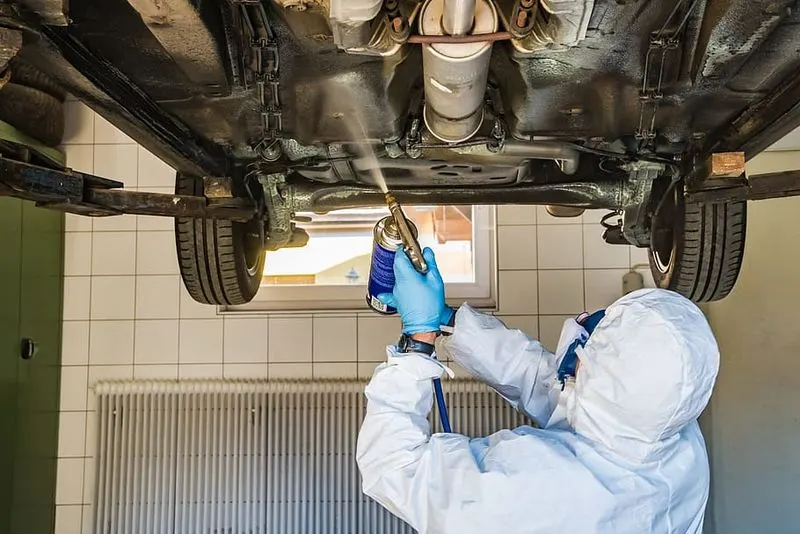
Underbody Coating is a sprayable coating, which protects the under surface of the vehicle from corrosion.
Underbody coating provides long term protection from corrosion to car's underbody. It also protects parts like internal body panels, frame rails and other inner cavities that are not physically accessible but are prone to corrosion.
Protecting the underbelly of the car should be our top priority. Especially during monsoon when heavy precipitation causes the roads to become rivers and our cars are left stranded there. This makes them prone to heavy corrosion in the underbody region.
Coatings are applied to the underside of vehicles to protect them against factors such as corrosion, chemicals, moisture, water damage, and chipping of the underbody.
Types of Underbody Coating:
- Rubberized Underbody Coating
- Wax Based Underbody Coating
- Asphalt Based Automotive Undercoating
- Polyurethane Underbody Coating
Rubberized Underbody Coating:
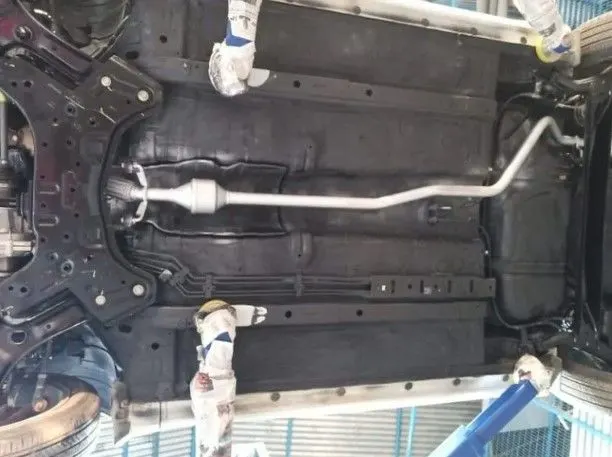
This is widely considered to be the best underbody coating for your car. It protects the underbody from scratches and keeps it properly. It’s also not difficult to apply this to the undercarriage. This can be done at the authorized service centre or by the local repair shop at a reasonable price. Rubberized coating is ideal if you want to keep the road noise to a minimum and rust and corrosion away.
Wax Based Underbody Coating:
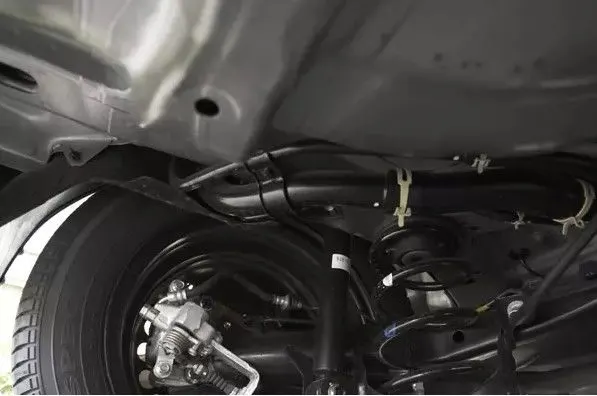
This transitory undercoating will, on the whole, fade away after a few months. On the plus side, wax-based undercoating is resistant to dampness. It is also the most cost-effective alternative.
Asphalt Based Automotive Undercoating:
Suitable for lorries, trucks, and other heavy vehicles. In comparison to rubber-based coatings, this gives a higher level of protection. Asphalt-based coatings, on the other hand, incorporate a small quantity of rubber for sound insulation. The application of this coating, however, takes some time.
Polyurethane Underbody Coating:
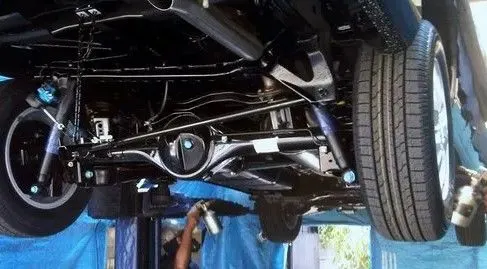
This covering seal breaks and fractures in the vehicle’s underbody. It provides strong corrosion resistance and also binds to the metal. Unlike an asphalt-based coating, the polyurethane coating may be painted over.
Process:
-
When it comes to updating your vehicle or using any sort of coating, remove the rust completely first and then proceed. Rust removal is easily achieved by sandblasting or sanding, depending on the area and the extent of the rust.
-
Once you've removed the rust and prepped your undercarriage for coating, give it a quick rinse and let it dry to ensure you aren't further trapping any contaminants on your vehicle's underbelly. Using a degreaser to clean the metal first is also recommended.
-
Most undercoating is generally applied with a spray gun. A disposable spray gun will work best; once the undercoating hardens, it becomes very difficult to clean the gun even with a lot of thinner. A Schutz disposable spray gun is the best option.
-
No matter what type of vehicle undercoating you've selected, two coats will provide the optimum protection. Allow ample dry time between coats.
-
Let the undercoating cure completely (usually overnight) before driving your vehicle on the road.
Advantages of Underbody Coating:
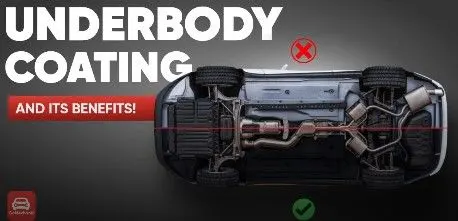
- Undercoating gives an extra layer of protection against rust and corrosion, protecting your car.
- Undercoating will eventually wear out, but you can get years of protection from it. Even vehicles in warmer climates gain protection as debris is repelled and kept away from eating at the vehicle.
- It can be self-applied.
- It minimizes the sound from underneath the car.
- It insulates the interior of the car from the extreme temperature from beneath the vehicle.
- The coating does not chip away when hit by stones.
- It reinforces the car and prolongs the car's life.
- It insulates from the heat coming from the ground.
Disadvantages of Underboady coating
- Undercoating will not help you if corrosion already exists and the corrosion needs to be removed first before it can be applied, which can be expensive for you.
- It must be reapplied every 3 to 5 years for the best results
- It adds weight to the vehicle.
- It is not cheap.