Underbody Coating
Underbody Coating:
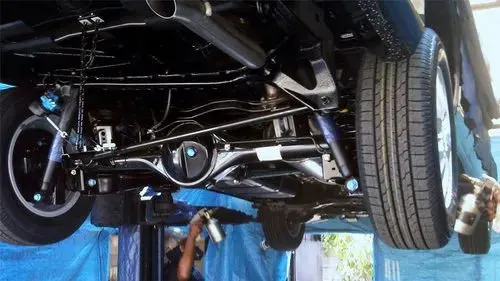
Underbody coating is usually a dense cladding (often based on rubber) applied uniformly to the undercarriage of the automobile. It is normally sprayed or painted.underbody coating is also called as underseal.
Underbody components:
Rear Floor Panel, Tunnel, Front Shock Tower Wheel House, Front Side Rail, Rear Shock Tower Wheel House, Rear Seat Panel, Dash Cross Member, Rear Back Panel, Rear Side Rail, Rear Floor Cross Member, Side Sill Inner, Front Floor Panel.
Why is underbody coating is required?
This coatings provide long term protection from corrosion to car’s underbody. It also protects parts like internal body panels, frame rails and other inner cavities that are not physically accessible but are prone to corrosion. It even protects the underbody from being chipped always by stones and humps.
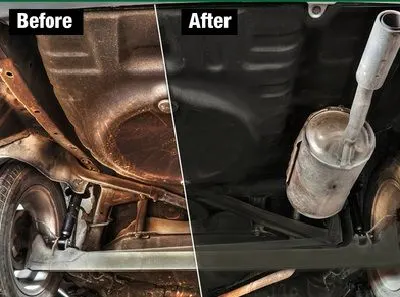
Types of Coating:
1.Rubberized underbody coating:This is widely considered to be the best underbody coating for car. It protects the underbody from scratches and keeps it properly. It’s also not difficult to apply this to the undercarriage. Rubberized coating is ideal if you want to keep the road noise to a minimum and rust and corrosion away.
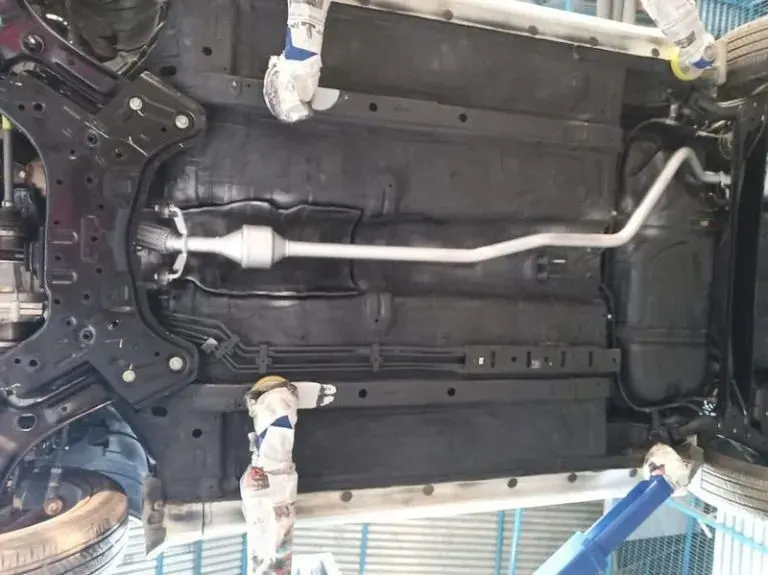
2.Wax Based Underbody Coating:
This – more or less – ephemeral undercoating will wear away in a few months’ time. On the upside, wax-based undercoating puts up a big fight against moisture. It is also the most cost-effective alternative.
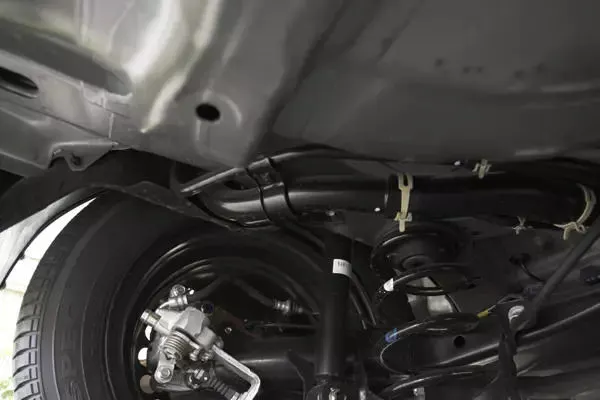
3.Asphalt Based Automotive Undercoating:
Best suited for lorries, trucks and large vehicles this provides a greater degree of protection compared to rubber-based coatings. However, asphalt-based coatings contain little amounts of rubber for sound-insulation purposes. The process of applying this coating is a bit time-consuming though.
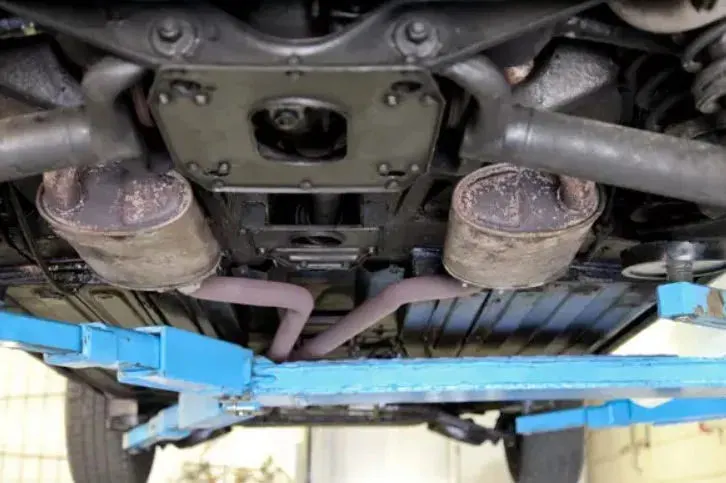
4.Polyurethane Underbody Coating:
This covering seals breaks and fractures in the vehicle’s underbody. It provides strong corrosion resistance and also binds to the metal. Unlike an asphalt-based coating, the polyurethane coating may be painted over.
Pros of undercoating:
- It minimizes the sound from underneath the car resulting a noiseless, smooth driving experience.
- It insulates the interior of the car from extreme temperatures from beneath the vehicle providing a comfortable cabin experience.
- If any stone hits the coating it does not get chipped away hence protects the underbody from exposure to water.
- Fights rust
- Reinforcement:If your car comes with stock underbody coating, using another coating on top of it, is not going to hurt. It will offer additional reinforcement, protecting the underbody from water, road debris, gravel and small pebbles. There would also be a lesser chance for the factory coat to flake away
- Prolongs car's life:Good undercoating not only defends the underbody from corrosion but also protects the engine and transmission as well.Less rusting coupled with slower wear and tear can surely add years to the lifespan of your vehicle. There would be fewer dents, dings and scratches on the undercarriage for you to fret about
con's of undercoating:
- Surface need to cleaned properly before applying the coating.
- Need to be dried properly.
- For all coating has a specific time period for lasting so it needs to be reapplied after that period of time.
- In rubber-based coating if there is tear in coating it needs to reapplied to the body where as on other coating it can be fixed by over coating.