Underbody Coating
->AIM / OBJECTIVES:
Study the underbody coatings used in automobile industry.
->THEORY:
Underbody Coating is a sprayable coating, which protects the under surface of the vehicle from corrosion.
Underbody coating provides long term protection from corrosion to car's underbody. It also protects parts like internal body panels, frame rails and other inner cavities that are not physically accessible but are prone to corrosion.
Protecting the underbelly of the car should be our top priority. Especially during monsoon when heavy precipitation causes the roads to become mini-rivers and our cars are left stranded there. This makes them prone to heavy corrosion in the underbody region.
This Undercoating process can be done fully automatically using robots or a technician can apply it manually.
->Types of undercoating:
There are various kinds of automotive undercoatings available in the market. Few are:
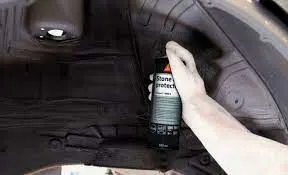
**Rubberized Underbody coating
This is generally thought of as the best underbody coating for your car. Rubberized Undercoating is easy to apply and offers sound-cushioning as well as protection from dust, moisture, and dings or dents.
In addition to your undercarriage, rubberized undercoating is also safe to use on wheel wells and quarter panels, and dries to a soft rubbery finish that prevents further rust, damage, or moisture seeps. The coating can be painted over and, if necessary for bodywork, can be easily removed with an undercoating removal spray.
Overall, Rubberized Undercoating is generally the best option for protecting your vehicle's undercarriage, as it provides the simplest and best protective measures against rust and moisture.
**Wax based undercoating
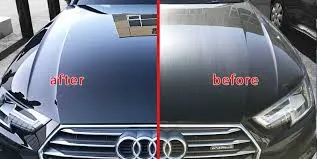
A paraffin-based undercoating will be the cheapest and quickest option available with which to protect the undercarriage of your vehicle. However, it will wear off quickly than other types of undercoating and will need to be stripped and reapplied at least once every year.
Wax-based undercoatings never truly harden. During application, they drip or flow into seams and cracks to provide protective properties. They are usually available in a spray gun canister or in an aerosol can and offer at least a base protection in moderately humid climates.
**Asphalt Based automotive undercoating
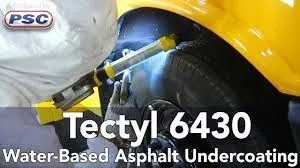
Best suited for lorries, trucks and large vehicles this provides a greater degree of protection compared to rubber-based coatings. However, asphalt-based coatings contain little amounts of rubber for sound-insulation purposes. The process of applying this coating is a bit time-consuming though.
**Polyurethane Undercoating
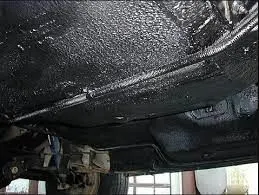
This coating closes up splits and fractures on the underbody of the vehicle. It offers up good protection against corrosion and also bonds with the metal. Unlike in the case of asphalt-based coating, you can paint over the polyurethane coating.
--> benefits of Underbody coating are:
* Environmental conditions protection.
* Protection from impacts
* Dampens sound and vibration protection
* Insulation against cold and heat
* Seals off seams
* Improves aesthetics.
--> Disadvantages of Underbody coating are:
* Apllying underbody coating will not have any effect to the already corroded part.
* Undercoating is costly.
* Since the corrosion itself starts after few year, underbody coating is not preferable to ower who change their car after few year.