Underbody Coating
Under-Body Coating and its purpose
As we know the automobiles we use will have to go through several types of climates, road conditions, temperatures and have to deal with different types of external forces and impacts. An automobile is not designed to be run on a particular fixed road. It will have to go through different terrains and places with entirely different climatic conditions. As the terrain or the climate changes, the things the car have to deal with will be different. There will be bad roads, if the car is going off road there could be mud, loose rocks hitting under the body etc. The roofs, doors, hood etc are designed in a way that many types of these problems won’t create any issues while driving the car and the passengers inside the cabin are safe. Similarly, the underbody of a car is equally important and relevant for keeping the cabin safe and for safe running of the car. The scenarios could be many and unpredictable, so it is necessary to protect the under body of the car in a proper way so that it is protected for the rusts and corrosion. So, to protect the car’s underbody there are different methods. One of which is rust protection and other id underbody coating.
Why rust/corrosion happens?
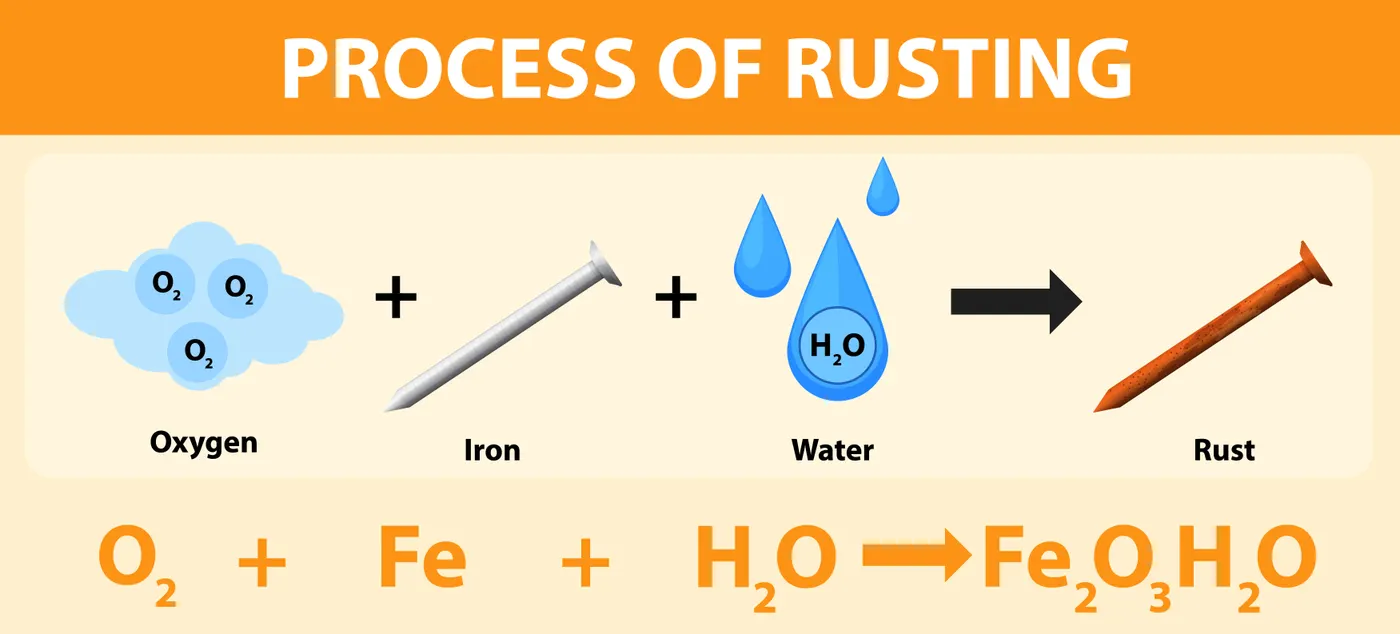
All metals which have iron in it will rust. Car chassis and many other body parts are made of different types of steel commonly, which has iron. If the metal does not have iron content like aluminium, titanium etc will not rust. But they will undergo oxidation. That is when these types of metals come in contact with oxygen.
Car rust proofing
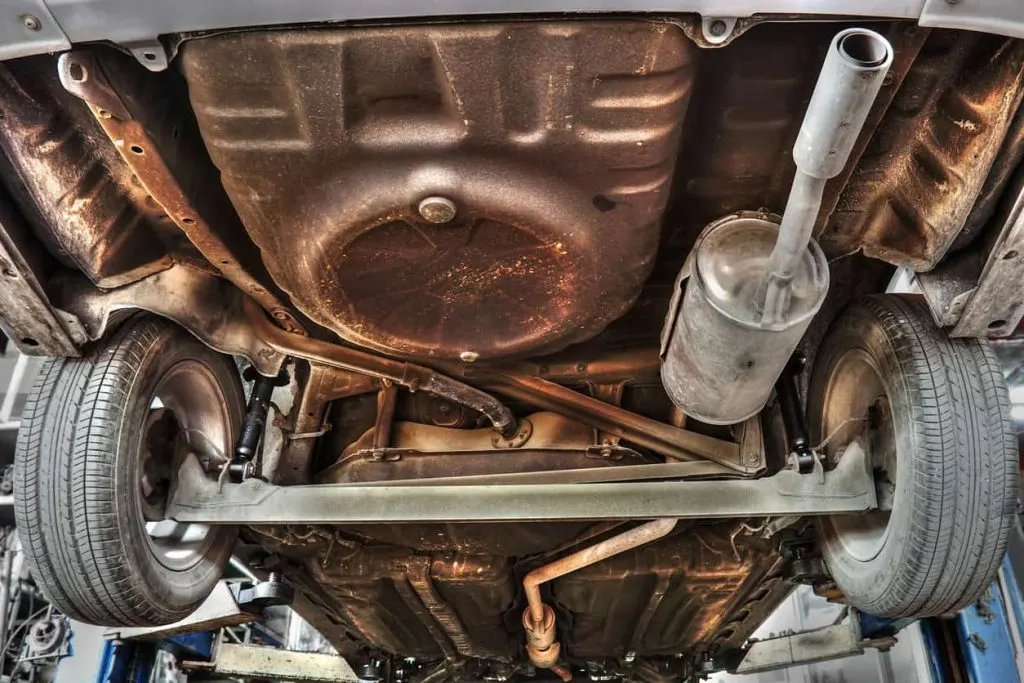
As the name suggests, it’s basically the process of preventing the car from accruing rust by delaying the rusting / corrosion process. That means it’s not a lifetime solution. If everything is done in a proper way, the rust proof can last up to 10 years no matter what the weather conditions are. This is done to the mostly steel and iron surfaces. So, in a way we can stop detonation of these materials if the rust proofing is done properly and periodically. There are different types of rust proofing methods available in the market.
- Electronic rust protection module.
In this method, feeble current is emitted through the car’s body to prevent the corrosion. This method requires a small tool to be installed on to the car body which requires professionals to get it done properly. This is a bit expensive method.
- Tar based method
In this method a tar-based material is sprayed on to the under surface. After spraying, the substance will get hardened and will prevent moisture and salts from coming in contact with the surface. This method is also referred as undercoating.
- Dripless oil spray and drip oil spray
Among these methods, the dripless oil spray method shares some similarity with tar-based method as it also hardens and act as a barrier against the moistures. But unlike the tar-based method, this method car shields more parts and can be used inside also.
Drip oil spray is more effective and most recommended method as it has better penetration compared to the other rust proofing method. But it will have to be reapplied every year which can put it in a pricey side.
Car undercoating
The underbody coating is a thick coating applied uniformly to the under body of a vehicle. Basically, it’s done to prevent the frame rails and other exposed metal parts from corrosion and also to reduce` wear and tear of the vehicle.
Types of underbody coating
There are different types of underbody coatings are done to a vehicle.
- Rubberized underbody coating
These type if coating is the most common, easy to apply which can offer the best undercoating for cars. It helps fighting moisture, rust, cracks and dents. This coating is safe to use on all type of panels and it has a rubbery finish after it sets in.
- Wax based underbody coating
These are the cheapest type of coatings available in the market. This type of products is not long lasting, one has to redo the coating process after few months of application. This may not be the stickiest among this list to the metal surface. The benefit of using this is that, it will quickly get into the cracks and seams and give adequate protection against moisture for a short amount of time.
- Asphalt based
Asphalt based coatings offers the most protection and it is best suitable for huge vehicles, trucks and earth moving machines. It consists of some traces of rubber also, which will give some noise cancelling properties also. It can offer good protection against moistures and big chips.
- Polyurethane coating
This type of coatings is also easy to apply. It will seal the cracks and seams quickly. It can protect the underpart of the vehicle from salts and moisture and can protect the non-painted surface from rust. This coating requires some amount of surface preparation before the application such as application of primer to the metal and degreasing etc.
Pros and cons of undercoating
Main benefits:
- Resist corrosion and rust
Undercoat offers a certain amount of protection against rust and corrosion. Undercoat restricts debris come in contact with the surface. If maintained periodically, the protection can last very long.
- Increase the lifespan of the vehicle
As we discussed above, if done correctly the protection offered by the undercoat can last up to 10 years. If the surface is good, then the parts under that surface and wires will be protected resulting the car to run in good condition for a long time.
- Small hits will not be an issue
There are many minor problems like scratches, chips and minor dents will affect the car on a regular basis. These types of issues can be undercoated.
- Can reduce noise levels in the cabin.
The undercoat can act as a sound barrier which will reduce the noise inside your car while driving.
Some demerits:
- Not effective on already damaged cars
Undercoat will not be a solution if the surface is already corroded. If the rusting is there and still the undercoat is applied, the process could still happen inside the undercoat. The undercoat can only slow the corrosion it cannot reverse its effect not it will stop it.
- May not work on old cars
If the car is very old and has a lot of debris on the under surface and is unable to clean it, then undercoat will not be a better idea.
- Not necessary on new cars
New cars already come treated from the factory so that it will not get affected by rusting up to almost 10 years. So, it will be not wise to spend money on a new car for undercoat.
- You might void your vehicle’s warranty
Sometimes if you get the undercoating done for yourself and the car has some kind of warranty on its body or on its plaint, that warranty will be void.
- Can make your vehicle heavy
Although its not that big of a deal but it’s a fact that we are adding 5-10kgs of additional weight to the car. That can affect the fuel economy of that car a little bit. This can be considered only if we are nit-picking.
- May not last that long
Although, it says that undercoat can last up to 3-5 years, due to harsh condition, that time period can reduce drastically.
- Expensive
If we are to keep the car for very long time, we will have to reapply the coat every 3–5-year interval, if we want to keep the car protected for that long. Every application can cost several thousands of rupees if done professionally.
Process of application of rust proofing or underbody coating.
First, we have to decide on which method to use on the vehicle based on the properties and the budget. These should be applied inside a good enclosed workstation. We don’t want any other debris to get stuck in between the coating and the body. If you, do it outside there is a big chance of debris getting in between the coating. Before the application make sure to clean the surface by sandblasting or sanding the parts which is having rust. The rinse to remove further contaminants.
After doing these steps, we are ready to the selected product to be applied on the surface. Its better to let the first coat dry then apply second let it dry also the apply the third coat. Let the last coat dry overnight to achieve the best results.
Conclusion
Do you really need it?
Well, the answer is YES and NO. some vehicle can be benefitted from an undercoat treatment. But not every car requires an undercoating right away. Its very important to find out whether or not your car needs it. Proper inspection should be done and the decision should be taken before investing the money.