Underbody Coating
UNDERCOATING
Underbody coating is usually a dense cladding (often based on rubber) applied uniformly to the undercarriage of the automobile. It is normally sprayed or painted on when the car is just out of the dealership and is clean. The main purpose of undercoating is to check rust, especially in the body components like frame rails along with other exposed metal parts. Underbody coating can also reduce wear and tear.
Types of underbody coating :
Rubberized underbody coating :
- This is a widely used underbody coating for cars.
- It protects the underbody from scratches.
- It is very easy to apply this to the undercarriage.
- Rubberized coating is ideal if we want to keep the road noise to a minimum and rust and corrosion away.
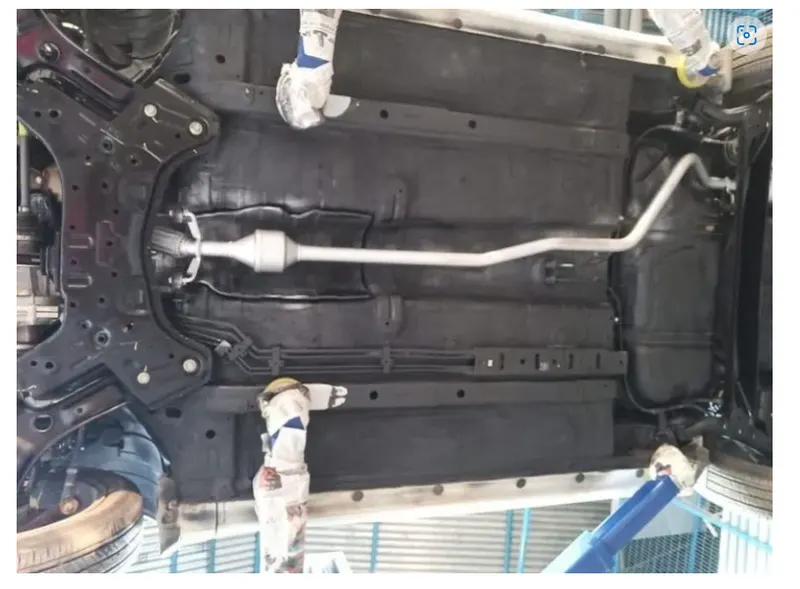
Wax-based Underbody coating :
- It is the most cost-effective alternative.
- Wax-based undercoating is resistant to dampness.
- It will fade away after a few months.
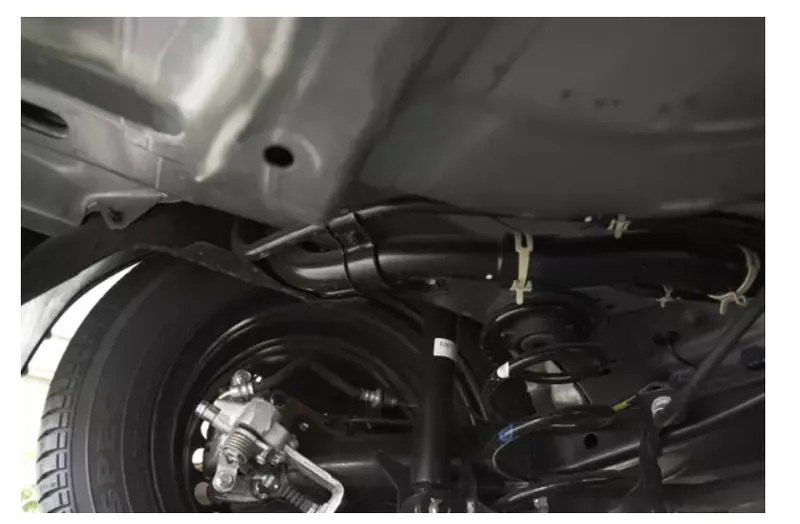
Asphalt-based undercoating :
- It is suitable for heavy vehicles.
- It gives a high level of protection.
- It incorporates a small quantity of rubber for sound insulation.
- It will take more time for its application.
Polyurethane underbody coating :
- This covering seals breaks and fractures in the underbody of the vehicle.
- It provides strong corrosion resistance.
- It also binds to the metal.
- The polyurethane coating may be painted over.
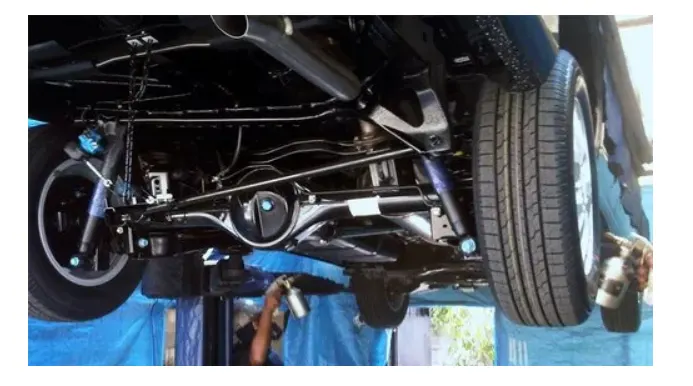
Advantages of undercoating :
- Protection against rust: Undercoating is useful where there is excessive humidity, snow, and monsoon seasons.
- Absorb noise: Very strong under-coating can attenuate noise that enters the cabin.
- Reinforcement: If your car already has an underbody covering, another layer will not harm it and will provide further protection.
- Prolong car life: A good undercoat protects not just the underbody from corrosion, but also the engine and gearbox.
Disadvantages of underbody coating :
- It is less helpful if the corrosion is already present
- It works best on new cars.
- A third-party undercoating might void your vehicle's warranty.
- It must be required every 4-5 years for the best results.