Underbody Coating
Under-Body Coating
No matter about the weather, every vehicle needs proper care and protection because it is most vulnerable to damage from muddy water, potholes, stones, and other chemicals that appears on the road while the vehicle is running over it. We frequently fail to notice the damaging effects because it is not readily apparent.
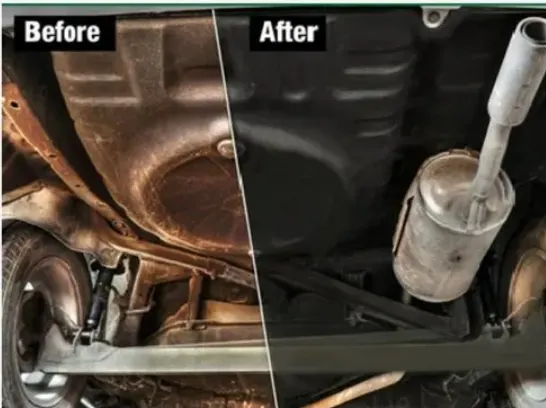
Underbody coatings are used to prevent car bodies from rust, corrosion, and the outside environment, ensuring the safety and maintainance of the vehicle. This underbody coating helps protect against dust and moisture as well as some other elements that can harm a car's undercarriage, including rough roads, rocks thrown from tyres and denting the metal, and salt from rainwater during the monsoon season.
Types of Under-Body Coating-
1) Rubberized Underbody coating
Typically, this is the best coating for a car. It is simple to apply, provides sound absorption, and guards against dust and dents. It keeps the underbody in good condition and guards against scratches. Putting this into practise on the undercarriage is not very hassle-free. If additional paint is needed for body work, the coating can be easily removed using an undercoating removal spray. Additionally, it can be used on the quarter panels and wheel wells. It is perfect for car travel over rugged terrain.
2) Polyurethane coating
On the car's body, it can be seen that this coating closes up tehe splits and fratures. It bonds to the metal and provides effective corrosion protection. You can paint over the polyurethane coating, unlike with an asphalt-based coating. It is quicker and simpler to use. This product's polyurethane is made of high-quality, long-lasting material that works well in any weather. In order to bond with unoxidized metal, it seeps into all the small gaps and seams, displacing moisture and salt, and oozing around rusty areas.
3) Wax/Paraffin based coating
The quickest and cheapest method for securing the vehicle's undercarriage is a coating made of paraffin. They drip or flow into seams and cracks during application to offer protective qualities. In climates with moderate humidity, they can provide at least a basic level of protection. A wax-based coating never really becomes hard. This undercoating is essentially ephemeral and will wear off in a few months. This coating puts up a tough fight against moisture.
4) Asphalt Coating
When compared to rubber-based coating, this is best suited for trucks and other large vehicles because it offers a higher level of protection. However, for sound insulation purposes, an asphalt-based coating contains a small amount of rubber. This type of coating should only be used for undercarriages because it cannot be painted and requires a longer curing period than the other three.
Advantages of Under-Body Coating-
- Fights Rust- It has a significant impact on preventing corrosion. If you live near the sea, where there is excessive humidity and rusting is a common occurrence, underbody coating may come in handy. If you live somewhere where it snows in the winter, you should also give undercoating serious consideration.
- Reinforcement- Adding another coating on top of the factory-installed underbody coating on your car won't harm it. It will provide additional reinforcement and safeguard the underbody from moisture, grit, and small pebbles on the road. Additionally, there would be less chance for the factory coat to flake off or detoriate.
- Prolonged vehicle's life- A good undercoat prevents corrosion not only in the underbody but also in the engine as well as in transmission. The lifespan of your car can undoubtedly be extended by years if there is less rusting and slower wear and tear. You wouldn't have to worry as much about dents, dings, and scratches on the undercarriage.
- Applied by self- Rustproofing works best when you have this service professionally applied to your vehicle. However, if money is an issue and you possess some fundamental auto repair knowledge, you can complete the task yourself.
- Reduction of interior noise- If the road noise is too loud while you're driving, it can be relaxing. In some cases, the driver of a lightweight vehicle may feel irritated by the noise pollution. An interior of the vehicle becomes quieter when a layer of undercoating is applied because it creates a sound barrier.
Disadvantages of Under-Body Coating-
- If the corrosion is already present in then this underody coating can't do anything.
- The warranty on your car might be nullified if you use an outside undercoating service.
- It adds weight to the vehicle.
- It is best or we can say it works best for the new cars.