Underbody Coating
UNDER BODY COATING:
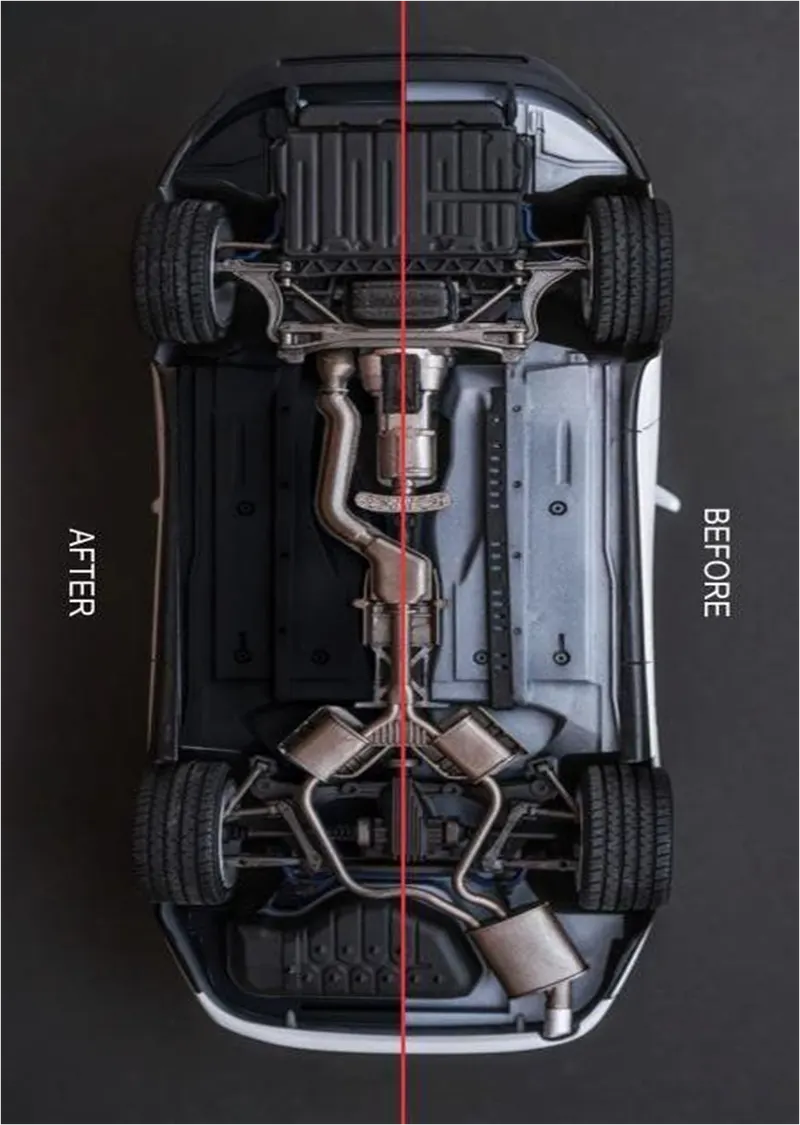
An undercoating is a spraying accessory that protects the vehicle’s body underneath. Underbody coating provides long term protection from corrosion to car's underbody. It also protects parts like internal body panels, frame rails and other inner cavities that are not physically accessible but are prone to corrosion.
It is mandatory to have a standardised amount of under body coating for homologation in markets around the world with variations in the layer thickness and positioning of these coatings . As the bottom or under body of a car is not visible easily it used to be neglected in terms of aesthetics by manufacturers to save money in older days . Over the development in the last couple of decades manufacturers have established that a small investment in under body coating can improve the service life of a vehicle by a significant amount.
Under body coating is done by Airless spraying with the help of robots or humans in some cases.
The materials used in under body coating include PVC (poly vinyle chloride) , acryl/urethane sealants , teflon , rubber based compounds etc . The thickness of this coating may vary from 0.1 to 10 mm as per the model , market , manufacturer .
And this under body coating is applied on the outside of the floor panels , bottom of the trunk/boot , shaft/exhaust pipe tunnels , and inside of wheel arches . Due to the sealing properties under body coating is also applied on gaps, naked welds , and any other openings on the underbody of the car.
Under body coating is applied in the later stages of pre- treatment process . After cleaning the welded BIW through a number of baths , and electro deposition the BIW is passed through baking and the UBC is applied. These layers are then dried off to ensure adhesion to the body and then the painting procedure is started.
DIFFERENT TYPES OF VEHICLE UNDERCOATING:
Having undercoating professionally applied to your vehicle can be expensive, but fortunately, if your budget is tight, you can do it yourself for a fraction of the price. Here are some of the various types of undercoating available.
RUBBERIZED UNDERCOATING:
rubberized vehicle under coating is easy to apply and offers sound-cushioning as well as protection from dust, moisture, and dings or dents.
In addition to your undercarriage, rubberized undercoating is also safe to use on wheel wells and quarter panels, and dries to a soft rubbery finish that prevents further rust, damage, or moisture seeps. The coating can be painted over and, if necessary for bodywork, can be easily removed with an undercoating removal spray.
Overall, rubberized coating is generally the best option for protecting your vehicle's undercarriage, as it provides the simplest and best protective measures against rust and moisture.
POLYURETHANE UNDERCOATING:
The other option for undercoating your vehicle is to use a polyurethane based sealant. This type of vehicle undercoating is a little bit quicker and easier to apply.
Oftentimes, polyurethane undercoating will come in canisters ready to preload into an application gun. This type of sealant works by seeping into all cracks and seams, displacing salt and moisture and oozing around rusty areas to bond with and protect un oxidized metal. It also sands quickly in case you'll need to perform bodywork and can be painted over.
On the flipside, this type of car undercoating generally requires a little bit more surface prep work before applying -- sanding and applying an etching primer to bare metals before using are generally recommended.
WAX OR PARAFFIN-BASED UNDER COATINGS:
A paraffin-based undercoating will be the cheapest and quickest option available with which to protect the undercarriage of your vehicle. However, keep in mind that it will wear off quicker than other types of undercoating and will need to be stripped and reapplied at least once every year.
Wax-based under coatings never truly harden. During application, they drip or flow into seams and cracks to provide protective properties. They are usually available in a spray gun canister or in an aerosol can and offer at least a base protection in moderately humid climates.
ASPHALT-BASED UNDERCOATING
For standard vehicles, any of the aforementioned types of undercoating will provide sufficient protection. For large trucks and heavy machinery, asphalt-based undercoating provides a bit of extra durability against rocks, chips, and moisture.
Asphalt-based undercoating generally contains a little bit of rubberized material that sets up firmly and also helps soften noise. Generally sold in five gallon containers, this type of undercoating also needs more cure time than the other three, and is NOT paintable, making it best to use only for undercarriages.
E- COATING :
E coating is mostly known as electro coating is a type of wet paint finishing process meant to protect metals and steels from corroding. The types of metals can range from car parts , hard ware etc…electro coating is usually done by the vehicle manufacturer as it done on the bare body of the vehicle. As the name says electric current is used to apply the coating.
UBC PROTECTS THE VEHICLE FROM:
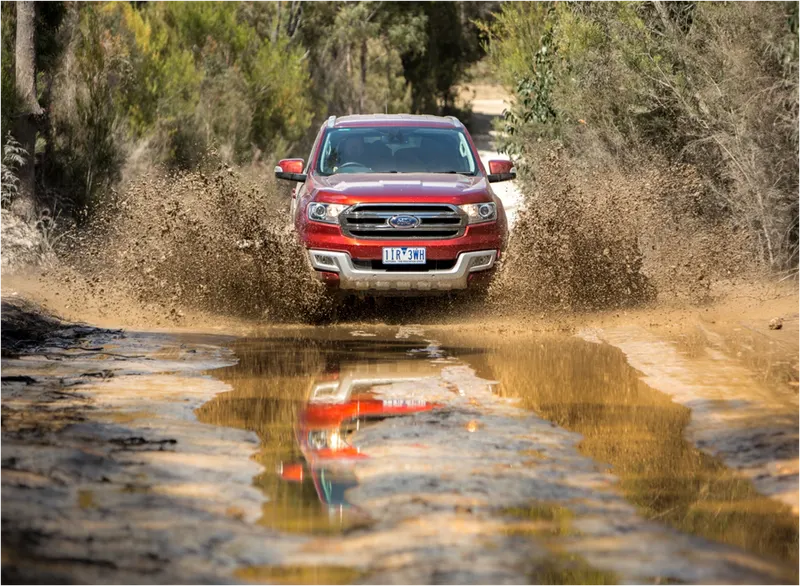
Rusting, corrosion, stone chipping, etc….
Due to regular contact with air , water in coastal areas , the under body of car are susceptible to rusting. After repairing of the underbody due to accidental damage or rusting the welds and repairs are prone to rusting . The UBC layers act as a wall and prevent the direct contact between such rusting agents and the car body. After market brands like 3M provide compact UBC solutions like cans which can be sprayed to apply without any pre or post treatment involved.
ADVANTAGES:
1.Protects the car from rust and corrosion
2.Reduces NVH(noise vibrations harshness)levels.
3.Reinforcement
4.Prolong cars life
5.Heat insulation
6.Anti chipping property
7.Protects vital components
DISADVANTAGES:
1.Adds weight to the vehicles body
2.Fails to protect existed rust
3.High cost
4.Damage risk
5.Re-application is required after time period..