Section Modulus calculation and optimization
SEETION MODULUS ANALYSIS:
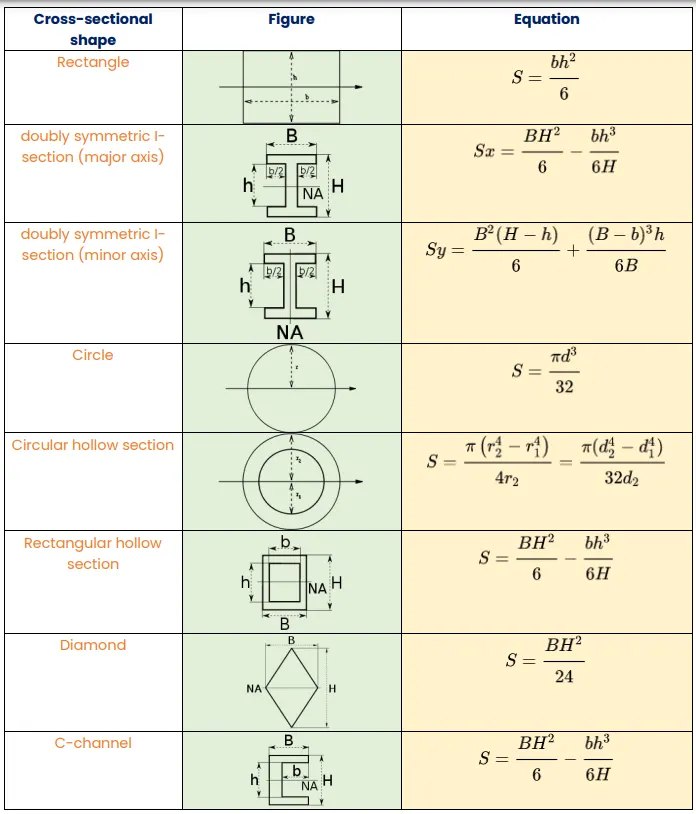
Section modulus is a geometric property for a given cross-section used in the design of beams or flexural members, it is also referred to as the Polar Modulus or the Torsional Sectional Modulus. Other geometric properties used in design include area for tension and shear, radius of gyration for compression, and moment of inertia and polar moment of inertia for stiffness. Any relationship between these properties is highly dependent on the shape in question. Equations for the section moduli of common shapes are given below. There are two types of section moduli, the elastic section modulus and the plastic section modulus.
S=I/Y
Where,
S = Section modulus (unit mm3)
I= Moment of Inertia (Unit mm 4)
Y= Distance from Neutral axis to the extreme end (unit mm)
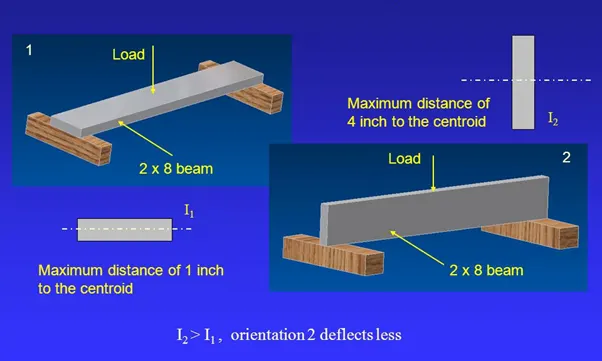
Changing the position can make difference in bending which is because of the centroid distance from extreme fiber end. In Layman's terms, in position of 2nd image(which have cross section I2) there is more material from axis to the specific direction, to resist the load which makes less bend amd improves the strength.
Some equations of section modulus for different shape-
IMPORTANCE-
- It is significant for beam and flexural member design.
- More the section modulus, the more the member is resistant to the bending of the beam.
- It is easier to calculate stresses in the beam and an exact measure of the strength of steel.
- If two beams are made of the same material and comparing the section modulus of two beams, the beam with bigger section modulus will be tougher and more capable to withstand larger loads.
Steps for creating section-
1. Create a detum plane at center of hood along the section axis
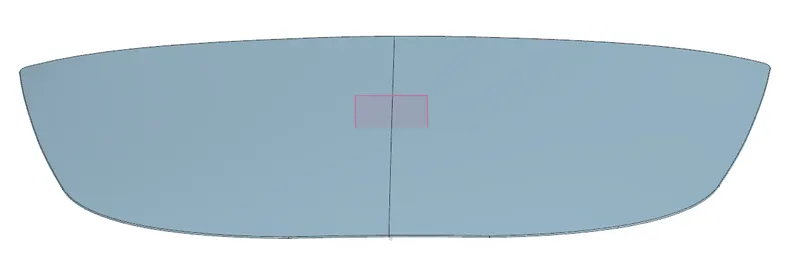
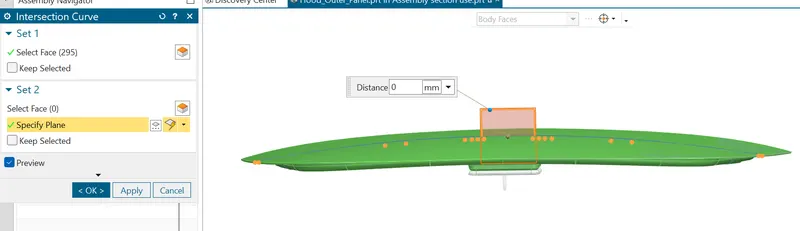
2. Then Intersection curve have to be create using inner panel body and outer panel body at that perticular detum plane.
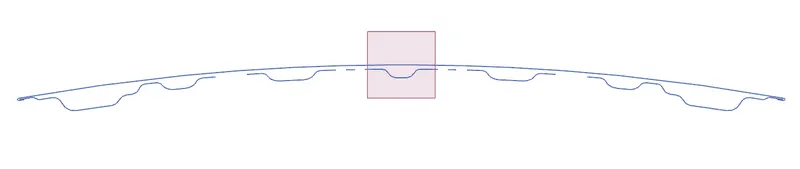
3. After that gap should be connected through line command and trim all excess curve. final section will look like-
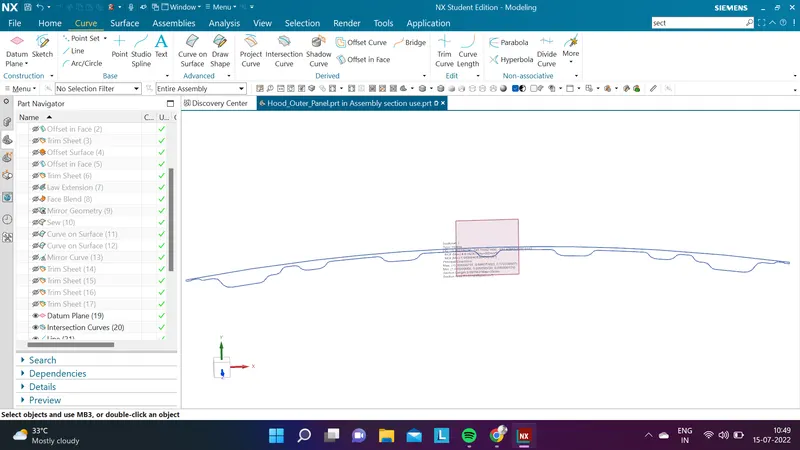
Section curve study-
CASE 1:
In this case we will do section inertia analysis with the original section without modification.
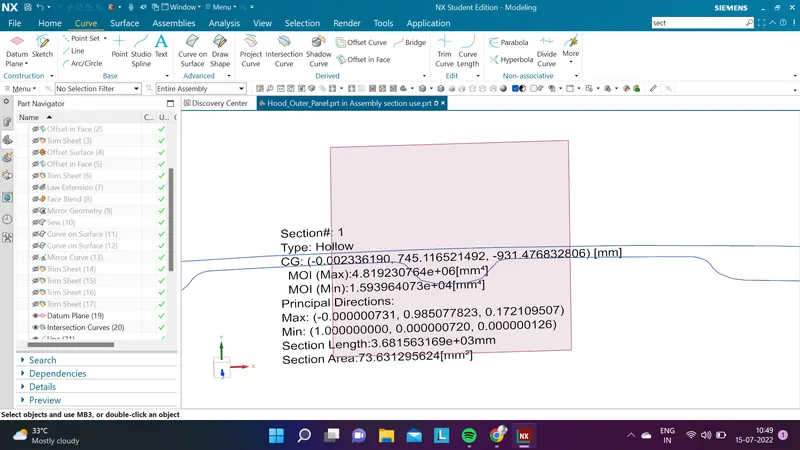
So for first case Minimum moment of inertia value is 1.59396x10^4 = 15939.6 MM^4
CASE 2:
In this case we will move the inner panel 0.5 MM above and will do do section inertia analysis.
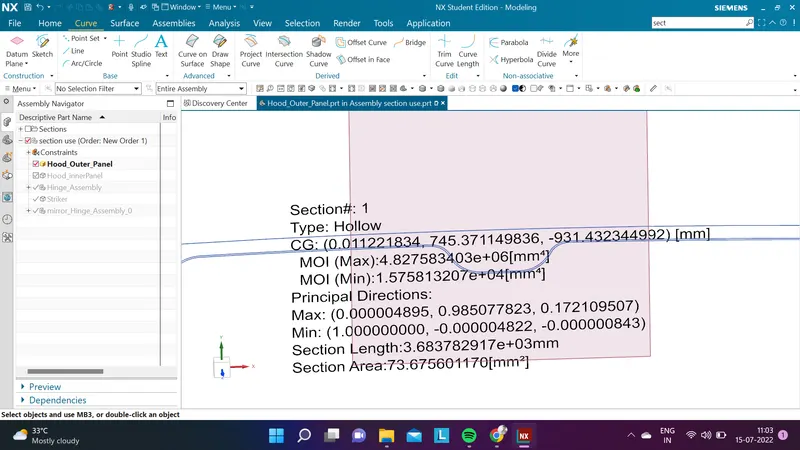
So from above image we can see Minimum moment of inertia value is less than original section. The value is 1.57581x10^4 = 15758.1 MM^4.
CASE 3:
In this case we will move inner panel 0.5 MM downward from its original place.
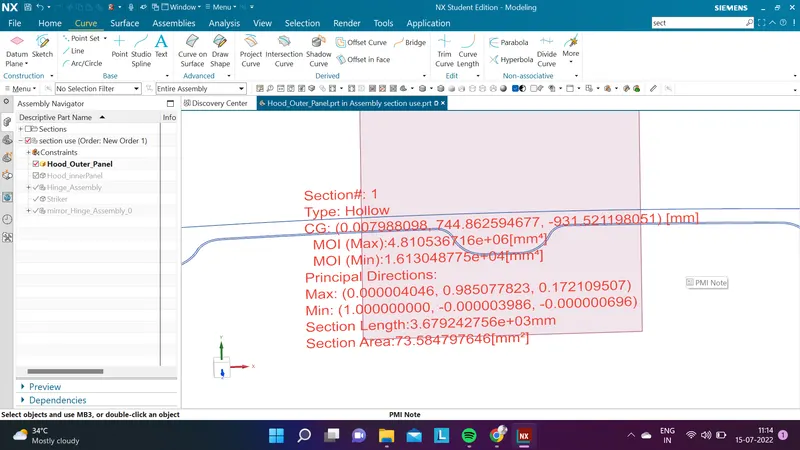
So from above image we can see Minimum moment of inertia value is more than original section. The value is 1.61305x10^4 = 16130.5 MM^4.
CASE 4:
In this case some emboss length of inner panel will increase by 0.5 MM.
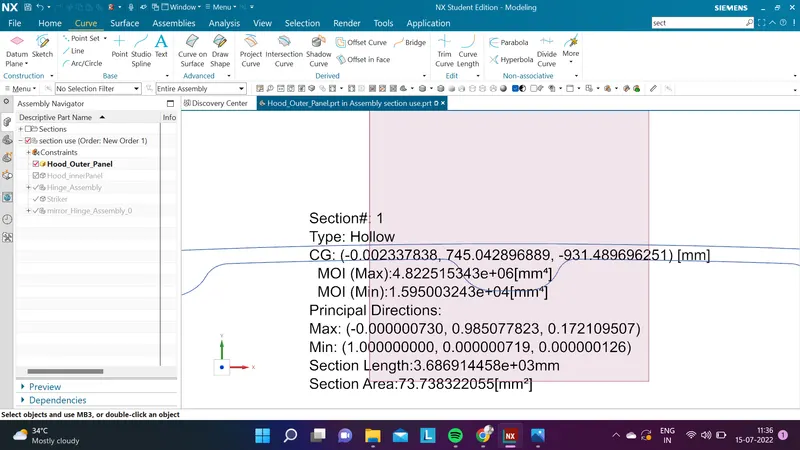
So from above image we can see Minimum moment of inertia value is more than original section. The value is 1.59500x10^4 = 15950 MM^4.
CALCULATION-
I-Value:
From the above image the Minimum MOI is used for the calcualtion of the section modules, it is because the section modules with respect to the Min MOI will give the weakest section. So the I value will be Minimum MOI
Y-Value:
In all the above cases the y value will not change, it is distance from one end to neutral axis.
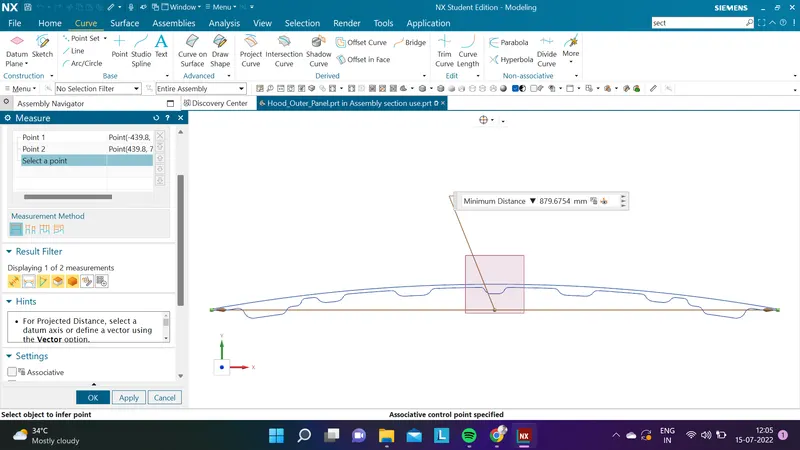
Here the distance is 879.67mm, the y value will be 879.67/2 = 439.835 MM
S = I(Min MOI) / y
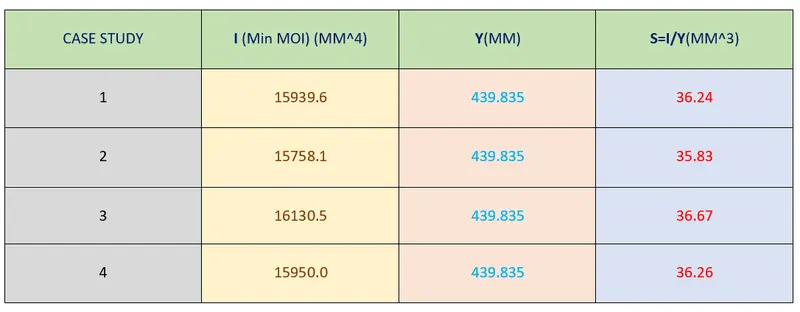
So from the above table we can see that, when area decreased by moving inner panel upward by 0.5 MM in case 2, then section modulus value also decreased than original one(case 1). But is case of 3 and 4 whwre area increased by increasing emboss length and moving inner panel downward by 0.5 MM, the value of section modulus increased than original section.
If we compare all 4 casees here, then case 3 have higest section modulus value and this section will have better strength than other 3.
So we can conclude that, bigger section area we have, better strength will provide the part.