Roof Design
ROOF:
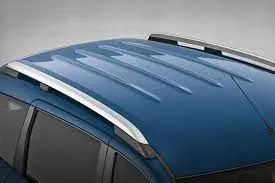
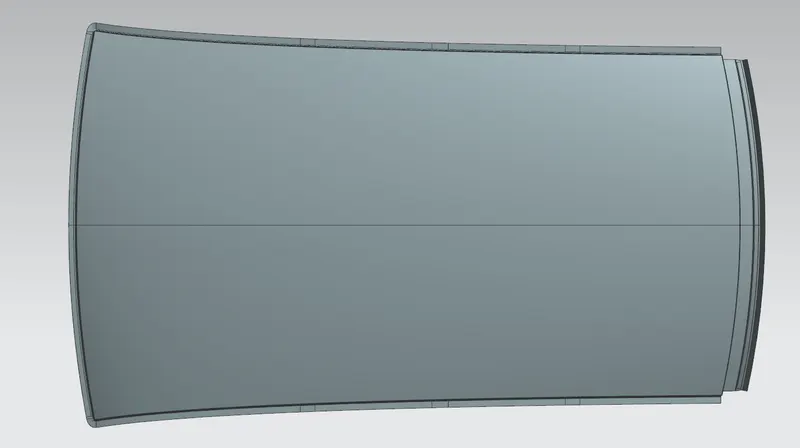
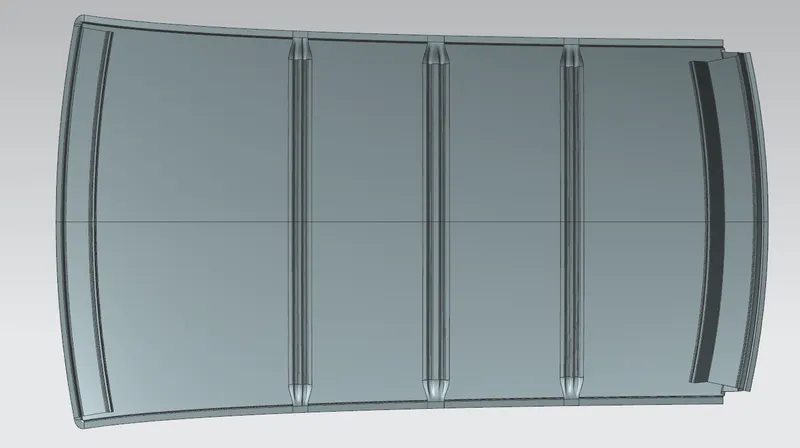
The part of a car that is located above the passenger area and shields the occupants from the sun, wind, rain, and other environmental factors is known as the car top or roof. The roof is the structure that is located above the wind-shield glass and has reinforcements to strengthen the whole building and withstand weather conditions like snowfall. In order to increase the strength of the roof, reinforcements like bow roofs, front roof rails, central roof rails, and rear roof rails are introduced and joined to the flat surface of the roof using various joining processes. If the roof is flat, it is very weak and unable to withstand forces like snow. Mastics are inserted between the outer roof panel and the joining reinforcements. Wherever mastic is used, there is a noticeable improvement in strength. Additionally, spot welding is used to join the reinforcements and the exterior panel.
REINFORCEMENTS:
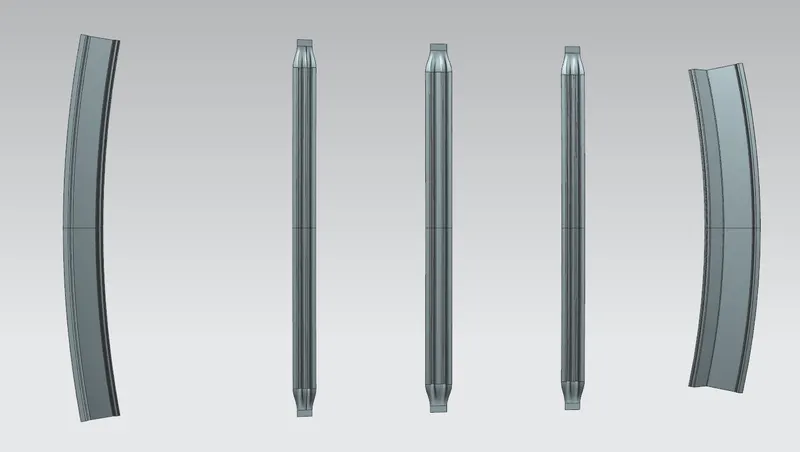
- Front roof rail
- Rear roof rail
- Bow roof rails
- Centre roof rail
FRONT ROOF RAIL:
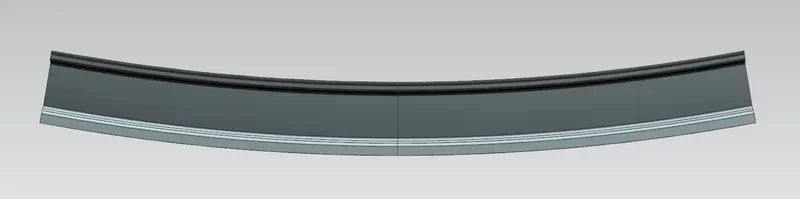
The front roof rail is situated where the wind shield connects to the roof at the front of the vehicle. For the bottom flange, the visibility requirements and the passenger's headroom clearance are taken into account. For increased strength, the rail is joined at one end with spot welding and at the other with the roof using mastic sealants.
REAR ROOF RAIL:
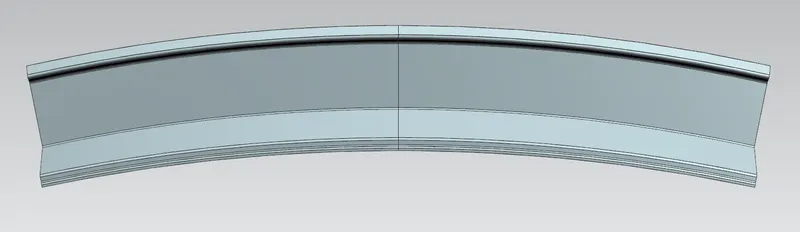
The back door and the roof are connected by this roof rail. This roof rail was created with feedback from the backdoor in mind. Spot welding is used in this instance to join one end, and mastic sealants are used to join the other end.
BOW ROOF RAILS:

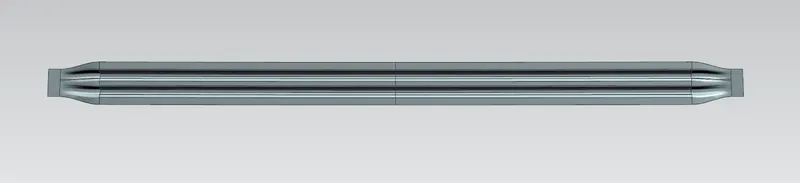
A bow roof is an additional supporting member added to the roof to increase strength and ensure compliance with standards. Mastic sealants are used to join the two ends together to increase strength and preserve the roof's aesthetics.
CENTRE ROOF RAIL:
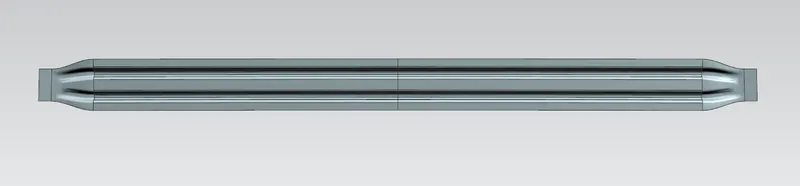
Centre The centre of the roof is where the roof rail or reinforcement centre is located. This has a larger cross section because the roof needs more support from it. Mastic sealants are used to join the two ends of this.
CALCULATIONS:
BOW ROOF CALCULATION:
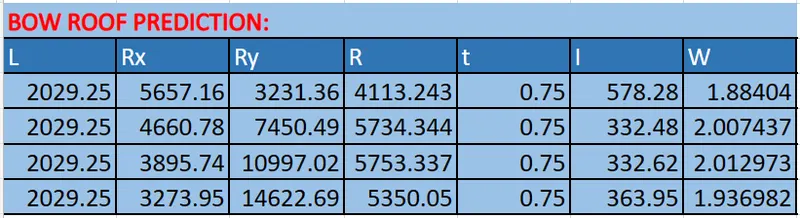
The above table shows that all values of W are below 2.7 , indicating that the bow roofs are currently positioned as intended and is functioning properly.
SNOW LOAD CALCULATION:

The above table shows that all values of Qr are above 3.1 , indicating that the roof is currently positioned as intended and is functioning properly.
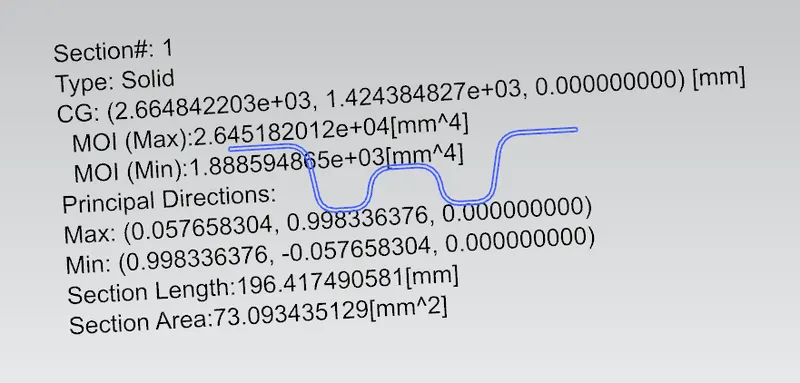
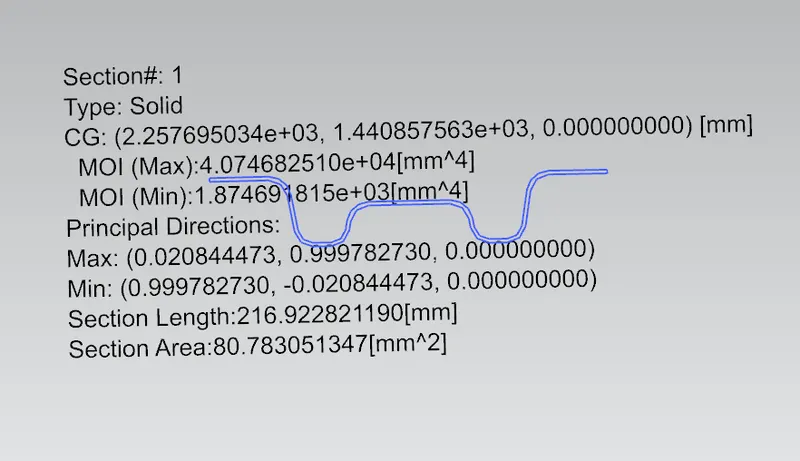
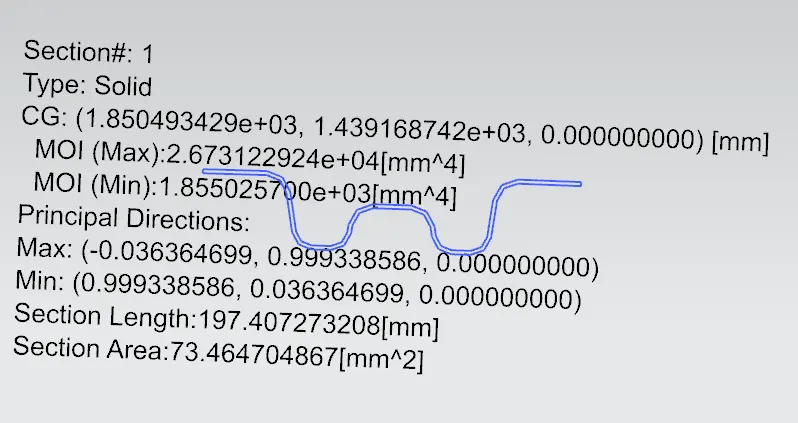
DRAFT ANALYSIS:
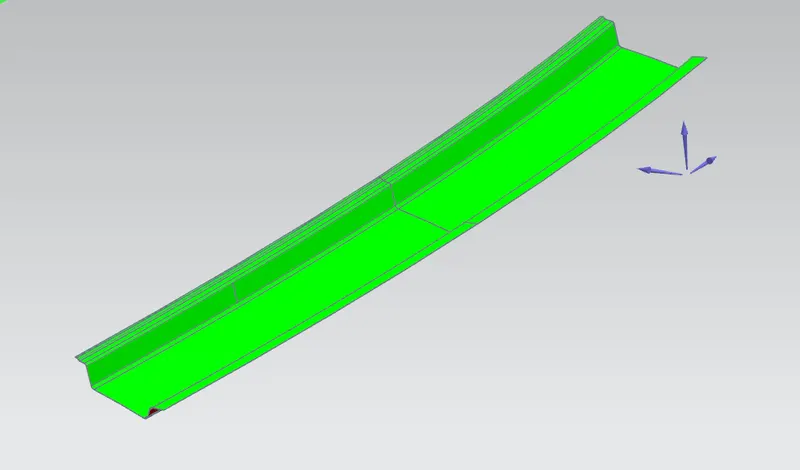
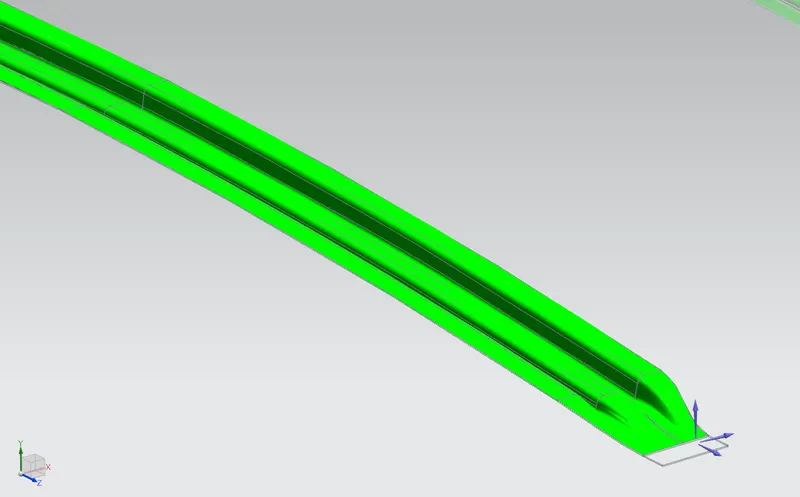
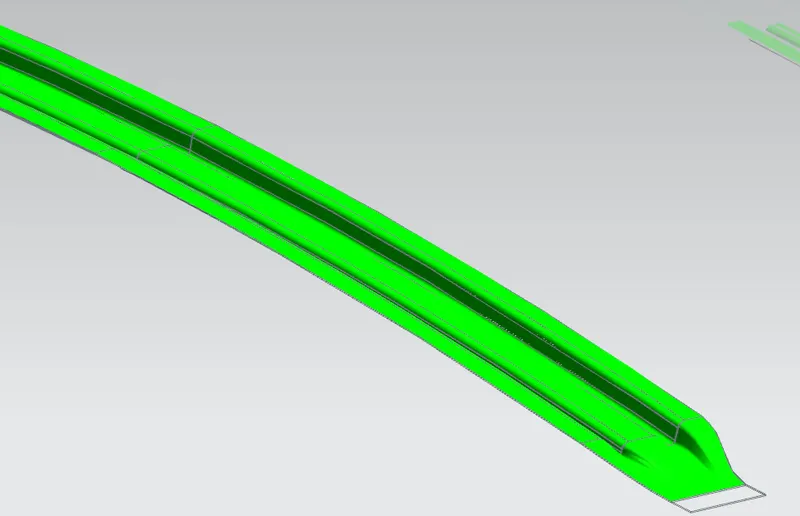
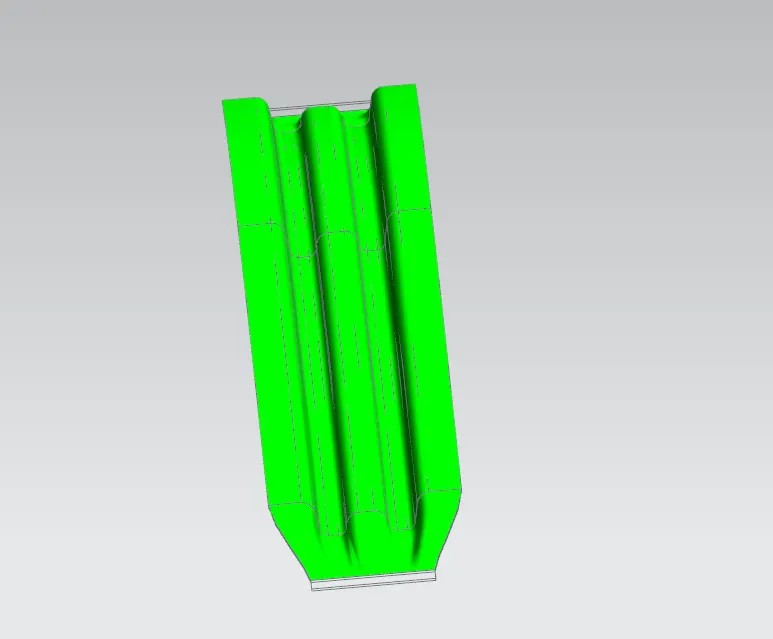
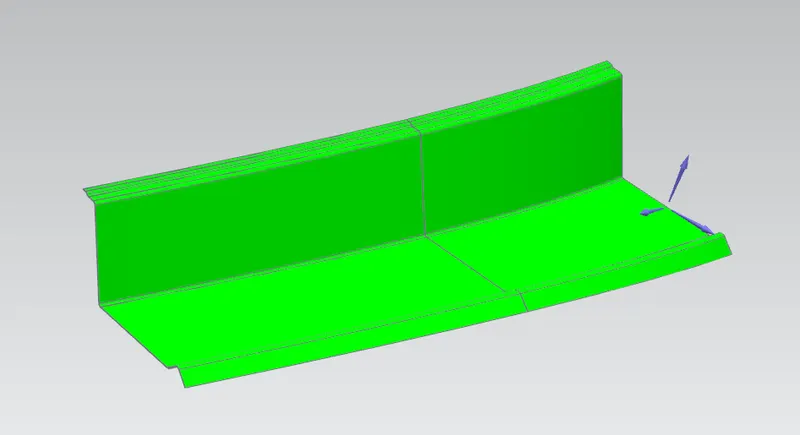
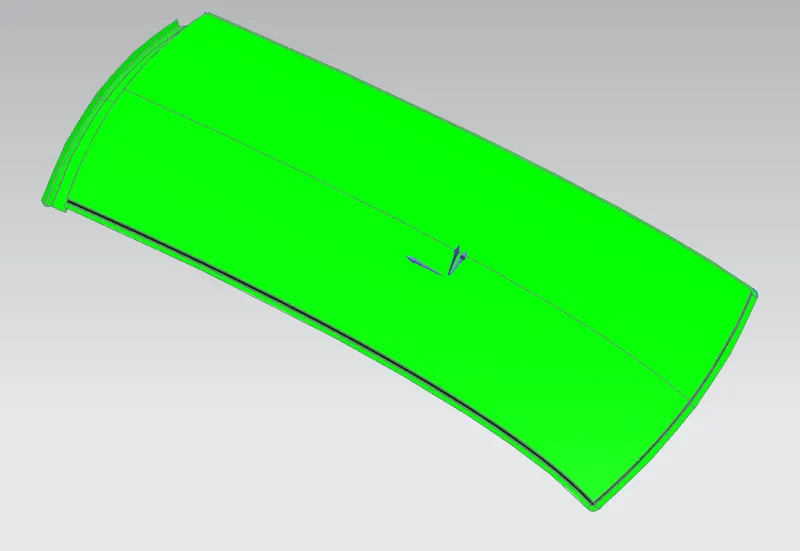
For analysis, a minimum draft angle of 7deg is used. Green is implied on parts with positive draft angles greater than 7deg and has passed analysis on all surfaces facing the tooling direction.
CONCLUSION:
The roof and its front, rear, centre, and bow reinforcements are thus designed by following the master sections, and the moment of inertia, draft analysis, bow roof calculations, and snow load calculations are carried out to check the manufacturing feasibility.