Roof Design
Aim:-
To design a roof with all the components like front roof rail, rear roof rail, and bow roofs by following the given master sections and the high-quality surface, considering all the design requirements as per the OEM standards.
Roof:-
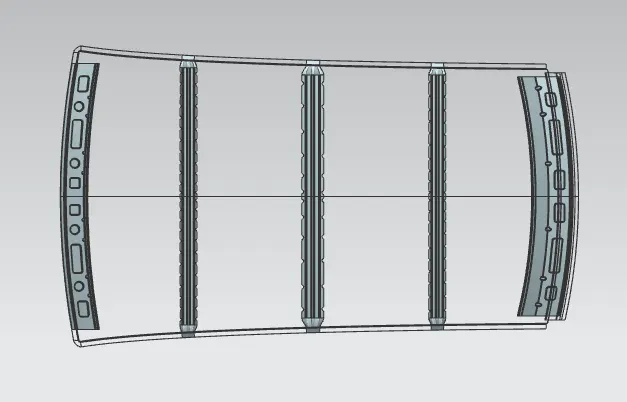
Roof is the component of the car which makes the car as finishes component after fixing the roof. This is one of the main component in the car which closes the whole car an this is attached to various components like back door, A-pillar, B-pillar, C-pillar, windshield, side doors, etc., There are types of roof like with sun roof, without sun roof. Both roof will have Front Roof Rail, Rear Roof Rail, Bow Roofs, Center Bow Roof. Only difference is that the roof with sunroof will have additional reinforcement at the center bow roof to increase the strength at the center. Then the bow roofs are calculated as per the length of the roof.
Objective:-
- For the given roof styling, create an ASSEMBLY by developing the essential flanges for the outer roof and creating the reinforcements.
- Provide appropriate dimensions and check for Draft analysis.
- Do a curvature study on the roof and perform calculations to determine the position of the Bow-roofs.
- Suggest and implement remedies in the design if the criterion is not full-filling
- Start with the creation of a roof ditch area with a tool opening angle of 7 degrees.
- Develop the reinforcements as separate parts
Sections Of Roof:-
1) Top Roof,
2) Front Roof Rail,
3) Rear Roof Rail,
4) Center Roof Rail,
5) Bow Roof Rails.
Master-Section Given:-
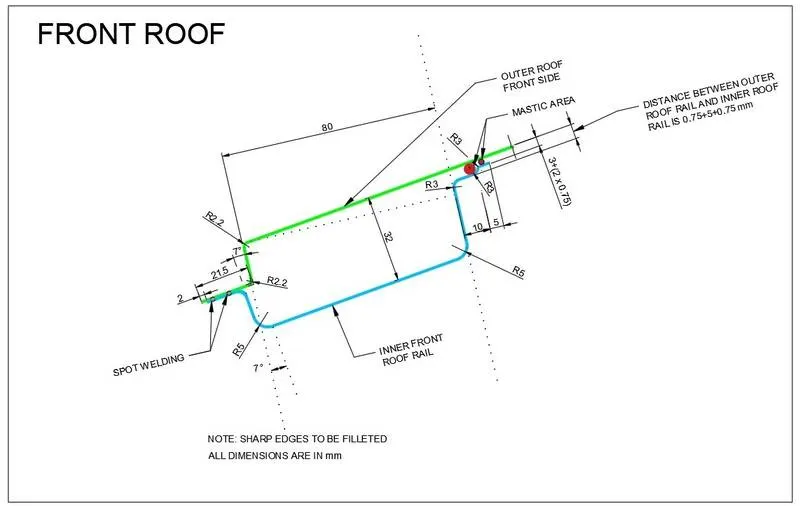
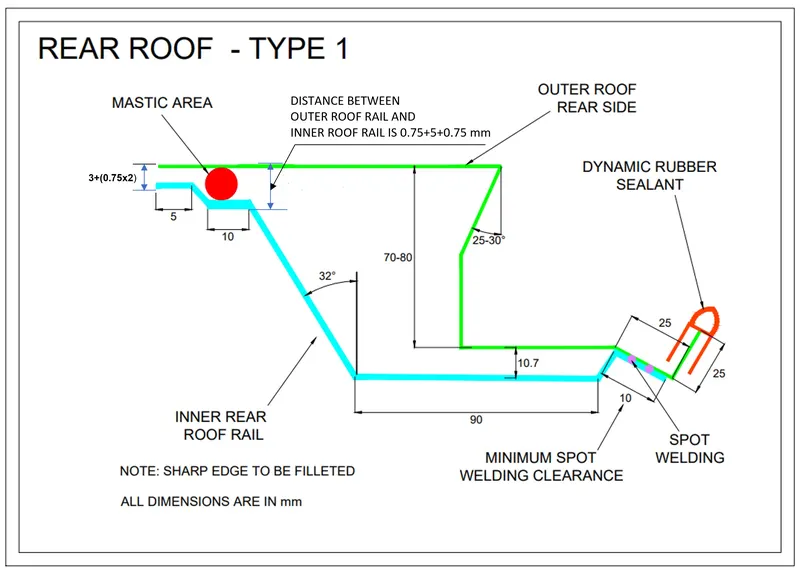
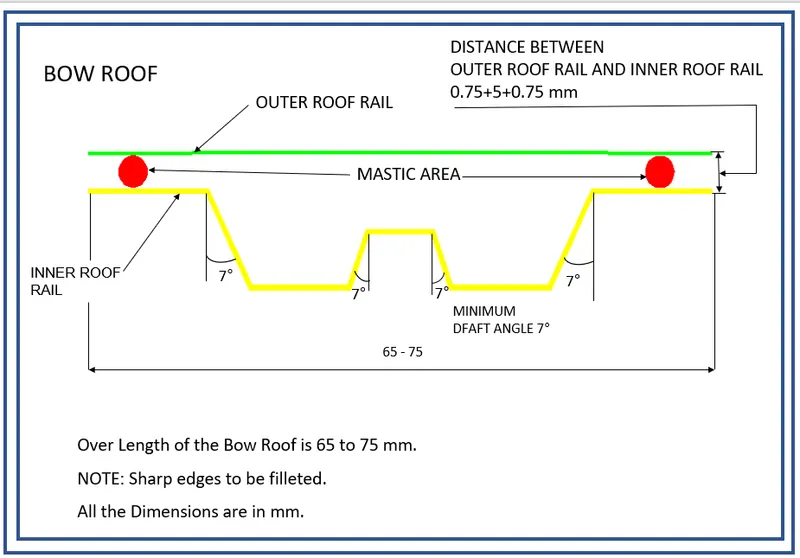
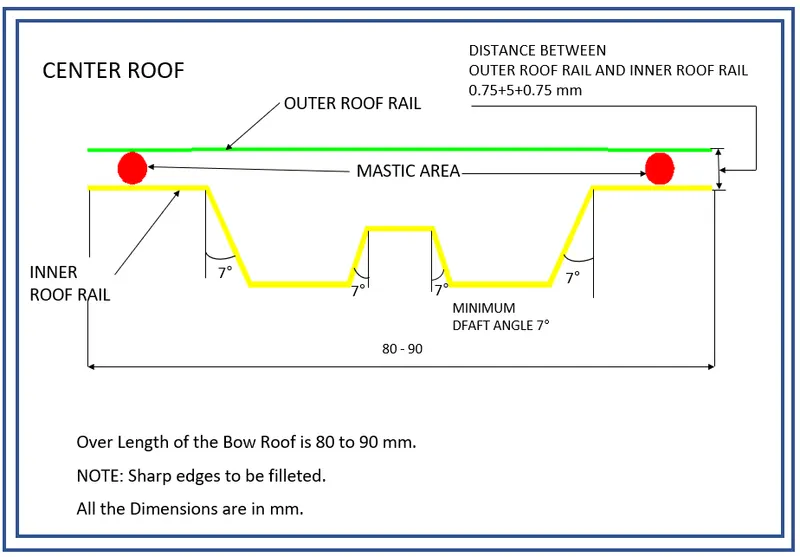
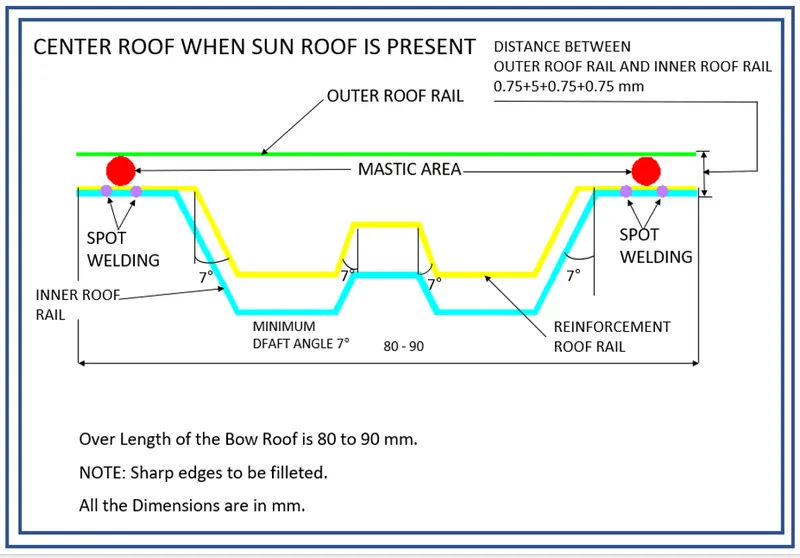
Design Procedure:-
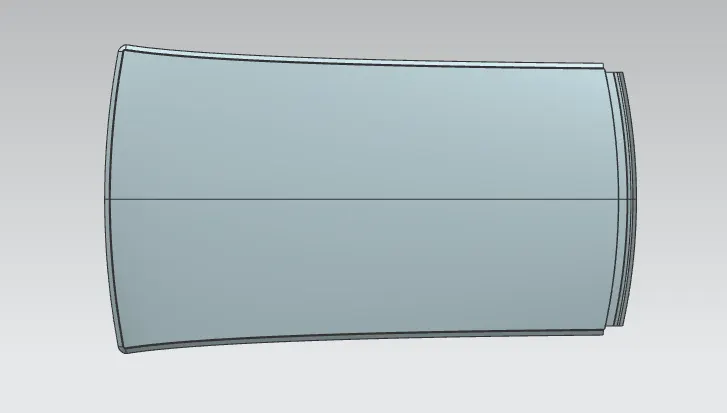
1) Roof:-
To design the roof we wiil get styling surface of the roof the we have to work on that to proceed further. While designing the roof we should give the clearance to the windshiled and the back door attachment. With these every other components is going to be joined by the spot welding or the mastic sealants. Ditch area is one of the critical area to design becuse we should design percise as much as we can because this is component which is going to hold the back door on its place and it should b functional without any issue with this design.
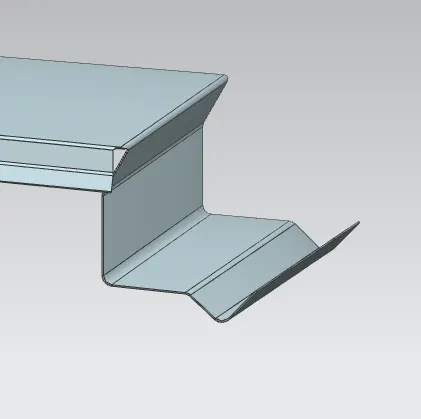
2) Front Roof Rail:-
This is how the front roof rail will looks after designing as per the given mastersection. While designing the front roof rail we should consider the visibility criteria, head room clearance of the front roof rail. This gonna attach with the roof by the spot welding and the mastics to increase the NVH. Embosses and the darts are provided to further increase the stength of the roof rail.
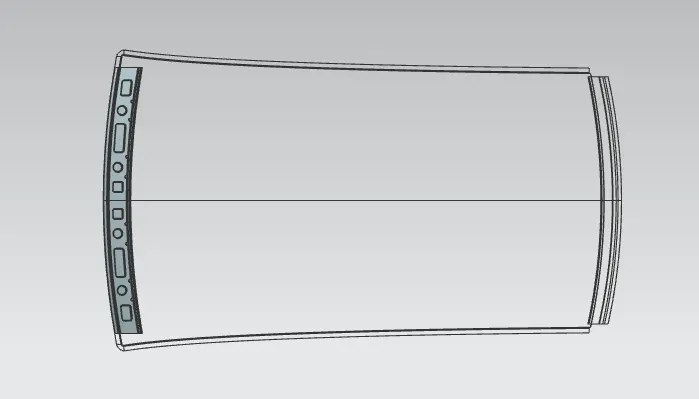
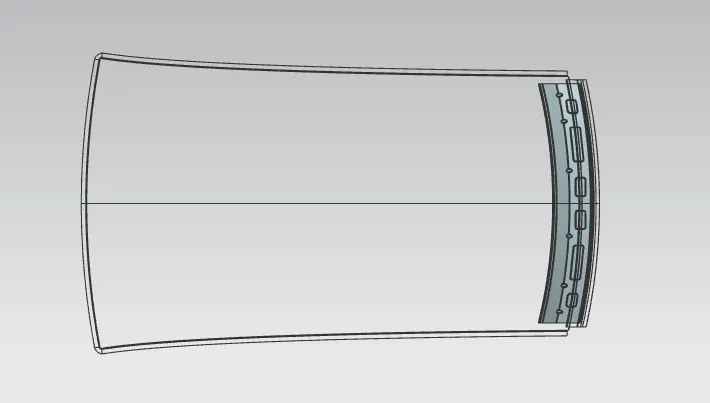
3) Rear Roof Rail:-
Rear Roof Rail is going to be connect with the the tailgate so we have to design as per the master section given. Rear roof rail is also joined with the roof by the spotwelding and the mastic sealants. The min distance from the headliner to the roof should be 80mm.
4) Center Roof Rail:-
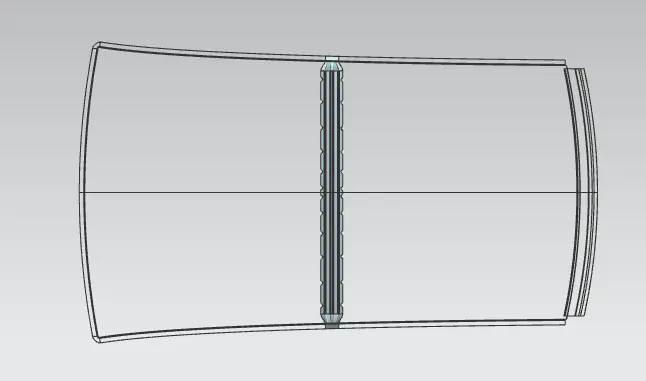
Center roof rail is at the center to increase the strength of the roof. Center roof rail can divided into two types according to the roof type either with or without the sunroof. If the roof is with sun roof means then we have to give reinforcement at the center roof rail to increase its strength. If the roof is without the sunroof means then no need to provide reinforcement at the center. The center roof rail is joined with the roof by the spot welding and the mastics.
5) Bow Roof:-
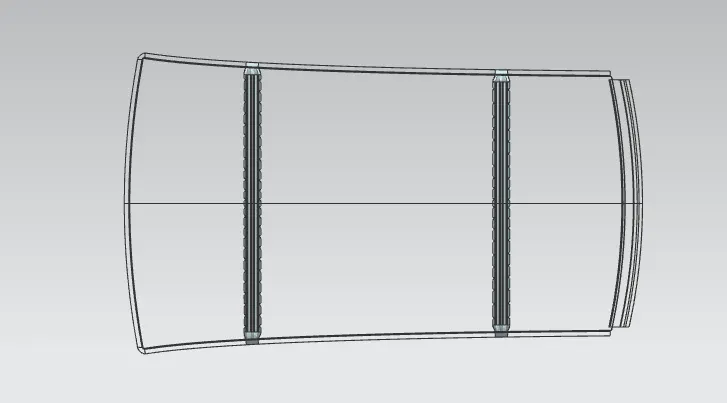
Bow roof are provided to strengthen the roof at the front and rear irrespective on te roof rails. These bow roofs are joined to the roof by the spotwelding and the mastics.
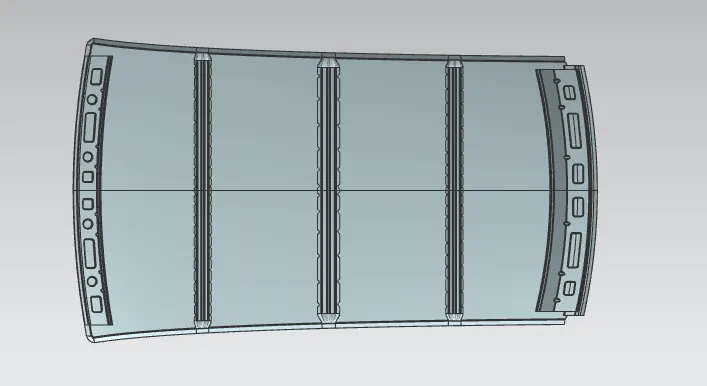
Final Assembly:-
Joining Process:-
The roof an the other components are joined by the spot welding at the edges where we can't see with our eyse. Mastic sealants are the alternate joining solution for the spot welding because the spot welding spoils the aesthetic surface of the roof. Mastics also increase the NVH of the car too.
Curvature Study:-
Heat Distortion:-
Heat distortion is the property of the roof that which can withstand the temperature of the atmosphere. This can be dominated by the roof rails and bow roofs. We can get the better result by moving the bow roofs front and back.
Procedure:-
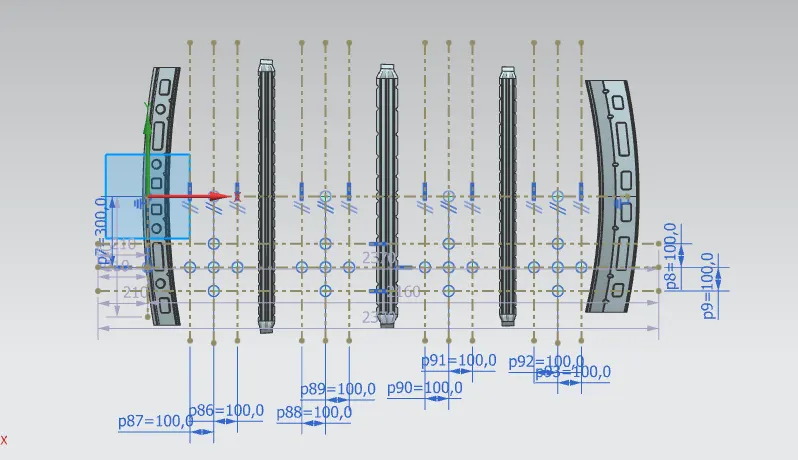
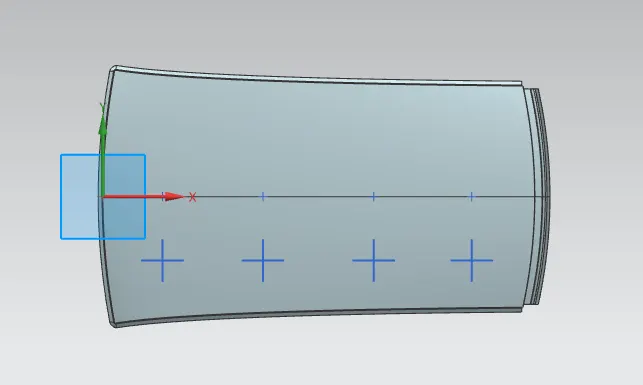
- Create the sketch an draw the straight line at the center of the roof.
- Draw another another line at 3oomm from the center line.
- Draw 2 lines above and below the 300mm line at 100mm as 300mm line as center.
- Make a midpoint between the outer most edge of the roof rails.
- Make intersection points at the between the roof rails.
- Then finally project the points on the roof ant create the three point arc on the roof to measure the Rx and Ry of the roof.
Formula:-
W = [1.73 x 10^(-3) x L] + [1.85 x 10^(-8) x (R^2)/t] + [ 1.10x10^(-3) x l] - 2.68
Where,
L = Roof Length in X-Direction[mm](Roof dimension in 0-Y)
R = Roof curvature
R = 2(Rx*Ry)/(Rx+Ry)
Rx = X curvature
Ry = Y curvature
t = Roof plate thickness [mm]
l = Bow Roof Span [mm]
Judgment Condition:-
OK< 2.7
Result:-

Remedies:-
Here the value for the center roof rail to bow roof 2 is not clearing the condition. There are four types of remedies to overcome this problem
1) By increasing the width of the bow roofs.
2) By moving the bow roofs to and fro to get the required value.
3) By creating embosses on the roof.
4) Increasing the thickness of the bow roof.
Snow Load Criteria:-
Snow load testing is like due the weight of the snow the car roof tends to the stress like bending of the roof. This tests the roof will it comes back to original position or it causes the permanent deformation after removing the snow.
Procedure:-
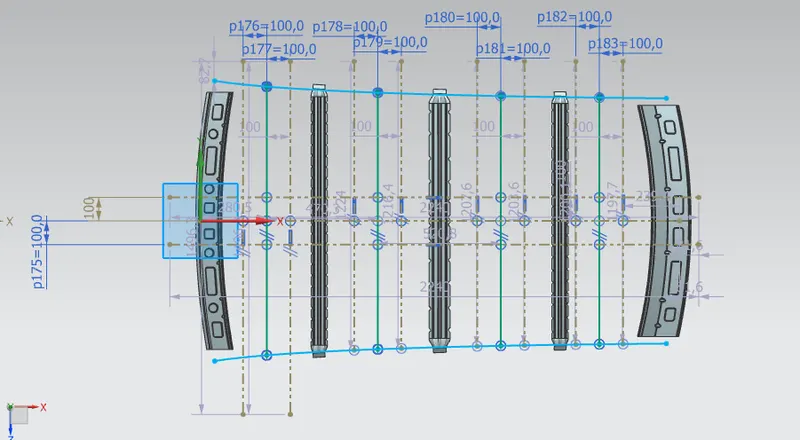
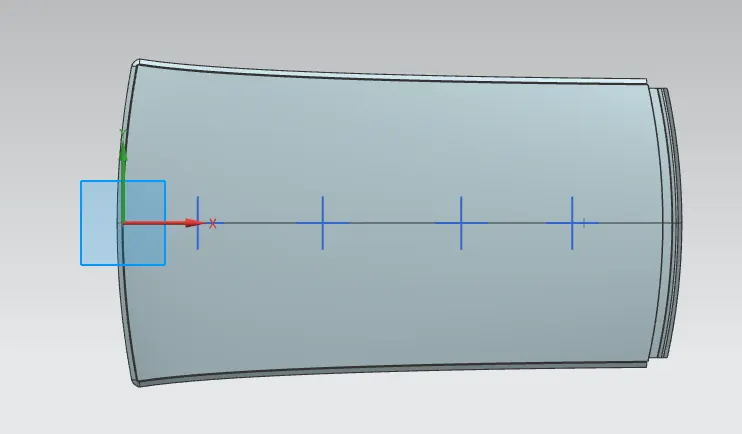
- Create a sketch and draw the line at the center of the roof.
- Create a midpoint between the outermost edges of the roof rails.
- Then create a verical line on the midpoint.
- Draw two lines at the front and back of the midline at 100mm.
- Create intersecting point on the area between the roof rails.
- Project the points and create a three point arc on the roof to measure the Rx and Ry of the roof at the center.
Formula:-
Qr = [Iy x t2] / [α x s x [(Rx + Ry)/2]2 x 10-8]
Where,
α = My x Lx2 x 10-12 , My = Y(Ly-Y)
t = Roof plate thickness [mm]
Ly = Distance between the front and rear roof Rails on the Vehicle along with 0Y[mm]
Lx = Distance between the Left and Right end of the roof on the Roof BOW [mm]
Y = Distance front Front Roof Rail to Roof BOW[mm]
s = Distance for which Roof BOW bears divided load [mm]
s = L1/2 + L2/2
Iy = Geometrical moment of inertia of Roof BOW (Y cross-section )[mm4]
Rx = Lateral direction curvature radius of roof panel Y cross-section on Roof BOW [mm]
Ry = Longitudinal Direction curvature radius of the Roof panel X cross-section on Roof BOW [mm]
Judgment condition:-
Qr ≥ 3.1
250 ≤ s ≤ 380
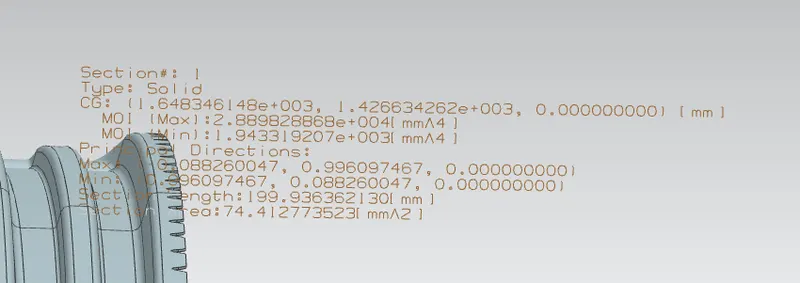
Moment of Inertia for Front Bow Roof:-
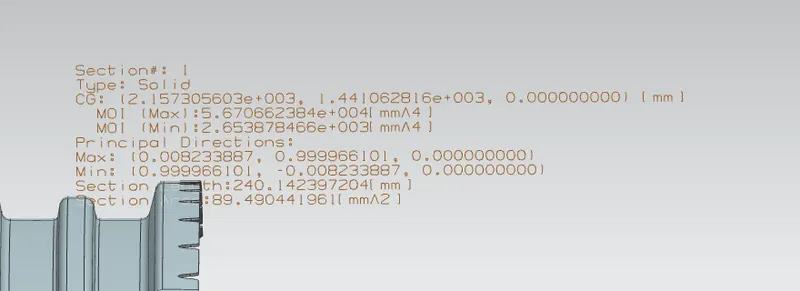
Moment of Inertia for Center Roof Rails:-
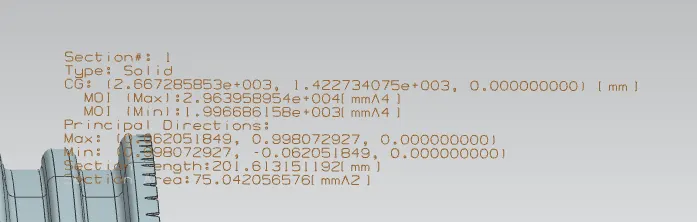
Moment of Inertia for Rear Bow Roof:-
Results:-

From the above results, the positioning of the bow roofs satisfies the condition for snow load Criteria.
Draft Analysis:-
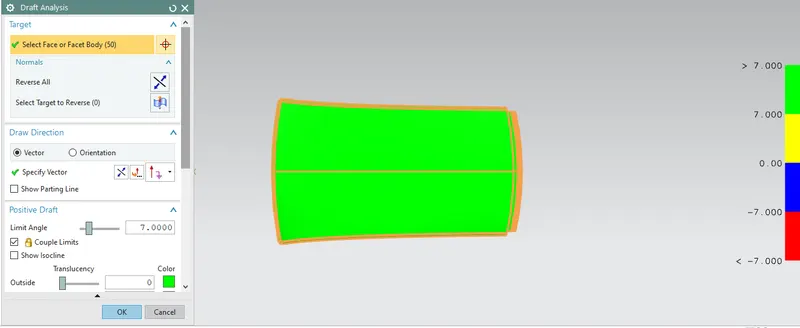
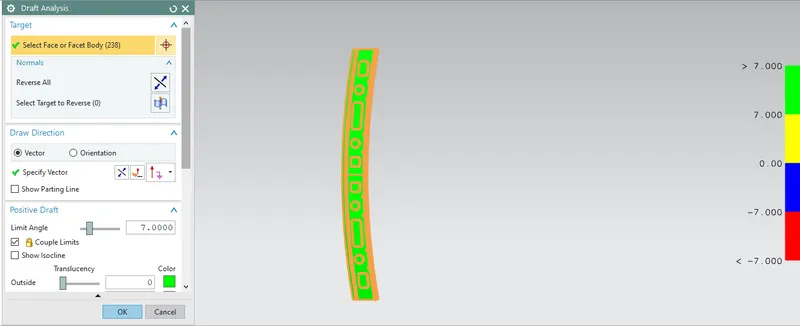
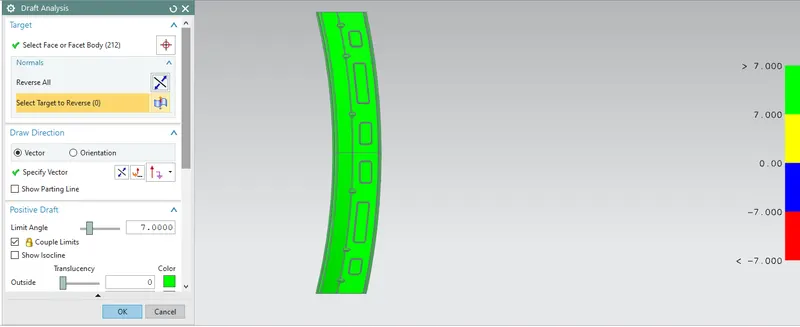
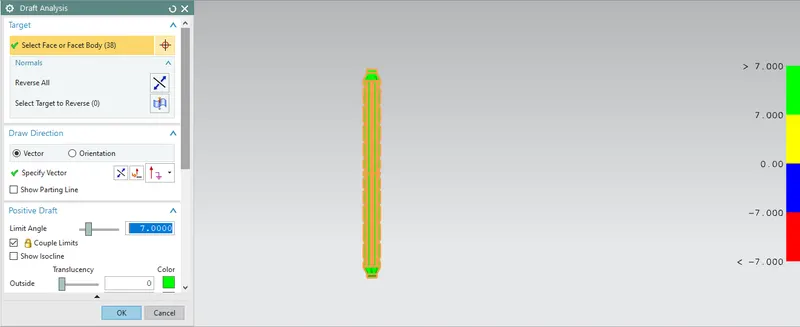
Draft analysis is the process of checking the component is either having the minimum draft required to manufacture or not. Beacuse each and every comoponents should be drafted to create the component without much effort or the problem while manufacturing the component. All the components should be designed with MIN 7°.
Draft Analysis on Top Roof:-
Draft Analysis on Front Roof Rail:-
Draft Analysis on Rear Roof Rail:-
Draft Analysis on Front Bow Roof:-
Draft Analysis on Center Bow Roof:-
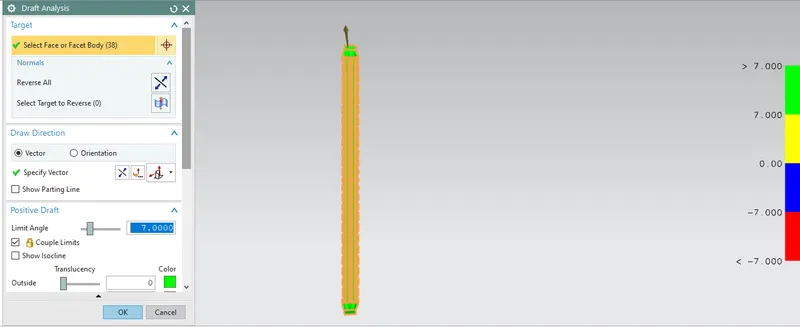
Draft Analysis on Rear Bow Roof:-
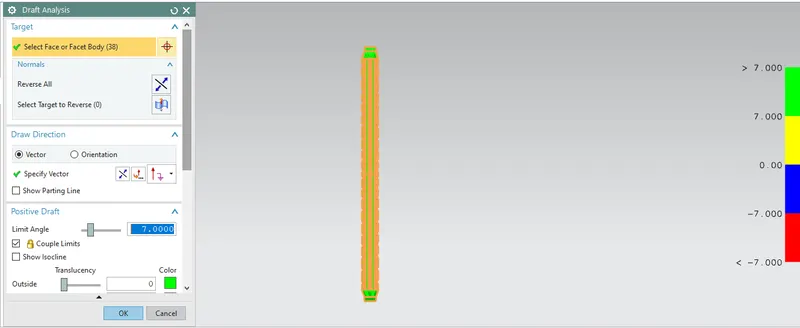
Conclusion:-
Thus the roof is designed with all the necessary roof rails and bow roofs according to the given master section and the styling surface, by considering all the design parameters. Also, the curvature study is done by taking the heat distortion and snow load criteria for determining the strength of the roof.