Roof Design
AIM
- To create an assembly by developing the essential flanges for the outer roof and creating the reinforcements.
- To do a curvature study on the roof and perform calculations to determine the position of the Bow-roofs.
- To perform Draft Analysis for all the parts.
THEORY
Roof
An automobile roof or car top is the portion of an automobile that sits above the passenger compartment, protecting the vehicle occupants from sun, wind, rain, and other external elements. It determines the appeal of the vehicle, the use, the type of people that would buy it, the places where it can go, and even the times when you can drive it.
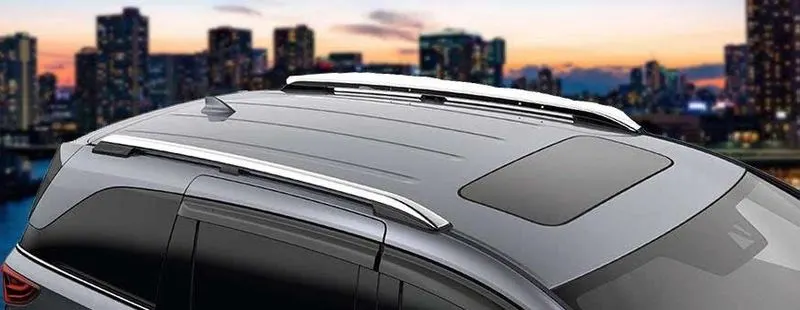
Types Of Roofs
- Hardtops: A hardtop is a rigid form of automobile roof, which for modern cars is typically constructed from metal. A hardtop roof can be either fixed (i.e. not removable), detachable for separate storing or retractable within the vehicle itself. The fixed hardtop is your traditional car roof and is suitable for all climates and weather. It protects car occupants from the sun and wind when driving. It also offers more sense of privacy and noise-free driving. Many cars designed this way also tend to be more stable and solid than other types of roofs.
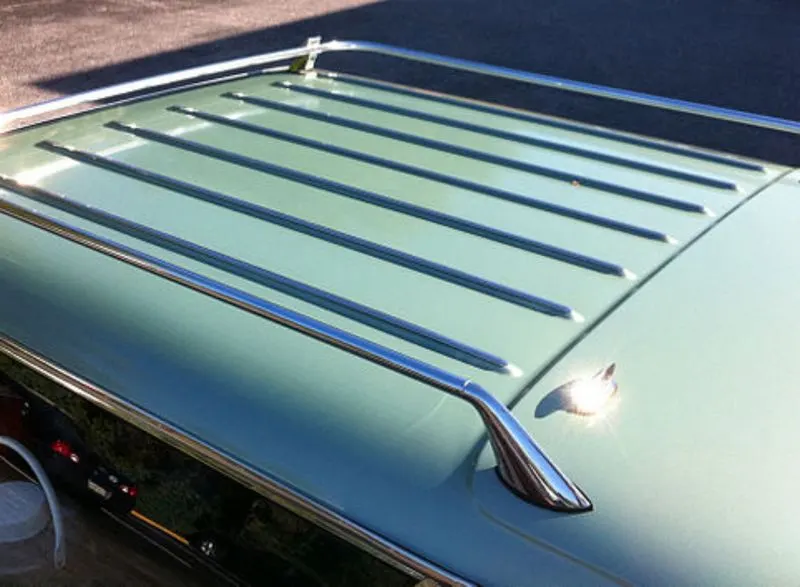
- Sunroofs: A sunroof is a movable panel that opens to uncover a window in an automobile roof allowing light and fresh air to enter the passenger compartment. Sunroofs can be manually operated or motor driven, and are available in many shapes, sizes and styles. Commonly, sunroofs carry two types of panels made from the same solid metal used for the car ceiling exterior and can be pulled by hand to open the glass panel. Above it is colored glass which can be tilted backward to allow air from outside to enter the cabin.
Types of Sunroofs
- Pop-Up: The pop-up sunroof usually tilts when you open it. It is the most basic and relatively cheaper type of sunroof. Some can even be removed so that they are kept properly
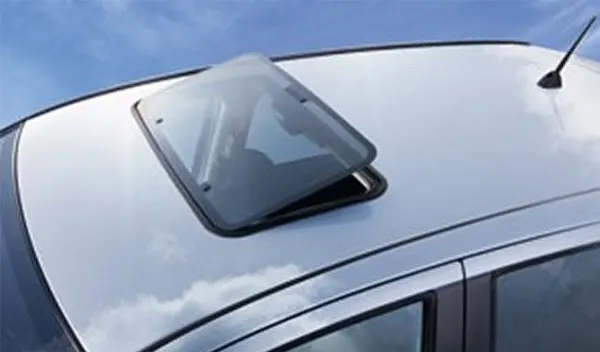
- Spoiler: It just means that it can slide. So, the spoiler is a pop-up that would slide, instead of tilting upwards. The advantage of this is that it can easily be restored to its original position by sliding.
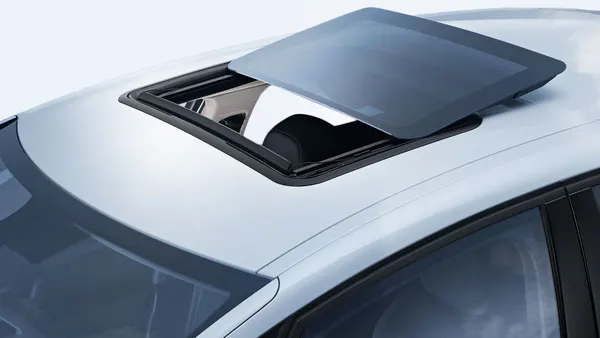
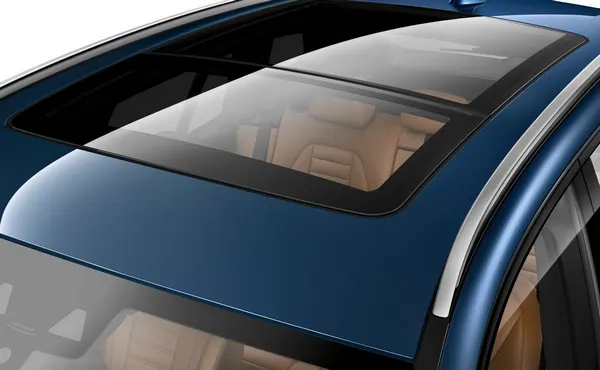
- Panoramic Sunroof: Panoramic sunroofs are distinct. While other sunroofs basically allow air and light or both into the front seats, the panoramic sunroof would allow for both the front and rear. This type of car roof has a large glass panel stretching across the roof, right above the first to the second rows. The panoramic roofs can open wider compared to others in general. Panoramic roofs also have coating blinds to keep the cabin cool when the glass layer is closed, but the view in the sky is still visible. The panoramic roofs offer a different look to the car’s interior so that it becomes more luxurious.
- Convertible: Convertibles or cabriolet are passenger cars that can be driven with or without the entire roof in place. They were first introduced as open-air vehicles. The methods of retracting and storing the roof vary among eras and manufacturers. A convertible car's design allows an open-air driving experience, with the ability to provide a roof when required. A potential drawback of convertibles is their reduced structural rigidity
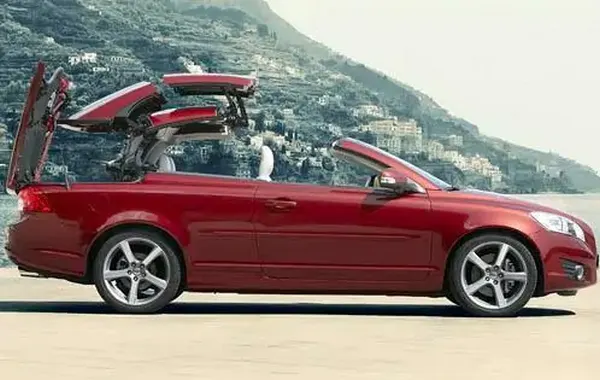
- Retractable Hardtops: A retractable hardtop also known as "coupé convertible" or "coupé cabriolet" is a car with an automatically operated, self-storing hardtop. They are made from metal or plastic and is retracted automatically.
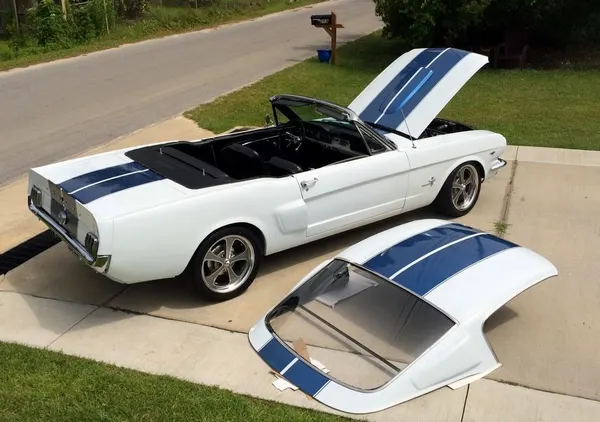
- Detachable Hardtops: This type of hardtop is manually removed from the roof and then stored usually in the trunk. They are also made from metal or plastic.
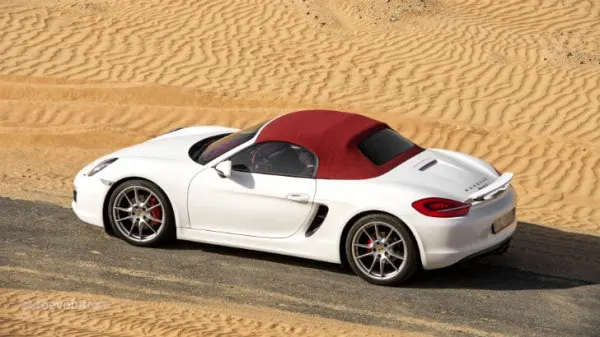
- Soft Tops: This type of convertibles have roofs that are not made from metal or plastic. They are made of textile. The earliest versions of the convertible used canvas for the roofs. More recent models use cloth materials instead. Other materials used now include latex, vinyl, polyvinyl chloride. When the roof is folded, it is called a stack.
Components Of Roof
Front Roof Rail
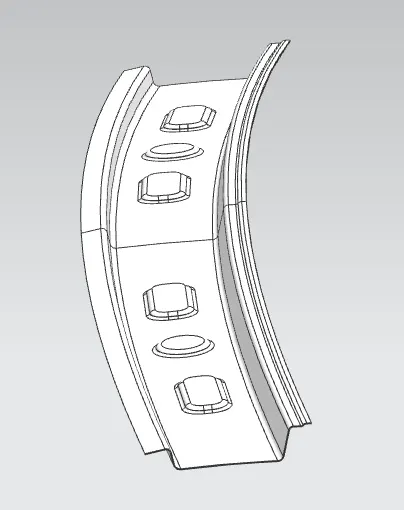
Front roof rails are the additional commodity given as reinforcement and also has certain features which will support the bracket lamp, room lamp. They joins the wind shield glass, body side outer, inner panel. They are made from body side outer scrap.
Rear Roof Rail
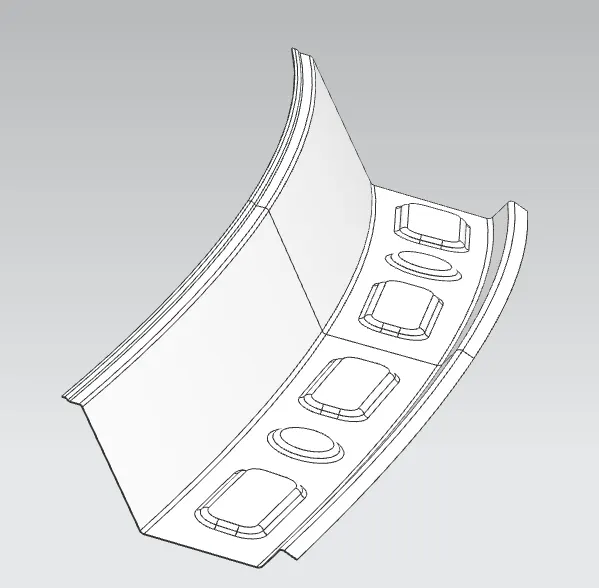
Rear roof rails are the additional commodity given as reinforcement to the rear part of car roof. They joins back door and body side outer. They are made as per the rear head room clearance and rear visibility criteria.
Bow Roofs
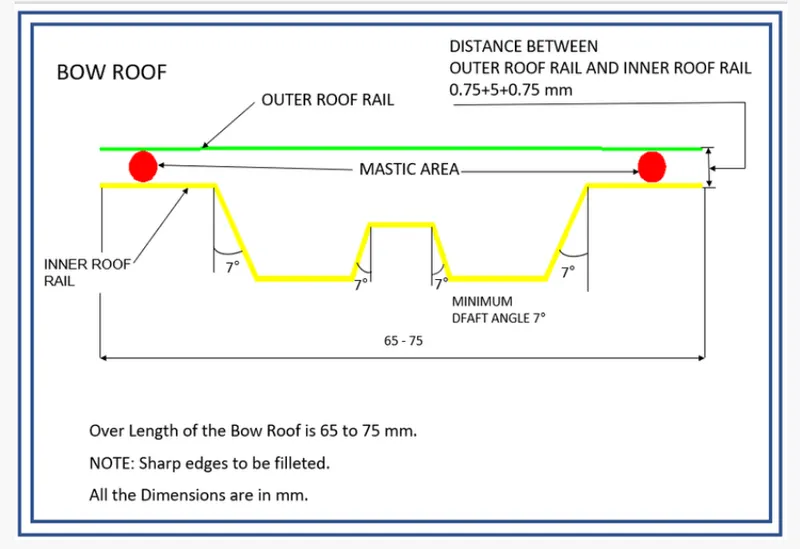
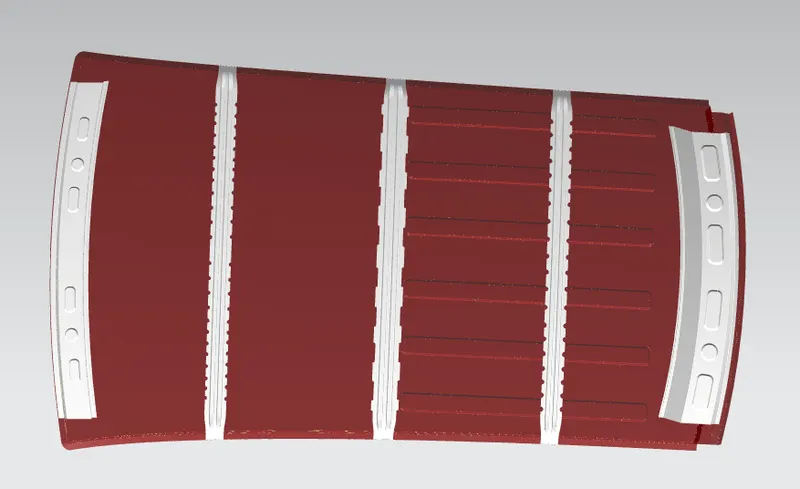
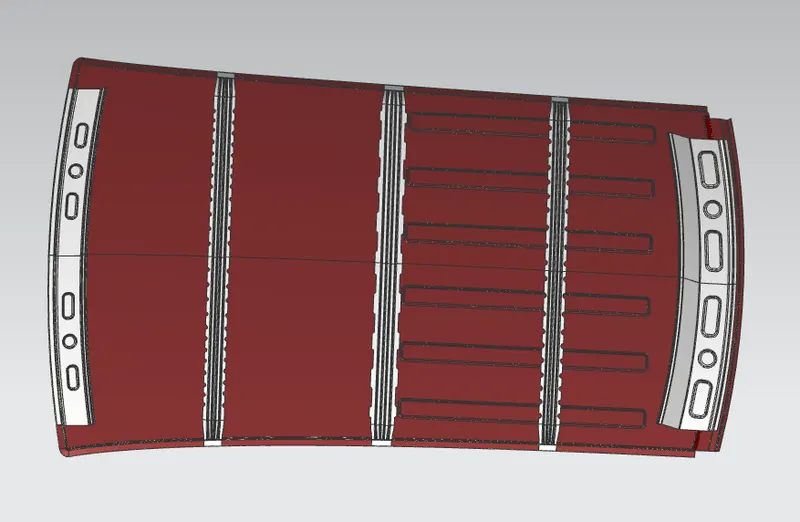
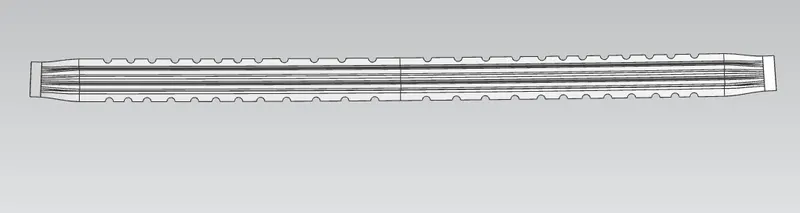
Bow roofs are the additional commodity given as reinforcement given on the most flattened surface of the roof to improve the strength and load bearing capacity. The number of bow roofs depends on the length of the roof, more longer roofs required more number of bow roofs.
Centre Roof Rail
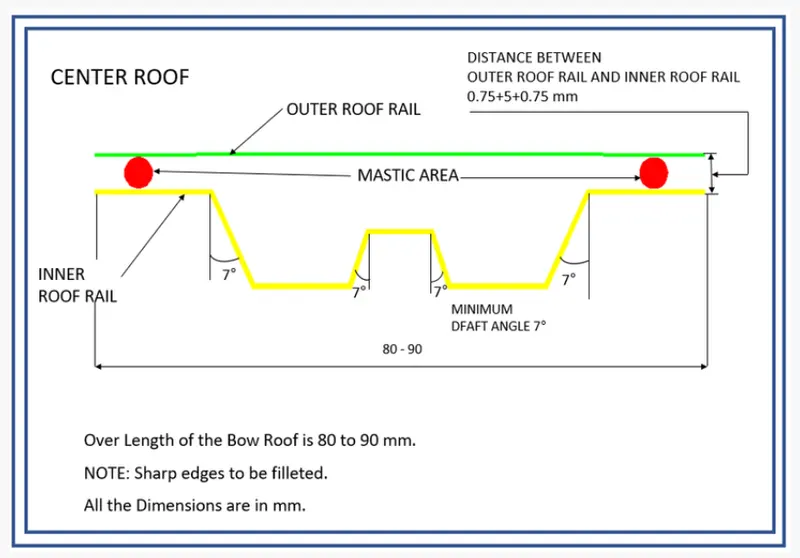
Centre Roof Rail is provided at the most flat area of the roof as it is susceptible to failure on load. Normally centre roof rail is palced at the centre of the roof and is connencted to B pillar of the car.
Manufacturing Process
Stamping
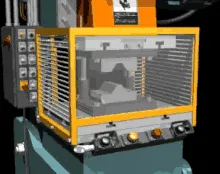
The roof are made by a process called stamping. Stamping (also known as pressing) is the process of placing flat sheet metal in either blank or coil form into a stamping press where a tool and die surface forms the metal into a net shape. Stamping includes a variety of sheet-metal forming manufacturing processes, such as punching using a machine press or stamping press, blanking, embossing, bending, flanging, and coining. This could be a single stage operation where every stroke of the press produces the desired form on the sheet metal part, or could occur through a series of stages. The process is usually carried out on sheet metal, but can also be used on other materials, such as polystyrene.
Joining Process
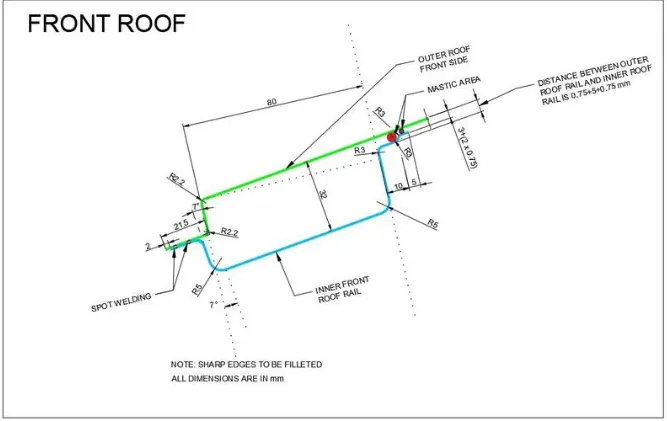
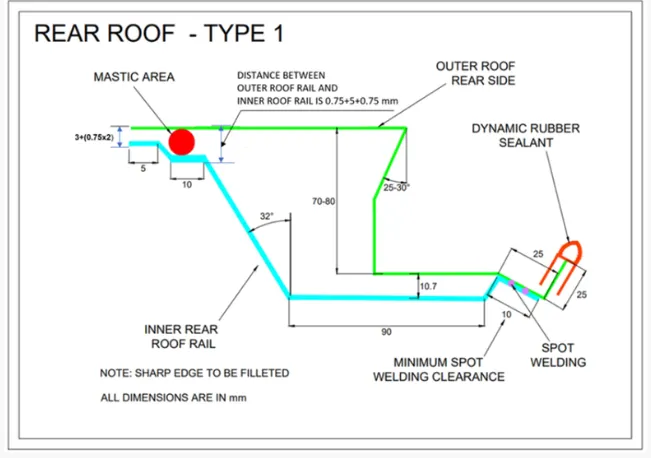
- At centre portion, the outer roof panel and reinforcement roofs are joined by introducing mastic between them.
- At end, they are joined by spot welding
Mastic is a form of sealant or adhesive used to fill the joints or as a bond for different materials and gaps. It is an elastic and flexible material used to create a durable bond between two different surfaces or to protect a particular surface.
DESIGN CONSIDERATION
While designing a roof following parameters have to be followed.
- Visibility Criteria
- Head Clearance
- Curvature Study
- Heat Distortion and Snow Load Criteria
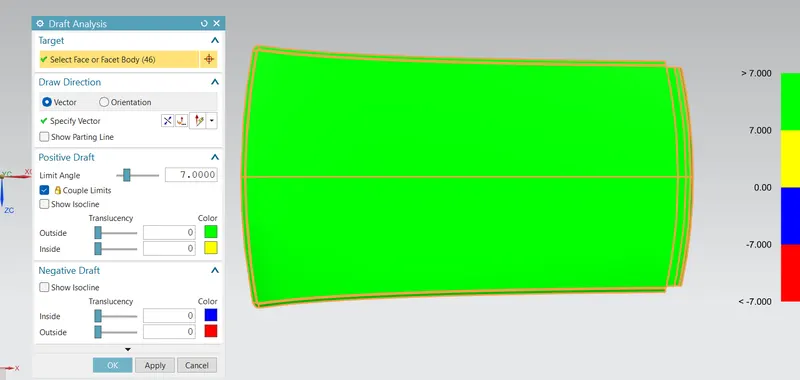
- Draft angle must be greater than `7^o`
SOFTWARE USED
Siemens NX 12
DESIGN
Master Sections
Model
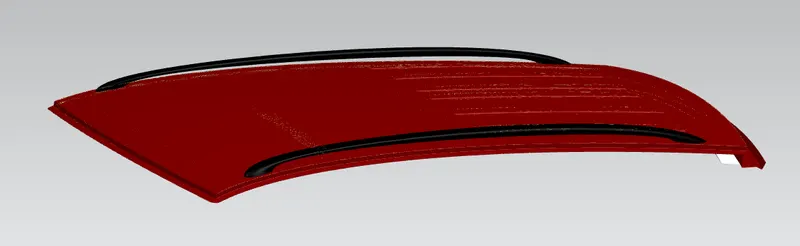
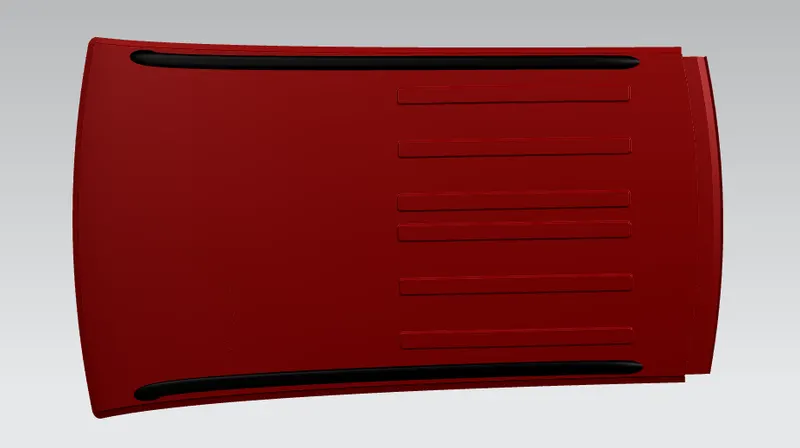
Final Assembly
Front Roof Rail
Rear Roof Rail
Bow Roof 1
Centre Roof Rail

Bow Roof 2

HEAT DISTORTION CRITERIA
Heat distortion study is carried out to check the ability of the roof to withstand given fixed load. The heat deflection temperature or heat distortion temperature is the temperature at which a material starts deforms under a specified load. Above this temperature material cannot be used for application. This study plays an importantant role in sheet metal usage and also helps us to get the idea of where to position the bow roofs and centre roof rail in order to avoid bending or damages and there by gives strength to the roof.
Prediction Formula
`W = [1.73 xx 10^(-3) xx L] + [1.85 xx 10^(-8) xx (R^2)/t] + [ 1.10xx10^(-3) xx l] - 2.68`
where,
- `L` = Roof Length in X-Direction[mm] (Roof dimension in 0-Y)
- `R` = Roof curvature
`R = (2(Rx xx Ry))/(Rx+Ry)`
`Rx` = X curvature
`Ry` = Y curvature
- `t` = Roof plate thickness [mm]
- `l` = Bow Roof Span [mm]
Judgment Condition
OK< 2.7
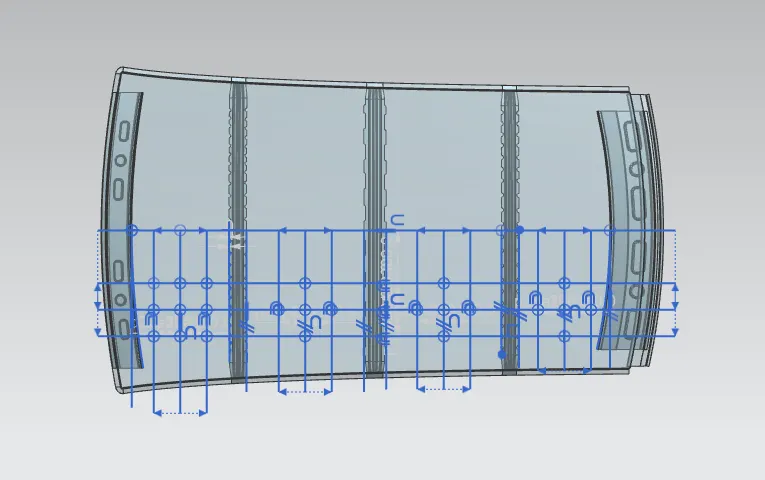
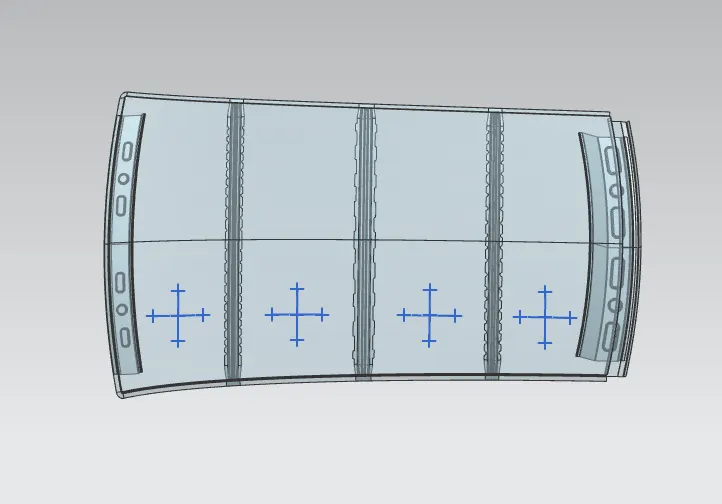
Procedure to find Rx and Ry Values
- Create a sketch on top roof and draw a horizontal line at centre (0y line)
- Offset 0y line to 300mm below (3y line)
- Offset 100mm above and 100mm below from 3y line
- Draw midpoint line in between the reinforcements and offset it to 100mm left and 100mm right
- Create points on where ever the lines are intersecting using intrsection point.
- Project those points to outer roof panel
- Draw an arc using 3 point arc with these projected points.
- Find the radius of these arcs, Vertical arc will gives Rx value and horizontal arc will gives Ry value.

| Sr No | Bows | Rx | Ry | R | L | t | `R^2/t` | I | W | Remarks |
| 1 | Front Roof - Bow Roof 1 | 5740.86 | 2471.57 | 3455.482 | 2033.70 | 0.75 | 15920479.3 | 366.85 | 1.53 | Ok |
| 2 | Bow Roof 1 - Centre Roof | 4989.74 | 6127.10 | 5500.246 | 2033.70 | 0.75 | 40336949.6 | 443.55 | 2.07 | Ok |
| 3 | Centre Roof - Bow Roof 2 | 3976.26 | 10587.32 | 5781.268 | 2033.70 | 0.75 | 44564087.6 | 435.61 | 2.14 | Ok |
| 4 | Bow Roof 2 - Rear Roof | 3287.44 | 14540.45 | 5362.489 | 2033.70 | 0.75 | 38341721.4 | 343.42 | 1.92 | Ok |
From the above table it is clear that value of W comes less than 2.7 in all cases. So Heat distortion criteria is passed and positions of reinforcements are correct. Hence design is accepted.
SNOW LOAD CRITERIA
Snow Load study is carried out to check the ability of the roof to withstand given fixed load during snow. During the snow fall, due to the weight of snow, the roof will dent inside. So the roof must be designed in such a way that after the removal of snow the roof must go to the original position.
Prediction Formula
`Qr = [Iy xx t^2] / [α xx s xx [(Rx + Ry)/2]^2 xx 10^(-8)]`
Where, `α = My xx Lx^2 xx 10^-12`
`My = Y(Ly-Y)`
`t` = Roof plate thickness [mm]
`Ly` = Distance between the front and rear roof Rails on the Vehicle along with 0Y[mm]
`Lx` = Distance between the Left and Right end of the roof on the Roof BOW [mm]
`Y` = Distance front Front Roof Rail to Roof BOW[mm]
`s` = Distance for which Roof BOW bears divided load [mm]
`s = (L1)/2 + (L2)/2`
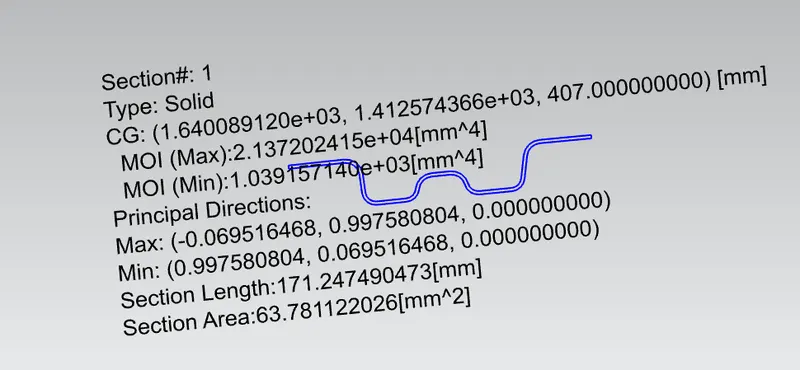
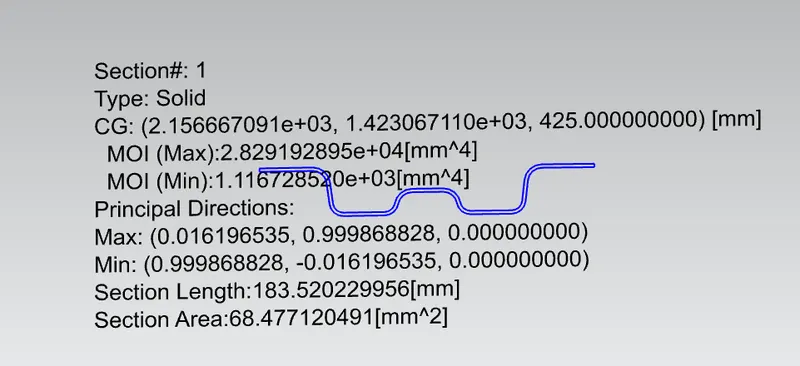
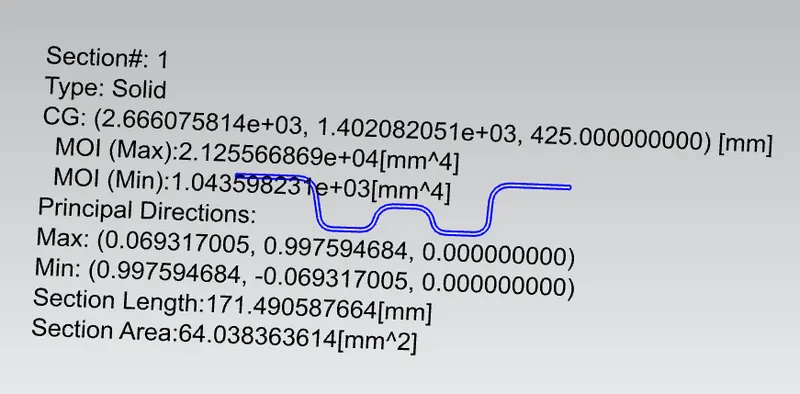
`Iy` = Geometrical moment of inertia of Roof BOW (Y cross-section )[mm4]
`Rx` = Lateral direction curvature radius of roof panel Y cross-section on Roof BOW [mm]
`Ry` = Longitudinal Direction curvature radius of the Roof panel X cross-section on Roof BOW [mm]
Judgement Condition
`Qr >= 3.1`
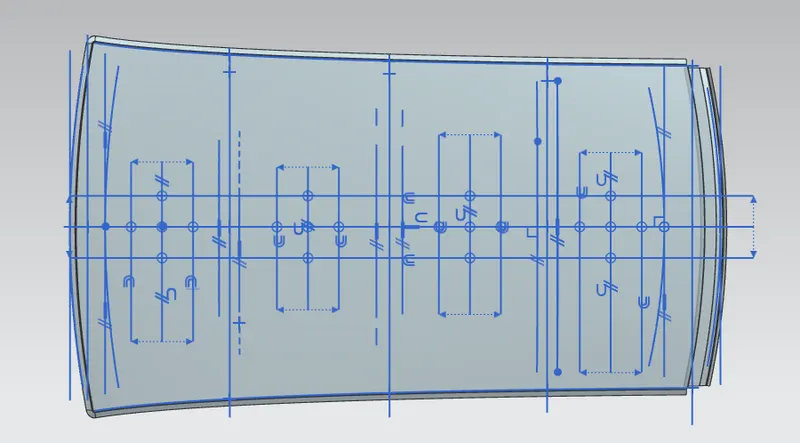
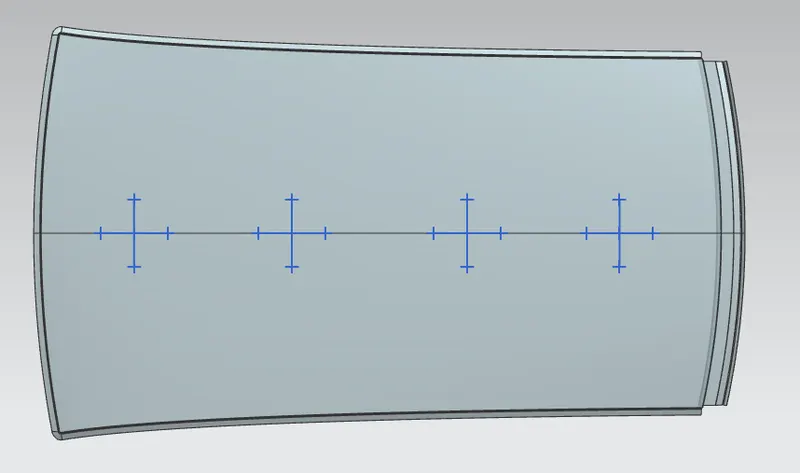
Procedure to find Rx and Ry Values
- Create a sketch on top roof and draw a horizontal line at centre (0y line)
- Offset 100mm above and 100mm below from 0y line
- Draw midpoint line in between the reinforcements and offset it to 100mm left and 100mm right
- Create points on where ever the lines are intersecting using intrsection point.
- Project those points to outer roof panel
- Draw an arc using 3 point arc with these projected points.
- Find the radius of these arcs, Vertical arc will gives Rx value and horizontal arc will gives Ry value.
Moment Of Inertia
Bow Roof 1
Centre Roof Rail
Bow Roof 2

| Sr No | Bows | Rx | Ry | My | s | t | `alpha` | Iy | Qr | Remarks |
| 1 | Front Roof - Bow Roof 1 | 4573.442 | 2540.29 | 685744.46 | 487.515 | 0.75 | 0.8455 | 1039.15 | 11.21 | Ok |
| 2 | Bow Roof 1 - Centre Roof | 3761.66 | 6034.04 | 953655.88 | 512.645 | 0.75 | 1.0929 | 1116.73 | 4.67 | Ok |
| 3 | Centre Roof - Bow Roof 2 | 4275.95 | 11085.72 | 695913.38 | 489.040 | 0.75 | 0.7666 | 1043.59 | 2.65 | Not Ok |
| 4 | Bow Roof 2 - Rear Roof | 4019.57 | 16317.92 | - | - | 0.75 | - | - | - |
From the above calculation the first two values are satisfying the judgement condition but the third value is not. So in this case we will pass this model to styling team and suggest them to change the curvature to improve strength. Other way to improve strength is giving embosses on top roof.
DRAFT ANALYSIS
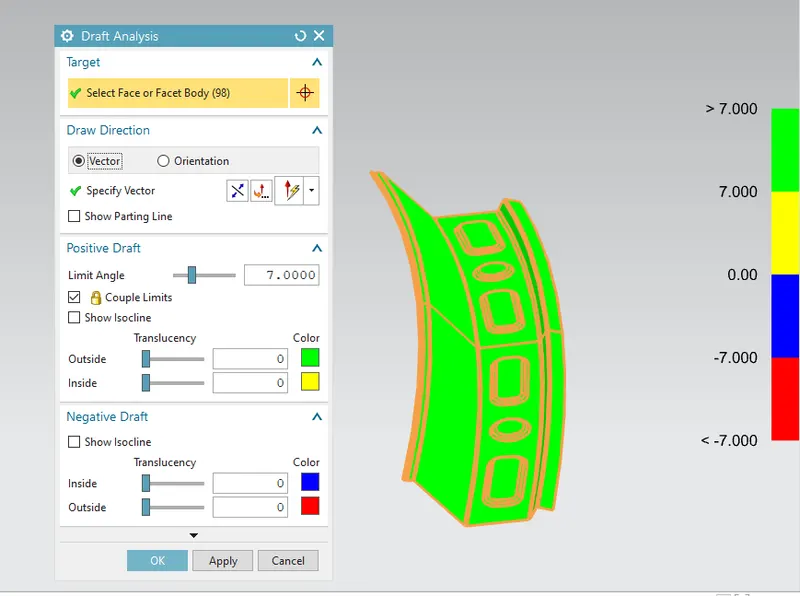
Draft Analysis is carried out to check whether the designed part can be practically manufactured or not. Here Green and Yellow are acceptance limits, Blue and Red are NG. For the analysis, minimum draft angle of `7^o` should be given. If it is below `7^o`, it will be very difficult to manufacture that particular component i.e tool after the operation will not go back smoothly.
Outer Roof
Front Roof Rail
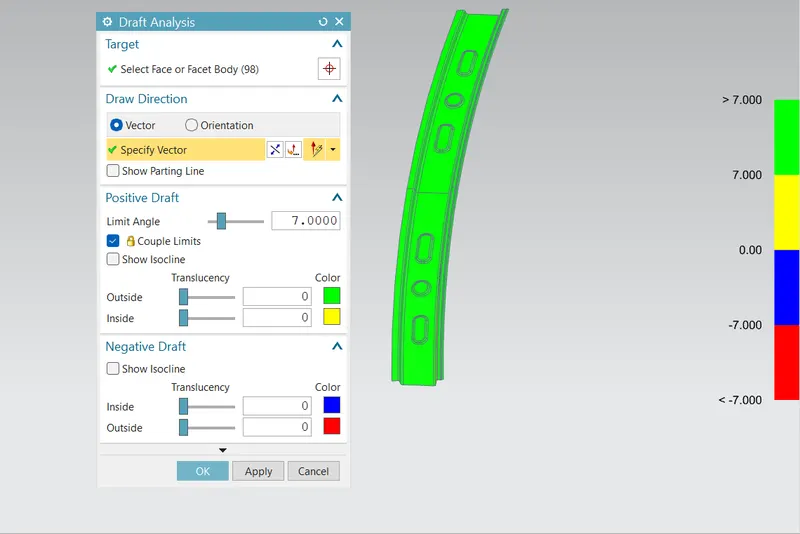
Bow Roof 1
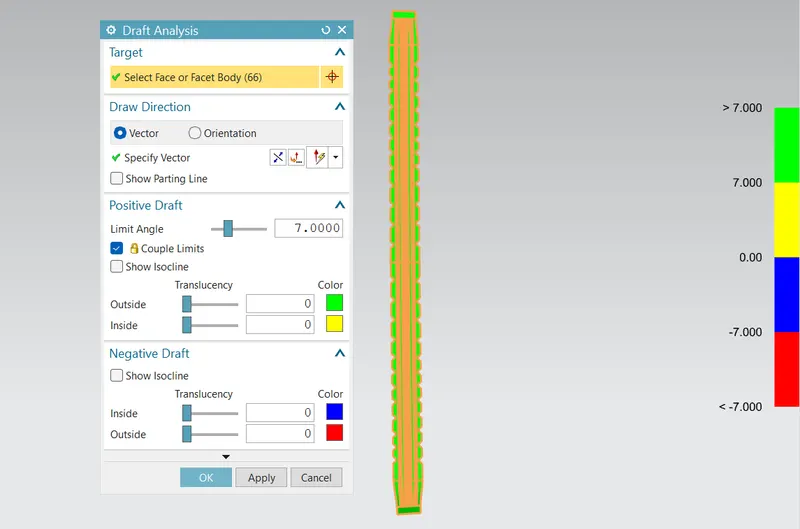
Centre Roof Rail
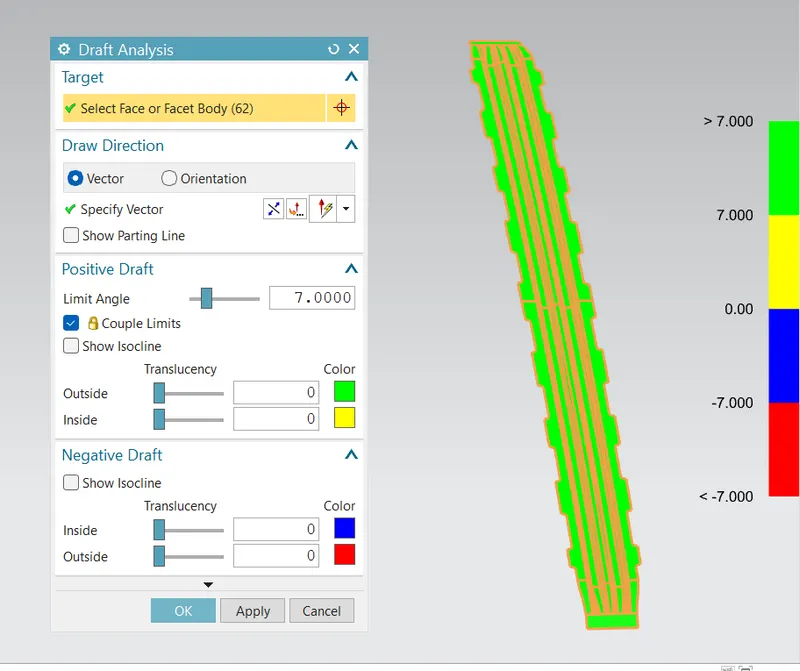
Bow Roof 2
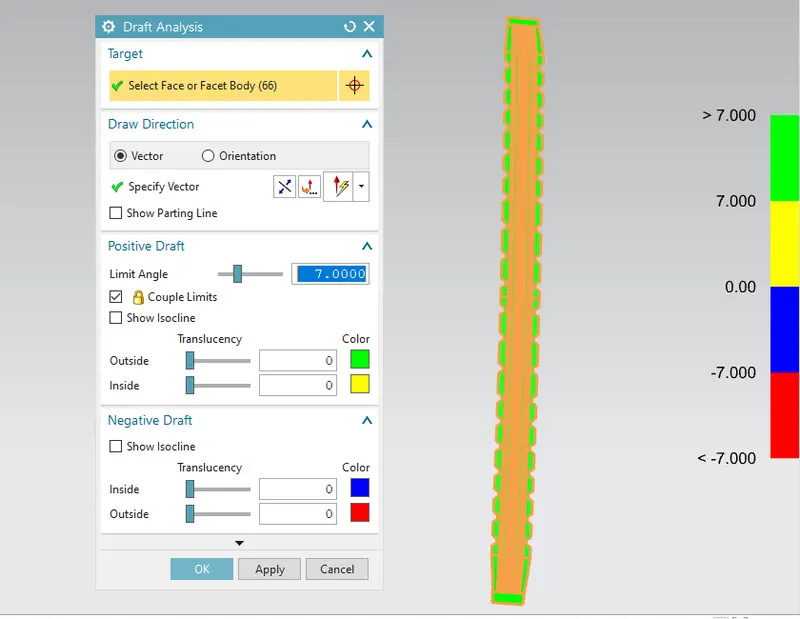
Rear Roof Rail
CONCLUSION
- Assembly by developing the essential flanges for the outer roof and the reinforcements have been created.
- Curvature study on the roof and calculations to determine the position of the Bow-roofs have been done.
- Draft Analysis for all the parts have been done.