Roof Design
DESIGN OF ROOF ASSEMBLY
Aim:
To design & develop the Roof of a car with its components by following the master section and design parameters.
Objective:
- To develop the integral flanges and reinforcements using roof styling as input.
- To do a curvature study on the roof and perform calculations to determine the position of the Bow-roof.
- To determine the Heat Distortion Criteria of the car's roof.
- To find the section modulus on the O-Y section of the roof and also for all its components of it.
- To determine the Snow Load Criteria for a car's roof.
- To perform a Draft Analysis on the final CAD model of the roof.
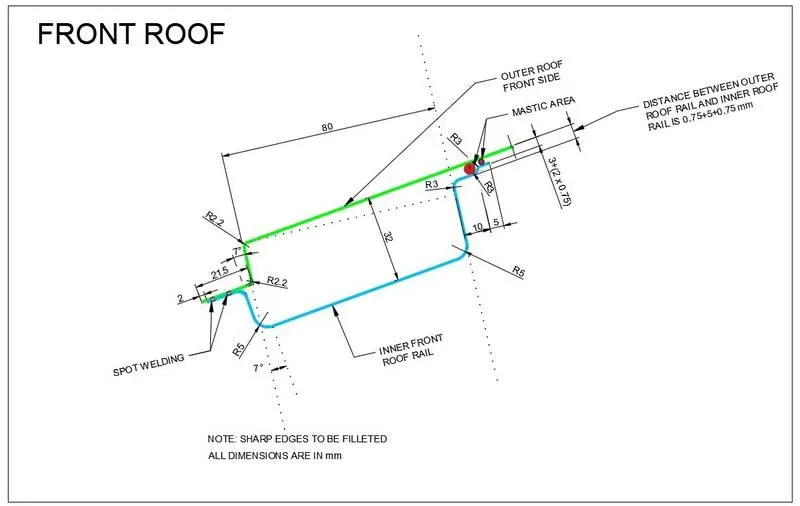
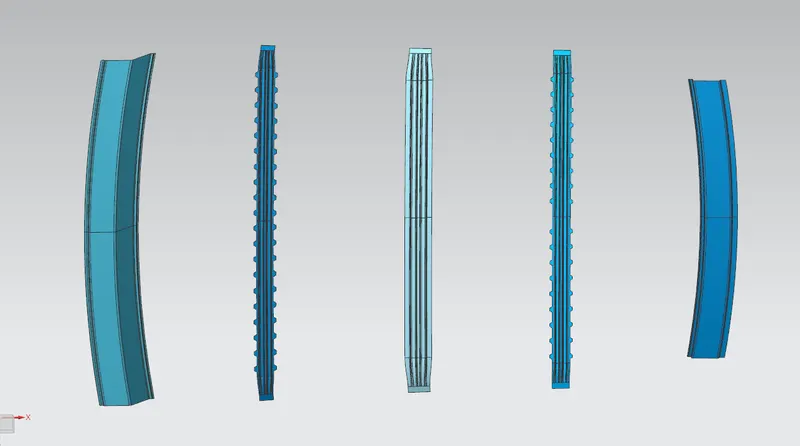
Front Roof Rail Master section:
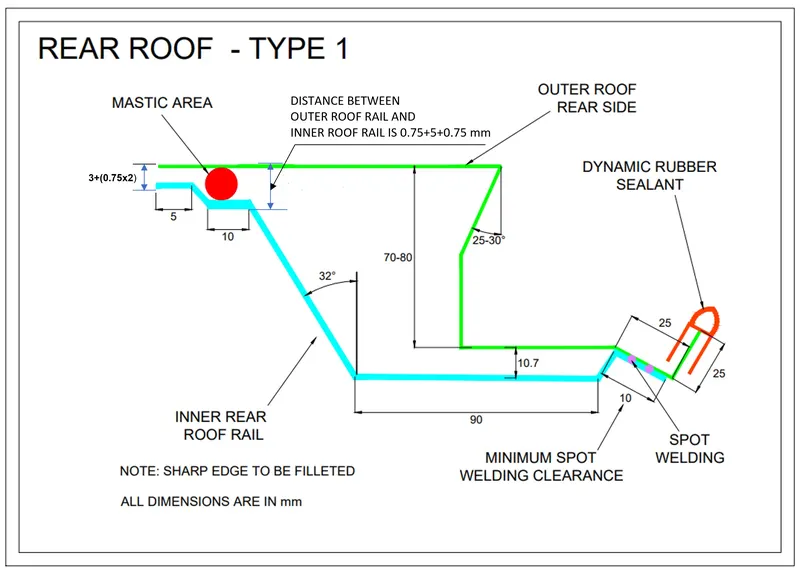
Master section of the Rear Roof Rail:
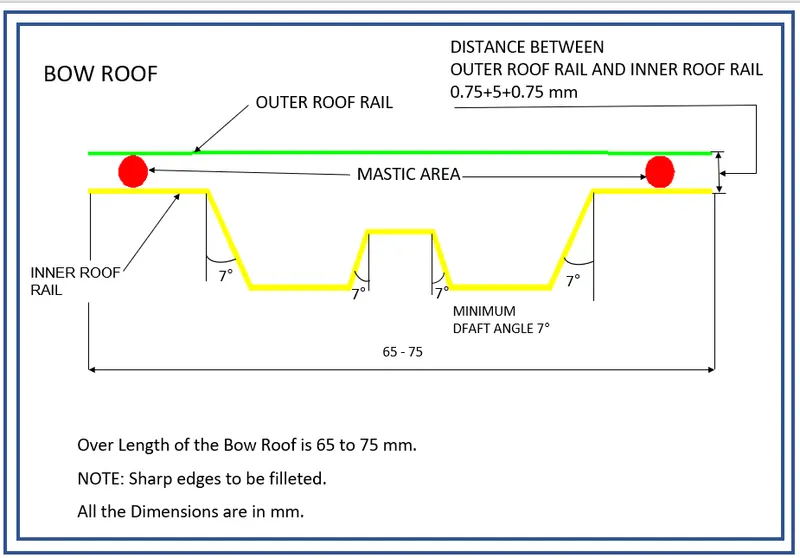
Master section of Bow Roof:
Master section of Center Reinforcement Rail:
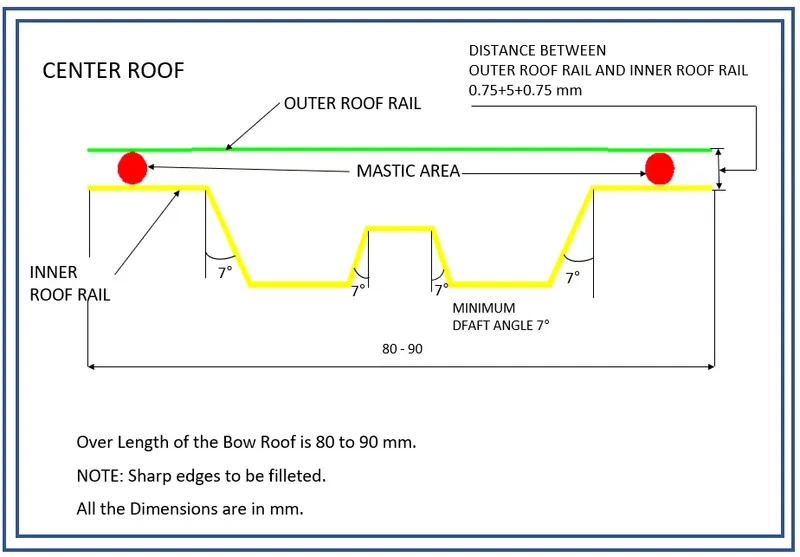
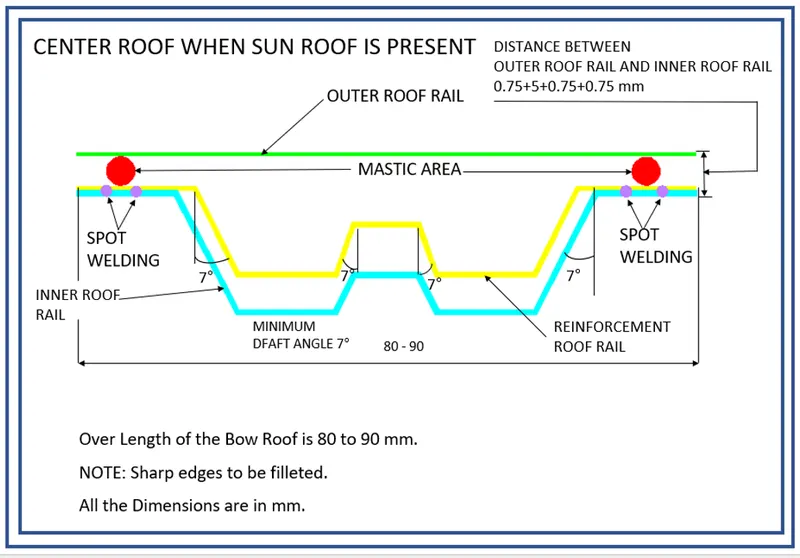
INTRODUCTION:
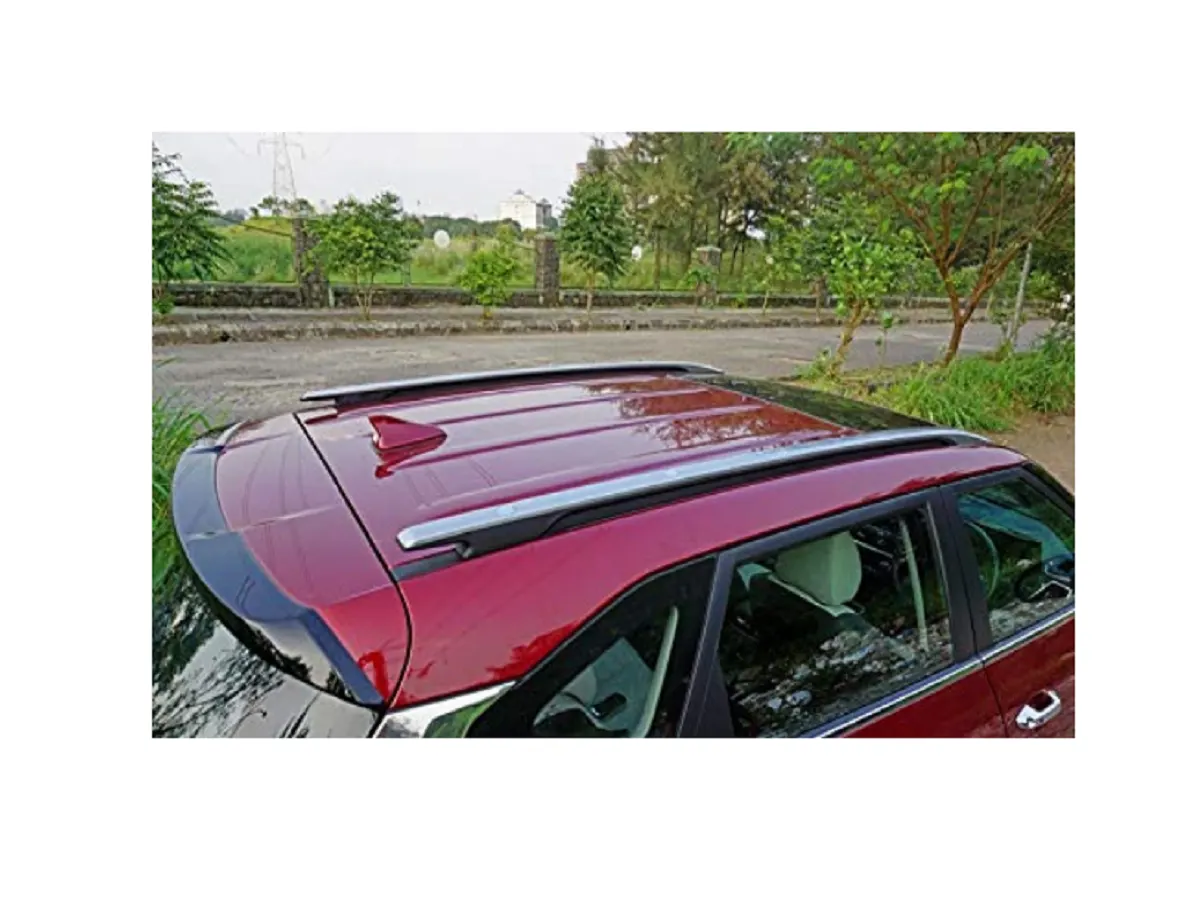
The roof is a part of an automobile essential to protect and keep the passenger safe from harsh weather conditions, accidents, etc. the conventional task of the roof panel is that of compartment shielding, passenger protection, and connecting of the body sides, front, and roof cross members, In case of rollover compartment integrity is provided by the compartment frames, while the roof target is only to avoid the ejection of the passengers, giving protection against hard local contact.
Correspondingly a wide selection of suitable materials is available: Steel, aluminum, thermosetting plastic sheet, and glass. In the case of steel grade FEP04, the usual thickness is in the range of 0.65 to 0.85mm. In all cases, any roof panel material requires braces to prevent panel flexing and vertical waviness, commonly known as oil canning: for this purpose light steel bows are introduced, which are welded or riveted or screwed to the body side and bound to roof panel by smooth flexible adhesives such as butyl mastic (to avoid sink marks on roof surface), mainly providing a damping effect.
Another task of roof bows is to support the interior roof liner which requires several fittings both in central and boundary areas to avoid deflection and vibrations. Fittings are usually plastic clips or Velcro strips. Some roof liners, primarily on less expensive vehicles are bonded directly to the roof panel.
Heat Distortion Criteria:
The heat radiating from the sun causes the roof of the car to change in the metallic regions. Heat distortion criteria indicate what temperature materials start to "soften" when exposed to a fixed load at elevated temperatures.
W = [1.73 x 10^(-3) x L] + [1.85 x 10^(-8) x (R^2)/t] + [ 1.10x10^(-3) x l] - 2.68
Where
L = Roof Length in X-Direction[mm](Roof dimension in 0-Y)
R = Roof curvature
R = 2(Rx*Ry)/(Rx+Ry)
Rx = X curvature
Ry = Y curvature
t = Roof plate thickness [mm]
l = Bow Roof Span [mm]
Judgment Condition: OK< 2.7mm
Snow Load Criteria:
During Winter Season the snow gets clogged over the top surface/roof of the car and the snow has some mass on it. Due to this, the roof can fail if the snow load exceeds the capacity of the roof that was designed to sustain.
Qr = [Iy x t2] / [α x s x [(Rx + Ry)/2]2 x 10-8]
Where
α = My x Lx2 x 10-12 , My = Y(Ly-Y)
t = Roof plate thickness [mm]
Ly = Distance between the front and rear roof Rails on the Vehicle along with 0Y[mm]
Length of Roof panel with the center point between Roof rail Front /Rear as the reference point of the front and the rear.
Lx = Distance between the Left and Right end of the roof on the Roof BOW [mm]
Width of the roof panel exposed on the surface.
Y = Distance front Front Roof Rail to Roof BOW[mm]
s = Distance for which Roof BOW bears divided load [mm]
s = L1/2 + L2/2
Iy = Geometrical moment of inertia of Roof BOW (Y cross-section )[mm4]
Rx = Lateral direction curvature radius of roof panel Y cross-section on Roof BOW [mm]
Roof panel curvature Radius of the Length Lx in Front view
Ry = Longitudinal Direction curvature radius of the Roof panel X cross-section on Roof BOW [mm]
Roof panel X curvature radius of length s in Side view
Judgement condition = Qr ≥ 3.1
250 ≤ s ≤ 380
Section Modulus:
Section modulus is a geometric property for a given cross-section used in the design of beams. Other geometric properties used in the design include an area for tension, a radius of gyration for compression, and a moment of inertia for stiffness. The Section modulus is defined as
S=Iy">S=IyS=Iy
Where
S = Section Modulus
I = Moment of Inertia
y = Distance from the neutral axis to any given part.
DESIGN:
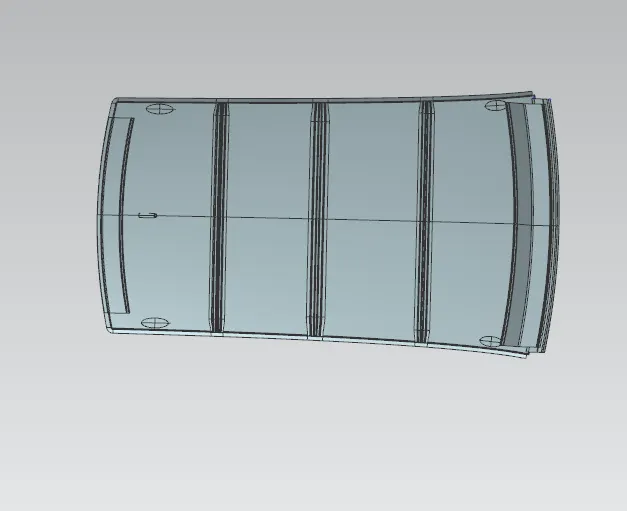
The major components of the Roof are
- Outer panel/ Shell
- Front roof rail
- Rear roof rail
- Bow roofs
- Central roof reinforcement rail.
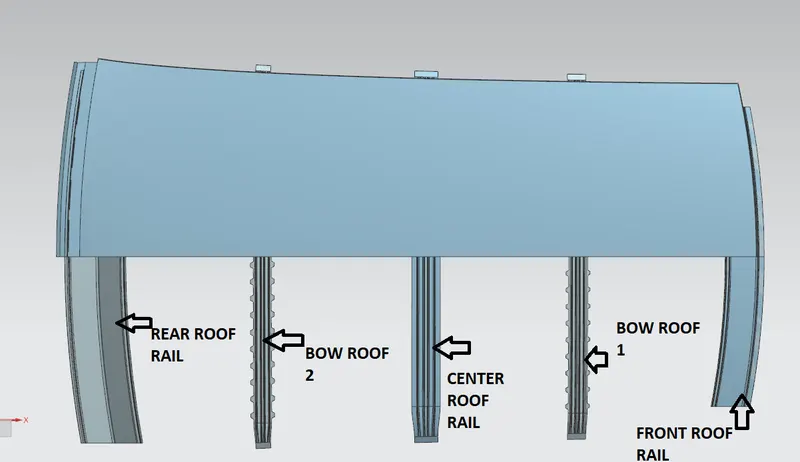
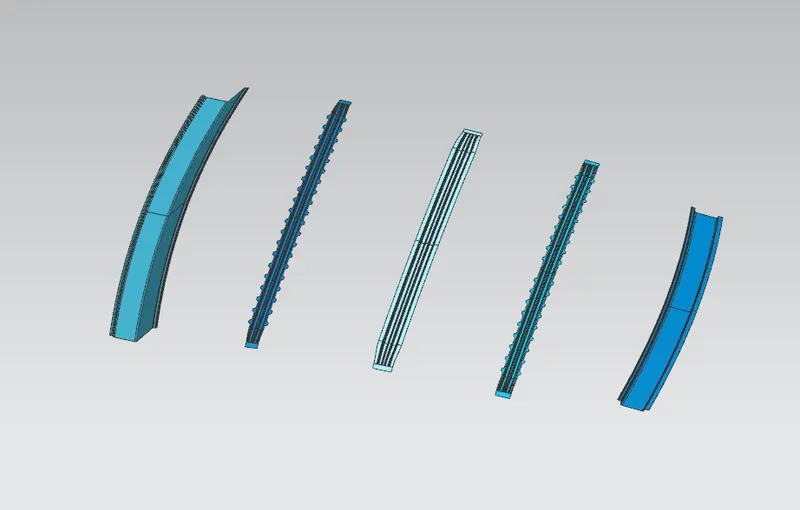
Section Inertia Analysis on Roof Rails:
[1] Section Inertia Analysis on Bow Roof Rail-1:
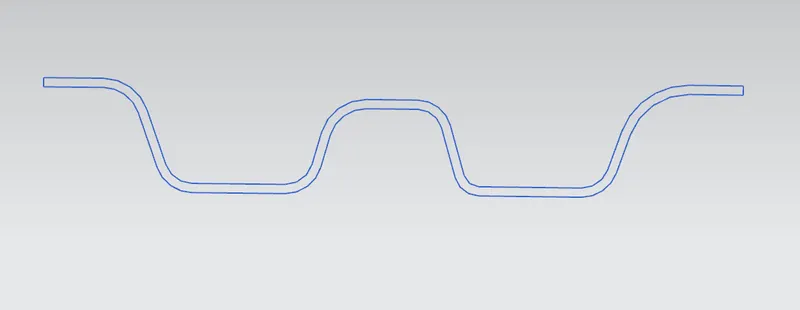
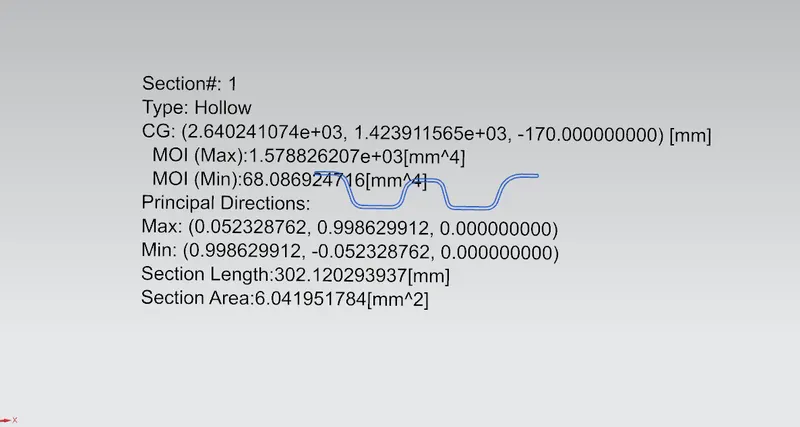
Minimum Moment of Inertia Imin = 68.086924716 mm^4
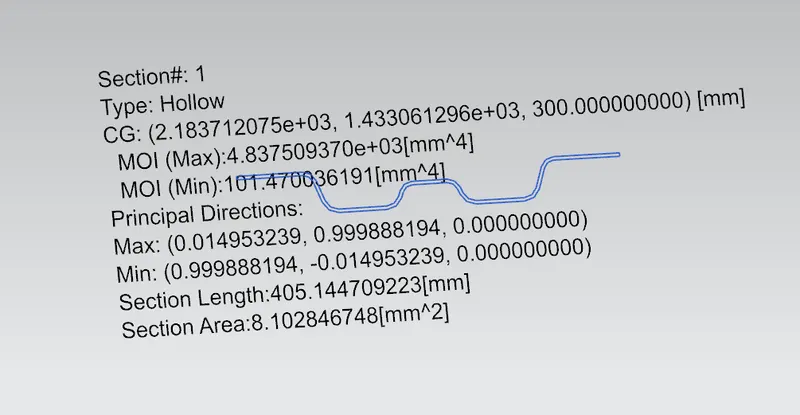
[2] Section Inertia Analysis on Center Bow Roof Rail:
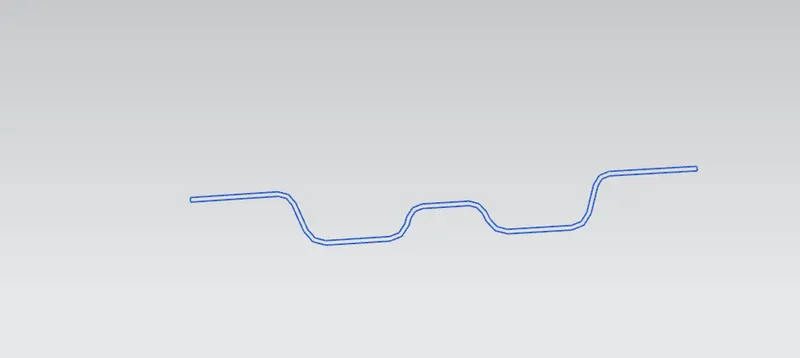
Minimum Moment of Inertia I(min) = 101.470036191 mm^4
Heat Distortion Criteria:
Heat distortion test is a type of static load test which plays an important role in maintaining roof strength. Heat distortion temperature is the temperature at which metal softens and deforms under a specified load. From Heat distortion criteria, roof strength can be enhanced by the appropriate positioning of bow roof rails.
Bow–Roof Prediction Formula
W = [1.73 x 10^(-3) x L] + [1.85 x 10^(-8) x (R^2)/t] + [ 1.10x10^(-3) x l] - 2.68
Where,
L = Roof Length in X-Direction[mm](Roof dimension in 0-Y)
R = Roof curvature
R = 2(Rx*Ry)/(Rx+Ry)
Rx = X curvature
Ry = Y curvature
t = Roof plate thickness [mm]
l = Bow Roof Span [mm]
Judgment Condition
OK< 2.7
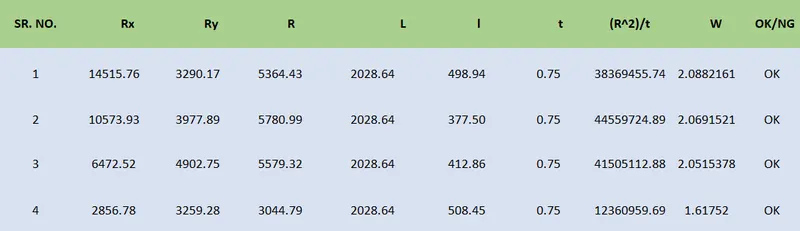
From the above results, it can be observed that the designed roof passes Heat Distortion Criteria.
Snow Load Prediction Formula:
Qr = [Iy x t2] / [α x s x [(Rx + Ry)/2]2 x 10-8]
Note: The Qr value given over here is correct. There was a typo error in the formula given in the video.
Where,
α = My x Lx2 x 10-12 , My = Y(Ly-Y)
t = Roof plate thickness [mm]
Ly = Distance between the front and rear roof Rails on the Vehicle along with 0Y[mm]
Length of Roof panel with the center point between Roof rail Front /Rear as the front and rear reference point.
Lx = Distance between the Left and Right end of the roof on the Roof BOW [mm]
The width of the roof panel is exposed on the surface.
Y = Distance front Front Roof Rail to Roof BOW[mm]
s = Distance for which Roof BOW bears divided load [mm]
s = L1/2 + L2/2
Iy = Geometrical moment of inertia of Roof BOW (Y cross-section )[mm4]
Rx = Lateral direction curvature radius of roof panel Y cross-section on Roof BOW [mm]
Roof panel curvature Radius of the Length Lx in Front view
Ry = Longitudinal Direction curvature radius of the Roof panel X cross-section on Roof BOW [mm]
Roof panel X curvature radius of length s in Side view
Judgment condition
Qr ≥ 3.1
250 ≤ s ≤ 380
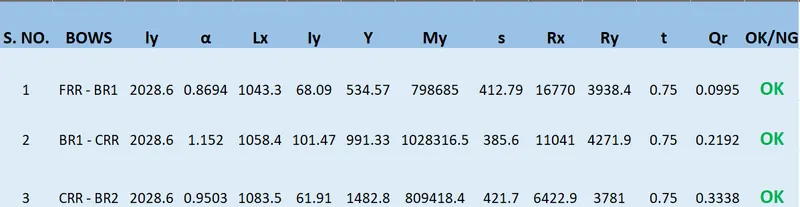
From the above results, it can be seen that the designed roof passes Snowed Criteria.
Conclusion:
The Roof assembly is designed based on the given styling surface, considering all the geometric, manufacturing, and functional requirements.