Project
Aim - Prepare a technical report explaining the ATV Model.
Theory - ATV (all-terrain vehicle) is a vehicle with specialized treads and/or wheels that allows it to travel on off-road terrain. It is an off-highway vehicle designed to travel on four low-pressure or non-pneumatic tires, having a seat designed to be straddled by the operator and handlebars for steering control.
There are two models of system-level simulation of an all-terrain vehicle given.
MODEL 1
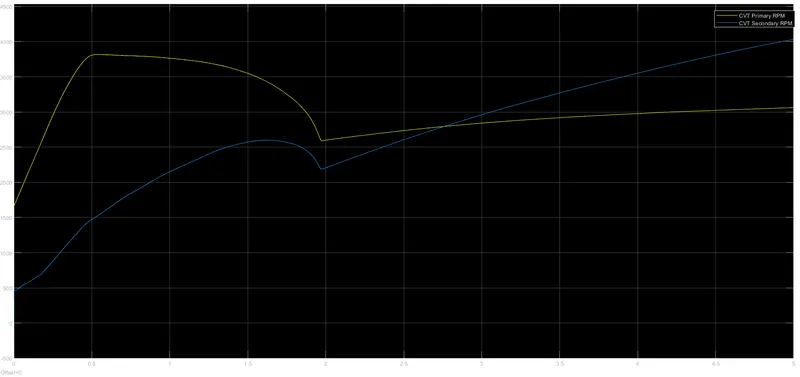
This model shows the simulation of an ATV vehicle with the input as constant from the signal builder and the output of velocity and brake of the ATV vehicle with the rpm speed of the shaft.
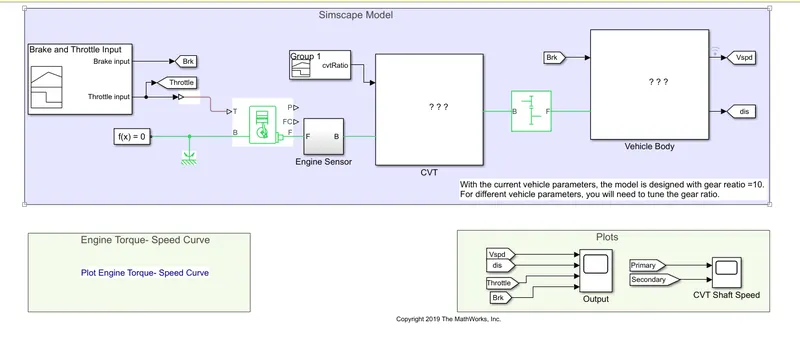
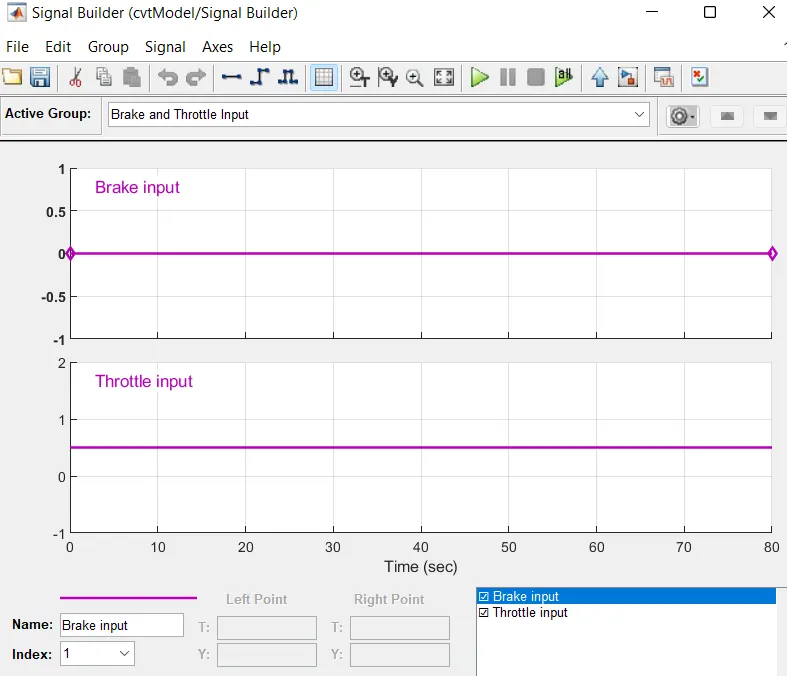
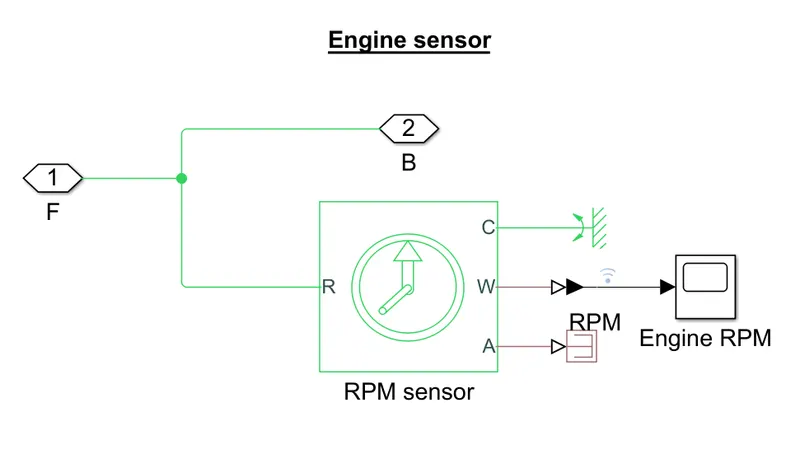
With the signal building, the signal for brake input and throttle for the engine is given to the generic engine. The generic engine block takes the input of the throttle and the rotation of the shaft accordingly. The shaft from the generic engine block is connected to the engine sensor which indicates the speed of the shaft, and sensor output is connected to the CVT subsystem.
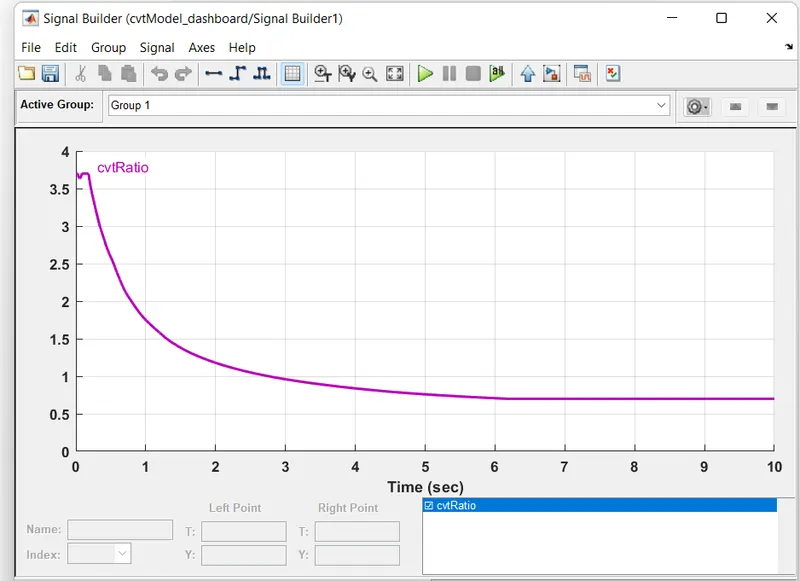
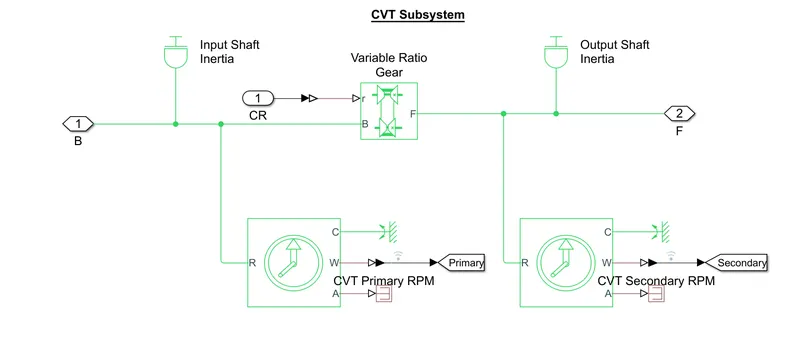
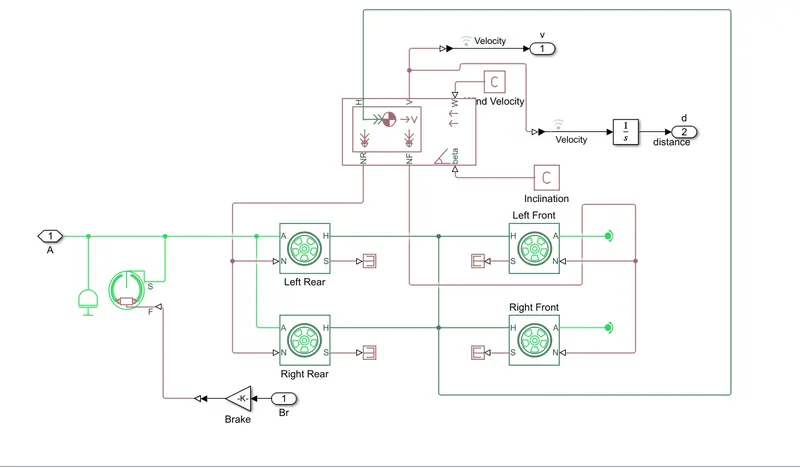
The CVT subsystem is used to change the speed with the help of a pulley, which is done by a variable gear ratio block this gets the input from the CVT gear ratio signal builder and the shaft is connected to the gear which reduces the speed of the vehicle and then it is connected to vehicle body subsystem which consists of a double shoe brake and tires, Vehicle body block. This subsystem gets the brake input, which is connected to the double-shoe brake with the input the double-shoe breaks, stops the tires and all details are given to the vehicle body block. The vehicle body block calculates the velocity of the vehicle and shows it in the scope
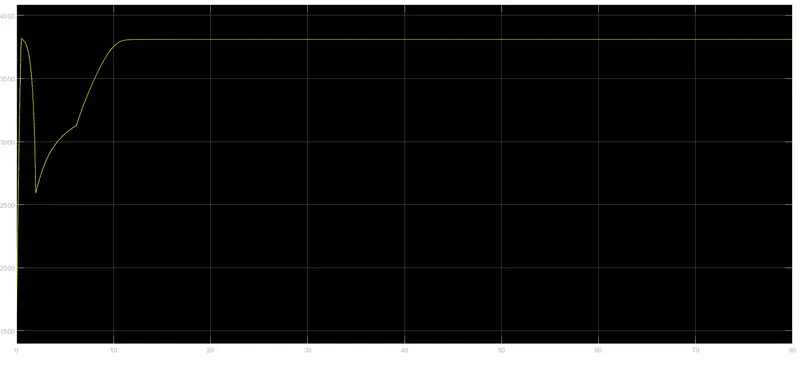
The Input signal
Vehicle body
OUTPUT
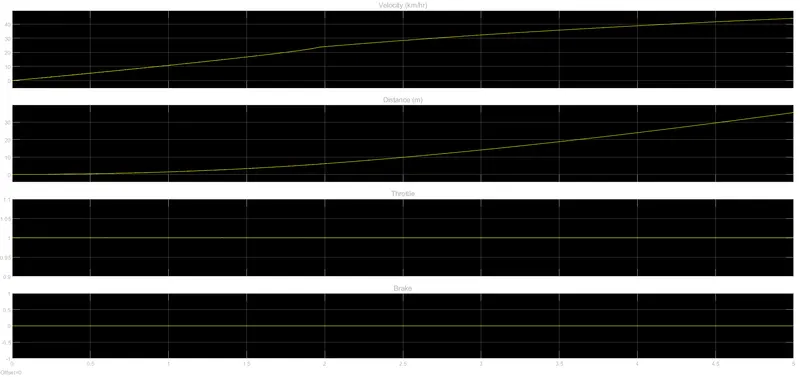
the scope results are shown below
MODEL 2
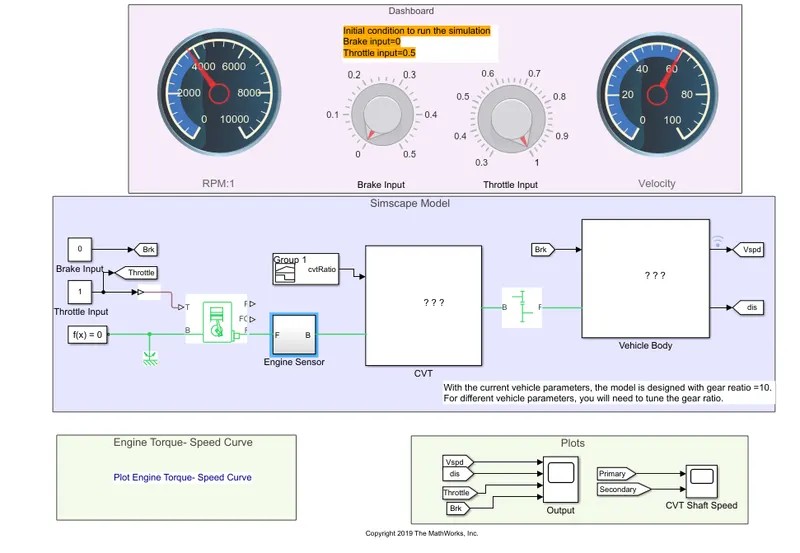
We can change the input parameters in model 2 by using dashboard blocks but in the case of model 1, it is the constant input from the signal builder.
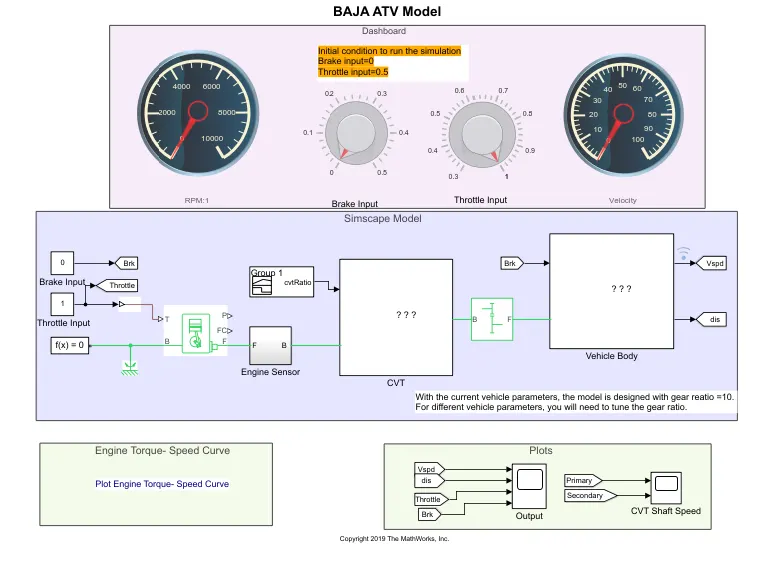
functioning and block diagrams are the same as MODEL 1
Output
output scope diagrams are also the same as MODEL 1
We can visually understand the change in value for the output to the input in model 2 using dashboard blocks but in the case of model 1, it is the output that is only seen in the scope.
We can visually understand the change in value for the output to the input in model 2 using dashboard blocks but in the case of model 1, it is the output that is only seen in the scope.