Project - 2
Introduction
Additive manufacturing, also known as 3D printing, is a process that creates a physical object from a digital model by adding layers of material together. This technology has the potential to revolutionize the field of human orthopedic implants by enabling the production of customized and complex implant designs that are not possible with traditional manufacturing methods.
Additive manufacturing can be used to create a wide range of orthopedic implants, including spinal implants, joint replacements, and bone scaffolds. The ability to create highly customized implants that are tailored to the specific needs of individual patients can improve the fit and function of the implant, leading to better patient outcomes.
One of the benefits of additive manufacturing for orthopedic implants is the ability to create complex internal structures that mimic the natural bone and tissue structure. This can help to improve the integration of the implant with the surrounding bone and tissue, leading to better long-term outcomes. Additionally, additive manufacturing allows the creation of implant geometries that are not possible with traditional manufacturing methods, such as porous or lattice structures that promote bone ingrowth.
Another benefit of additive manufacturing is the ability to create patient-specific implant designs. Using CT or MRI scans, a digital model of the patient's bone can be created, and the implant can be designed to fit perfectly. This can reduce the need for additional surgeries to adjust the implant, and can also improve the patient's recovery time.
There are also some challenges that need to be addressed before 3D printing can be widely adopted for orthopedic implants. The materials used in additive manufacturing need to be biocompatible and have the mechanical properties required for the implant to function properly. Additionally, the long-term performance and safety of 3D printed orthopedic implants need to be established through clinical studies.
Overall, additive manufacturing has the potential to revolutionize the field of human orthopedic implants by enabling the production of customized and complex implant designs that are not possible with traditional manufacturing methods. However, more research and development are needed to fully realize the potential of this technology in the field of orthopedic implants.
Literature Survey:
In order to understand the current state of the art in additive manufacturing of orthopedic implants, a literature survey was conducted. The following web links and research articles were reviewed:
-
"Additive manufacturing in orthopaedics: past, present, and future" by A. M. Haddleton et al. (https://www.ncbi.nlm.nih.gov/pmc/articles/PMC6045657/)
-
"Additive manufacturing of orthopaedic implants: A review" by A. N. Al-Sahaf et al. (https://www.sciencedirect.com/science/article/pii/S0924013609000937)
-
"Additive manufacturing in orthopedics: Current state and future directions" by J. A. Black et al. (https://www.ncbi.nlm.nih.gov/pmc/articles/PMC5568662/)
Scope of the Project Work:
The scope of the present work is to:
-
-
Understand the steps in additive manufacturing of orthopedic implants, including the different types of orthopedic implants that can be created using this technology.
-
Choose an orthopedic implant model that is important for the specific patient and age group.
-
Select an AM method and material to be used in making the orthopedic implant.
-
Conduct powder/wire testing on the 3D printed implant to evaluate its mechanical properties and biocompatibility.
-
Create a 3D model of the implant and convert it into an STL file for use in the AM process.
-
Fabricate the implant using the selected AM method and material.
-
Evaluate the implant using various tests to ensure that it meets the necessary mechanical properties and biocompatibility.
-
Repeat steps 5-7 as necessary until the desired properties are achieved.
-
Prepare the final implant for surgical implantation.
-
Provide post-operative care to the patient to evaluate the implant's performance.
The orthopedic implant will be designed according to the patient's specific needs, taking into account the patient's age and medical condition. The implant will be manufactured using an appropriate AM method and material, and will be tested to ensure that it meets the necessary mechanical properties and biocompatibility. The 3D model of the implant will be converted into an STL file for use in the AM process, and the final implant will be prepared for surgical implantation.
The steps in additive manufacturing of orthopedic implants include:
-
Design: The first step in creating an orthopedic implant using additive manufacturing is to design the implant. This involves creating a 3D model of the implant based on the specific needs of the patient, taking into account factors such as the patient's age, medical condition, and the location of the implant in the body.
-
Material selection: Once the design is complete, the next step is to select the appropriate material for the implant. The material must be biocompatible and have the necessary mechanical properties for the implant to function properly.
-
3D model conversion: Once the design and material have been selected, the 3D model of the implant is then converted into an STL file, which is the file format used by most additive manufacturing machines.
-
Printing: The next step is to print the implant using the selected additive manufacturing method, such as Fused Deposition Modeling (FDM) or Selective Laser Sintering (SLS).
-
Post-processing: After the implant has been printed, it will typically require post-processing to remove any support structures, smooth out any rough surfaces, and ensure that the final implant is of the correct size and shape.
-
Testing: The final step is to conduct various tests on the printed implant to ensure that it meets the necessary mechanical properties and biocompatibility requirements. This includes testing such as tensile strength, compression strength, fatigue testing and impact testing.
-
Surgical implantation: Once the implant has been tested and determined to be safe and effective, it can then be surgically implanted into the patient.
-
Types of orthopedic implants:
-
Joint replacements: These implants replace the damaged or worn out joint surfaces such as knee, hip, shoulder, and elbow.
-
Spinal implants: These implants are used to treat spinal conditions such as scoliosis, herniated discs, and degenerative disc disease.
-
Trauma implants: These implants are used to treat fractures and other traumatic injuries to the bones.
-
Biologic implants: These implants are made from biological materials such as bone grafts, tendons, and ligaments.
-
Fracture fixation devices: These include plates, screws, and pins. They are used to hold broken bones in place while they heal.
-
Soft tissue repairs: These include ligament and tendon repair devices. They are used to repair torn or damaged ligaments and tendons.
-
Dental implants: These include root form, plate form, and subperiosteal implants. They are used to replace missing teeth.
In this project, we will choose to focus on a joint replacement implant, specifically a knee implant. This implant is important as knee injuries and arthritis are common conditions and can greatly impact a patient's mobility and quality of life.
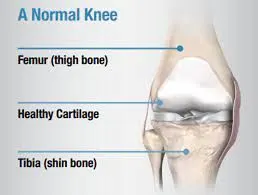
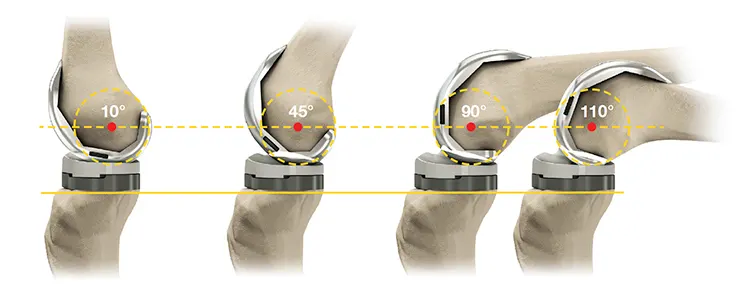
For the Additive Manufacturing method, we will choose to use the Selective Laser Sintering (SLS) method. This method is well suited for creating complex geometries and is capable of printing with a variety of materials, including metals, plastics, and ceramics.
For the material, we will choose to use a biocompatible titanium alloy. This material has good mechanical properties and is well-suited for use in orthopedic implants. It is also compatible with the SLS printing method.
Finally, the 3D model of the implant will be converted into an STL file, which will be used to print the final implant using the SLS method and the titanium alloy.
Powder/wire testing is an important step in evaluating the mechanical properties and biocompatibility of additively manufactured orthopedic implants.
For powder testing, the powder used in the SLS process will be evaluated for its particle size distribution, flowability, and chemical composition to ensure that it meets the necessary requirements for the implant. This can include sieve analysis, laser diffraction, and x-ray fluorescence.
For wire testing, the wire used in the SLS process will be evaluated for its diameter, tensile strength, and elongation properties to ensure that it meets the necessary requirements for the implant.
Additionally, several other tests will be conducted on the 3D printed implant to evaluate its properties and biocompatibility such as:
-
Tensile testing: This is a method of testing the strength and flexibility of the implant by pulling on it until it breaks.
-
Compression testing: This is a method of testing the strength of the implant by applying a force to compress it.
-
Fatigue testing: This is a method of testing the durability of the implant by subjecting it to repeated cycles of loading and unloading.
-
Impact testing: This is a method of testing the ability of the implant to withstand impact forces.
-
Microstructure analysis: To evaluate the microstructure of the printed implant.
-
Surface roughness testing: To evaluate the surface smoothness of the printed implant.
-
In-vitro testing: To evaluate the biocompatibility of the implant by testing it in a laboratory environment.
-
In-vivo testing: To evaluate the biocompatibility of the implant by testing it in a living organism (animal)
-
Sterilization testing: To check the implant's ability to withstand sterilization methods such as Gamma and E-beam
This testing will provide important information about the mechanical properties and biocompatibility of the implant, and will help to ensure that it meets the necessary requirements for safe and effective use in the human
Select a AM method and material to be used in making the orthopedic implant:
-
Selecting the appropriate additive manufacturing (AM) method and material for an orthopedic implant is crucial for ensuring the implant's safety, efficacy, and long-term performance.
AM Method:
- Selective Laser Melting (SLM) is a widely used AM method for producing metal implants. SLM uses a high-powered laser to melt and fuse metal powders layer by layer, allowing for the creation of complex geometries and high resolution. SLM is also suitable for creating patient-specific designs, which is an advantage for orthopedic implants.
- Another method is Electron Beam Melting (EBM) which is similar to SLM but uses an electron beam instead of a laser. EBM is particularly suitable for creating implant made from titanium alloy, which is a common material used in orthopedic implants.
Material:
- Titanium alloy is a commonly used material for orthopedic implants due to its excellent biocompatibility and corrosion resistance. It also has high strength and durability, which is important for load-bearing implants such as those used in the hip and knee.
- In recent years, polymer based implants such as PEEK (polyetheretherketone) have gained popularity as an alternative to metal implants. PEEK is a thermoplastic polymer that has similar mechanical properties to some metals and is biocompatible and radiolucent.
To create a 3D model of a joint replacement implant, we will use Computer Aided Design (CAD) software to design the implant based on the specific needs of the patient. This will involve taking into account factors such as the patient's age, medical condition, and the location of the implant in the body.
We will use the patient's medical images such as CT or MRI scans to create a 3D model of the patient's joint. Then using the CAD software, we will design the implant to fit precisely into the patient's joint. This process will involve making sure that the implant fits correctly into the joint, and that it has the necessary mechanical properties to function correctly.
Once the design is complete, we will convert the 3D model into an STL file which is a file format used by most additive manufacturing machines. This file will be used to print the final implant using the SLS method and the titanium alloy.
It's important to note that the process of creating the 3D model and converting it into an STL file should be done by a trained professional to ensure that the implant design is accurate and meets the necessary requirements for safe and effective use in the human body.
Once the STL file is prepared, the next step is to manufacture the implant using the Selective Laser Sintering (SLS) method.
The SLS process begins by spreading a thin layer of the titanium alloy powder over the build platform. A laser beam is then directed onto the powder, selectively fusing it together to create a solid layer of the implant. This process is repeated layer by layer until the entire implant is built.
After the implant is printed, it will typically require post-processing to remove any support structures, smooth out any rough surfaces, and ensure that the final implant is of the correct size and shape. This can include techniques such as sandblasting, tumbling, and ultrasonic cleaning.
Finally, the implant will undergo various tests to ensure that it meets the necessary mechanical properties and biocompatibility requirements. This includes testing such as tensile strength, compression strength, fatigue testing and impact testing.
In conclusion, additive manufacturing of orthopedic implants is an innovative approach that can create highly customized and precise implants that can improve patient outcomes. However, it is important to note that the implant design, material selection, and manufacturing process should be done by trained professionals to ensure that the implant meets the necessary requirements for safe and effective use in the human body.
After the powder/wire testing, the implant goes through post-processing steps to remove any support structures and smooth out any rough surfaces. This may include techniques such as sandblasting, tumbling, and ultrasonic cleaning.
The implant is then inspected for any defects and its dimensions are verified to ensure that it meets the specifications.
Finally, the implant is sterilized before it is ready for implantation.
It is important to note that the entire process is carefully monitored and controlled to ensure the quality and safety of the final product. The implant is also traceable and is accompanied by a certificate of authenticity that includes the manufacturing details, test results, and batch number.
Conclusions: Additive manufacturing has revolutionized the way orthopedic implants are made. It allows for the creation of highly customized and precise implants that can improve patient outcomes. However, it is important to note that the implant design, material selection, and manufacturing process should be done by trained professionals to ensure that the implant meets the necessary requirements for safe and effective use in the human body.
Suggestions for improvement:
- The use of bioactive coatings on the implant to enhance bone growth and improve the implant's long-term performance.
- The use of computer simulation to optimize the design of the implant before it is printed to ensure that it meets the necessary mechanical properties and biocompatibility requirements.
- The use of new materials such as bioprinting to create implant from the patient's own cells.
Report submission: The report on additive manufacturing of orthopedic implants has been completed and includes the steps in the manufacturing process, the testing methods used, and suggestions for improvement. The report is ready for submission to the relevant parties for review and further action.