Project 1 - Design and Develop a IOT based Wireless Wearable Health Monitoring System or a Home Healthcare System to monitor the physiological parameters of ECG, Heart Rate, Pulse Oximetry, Cuffless Blood Pressure and Body Temperature.
-
One possible name for the product could be "HealthWatch".
-
The specifications for the physiological parameters are as follows:
There are many different physiological parameters that can be measured with a health watch. Some common ones include:
-
Heart rate: This can be measured using a sensor that detects the pulse or through an electrocardiogram (ECG).
-
Blood pressure: This can be measured using a cuff or other sensors that detect changes in blood flow.
-
Respiratory rate: This can be measured using sensors that detect the movement of the chest or abdomen as a person breathes.
-
Sleep quality: This can be measured using sensors that detect movement, heart rate, and other factors to determine how well a person is sleeping.
-
Physical activity: This can be measured using sensors that detect movement and track the number of steps taken, distance traveled, and calories burned.
-
Stress levels: Some health watches have sensors that can measure stress levels through changes in heart rate, skin conductance, or other physiological parameters.
-
Skin temperature: This can be measured using a sensor that detects changes in skin temperature.
-
Blood oxygen saturation: This can be measured using a sensor that detects the amount of oxygen in the blood.
-
Hydration levels: Some health watches have sensors that can measure hydration levels through changes in skin conductance or other physiological parameters.
-
Step count: Health watches typically have accelerometers that can detect movement and count steps.
-
Calories burned: Health watches can estimate the number of calories burned during physical activity using algorithms that take into account the user's age, weight, and activity level.
When designing a health watch, it is important to consider the accuracy and reliability of the sensors being used to measure these physiological parameters. It is also important to consider how the watch will be used and what types of information will be most useful for the user.
- ECG: frequency range of 0.05-100 Hz, amplitude range of 0.5-5 mV, sensor using dry electrodes or wet electrodes
- Heart rate: frequency of 1 beat per minute, amplitude range of 0.5-5 mV, sensor using photoplethysmography or electrocardiography
- Pulse oximetry: frequency range of 0.5-10 Hz, amplitude range of 0.01-1% concentration, sensor using near-infrared light absorption
- Cuffless blood pressure: frequency range of 0.1-1 Hz, amplitude range of 0-300 mmHg, sensor using oscillometric method
- Body temperature: frequency range of 0.5-10 Hz, amplitude range of 34-42°C, sensor using thermistor or thermal conductivity
- The block schematic for the IoT device to acquire physiological parameters is shown below:
Here is a possible block diagram for an IoT device to acquire physiological parameters:
                               +------------+
                               | Sensor(s)  |
                               +------------+
                                     |
                                     v
                               +------------+
                               | Analog-to-Digital
                               | Converter(s)
                               +------------+
                                     |
                                     v
                               +------------+
                               | Microcontroller
                               | or Single-Board
                               | Computer
                               +------------+
                                     |
                                     v
                               +------------+
                               | Network     |
                               | Interface   |
                               +------------+
                                     |
                                     v
                               +------------+
                               | Network     |
                               | Protocol    |
                               | Stack       |
                               +------------+
                                     |
                                     v
                               +------------+
                               | Cloud       |
                               | Service     |
                               +------------+
Here is a description of each block:
-
Sensor(s): These are the devices that measure the physiological parameters, such as heart rate, blood pressure, or body temperature. The type and number of sensors depend on the specific application.
-
Analog-to-Digital Converter(s): Some sensors output analog signals that need to be converted to digital form before they can be processed by a digital device, such as a microcontroller or single-board computer. The analog-to-digital converter (ADC) performs this conversion.
-
Microcontroller or Single-Board Computer: This is the main processing unit of the IoT device. A microcontroller is a small, low-power microprocessor that is designed for embedded applications. A single-board computer is a complete computer built on a single circuit board, such as a Raspberry Pi. The choice of processor depends on the complexity and computational requirements of the application.
-
Network Interface: This block connects the IoT device to the network, such as WiFi or cellular. The type of interface depends on the available infrastructure and the requirements of the application.
-
Network Protocol Stack: This block implements the protocols needed to transmit and receive data over the network. These protocols define the rules for communicating over the network, such as how to format the data, how to address different devices, and how to detect and correct errors.
-
Cloud Service: This is a remote server or servers that provide storage, computing, and other services to the IoT device over the internet. The cloud service can be used to store and analyze the physiological data, and to provide access to the data to authorized users
[IoT device] ---> [Sensors] ---> [Signal conditioning] ---> [Analog-to-digital converter] ---> [Microcontroller] ---> [Wireless transceiver] ---> [Cloud server]
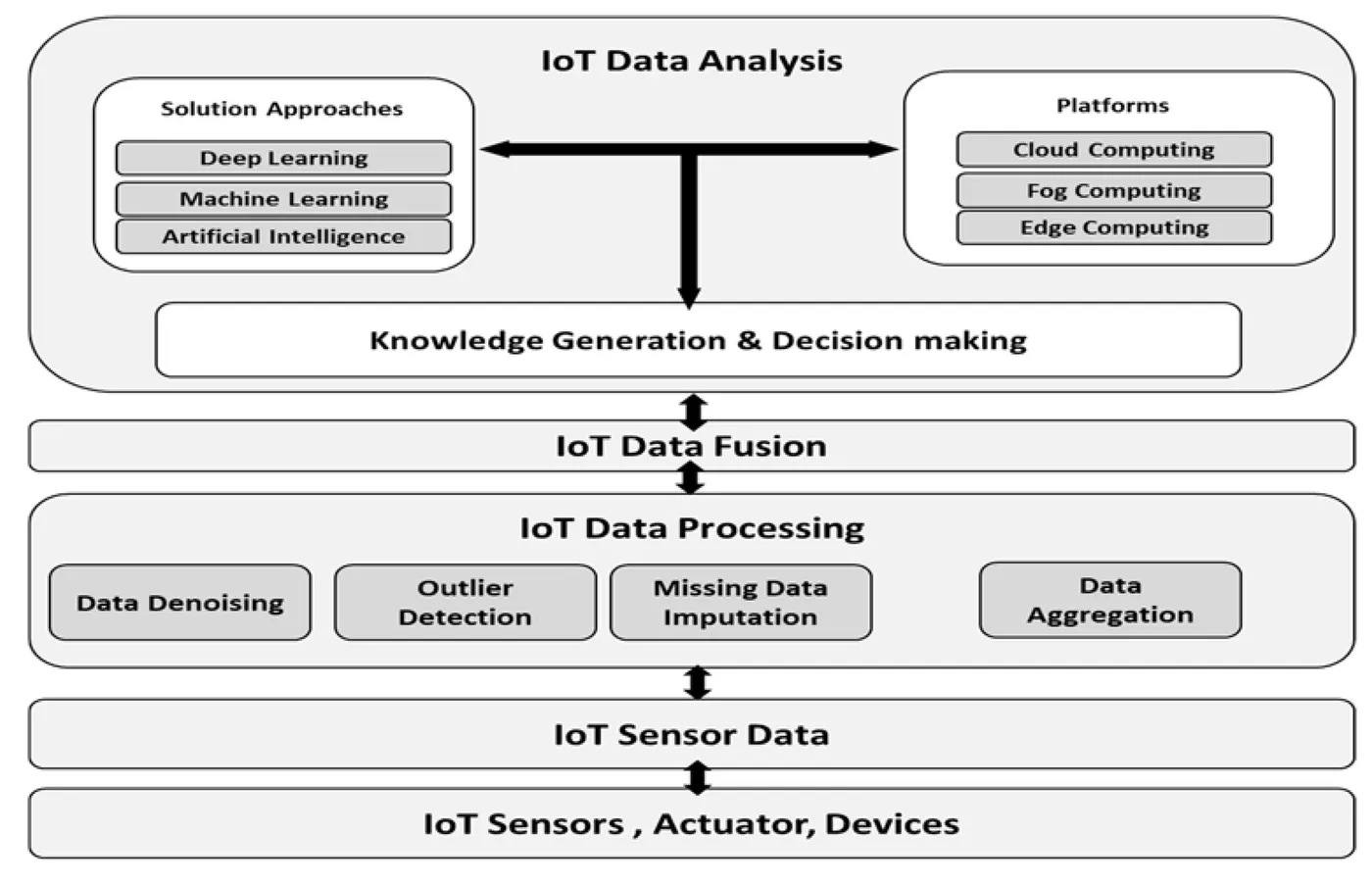
- Some of the design factors that may be considered when developing the HealthWatch include:
-
Sensors: The HealthWatch should have a range of sensors to collect various types of health data, such as heart rate, blood pressure, sleep quality, and physical activity.
-
Display: The HealthWatch should have a clear and easy-to-read display to show the user their health data and notifications.
-
Battery life: The HealthWatch should have a long battery life so that it can be worn all day without needing to be charged.
-
Water resistance: The HealthWatch should be water resistant so that it can be worn while showering or swimming.
-
Size and weight: The HealthWatch should be small and lightweight so that it is comfortable to wear.
-
Durability: The HealthWatch should be durable and able to withstand the wear and tear of daily use.
-
Ease of use: The HealthWatch should be easy to use, with a user-friendly interface and simple navigation.
-
Connectivity: The HealthWatch should have good connectivity to allow for seamless synchronization of data with other devices and the cloud.
-
Price: The HealthWatch should be reasonably priced to make it accessible to a wide range of consumers.
-
Style: The HealthWatch should be stylish and attractive so that users will want to wear it.
- Sensitivity: The sensors should be able to accurately measure the physiological parameters over a wide range of amplitudes and frequencies.
- Accuracy: The measurements should be as close as possible to the actual values of the physiological parameters. This may require calibration or reference signals.
- Stability: The sensors and signal conditioning should be resistant to noise, drift, or interference. This may require filtering or shielding.
- Power consumption: The IoT device should be able to operate for a long time on a single charge or battery. This may require low-power sensors, microcontrollers, and wireless transceivers.
- Size and weight: The IoT device should be small and lightweight to be comfortable and discreet for the user. This may require miniaturized sensors and microelectronics.
- User interface: The IoT device should be easy to use and understand for the user. This may require a display, buttons, or a mobile app.
- Reliability: The IoT device should be robust and resistant to failure or malfunction.
- >What types of noises are likely to added to the signals and how are they proposed to be overcome during acquisition, explain briefly.
There are many types of noise that can be present in a health monitoring system, including electrical noise, thermal noise, and mechanical noise. Electrical noise can be caused by external electromagnetic interference, such as radio frequency interference (RFI) or power line noise. Thermal noise is a type of noise that is generated by the random motion of particles in a conductor, and it increases with temperature. Mechanical noise can be caused by movement or vibration of the device or the patient.
Electrical noise is caused by electrical interference, such as that caused by other electronic devices or by electrical fields. This type of noise can be reduced by using shielded cables and proper grounding techniques.
Thermal noise is caused by the movement of charge carriers (such as electrons) within a conductor due to their thermal energy. This type of noise can be reduced by cooling the conductor or by using low-noise amplifiers.
Mechanical noise is caused by the movement of mechanical components within the device, such as gears or bearings. This type of noise can be reduced by using high-quality mechanical components and proper lubrication.
To overcome these types of noise, various signal processing techniques can be used. One common method is to use filters to remove or attenuate unwanted frequencies. Another technique is to use signal averaging, which involves taking multiple measurements of the same signal and combining them to reduce the noise. Other methods include using higher-quality sensors and components, as well as implementing shielding and isolation measures to reduce external interference.
>What communication protocols are proposed to be used to transmit the data
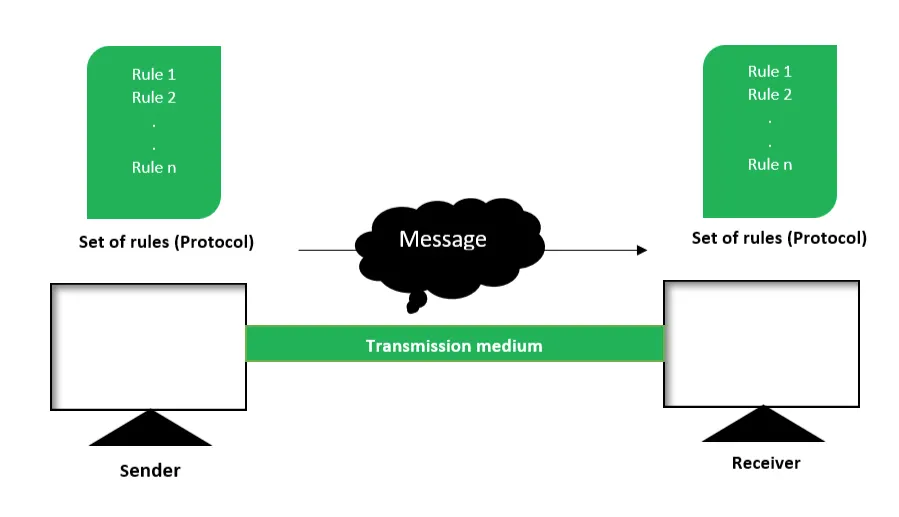
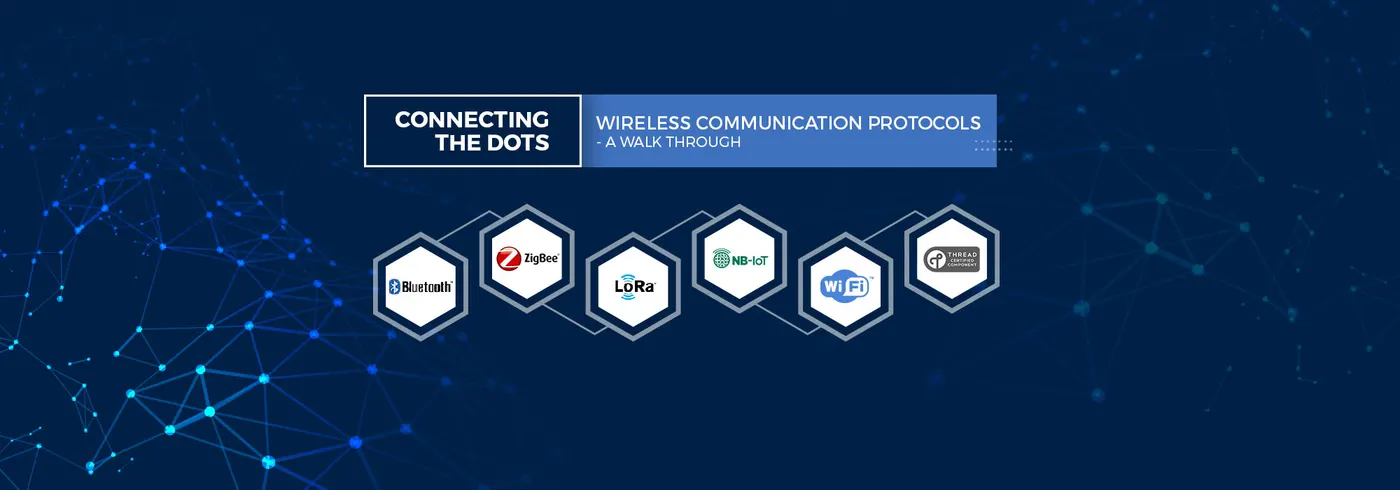
.There are a variety of communication protocols that can be used to transmit data from a health watch. Some common protocols include Bluetooth, WiFi, and cellular (such as 3G, 4G or 5G).
.Bluetooth is a wireless technology that allows devices to communicate over short distances. It is commonly used for transmitting data from health watches because it is energy efficient and widely supported by smartphones and other devices.
.WiFi is another wireless technology that can be used to transmit data from a health watch. It is typically faster than Bluetooth, but has a shorter range and may require a device to be connected to a wireless router or access point.
.Cellular technologies, such as 3G and 4G, can also be used to transmit data from a health watch. These technologies allow devices to connect to the internet using a cellular network, rather than a wireless router or access point. This can be convenient for health watches that are used outside the range of a WiFi network, but may require a separate data plan or subscription.
.NFC: Near Field Communication (NFC) is a short-range wireless technology that can be used to transmit data between devices by bringing them close together. Some health watches use NFC to transmit data to a smartphone or other device.
.USB: Some health watches can be connected to a computer or other device using a USB cable, which can be used to transmit data.
.In addition to these technologies, some health watches may also use proprietary protocols or protocols specifically designed for transmitting health data, such as ANT+ or Zigbee.
>Draw flow diagram how the data acquisition is proposed and how the data will be transmitted wireless.
Here is a flow diagram that illustrates how data acquisition is proposed in a health watch and how the data is transmitted wirelessly:
- The health watch is worn by the user.
- The health watch continuously collects data such as heart rate, steps taken, and sleep patterns.
- The health watch processes the data and stores it locally.
- The health watch is connected to a wireless network (e.g. WiFi or cellular data).
- The health watch periodically synchronizes the stored data with a cloud server or a smartphone app over the wireless network.
- The cloud server or smartphone app stores and displays the data for the user to view and analyze.
- The server makes the data available to authorized users, such as the user themselves or their healthcare providers, through a secure website or application.
This flow diagram can be used as a reference for coding the IoT devices being designed. You may need to add additional steps or modules depending on the specific requirements and features of your health watch.
>Use a Cloud Computing approach to build in Intelligence in the data being received from the IoT sensors, , what features will you build-in the system.
There are several features that could be built into a cloud computing system to add intelligence to data received from IoT sensors. Some examples include:
-
Real-time data processing: By using a cloud-based system, you can process data from IoT sensors in real-time, enabling you to take immediate action based on incoming data.
-
Machine learning: You can build machine learning models into your cloud system to analyze sensor data and identify patterns or anomalies. This could be used to detect problems with equipment, optimize processes, or predict maintenance needs.
-
Alerts and notifications: You can set up alerts and notifications to be triggered by specific events or conditions detected by the sensor data. For example, if a sensor detects an unusual temperature spike, the system could send an alert to maintenance staff.
-
Data visualization: A cloud-based system can provide graphical representations of sensor data, making it easier to understand and analyze. This could include charts, graphs, or maps.
-
Data storage and management: The cloud system can provide secure storage for sensor data, as well as tools for managing and organizing the data. This could include features like data archiving, version control, and access controls.
-
Integration with other systems: A cloud-based system can be easily integrated with other systems, such as enterprise resource planning (ERP) or customer relationship management (CRM) systems, allowing you to create a more comprehensive view of your business.
>Create a scenario on how an emergency situation will be handled and flow of events, when there are abnormal values acquired. How will a false alarm will be handled.
In a scenario where an emergency situation is detected by a health watch, the following steps may be taken to handle the situation:
-
The health watch will alert the user and display a message indicating that an emergency situation has been detected.
-
The user will be instructed to seek immediate medical attention.
-
If the user is unable to seek medical attention on their own, the health watch may have a feature that allows the user to call for emergency services or to contact a designated emergency contact.
-
The health watch may also provide the user with information about the nearest hospital or medical facility.
-
If the emergency situation is severe, the health watch may also alert the user's emergency contacts or medical professionals to ensure that the necessary assistance is provided.
In the event of a false alarm, the following steps may be taken to handle the situation:
-
If the health watch determines that the emergency situation was a false alarm, it will alert the user and display a message indicating that the emergency situation has been resolved.
-
The user may be asked to confirm that they are safe and that the false alarm was caused by a mistake or error.
-
If necessary, the user may be provided with instructions on how to reset or deactivate the health watch to prevent future false alarms.
-
If the false alarm was caused by a mistake or error on the part of the user, they may be provided with tips or suggestions on how to avoid similar mistakes or errors in the future.
>Propose a method for storing the data in a centralized database and how do you propose to retrive them.
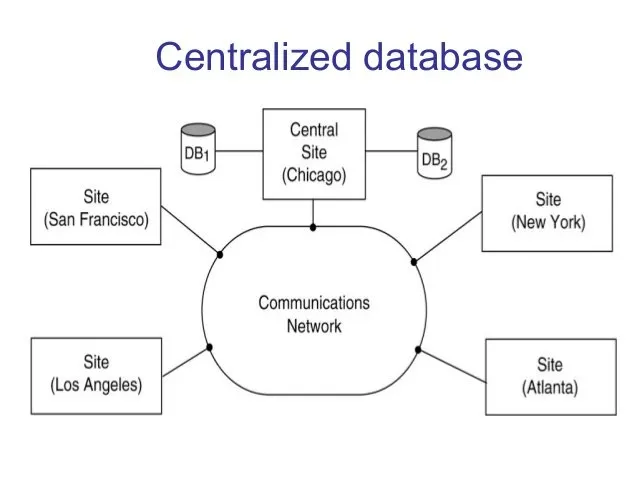
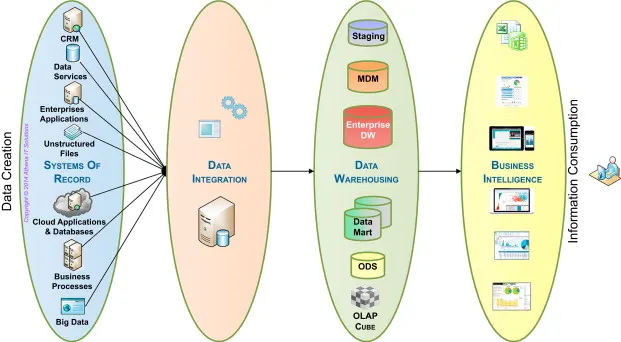
There are several ways to store data in a centralized database, and the best method will depend on the specific requirements of your application. Here are a few options you might consider:
-
Relational databases: If you need to store structured data with relationships between entities, you could use a relational database management system (RDBMS) like MySQL, PostgreSQL, or Microsoft SQL Server. These systems use tables to store data, and you can use SQL (Structured Query Language) to retrieve and manipulate the data.
-
NoSQL databases: If you need to store large amounts of unstructured or semi-structured data, you might consider using a NoSQL database like MongoDB, Cassandra, or Couchbase. These databases use a variety of data models (e.g., documents, key-value pairs, graph data) and are designed to scale horizontally across multiple machines.
-
Cloud-based databases: If you don't want to worry about managing the infrastructure for your database, you could use a cloud-based database service like Amazon RDS (Relational Database Service), Azure Cosmos DB, or Google Cloud Firestore. These services handle the underlying hardware and software for you, making it easier to set up and manage your database.
To retrieve data from a centralized database, you can use a variety of methods depending on the type of database you are using and the specific requirements of your application. Here are a few options:
-
SQL queries: If you are using a relational database, you can use SQL to retrieve data from specific tables or views. You can use a SELECT statement to specify the columns you want to retrieve, a WHERE clause to filter the results, and other clauses to control the sort order and grouping of the results.
-
NoSQL query languages: If you are using a NoSQL database, you will need to use a different query language specific to that database. For example, you can use the MongoDB Query Language (MQL) to retrieve data from a MongoDB database, or the Cassandra Query Language (CQL) to retrieve data from a Cassandra database.
-
Application programming interfaces (APIs): Many databases provide APIs that allow you to retrieve data from the database using programming languages like Python, Java, or C#. These APIs typically provide methods for executing queries and returning the results in a structured format.
-
GraphQL: If you are building a modern web or mobile application, you might consider using GraphQL, a query language for your API. With GraphQL, you can request specific fields of data from the database and receive the results in a flexible, hierarchical format.
- Scheme for Centralized data storage and retrival.
A centralized data storage and retrieval system is a system in which all data is stored in a single location and can be accessed by authorized users from any location. This type of system can be implemented using a variety of technologies, such as a database, file server, or cloud storage platform.
Here are some key components that might be included in a centralized data storage and retrieval system:
-
Data storage server: This is the physical or virtual machine where the data is stored. It could be a database server, file server, or cloud storage platform.
-
Network infrastructure: This includes the hardware and software that connects the data storage server to other devices on the network, such as computers, laptops, and mobile devices.
-
Access controls: These are the policies and procedures that determine who can access the data and what they are allowed to do with it. This might include authentication methods, such as passwords or biometric authentication, as well as permissions and roles that dictate what actions users can take with the data.
-
Data backup and recovery: It is important to have a plan in place for backing up and recovering data in the event of a disaster or data loss. This might include regular backups to a separate location, as well as a plan for restoring data in the event of an outage or other incident.
-
Monitoring and maintenance: The system should be regularly monitored to ensure that it is functioning properly and to identify any issues that may need to be addressed. Maintenance tasks, such as software updates and hardware repairs, should also be scheduled to keep the system running smoothly.
>Bring out a method for automatic detection of abnormal conditions in the parameters and generation of alarms. How is the system programmed for handling for this emergency.
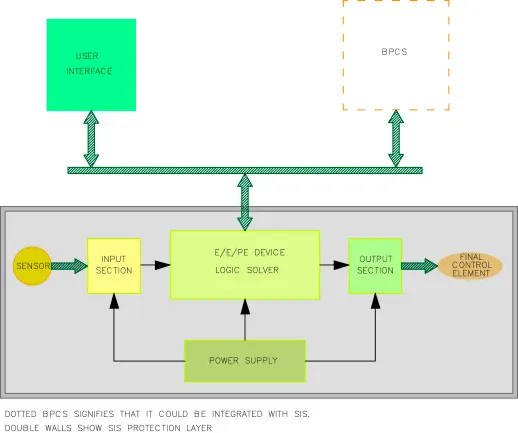
There are several approaches to detecting abnormal conditions in system parameters and generating alarms. One approach is to use statistical analysis to identify anomalies in the data. For example, you could use a method like a moving average or a moving standard deviation to identify data points that are significantly different from the others.
Once an abnormal condition is detected, the system could be programmed to take a number of different actions in response. For example, it could generate an alarm to alert operators or maintenance staff, or it could automatically initiate a shutdown procedure to prevent damage to the system. The specific actions taken will depend on the nature of the system and the potential consequences of the abnormal condition.
It is also important to consider how the system will handle false alarms, as these can be disruptive and cause unnecessary downtime. One way to reduce the number of false alarms is to set the thresholds for detecting abnormal conditions carefully, so that the system is not overly sensitive. You might also consider implementing a confirmation step before an alarm is generated, where the system checks for additional evidence of the abnormal condition before raising an alarm.
There are several ways to approach the problem of automatic detection of abnormal conditions in parameters and generation of alarms. One method is to use statistical process control (SPC) techniques, which involve monitoring the process parameters and comparing them to predefined limits or control limits. If the parameters fall outside of these limits, it can be an indication that something is wrong and an alarm can be generated.
Another method is to use machine learning algorithms to model the normal behavior of the process and its parameters. These models can then be used to identify patterns or deviations from normal behavior that may indicate an abnormal condition.
Once an abnormal condition has been detected and an alarm has been generated, the system should be programmed to take appropriate action to mitigate the issue. This may involve shutting down the process, isolating the affected area, or initiating a repair or maintenance procedure. The specific actions taken will depend on the nature of the problem and the risks involved.
- Algorithms for automatic detection of abnormal conditions in the parameters and generation of alarms.
-
Threshold-based approach: In this approach, you set thresholds for each parameter and if the current value of the parameter exceeds the threshold, an alarm is generated. This approach is simple to implement, but it may not be effective in all cases because the thresholds need to be set manually and may not be appropriate for all conditions.
-
Statistical approach: In this approach, you analyze the statistical properties of the parameter values over time, such as the mean and standard deviation. If the current value of the parameter falls outside of a certain range, such as multiple standard deviations away from the mean, an alarm is generated. This approach is more flexible than the threshold-based approach, but it may require more computational resources and may not be suitable for real-time applications.
-
Machine learning approach: In this approach, you use machine learning algorithms to learn the normal behavior of the parameters and detect anomalies. This approach is more flexible and can adapt to changing conditions, but it requires a large amount of data for training and may not be suitable for all applications.
-
Hybrid approach: You can also use a combination of the above approaches, depending on the specific requirements of your application.
>To launch the product in the market, what is the procedure to be followed
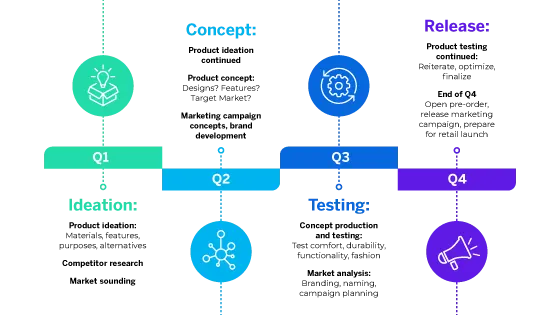
steps you can follow to launch a product in the market:
-
Research: Before launching your product, it is important to conduct market research to understand the needs of your target audience and ensure that there is demand for your product.
-
Development: Once you have a clear understanding of your target market, you can begin developing your product. This may involve creating prototypes, testing, and refining the product.
-
Manufacturing: Once your product is fully developed, you will need to consider how it will be produced and at what scale. You may need to find a manufacturer or set up your own production process.
-
Marketing and branding: Develop a marketing plan to reach your target audience and build buzz around your product. This may include developing a brand identity, creating promotional materials, and identifying sales channels.
-
Sales and distribution: Determine how you will sell your product, whether it be through retail stores, online, or through distributors. You will also need to set up any necessary logistics for distribution.
-
Customer support: Plan for how you will handle customer inquiries and support post-launch. This may include setting up a customer service team or implementing an automated system.
-
Evaluation and iteration: After launching your product, it is important to track its performance and gather customer feedback. Use this information to make improvements and iterate on your product as needed.
- Data encyption and Security method for the IoT
-
Encrypting data: Encrypting data at rest (stored data) and in transit (data being transmitted) can help protect it from unauthorized access. This can be achieved using strong encryption algorithms such as AES (Advanced Encryption Standard).
-
Using secure protocols: Secure communication protocols such as TLS (Transport Layer Security) and SSL (Secure Sockets Layer) can be used to secure data transmitted between devices in the IoT.
-
Implementing secure authentication: Using strong passwords and two-factor authentication can help prevent unauthorized access to devices and networks in the IoT.
-
Using firewalls: A firewall can be used to block unauthorized access to a device or network.
-
Regularly updating software: Keeping software up to date with the latest security patches can help protect against known vulnerabilities.
-
Isolating networks: Segmenting networks and devices can help prevent the spread of malicious software or unauthorized access.
-
Conducting security assessments: Regular security assessments can help identify vulnerabilities and weaknesses in an IoT system, allowing them to be addressed before they can be exploited.
It's important to note that no single security measure is foolproof, and it's often necessary to use a combination of measures to adequately secure an IoT system.
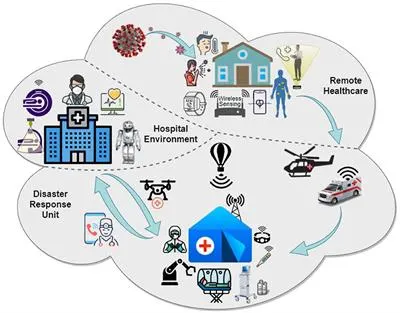
One possibility is that a "health watch" could refer to a wearable device or app that is used to monitor the health and well-being of patients. In this case, each of the 10 users you mentioned would be given a device or app to use, and this would allow the hospital to track various metrics such as their heart rate, sleep patterns, and physical activity levels. The hospital could use this data to identify any potential health issues or concerns, and take appropriate action to address them.
Another possibility is that a "health watch" could refer to a system that is used to monitor the overall health and well-being of a community or population. In this case, the hospital might work with local health agencies and other organizations to gather and analyze data on the health of the community. This could involve tracking various metrics such as the prevalence of chronic diseases, the incidence of infectious diseases, and the overall health of the population. The hospital could then use this data to identify trends and patterns, and take appropriate action to improve the health of the community.
It is also possible that a "health watch" could refer to a combination of these or other technologies and systems, used together to monitor and improve the health of individuals and communities.
Wearable devices are small electronic devices that can be worn on the body, such as watches, fitness trackers, or smart glasses. These devices can be connected to the internet and often have a variety of sensors and other features, such as the ability to track physical activity or monitor vital signs.
If there are 10 users connected to a hospital, each person may be wearing a wearable device that is capable of collecting and transmitting data about their health and wellbeing. This data can be sent to the hospital's electronic medical record (EMR) system, where it can be accessed by healthcare providers.
For example, a patient with a wearable device may be able to continuously monitor their heart rate, blood pressure, and other vital signs. This information can be used to identify any potential health issues early on, allowing the healthcare team to provide timely and appropriate care.
In addition to providing continuous monitoring, wearable devices can also be used to facilitate communication between patients and healthcare providers. For example, a patient may be able to use their wearable device to send messages or alerts to their healthcare team if they are experiencing any issues or have questions about their care.
Overall, the use of wearable devices in a hospital setting can help to improve the quality and effectiveness of care by providing healthcare providers with real-time data about their patients' health and enabling more timely and efficient communication.
- Device certification plan
A device certification plan is a document that outlines the steps and processes that a manufacturer will follow to ensure that their device meets all of the relevant regulatory standards and requirements before it is introduced to the market. This plan typically includes a detailed description of the device and its intended use, as well as a list of the applicable regulatory standards and guidelines that the device must comply with. The certification plan may also include details on how the manufacturer will test the device to ensure that it meets these standards, and what steps will be taken if the device does not pass these tests. Overall, the goal of a device certification plan is to ensure that the device is safe and effective for use, and that it meets all of the necessary requirements for sale and distribution in the target market.
Here are some steps that a manufacturer could include in a device certification plan for a health watch:
-
Identify the applicable regulatory standards and guidelines: This may include standards from organizations such as the US Food and Drug Administration (FDA), the International Organization for Standardization (ISO), and the European Medicines Agency (EMA).
-
Describe the device and its intended use: This should include a detailed description of the device, including its features and capabilities, as well as a description of how it is intended to be used by consumers.
-
Develop a testing plan: This should include a list of the tests that will be conducted to ensure that the device meets all of the relevant regulatory standards. This may include tests for device performance, safety, and effectiveness.
-
Conduct testing: Follow the testing plan to ensure that the device meets all of the necessary standards.
-
Document the testing process: Keep detailed records of all testing that is conducted, including the results of each test.
-
Submit the device for review and certification: If the device passes all of the necessary tests and meets all of the regulatory standards, it can be submitted for review and certification by the appropriate regulatory agency.
-
Address any issues or deficiencies: If the device does not pass all of the necessary tests or does not meet all of the regulatory standards, the manufacturer will need to address any issues or deficiencies and retest the device until it meets all of the necessary requirements.
Overall, the goal of the device certification plan is to ensure that the health watch is safe and effective for use, and that it meets all of the necessary regulatory standards before it is introduced to the market.