Project 2
Aim: Heat generation of the battery Pack.
1. The max heat generation of the battery
There are 2 heat sources for the battery heat generation
- Joules heat
- Entropy heat
Heat generated = Joules Heat + Entropy Heat
Joules Heat :
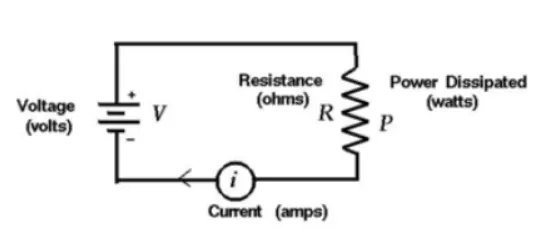
froms ohms law we know that
V = IR
when a current flowing through a resistance, there is a heat dissipated in the resistor. This heat dissipation is called Joule heating. Joule heating is also known as ohmic heating.
Power,
P = V*I = I*I*R = I^2*R
Heat,
H = ∫P.dt with the limits of time 0 to t
H = I^2*R*t
Joule heat,
H = I^2*R*t
where. p = Power
V = Voltage
I = Current
R = Resistance
H = Heat
t = Time
The heat Generated in the Reisitor is-
- Directly praportion to the square of the current flowing through it
- Directly praportion to the resistance
- Directly praportion to the time for which the current flows through it.
Entropy Heat:
The heat generation due to entropy change inside a battery occurs when electro chemical reactions are performed. The entropy heat is reversible heat resulting from change in open circuit voltage with respect to temperature at two Electrodes.
Given
maximum Current = -0.896
R = 2m ohm
maximum time = 2.0 min
maximum joule heat = I^2 *R*t
= (-0.896)^2 * 2m * 2
maximum joule heat = 3.2
maximum heat generation in the battery pack = joule heat + Entropy heat
= 3.2 + 2
maximum heat generation = 5.2
2) Consider the battery resistance is 0.5 mOhm then the maximum heat generation is
maximum joule heat = I^2 *R*t
= (-0.896)^2 * 0.5m * 2
maximum joule heat = 0.80
maximum heat generation in the battery pack = joule heat + Entropy heat
= 0.80 + 2
maximum heat generation = 2.8
b) The SOC of the battery at 2 *104second of the battery operation
MATLAB/simulink Model of battery operation
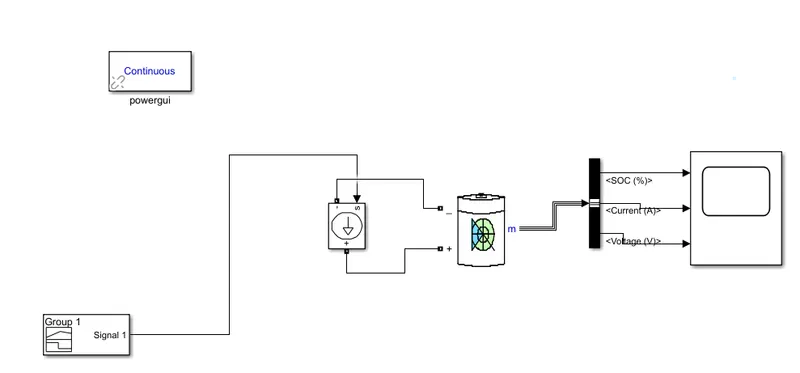
blocks used :
1) Battery :
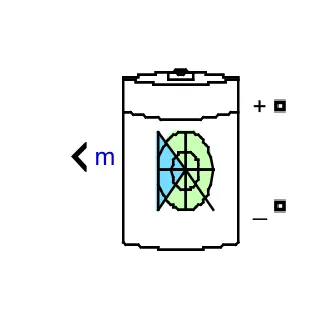
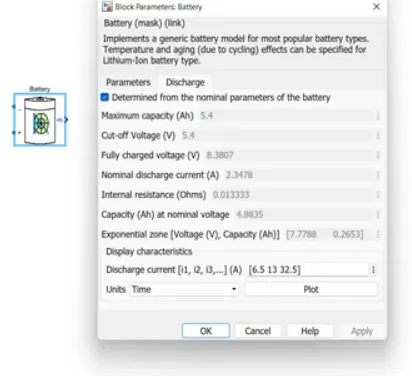
- Here the battery block can be found in the director of electrical/specialized power systems/electrical drives/extra sources
- Here we used default values of the Li-ion battery.
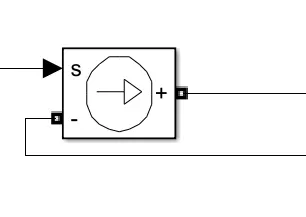
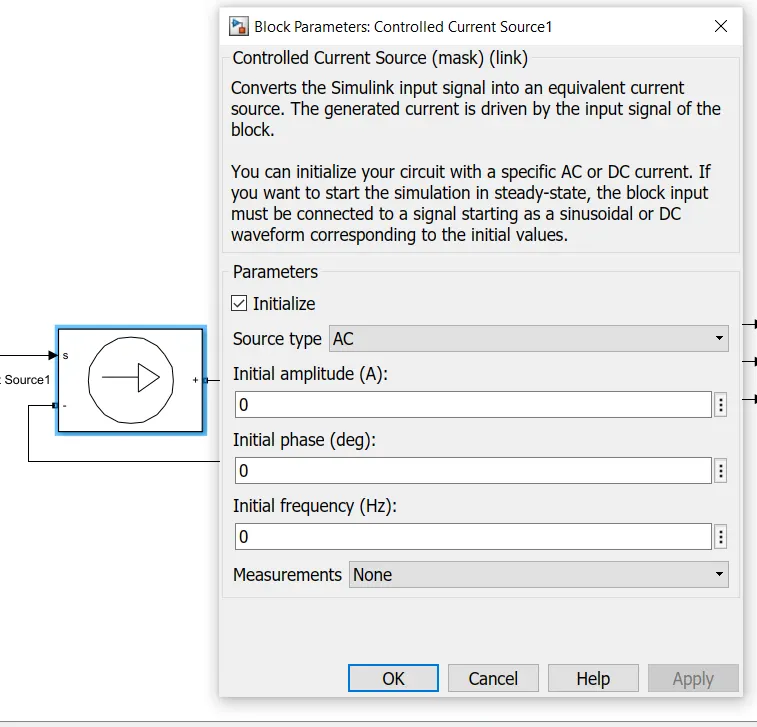
2) Controlled voltage source:
3) Bus selector
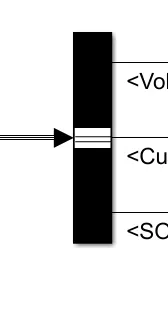
This block accepts a bus as input which can be created from a Bus Creator, Bus Selector or a block that defines its output using a bus object. The left listbox shows the elements in the input bus. Use the Select button to select the output elements. The right listbox shows the selections. Use the Up, Down, or Remove button to reorder the selections. Check 'Output as virtual bus' to output a single bus.
4) Signal Builder
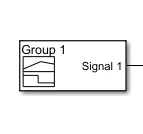
- In Signal Builder, from the Active Group list, select the group you want to add the signal to.
Drive cycle:
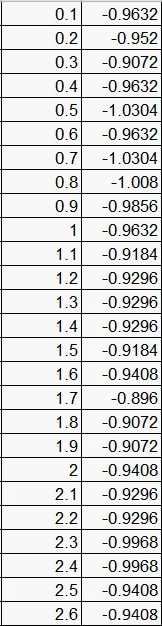
Here the drive cycle stop time is 2.6 time step is used.
Input
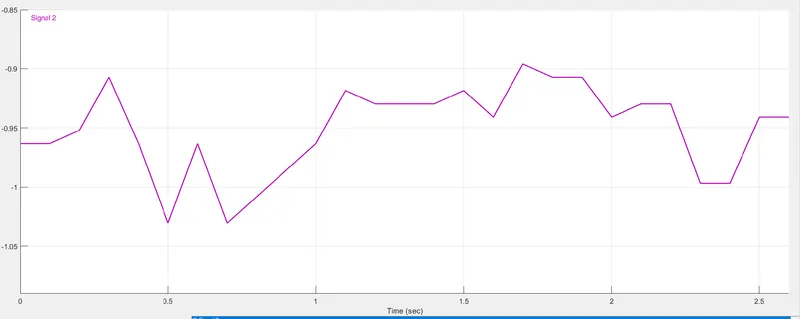
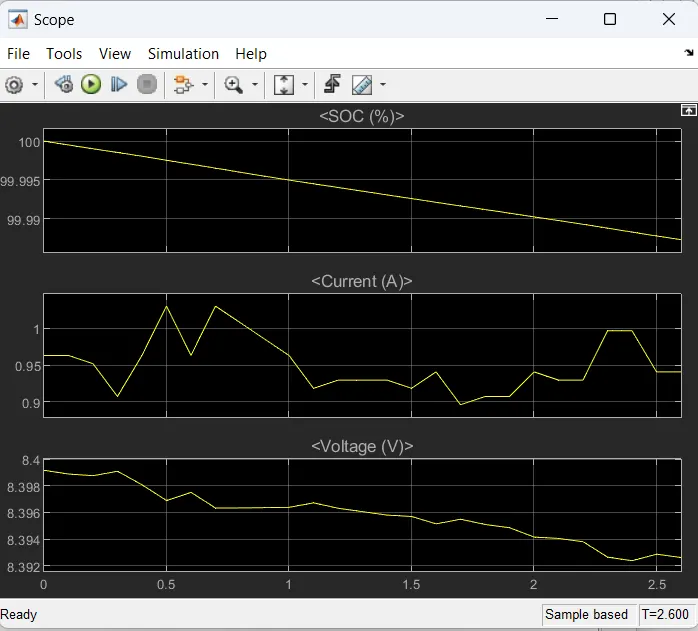
Result:
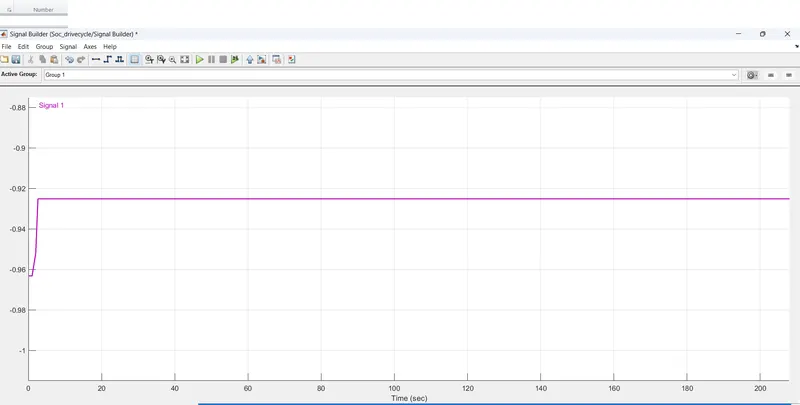
Here the drive cycle stop time is 2*104 i.e 208sec
Drive cycle:

- This current cycle is given as the input to the model through the drive cycle input block i.e excel file wich is given in the question
- Here the drive cycle stop time is 2*104 i.e 208sec
- so the simulation run time is 208sec
- Here the output of the drive cycle is given to the current controlled source which is connected to the battery as a load
- so here the battery is dicharged accroding to this siginal given by the data which is excel data input drive cycle data
- Here the power gui block is rquired for any simulation of the simulink model
- It mainly used to store the equivalent simulink circuit which represents the state space model
- The ouput of a battery is given to the scope through the bus selector the bus selector outputs the battery siginals to the scope
Input from Signal builder
Result:
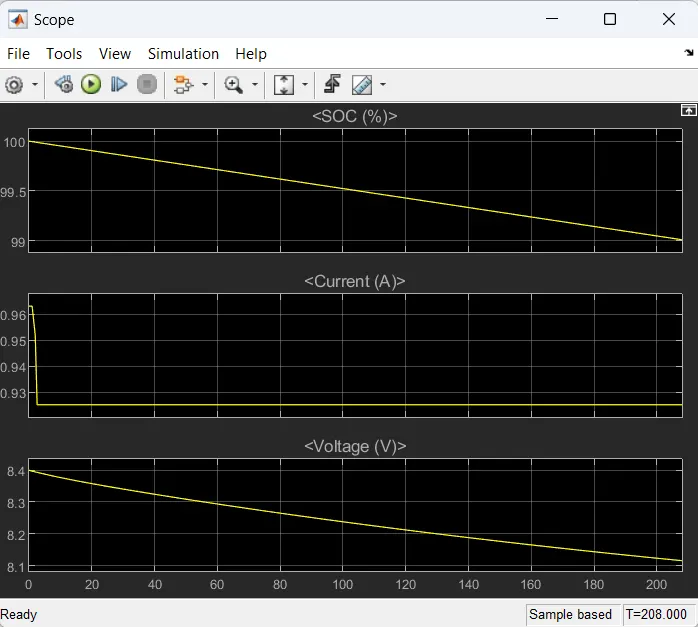
Conclusion:
- The above graph gives the results of SOC voltage and current
- Here we operated the soc of battery at 2*104 also use stop time is 2.6
- So the both results are same the soc of the battery changes it mainly decreases from the 100 to 99 and voltage aslo decreses.