Project 2
Answer
When a person's kidneys no longer work correctly, a transplant can be performed to replace them with healthy kidneys from a living or deceased donor. The kidneys, which are about the size of a bean, are two bean-shaped organs that sit on either side of the spine immediately below the rib cage. Each one is about the size of a closed fist. The kidneys' primary job is to produce urine, which is then filtered to eliminate excess moisture, minerals, and waste from the blood. High blood pressure and kidney failure can develop when the kidneys are unable to filter excess fluid and waste from the body (end-stage renal disease). When the kidneys can no longer filter blood normally, a condition known as end-stage renal disease has developed. When the kidneys' ability to operate normally has decreased by 90 percent or more, this is known as end-stage renal disease.
Chronic kidney disease often results from these common underlying conditions:
- Diabetes
- Chronic, uncontrolled high blood pressure
- Chronic glomerulonephritis — an inflammation and eventual scarring of the tiny filters within the kidneys
- Polycystic kidney disease
Patients with end-stage renal illness can only maintain their lives with artificial waste removal from the bloodstream (dialysis) or a kidney transplant. Kidney transplants come in three forms: those from deceased donors, those from living donors, and those that are performed preventatively. The following list describes each of them in detail:
1. Deceased-donor kidney transplant: When a person's kidneys have failed and no longer work correctly, he or she may receive a transplant from a deceased donor by removing a kidney from the deceased with the approval of the family or by using a donor card. Until it is time for the transplant, the donor kidney is placed on ice or hooked up to a machine that continuously supplies it with oxygen and nourishment. In order to reduce the amount of time the kidney spends in storage, both the donor and the recipient are typically located close to the transplant hospital. A single kidney transplant is sufficient to meet the body's requirements. This is why living-donor kidney transplants exist as an option to kidney transplants from deceased donors. The procedure is carried out because those who have reached the final stage of renal disease require artificial waste removal (dialysis) or a kidney transplant to continue living. Renal transplantation is the therapy of choice for those who have advanced kidney disease or kidney failure. Kidney transplantation has many advantages over dialysis, including improved quality of life, freedom from food restrictions, and decreased mortality. Transplanting a kidney carries a number of potential health hazards, including those related to the operation itself, organ rejection, and the negative effects of immunosuppressant drugs used to keep the body from rejecting the new organ. Some forms of cancer and the prevalence of infections are among these dangers.
2. Living-donor kidney transplant: Transplanting a healthy kidney from a living donor into a person whose own kidneys are failing is known as a living-donor kidney transplant. Living-donor kidney transplantation is a viable option to kidney transplantation from a deceased donor because only one donated kidney is needed to replace two failing kidneys. Reasons for doing a living-donor kidney transplant include the following advantages over a transplant from a deceased donor:
- Less time on the waiting list means less risk of the recipient's health deteriorating or suffering complications.
- Averting the need for dialysis treatment, if it hasn't already been started, is a possibility.
- Higher rates of survival, both in the short and long term
- After your donor has been verified, your transplant can be scheduled in advance, rather than having to rely on an emergency treatment using a kidney from a deceased donor.
Both living-donor and deceased-donor kidney transplants carry some degree of risk. The hazards of transplant surgery, organ rejection, and anti-rejection drug side effects are all real possibilities.
3. Preemptive kidney transplant: In a preventative kidney transplant, a new organ is given to a patient before their current kidneys have failed to the point where they need dialysis to filter the blood. The majority of kidney transplants done today are for people who are already undergoing dialysis because their kidneys cannot filter their blood any longer. Although kidney transplantation is the recommended treatment for end-stage kidney disease, only around 20% of transplants in the United States are performed as a preventative measure. Preventative kidney transplantation has been related to a lower than predicted rate due to a number of circumstances, including:
- Lack of available kidney donors
- Problems getting to transplant hospitals
- Referrals for the surgery from doctors are low among people of lower socioeconomic standing.
- Reduced understanding of current standards among doctors
Many advantages justify the effort put into this. Those who have end-stage renal disease can avoid dialysis by getting a kidney transplant first.
- Reduced likelihood of kidney transplant rejection
- Rising success rates
- Quality of life has increased
- Substantially Reduced Medical Expenses
- Keeping away from dialysis means not having to deal with the dietary restrictions and health problems that come along with it.
These advantages of preventative kidney transplantation are of paramount importance for young people under the age of 21 who have renal failure. Preventative kidney transplantation carries the potential for native kidney function loss and early exposure to the dangers associated with surgery.
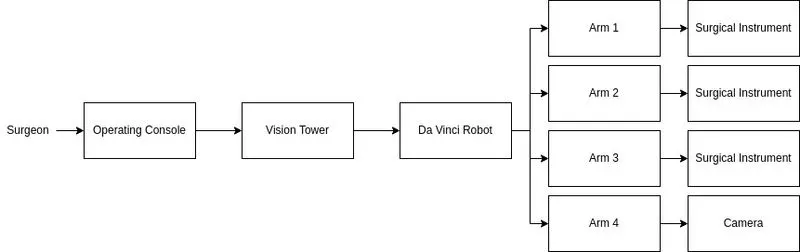
Fig 1. Block Diagram of the robotDa Vinci that is used
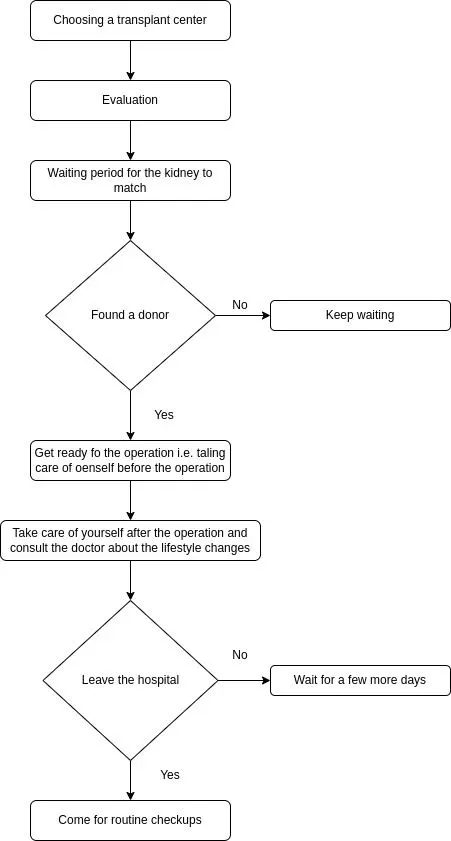
Fig. 2: Flow chart for the kidney transplant process
Even though robotic surgery is less invasive and takes less time overall, it is usually reserved for patients who are older or who have undergone other surgeries in the area lately, so that the surgeon may move freely around any implanted support instruments. Having another operation so soon after one on the gastrointestinal system, for instance, could prove fatal if the surgeon opts for the conventional approach and so disturbs the healing tissues, increasing the risk of internal haemorrhage. The precise cuts made by the robot mean that the affected areas may be avoided, allowing the patient to heal without delay. It is recommended for the elderly because their bodies do not recover as quickly as younger people's, but if the incision is small and in the right place, the patient will experience no pain and will be able to continue with their normal activities. Patients with diabetes may be referred to this as well due to their shorter recovery times.
Robot used: Da Vinci
The robot's specs and description: Your surgeon's hand movements at the console are translated into real time bending and spinning of the instruments via the da Vinci system. The tiny instruments on the wrists can perform a wider range of motion than a human hand. Also, the da Vinci vision system provides incredibly detailed, three-dimensional (and enlarged) images of the operative site. Because of the compact nature of the surgical tools, procedures can be performed through a minimally invasive incision. There is a much larger picture of which the da Vinci system is a part. As the manufacturer of the da Vinci surgical system, Intuitive offers a wide range of additional services. Surgeons, operating room personnel, and hospital care teams all benefit from these, which include extensive and continuous education, training, and support. You, the patient, are the focus of a team of caring experts who are all pulling in the same direction to get you back to what really matters in life.
Mechanical Workings of the Robot: There are two distinct yet interconnected parts to the da Vinci Xi:
The robot's four arms, including three that can hold a wide variety of surgical equipment, and the fourth that carries the system's 3-D cameras, are all housed in a tower that is positioned directly over the patient during surgery. The computer controls these arms so they move in ways that are mechanically identical to those made by a human surgeon. A stereoscopic monitor displays a magnified, high-definition 3-D image of the surgical site, and the surgeon operates the robot from this console. With two master controls, the surgeon can move the robot's four arms with the precision of a human fingertip. The surgeon also has the option of using a footswitch that allows for more control and flexibility, such as the use of two separate power sources. The ergonomic console and the positioning of the controls and the monitor are made to keep the surgeon in a comfortable, attentive position at all times, while touchpads simplify the process of adjusting video, audio, and system settings. Finally, the rest of the surgical team can be brought in via video screens that show a two-dimensional version of what the surgeon is seeing on the da Vinci's stereoptic monitor.
During surgery, AI aids the surgeon by reducing the number of incisions necessary to get the desired result. The robot's artificial intelligence has been taught using data from prior operations. After being exposed to several procedures, the AI's accuracy finally matches that of a human surgeon because to its ability to continuously learn. As it gains knowledge of the human anatomy, it provides detailed instructions on where and how deep to make an incision, allowing surgeons to execute operations quickly and accurately without wasting time searching for the proper incision site.
1. Preoperative care: Before surgery, it’s important to:
- Learn as much as you can about the process.
- Talk to your surgeon about the pros and cons of having robotic surgery.
- Please adhere to your surgeon's pre-operative recommendations regarding medication intake and pre-operative diet (usually foods and fluids are to be avoided for at least eight hours before surgery).
- Before undergoing surgery, you may need to use laxatives or an enema to clear your colon.
- Be sure to tell your doctor about any prescription or over-the-counter drugs, herbs, or vitamins you're taking, and always follow your doctor's advice on how and when to take your medication.
- Patients should avoid using blood-thinning drugs including aspirin, Coumadin, and Plavix in the 10 days leading up to surgery since they may increase the risk of bleeding.
- Make plans for transportation home and assistance with everyday tasks after the procedure.
- Check that every piece of necessary machinery is there.
- Remove any lingering traces of blood, etc., from the robot.
- The robot's ability to move about and perform the surgery without becoming stuck or breaking down should be double-checked.
2. Peri-operative care: The steps for receiving robotic assisted surgery include:
- General anaesthesia puts you to sleep and completely dulls your pain receptors.
- The instruments used in surgery are inserted into the body through incisions produced by the surgeon, often measuring between 1 and 2 cm (0.393 and 0.787 inches) in length (note, this is the reason robotic surgery is usually referred to as minimally invasive surgery).
- A tiny, bendable tube with a bright camera (an endoscope) is utilised to give the surgeon a magnified, three-dimensional picture of the surgical site. The surgeon uses the robotic system to put the tiny instruments and the high-powered camera into the patient.
- When it's time to operate on you, your doctor will take a seat at a nearby console (essentially a giant computer). High magnification and sharp clarity are available at the control station.
- Your surgeon, stationed at the console, uses hand and foot controls to move the robotic arms (which hold the surgical tools) of the de Vinci system, while a second surgeon, stationed at the operating table, acts as an assistance to verify the positioning of the surgical instruments. The motions are picked up by the devices, and converted into internal adjustments in real time. Your surgeon can do delicate procedures on otherwise inaccessible areas thanks to robotic instruments that have higher dexterity and range of motion than a person.
- One of the incisions will be used to remove any necessary organs (such a gallbladder).
- As soon as the treatment is finished, the incisions are closed and a little dressing is applied.
3. Postoperative care: Recovery from robotic surgery is typically quicker and less painful than that from traditional surgery, but there may still be certain activity and lifting limits, and post-operative (after surgery) recommendations may include:
- Strictly refrain from any activities that put undue stress on your surgical site, such as lifting or bending, until your surgeon gives you the all-clear.
- It's possible that your surgeon will tell you to take a week off of driving after surgery. After surgery, it's important to take any painkillers or follow any other post-op recommendations the surgeon gives you.
- Warnings and instructions for getting in touch with a doctor Your pain may intensify (especially if it is not alleviated by pain medication), which may lead to other symptoms such as nausea, vomiting, bleeding, and fainting.
- Warnings should get in touch with your doctor if you see any signs of infection at the surgery site, such as redness or pus.
- Scrub the machine like a pro.
- When possible, throw away consumables and get reusable items cleaned.
Ethical issues: Living donor kidney transplantation is the therapy of choice for patients with end-stage renal failure, however there is much disagreement over the ethical implications of this procedure. Some of these concerns centre on ensuring the donor's wellbeing during the procedure; others include issues like stranger donation, commercialization, surrogate consent, and the legality of allowing minors to donate. This lack of agreement leads to variations in practise not only between countries, but also between transplant centres. We think it is possible, following frank discussion, to reach consensus on a few universal truths. This kind of agreement would safeguard both those involved in a kidney transplant from harm, making living donor transplants a viable option for the future.
Machine classifications and IEC 60601 standards applied to the equipment: Based on these considerations, this standard covers the following issues:
– Issues related to robot movement e.g., quality of motion control, emergency
management
– Issues related to electrical and other functional connections with other
objects in the patient environment, that can generate and transfer harmful
energy e.g., leak current, excessive heat
– Issues related to the effect of unintended collision with other objects such as
robot itself, surgical instruments, other medical devices, patient body and
medical staff working nearby the robot
– Other general requirements to the robot hardware and software, e.g.,
structural strength, the biological safety, the usability engineering, software
integrity, etc.
Surgical instruments and other medical devices usually have own safety standards
to follow. Hence this standard uses these other standards to cover of the safety of
these parts. For instance, endoscopic equipment is covered by IEC 60601-2-18,
high frequency (HF) surgical equipment by IEC 60601-2-2, ultrasound imaging
equipment by IEC 60601-2-37, etc.
Citation: https://www.mayoclinic.org/tests-procedures/kidney-transplant/about/pac-20384777 , https://www.mayoclinic.org/tests-procedures/deceased-donor-kidney-transplant/pyc-20384834 , https://www.mayoclinic.org/tests-procedures/living-donor-kidney-transplant/pyc-20384838 , https://www.mayoclinic.org/tests-procedures/preemptive-kidney-transplant/pyc-20384830 , https://www.davincisurgery.com/da-vinci-systems/about-da-vinci-systems , https://www.midhudsonregional.org/how-the-da-vinci-xi-works , https://www.verywellhealth.com/robotic-surgery-4843262 , https://pubmed.ncbi.nlm.nih.gov/17238845/ , http://acta.uni-obuda.hu/Chinzei_95.pdf