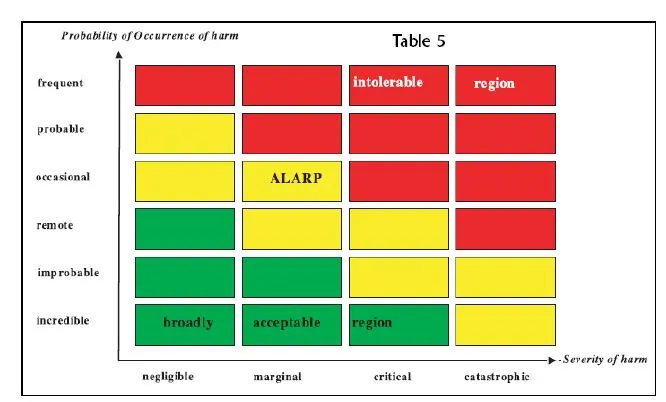
Project 2
To provide a risk assessment for a medical device manufacturing company, I will focus on the process steps from design to delivery to post-delivery services for a specific device: an implantable pacemaker. Please note that this is a simplified example, and a comprehensive risk assessment should be conducted by professionals with specific knowledge of the device and its associated risks. Here's an outline of the risk assessment:
-
Design and Development:
- Activity: Designing the pacemaker, including hardware and software components.
- Risk (Hazard): Design flaws, software bugs, or inadequate performance.
- Risk Rating: Severity and probability should be assessed based on specific criteria and internal company standards.
- Proposed Action: Conduct comprehensive design reviews, use validated design tools, perform rigorous testing and validation, involve cross-functional teams, and adhere to relevant design standards and regulations.
- Residual Risk Evaluation: After implementing proposed actions, reassess the risk levels and evaluate whether they have been adequately mitigated.
-
Marketing and Sales:
- Activity: Promoting and selling the pacemaker to healthcare providers and patients.
- Risk (Hazard): Inaccurate or misleading marketing claims, improper labeling, or inadequate instructions for use.
- Risk Rating: Assess severity and probability based on potential impact on patient safety and regulatory compliance.
- Proposed Action: Ensure compliance with marketing regulations, provide clear and accurate product information, perform marketing material reviews, and maintain ongoing surveillance of marketing activities.
- Residual Risk Evaluation: Assess the effectiveness of the proposed actions in reducing the identified risks.
-
Purchase of Raw Materials and Services:
- Activity: Procuring raw materials and outsourcing services for pacemaker production.
- Risk (Hazard): Poor quality materials, supply chain disruptions, or non-compliant suppliers.
- Risk Rating: Evaluate severity and probability based on the criticality of the materials and services and the reliability of the suppliers.
- Proposed Action: Implement a robust supplier qualification process, conduct regular audits, establish quality agreements, and monitor supplier performance through metrics and evaluations.
- Residual Risk Evaluation: Determine if the proposed actions adequately address the identified risks and whether additional measures are necessary.
-
Manufacturing:
- Activity: Fabricating, welding, assembling, and testing the pacemaker.
- Risk (Hazard): Equipment malfunctions, human errors, contamination, or inadequate process controls.
- Risk Rating: Assess severity and probability based on the potential impact on device functionality and patient safety.
- Proposed Action: Implement standardized manufacturing procedures, conduct employee training, perform regular equipment maintenance and calibration, establish quality control measures, and conduct thorough product testing.
- Residual Risk Evaluation: Evaluate the effectiveness of the proposed actions in mitigating the identified risks.
-
Packing and Packaging:
- Activity: Packaging the pacemakers for distribution and storage.
- Risk (Hazard): Inadequate packaging, improper labeling, or damage during transport/storage.
- Risk Rating: Assess severity and probability based on potential harm to the device and packaging integrity.
- Proposed Action: Develop appropriate packaging designs, perform validation testing, ensure proper labeling and instructions, and implement adequate handling and storage procedures.
- Residual Risk Evaluation: Review the impact of the proposed actions on reducing the identified risks.
-
Transporting:
- Activity: Shipping pacemakers to distributors or healthcare facilities.
- Risk (Hazard): Mishandling during transportation, temperature excursions, or shipping delays.
- Risk Rating: Evaluate severity and probability based on potential damage to the devices and impact on patient care.
- Proposed Action: Establish shipping protocols, use validated transport methods, monitor temperature conditions, ensure appropriate packaging for transportation, and maintain communication with logistics partners.
- Residual Risk Evaluation: Assess the effectiveness of the proposed actions in mitigating the identified risks.
-
Installation:
- Activity: Implanting the pacemakers into patients by healthcare professionals.
- Risk (Hazard): Surgical complications, improper device placement, or inadequate training of healthcare providers.
- Risk Rating: Assess severity and probability based on potential harm to the patient and impact on device functionality.
- Proposed Action: Provide comprehensive training to healthcare professionals, develop implantation guidelines, establish feedback mechanisms for adverse events, and ensure proper device placement verification procedures.
- Residual Risk Evaluation: Evaluate the impact of the proposed actions on reducing the identified risks.
-
Periodic Maintenance:
- Activity: Conducting routine maintenance and follow-up for implanted pacemakers.
- Risk (Hazard): Inadequate maintenance protocols, failure to detect device malfunctions, or insufficient patient education.
- Risk Rating: Evaluate severity and probability based on the potential impact on patient safety and device performance.
- Proposed Action: Develop comprehensive maintenance procedures, provide training to healthcare professionals and patients, implement remote monitoring solutions, and establish efficient reporting mechanisms for device malfunctions.
- Residual Risk Evaluation: Assess the effectiveness of the proposed actions in mitigating the identified risks.
-
Breakdown Maintenance:
- Activity: Addressing device malfunctions or failures reported by patients or healthcare providers.
- Risk (Hazard): Delayed response to device malfunctions, inadequate troubleshooting, or lack of spare parts.
- Risk Rating: Assess severity and probability based on potential harm to the patient and device functionality.
- Proposed Action: Establish a robust complaint handling system, provide prompt response and resolution to device malfunctions, maintain a sufficient inventory of spare parts, and conduct regular post-market surveillance.
- Residual Risk Evaluation: Evaluate the impact of the proposed actions on reducing the identified risks.
-
Disposal:
- Activity: Properly disposing of pacemakers at the end of their life cycle.
- Risk (Hazard): Improper disposal methods, environmental contamination, or inadequate tracking of disposed devices.
- Risk Rating: Evaluate severity and probability based on potential environmental impact and regulatory compliance requirements.
- Proposed Action: Establish appropriate disposal procedures, adhere to environmental regulations, promote recycling initiatives, and implement tracking mechanisms for disposed devices.
- Residual Risk Evaluation: Assess the effectiveness of the proposed actions in mitigating the identified risks.
In addition to identifying risks and proposing actions to reduce them, it is essential to conduct ongoing monitoring and periodic reviews to ensure the effectiveness of risk mitigation measures. It is also important to identify opportunities for improvement, such as enhancing product features, streamlining processes, or implementing innovative technologies to enhance patient care and safety.
Here's a detailed risk assessment for a cardiac pacemaker covering important steps from design to delivery to post-delivery services:
-
Design and Development:
- Risk (Hazard): Design flaws, software bugs, or inadequate performance.
- Risk Rating: Severity: High, Probability: Medium.
- Proposed Action to Reduce Risk: Conduct comprehensive design verification and validation, perform extensive software testing and validation, engage in risk analysis and mitigation throughout the design process, involve cross-functional teams and subject matter experts, and adhere to relevant regulatory requirements and industry standards.
- Residual Risk Evaluation: Regularly review and update the design based on feedback and surveillance data, perform ongoing monitoring of the device's performance, and ensure continuous improvement through post-market surveillance and customer feedback.
-
Manufacturing:
- Risk (Hazard): Equipment malfunctions, human errors, contamination, or inadequate process controls.
- Risk Rating: Severity: High, Probability: Medium.
- Proposed Action to Reduce Risk: Implement standardized manufacturing procedures, perform regular equipment maintenance and calibration, conduct thorough employee training, establish quality control measures, ensure cleanroom protocols, perform comprehensive testing and inspections, and maintain accurate documentation of manufacturing processes.
- Residual Risk Evaluation: Conduct regular audits and internal quality assessments, monitor manufacturing metrics and Key Performance Indicators (KPIs), and implement corrective actions to address any identified issues or deviations.
-
Packaging and Labeling:
- Risk (Hazard): Inadequate packaging, improper labeling, or damage during transport/storage.
- Risk Rating: Severity: Medium, Probability: Medium.
- Proposed Action to Reduce Risk: Develop appropriate packaging designs to protect the device during transportation and storage, perform packaging validation testing, ensure proper labeling and instructions, implement adequate handling and storage procedures, and conduct periodic inspections to detect any packaging or labeling issues.
- Residual Risk Evaluation: Regularly review and update packaging and labeling processes based on feedback and lessons learned, maintain communication with logistics partners to address any transportation-related issues, and monitor packaging integrity throughout the distribution chain.
-
Distribution and Delivery:
- Risk (Hazard): Mishandling during transportation, temperature excursions, or shipping delays.
- Risk Rating: Severity: Medium, Probability: Medium.
- Proposed Action to Reduce Risk: Establish shipping protocols, use validated transport methods, monitor temperature conditions during transportation, track shipments to ensure timely delivery, communicate with logistics partners to address any issues, and maintain proper documentation of the distribution process.
- Residual Risk Evaluation: Regularly evaluate logistics performance and customer feedback, optimize distribution processes based on continuous improvement initiatives, and address any identified gaps or issues promptly.
-
Implantation and Surgical Procedures:
- Risk (Hazard): Surgical complications, improper device placement, or inadequate training of healthcare providers.
- Risk Rating: Severity: High, Probability: Low.
- Proposed Action to Reduce Risk: Provide comprehensive training to healthcare professionals on proper implantation techniques, develop implantation guidelines and protocols, establish feedback mechanisms for adverse events or complications, and ensure ongoing professional development and education opportunities for healthcare providers.
- Residual Risk Evaluation: Regularly evaluate and update implantation procedures based on clinical feedback and emerging best practices, maintain a strong relationship with healthcare professionals to address any concerns or issues, and monitor patient outcomes through post-implantation surveillance.
-
Post-Delivery Services and Maintenance:
- Risk (Hazard): Inadequate maintenance, delayed response to device malfunctions, or insufficient patient education.
- Risk Rating: Severity: Medium, Probability: Low.
- Proposed Action to Reduce Risk: Develop comprehensive maintenance protocols and schedules, provide training and resources to healthcare providers and patients for device monitoring and troubleshooting, establish efficient reporting mechanisms for device malfunctions, and conduct regular post-market surveillance to identify any emerging issues.
- Residual Risk Evaluation: Regularly evaluate the effectiveness of post-delivery services through customer feedback and performance metrics, implement continuous improvement initiatives based on data-driven insights, and foster proactive communication with patients and healthcare providers.
-
Disposal and End-of-Life:
- Risk (Hazard): Improper disposal methods, environmental contamination, or inadequate tracking of disposed devices.
- Risk Rating: Severity: Medium, Probability: Low.
- Proposed Action to Reduce Risk: Establish appropriate disposal procedures, adhere to environmental regulations, promote recycling initiatives, and implement tracking mechanisms for disposed devices.
- Residual Risk Evaluation: Regularly review and update disposal processes based on environmental regulations and industry best practices, monitor compliance with disposal procedures, and promote responsible end-of-life management.
Throughout the entire process, it is crucial to document and maintain a risk management file, perform regular risk assessments, and conduct post-market surveillance to ensure ongoing safety and compliance. Continuous improvement and monitoring are essential to address emerging risks and take advantage of opportunities for enhancing patient safety, product quality, and overall device performance.