Project
Case study of system-level simulation of an all-terrain vehicle
AIM:
To study and analysis of the Baja ATV Terrain vehicle using the Simulink model.
OBJECTIVE:
- To prepare a technical report of BAJA ATV explaining model properties.
- With using lookup table
- without using lookup table
THEORY:
ATV(all-terrain vehicle):
An all-terrain vehicle, also known as a light utility vehicle, a quad bike, or simply a quad, as defined by the American National Standards Institute; is a vehicle that travels on low-pressure tires, with a seat that is straddled by the operator, along with handlebars for steering control.
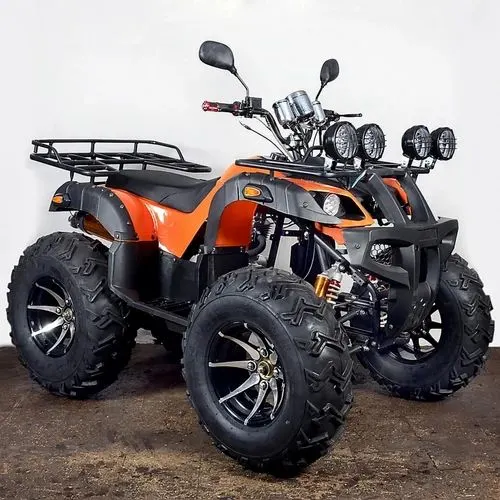
ATV or All-Terrain Vehicles are a vehicle that travels on low-pressure tires, with a seat that is straddled by the operator, along with handlebars for steering control. As the name implies, it is designed to handle a wider variety of terrain than most other vehicles
BAJA ATV:
Baja SAE is a Collegiate Design Series competition run by the Society of Automotive Engineers International (SAE International). ... The goal in Baja SAE racing is to design, build and race off-road vehicles that can withstand the harshest elements of rough terrain.
PROCEDURE:
BAJA ATV MODEL WITHOUT DASHBOARD:
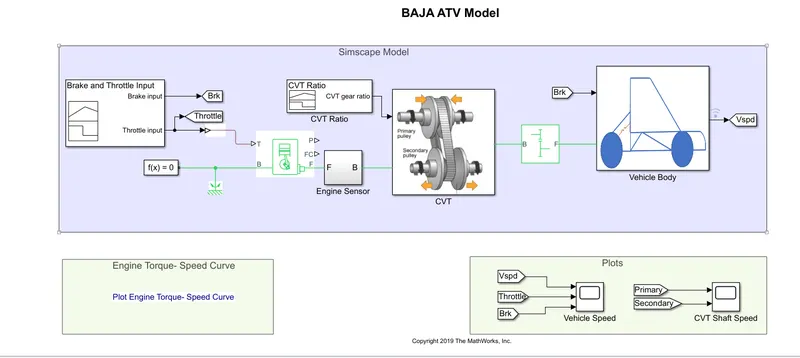
USED BLOCKS:
GENERIC ENGINE:
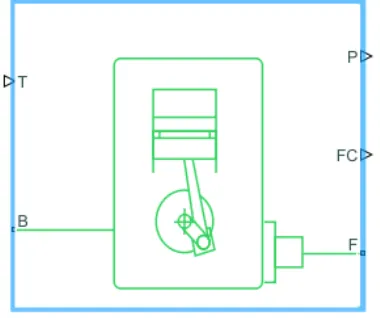
The Generic Engine block represents a general internal combustion engine. This block is a suitable generic engine for spark-ignition and diesel. Speed-power and speed-torque parameterizations are provided. A throttle physical signal input specifies the normalized engine torque. Optional dynamic parameters include crankshaft inertia and response time lag. A physical signal port outputs the engine fuel consumption rate based on the fuel consumption model that you choose. Optional speed and redline controllers prevent engine stall and enable cruise control.
RPM SENSOR:
The block represents an ideal mechanical rotational motion sensor, that is, a device that converts an across variable measured between two mechanical rotational nodes into a control signal proportional to angular velocity or angle.
ENGINE SENSOR SUBSYSTEM:
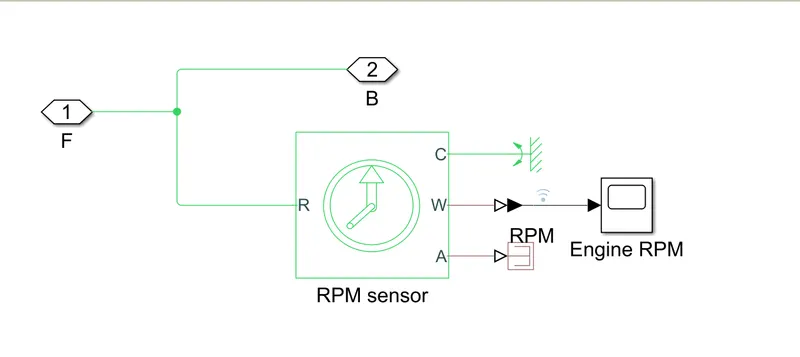
CYT SENSOR:
The block represents an ideal mechanical rotational motion sensor, that is, a device that converts an across variable measured between two mechanical rotational nodes into a control signal proportional to angular velocity or angle. The sensor is ideal since it does not account for inertia, friction, delays, energy consumption, and so on.
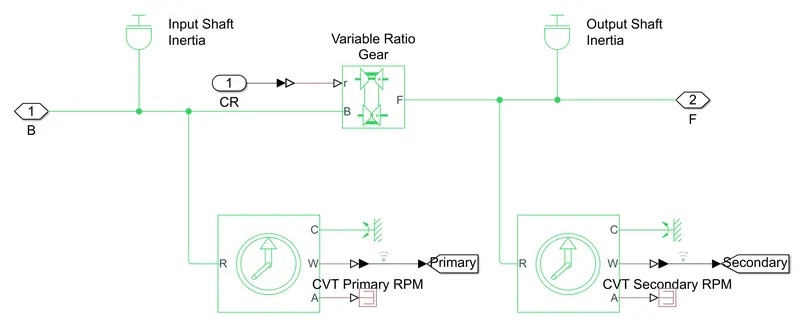
CYT SUBSYSTEM:
CVT GEAR RATIO:
SHAFT INERTIA:
The block represents an ideal mechanical rotational inertia.
VARIABLE RATIO TRANSMISSION:
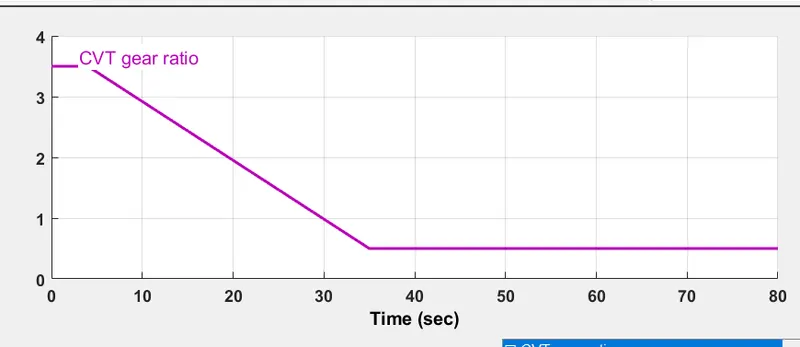
Represents a variable ratio gearbox such as implemented by mechanical belt CVT, electric, or hydraulic transmissions. The physical signal input r defines the ratio of input to output angular shaft velocities.
SIMPLE GEAR:
Represents a fixed-ratio gear or gear box. No inertia or compliance is modeled in this block. You can optionally include gear meshing and viscous bearing losses.
WEHICLE BODY BLOCKS:
TIRE:
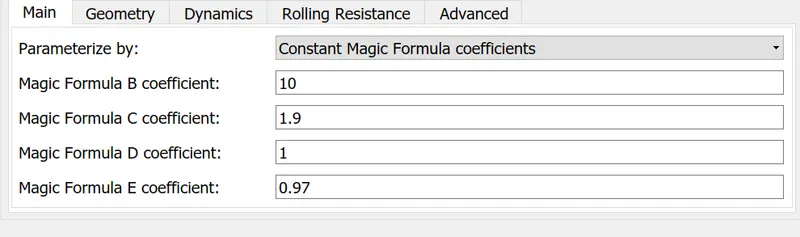
Represents the longitudinal behavior of a highway tire characterized by the tire Magic Formula. The block is built from Tire-Road Interaction and Simscape Foundation Library Wheel and Axle blocks. Optionally, the effects of tire inertia, stiffness, and damping can be included
GAIN:
The Gain block multiplies the input by a constant value . The input and the gain can each be a scalar, vector, or matrix.
DOUBLE SHOEBRAKE:
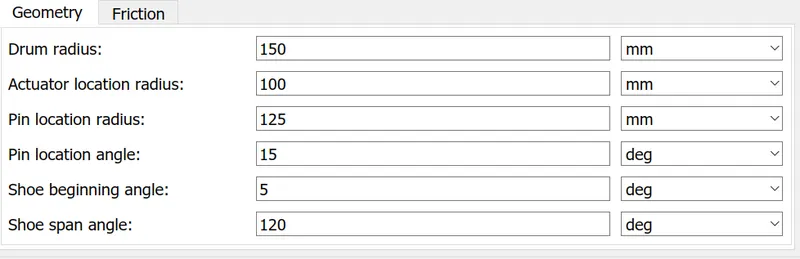
Represents a brake arranged as two pivoted rigid shoes symmetrically installed inside or outside a drum and operated by one actuator. The actuator force causes the shoes to exert a friction torque on a shaft connected to the drum.
WEHICLE BODY:
Represents a two-axle vehicle body in longitudinal motion. The block accounts for body mass, aerodynamic drag, road incline, and weight distribution between axles due to acceleration and road profile.
PARAMETERS:
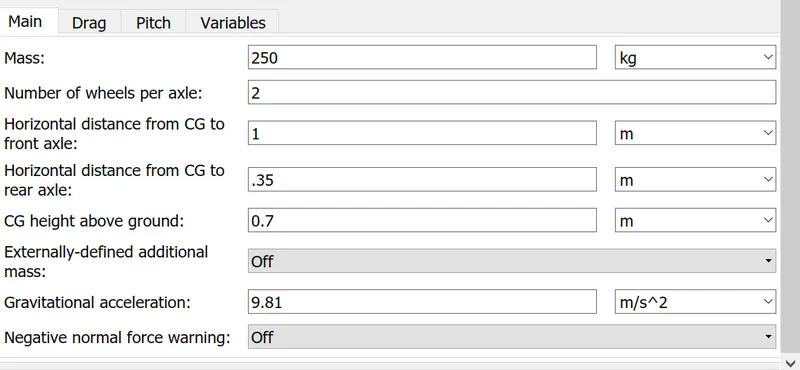
ENGINE BODY SUBSYSTEM:
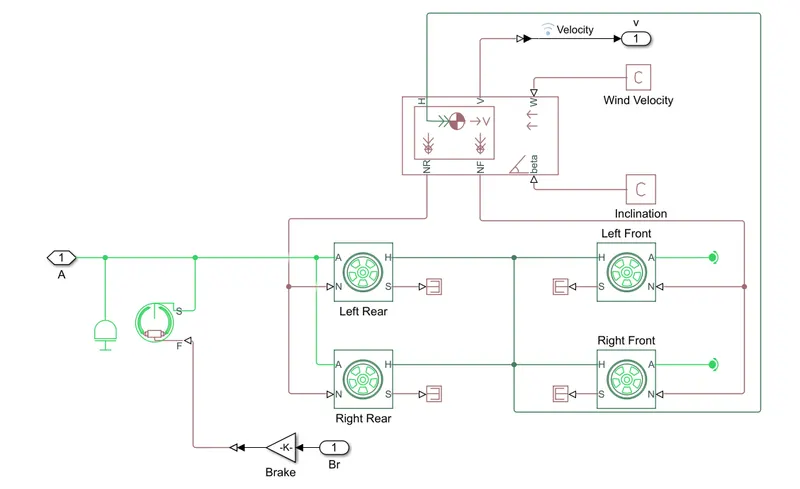
WIND VELOCITY:
This block creates a physical signal constant
THROTTLE:
Receive signals from the Goto block with the specified tag. If the tag is defined as 'scoped' in the Goto block, then a Goto Tag Visibility block must be used to define the visibility of the tag.
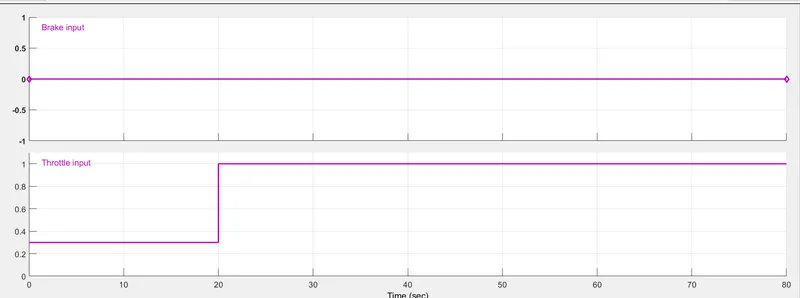
OUTPUT:
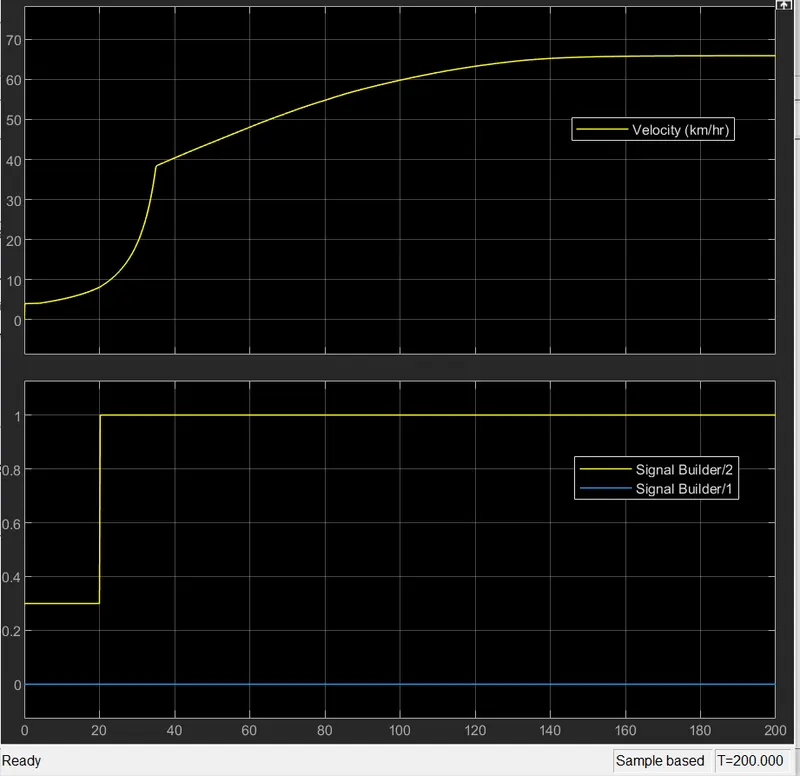
VELOCITY OF THE VEHICLE:
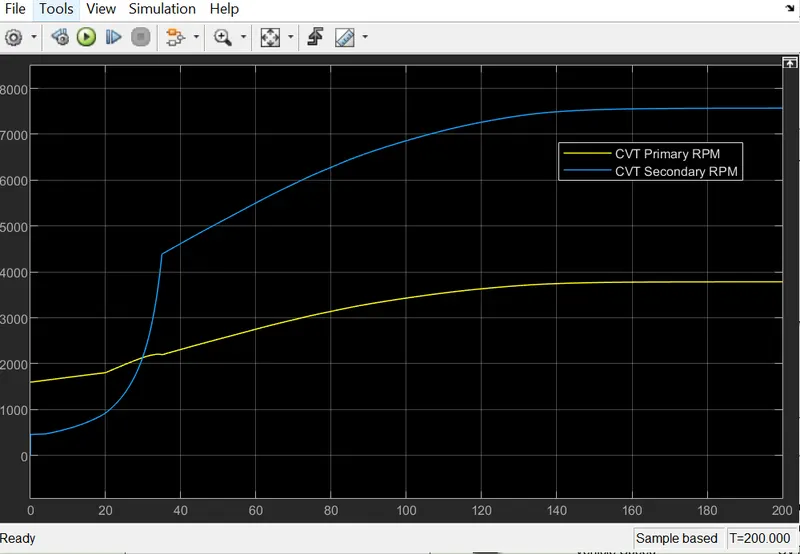
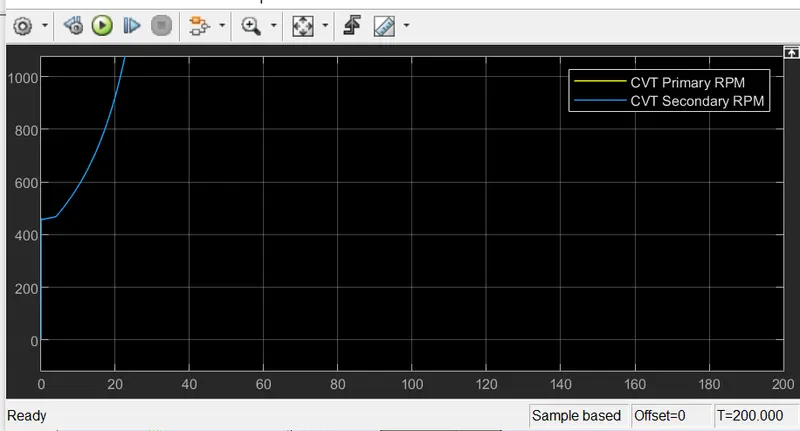
CVT SHAFT SPEED:
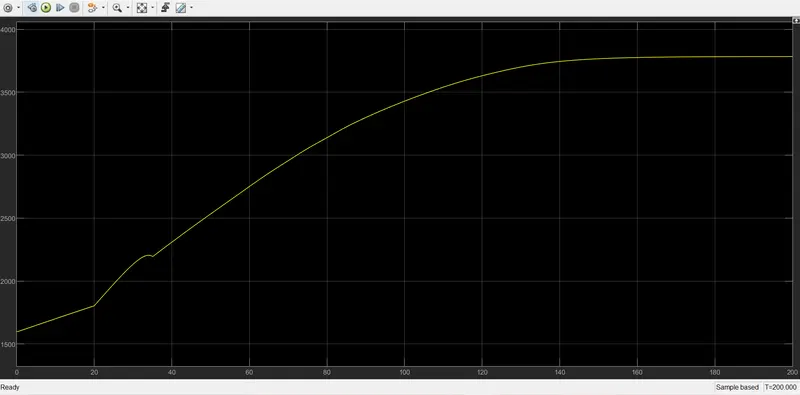
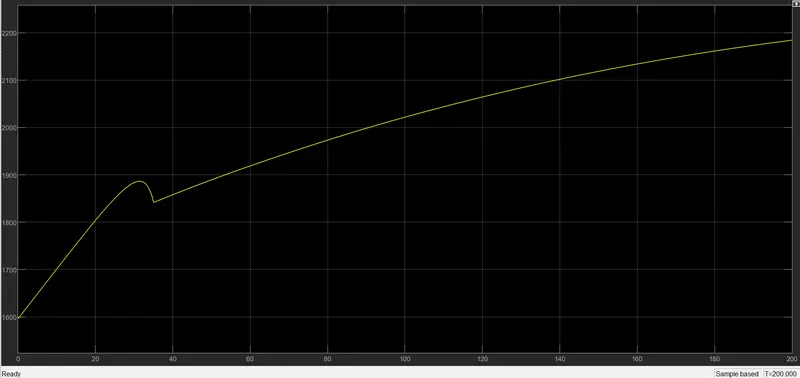
ENGINE SPEED:
BAJA ATV MODEL WITH DASH BOARD:
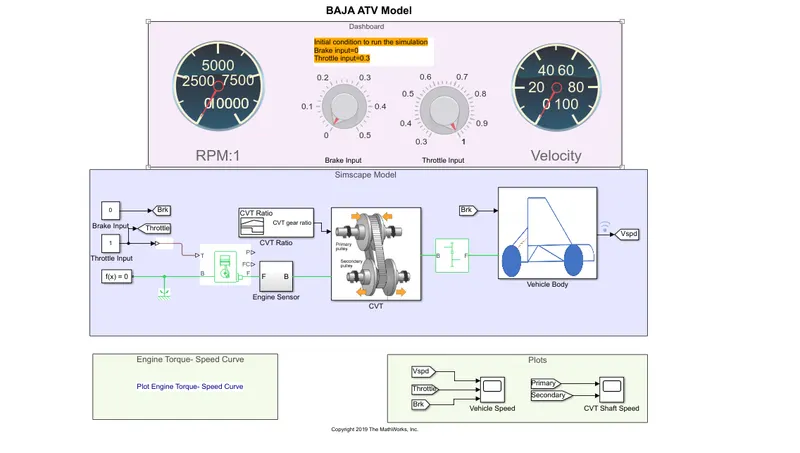
DASH BOARD:
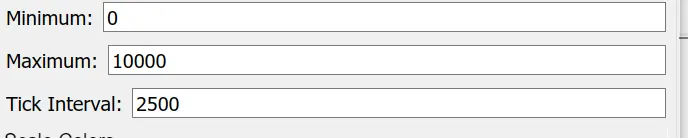
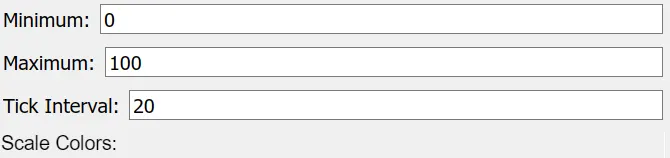
Display an input value on a customized gauge.
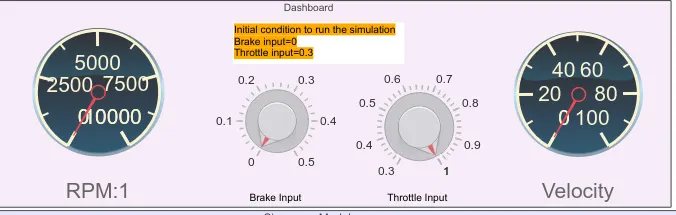
INPUTS:
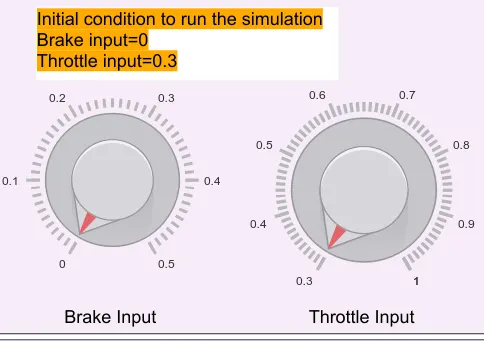
Set a value to tune parameters or variables.
OUTPUTS:
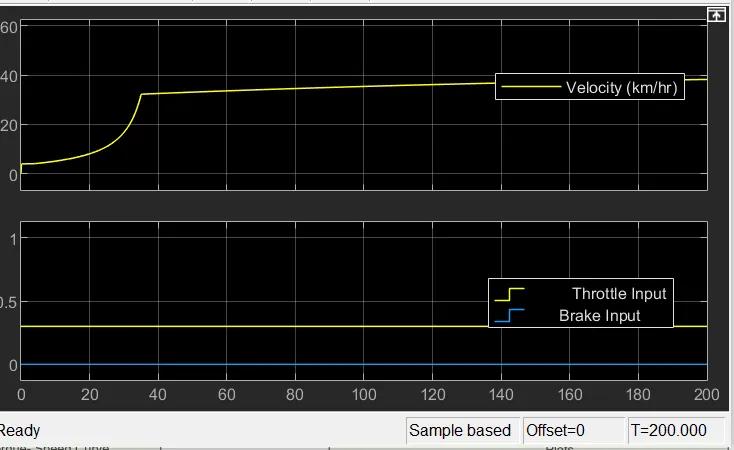
vehicle speed:
cvt shaft speed:
engine speed:
BAJA CVT USING LOOP TABLE:
A Look up table is an array of data that maps input values to output values, thereby approximating a mathematical function. Given a set of input values, a lookup operation retrieves the corresponding output values from the table. If the lookup table does not explicitly define the input values, Simulink can estimate an output value using interpolation, extrapolation, or rounding, where:
-
An interpolation is a process for estimating values that lie between known data points.
-
An extrapolation is a process for estimating values that lie beyond the range of known data points.
-
A rounding is a process for approximating a value by altering its digits according to a known rule.
BAJA ATV WITHOUT DASHBOARD:
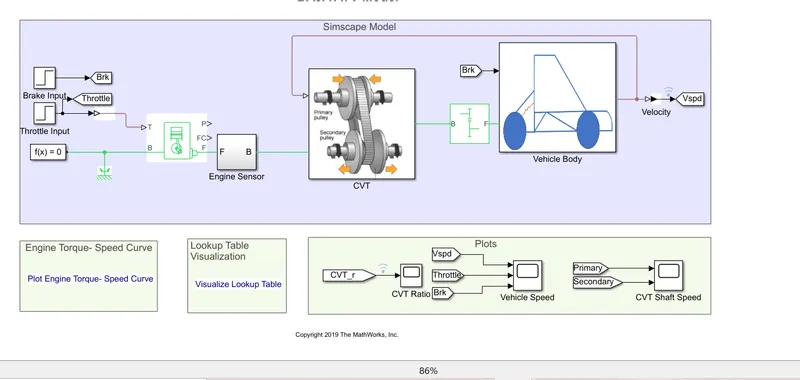
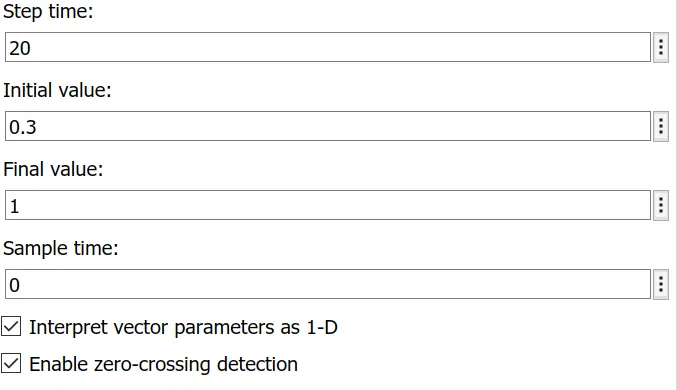
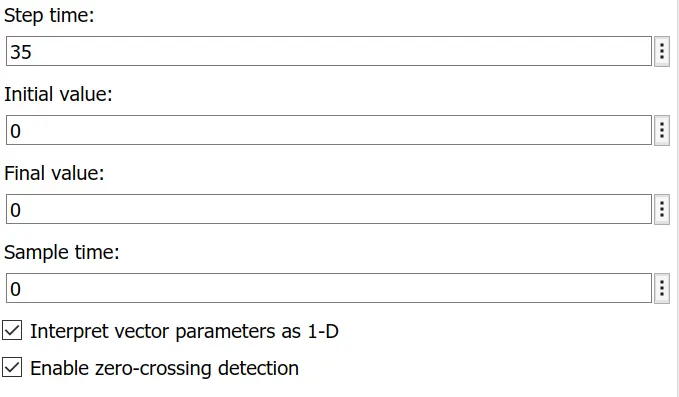
THROTTLE INPUT:
BRAKE INPUT:
OUTPUT:
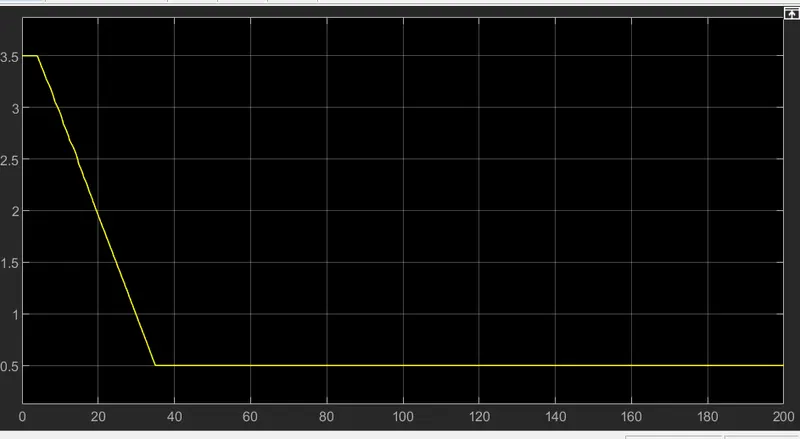
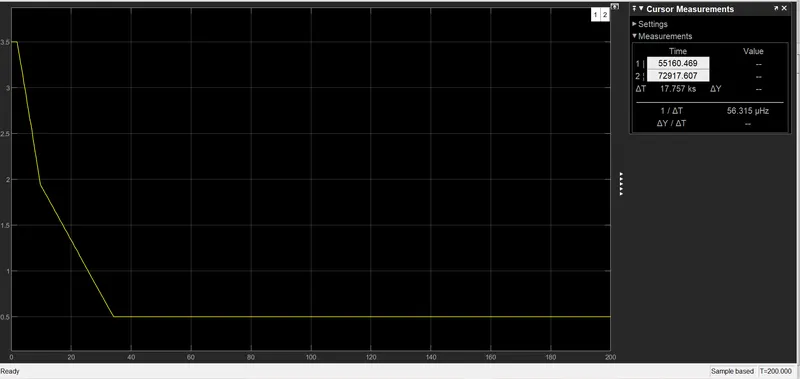
CVT RATIO:
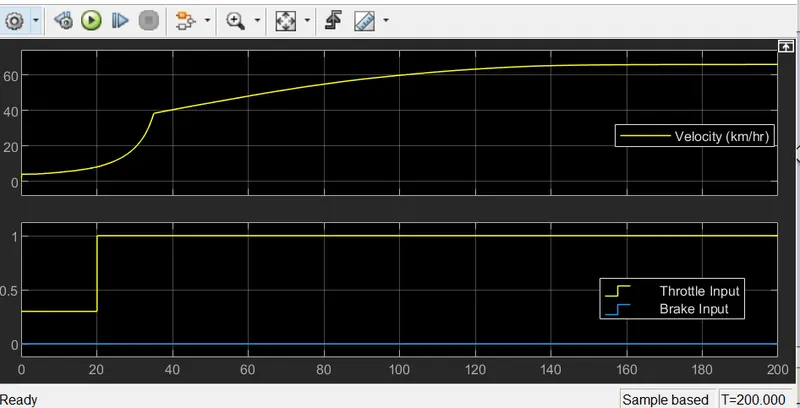
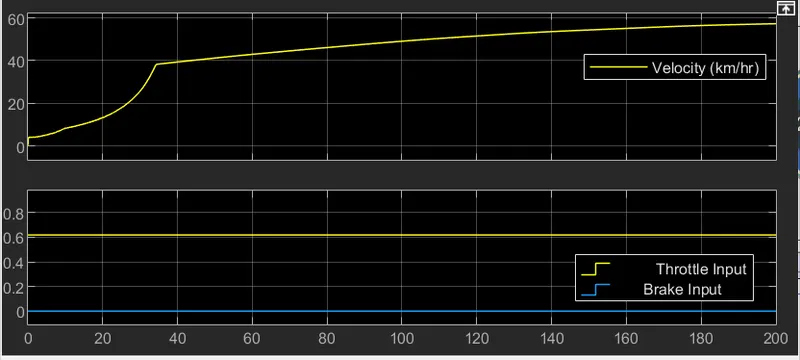
VEHICLE SPEED:
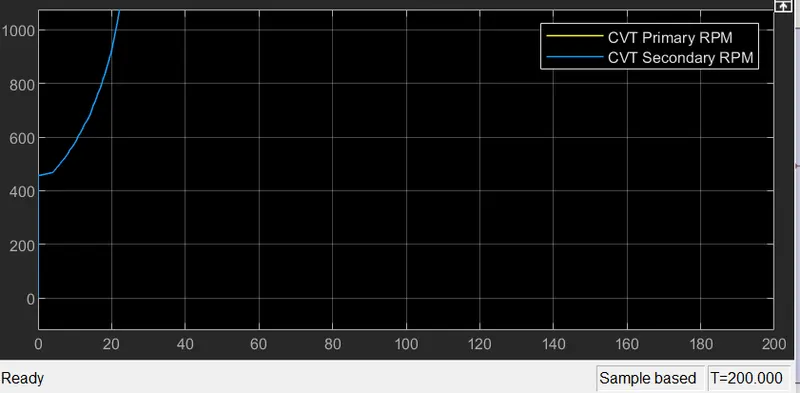
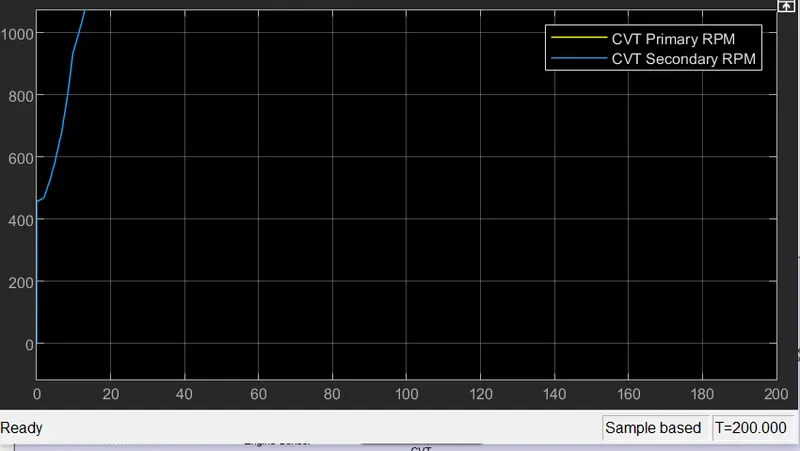
CVT SHAFT SPEED:
BAJA ATV WITH DASH BOARD:
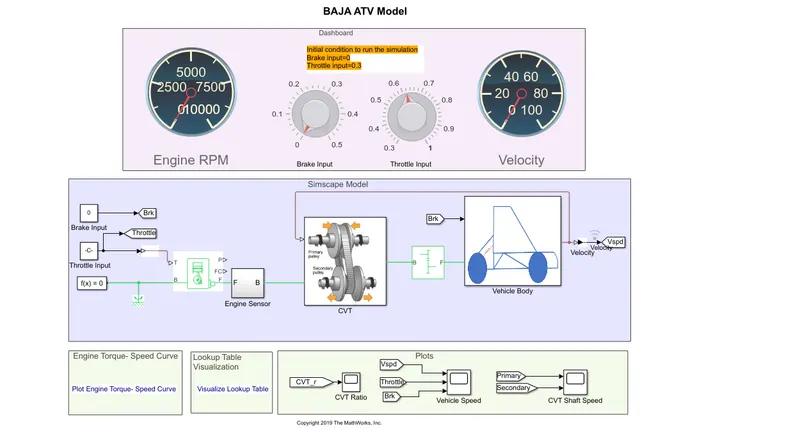
INPUTS:
Set a value to tune parameters or variables.
OUTPUT:
CTV RATIO:
VEHICLE SPEED:
CVT SHAFT SPEED:
CONCLUSION:
- Hence, BAJA ATV model simulated successfully.
- velocity,cvt shaft speed and engine speed directly proportional to the throttle input,inversely break input
- cvt ratio directly proportional to the torque and inverse to throttle input
- cvt speed directly proportional to the shaft diameter
- when increase breaking resistance decrease the speed.