Project-1: Powertrain for aircraft in runways
part A:
1. Search and list out the total weight of various types of aircrafts.
Different terms represent different weight:
Manufacturer's Weight Empty (MWE) or Licensed Empty Weight:It is the weight of the aircraft "as built" and includes the weight of the structure, power plant, furnishings, installations, systems and other equipment that are considered an integral part of an aircraft.
Zero fuel weight(ZFW): It is the total weight of the aircarft which include the unused fuel but exclude the weight of the usable fuel. since it excluded the usable fuel, it weight remains same when the flight is in progress.
Operating Empty weight:It is the basic weight of an aircraft including the crew, all fluids necessary for operation such as engine oil, engine coolant, water, unusable fuel and all operator items and equipment required for flight but excluding usable fuel and the payload.
Payload: it is the carrying capacity of the aircraft.
Maximum take off weight(MLW): It is the maximum weight at which the pilot is allowed to attempt take off, due to structural or other limits.
Maximum landing weight (MLW): It is the maximum aircraft gross weight due to design or operational limitations at which an aircraft is permitted to land.
maximum taxi weight (MTW): it is also called as maximum ramp weight(MRW). It is the maximum weight authorized for taxiing or towing an aircraft on the ground.
Weight class is based are assigned by APO130 based on the TFMS observed aircraft codes. There are 6 categories -- (A) Heavy, (B) B757, (C) Large Jet, (D) Large Commuter, (E) Medium, (F) Small.
(A) Heavy: Any aircraft weighing more than 255,000 lb such as the Boeing 747 or the Airbus A340;
(B) B757: Boeing 757 all series;
(C) Large Jet: Large jet aircraft weighing more than 41,000 and up to 255,000 lbs such as the Boeing 737 or the Airbus A320;
(D) Large Commuter: Large non-jet aircraft (such as the Aerospatiale/Alenia ATR-42 and the Saab SF 340), and small regional jets (such as the Bombardier Canadair Regional Jet), weighing more than 41,000 and up to 255,000 lbs;
(E) Medium: Small commuter aircraft including business jets weighing more than 12,500 up to 41,000 lbs such as the Embraer 120 or the Learjet 35; and
(F) Small: Small, single, or twin engine aircraft weighing 12,500 lbs or less such as the Beech 90 or the Cessna Caravan.
Let us see different types of aircrafts and a list of all aircraft with pictures with its weight.
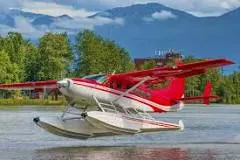
- Amphibious:
An amphibious aircraft is a type of seaplane that has the capability to land and take-off from the land or from water. Many seaplanes only have the capability to land on water. Some floatplanes have removable pontoons, which can be replaced with wheels to make them able to land on solid surfaces again. its maximum takeoff weight is 1,430 lbs.
-
Helicopters:
- Helicopter aircraft is also known as chopper and it belongs to rotorcrafts. horizontal spinning rotors help the helicopter to lift. Advantages: fly both backward and forward. it has three range of weight: low is less than 7750 pounds, medium was between 7750pounds and 8750 pounds and high is greater than 8750 pounds.
-
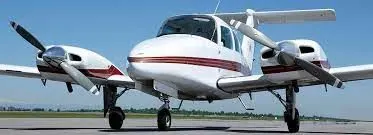
Multi-Engine Piston:
Multiple or Multi-engine piston aircraft has more than one single engine, unlike the other categories and types of aircraft. These multi-engine pistons are known to have a second power source, which is greatly helpful during another engine’s failure. its maximum gross takeoff weight of 12,500 lb (5,670 kg) or less.
-
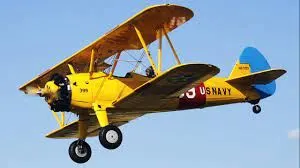
Biplanes:
Biplanes come under the category of fixed-wing aircraft. In this category, two wings come one above each other on both sides. This kind of plane is among the first aircraft to discover fixed-wing planes. The biplanes have lower weight but with excellent stiffness and efficiency. Its weight is approximately 1200lbs.
-
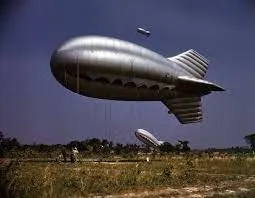
Balloons:
- The balloon-type aircraft are standard aircrafts most of us are aware of and are mostly spotted during tourist activities. It comes under a kind of aircraft that floats in the sky and is much different from other airships and aircraft categories. Its weight is about 800 pounds.
-
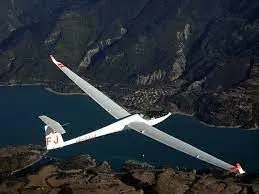
Gliders:
- Gliders come again under the category of fixed-wing aircraft. The types of gliders aircraft are used through air reaction against lifting surfaces and mostly do not use any engine. Although small engines may be used as required (in cases like a motor glider), most glider aircraft are efficient for self-take without engines. Its gross weight is 1100lbs.
-
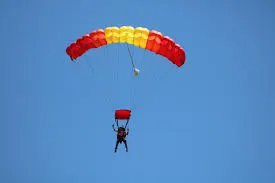
Parachutes:
Parachutes are the most common types we often hear and see. They are slow-moving air flowing craft that helps move through, creating drag to land. They are made through lightweight yet stable and fitting fabric such as nylon or silk. Its weight is between 225 lbs and 275 lbs.
-
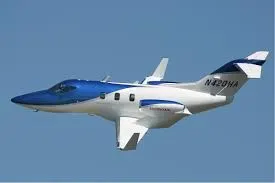
Business Jets:
- Business or private jet aircraft are known to be among the luxurious or unique aircraft to transport and fly a small group of people, even individuals. While they are costly due to their design, plush appearance, and very sophisticated looks, the business jets are used by different classes of people – from government officials to armed forces for special operations to companies and private ownership. Its gross weight is of 7,650 pounds
Conclusion: various types of aircraft masses were discussed and different types of aircraft were discussed along with its weight.
===================================================================================
2. Is there any difference between ground speed and air speed?
Ground speed: it is the horizontal speed of an aircraft repesctive to the earth's surface. when the aircaft diving vertically would have zero ground speed.
Vg = cos (a) * vtas + ws
Where, Vg is the ground velocity/speed
a is the angle between the horizon and the path of the aircraft in the vertical plane
vtas is the true airspeed
ws is the wind speed
Air speed:Airspeed is simply the speed at which an aircraft is moving relative to the air when it is flying in. Three different types of airspeed: indicated airspeed, calibrated airspeed, and true airspeed.
Indicated airspeed: It is an airspeed that is calculated directly off an aircraft’s pitot-static system. It’s the calculated off the aircraft’s dynamic pressure – the difference between its total pressure and static pressure.
Calibrated airspeed: it is indicated airspeed adjusted for a variety of errors.
True air speed:The actual speed at which an aircraft is moving relative to the air it is traveling in. It’s calibrated airspeed adjusted for the the exact conditions like altitude, air temperature, etc. that the aircraft is flying in.
Relation between ground speed and air speed:
- ground speed is the sum of air speed and wind speed.
- if the aircraft is flying in the same direction of wind, then the ground speed is higher than the air speed.
- if the aircraft is flying in the opposite direction of the wind blow, then the ground speed is lower than the air speed. below image define this.
===================================================================================
3. Why is it not recommended to use aircraft engine power to move it on the ground at Airport?
An aircraft engine, or powerplant, produces thrust to propel an aircraft. Reciprocating engines and turboprop engines work in combination with a propeller to produce thrust. Turbojet and turbofan engines produce thrust by increasing the velocity of air flowing through the engine. All of these powerplants also drive the various systems that support the operation of an aircraft.
The power of an aircraft engine is deonoted in newtons, kilograms or pounds of force. piston of the engine delivers the power to a shaft that either drives a car or drives a propeller in light aircraft. This is measured in Watts, or horsepower in the old days. A380 at Take Off, required fan power about 230 Megawatt.
Aircraft engine is not recommended due to this:
- Their engines creates a significant hazard to the immediate area surrounding them.
- while taking reverse,Any debris can damage airport terminals, jetways & ground vehicles. Pilots also cannot see behind making reversing very hazardous.
- When an airplane uses reverse thrust it takes a high power setting to get the aircraft moving initially. This creates a high-speed wind that can easily damage the airport terminal, jetway, surrounding ground vehicles, baggage, and ground personnel and cause debris to be ingested by the engine is not good.
Advantages for not using aircraft engine at the ground:
- Far greater safety because the tow truck operator has a much better view of the entire area surrounding and under the aircraft
- The vehicle driver is in communication with the pilots to ensure aircraft braking can be applied if needed in an emergency
- With the aid of ground personnel who walk under the wingtips, the tow truck driver can precisely position the aircraft and ensure it does not contact any structure,vehicle, person or aircraft
- It allows the airports ground controllers to get aircraft moved with much greater time constraints thus improving the flow around the apron and gate areas
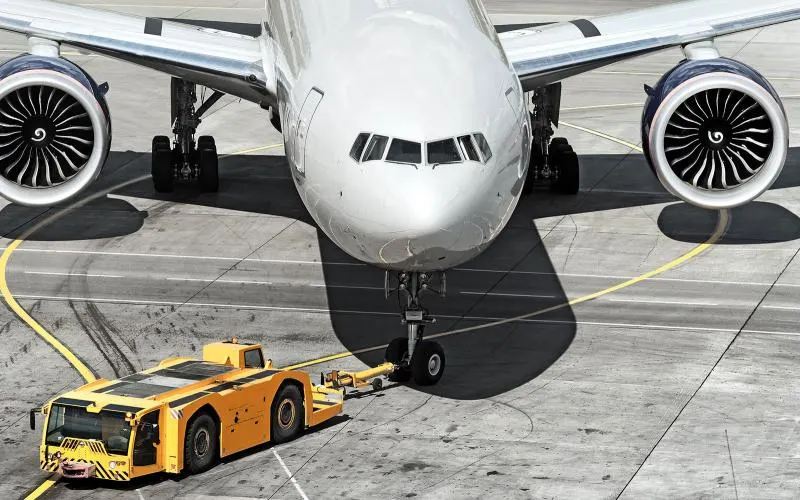
Towing:
The forward movement of an aircraft, usually with engines off, using the power of a specialised ground vehicle attached to or supporting the nose landing gear. It may occur for the movement of both in service and out of service aircraft.
Taxiing:
An airplane moves slowly across the field in a similar fashion to how a taxi-cab driver would slowly make his way down a block looking for fares
===================================================================================
4. How an aircraft is pushed to runway when its ready to take off?
Pushback:
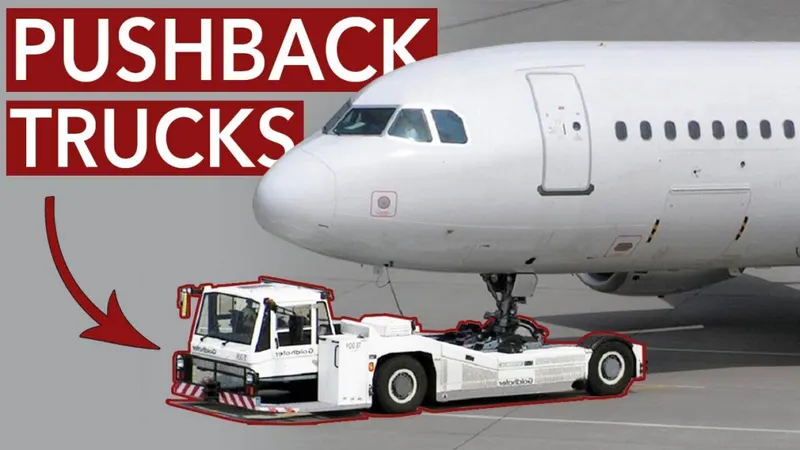
Pushback is an airport procedure during which an aircraft is pushed backwards away from its parking position, usually at an airport gate by external power.
A conventional pushback tractor attaches itself to the aircraft's nose landing gear through a simple piece of equipment called a tow bar.
why pushback is used:
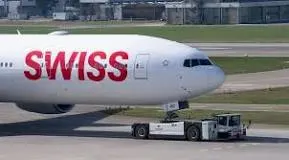
- Airplanes are pushed back from the gate to prevent reverse thrust from the engines being used.
- Reverse thrust requires high engine power creating high-speed jet blast.
- Any parts of the aeroplane can damage the airport terminals, jetways & ground vehicles.
- Pilots also cannot see behind making reversing very hazardous.
How pushback is used:
- once the aircraft commander release the brake, the man who is handling the ground crew will carry out the pushback.
- Communication between the ground crew supervisor and the aircraft is usually through a plug in to the ground intercom circuit of the aircraft.
- Now Ground crew is responsible for the aeroplane saftey. The pushback crew may vary depending on the size of the aircraft
- Unless the manoeuvre is taking place outside the movement area controlled by ATC, an RTF clearance to carry it out will be required.
- Ground locking pin be installed in the nose landing gear during any pushback once pushback finished it need to be removed.
Take off precedure of the aircraft:
We first discuss about the modern aeroplane wings and tails. It is not made up of single solid piece. The wings and tails of the aeroplane have many movable parts. The wings are in airfoil shape. Airfoil produce lift force when moved relative to air. the liftforce helps the aircraft to fly.
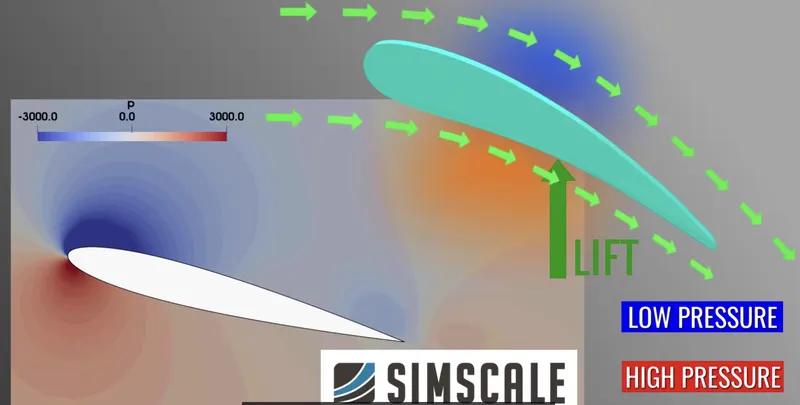
Downwash of the air foil produces air pressure by the difference between top and bottom. hence lift force is produced.
Since the moveable flops and slats have the ability to lift up and down, we can increase or decrease the lift force.
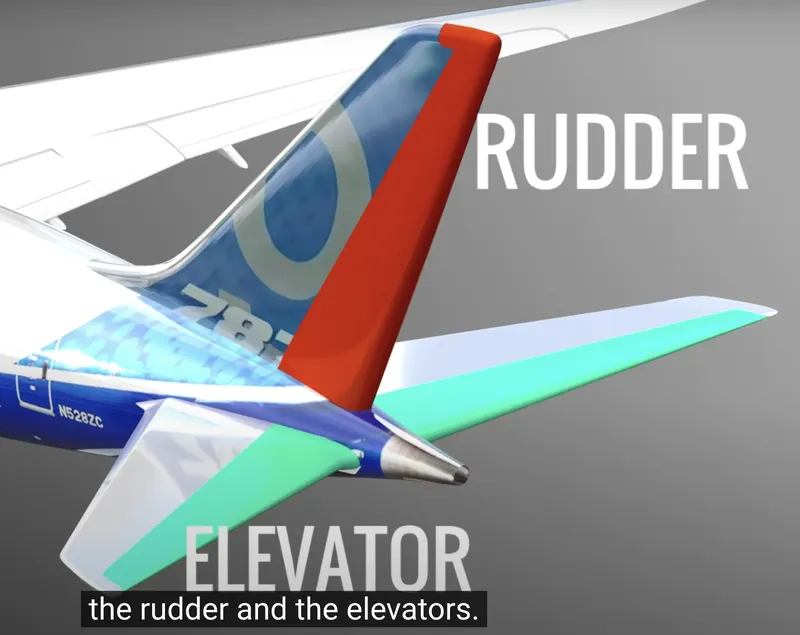
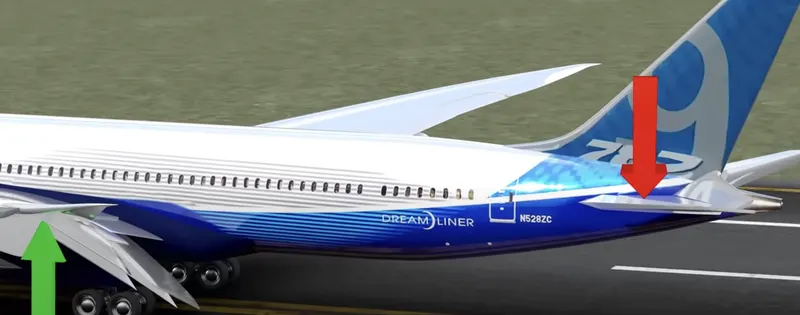
At the tail of the attachment, we can see two attachments,
- Rudder:used to control the vertical force of the tail
- elevator:used to control the horizontal force
Take of part of the Flight:
In order to make the aeroplane to take off, we need to increase the lift force. Lift force can be increased by various technique such as
- high speed
- high angle of attack
- use of flap and slat
But the main concern is that lift force should be higher than the gravitational pull. Pilot applies all the three technique together for the successful take off.
First pilot increases the speed of the aeroplane by increasing thrust of the engine. When the aeroplane speed is high enough, pilot will activate Flaps and slats on the wings. The lift is further increase due to the activation of flaps and slats.
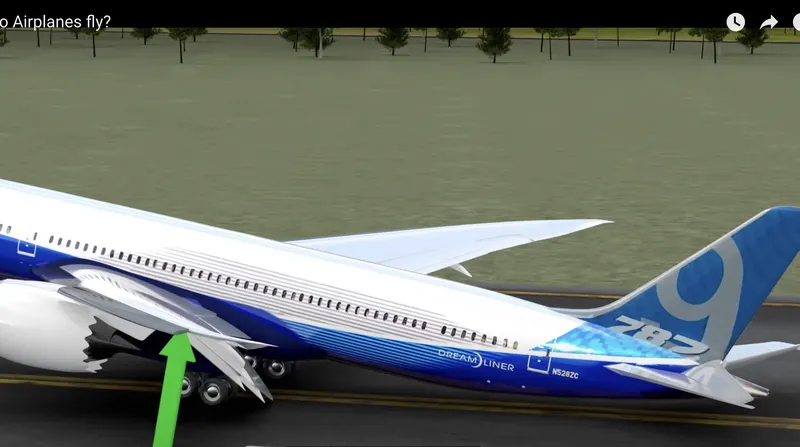
The tail force tilts the aeroplane as shown in below figure and the angle of attack of the airfoil will be increased and also the lift increase suddenly and the aeroplane take off.
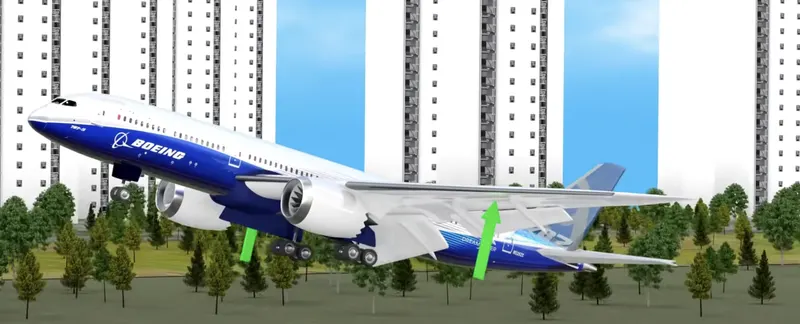
Usually the angle of attack is maintained at 15 degree of take off. Here we discussed about the thrust, now we shall discuss about how engine generates thrust.
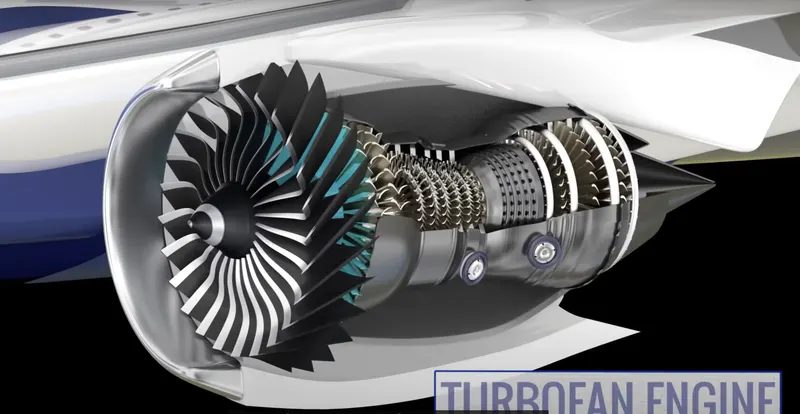
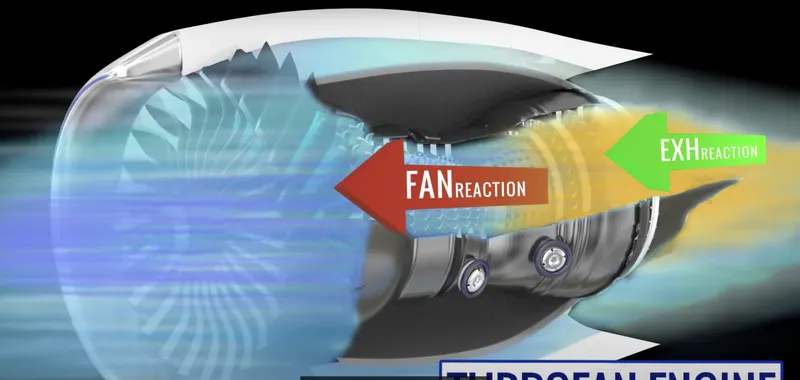
To generate thrust aeroplane have turbofan engine. The fan reaction and the reaction force of the exhaust gives the necessary thrust force. By burning more fuel, more thrust is achieved.
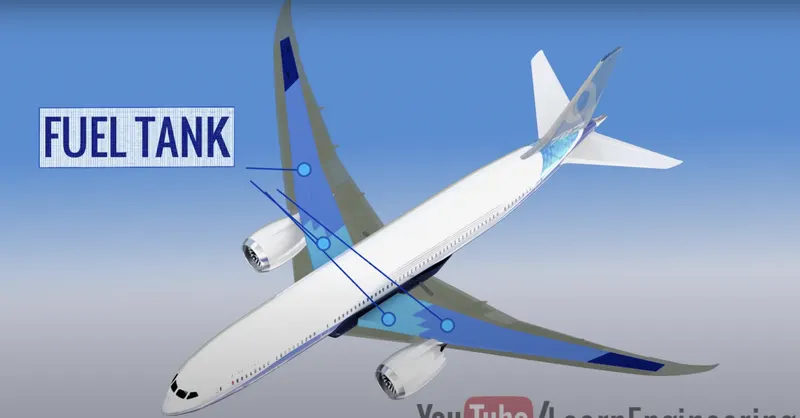
The fuel of the aeroplane is stored inside the wings.
After take off, it enters into the climbing phase. As long as the engine thrust is more than the drag, the speed of the aeroplane is keep on increase. Speed is increased and lift force will also be increases. This helps the aeroplane to go up.
==============================================================================
5. Learn about take off power, tyre design, rolling resistance, tyre pressure, brake forces when landing.
Take off power:
It is the amount of power which an engine is allowed to produce during the take off period. The use of take off power is limited for 5mins for reciprocating engine and 2and half mins for gas turbine engine.
Power required for the thurst of the engine
Power = Freestream Velocity*Thrust of an aircraft
P = V∞*T
Power uses Freestream Velocity & Thrust of an aircraft. We can use 2 other way(s) to calculate the same, which is/are as follows -
- Power = Drag Force*Freestream Velocity
- Power = Weight of body*Freestream Velocity*Drag Coefficient/Lift Coefficient
Power plant of the aeroplane is an engine which is made up of many components, such as cylinders, pistons, and fans, which help produce the energy needed to propel an aircraft.
Tyre design:
Aircraft tyre is very important which is designed in such a way that it must withstand heavy loads while landing, take off, taxing, and parking.The number of wheels required will depend on the weight of the aircraft.
Examples:A Boeing 737NG & 737MAX uses 6 wheels, Boeing 787 uses 10 wheels, Boeing 777 uses 14 wheels and Airbus A380 uses 22 wheels.
Construction of the aircraft tyre:
The main thing that has to be minded during the tyre constructions are:
- They support the weight of an aircraft while it is on the ground.
- It also provides the necessary traction for braking and stopping of an aeroplane.
- Tyre also helps to absorb the shock of landing and provide cushioning the roughness of takeoff, roll-out, and taxi operations.
Carcass plies used to construct tyre and it is otherwise called as casing piles. Aircarft tyre are not going to work in the similar manner of car tyre. Aircraft tyre are used in short period that too handle high impact load on landing. i.e, it operates at high speed for short time period.
now move on to the technical aspects of tyre:
Retreading – Retreading is methods of restoring a worn tyre by renewing the tread area or by renewing the tread area plus one or both sidewalls. Repairs are included in the tyre retreading process.
Load Rating – Load rating is the maximum permissible load at a specified inflation pressure.
Ply Rating – Ply Rating is used to identify the maximum recommended load rating and inflation pressure for a specified tyre. It is an index of tyre strength.
Speed Rating – The speed rating is the maximum takeoff speed to which the tyre has been tested.
Skid Depth – Skid depth is the distance between the tread surface and the deepest groove as measured in the mould.
Aircarft tyres:
- tyre may be tube / tubeless: nowadays tubeless type tyres are used
- tyres may be radial/bias:All aircraft uses radial tye whereas bias is the old one
- tyres are conductive:tyres are made up of thread like conducting component.This strip would be the first part of the aircraft to touch the earth. This discharges any static electricity accumulated on the outer surfaces of the aircraft.
Rolling resistance:
Tire rolling resistance is the energy that your vehicle needs to send to your tires to maintain movement at a consistent speed over a surface. In other words, it is the effort required to keep a tire rolling. The main contributor to rolling resistance is the process known as hysteresis. Hysteresis is essentially the energy loss that occurs as a tire rolls through its footprint. The energy loss must be overcome by the vehicle’s engine, which results in wasted fuel.
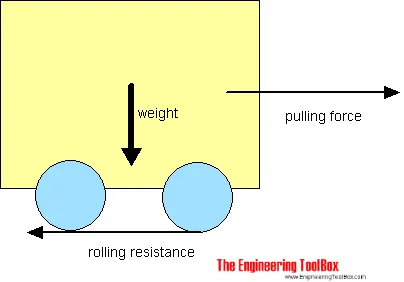
Formula used to calculate the rolling resistance force is
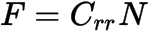
Fr = rolling resistance or rolling friction (N, lbf)
Crr = rolling resistance coefficient
N=normal force.
tyre pressure:
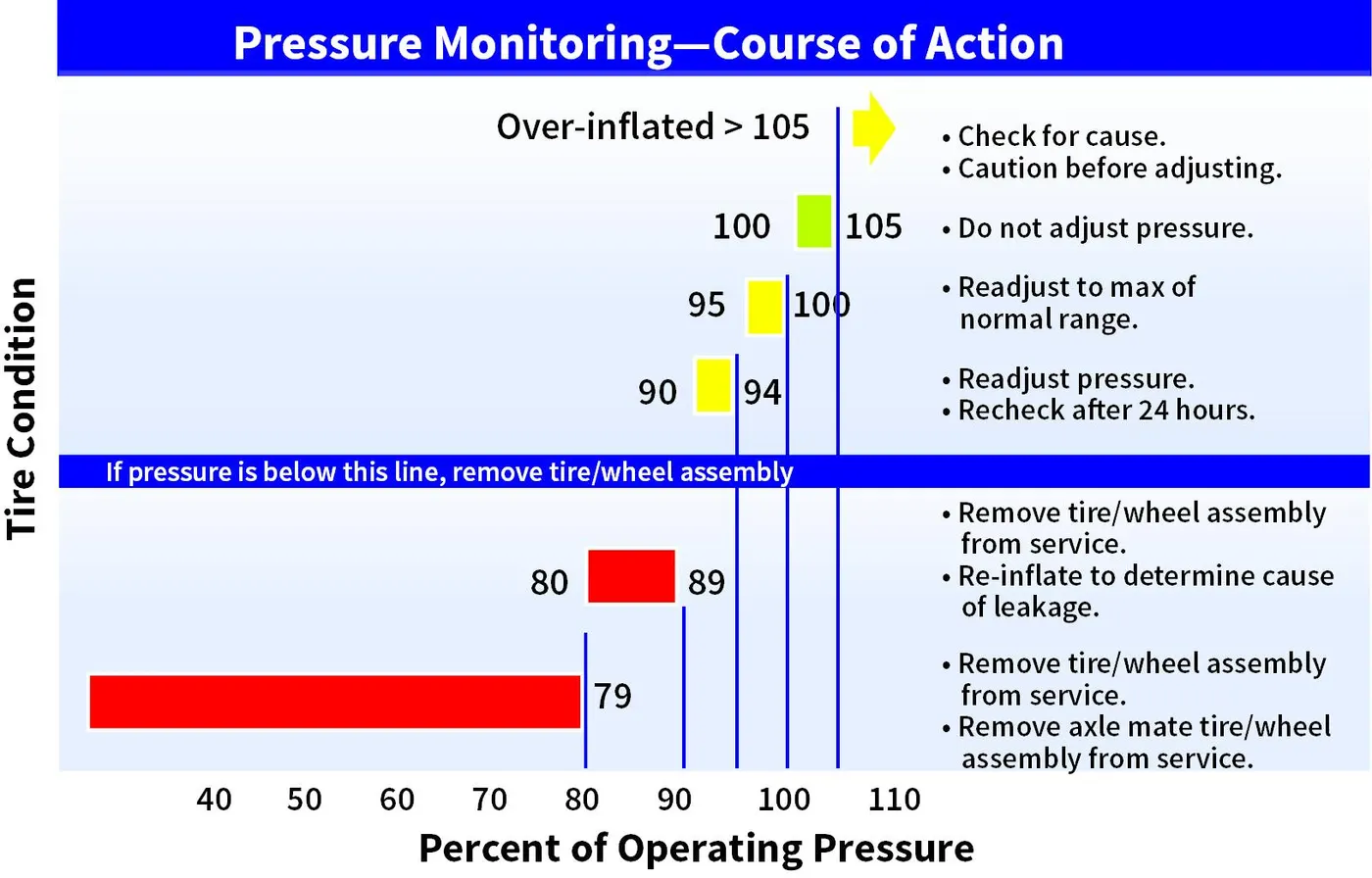
Aircraft tires generally operate at high pressures, up to 200 psi (14 bar; 1,400 kPa) for airliners, and even higher for business jets.
Nitrogen is used to fill aircraft tyres because they are drier and contain no moisture. The normal air contains moisture which could freeze at high altitude and could cause tyre burst. Hence the use of Nitrogen in aircraft tyres. Pressure monitoring chart is given below.
Brake forces when landing
For safety landing aircraft rely on braking system. Most of the aircraft cruise at the speed of 500 to 600mph. but when it tries to land, it must reduce it speed. for safety landing it reduces its speed to 160 to 170 mph. Wind spoilers is used to enhance the landing process and it assist the process of landing brakes. when the aircraft run in the runpath, spoiler is slow down by raising. Raising of spolier generates the drag which slows the plane down and allow it to brake more rapidly.
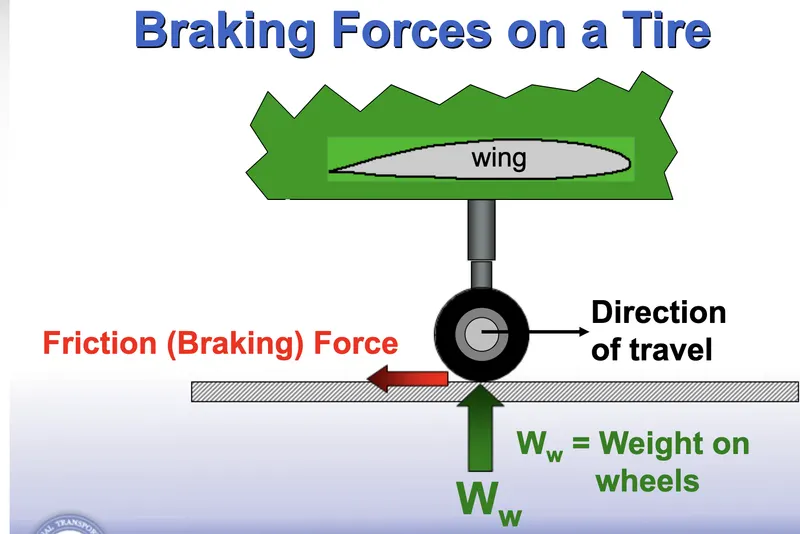
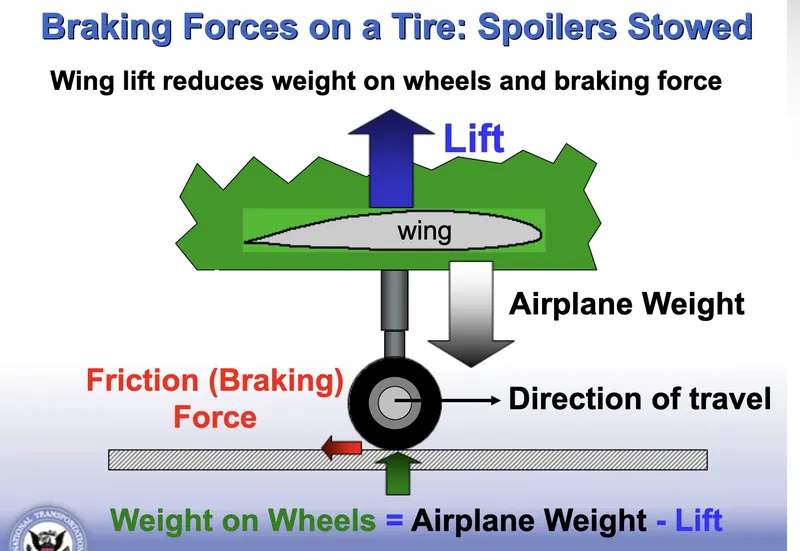
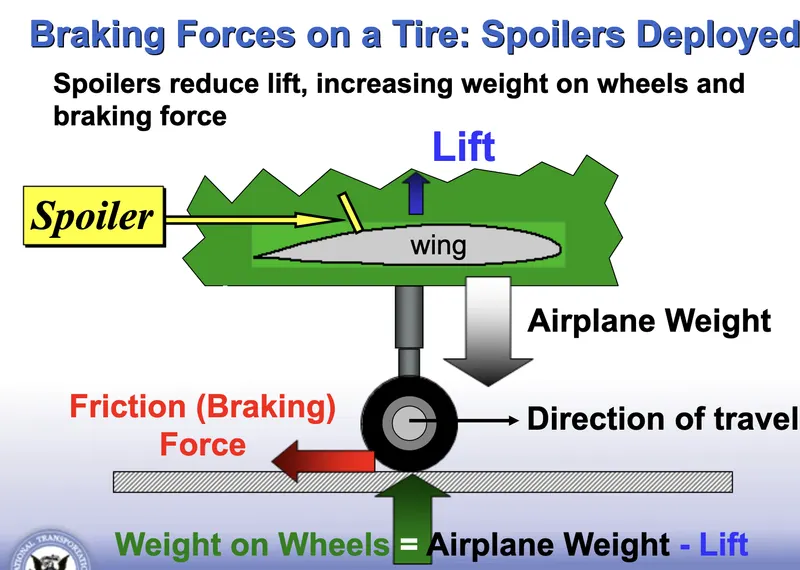
The brake units are powered by the hydraulics system. An electrical signal is sent from the flight deck to hydraulic actuators near the main landing gear. Here, hydraulic fluid at 3,000 pound per square inch is used to force the brake unit against the wheel, thus slowing it down.
===================================================================================
Part B:
6. A. With necessary assumptions, calculate the force and power required to push / pull an aircraft by a towing vehicle.
The force used to push/pull the aircraft:
- Rolling resistance force
- Aerodynamic force
Rolling resistance force:
Rolling resistance is the resistive force applied to the wheel when it's rolling.Formula used to calculate the rolling resistance force is
Or
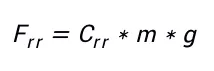
where
Fr = rolling resistance or rolling friction (N, lbf)
Crr = rolling resistance coefficient
N=normal force.
m=mass of the vehicle
g=gravitational constant
Aerodynamic drag coefficient:
Aerodynamic drag is one of the main obstacles to accelerate a solid body when it moves in the air. When a racing car or road vehicle burns fuel to accelerate, drag force pulls it from back to reduce the speed and hence the fuel efficiency is adversely affected. Formula used to calculate Aerodynamic drag force is,
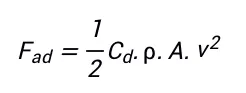
where,
Fad=aerodynamic drag force
Cd=Drag coefficient
`rho`=Air density
A=Frontal area
v=velocity
Assumption made for the calculation:
Towing vehicle weight(kg)=20,000
Aeroplane weight(kg)=80,000
total weight(kg)=towing vehicle weight+Aeroplane weight=1,00,000
Gravitational constant=9.8
Coefficient of rolling resistance`mu`=0.013
Air density(kg/m^2)=1.25
Frontal area(m^2)=2
Drag Coefficient(Cd)=0.2
Velocity(km/hr)=25
FORMULA USED TO CALCULATE TRACTION FORCE AND POWER IS:
Traction force formula is
Fte=Frr+Fad
Power formula is
P=(Frr+Fad).v
By using the above assumed values, we are going to calculate total traction force and power. For calculation we used excel method.
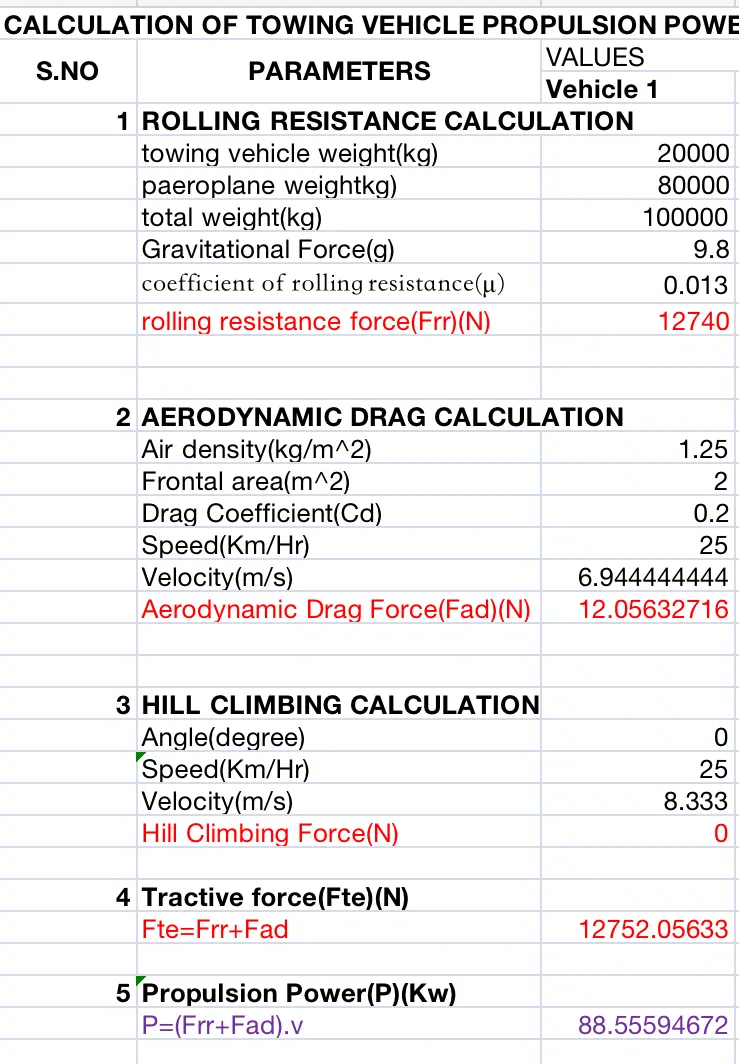
Conclusion: Force and power required to push / pull an aircraft by a towing vehicle are 1275.05N and 88.556Kw respectively.
===================================================================================
6. B. Develop the model for the calculated force and power using Simulink.
By using the above assumption we developed a simulink model for the calculation of force and power.
Blocks used for the model are constant block, muliply, add, sqaure and display block. we already have the knowleage about these blocks. so let us move on to the simulink model.
we implemented the model by using the formula which was mention in 6A.
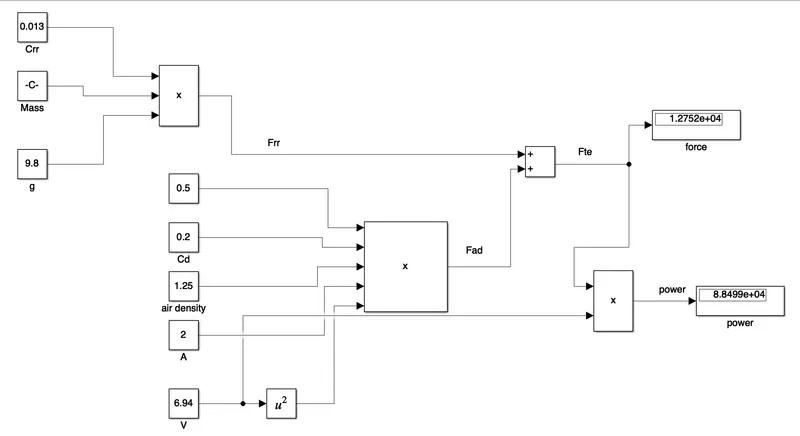
Conclusion: By using simulink, we developed a model for the calculation of towing vehicle force and power.
===================================================================================
7. A. Design an electric powertrain with type of motor, it’s power rating, and energy requirement to fulfill aircraft towing application in Simulink. Estimate the duty cycle range to control the aircraft speed from zero to highest. Make all required assumptions. Prepare a table of assumed parameters. Draw a block diagram of powertrain.
let us take the total power and force from previous question 6 for our electric powertrain design.
push/pull force=12.752kN
power=88.55kw
Let us assume the following
Radius of the tyre is 10 inch=0.2454m
Gear ratio=8
Transmission eficiency(`eta`)=85%
motor efficiency=95%
we use Dc motor and its input power is assumed as 130kw
Calculation:
Torque of the wheel=total force*wheel radius
=12752*0.254
=3235.96
We know that gear ratio=output torque/input torque
therefore, input torque=3235.96/(8*0.85)=475.876
Power required for all efficiency= 88.55/(0.85*0.95)=109.66Kw
let us assume towing operates for 20 mins, then the total energy consumed is
Energy consumed=110.82*0.333=36.9Kwh
Duty cycle=output power/input power=110.82/130=84.3%
Block diagram for power train:
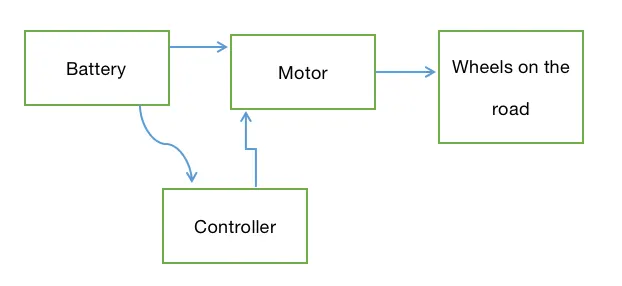
Conclusion: we made required assume and find torque and duty cycle for our design.
B. Also, Design the parameters in excel sheet.
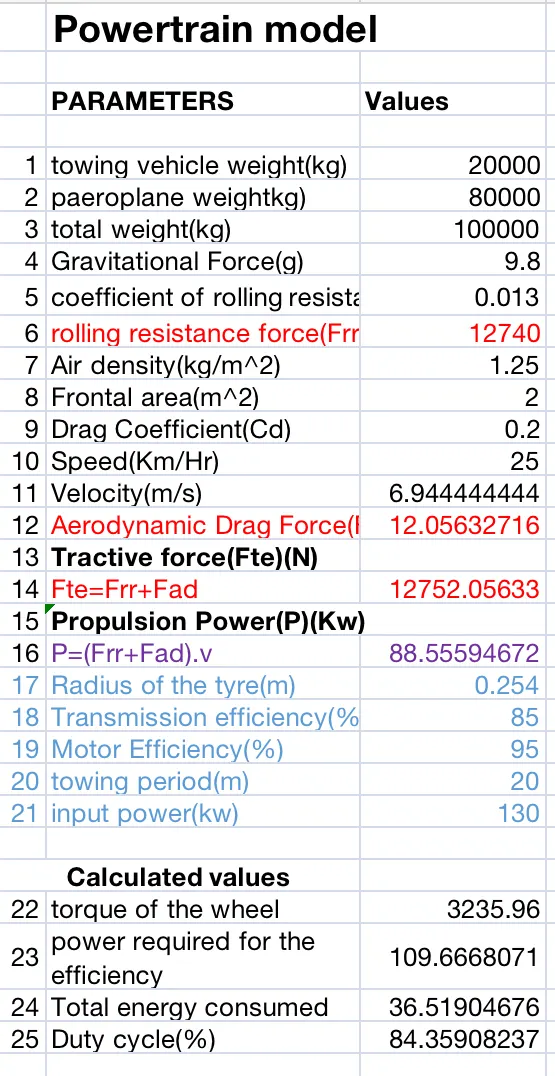
Conclusion: we designed an excel sheet for our parameters.