Project-1: Powertrain for aircraft in runways
EV 17TH LIVE BATCH
1.Que:
Solution:
Aircraft Gross weight:
As per federal aviation department, aircraft gross weight is defined as the total weight at any moment during flight or ground operation.
The aircraft gross weight decrease during flight due and oil consumption in some case gross weight may vary due to drop in payload or inflight refueling, where as on the other hand when the brakes are released the gross weight will be equal to take off weight.
During flight an aircraft gross weight will be refered as inflight weight.
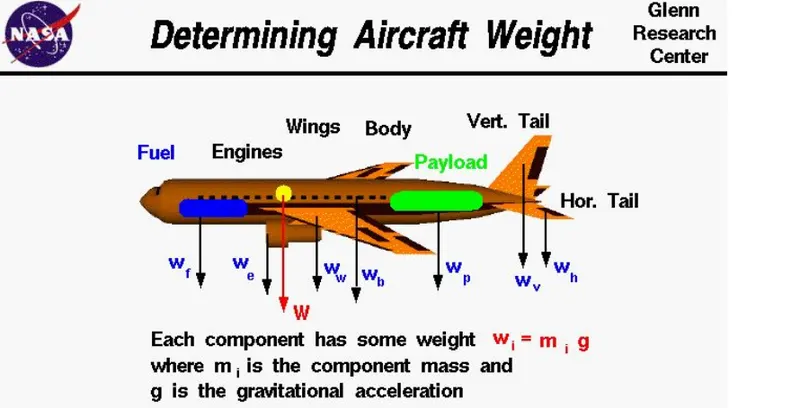
Types of aircraft weights are the following:
1) Manufactures empty weight:
It includes the weight of aircraft of the entire flight with its integral working parts, but excludes baggage, passenger and fuels.
2) Zero fuel weight:
It includes total weight of aeroplanes including unuseable fuels but excludes total weight of useable fuel at board.
3)Payload:
It is load carrying capacity of an aircraft which includes passenger, cargo and fuels but if it is in the case of cargo flight it determines the total load of logistics weight of container which it needs to transport.
4)Maximum take off weight:
This is the maximum weight at which the aircraft would be made to takeoff.
5)Regulated take off weight:
Depending on different factors (flap setting,altitude,length of runway) RTOW varies for each take off, but can never be high for MTOW.
6)Maximum landing weight:
It is maximum weight at which an aircraft is permitted to land.
7)Maximum Ramp weight:
It is maximum weight used for manuevering aircraft on the ground.
2.Que:
Ground speed:
- They are the airplane speed which is related to the ground.
- They are the speed which determines how fast the airplane will reach the detination.
- They are the calcualted by summing up the airspeed and windspeed.
Air speed:
- It refers to the speed which is relative to air it is flting in.
- They determine whether there is enough airflow around an aircraft to make it lift.
- They are independent of ground speed.
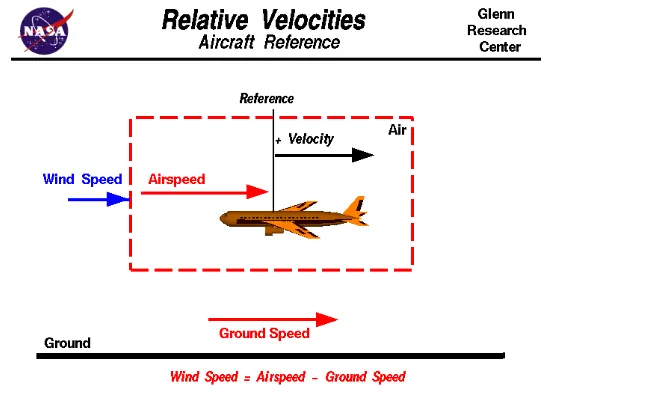
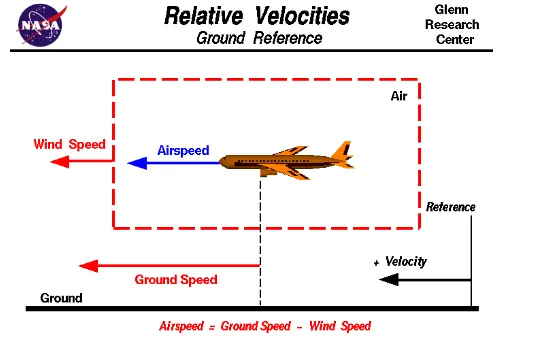
- The above two diagram relative velocity with respect to aircraft refernce and ground reference.
Here wind speed is the vector difference between ground and air speed ona perfect still day the wind speed is zero and it is equal to the ground speed.
If the measured air speed is greater than the observed ground speed the wind speed becomes positive.
3.Que:
- Generally most of the airplane can move itself in reverse manner by making use of reverse thrust technology. But in most of the practical it is not possible because when airplanes start using reverse thrust it will consume lot of fuel as well as cause lot of noise and also hazardous for the people working near by.
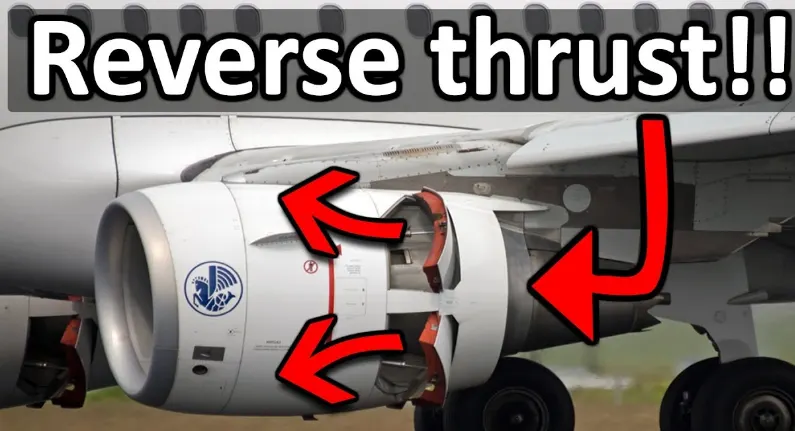
- The another for not using reverse thrust is that the jet blast can cause damage to terminal buildings or its equipments. since the engine is also close to the ground it will blow off the sand and debreis forward and sucks it to the engine and cause damage to it.
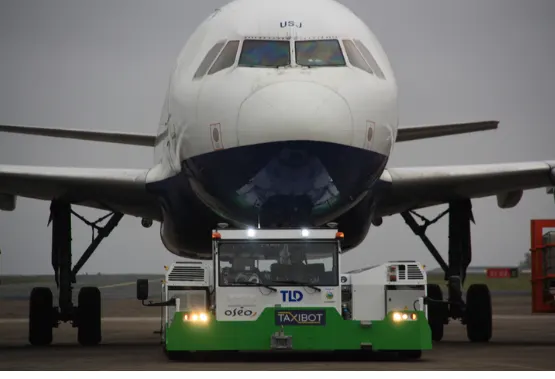
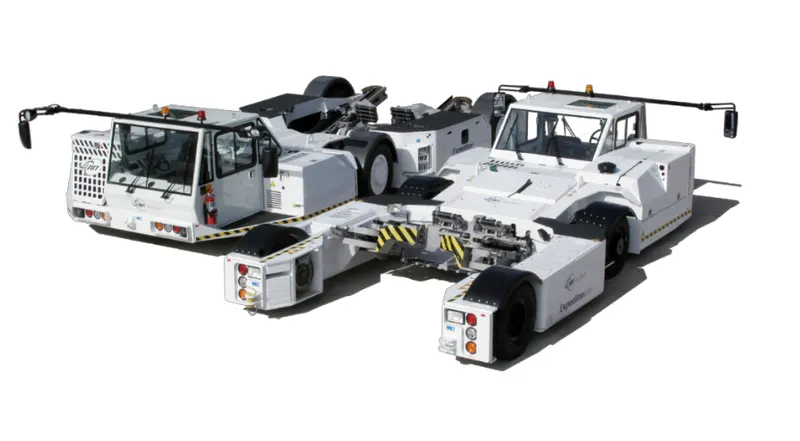
- To solve this kind of issue we use a towing vehicle which helps to tow the vehicle in reverse direction and it will be tugged until it reaches a safe place and from there onwards airplane will move by itself for further take off.
4.Que:
The aircraft is in parking place before it goes to the runway the thing is when it needed to fly it needs to come back to the runway to fly. The aircraft can itself move backwords although it is risky for the aircraft and the surroundings it useses the towing systems.
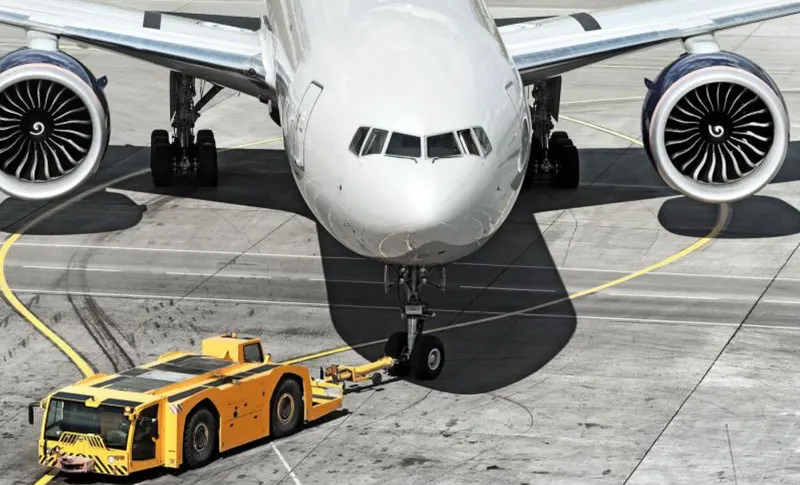
Towing:
The forward movement of an aircraft, usually with engines off, using the power of a specialised ground vehicle attach to or supporting the nose landing gear. it may occur for the movement of both in service and out of service aircraft. Before the aircraft to be towed is moved, a qualified person must be in the flight deck to operate the brakes in case the tow bar fails or become unhooked. The aircraft can then be stopped, preventing damage. Towing aircraft can be a hazardous opearation, causing damage to the aircraft and injury to personnel, if done recklessly or carelessly. The aircraft can then be stopped, preventing possible damage. some types of tow bars available for general use can be used for many types of towing opeartions.
After the vehicle is taken to run way it uses taxing to move the aircraft on the runway.
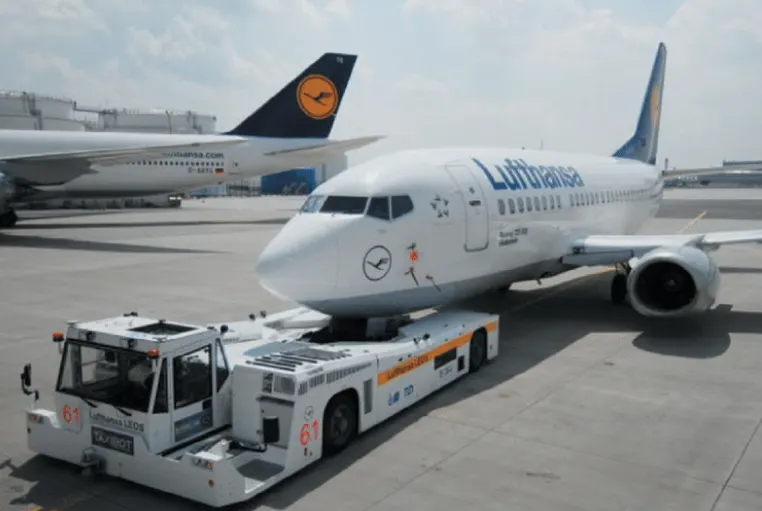
Taxiing:
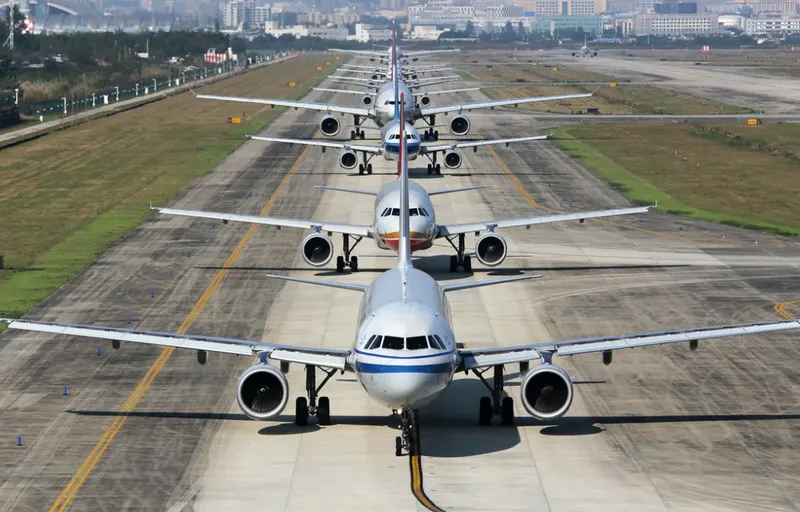
Taxiing refers to the movement of an airplane while on the runway is the movement of an aircraft on the ground, under its own power, in contrast to towing or pushback where theaircraft is moved by a tug. The aircraft usually moves on wheels.
5.Que:
Take off power:
For light aircraft,usually full power is used during takeoff. large transport category aircraft may use a reduced power for takeoff, where less than full power is applied in order to prolong engine life,reduce maintenance cost and reduce noise emission. in some emergency cas, the power used can then be increased to increase aircraft performance. before takeoff, the engines particularly piston engine, are routinely run up at high power to check for engine-related problems.
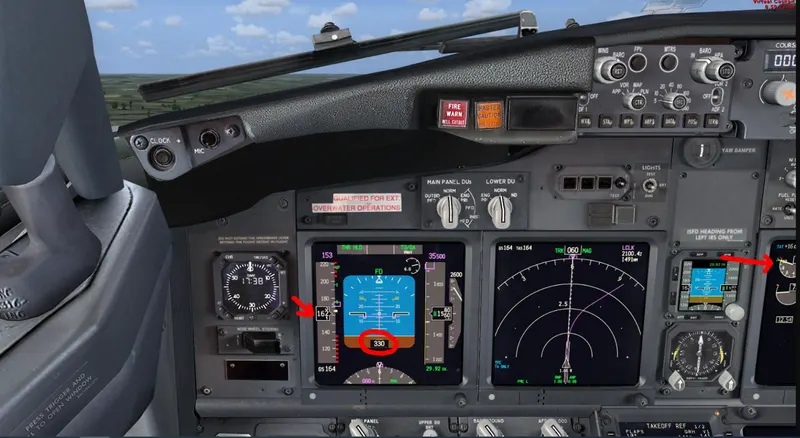
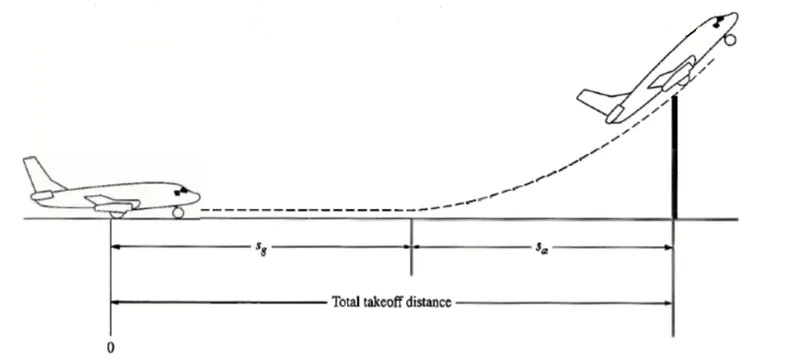
The speed needed for takeoff are relative to motion of the air. a headwind will reduce the ground speed needed for takeoff as there is a greater flow of air over the wings. Typical takeoff air speed for jetliners are in range of 240-285km/h. light aircraft,such as cessna 150, take off at around 100 km/h. ultralights have even lower takeoff speeds. for a given aircraft, the takeoff speed is usually dependent on aircraft weight, the heavier the weight, the greater speed needed. some aircraft are specifically designed for short takeoff and landing ,which they achieve by becoming airborne at very low speeds.
Tyre Design:
when it comes to safety,tyres are one of the most important components of aircraft. They help to absorb the shock of landing and provide cushioning. it also provides the necessary traction for braking and stopping of an aircraft. an aircraft tyre is designed to withstand extremely heavy loads while landing, take off, taxing, and parking. The number of wheels required for aircraft increases with the weight of aircraft, as the weight of the aeroplane needs to be distributed more evenly.
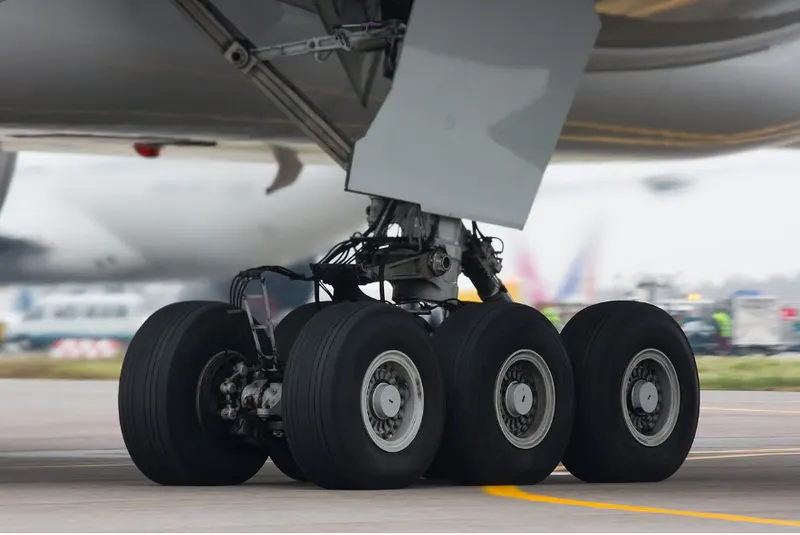
Design and construction of aircraft tyre:
carcass piles are used to form the tire. they are sometimes called causing piles. an aircraft tyre is constructed for the purpose it serves.
1.They support the weight of an aircraft while it is on the ground.
2.it also provides the necessary traction for braking and stopping of an aeroplane.
3.Tyre also helps to absorb the shock of landing and provide cushioning the roughness of takeoff,roll-out,and taxi operations.
Aircraft Tyre construction:
Let's go through some technical aspects of the tyre.
Retreading- Retreading is method of restoring a worn tyre by renewing the tread area or by renewing the tread area plus one or both sidewalls. Repairs are included in the tyre retreading process.
Load Rating- Load rating is the maximum permissible load at a specified inflation pressure.
Ply Rating- Ply rating is used to identify the maximum recommended load rating and inflation pressure for a specified tyre. it is an index of tyre strength.
speed Rating- The speed rating is the maximum takeoff speed to which the tyre has been tested.
skid depth- skid depth is the distance between the tread surface and the deepest groove as measured in the mould.Aircraft tyres must have an approved speed and load rating and have suffifcient clearance when retracted through landing gear to allow for tyre growth. Tyre growth is the increase in the size of tyre due to centrifugal forces at high speed.
Aircraft tyres may be tube-tyre or tubeless:
Tubeless tyres are more advantageous over tube-tyre. There is no longer the use of tube-type tyre in recent aviation.Nowadays all airliners are using tubeless tyres.Tubeless that are meant to be used without a tube has the word tubeless on the sidewall of the tyre.
Aircraft tyres may be Radial or Bias:
Almost all airliners are using radial tyre. bias is an older design, and its mainly used for road vehicle. Radial tyres have the word RADIAL on the sidewall. radial tires are more expensive than bias-ply tyres.radial tires are in demand because of their lower life cycle cost and long term value.
Are aviation tyres are conductive?
yes, Todays tyres are conductive. Aircraft tyre are manufactured with tread rubber with conducting compounds to permit earthing of static charges.In early days when tyres were not sufficiently conductive, aircraft used to have a conductive strip hanging down from axle of the landing gear. upon landing, this strip would be the first part of the aircraft to touch the earth. This discharges any static electricity accumulated on the outer surfaces of the aircraft.
What is the purpose of chines in aviation tyre:
chine tyre
chines are also called deflectors. chine tyre used on the nose wheel of aircraft,specially fuselage-mounted jet engines it diverts runway water away from the engine inlet.
chines are circumferential protrusions that are moulded into the sidewall of nose tyres that deflect water sideways to help reduce excess water ingestion into the engine. Tyres may have chines on one or both sides depending on the number of nose tyres on the aircraft.
Aircraft Tyre standards:
Each tyre manufacturer produces their own design of the tyre with different tread patterns,wear pattern,wear limit etc, and in some cases different name for the same part of the tyre. But all tyre must meet approved standards before being accepted by the FAA or CAA. All commercial aircraft tyre approved under FAA requirement technical standard order (TSO)c62.A TSO is a minimum performance standard for specified materials, parts, and appliances used on civil aircraft.
Rolling Resistance:
Rolling resistance sometimes called rolling friction or rolling drag, is the force resisting the motion when a body rolls on a surface. it is mainly caused by non-elastic effects, that is, not all the energy needed for deformation of the wheel, roadbed,etc, is recovered when the pressure is removed. Two forms of this are hysteresis losses and permanent deformation of object or the surface. note that the slippage between the wheel and the surface also results in energy dissipation. although some researchers have included this term in rolling resistance, some suggest that dissipation term should e treated separetely from rolling restsance because it is due to applied torque to wheel and resultant slip between wheel and ground, which is called slip loss or slip resistance. in addition, only the so-called slip resistance involves friction, therfore the name''rolling friction''is to an extent a misnomer.
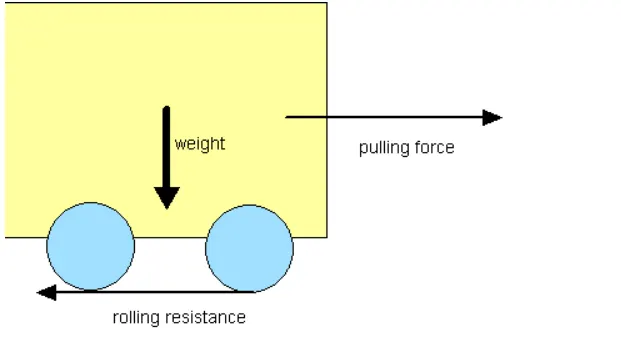
Rolling Resistance force
`f_rr = wrr.m.g`
m= mass of the aircraft
g= gravitational constant = 9.8m/s^2
In analogy with sliding friction, rolling resistance is often expressed as a coefficient times the normal force. This coefficient of rolling resistance is generally much smaller than the coefficient of sliding friction.
Tyre pressure:
Aircraft tires generally operate at high pressures, up to 200 psi(14 bar:1400 kpa) for airliners, and even higher for business jets. The main landing gear on the concorde was typically inflated to 232 psi (16.0 bar), whilst its tail bumper gear tires were as high as 294 psi (20.3 bar). A boeing 777 fully loaded weights around 700,000 pounds and has fourteen tires.
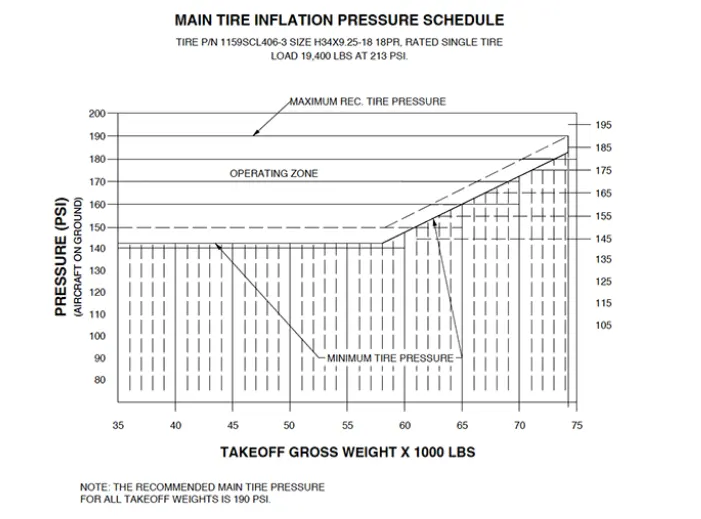
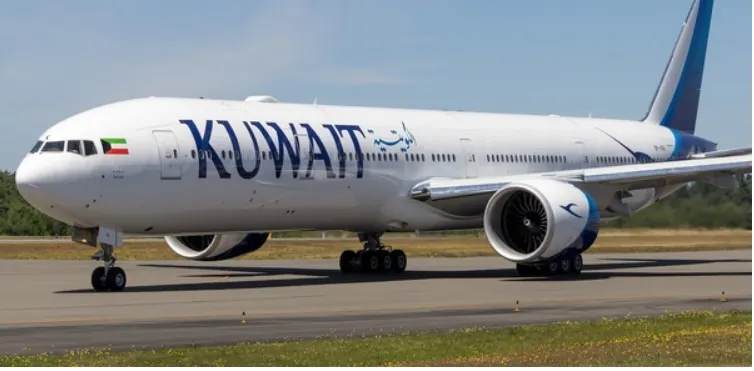
Therefore, if each of those tires is reacting roughly the same force, then that is 50,000 pounds per tire.
Brakes force:
Stopping an aircraft landing at 180-200 mph requires a lot of braking force. To do this, the aircraft has brake unit on each of the wheel on the main gear assembly. on landing, pilots should use aerodynamic braking by applying extra back-pressure on the stick or yoke.
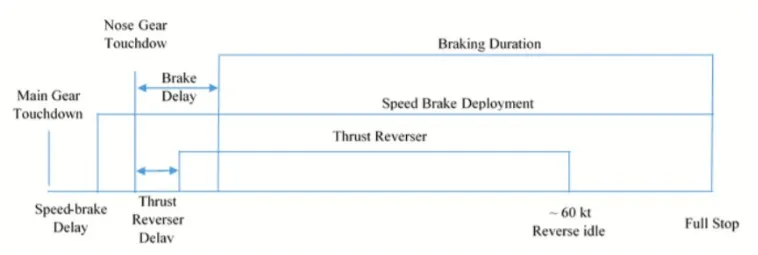
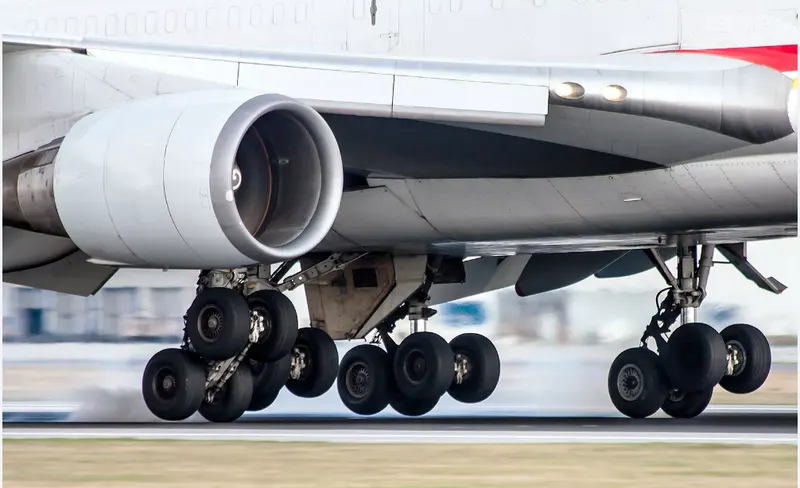
- Aircraft disc brakes in the landing gear, used to brake the wheel while touching the ground.These brakes are operated hydraulically or pneumatically. In most modern aircraft they are activated by the top section of the rudder pedals. in some older aircraft the bottom section is used instead. levers are used in a few aircraft are capable of differential braking.
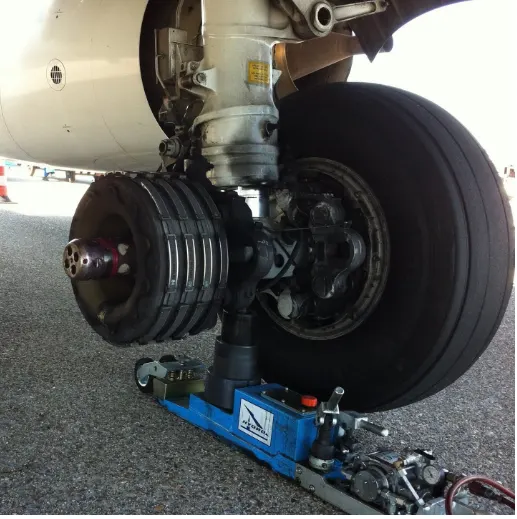
- Thrust reversers: That allow thrust from the engines to be used to slow the aircraft.
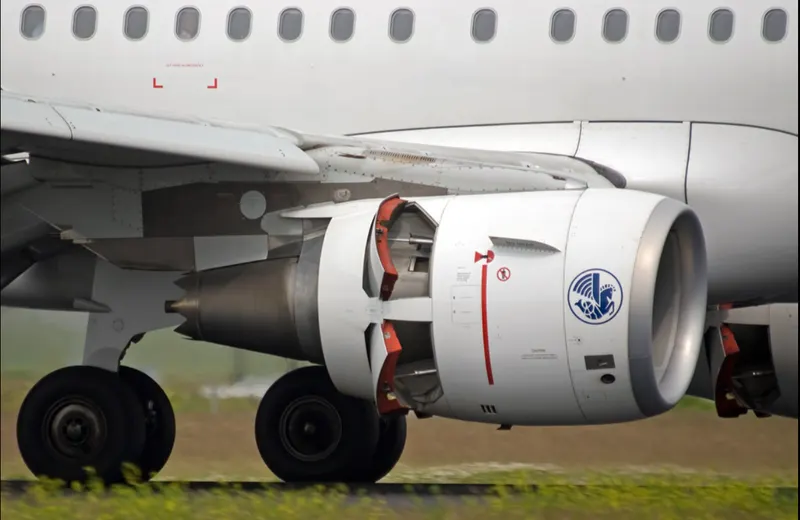
- Air brakes: It is dedicated flight control surfaces that work by increasing drag.
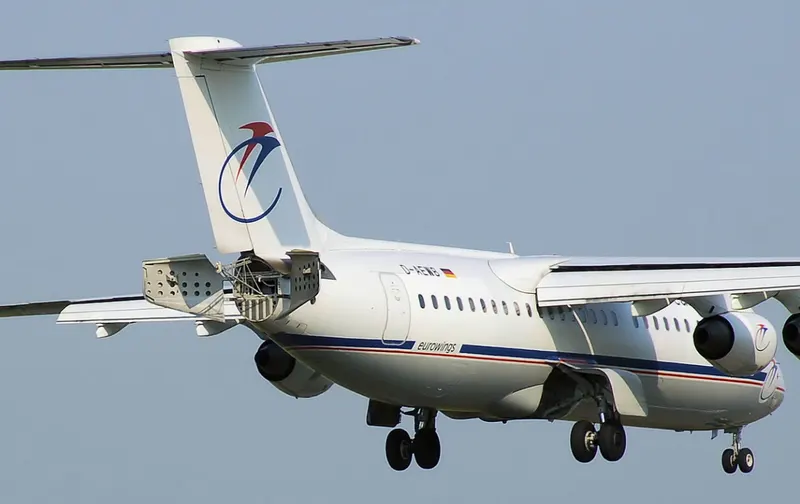
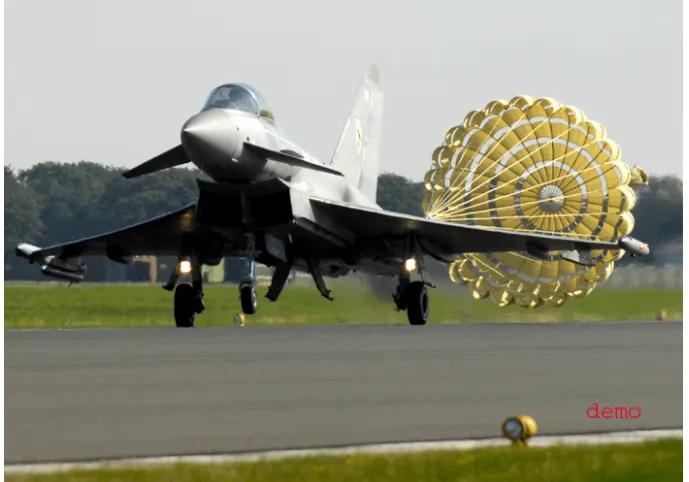
- Drogue parachutes:It is used by several former and current military and civilian aircraft (include the American B-52 and the soviet Tu-134 and Tu-144)and in the space shuttle.
6.Que:
To push or pull an aircraft by a towing vehicle is have three types of forces will act on that vehicle.
Those are
- Rolling resistance force
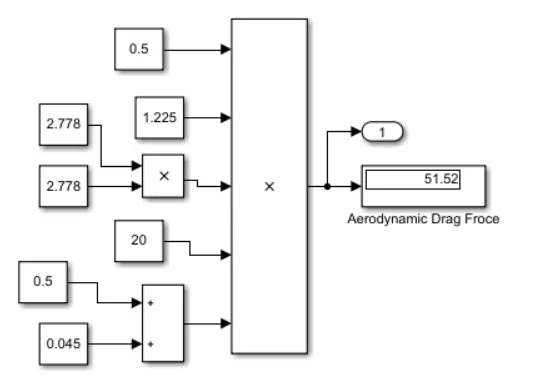
- Aerodynamic drag force
- Hill climbing force.
push/pull power calculation of towing vehicles:
let's assume,
Towing vehicle mass = 50000 kg
Aircraft mass = 183700kg
Total mass of the vehicle = (50000+183700) = 233700kg
speed of the vehicle(v) = 10 km/hr = 2.77m/s
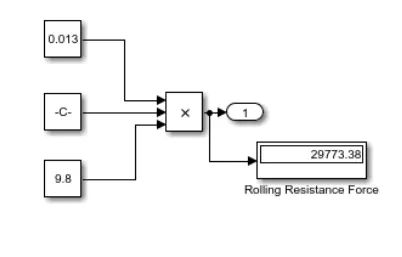
Rolling Resistance force
`F_rr = wrr.m.g`
=0.013.233700.9.8
=29,773.38N
Total power
=`F_te.v/1000`
=82.84KW
B).
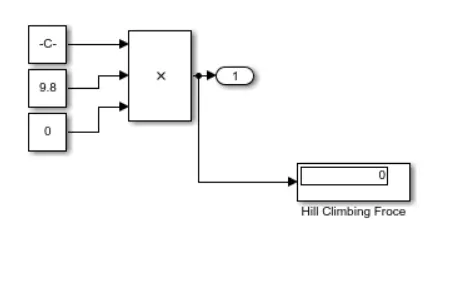
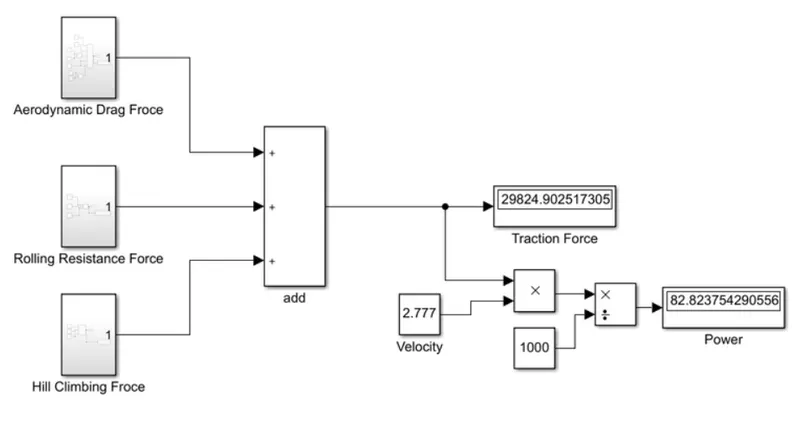
Model for calculated force and power using simulink.
Rolling resistance force
Hill climbing force
Aerodynamic drag force
Main model:
7.Que:
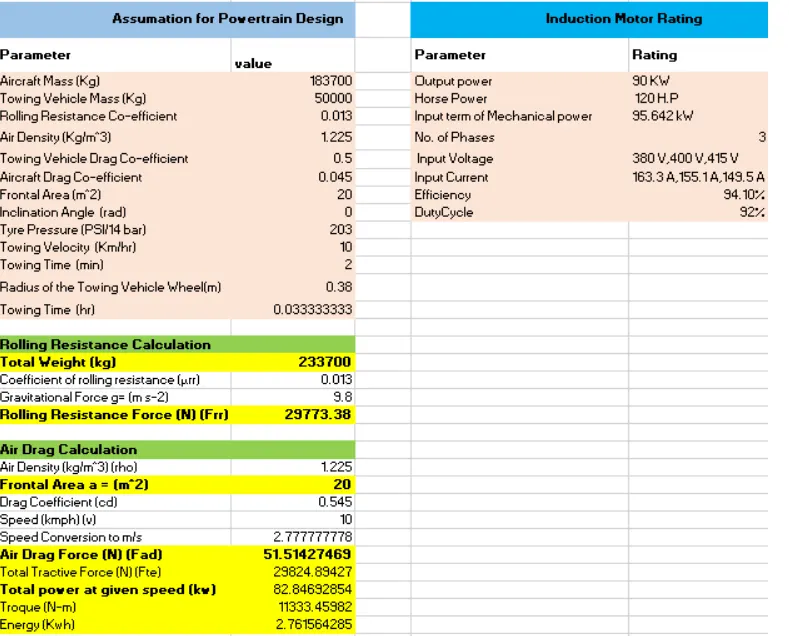
Assumption for powertrain design
Parameter value
1.Aircraft mass 183700kg
2.Towing vehicle mass 50000kg
3.Rolling resistance co-efficient 0.013
4.Air density 1.225kg/m^3
5.Towing vehicle drag co-efficient 0.5
6.Aircraft drag co-efficient 0.045
7.frontal area 20m^2
8.Inclination angle 0 rad
9.Tyre pressure 203 PSI/14bar
10.Towing velocity(v) 10km/hr=2.778m/s
11.Towing Time(t) 2 min
12.Radius of the Towing vehicle wheel 0.38
Therefore from the above model,we have calculator the traction force=29824.8927 N
Power = force* velocity
= 29824.8927 . 2.778
P = 82.84kw
as we know torque(T)=force(f)*wheel radius(r)
T= 2984.9025 . 0.38
T = 11333.45N-m
Required energy(E) for towing application based on the assumed time, that is E = p*t
E = 82.82.(120/3600)
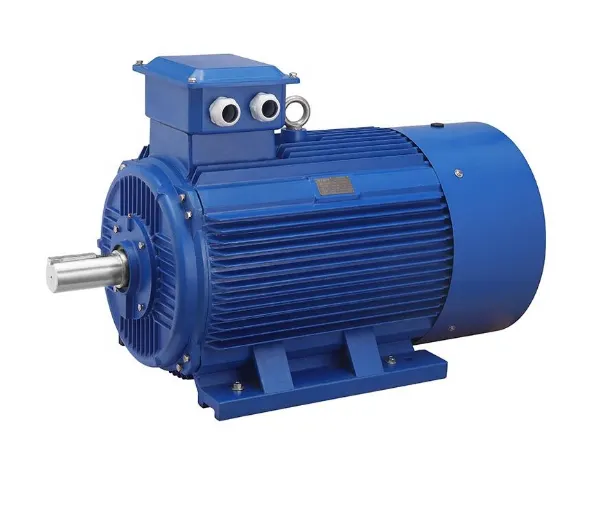
for this application an induction motor or a BLDC can be used with a proper gear system.
Induction motor rating
Parameter Rating
1.output power 90 kw
2.horse power 120hp
3.input term of mechanical power 95.642kw
4.no of phases 3
5.input voltage 380v,400v,415v
6.input current 163.3A,155.1A,149.5A
7.efficiency 94.10%
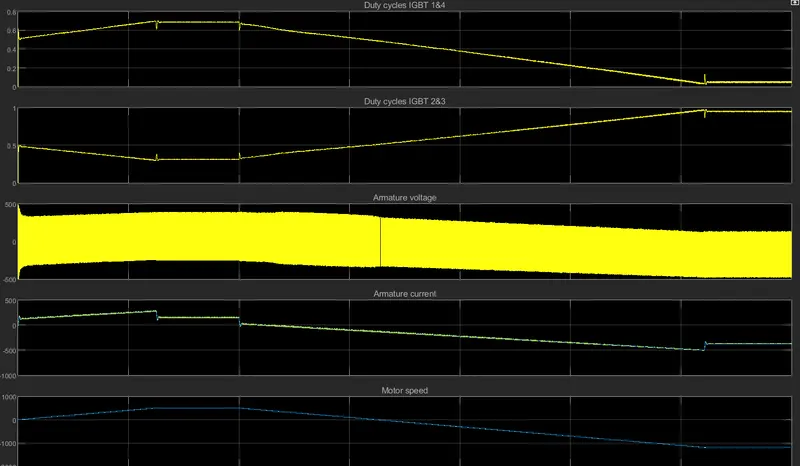
The motor output power is the input power of the towing vehicle so to obtain maximum speed , the duty cycle needed is calculated as below.
Duty cycle = output power/input power
=82.82/90 .100
92%
The duty cycle range to control the aircraft speed from zero to highest is from 0 to 92%
Main model:
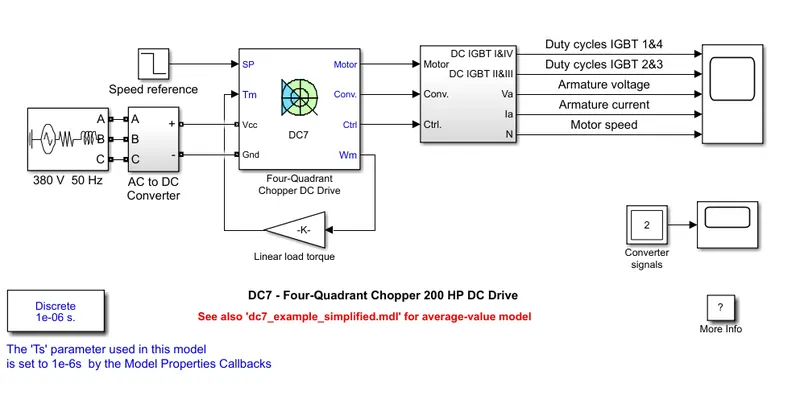
Result:
Block diagram of powertrain for towing vehicle:
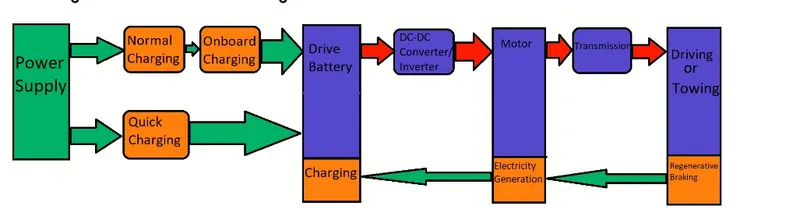
Electric vehicle consist of a battery, connected to an electric motor via an inveretr and a motor controller. as automotive batteries generally operate on DC current, while the grid operate ac, a converetr is needed to transfer power to the battery. one of the key advantages of an EV is its much higher levels of energy efficiency.
B.To design the parameters in excel sheet.