Powertrain for aircraft in runways
Aim:
Part-A
1. Search and list out the total weight of various types of aircraft.
2. Is there any difference between ground speed and airspeed?
3. Why is it not recommended to use aircraft engine power to move it on the ground at the Airport?
4. How an aircraft is pushed to the runway when it's ready to take off?
5. Learn about take-off power, tire design, rolling resistance, tire pressure, and brake forces when landing?
Part-B
6. A. With necessary assumptions, calculate the force and power required to push / pull an aircraft by a towing vehicle.
B. Develop the model for the calculated force and power using Simulink.
7. A. Design an electric powertrain with the type of motor, it’s power rating, and energy requirement to fulfill aircraft towing application in Simulink. Estimate the duty cycle range to control the aircraft speed from zero to highest. Make all required assumptions. Prepare a table of assumed parameters. Draw a block diagram of the powertrain.
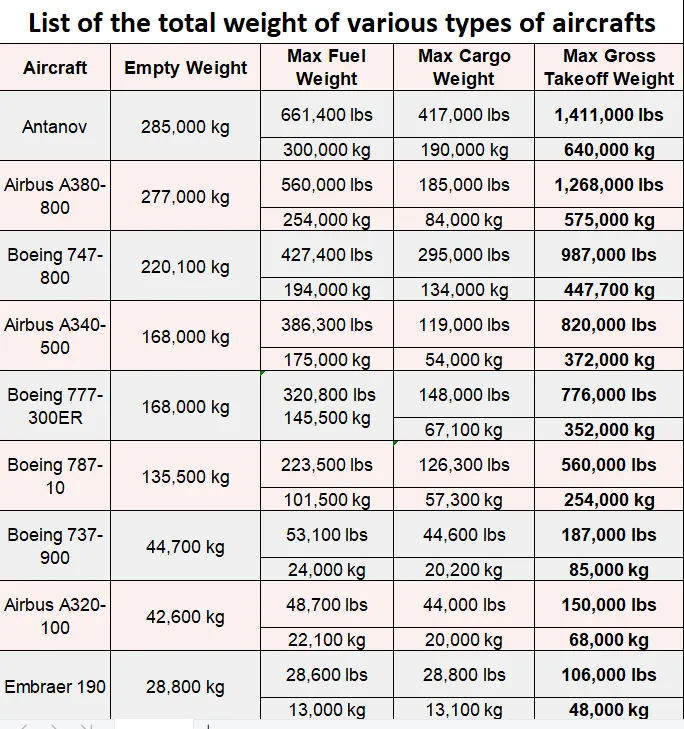
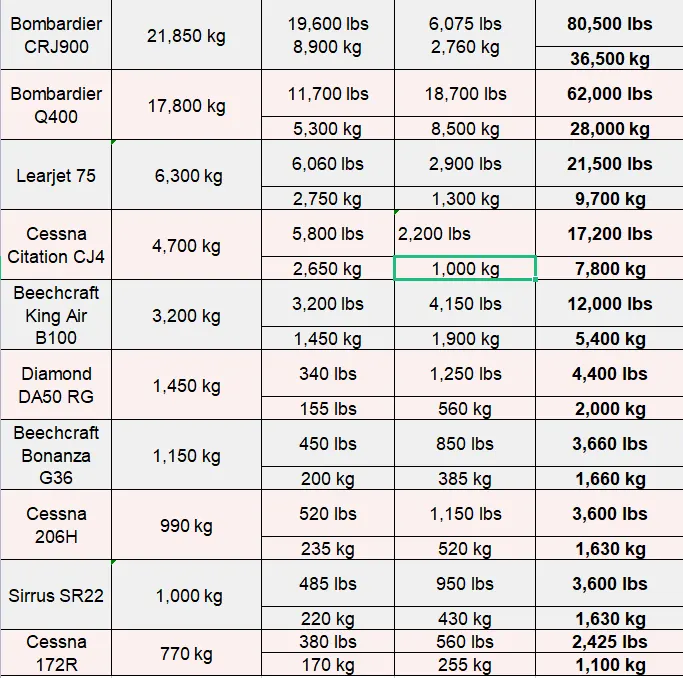
1. Search and list out the total weight of various types of aircraft.
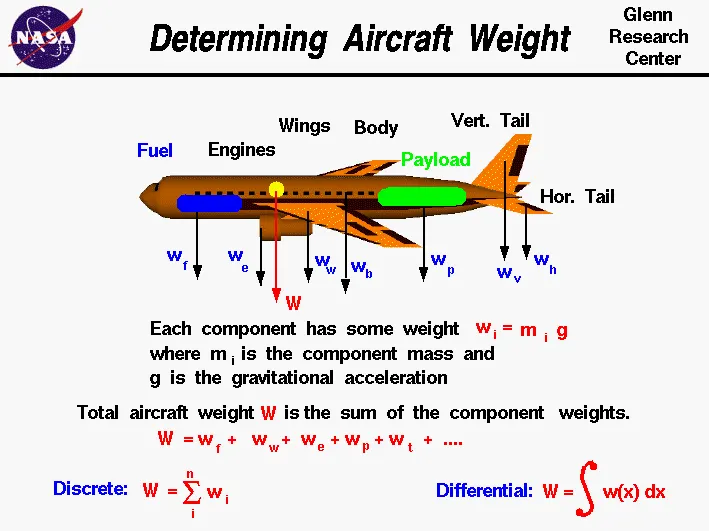
Weight is generated by the gravitational attraction of the earth on the airplane. Each part of the aircraft has a unique weight and mass, and for some problems, it is important to know the distribution. But for total aircraft maneuvering, we only need to be concerned with the total weight and the location of the center of gravity. The center of gravity is the average location of the mass of any object.
B. Is there any difference between ground speed and air speed?
Airspeed:
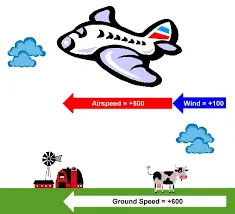
The important quantity in the generation of lift is the relative velocity between the object and the air, which is called the airspeed. Airspeed cannot be directly measured from a ground position but must be computed from the ground speed and the wind speed. Airspeed is the vector difference between the ground speed and the wind speed.
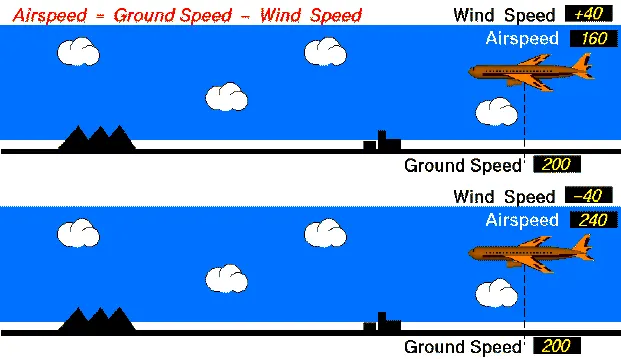
Airspeed = Ground Speed - Wind Speed
On a perfectly still day, the airspeed is equal to the ground speed. But if the wind is blowing in the same direction that the aircraft is moving, the airspeed will be less than the ground speed.
Ground Speed
For a reference point picked on the ground, the aircraft moves relative to the reference point at the ground speed. Ground speed is also a vector quantity so a comparison of the ground speed to the wind speed must be done according to rules for vector comparison
Airspeed vs. Ground Speed
As mentioned above, true airspeed is simply the speed at which an aircraft is moving relative to the air it is flying in. As such, it’s also the speed at which the air is flowing around the aircraft’s wings.
Ground speed, on the other hand, is the aircraft’s speed relative to the ground. One thing that should be noted here is that it’s its horizontal rather than vertical speed – an aircraft climbing completely vertically would have a ground speed of zero.
In other words, while airspeed is what determines whether there is enough airflow around an aircraft to make it fly, ground speed is what determines how fast an aircraft will get to its destination.
C. Why is it not recommended to use aircraft engine power to move it on the ground at Airport.
The following reason is:
- Size of the aircraft,so there won't be any wear and tear, because the pilot cannot be watching the entire surrounding.
- Loud noise because of the powerful engine.
- saving fuel
- They need a lot of force to move from halt because of the weight.
- They can halt the aircraft at a precise location without any hassle.
D.How an aircraft is pushed to the runway when it's ready to take off?
Aircraft is pushed to the runway either by taxing or towing.
- Taxing is the ground movement of aircraft with the help of engine power.
- It is the movement of the aircraft on the ground on the yellow line, under its own power while on the surface. The taxing has a speed limit for moving the aircraft.
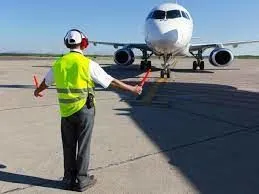
- Towing is the forward movement of aircraft with the help of a Towing tractor with aircraft engines not running.
- The forward movement of the aircraft usually with engines off using the power specialized ground attached or supporting the nose of landing gear.
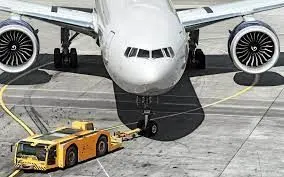
- Pushback is the reverse movement of aircraft with the help of a towing tractor generally away from the terminal building (since aircraft engines cant pushes the aircraft in a reverse direction).
5. Learn about take-off power, tyre design, rolling resistance, tyre pressure, brake forces when landing.
take-off power:
On take-off, in order to position the aircraft to a safe height away from terrain and obstacles (i.e. a flight path of maximum height and minimum ground distance desired), the engine thrust is set to a high ‘take-off power’ setting (although this is not necessarily full power) and the aircraft attitude is pitched up to maintain a specific speed (usually in the region of V2 + 15kts). Once the ‘safe height’ is reached the engine thrust can therefore be reduced to a more appropriate (i.e. efficient) setting and the aircraft flight path can be changed to a more appropriate (i.e. efficient) flight path.
In order to achieve that described above and also to provide minimum noise disturbance to the area surrounding the airport, regulatory procedures require aircraft to fly one of the two profiles given below during every departure. The aerodrome briefing pages will state which one of the two profiles is to be flown at each particular airport:
- At 1,500ft aal reduce thrust to climb power and accelerate the aircraft towards 250 knots, retracting flaps and slats.
- At 1,500ft aal reduce thrust to climb power maintaining V2 + 15kts. At 3,000ft accelerate the aircraft.
Tyre design:
Carcass plies are used to form the tire. They are sometimes called casing plies. An aircraft tyre is constructed for the purpose it serves.
- They support the weight of an aircraft while it is on the ground.
- It also provides the necessary traction for braking and stopping of an aeroplane.
- Tyre also helps to absorb the shock of landing and provide cushioning the roughness of takeoff, roll-out, and taxi operations.
Unlike an automobile or truck tyre, it does not have to carry a load for a long period of continuous operation. However, an aircraft tyre absorbs the high impact loads of landing, and also it’s operating at high speeds for a short time when required.
Aircraft tires are amazing when you think about it. The typical airliner tire can handle a 38-ton load. It can meet the ground 500 times before needing a re-tread, a refresh it can take on seven times in its life.
A Boeing 777 uses 14 tires, Airbus' A380 carries 22, demands 32. The key to their remarkable durability is maximizing the air pressure, says Lee Bartholomew, lead test engineer for Michelin Aircraft Tires. The high-flying rubber is typically inflated to 200 psi, roughly six times what you put in an automobile tire, and the tires on an F-16 fighter are pumped to 320 psi. “It's really pressurized air that's so strong,” he says.
- Aircraft disc brakes in the landing gear is used to brake the wheel while touching the ground.these brakes are operated hydraulically and pneumatically.
- Air brakes are dedicated flight control surfaces that works by increasing drag.
- Large drouge parachutes are used by several former and current military and civilan aircraft.
Part-B
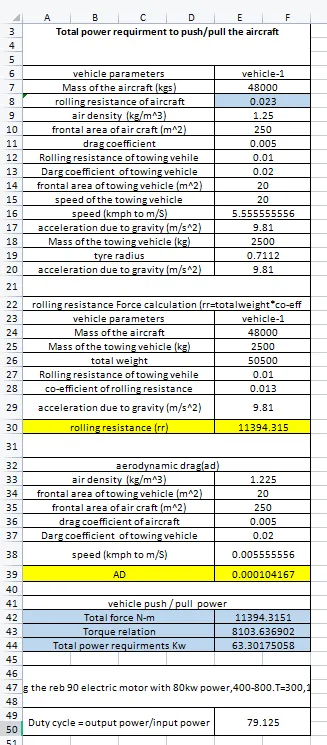
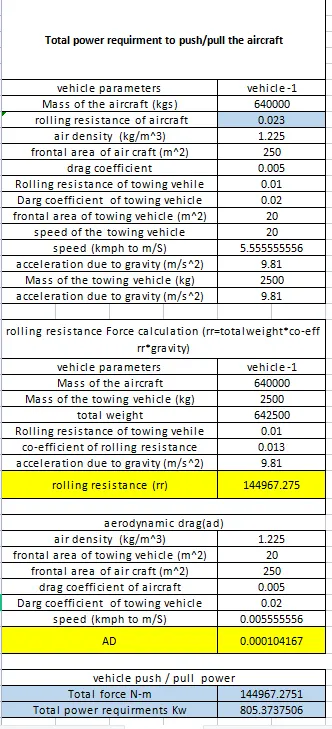
6. A. With necessary assumptions, calculate the force and power required to push/pull an aircraft by a towing vehicle.
For this equation I have done in ms excel and the excel attached below
B. Develop the model for the calculated force and power using Simulink.
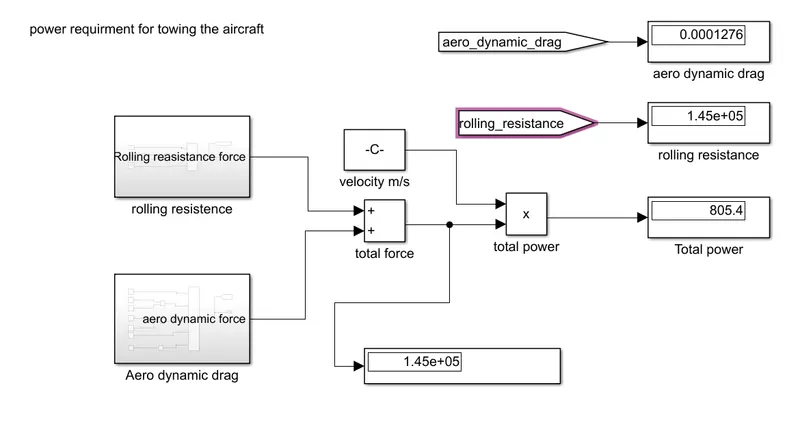
- For find out the total requirements of the vehicle before I can create a two subsystem named as rolling resistance and aerodynamic drag.
- And adding the two systems i can multiplied with power to find the value of power in kw.
Rolling resistance force:
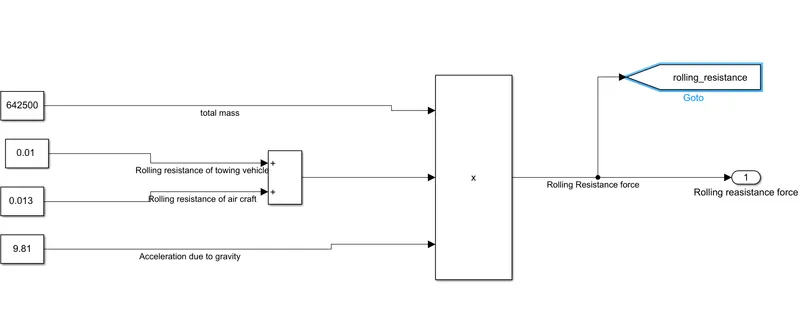
- when i taken the constant block mass rolling resistance and acceleration due to gravity i can multiplied means i got the value of R-R force
Aerodynamic force:
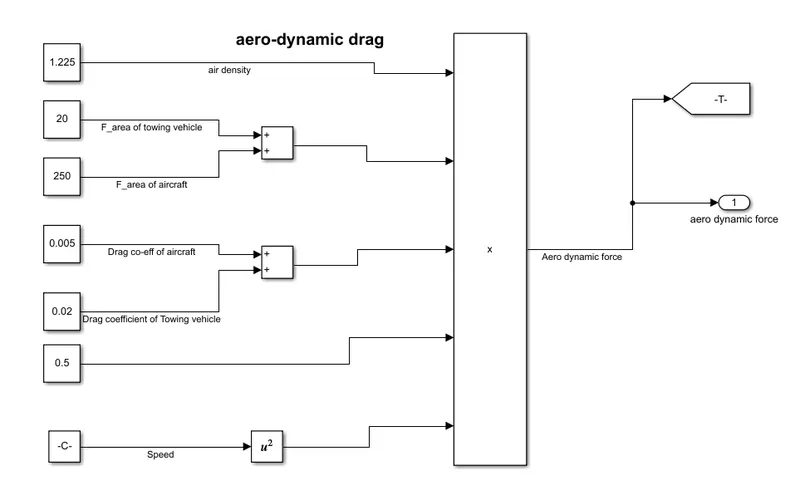
- when i taken the constant block frontal area,aerodynamic drag and air density i can multiply means i got the value of R-R force
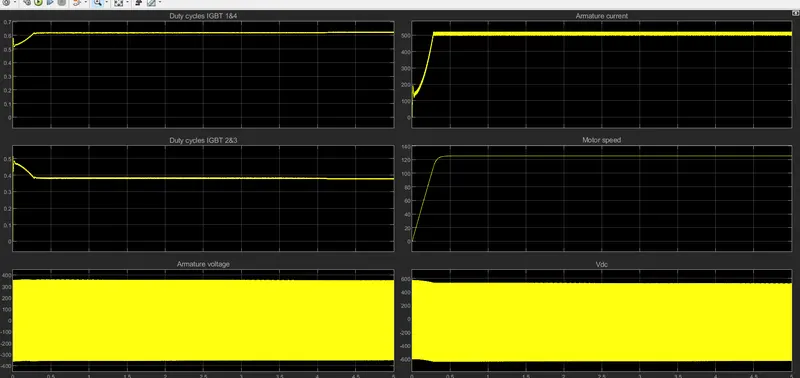
7- A Design an electric powertrain with the type of motor, its power rating, and energy requirement to fulfill aircraft towing applications in Simulink. Estimate the duty cycle range to control the aircraft speed from zero to highest. Make all required assumptions. Prepare a table of assumed parameters. Draw a block diagram of the powertrain.
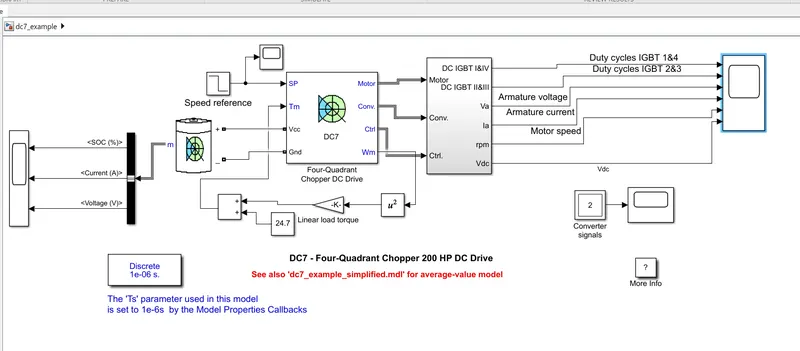
Result explanation:
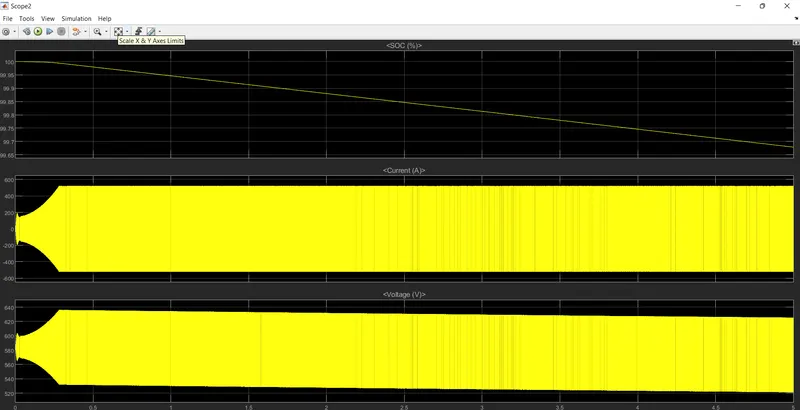
battery result:
Powertrain blockset:
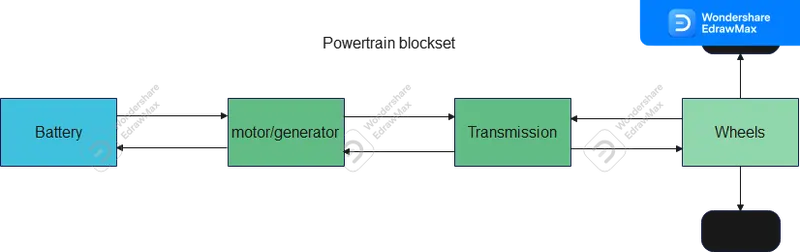
Table: