Project-1: Powertrain for aircraft in runways
1.
Empty weight of the aircraft is the weight of the plane without any fuel or cargo including passengers.
Gross weight of the aircraft is the total aircraft weight during flight or during ground operation i.e. anytime.
The various types of aircraft are as follows:
Turboprop aircraft:
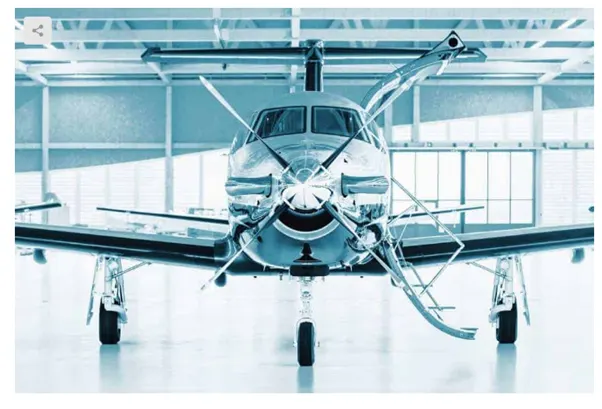
The empty weight of this kind of aircraft is around 508kg. They are well suited to fly in range of 600- 1000 miles. This kind of aircraft mainly use as a private jet.
Piston Aircraft:
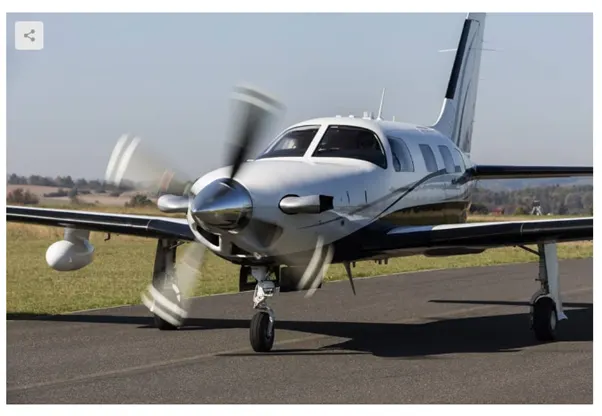
The weight of this aircraft is around 509kg. They are smaller than the turboprop but has a quite resemblance with it. They cover much less distance about 300-400 miles.
Jets:
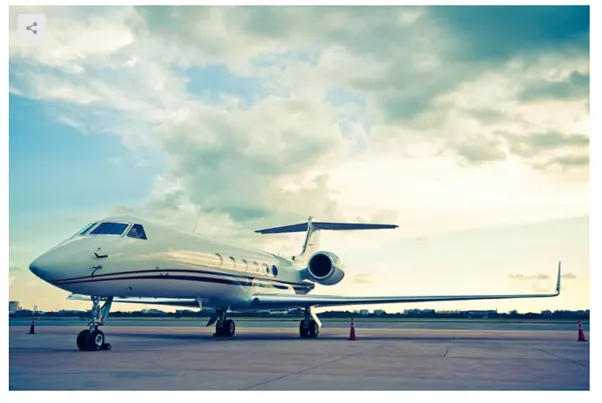
This aircraft weighs around 41000kg. They are known for speed and power compared to the normal aircraft. They can even go to speed higher than sound.
Light jets:
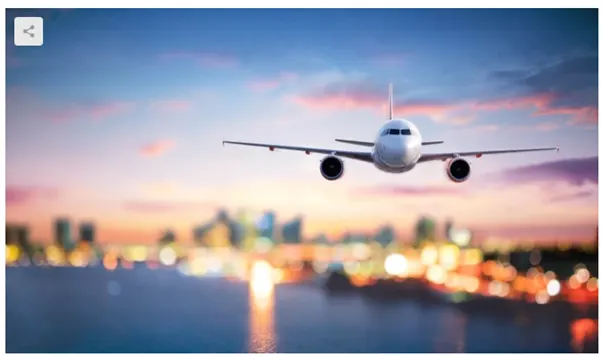
They weighs around 5670kg. They are most common type of chattered aero planes among the business owners.
Mid-size jet:
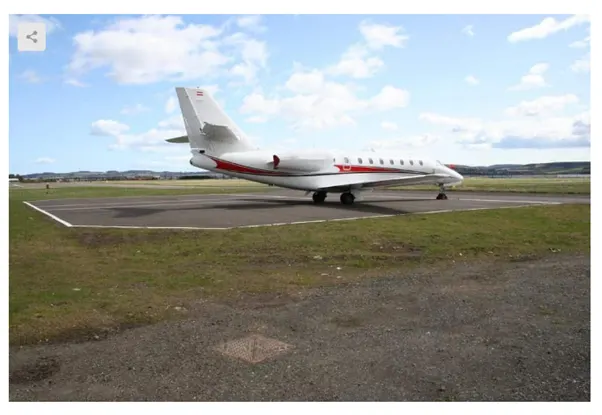
They weighs in range if around 9700 – 18200 kg. A midsize jet is a little bigger than light jets and are attractive choice for the wealthy passengers.
Jumbo jets:
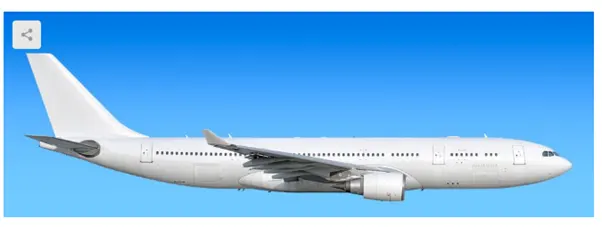
They weighs around 187500 kg. These jets are ultimate in increases space and luxury. They are strictly for long hauls.
Regional jets:
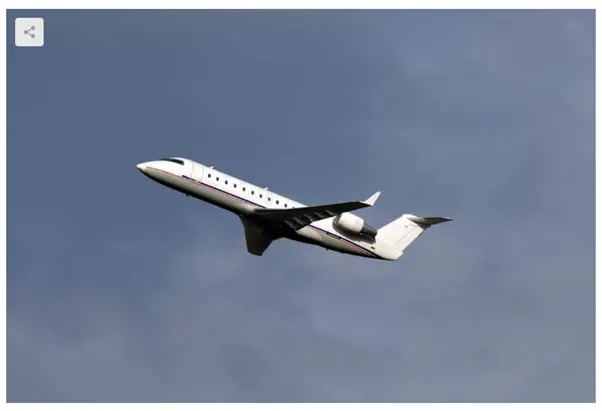
They weighs around 66000-110000 kg. This aircraft is a narrow body aircraft and does not allow intercontinental haul.
Airbus:
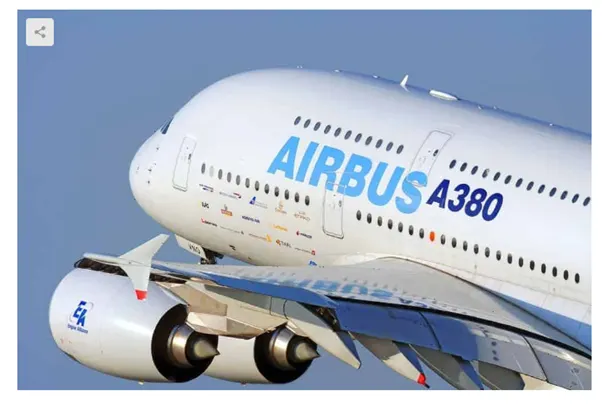
This kind of airplanes weighs around 575000 kg. They are European manufacture of airplanes that is registered in the Netherland.
Concorde:
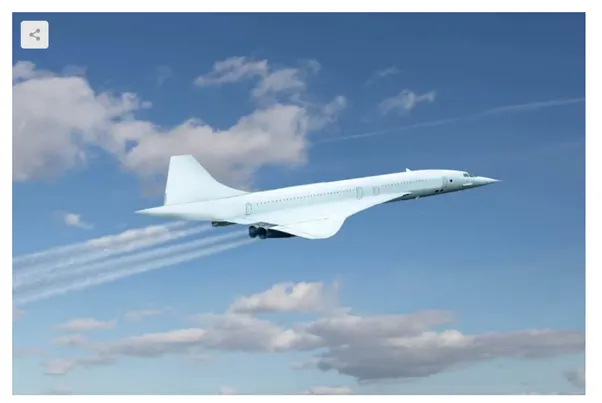
This planes weighs around 78700 kg. This is one of the most iconic aero planes in history. It was legendary for its speed, the sound that it made while flying and its pointed nose design. However they are not operational anymore because of its thondorous sound.
Tupolev-Tu-144:
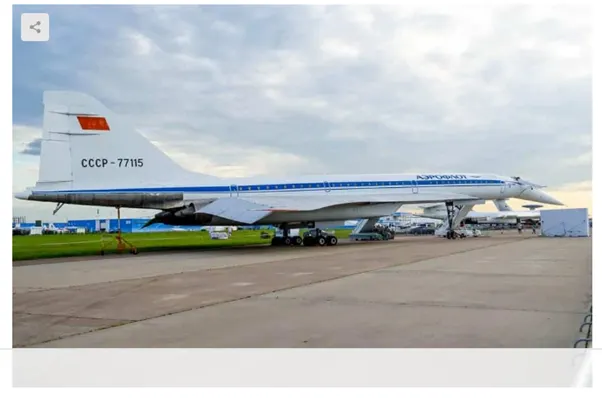
This kind of aircraft weighs 85000kg. They are not as iconic as concorde but they are one of the two supersonic aeroplanes operational in history.
Military Aircraft:
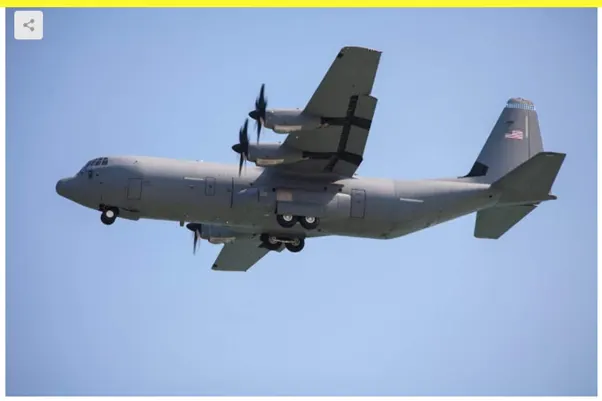
They weighs approximately 75000 kg. Military aircraft refers to fixed wing or rotary wing which are used by armed forces.
Fighter Jets:
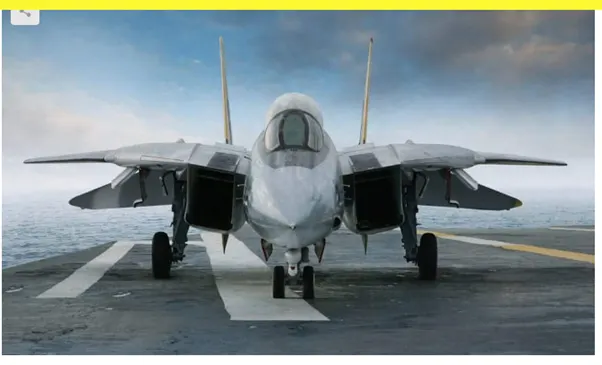
They usually weighs around 20500-36500 kg. The primary role of this aircraft is to destroy the enemy aircraft in a air to air combat. This is a most common type of aircraft use in combat.
Water bomber:
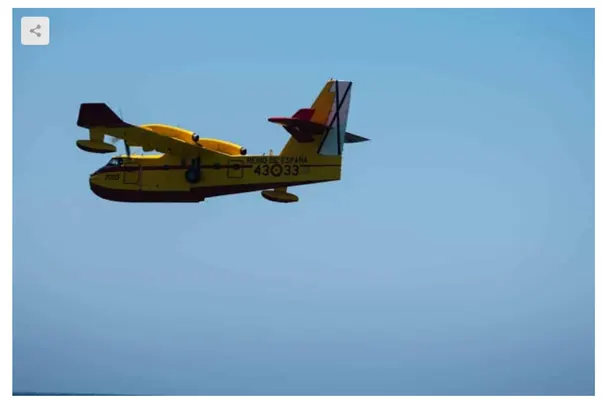
They weighs around 13600 kg. They hover over the enemy target and drop their payload. They usually carry bomb, toredoes. They can alos carry cruise missiles.
Maritime Patrol:
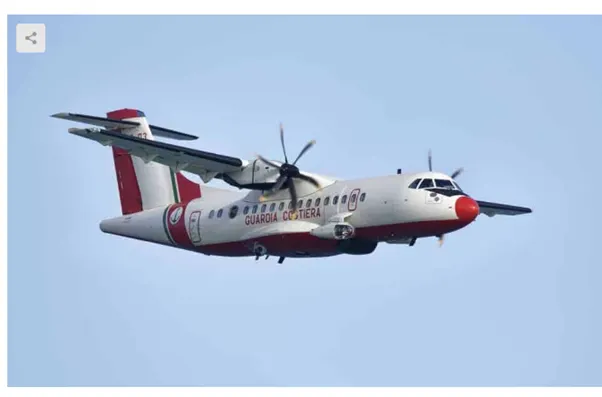
They usually weighs 85200 kg. They are fixed wing aircraft designed for long time operation over water. They are usually used by the military for search operation, rescue operation .etc.
Military transport:
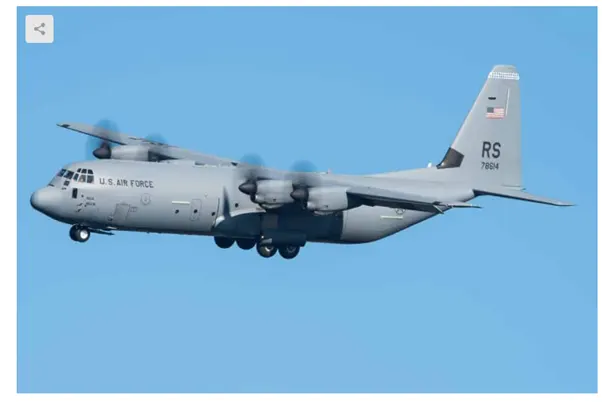
They weighs around 30000 kg. They are used by military for transporting the troops, food and ammunition supply etc.
Reference: https://lemonbin.com/types-of-airplanes/
2.
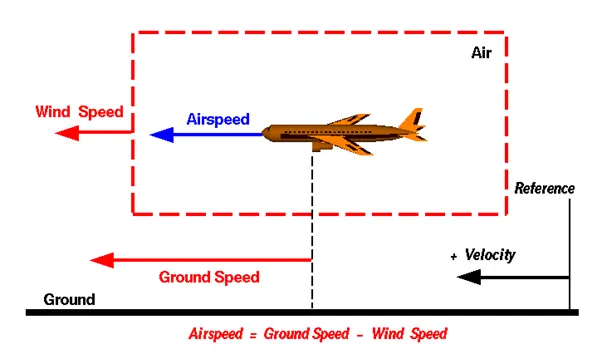
Ground speed
Ground speed is the horizontal speed of the aero plane relative to the Earth surface. It is a vector quantity. An aircraft diving vertically have a zero ground speed (which is practically impossible).
Air speed
Air speed is the vector difference of the ground speed and the wind speed. On perfectly still day the air speed is equal to the ground speed. If the wind is blowing in the same direction then the air speed will be less than the ground speed and vice-versa.
3.
Towing is coupling 2 or more objects together to be pulled by a designate sources. Although most of the aircraft are capable of moving backward on the ground, it is preferred to move the aircraft with help of trucks. It is because
- The resulting jet prop might cause a damage to the terminal building or equipment.
- Engine close to the ground may blow sand or debris forward and they get suck by the engine and causing damage to the engine.
- It is easier for the driver to see the surrounding than the pilot with the limited vision.
- The plane noise are very loud. It may substantially add up when no. of planes are moving together.
- It saves fuel. Pushback truck are used to push the plane upto the runway to save fuel and the airport surrounding of the excess emissions.
A pushback is there preferred to move back or on the ground to the runway.
4.
Aircraft is pushed in a runway is known as Taxing. Taxing is the movement of the aircraft on its own power. It is same as Towing but with its own power.
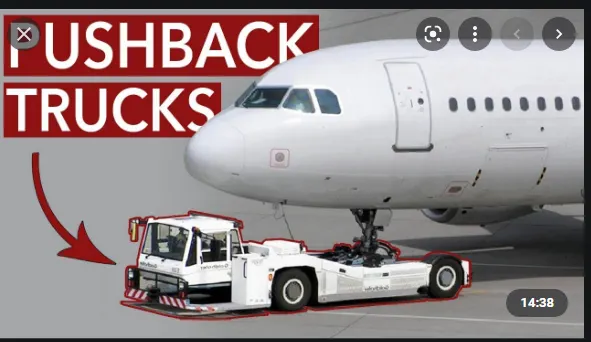
The pushback truck lifts the front wheel of the aircraft and take the aircraft to the taxiways. Then the truck is removed and all the staff are out of the way and the engines are started one after another.
The power of towing usually comes from aircraft fuel. If it is propeller powered aircraft then the propeller provides the thrust and pulls the aircraft in air. If it is a jet the exhaust air than comes out of the engine will provide a forward motion according to the Newton’s 3rd Law.
5.
Takeoff Power
Takeoff power is the amount of power allowed to produce for short duration of takeoff. This power limited to small time about 5 min for reciprocating engines and about 2-3 min for gas turbines. This may not always the case especially with the reciprocating engines. IT is the brake horsepower developed under sea- level, standard conditions and the engine manifold pressure for the normal takeoff and under the maximum condition of the crankshaft rotational speed. With respect to gas turbine engines, the thrust developed under a static condition at specific altitude and atmospheric condition of the rotational speed of the rotor and the gas temperature approved for the take-off.
The forces involved in the takeoff:
`(dv)/dx=T-D-F/m`
T --- Thrust of propulsion system pushing the aircraft
D --- Aerodynamic Drag that is resisting the aircraft to move
F --- Rolling resistance force of the aeroplane
Tyre design
Carcass piles or casing piles are used to form tires. An aircraft tire is constructed for certain purposes, such as:
- To support the weight of the aircraft.
- For necessary braking and stopping of the aircraft.
- They are also designed to absorb the shock of the landing.
Unlike automobiles it does not have to run for long time but it need to take the massive impact during landing and also its operating at high speed for a short period of time.
Almost all airlines are using radial tires. Radial tires are in demand because of their low life cycle cost and long term value.
Rolling Resistance
Rolling resistance is the resistance offered by the rolling object by friction. They are also called Rolling Drag or Rolling Friction. The rolling resistance is given by:
`F_rr=µ_rr*m*g`
`µ_(rr)`--- Rolling Resistance coefficient.
m ---- Mass of the body
g --- Acceleration due to gravity
Tyre pressure
Tyre pressure is the measurement of how much air present in the pneumatic tyre. It ensures the tyre maintain the correct level of grip on the road surface. It is measure in pound per square inches (psi).
Aircraft tires are generally operates at high pressure upto 200 psi (14 bar) for airliners and even higher for business class.
Brake Force on Landing
Most of the aircraft has a automatic brake system just like the car, this system has Anti-Lock Brake system which prevents the tyre form sliding.
Stopping a 200 tons of aircraft landing at 180kmph requires a lot of brake force. On the aircraft the brake unit is powered by the hydraulic system. An Electrical signal is sent form flight deck to hydraulic actuator. Here the hydraulic fluid at 3000psi is used to force the brake against the wheel to slow it down.
6.
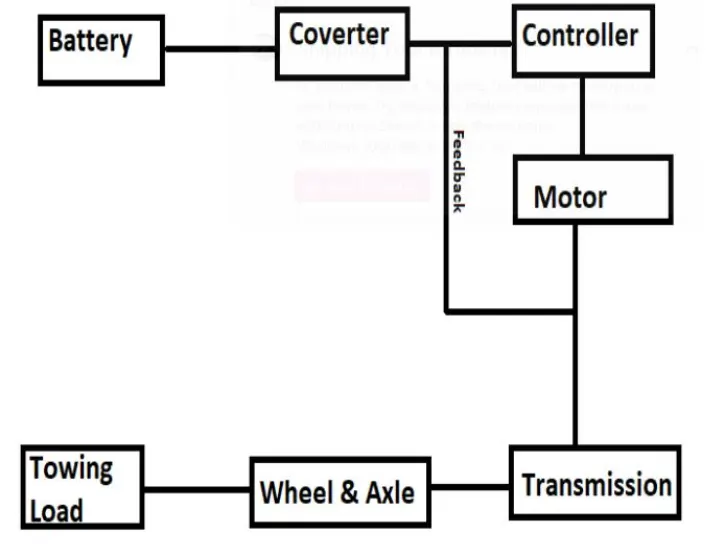
The block diagram of the vehicle with its different parts are shown below:
For calculation of the traction power the following forces are taken into consideration:
Rolling resistance force
`F_RR = µ_RR*m*g`
`µ_(rr)`= 0.004
m = 575000kg
g = 9.81 m/s^2
`F_(rr)`= 0.004 * 575000* 9.81 = 22563 N
Aero-Dynamic Force
`F_(AD) = ½*ρ*C_d*A*v^2`
ρ = 1.225
A = 20m^2
Cd = 0.026
V = 20kmph = 20/3.6 m/s = 5.55m/s
`F_(AD )`= 0.5* 1.225* 0.026*20*5.55^2 =9.635 N
Acceleration Force
F = m* a
a = 0.01 m/s^2
F = 575000 * 0.01 = 5750 N
`F_(traction )=F_(rr)+F_(AD)+ F`
`F_(traction )=22563+9.635+5750=28322.36 N`
Power required for towing = `F_(traction )*v`
= 28322.36 * 5.55= 155.8kW
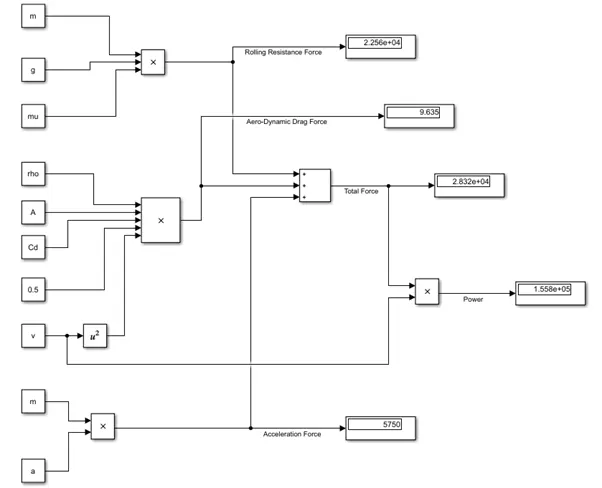
The Simulink model of the above discussion is shown below:
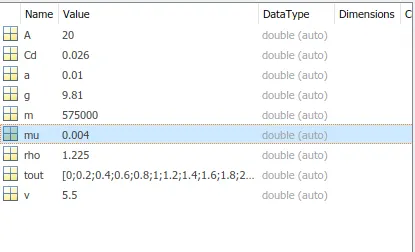
The value of the constants are shown below:
7.
From the above study we see,
Power required for towing = 155.8kW
Force required for the push/pull of the aircraft = 28.322kN
|
Assumed parameter |
Values |
|
Transmission efficiency |
90% |
|
Motor efficiency |
93% |
|
battery capacity |
220kW |
Therefore the required motor power = 155.8 / (0.9*0.93) = 186.14kW.
If the towing operation was done for 10 min i.e. 10/60 = 0.166hr
Energy required for towing = 186.14 * 0.166 = 31.02kWhr
Then the range of duty cycle to control the towing operation from 0 to max is given by
Duty cycle = required power / available power = 186.14/ 220 = 0.85 = 85%