Project-1: Powertrain for aircraft in runways
1. Search and list out the total weight of various types of aircrafts.
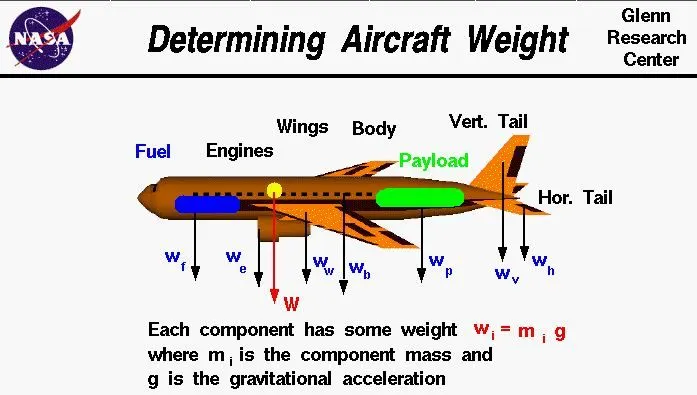
Air craft gross weight:
The aircraft gross weight (also known as the all-up weight and abbreviated AUW) is the total aircraft weight at any moment during the flight or ground operation.
An aircraft's gross weight will decrease during a flight due to fuel and oil consumption. An aircraft's gross weight may also vary during a flight due to payload dropping or in flight refuelling.
At the moment of releasing its brakes, the gross weight of an aircraft is equal to its takeoff weight. During flight, an aircraft's gross weight is referred to as the en-route weight or in-flight weight.
1) Standard Empty Weight
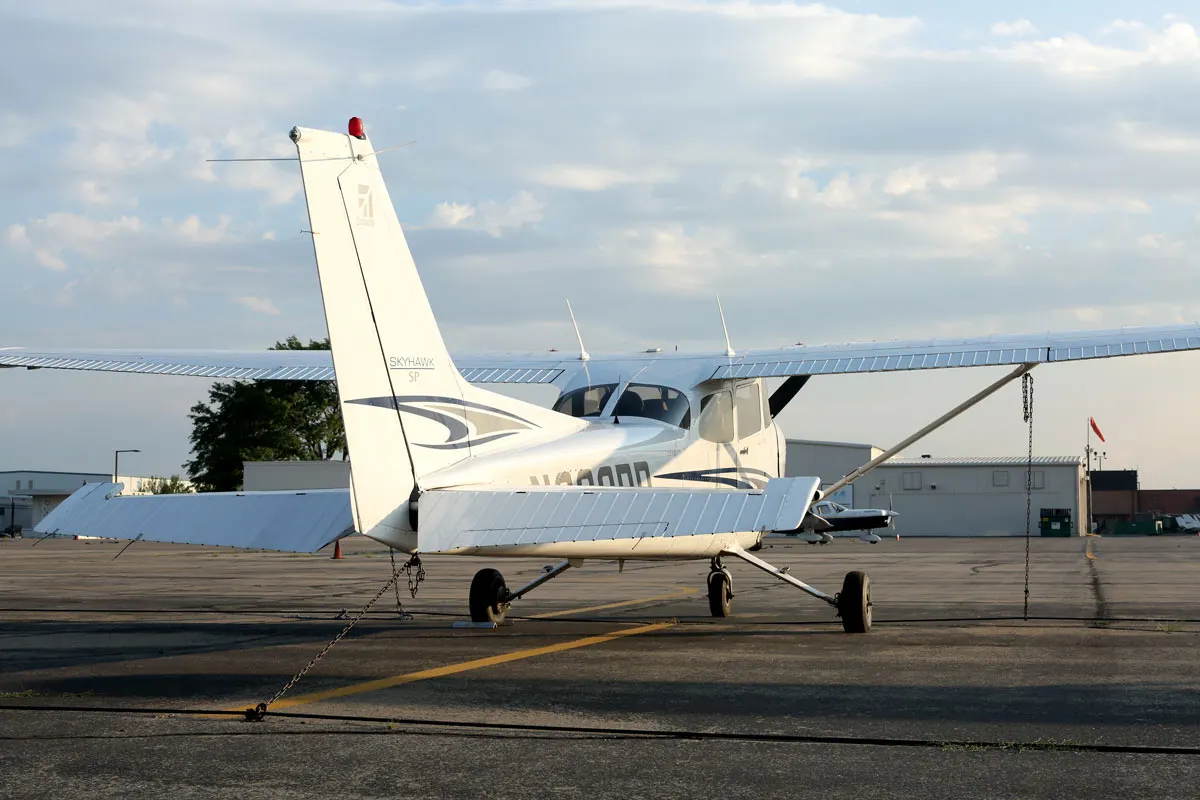
The weight of an empty airplane including unusable fuel, full operating fluids (hydraulic fluids) and full engine oil.
2) Basic Empty Weight
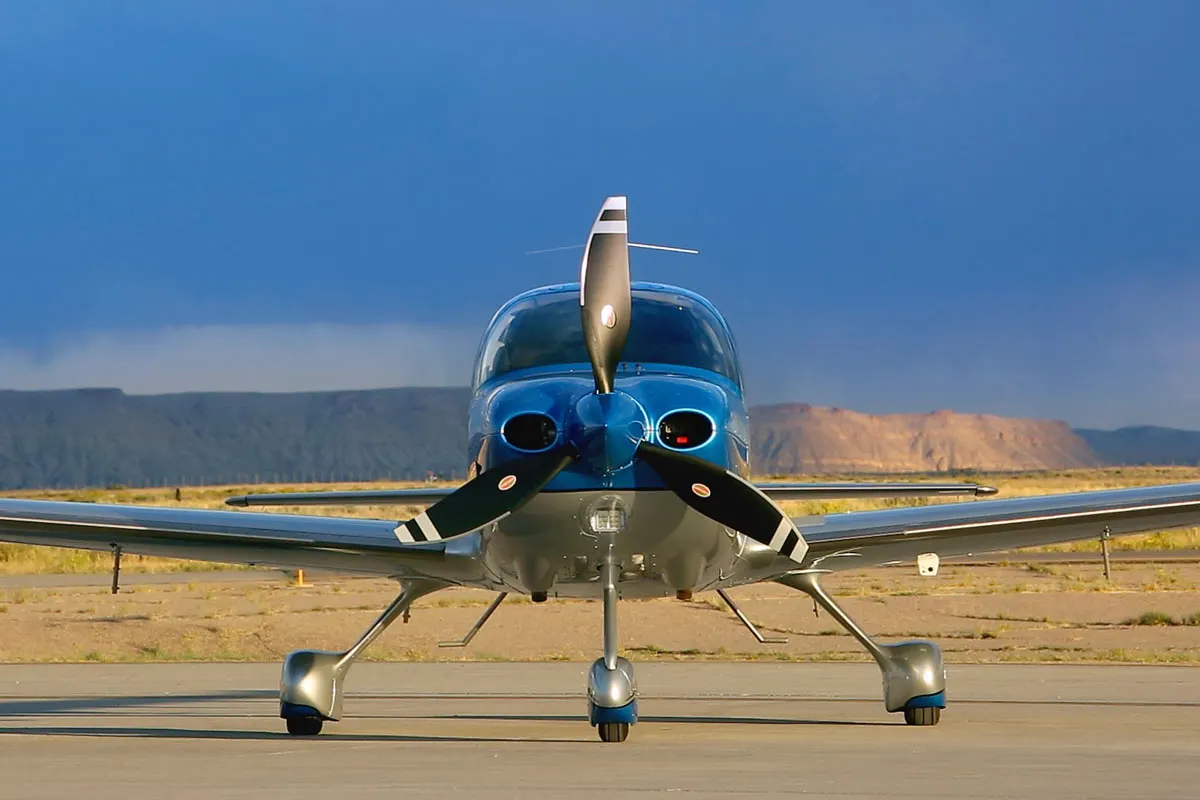
Standard Empty Weight plus optional equipment. This is the starting point of weight and balance calculations.
3) Useful Load
Useful load is total usable fuel, cargo, passengers, and drainable fuel. Equation: Maximum Ramp Weight - Basic Empty Weight = Useful Load
4) Payload
This one is simple. Think of payload as what's "paying" for the flight: passengers, bags, and cargo. It's how much weight you can carry besides basic empty weight and fuel.
5) Maximum Ramp Weight (Taxi Weight)
This is the maximum allowable weight mass for ground operations. MRW assures acceptable ground maneuverability and includes fuel for taxi, run-up and start.
6) Maximum Takeoff Weight (MTOW)
Maximum allowable mass for the initiation of a takeoff roll. Depending on how big your airplane is, you may have a variety of MTOWs limited by: structural limitations, runway distance, climb performance, or landing weight limits.
7) Minimum Flight Weight (MFW)
Minimum certificated weight for flight as limited by aircraft strength and airworthiness requirements. This weight has a lot to do with the balance of weight considering fuel/payload distribution.
8) Maximum Landing Weight (MLW)
Maximum landing weight is usually a structural limit, but may include calculations based on missed approach climb performance.
Weight Class of Aircraft:
Weight class is based are assigned by APO130 based on the TFMS observed aircraft codes. There are 6 categories -- (A) Heavy, (B) B757, (C) Large Jet, (D) Large Commuter, (E) Medium, (F) Small.
(A) Heavy: Any aircraft weighing more than 255,000 lb such as the Boeing 747 or the Airbus A340;
(B) B757: Boeing 757 all series;
(C) Large Jet: Large jet aircraft weighing more than 41,000 and up to 255,000 lbs such as the Boeing 737 or the Airbus A320;
(D) Large Commuter: Large non-jet aircraft (such as the Aerospatiale/Alenia ATR-42 and the Saab SF 340), and small regional jets (such as the Bombardier Canadair Regional Jet), weighing more than 41,000 and up to 255,000 lbs;
(E) Medium: Small commuter aircraft including business jets weighing more than 12,500 up to 41,000 lbs such as the Embraer 120 or the Learjet 35; and
(F) Small: Small, single, or twin engine aircraft weighing 12,500 lbs or less such as the Beech 90 or the Cessna Caravan.
Category MTOW(kg) MLW(tons)
Boeing 747-8F 447,700 346.091
Airbus A30-800 575,000 394
Concorde 185,000 111.1
Antonov An225 640,000 91.7
Vickers Vc10 152,000 151.9
Fokker100 46,000 39.95
Embraer75(19) 37,500 32.8
Avro Rj-85 42,000 36.47
Tupolev Tu-154M 104,000 80
Boeing777-300 299,370 237.683
Conclusion:
Since we saw the total weights of type of aircrafts.
Ground Speed
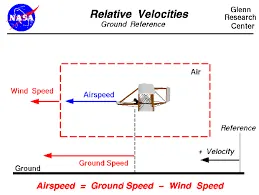
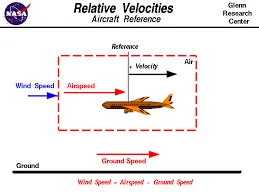
For a reference point picked on the ground, the aircraft moves relative to the reference point at the ground speed. Ground speed is also a vector quantity so a comparison of the ground speed to the wind speed must be done according to rules for vector comparision.
Airspeed
The important quantity in the generation of lift is the relative velocity between the object and the air, which is called the airspeed. Airspeed cannot be directly measured from a ground position, but must be computed from the ground speed and the wind speed. Airspeed is the vector difference between the ground speed and the wind speed.
Airspeed = Ground Speed - Wind Speed
On a perfectly still day, the airspeed is equal to the ground speed. But if the wind is blowing in the same direction that the aircraft is moving, the airspeed will be less than the ground speed.
Most Aircraft Can’t Reverse
When you arrive at the gate for your flight, more often than not you’ll get a great view of the nose of the aircraft through the terminal window. If you look closely, you’ll be able to see us pilots preparing the aircraft for departure. Funny enough, we can see you peering out at us too, so if we wave, don’t be embarrassed to wave back.
However, the obvious problem with parking facing the terminal is that in order to get to the runway, we need to move backward off the stand first. If this was on your drive at home, you’d just pop your car into reverse, back out onto the street and off you go. Unfortunately, aircraft are unable to do this as they don’t have a reverse gear. In order to get round this problem, we use the assistance of a pushback tug.
Pushback Tugs: The Little Engines That Could
For smaller aircraft, the pushback tug doesn’t require a massive amount of power. They utilize the weight of the tug, sometimes up to 60 tons, to ensure that the wheels don’t just spin on the tarmac. “The small ones have enough power to push and tow an aircraft up to a 757,” says Airsidez a pushback driver at Munich International Airport. “The functionality is pretty simple. We connect a tow-bar at the aircraft first, then at the tug.”
It takes skill to push an aircraft back using these types of tug. “You have two steering axis here at the nose gear and at the tug where the tow-bar is connected,” he said. “So when you steer right, the nose of the aircraft goes opposite.”
However, with bigger aircraft, tug designers ran into a problem. Even with a 60-ton tug, there isn’t enough weight to stop the tug wheels spinning. To get round this problem, they needed something to weigh the tug down. Something like the weight of a 560-ton A380.
Tow-barless tugs clamp around the nose wheel of the aircraft and lift it up, thus utilizing the weight of the aircraft to provide the traction for its wheels. “We need between 40 and 90 seconds to connect the tug with the aircraft and lift it up,” he added. “The Goldhofer AST-1X is the Godfather of all tugs because at 32 tons, its 16-liter 700 HP engine is enough to push all heavies easily. We use that tug for 767 up to A380.”
Engines Provide the Thrust
Once the tug has disconnected and the engines are running, the pilots call ATC for their clearance to taxi to the departure runway. They will then be issued with a series of taxiways, which will eventually take them to the departure point. At smaller airports, this may just be one taxiway. At larger airfields it could be a number of taxiways, broken up into segments to give way to other aircraft. It’s worth noting that aircraft don’t ‘taxi down the runway’. They taxi on taxiways, hence the name, taxiway. (Sometimes aircraft do have to taxi on the runway, but this is relatively infrequent. So, for the case of this article, I decided to keep it simple.)
If this was your car, you’d put the gear into drive or first gear and press the accelerator. This would inject fuel into the engine and provide power to turn the wheels and off you’d go. However, aircraft wheels aren’t connected to the engines in any way. When the pilots squeeze the thrust levers forwards, the thrust generated from the engines pushes the aircraft forwards. The wheels merely turn under this forward power allowing the aircraft to move.
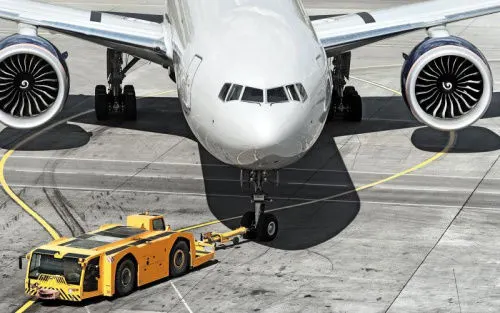
So to overcome this we use a tow vehicle which helps to move in reverse direction and it eill be tugged untill it reaches safe place and from there onwards it move by itself to further take off.
Conclusion:
Since we have see the engine power to move it on the ground in the aircraft with the help of tow vehicle.
4. How an aircraft is pushed to runway when its ready to take off?
Ready for take-off in ten steps…
- The pilot parks the aircraft in exactly the right place. Usually with the help of an automatic system, but occasionally guided by a marshaller waving two paddles or wands. Dozens of handling personnel are already standing by to perform a whole range of tasks simultaneously.
- As soon as the aircraft is stationary and the engines are switched off, the first priority is to disembark the passengers as quickly as possible. The apron handler places chocks in front of the wheels and connects the ground power. Meanwhile, the passenger bridge manoeuvres up to the door and a belt loader rolls up to the cargo hold. Luggage is unloaded and transferred to the terminal on baggage carts.
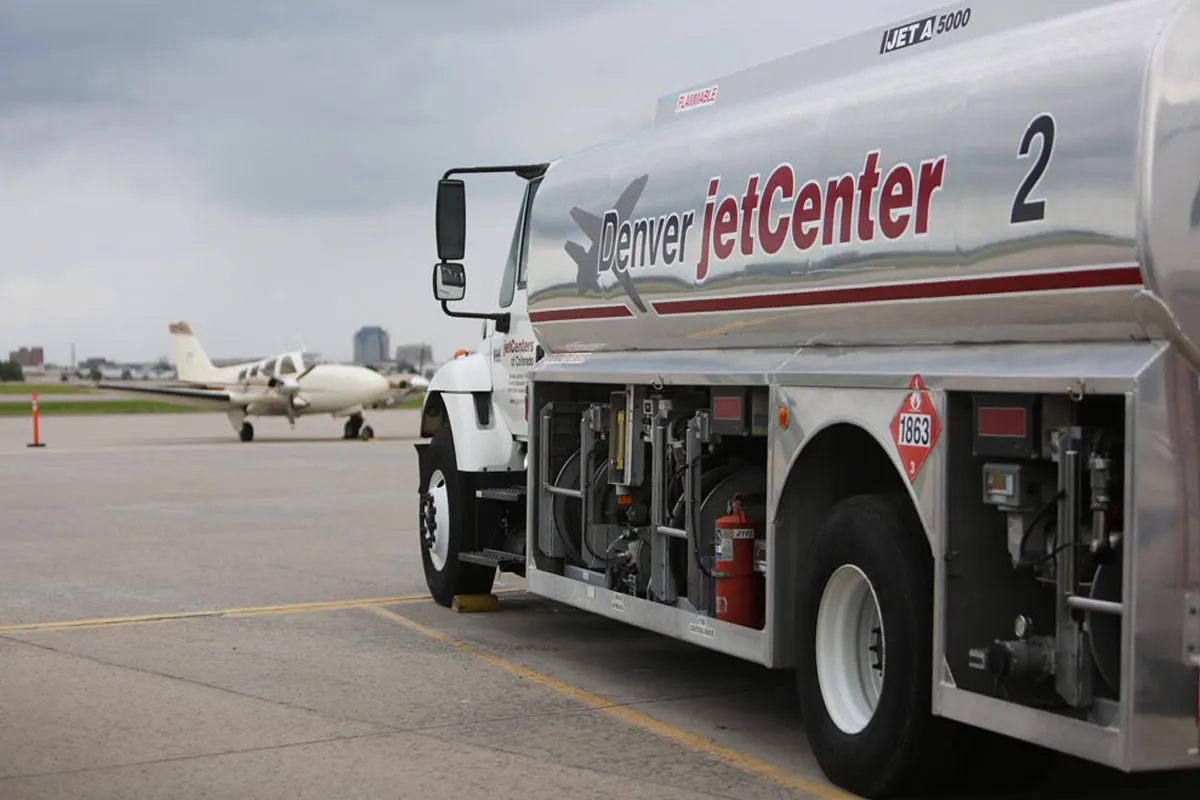
- Refuelling begins, usually from a hydrant at the stand. A hose is attached to this from a special vehicle called a dispenser, with the other side connected to the fuel tank in the wing.
- Now it is time to service the aircraft. The caterer loads new meals and takes away the food waste and used cutlery and crockery. Other activities include draining the lavatories, replacing the headrest covers, removing rubbish and distributing fresh blankets and in-flight magazine.
- A specialist team – or sometimes the crew themselves – cleans the cabin so that the new passengers board a pristine aircraft.
6.Meanwhile, specialists from the airline conduct a technical check to make sure that the engines, wings, control surfaces, landing gear, instruments, doors and other equipment are in full working order.
7.The aircraft is now ready for baggage to be loaded for the next flight. This is a quick process, on average taking only 10-15 minutes. A little later the passengers start boarding. As soon as they are all in their seats, the door is closed and the pilot informs air-traffic control that the flight is ready for departure.
8.The apron handler removes the chocks. A so-called pushback truck reverses the aircraft into taxiing position, pushing it with a towbar attached to the nose-wheel strut. Or, in the most modern versions, by actually lifting the wheel. That speeds up coupling and decoupling.
9.The aircraft taxis to the runway to depart at the agreed time.
10.The pilot waits for permission to take off from air-traffic control. This is possible once the departure route is clear. As soon as the go-ahead is received, the plane takes to the air at full power.
Conclusion:
Since we have seen 10 steps for take off airplane.
5. Learn about take off power, tyre design, rolling resistance, tyre pressure, brake forces when landing.
Take off power:
Takeoff is the phase of flight in which an aerospace vehicle leaves the ground and becomes airborne. For aircraft traveling vertically, this is known as liftoff.
For aircraft that take off horizontally, this usually involves starting with a transition from moving along the ground on a runway.
On take-off, in order to position the aircraft to a safe height away from terrain and obstacles (i.e. a flight path of maximum height and minimum ground distance desired), the engine thrust is set to a high ‘take-off power’ setting (although this is not necessarily full power) and the aircraft attitude is pitched up to maintain a specific speed (usually in the region of V2 + 15kts). Once the ‘safe height’ is reached the engine thrust can therefore be reduced to a more appropriate (i.e. efficient) setting and the aircraft flight path can be changed to a more appropriate (i.e. efficient) flight path.
In order to achieve that described above and also to provide minimum noise disturbance to the area surrounding the airport, regulatory procedures require aircraft to fly one of the two profiles given below during every departure. The aerodrome briefing pages will state which one of the two profiles is to be flown at each particular airport:
- At 1,500ft aal reduce thrust to climb power and accelerate the aircraft towards 250 knots, retracting flaps and slats.
- At 1,500ft aal reduce thrust to climb power maintaining V2 + 15kts. At 3,000ft accelerate the aircraft.
Wings keep an airplane up in the air, but the four forces are what make this happen. They push a plane up, down, forward, or slow it down.
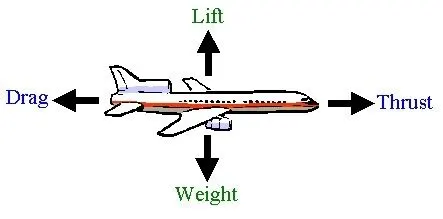
A force may be thought of as a push or pull in a specific direction. A force is a vector quantity so a force has both a magnitude and a direction. When describing force we have to specify both the magnitude and the direction. This slide shows the forces that act on an airplane in flight.
Weight
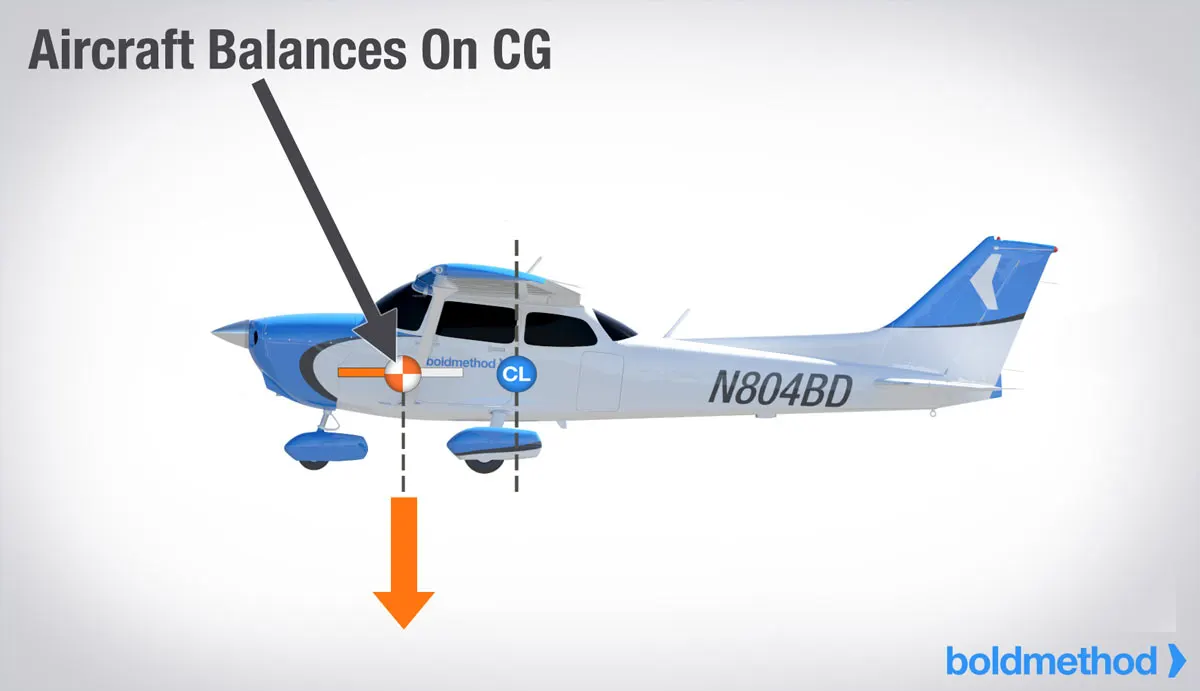
Weight is a force that is always directed toward the center of the earth. The magnitude of the weight depends on the mass of all the airplane parts, plus the amount of fuel, plus any payload on board (people, baggage, freight, etc.). The weight is distributed throughout the airplane. But we can often think of it as collected and acting through a single point called the center of gravity. In flight, the airplane rotatess about the center of gravity.
Flying encompasses two major problems; overcoming the weight of an object by some opposing force, and controlling the object in flight. Both of these problems are related to the object's weight and the location of the center of gravity. During a flight, an airplane's weight constantly changes as the aircraft consumes fuel. The distribution of the weight and the center of gravity also changes. So the pilot must constantly adjust the controls to keep the airplane balanced, or trimmed.
Lift
To overcome the weight force, airplanes generate an opposing force called Lift. Lift is generated by the motion of the airplane through the air and is an aerodynamic force. "Aero" stands for the air, and "dynamic" denotes motion. Lift is directed perpendicular to the flight direction. The magnitude of the lift depends on several factors including the shape,size and velocity of the aircraft. As with weight, each part of the aircraft contributes to the aircraft lift force. Most of the lift is generated by the wings. Aircraft lift acts through a single point called the center of pressure. The center of pressure is defined just like the center of gravity, but using the pressure distribution around the body instead of the weight distribution.
The distribution of lift around the aircraft is important for solving the control problem. Aerodynamic surfaces are used to control the aircraft in roll,pitch and yaw.
Drag
As the airplane moves through the air, there is another aerodynamic force present. The air resists the motion of the aircraft and the resistance force is called Drag. Drag is directed along and opposed to the flight direction. Like lift, there are many factors that affect the magnitude of the drag force including the shape of the aircraft, the stickness of the air, and the velocity of the aircraft. Like lift, we collect all of the individual components' drags and combine them into a single aircraft drag magnitude. And like lift, drag acts through the aircraft center of pressure.
Thrust
To overcome drag, airplanes use a propulsion system to generate a force called thrust .The direction of the thrust force depends on how the engines are attached to the aircraft. In the figure shown above, two turbine engine are located under the wings, parallel to the body, with thrust acting along the body centerline. On some aircraft, such as the Harrier, the thrust direction can be varied to help the airplane take off in a very short distance. The magnitude of the thrust depends on many factors associated with the propulsion system including the type of engine the number of engines, and the throttle setting.
For jet engines, it is often confusing to remember that aircraft thrust is a reaction to the hot gas rushing out of the nozzle. The hot gas goes out the back, but the thrust pushes towards the front. Action <--> reaction is explained by Newton's third law of motion.
The motion of the airplane through the air depends on the relative strength and direction of the forces shown above. If the forces are balanced, the aircraft cruises at constant velocity. If the forces are unbalanced the aircraft accelerates in the direction of the largest force.
Tyre design of Aircraft:
When it comes to safety tyres are one of the most important components of aircraft. They help to absorb the shock of landing and provide cushioning. It also provides the necessary traction for braking and stopping of an aircraft.
An aircraft tyre is designed to withstand extremely heavy loads while landing, take off, taxing, and parking. The number of wheels required for aircraft increases with the weight of the aircraft, as the weight of the aeroplane needs to be distributed more evenly.
Design of aircraft tyre:
Carcass plies are used to form the tire. They are sometimes called casing plies. An aircraft tyre is constructed for the purpose it serves.
- They support the weight of an aircraft while it is on the ground.
- It also provides the necessary traction for braking and stopping of an aeroplane.
- Tyre also helps to absorb the shock of landing and provide cushioning the roughness of takeoff, roll-out, and taxi operations.
Unlike an automobile or truck tyre, it does not have to carry a load for a long period of continuous operation. However, an aircraft tyre absorbs the high impact loads of landing, and also it’s operating at high speeds for a short time when required.
Retreading – Retreading is methods of restoring a worn tyre by renewing the tread area or by renewing the tread area plus one or both sidewalls. Repairs are included in the tyre retreading process.
Load Rating – Load rating is the maximum permissible load at a specified inflation pressure.
Ply Rating – Ply Rating is used to identify the maximum recommended load rating and inflation pressure for a specified tyre. It is an index of tyre strength.
Speed Rating – The speed rating is the maximum takeoff speed to which the tyre has been tested.
Skid Depth – Skid depth is the distance between the tread surface and the deepest groove as measured in the mould.
Aircraft tyres must have an approved speed and load rating and have sufficient clearance when retracted through landing gear to allow for tyre growth. Tyre growth is the increase in the size of the tyre due to centrifugal forces at high speed.
Rolling resistance:
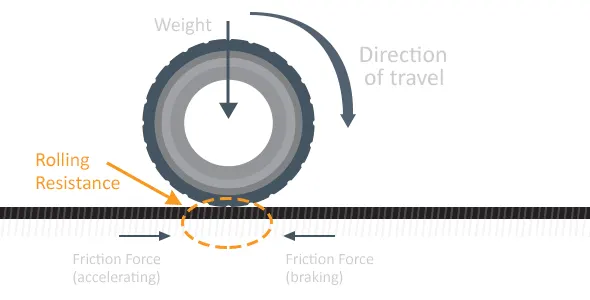
Rolling resistance, sometimes called rolling friction or rolling drag, is the force resisting the motion when a body (such as a ball,tire or wheel) rolls on a surface. It is mainly caused by non-elastic effects; that is, not all the energy needed for deformation (or movement) of the wheel, roadbed, etc., is recovered when the pressure is removed.
The "rolling resistance coefficient" is defined by the following equation.

- where
 is the rolling resistance force
  is the dimensionless rolling resistance coefficient or coefficient of rolling friction (CRF), and
 is the normal force, the force perpendicular to the surface on which the wheel is rolling.
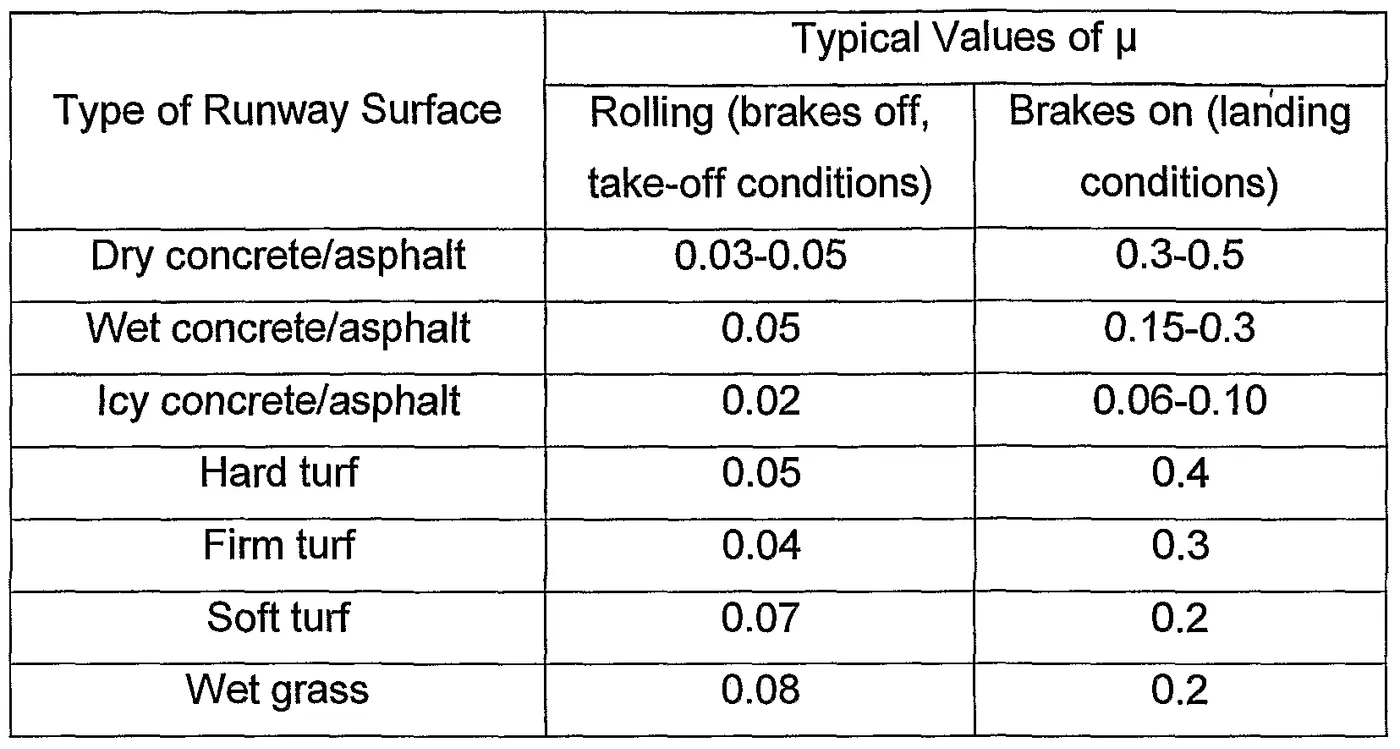
- Usually aircrafts have very low resistance co efficient is 0.06.
- We can see the other values of resistance given below:
-
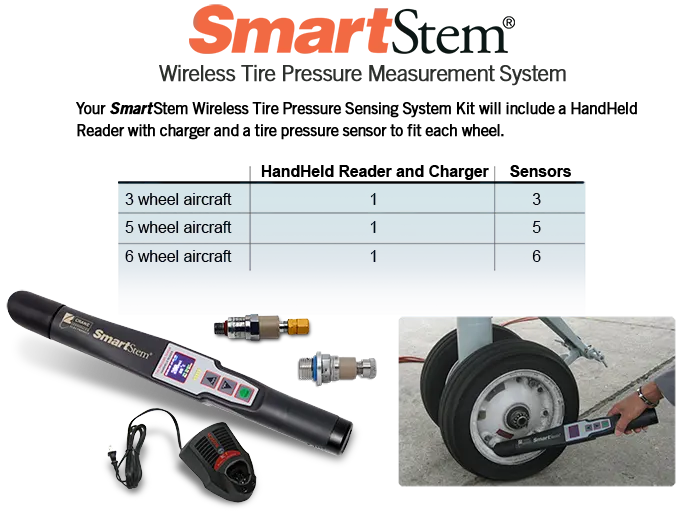
An aircraft tire or tyre is designed to withstand extremely heavy loads for short durations. The number of tires required for aircraft increases with the weight of the aircraft, as the weight of the airplane needs to be distributed more evenly. Aircraft tire tread patterns are designed to facilitate stability in high cross wind conditions, to channel water away to prevent hydroplanning and for braking effect.
Aircraft tires also include fusible flux(which are assembled on the inside of the wheels), designed to melt at a certain temperature. Tires often overheat if maximum braking is applied during an aborted takeoff or an emergency landing. The fuses provide a safer failure mode that prevents tire explosions by deflating in a controlled manner, thus minimizing damage to aircraft and objects in the surrounding environment.
Braking Forces on landing:
1) Plan Braking For Your Desired Exit
This may sound self-explanatory, but never brake too much or too little for your runway exit. If your turnoff isn't for a few thousand feet, there's no reason to apply maximum braking and force airplanes to go-around as you slowly taxi down the runway.
The opposite holds true for a short field or immediate turnoff. Apply smooth, constant brake pressure and never take a turn too fast.
2) Don't Keep Your Toes On The Brakes Before Touchdown
Any brake pressure prior to touchdown puts you at risk for blowing a tire. With no free movement your wheels will skid, and at a minimum, you'll be replacing tires when you get back to the hangar.
3) Locked Tires + Wet Runway = Reverted Rubber Hydroplaning
Reverted rubber hydroplaning happens when your tires lock up, the rubber begins to melt, and trapped water under the tire turns into steam. When it happens, you're riding on steam, and melting your tires in the process.
Use light brake pressure, use aerodynamic braking to keep maximum weight on your landing gear, and never lock up your brakes on landing to prevent this.
4) Most Jets Have Anti-Lock Braking Systems, Just Like Your Car
The anti-skid system releases pressure on the brakes when it senses the wheels are starting to skid. When they spin up again, it re-applies brake pressure. This release and re-application of brake pressure happens very quickly, much like what happens with your car's anti-lock brake system.
If you feel the anti-skid system kicking in, let it do its job. Don't release full brake pressure if you need to stop.
5) Flying A Trailing-Link Gear? Avoid Early Braking
Trailing-link gear are designed with a flexible, L-Shaped arm and pivot point, connected to an oleo strut shock absorber. As the oleo strut compresses, the L-shaped bracket functions as an extra shock absorber, moving the tire back to upward. This helps smooths rough impacts with the runway.
As the oleo strut compresses, the L-shaped bracket functions as an extra shock absorber, moving the tire back to upward. This helps smooths rough impacts with the runway. Because full weight isn't initially applied on the wheels, avoid substantial braking until the airplane "settles" or you'll risk shredding the tires as they lightly skim the ground in a locked state.
6) Short Field Landing? Use Full Aerodynamic Braking
Once you touchdown, you want to use maximum aerodynamic braking. After you touch down, slowly start pulling back on the yoke, being careful not to lift back off. As you increase your aerodynamic braking, you keep more weight on your main gear. That, in turn, makes your brakes more effective, because you can apply more brake pressure before your wheels lock up.
Be gentle as you apply the brakes, then start increasing braking pressure to slow down. It's easy to lock up your wheels when your ground speed is still high, and you're wings are producing a lot of lift. Keep pressure on the brakes until you know you're slow enough to make your taxi turnoff, then gently start to let up on the brakes. Smooth application of your brakes is the key to a good landing rollout.
Conclusion:
Since we have discussed about all the parameters of aircraft.
Part B:
6. A. With necessary assumptions, calculate the force and power required to push / pull an aircraft by a towing vehicle.
B. Develop the model for the calculated force and power using Simulink.
The different forces involved when the plane is moved by a tow vehicle:
Rolling Resistance force
Airodynamic force
The total mass of the aircraft including payload for airbus a 380 is 575,000kg
Mass of the pushback is 1000kg(assumed)
Frr, Rolling Resistance =Crr.m.g
Crr,coefficient of rolling resistance is 0.002
For the aircraft,Frr= 0.002*575,000*9.81
=11.2815kN
For the Towing vehicle,Frrt=0.002*1000*9.81
=19.62N
As the towing vehicle rsistance is very less compared to aircraft,since it is a heavy vehicle this resistance can be neglected.
Aerodynamic resistance, Far
Drag coefficient Cd=0.025
Air density`rho`=1.125kg/m^3
Frontal area A=150m^2
Velocity v=14.5kmph or 4m/s
Far=(1/2)*Cd*`rho`*A*v^2
=(1/2)*0.025*1.125*150*(4)^2
=33.75N
As the tow vehicle and plane moving at a low speed this force can be neglected
Hill climbing resistance:
Runways are constructed flat so gradient force or hill climbing force is neglected.
Total resistance,Ft =Frr
=11.2815kN
Power required,P=Ft*v
=11.2815*4
= 45.26kW
Since the minimum power required by the tow vehicle is 45.26kW to taxi a heavy aircraft at 4m/s.
b.Simulink model
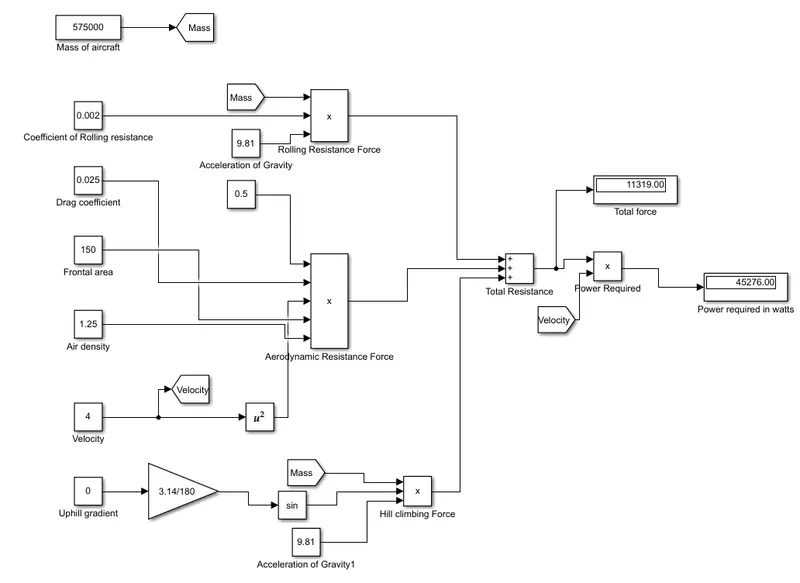
The constants blocks are used for mass,velocity,gravity,airdrag coefficient,air density,frontal area.
The product blocks are used to perform the formulas for rolling resistance force and aerodynamic force and all others.
Add blocks for total force and power,display block for the outputs as shown above.
Conclusion: Since we have saw the output in the display block for the rolling resistance,aerodynamic and hill climbing force and power.
7. A. Design an electric powertrain with type of motor, it’s power rating, and energy requirement to fulfill aircraft towing application in Simulink. Estimate the duty cycle range to control the aircraft speed from zero to highest. Make all required assumptions. Prepare a table of assumed parameters. Draw a block diagram of powertrain.
(Hint :DC7 Block)
Estimation of duty cycle.
Based on the calculation done in 6th question
The power required for towing the aircraft is 45.26kW,Motor consider for the drive train is Rotex Electric REB90.
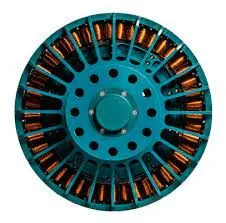
Technical data
| Type | Voltage | Continuous / Peak power | Working rotation | Max torque | Weight | Cooling |
| REB 90 | 400–800 V | 60–70 kW / 80 kW | 1 500–4 000 rpm | 300 Nm | 22 000 g | Air / Hybrid (air + fluid) |
Consider the 60kW as continuous power,so the voltage will be 400V,Battery power is considered to be 550v
Duty cycle is given by Vo/Vb
Where Vo is the motor required voltage and Vb is the battery voltage.
d=400/550=0.7272
As there will be losses due to the resistance of FET and inductance.Correction Factor is considered to be 90%
As there is 10% loss,the voltage demanded by the motor should be 10% more than required.
so the voltage demand should be around 440 from the battery.
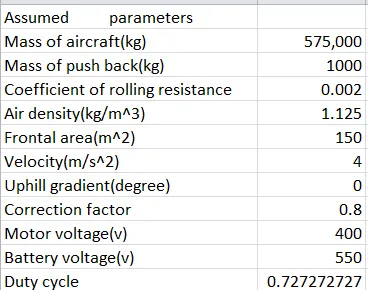
Assumed parameters
Mass of aircraft 575000kg
Mass of the pushback truck 1000kg
Coefficient of rolling resistance 0.002
Air density 1.125kg/m^3
Frontal area 150m^2
Velocity 4m/s
Uphill gradient 0degree
Battery voltage 550V
Correction factor 0.8
Block diagram
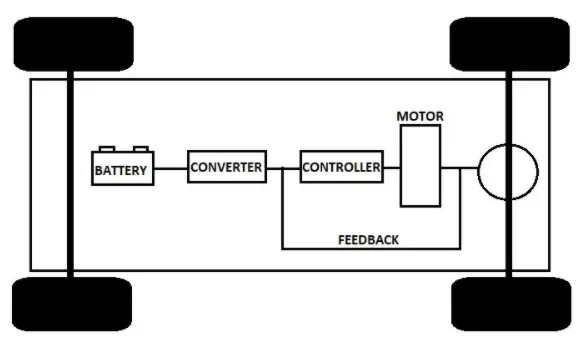
Simulink Model:
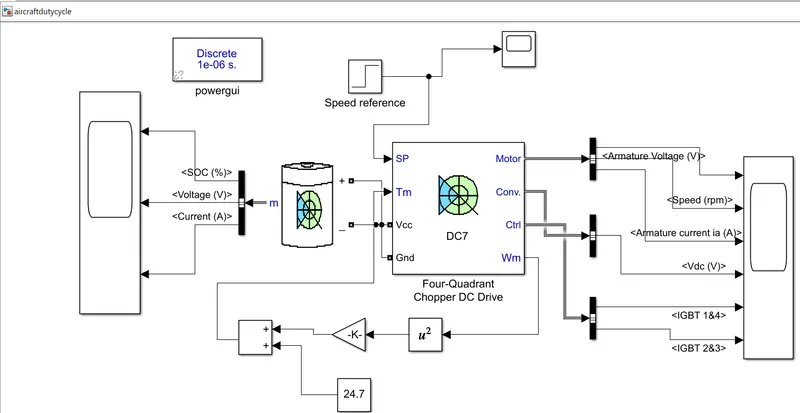
Input to the battery
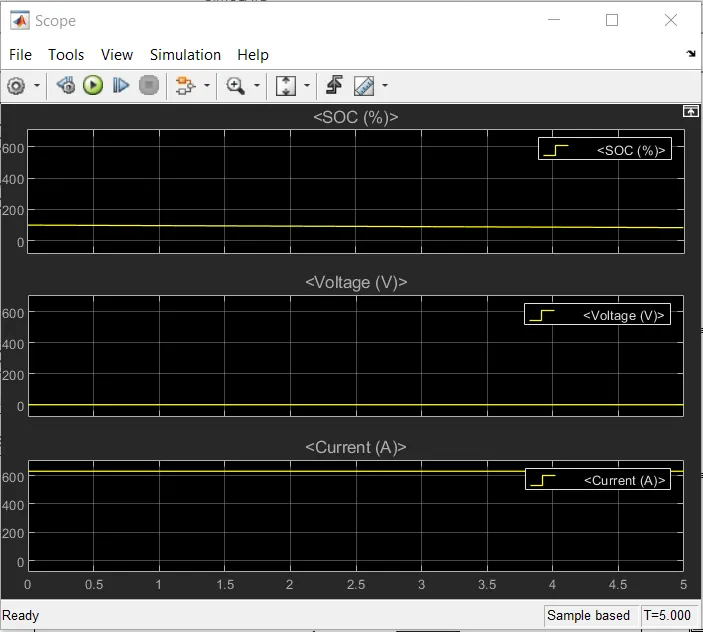
Speed reference input to the motor
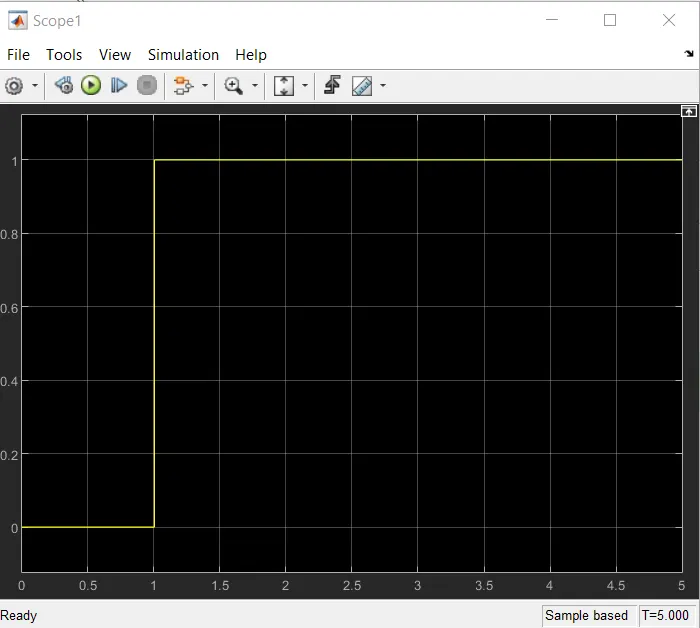
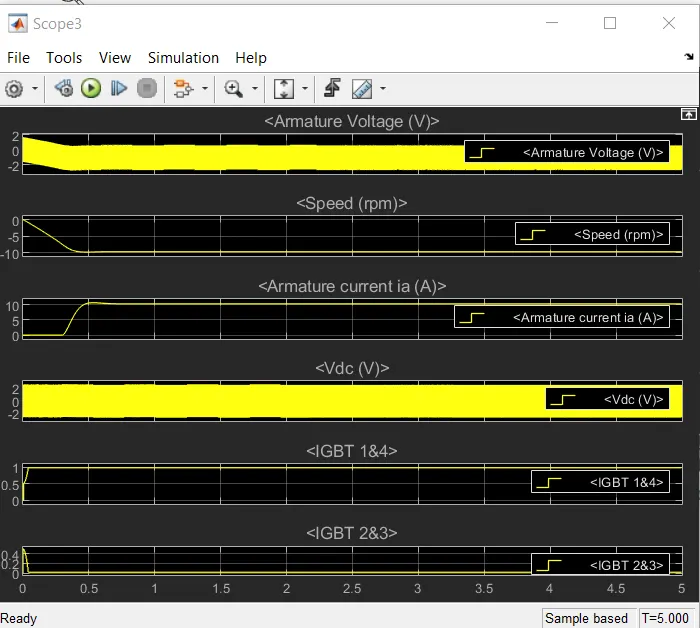
OUTPUT
Parameters entered in the Excel sheet:
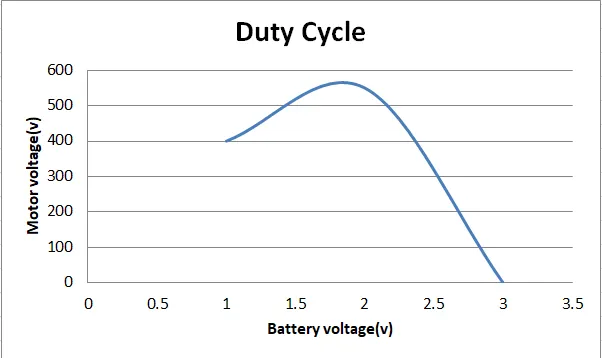
Conclusion:
Since we have seen for the graph of duty cycle.