Project-1: Powertrain for aircraft in runways
1)
What Is The Aircraft?
Any vehicle that is manufactured and made to fly in the air is called an aircraft. While the airplane is the most known, familiar, and popular kind of aircraft we know, other vessels that fly through the air also come in this category. All of them have propellers and wings or machinery to run through the air; however, they may vary according to sizes, types, usage, and more.
Weight components of airplane explained as follows:
Crew weight (Wc )
The crew comprises the people necessary to operate the airplane in flight.
e.g., Pilot, Co-pilot, Airhostess etc.
Payload weight ( Wp )
The payload is what the airplane is mentioned to transport passengers, baggage, freight
etc. (Military use the payload includes bombs, rockets and other disposable ordnance) .
Fuel weight ( W f )
This is the weight of the fuel in the fuel tanks. Since fuel is consumed during the course of
flight. is a variable, decreasing with time during the flight.
Empty weight ( We )
This is weight of everything else-the structure engines (with all accessory equipment),
electronic equipment landing gear, fixed equipment and anything else that is not crew, payload
or fuel.
Gross weight ( W0 )
The sum of these weights is the total weight of the airplane. Gross weight or total weight
varies through the flight because fuel is being consumed. The design take off gross weight is the
weight of the airplane at the instant it begins its mission. It includes the weight of the fuel.
Maximum Landing Weight
The maximum landing weight is, as you might imagine, the maximum aircraft weight limit approved for an aircraft to land. Landing above this weight can cause structural damage.
The maximum weight for maneuvering on the ground is called the max ramp weight. Max ramp weight includes the weight of fuel used for start, taxi, and aircraft run-up procedures.
The maximum weight limits for an aircraft to begin its takeoff roll is called the max takeoff weight.
The useful load is the difference between ramp weight or max allowable weight and basic empty weight. Useful load is the weight of the useful items on board, such as passengers and baggage.
Classifications Of Aircraft:
One is lighter than air aircrafts, known as aerostats, and the other is heavier than air aircrafts, called aerodynes.
Aerostats (Lighter Than Air): Aerostats or lighter than air aircrafts are very more lightweight in weight. These types of light aircraft generally use buoyancy like ships, which help them float in the air. Low-density gas such as hydrogen, helium, or hot air balloons is used to fill in the aircraft.
Aerodynes (Heavier Than Air): Alternatively, the other aircraft, heavier than air or aerodynes, as we understand, is much higher in weight and size. They push the gas or air downwards; which reaction helps to make aircraft upwards. Since these are dynamic through movements in the air, they are called aerodynes. This dynamic lift through the air can be caused mostly through mechanisms, as you must have already known.
Types Of Aircrafts In The World:
Now that we know the most common classification, categories, and subcategories under the aircrafts, let us see different types of aircrafts and a list of all aircraft with pictures.
- Amphibious:
The empty weight of the aircraft is 375kg (826lb), the maximum take-off weight (MTOW) is 650kg (1,430lb) and the maximum payload carrying capacity is 275kg (604lb).
Amphibious aircraft, otherwise also popularly known as amphibian is a multipurpose aircraft which can work, take off and land both water and ground. They are used as both seaplanes or flying boats, or also airplanes. In this aircraft, the engine is either placed in front, or even above the wing, that is most commonly found in floatplanes, On the other hand, the modern and other amphibious aircraft have engine and propeller placed above the wings. The size of amphibians differs as per the purpose; there are military amphibians, leisure purpose seaplanes, and civil amphibious aircraft.
- Helicopters:
The average transport helicopter can weigh as few as 1,000 pounds and as much as 10,000 pounds.
Helicopter aircraft, also known as a chopper, is commonly known to most of us and belongs to rotorcrafts. Horizontally spinning rotors help and aid the helicopter to lift and thrust. These aircraft have the advantage of taking vertically, horizontally, and fly both backward and forward or laterally. Unlike the other fixed-wing aircraft, these benefit from taking off and land at several places and flying even in congested areas. The engine depends on the size, purpose, and function of the chopper. Today, the helicopter is mostly used for military purposes, cargo, construction, rescue, tourism, aerial observation, and the government. The size of the chopper hence mostly depends on the usage.
- Multi-Engine Piston:
As the name suggests, Multiple or Multi-engine piston aircraft has more than one single-engine, unlike the other categories and types of aircraft. These multi-engine pistons are known to have a second power source, which is greatly helpful during another engine’s failure. Due to this multiple power and engine facility, the aircraft-quality, capacity, speed, and climb rate is much higher than the usual air crafts. In most cases, this kind of aircraft is used by air service for their services and duties. its weight is around a maximum certificated takeoff weight
of 12,500 pounds or less.
4 Gliders:
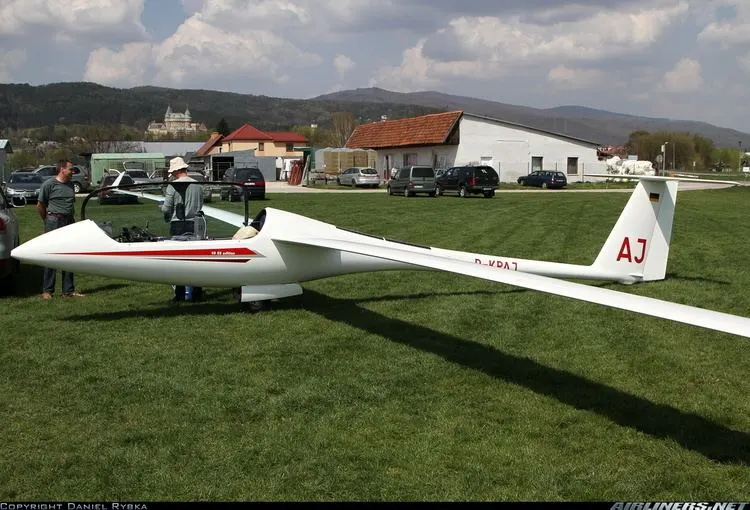
Empty weight: 570 kg (1,257 lb) approximately; Gross weight: 850 kg (1,874 lb)
Gliders come again under the category of fixed-wing aircraft. The types of gliders aircraft are used through air reaction against lifting surfaces and mostly do not use any engine. Although small engines may be used as required (in cases like a motor glider), most glider aircraft are efficient for self-take without engines. A wheeled undercarriage helps in take-off or landing. In the past, gliders are used for military purposes and wars; however, nowadays, we even see them in tourist activities and entertainment or leisure. The most common types in this category include hand gliders and paragliders. Most gliders are small in size and can fit a maximum of two people.
5 Gyroplanes:
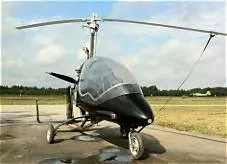
gross weight. 1,800 - 592 = 1,208 lbs
Gyroplanes, also known as autogyro or gyrocopter, is a rotorcraft aircraft category that uses rotor machines to lift. They are similar to helicopter in appearance, although a bit narrow, and have an engine-driven propeller. The air flows help the gyroplanes lift upwards, and the rotor self-propels as per the way air flows through it. While gyroplanes or autogyros are mostly used for military and war purposes during the 20th century, nowadays, they are spotted in Olympics and police departments at some states.
6 Parachutes:
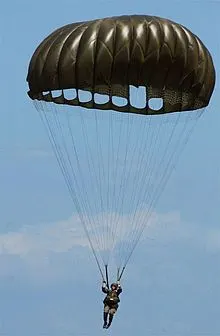
Empty weight: 330 lb (150 kg)
Parachutes are the most common types we often hear and see. They are slow-moving air flowing craft that helps move through, creating drag to land. They are made through lightweight yet stable and fitting fabric such as nylon or silk. Most parachutes may be in the shapes of round, dome, or inverted dome. Although most parachutes are spotted during leisure activities and entertainment, they are also used and deployed by state and operations during expeditions to ice areas such as polar ends. Only one or two maximum can fit in one parachute.
7 Single Engine Piston Aircraft:
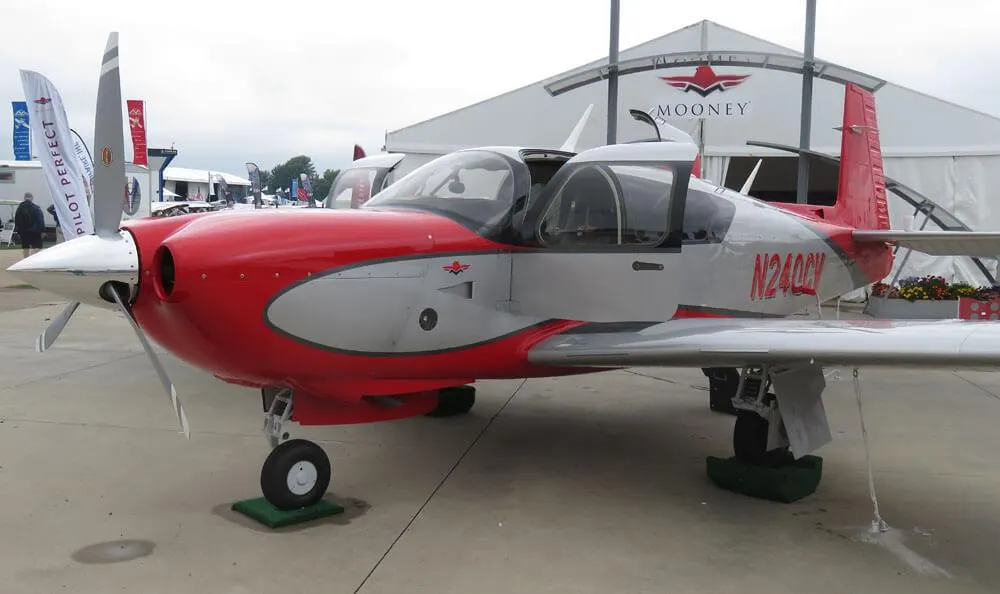
Empty weight: 2,319 pounds
Like the multi-engine piston plane, we have seen earlier. This aircraft uses only one engine. These aircraft are used for shorter distance works and not for heavy works. They can access smaller runways, takes less space, and has lesser climb and speed. Most single-engine pistons can fit only four to six people, depending on the plane and size.
8 Tricycle Gear Aircraft:
Gross Weight 1,685 lbs
The tricycle gear aircraft is a kind of plane that has tricycle fashion fixed landing gear. The arrangement has a nose wheel in the front and two more in the main wheels. These are lightweight and are known to have better visibility of the ground, and is very easy to take off and land. The aircraft also has significantly less drag and allows the application of a full brake. They are used for lighter and quick uses, given the advantages of easy runs.
9 Business Jets:
| Max. Takeoff Weight | 49,000 lb / 22,225 kg |
| Max. Landing Weight | 44,500 lb / 20,185 kg |
| Max. Zero Fuel Weight | 30,864 lb / 14,000 kg |
| Max. Fuel Weight | 20,905 lb / 9,480 kg |
Business or private jet aircraft are known to be among the luxurious or unique aircraft to transport and fly a small group of people, even individuals. While they are costly due to their design, plush appearance, and very sophisticated looks, the business jets are used by different classes of people – from government officials to armed forces for special operations to companies and private ownership. While the speed, engine, and other manufacturing are similar to airplanes, the size differs from lightweight or small jets to mid-sized ones to long business jets. The heavy and long jets can accommodate 16 to 18 people, whereas the mid-size (depending on the capacity) can accommodate up to 12 or 10 people. The smaller types of business aircraft are only for four to six individuals.
10 Light-Sport Aircraft:
Gross weight (lbs.): 1155. Empty weight (lbs.): 675.
The light-sport aircraft, also known as LSA, differs from country to country. However, they are into the new category of small and very lightweight aircraft. These are super simpler to fly. Although they may be a bit heavier than ultralight aircraft, they are sophisticated, looks grand. These are two-seater versions and are much affordable too.
11 Turboprops:
The aircraft empty Weight is 9.979 (17.186) kg and maximum takeoff weight is 15.650 (29.257) kg
As the name suggests, turboprops or turboprop aircraft have gas turbine engines connected to the gears to turn the propeller to move them through and around the air. They burn much lesser fuels and have lesser operating costs too. These types of turboprops are larger than piston aircraft and can carry more passengers. These also fly high and can go to an altitude of 35000 feet. However, they are slower in speed than jet planes. The turboprops size varies according to the need and can fit a small set of people or up to eight or ten at maximum.
12 Floatplanes:
Gross weight: 520 kg (1,146 lb)
The floatplanes are similar to seaplanes, which floats on water through the floats mounted under the fuselage. These mounts are added instead of the undercarriage, where wheels are placed in other planes. These do not have landing gear, which makes it possible to land, in which case it becomes similar to amphibious aircraft (as seen earlier). Seaplanes or floatplanes are heavily used during world war times for military operations; however, now is witnessed more of a pleasure flight in many countries.
13 Fighter jets:
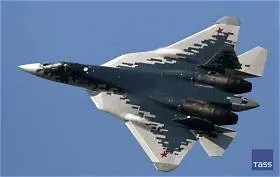
This aircraft weighs around 18,500 kg and has a maximum takeoff weight of 37,000 kg.
Fighter jets, also known as a fighter or fighter aircraft, is military particular fixed-wing aircraft. They are designed only to use for combatting air to air fights against other aircraft. They have very high speed, manufactured for use against air attacks only. However, few fighters have a second capacity to use for ground attacks, too, in which case they are known as fighter bombers. There are several categories in the fighters: light fighter, heavy fighter, interceptor, night fighter, all-weather fighter, and more. With the help of technological advances and breakthroughs, today’s fighters have numerous other capacities and innovations such as data transmissions, sensors, secure cockpits, high bandwidth, and more.
15 Cargo planes:
Antonov An-225 Mriya - 640,000kg
Cargo aircraft or cargo planes are also known as freight aircraft, airlifter, or cargo jets. These are the fixed-wing classification of aircraft known only for carriage or cargo instead of individual passengers. These cargos are specially built only for lifting carriages and do not have amenities for fitting people or passengers. They have wide doors and facilities to protect and provide shipment. Unlike usual passenger jets, the high-wings presence allows to preserve and make the cargo sit near the ground. The number of wheels is also more in cargo jets. These cargo aircraft can be used both for civil purposes as well as military usage.
16. passenger aircraft -
A Boeing 747-400 will weigh 403,500 pounds (183,024 kg) when empty.
Most of us did not know the presence of several such types of aircrafts around us. We hope this informative guide helped you gain knowledge and awareness of different kinds of aircraft, classifications, and categories.
2)
True airspeed is simply the speed at which an aircraft is moving relative to the air it is flying in. As such, it’s also the speed at which the air is flowing around the aircraft’s wings.
Ground speed, on the other hand, is the aircraft’s speed relative to the ground. One thing that should be noted here is that it’s its horizontal rather than vertical speed – an aircraft climbing completely vertically would have a ground speed of zero.
The relationship between airspeed and ground speed is fairly simple. Ground speed is simply the sum of airspeed and wind speed.
If the aircraft is flying in the same direction as the wind is blowing, the aircraft experiences tailwind, and its ground speed is higher than its airspeed.
This important distinction between ground speed and airspeed can be better understood by observing the example.
Case 1 Let's assume that the aircraft's cruise speed, or its speed relative to the local air, is 500 mph. However, the air itself is not motionless but moves at a speed of 100 mph in this example.
Let us also assume that the plane is traveling in the same direction as the wind such that it experiences a tailwind of 100 mph. Since the wind and vehicle both move in the same direction, their velocities add together, and the ground speed becomes 600 mph.
Now let's look in case 2
Here let us assume that wind blows at the same speed with respect to the ground, but its direction is reversed. Now the plane travels against the wind and experiences a headwind of 100 mph. The aircraft is still moving at the same cruise speed of 500 mph with respect to the air, but the difference in the direction of motion of the air means that the wind speed must be subtracted from the plane's airspeed in order to determine the ground speed. The ground speed now becomes only 400 mph.
Three different types of airspeed: indicated airspeed, calibrated airspeed, and true airspeed.
Indicated airspeed is an airspeed that is calculated directly off an aircraft’s pitot-static system. It’s the calculated off the aircraft’s dynamic pressure – the difference between its total pressure and static pressure.
The speed limits of the sky, like not exceeding 250 knots below 10,000 feet MSL, are all written as indicated airspeed values.
True Airspeed (TAS)
True airspeed is the speed of your aircraft relative to the air it's flying through. As you climb, true airspeed is higher than your indicated airspeed. Pressure decreases with higher altitudes, so for any given true airspeed, as you climb, fewer and fewer air molecules will enter the pitot tube. So at 10,000 feet, true airspeed is roughly 20% faster than what you read off your airspeed indicator.
Calibrated airspeed is indicated airspeed adjusted for a variety of errors.
Just as an example, one of the things it’s adjusted for is the flap position. The reason for that is that at different flap positions, air flows differently around the pitot-static system and affects the indicated airspeed readings.
3)
The obvious problem with parking facing the terminal is that in order to get to the runway, we need to move backward off the stand first. Unfortunately, aircraft are unable to do this as they don’t have a reverse gear.
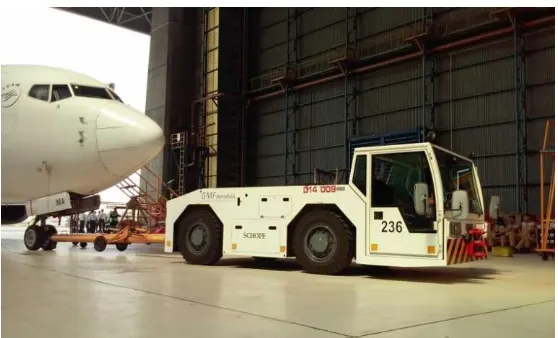
In aviation, pushback is an airport procedure during which an aircraft is pushed backwards away from an airport gate by external power. Pushbacks are carried out by special, low-profile vehicles called pushback tractors or tugs.
Although many aircraft can also move backwards on the ground using reverse thrust (a procedure referred to as a powerback), the resulting jet blast or prop wash may cause damage to the terminal building or equipment. Engines close to the ground may also blow sand and debris forward and then suck it in to the engine, causing damage to the engine. A pushback using a tractor is therefore the preferred method to move the aircraft away from the gate.
Pushbacks at busy aerodromes are usually subject to ground control clearance to facilitate ground movement on taxiways. Once clearance is obtained, the pilot will communicate with the pushback tractor driver (or a ground handler walking alongside the aircraft in some cases) to start the pushback. To communicate, a headset may be connected near the nose gear.
Since the pilots cannot see what is behind the aircraft, steering is done by the pushback tractor driver and not by the pilots. Depending on the aircraft type and airline procedure, a bypass pin may be temporarily installed into the nose gear to disconnect it from the aircraft's normal steering mechanism.
Once the pushback is completed, the towbar is disconnected, and the bypass pin is removed. The ground handler will show the bypass pin to the pilots to make it absolutely clear that it has been removed. The pushback is then complete, and the aircraft can start taxiing forward under its own power.
Pushback tractors use a low profile design to fit under the aircraft nose. For sufficient traction, the tractor must be heavy, and most models can have extra ballast added. A typical tractor for large aircraft weighs up to 54 t (120,000 lb) and has a drawbar pull of 334 kN (75,000 lbf). Often, the driver's cabin can be raised for increased visibility when reversing, and lowered to fit under aircraft.
4)
Taxiing is the movement of an aircraft on the ground, under its own power, in contrast to pushback where the aircraft is moved by a tug. The aircraft usually moves on wheels, but the term also includes aircraft with skis or floats (for water-based travel).
An airplane uses taxiways to taxi from one place on an airport to another; for example, when moving from a hanger to the runway.
Airplanes have engines, and they can use them to move forward along the ground. Most of the times, a small vehicle is needed to push the airplane backwards away from the terminal building, because even if a plane can reverse it’s thrust, it’s not always safe to hit the buildings with a jet blast. So the little trucks push the jets back away from the buildings, but after that, the plane can apply a small amount of engine power to roll forward. They push themselves to the runway.
5)
TAKE OFF POWER
- Takeoff is the phase of flight in which an aircraft goes through a transition from moving along the ground (taxiing) to flying in the air, usually starting on a runway. Usually the engines are run at full power during takeoff.
- Following the taxi motion, the aircraft stops at the starting line of the runway. Before takeoff, the engines, particularly piston engines, are routinely run up at high power to check for engine-related problems. This makes a considerable noise.
- When the pilot releases the brakes, the aircraft starts accelerating rapidly until the necessary speed for take-off is achieved.
- The takeoff speed required varies with air density, aircraft weight, and aircraft configuration (flap and/or slat position, as applicable). Air density is affected by factors such as field ele- vation and air temperature.
- Operations with transport category aircraft employ the concept of the takeoff V-Speeds, V1 and V2.
- These speeds are determined not only by the above factors affecting takeoff performance, but also by the length and slope of the runway.
- Below V1, in case of critical failures, the takeoff should be aborted; above V1 the pilot continues the takeoff and returns for land- ing. After the co-pilot calls V1, Then, V2 (the safe takeoff speed) is called. This speed must be maintained after an engine failure to meet performance targets for rate of climb and angle of climb.
- The speeds needed for takeoff are relative to the motion of the air (indicated airspeed). A head wind will reduce the ground speed needed for takeoff, as there is a greater flow of air over the wings. This is why the aircrafts always take off against the wind. Side wind is not preferred as it would disturb the stability of the aircraft. Typical takeoff air speeds for jetliners are in the 130–155 knot range (150–180 mph, 240–285 km/h).
- For a given aircraft, the takeoff speed is usually directly proportional to the aircraft weight; the heavier the weight, the greater the speed needed. Some aircraft have difficulty generating enough lift at the low speeds encountered during takeoff. These are therefore fitted with high-lift devices, often including slats and usually flaps, which increase the camber of the wing, making it more effective at low speed, thus creating more lift. These have to be deployed from the wing before performing any maneuver.
- At the beginning of the climb phase, the wheels are retracted into the aircraft and the undercarriage doors are closed. This operation is audible by the passengers as a noise coming from below the floor.
TYRE DESIGN
The number of tires required for a given aircraft design gross weight is largely determined by the flotation characteristics,
Radial tires have gained growing acceptance since their introduction despite a somewhat cautious approach at the beginning, which is attributed to lack of applicable standards, concerns about the mixability with bias tires, and retreadability of refurbished tires.
Intermixing of radial and bias tires, or even with radial tires of different construction is possible only if the loading is no more uneven than currently encountered with mixing of bias tires only. As for retreadability, it should be noted that multiple retreating is not necessarily a benefit to the airlines; instead, it could be an indication of low tire performance in terms of tread wear.
Bias Ply Aircraft Tire Construction
Bias aircraft tires feature a casing which is constructed of alternate layers of rubber-coated ply cords which extend around the beads and are at alternate angles substantially less than 90° to the center line of the tread. This diagram contains all the potential components of a bias tire. Due to design parameters, your tire may or may not contain all pictured components.
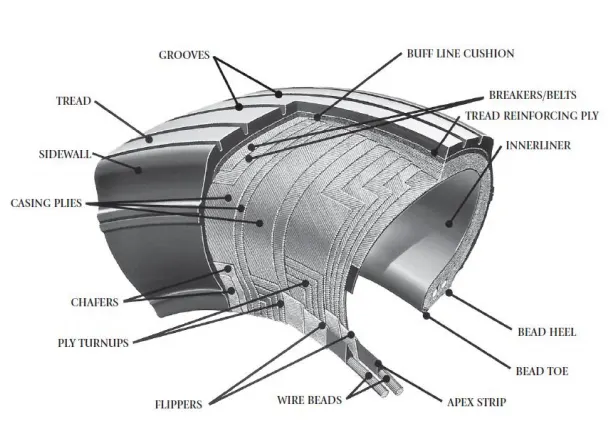
Apex Strip - The apex strip is a wedge of rubber affixed to the top of the bead bundle.
Bead Heel - The bead heel is the outer bead edge that fits against the wheel flange.
Bead Toe - The bead toe is the inner bead edge closest to the tire centerline.
Breakers - Breakers are reinforcing plies of rubber-coated fabric placed under the buff line cushion to help protect casing plies and to strengthen and stabilize the tread area. They are considered an integral part
of the casing construction. The cords of breakers are not substantially aligned with the circumference of the tire.
Buff Line - The buff line cushion is made of rubber compounded to enhance the adhesion between the tread
Cushion reinforcing ply and the top breaker or casing ply. This rubber layer is of sufficient thickness to allow
for the removal of the old tread when the tire is retreaded.
Casing Plies - Plies are layers of rubber-coated fabric (running at alternate angles to one another) which provide the strength of the tire.
Chafer - A chafer is a protective layer of rubber and/or fabric located between the casing plies and wheel to
minimize chafing.
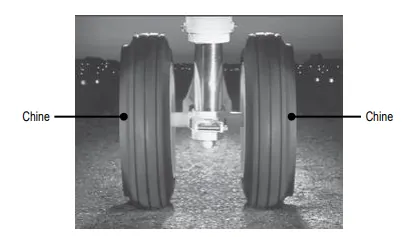
Chines - Also called deflectors, chines are circumferential protrusions that are molded into the sidewall of some nose tires that deflect water sideways to help reduce excess water ingestion into the engines. Tires may have chines on one or both sides, depending on the number of nose tires on the aircraft.
Flippers These layers of rubberized fabric help anchor the bead wires to the casing.
Grooves Circumferential recesses between the tread ribs.
Liner In tubeless tires, this inner layer acts as a built-in tube and helps to restrict gas from diffusing into the casing plies. For tube-type tires the liner helps prevent tube chafing against the inside ply.Ply Turnups Casing plies are anchored by wrapping them around the wire beads, thus forming the ply turnups.
Sidewall The sidewall is a protective layer of flexible, weather-resistant rubber covering the outer casing ply,
extending from tread edge to bead area.
Tread The tread is the outer layer of rubber which serves as the only interface between the tire and the ground.It provides traction for directional control and braking.
Tread reinforcing plies are one or more layers of fabric that help strengthen and stabilize the tread areaReinforcing for high-speed operation. It also serves as a reference for the buffing process in retreadable tires.
Tubes A flexible hollow rubber ring that is inserted inside a pneumatic tire to hold inflation pressure.
Wire Beads The beads are hoops of high tensile strength steel wire which anchor the casing plies and provide a firm mounting surface on the wheel.
The choice of the main wheel tires is made on the basis of the static loading case.
The total main gear load (Fm) is calculated assuming that the aircraft is taxiing at low speed without braking.
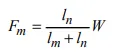
where W is the weight of the aircraft and lm and ln are the distance measured from the aircraft cg to the main and nose gear, respectively.
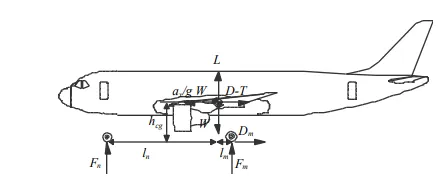
The design condition occurs at MTOW with the aircraft cg at its aft limit. For single axle configurations, the total load on the strut is divided equally over the tires, whereas in tandem configurations, the load per wheel depends on the location of the pivot point; to reduce overloading of the front wheels during braking, the pivot is usually positioned such that the distance between it and the front and rear wheel axles is about 55 and 45 percent of the truck beam, respectively
ROLLING RESISTANCE
The force that resists the motion of a body rolling on a surface is called the rolling resistance or the rolling friction.
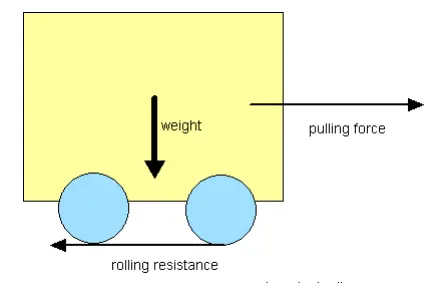
The rolling resistance can be expressed as
Fr = c W (1)
where
Fr = rolling resistance or rolling friction (N, lbf)
c = rolling resistance coefficient - dimensionless (coefficient of rolling friction - CRF)
W = m ag = normal force - or weight - of the body (N, lbf)
m = mass of body (kg, lb)
ag = acceleration of gravity (9.81 m/s2, 32.174 ft/s2)
The rolling resistance can alternatively be expressed as
Fr = cl W / r (2)
where
cl = rolling resistance coefficient - dimension length (coefficient of rolling friction)
(mm, in)
r = radius of wheel (mm, in)
TYRE PRESSURE
Tires are one of the most vitally important parts of an aircraft. An aircraft tire or tyre is designed to withstand extremely heavy loads for short durations. The number of tires required for aircraft increases with the weight of the aircraft, as the weight of the airplane needs to be distributed more evenly.
Aircraft tires also include fusible plugs (which are assembled on the inside of the wheels), designed to melt at a certain temperature. Tires often overheat if maximum braking is applied during an aborted takeoff or an emergency landing. The fuses provide a safer failure mode that prevents tire explosions by deflating in a controlled manner, thus minimizing damage to aircraft and objects in the surrounding environment.
Aircraft tires generally operate at high pressures, up to 200 psi (14 bar; 1,400 kPa) for airliners, and even higher for business jets.
Aircraft tires are usually inflated with nitrogen to minimize expansion and contraction from extreme changes in ambient temperature and pressure experienced during flight. Dry nitrogen expands at the same rate as other dry atmospheric gases (normal air is about 80% nitrogen), but common compressed air sources may contain moisture, which increases the expansion rate with temperature.
The requirement that an inert gas, such as nitrogen, be used instead of air for inflation of tires on certain transport category airplanes was prompted by at least three cases in which the oxygen in air-filled tires had combined with volatile gases given off by a severely overheated tire and exploded upon reaching autoignition temperature. The use of an inert gas for tire inflation eliminates the possibility of tire explosion.
BRAKE FORCES WHILE LANDING
Airplane brakes are more complex and come in a much heavier form. Today, airplanes are fitted with different braking systems including disc brakes, air brakes, thrust reversers, and other types of brake system enhancements. However, in general, these brakes can be classified into two groups: air brakes and landing brakes.
In essence, air brakes are used to reduce the speed of the aircraft mid-air. This is why they are called speed brakes as well. Air brakes decelerate the plane by opening up in a manner that increases drag without significantly affecting lift. They can also be sometimes be used to increase the plane’s angle of approach in the process of landing.
On the contrary, landing brakes include all the different brakes involved in reducing the speed of the plane when it’s approaching the ground and on the ground. Because landing brakes need to bring the aircraft to rest, they have to both reduce lift and increase drag. Disc brakes are the major components of the landing brake system.
In aviation today, most aircraft primarily use disc brakes. Normally, in a disc brake system, a disc rotates together with the turning wheel assembly. When the brakes are applied, a stationary caliper resists the rotational movement of this disc by causing friction against the disc. A disc brake system’s complexity and design often depends on the weight, size, and landing speed of the aircraft. The most common types of disc brakes used in aircraft are single, dual, and multiple disc brakes.
Single Disc Brakes
A single disc is typically sufficient to brake a small, light aircraft effectively. This disc is keyed or bolted to each of the aircraft’s wheels. To brake the plane, friction is applied to both sides of the disc using a non-rotating caliper attached to the landing gear flange. The movement of the caliper is initiated by pistons inside it. These pistons, under hydraulic pressure, force the brake pads or linings against the rotating disc when the brake is applied. Single disc brakes can either be floating disc brakes or fixed disc brakes.
Dual Disc Brakes
In bigger aircraft, single disc brakes cannot produce a sufficient amount of braking friction that is needed to stop or slow down the plane. Dual disc brakes are often used in such aircraft. In dual disc brakes, two discs are keyed to the wheel instead of one. There’s a center carrier with linings on each side located between the two discs. Each time the brakes are applied, these linings contact each of the discs.
Multiple Disc Brakes
The biggest and heaviest aircraft require the use of multiple disc brakes. These types of brakes are built for heavy-duty purposes. They are used with machine parts like power brake control valves or power boost master cylinders.
Multiple-disc brakes make use of an extended bearing carrier that resembles a torque tube-type unit. This carrier is bolted to the axle flange and provides support for the different brake parts. These parts include the annular cylinder and piston, an alternation of steel and copper or bronze-plated discs, a backplate, and a blackplate retainer.
The bearing carrier connects to the stators, which are made of steel while the rotating wheel has either copper or bronze-plated discs that are keyed to it. The whole assemblage of stators and rotors are compressed when hydraulic pressure is applied to the piston. The end result is the production of a large amount of heat and friction which in turn reduces the wheel’s speed of rotation.
AIR BRAKES
Apart from disc brakes, other common types of aircraft brakes include air brakes and thrust reversers. Air brakes are used to increase drag acting on a plane mid-air. By increasing drag, air brakes are used to reduce the plane’s airspeed. The most common types of air brakes are lift dumpers and flaps. Figure of a lift dumper is shown below.
THRUST REVERSERS
Thrust reversers decelerate the plane by temporarily diverting the thrust generated by the aircraft’s engine so that it opposes the aircraft’s forward travel. Thrust reversers are often used when the plane is already on the ground. They help to reduce the wear on the brakes and make the landing distance shorter.
6a)
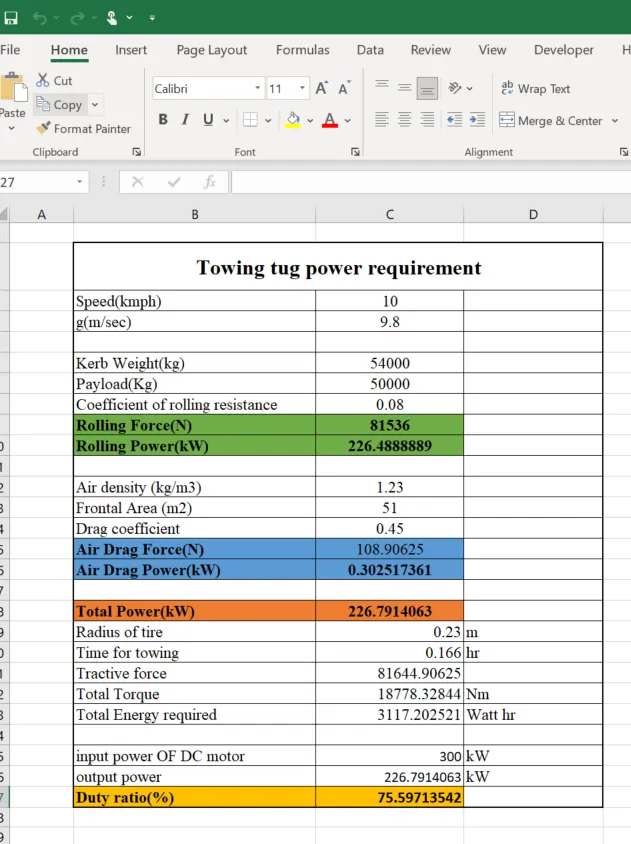
Two forces are present while towing . The forces are aerrodynamic and rolling ressitance force
Frr = urr*m*g
here m(mass) = mass of aircraft + mass of towing tug
m = 50000kg + 54000kg = 104000kg
urr(co efficeint of friction) = urr of aircraft + urr of towing tug
urr = 0.03 + 0.05 = 0.08
Frr = urr*m*g = 0.08*104000*9.81 = 81619.2N
Far(Aerodynamic drag) = 0.5*p*A*v*Cd
p(air density) = 1.23 Kg/m^3
A = 51m^2 ,
Cd = co-efficient of drag of aircraft + co-efficient of drag of towing tug
= 0.3 + 0.15 = 0.45
Typical speed of towing tug = 8km/hr
Aerodynamic drag = 0.5*p*A*v*Cd = 0.5 * 1.23*0.45*51*(10*0.278)^2 = 109.08N
Total power required by towing tug = F * v = (Frr + Far)*v
= ( 81619.2N + 109.08N) * 2.78 = 227.04Kw
6b)
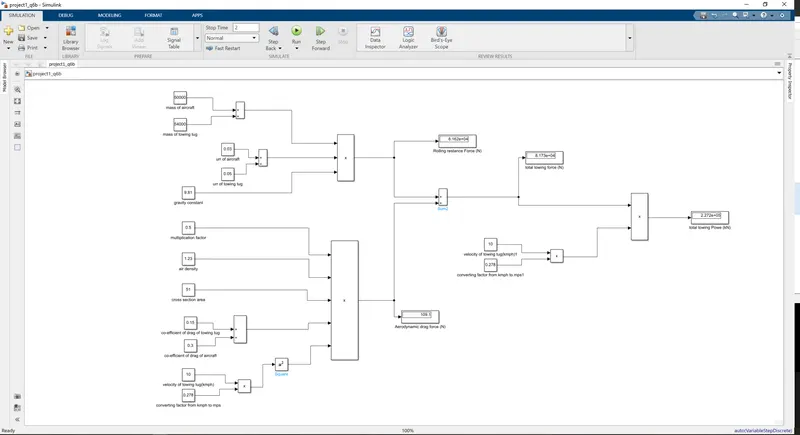
Step 1 - All constant blocks are assigned the values of all the parameters.
Step 2 - Different parameters are added and multiplied or converted to the required form and the aerodynamic drag force as well as rolling resistance force is caluclated
Step 3 - Theese two forces are added to get the total force
Step 4 - The total force is then multiplied with velocity to obtain the result
Each result is displayed using display model.
7) a
Total mass = mass of aircraft + mass of towing tug = 104000kg
Frr = 81619.2N
Far(Aerodynamic drag) = 109.08N
Total power required by towing tug = 227.04Kw
Assuming some parameters -
Time taken for towing the aircraft nto runway = 10 min or 0.166 hr
Diameter of the towing tug's tire(including rim diameter + tire sidewall height) = 18 inches, so the tyre radius = 9 inches.
Converting to meter we have r = 5/39.37 = 0.2286 m. or 0.23m
Torque produced by towing tug = tractive force * r = 81728.28*0.23 = 18797.5Nm
So total energy required by towing tug = Total power required by towing tug * time taken for towing = 227.04*0.166 = 37.84kWh
So our output power is 37.84kWh as minimum. So we have to use a motor whose power rating is greater tha this
value
So using a DC motor with following spec
Output = 300kW
Speed = 2000rpm
Now duty cycle for PWM input is = output power/input power = 227.04/300 = 75.68%
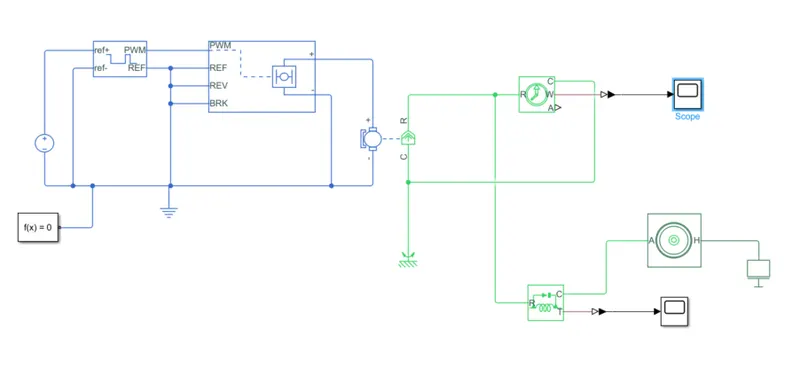
Step1) On the electrical part we have designed a motor drive consisting of PWM module,H bridge and DC motor
Step2) On the mechanical part we have placed a rotational and torque sensor to get the plot for torque and speed.
Step 3) A wheel along with mass is placed for torque calculation
Step 4) After placing the parts the simulation is performed.
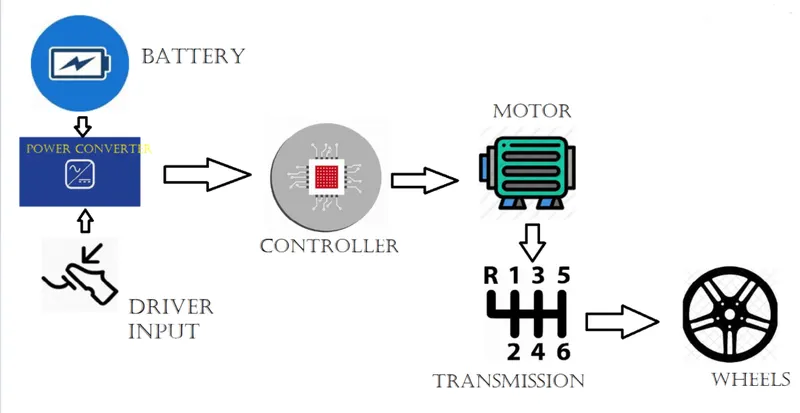
BLOCK DIAGRAM OF POERTRAIN
7b) Designing done in excel sheet