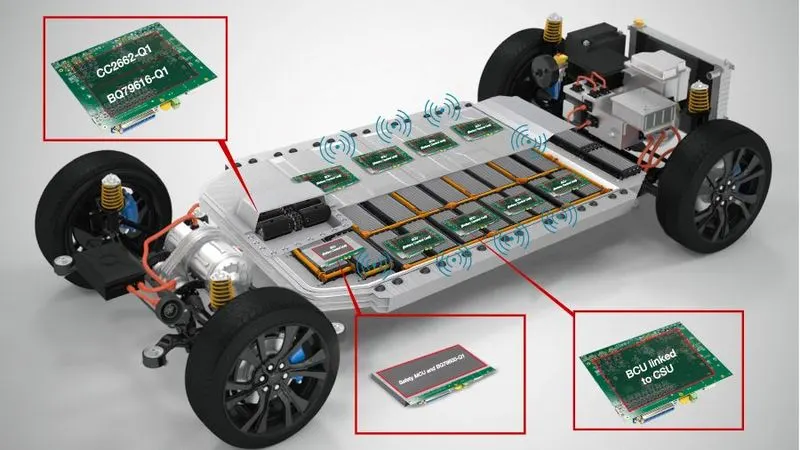
Project 1 Mechanical design of battery pack
I am online student from EV batch -16
Battery pack capacity: 18 kWh
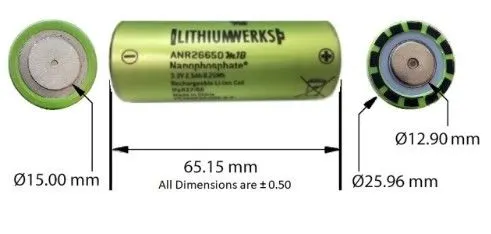
Cell: ANR26650M1-B
Prepare a detailed battery pack drawing along with its enclosure. State your assumptions.
Ans) Aim:-To develop a battery pack of 18KW using ANR26650M1-B cells with mechanical design.
- High-performance nano phosphate lithium iron phosphate battery technology delivers high power and energy density combined with excellent safety performance and extensive life cycling in leight
weight, more compact package. - Cells have a low capacity loss and impedance growth over time as well as high usable energy over a wide state of charge range, allowing our systems to meet the end of life power snd energy requirements with minimum pack oversizing.
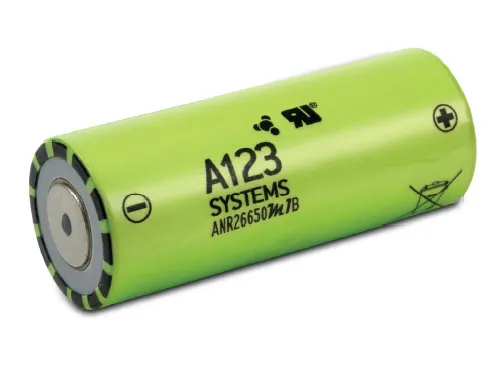
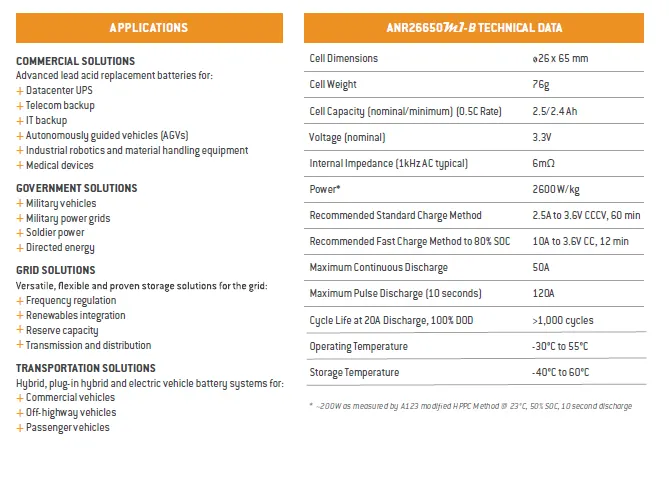
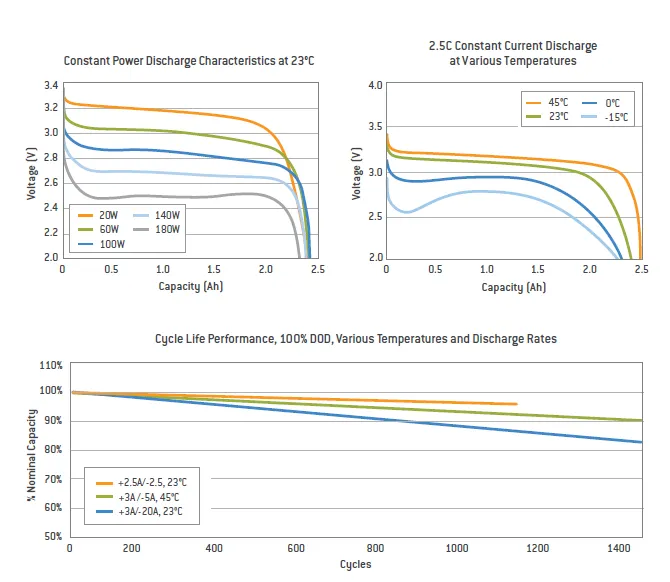
Battery Characteristics
Battery Design calculation
Determine the space of volume that which cell will take to have a capacity of 18kW.
Cell energy = Nominal voltage * Nominal cell capacity
Cell energy = 3.3*2.5
cell energy = 8.25Wh
each cell is having 825Wh
Cell volume = pi*r*r*h (because its a cylindrical)
= 3.14*0.013*0.13*0.065
= 0.0344929m^3
Cell energy density = cell energy/ cell volume
= 8.25 / 0.0344929 Wh/m^3
=239.17Wh/m^3
Now assuming the battery pack
To get 18 kW as an output power series-parallel combination we have to make.
lets consider 55 cells connected in series and 40 in parallel.
Total number of cell = 55*40 = 2200 cells
volatge of the pack = nominal voltage * cell conncetd in series
= 3.3*55
= 181.5V
current capacity of battery pack = cell capacity * cells connected in parallel
= 40*2.5
= 100Ah
The total energy of the battery pack = Voltage * current capacity
= 181.5*100
= 18.51kW
Total volume = cell volume * total no cells
= 0.0344929 * 2200
= 75.884m^3
Total weight of the battery = Total no of cells * weight of each cell
= 2200 * 0.075
= 165 kg is a total weight of battery
Types of Battery Pack
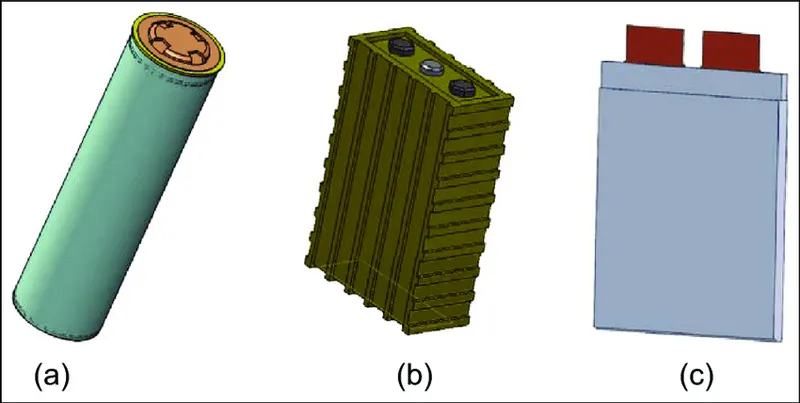
a - Cylindrical cell
b - Pouch cell
c - Prismatic cell
Construction
- A battery consists of one or more electrochemical cells which are converting chemical energy into electrical energy and electrical energy into chemical energy during discharging and charging respectively.
- A battery consists of an anode, cathode, separators, current collectors and electrolyte.
- When the single battery is connected with a large number of cells it's called a module and when a number of modules are connected it is called a battery pack.
- In electric vehicles there three types of cells are used- cylindrical, prismatic and pouch.
- To construct a battery pack according to parameters cells are connected in series and parallel.
- It is all connected by spot welding and also there is a gap between each cell.
- Each cell has a vent and cap to protect the cell and extra pressure.
- To connect cells nickel strip is used between the cells to make the contact.
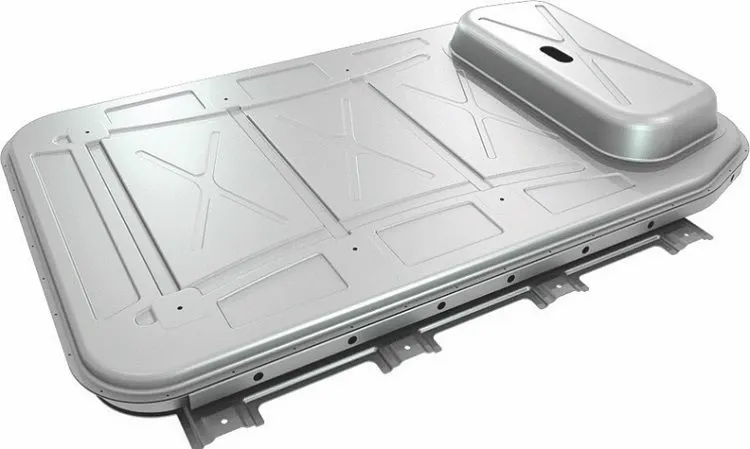
- The battery enclosure is the final protection of the battery.
- It should be very strong and light in weight.
- The weight should be less so we can get a possible range.
- There is also a temperature management system provided to coll and heat the batteries when its needed.
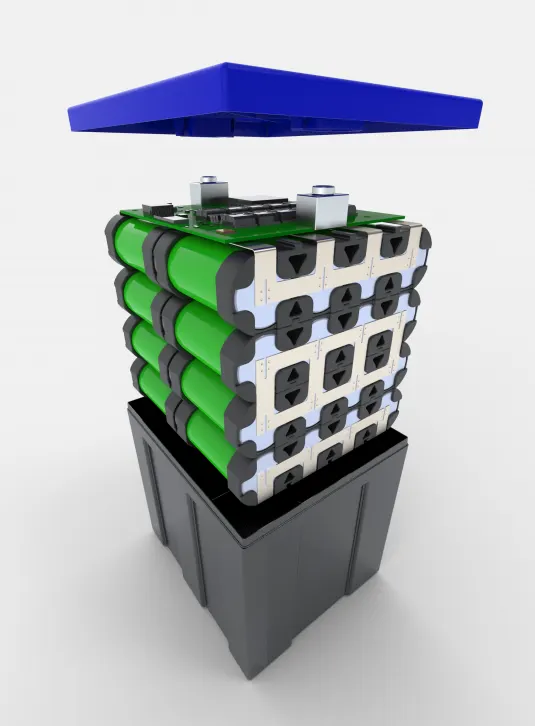
Battery Management System
- A battery management system is an electronic system that manages a lithium battery pack.
- It monitors all the groups of batteries which are in parallel and disconnects them from the input power source when fully charged.
- It also balances all the cell voltages equally.
- Over discharging will not occur and life span is increased.