Project 1 Hood
CAR HOOD DESIGN
AIM:
To design the car hood in NX using given master section and provided design parameters. Then development & its safety feature as per the design consideration.
The following task is performed:
- Design the outer panel with the Hem.
- Design the inner panel with the Emboss.
- Develop all necessary Reinforcements.
- Mirror and position the Hinge & Striker.
- Provide the required mastic data & emboss defination.
The following are the guidlines should be considered while designed the hood.
- Outer Panel Thickness = 0.75 mm
- Inner Panel Thickness = 0.75 mm
- Reinforcement Thickness = 1.5 mm
- Minimum Fillet Radius = 3.75 mm
- No Sharp Edges
Data to be used:
Hood Thickness Information:
Outer Panel Thickness = 0.75mm
Inner Panel Thickness = 0.75mm
Reinforcement Thickness = 1.5mm
HOOD AND IT'S COMPONENTS:
HOOD:
A Car Hood, also referred to as a "bonnet" in some contries. Which is a term used for the hinged opening to to a cars engine compartment. Purpose of hood is to provide access to the engine and battery for repair and maintenance.
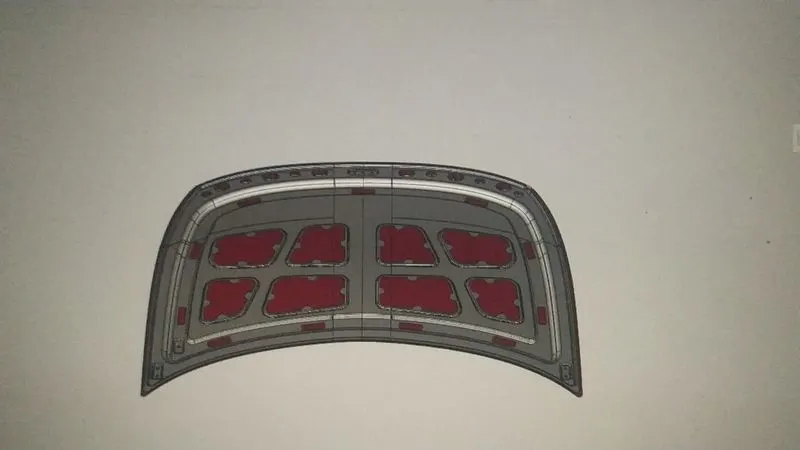
COMPONENTS:
The car hood consists of following components.
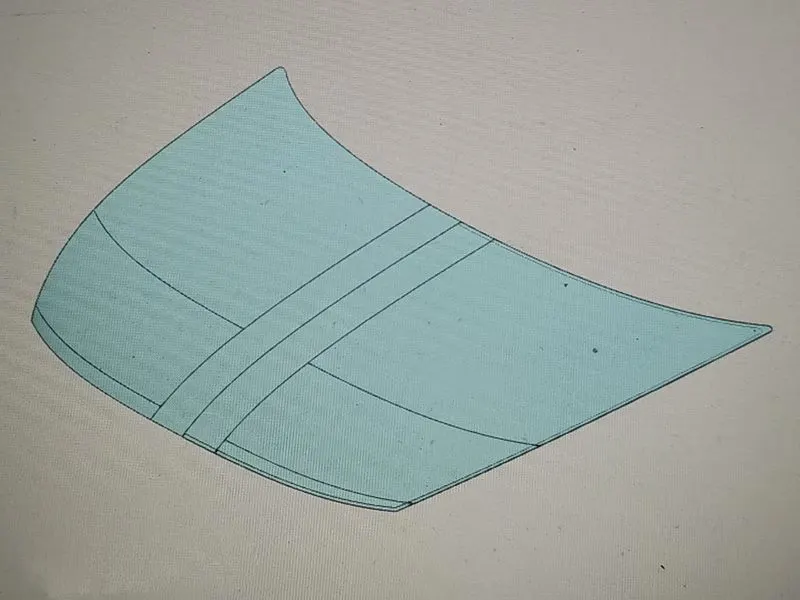
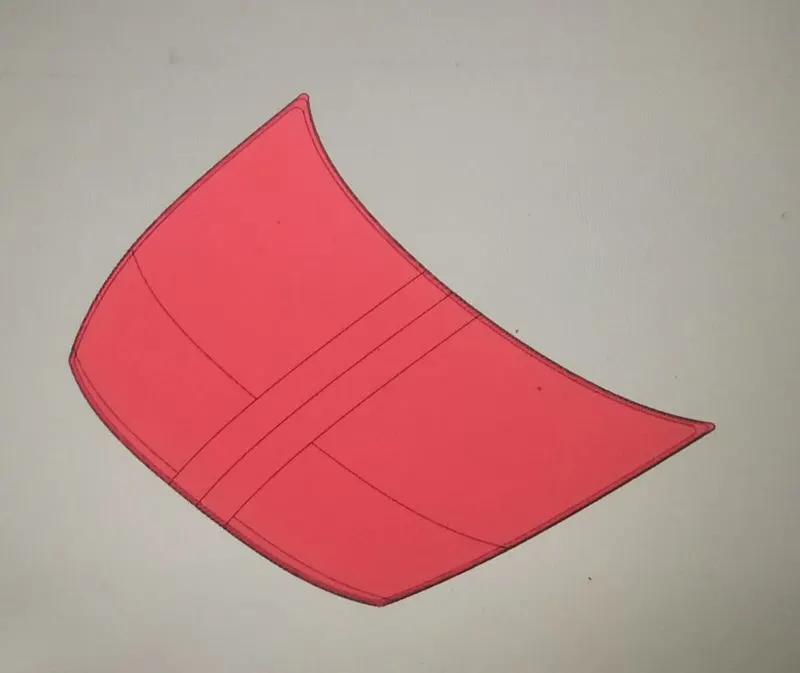
HOOD OUTER PANEL:
The outer panel has the aesthetic look to it but on its own is very weak and capable of handling force during impact. The hood outer panels are made of traditional steel, plates and their quality does not meet the needs of lightweight development.
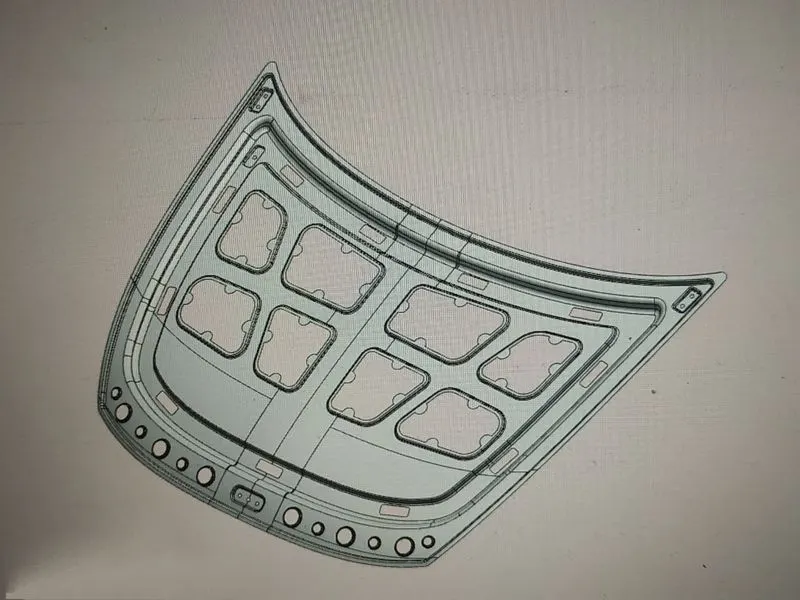
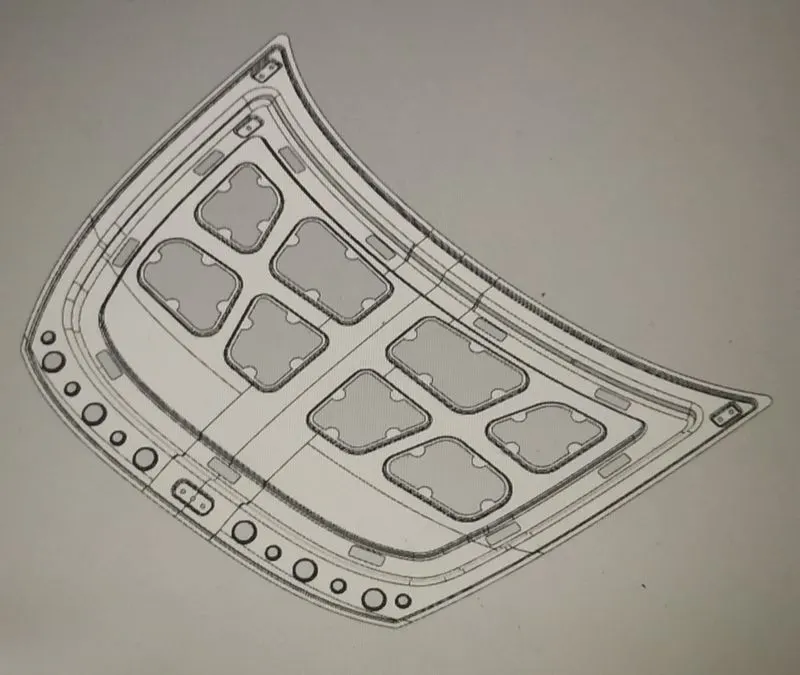
HOOD INNER PANEL:
Inner panel main body, it is for forming the hood of vehicle. Frond side strenthening rib,it is arranged at above-mentioned inner panel main body and extends along width direction inorder to energy absorption when improving collision is recorded in patent documentation.
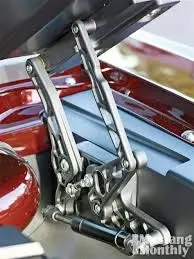
HINGES:
A bonnet hinge is a bracket system that facilites the opening and closing of a car bonnet. One part of the hinge is fixed with the engine compartment, while other patr is connecter to hood.
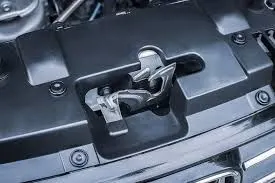
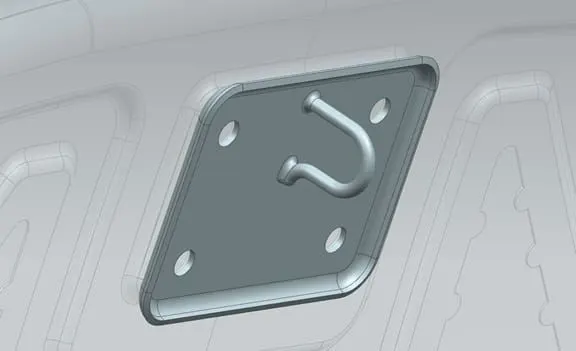
LATCH AND STRIKER:
Latch and striker mechanism is provided to lock the hood. The latch is palces on the engine compatrment and while the striker attached to inner patr of hood.
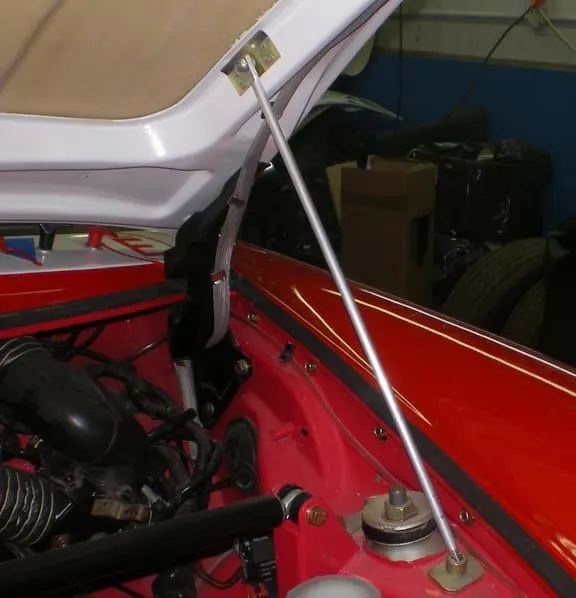
SUPORT ROD:
Support rod is basically give a curvature rod. so that it gets strngth and safely keep an engine hood in an open state even if external force are abruotly generated due to vibration & wind.
LATCH TRAJECTORY:
The latch trajectory is the path which the striker will follow when the hood is open and closedwhile pioting on the hinge axise.The latch trajectory is taken as a circle with the hinge axis as the centre of the circle.
MASTIC SEALANT:
Mastic sealanthelps to locally improve strength of the hood. It is generally a hard rubber part, which is introduced as a paste in between inner and outer panel of the hood.
REINFORCEMENTS:
Reinforcement will be a metal part spot welded into the emboss of the hinge and the striker. it can't be seen from the outside as it will be welded in the hood inner pannel.
IMPORTANT FEATURES USED IN DESIGNING:
- Wave Geometry Linker: Copies geometry from other parts in the assemply into work part.
- Bridge Curve: Creates a tangent blend curve between two object.
- Offset Curve In Face: Offsets curve along the faces on which they lie.
- Trim Sheet: Trims of a portion of a sheet body.
- Extend sheet: Extends a sheet body by distance or to the intersection with another body.
- Trim and Extend: Trims or extends a set of edges or faces to the intersection with another set of edge or face.
- Law Extension: Creates a law-controlled extension from a base sheet, dynamically or based on laws for distance and angle.
- Emboss: Modifies a body with face made by projecting a section along a vector, with option for end cap location and shape.
- Face Bnd: Adds tangent blend faces between selected set of faces. the blend shepe can be circle or conic.
- Edge Bend: Rounds sharp edges between faces. The radius can be constant or variable.
- Projected Curve: Projecteds curves, edgesor point onto faces or planes.
- Mirror Geometry: Copies geometries and mirrors them across a plane
- Sew: Combain sheet bodies by sewing common edge together,or combines solid bodies by sewing common face.
- Thicken: Creat a solid body by adding thickness to a set of face.
MANUFACTURING PROCESS:
DEEP DRAWING:
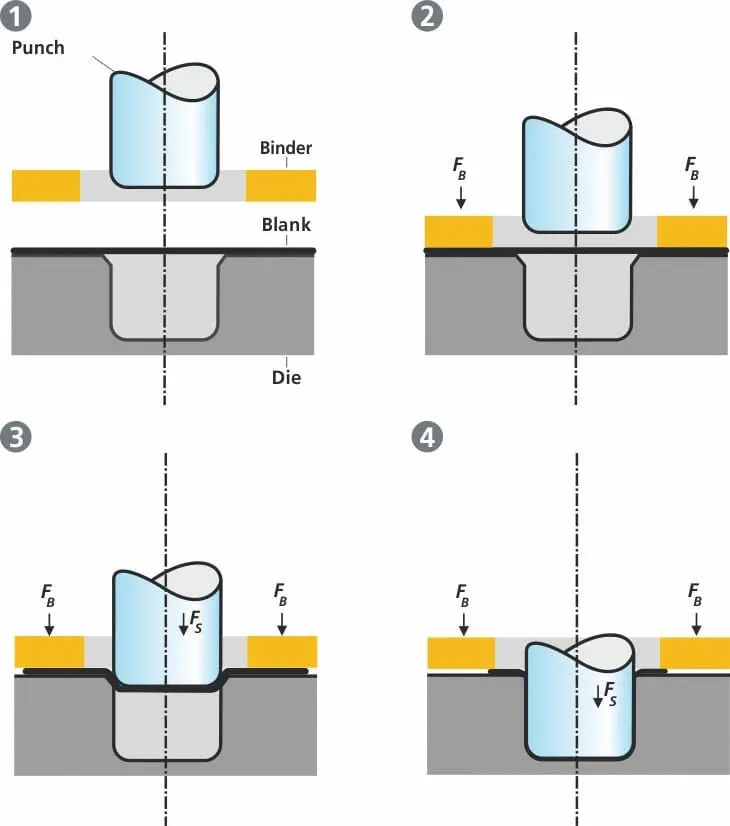
The production process of the outer & inner panel of the hood mainly includes blanking , deep drawing, trimming, turnup, side turnup. Among them, deep drawing is a key process to ensure the quality of parts.
Deep drawing is a sheet metal forming process in which a sheet metal blank is radially drawn into a forming die by the mechanical action of a punch. It is thus a shape transformation process with material retention. The process is called deep drawing process.
HEMMING:
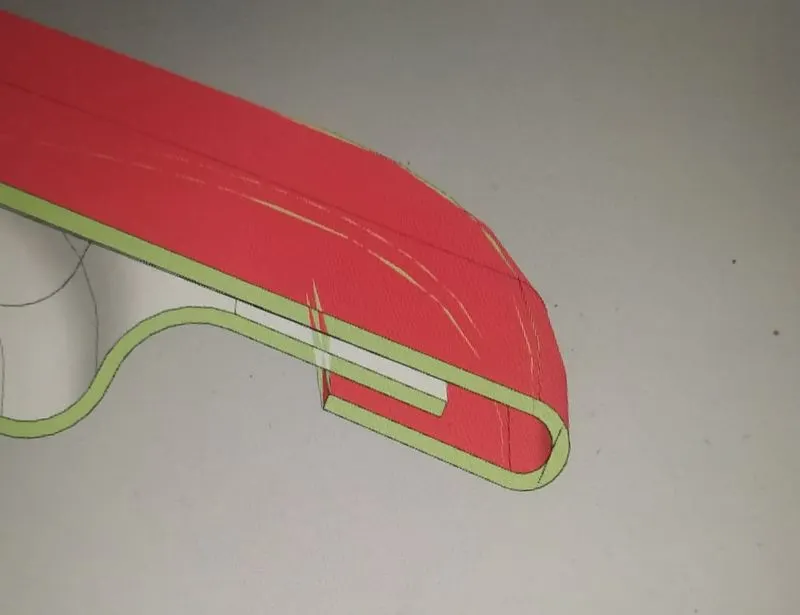
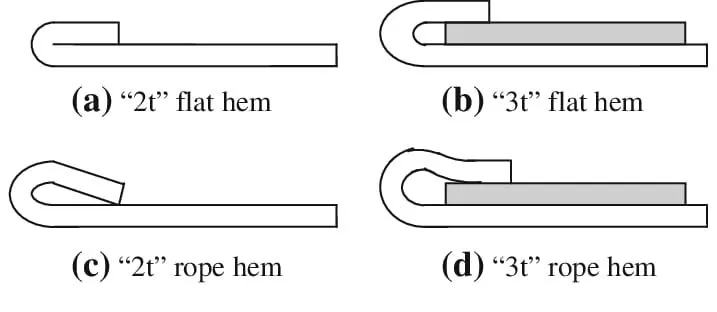
Hemming is a sheet metal forming process in which sheet are joined by bending it to 180 degree. The hemming is a manufacturing strategy during which the edge of the sheet of metal is folded over itself meets the surface of the sheet.
EMBOSSING:
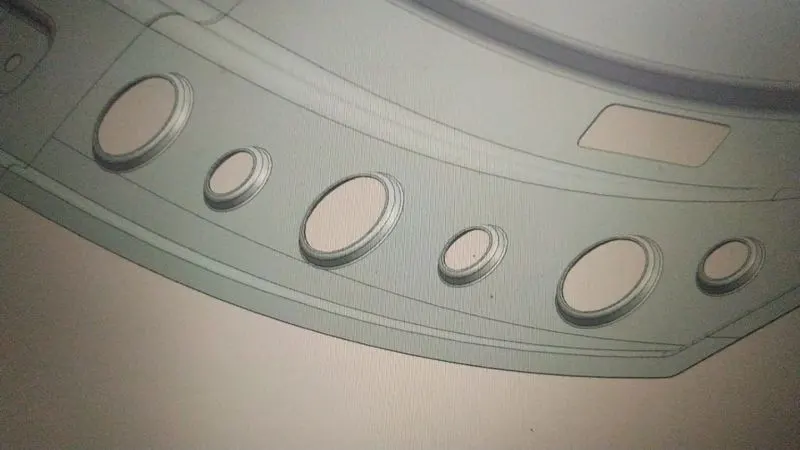
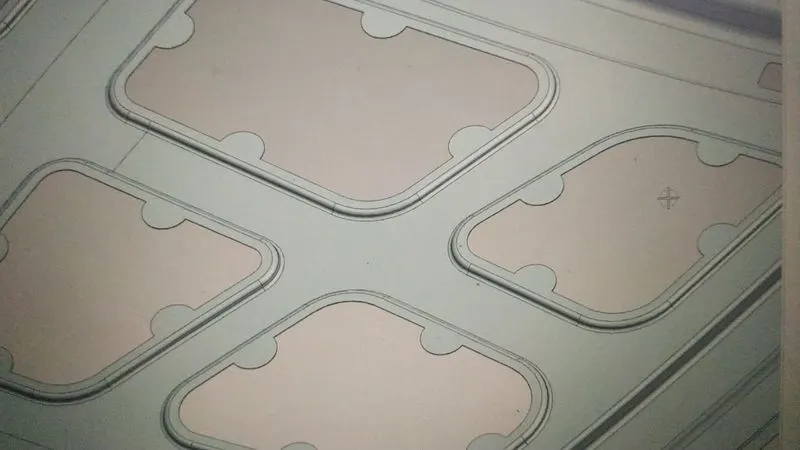
Embossing is a stampingprocess for producing raised or sunken designs or relief in sheet metal.Embossing can help disperse liquid mor effectively, reduce friction and static, bolster metal panel stiffness and rigidity.
BLANKING:
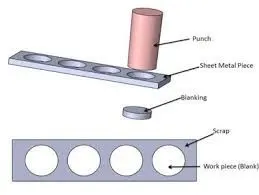
Blanking is ametal production process, during which a metal workpiece is removed from the primary metal strip or sheet when it is punched.The metal that is removed is the new metal workpiece or blank.
CONCLUSION:
I have desined the hood inner panel and outer panel of the car with full design consideration and the requirements using NX.