Project 1_Comparative study of different storey buildings for Seismic forces
AIM: Project 1_Comparative study of different storey buildings for Seismic forces
Introduction
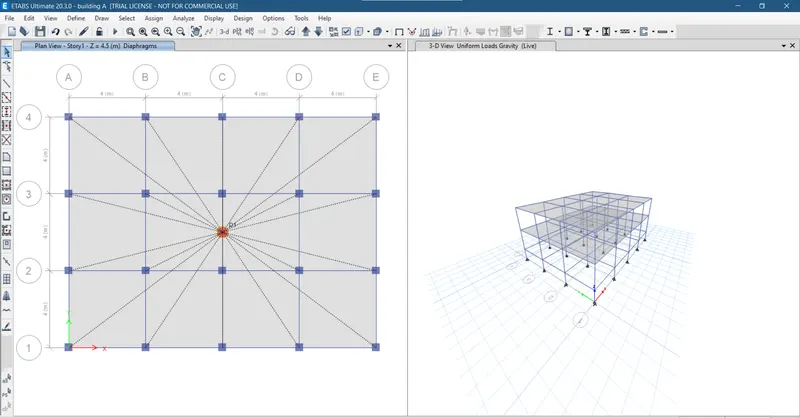
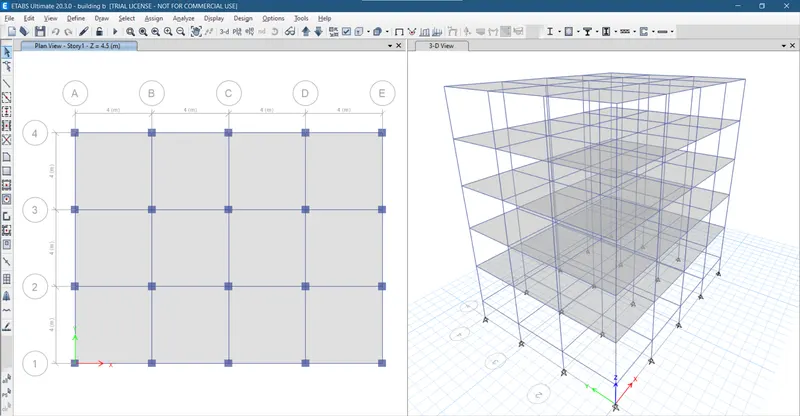
The structural configuration of the building plays a major role in determining the overall response during an earthquake. Different building geometries behave differently when induced by the same seismic forces. Hence, it is very important to properly understand the response of buildings related to their structural configurations for a safer design approach. Therefore in this project, we have modeled different buildings with varying geometries using ETABS. Furthermore, their responses are analyzed with the help of the software and the results are then compared to grasp an understanding of the structural behavior of buildings with different storeys.
Procedure:
Steps:
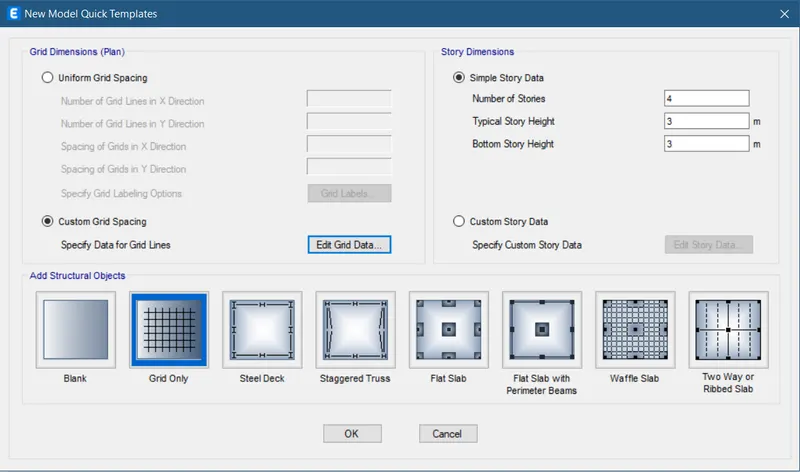
- Open ETABS and Set up the Model
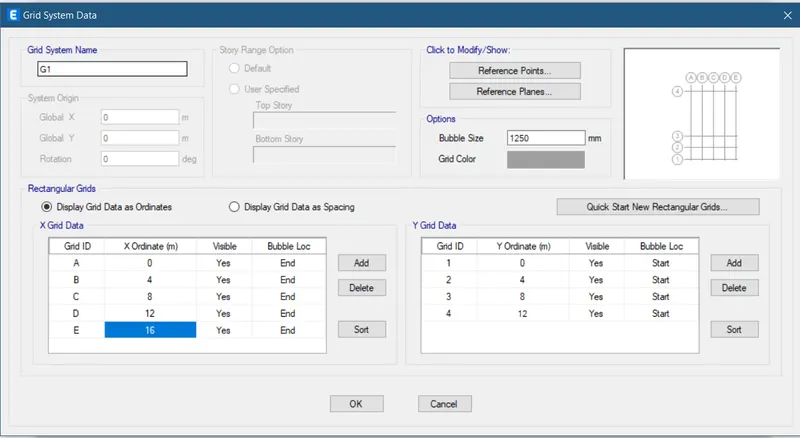
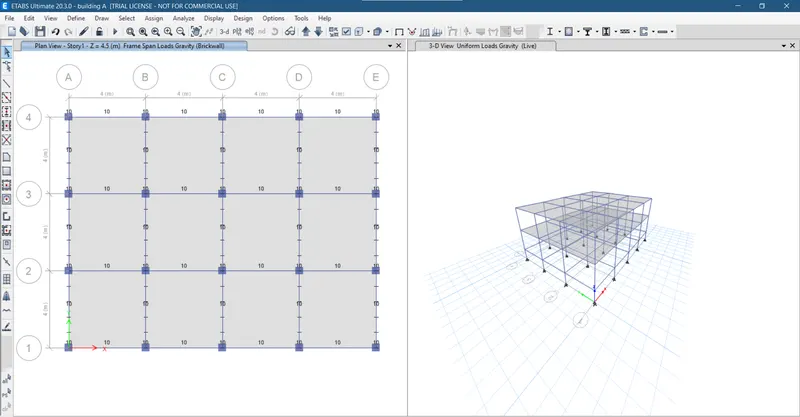
- Set templates:- Grid dimensions
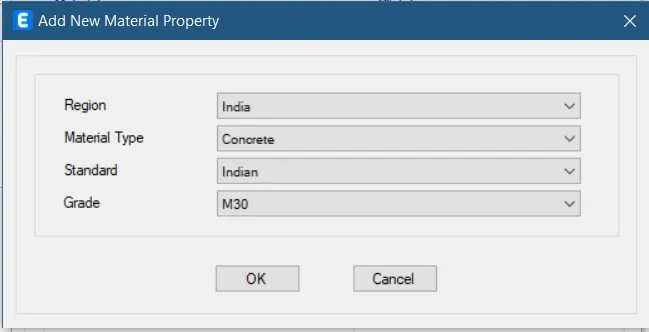
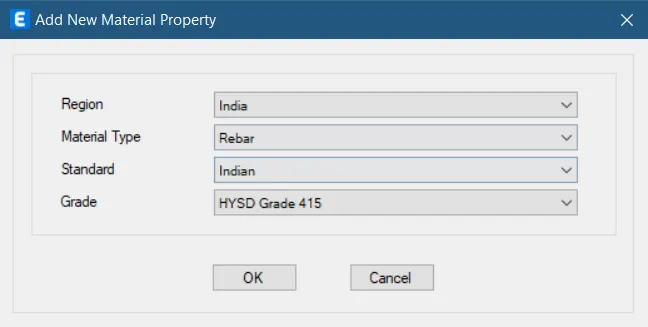
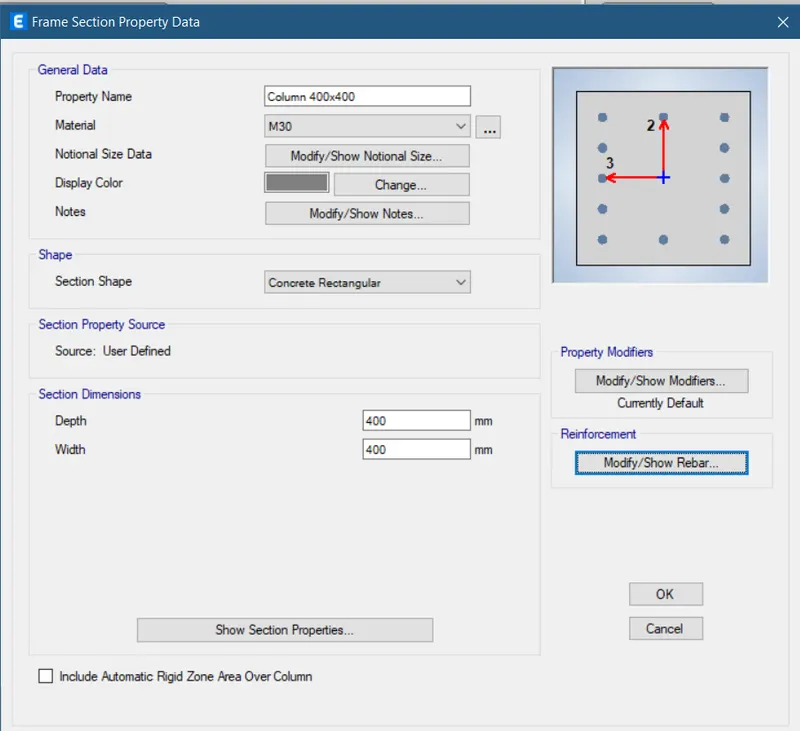
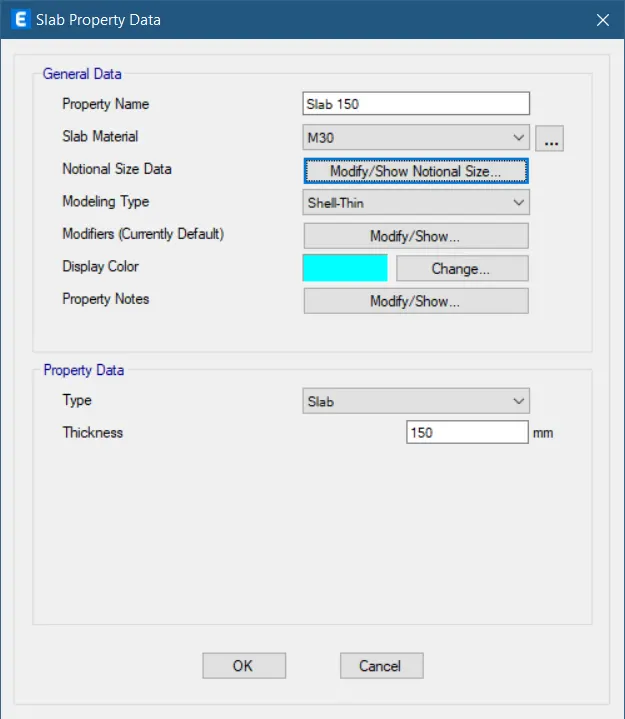
- Also define material property and also section property
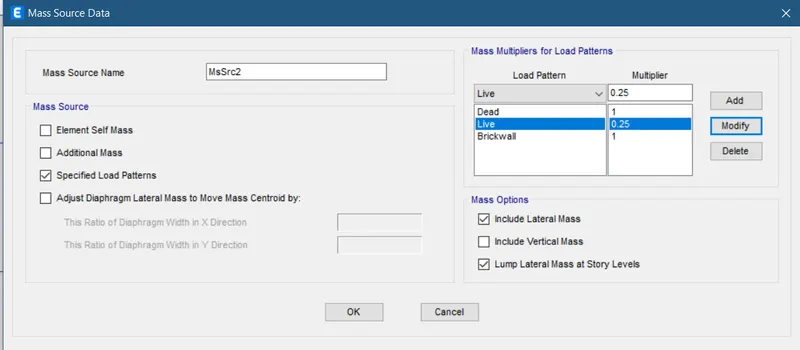
- Define load Patterns and mass source data
Building A
Building B
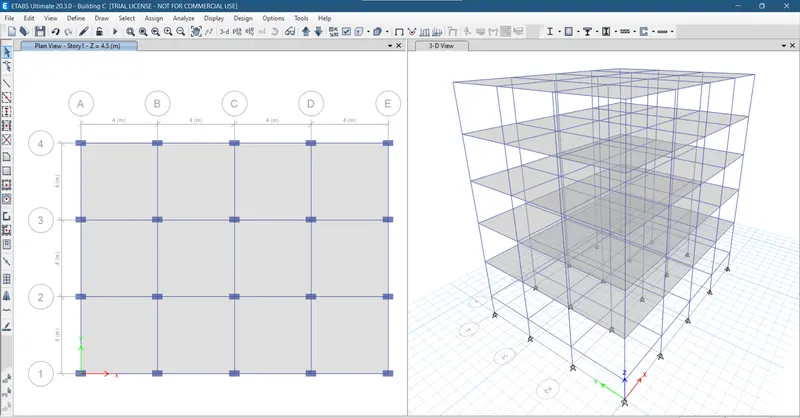
Building C
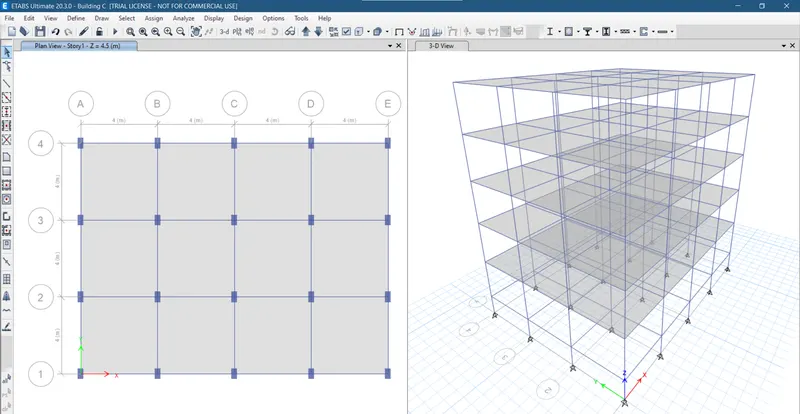
Building D
Building E
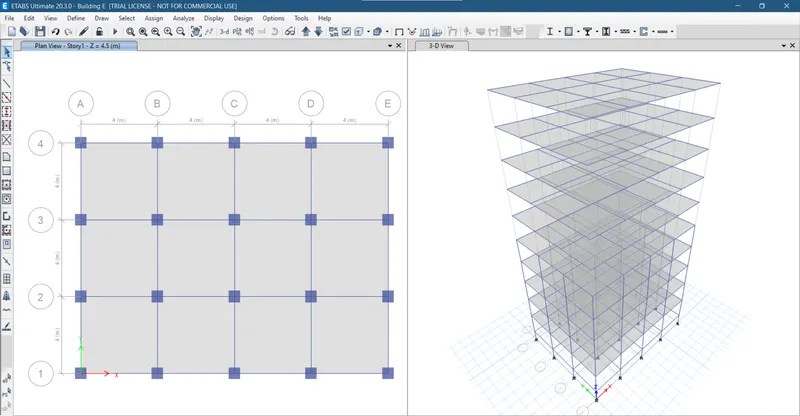
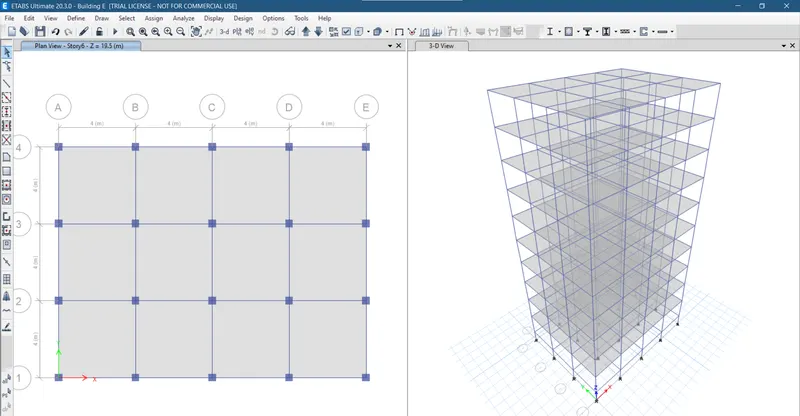
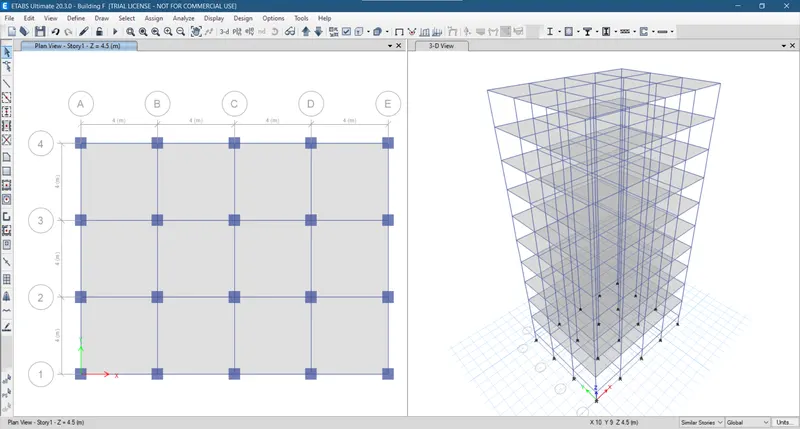
Building F
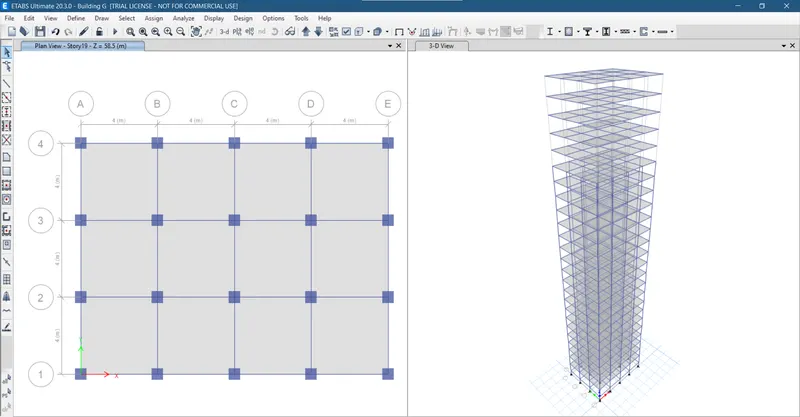
Building G
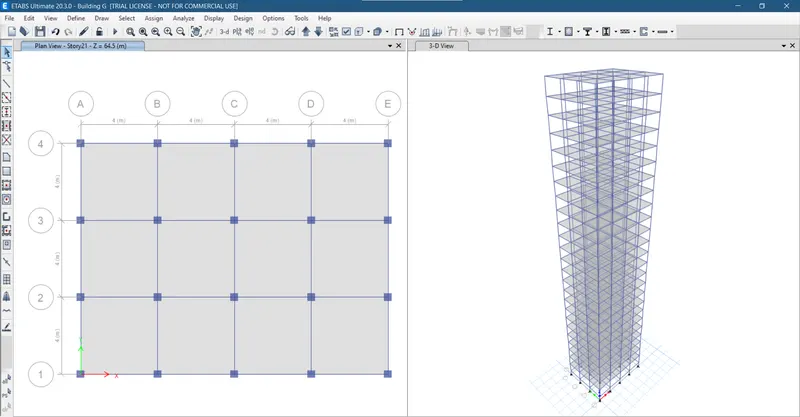
Building H
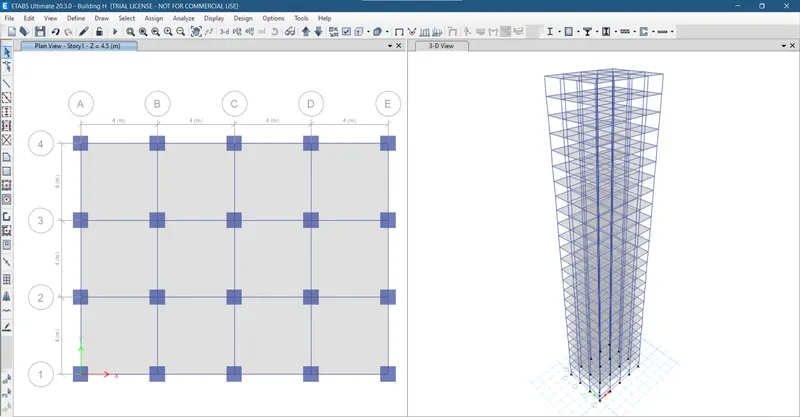
Building J
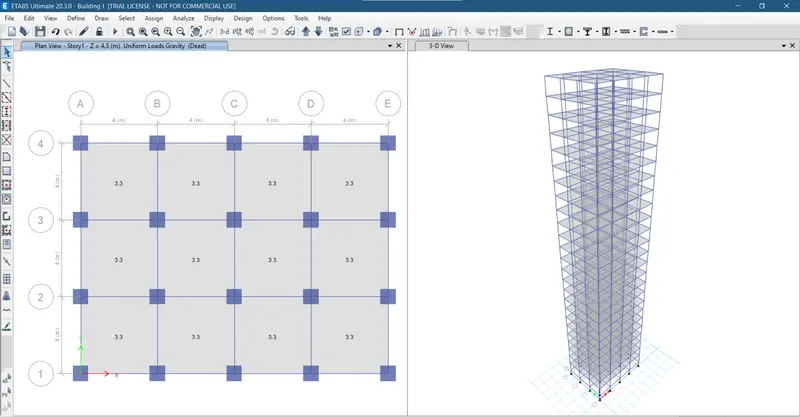
Building K
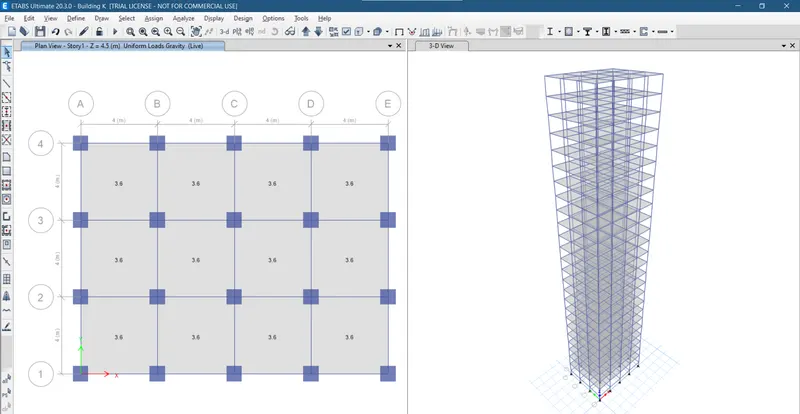
- Now we run the analysis for the model one by one
- Then from display tab we show the modal response
Result:
Modal Response of building A
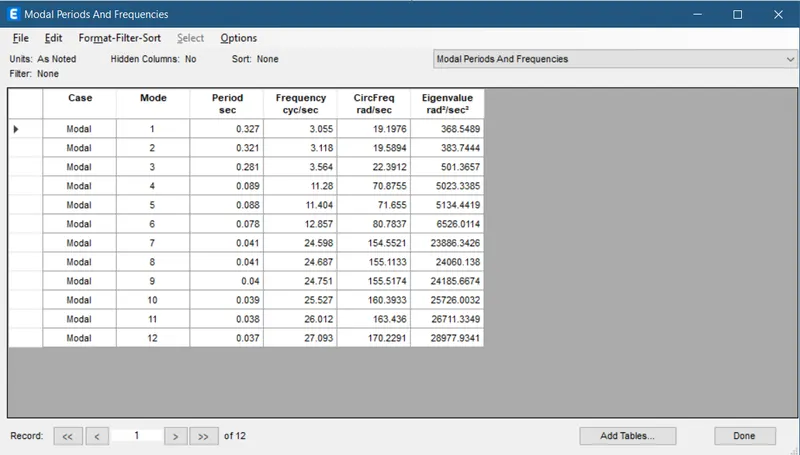
Modal Response of building B
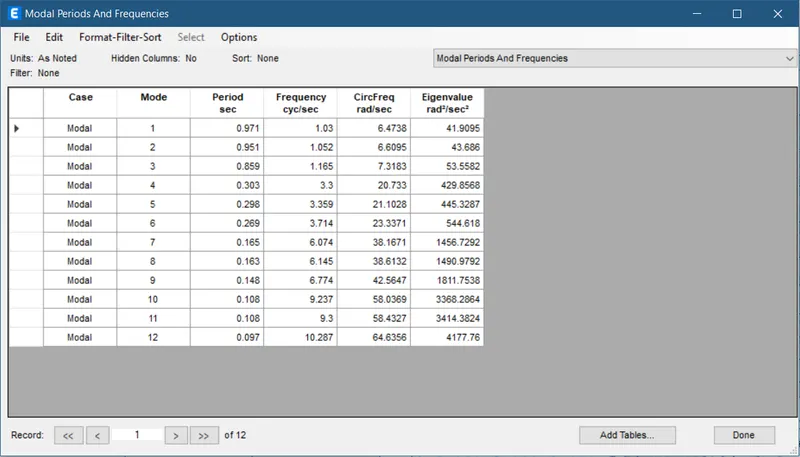
Modal Response of building C
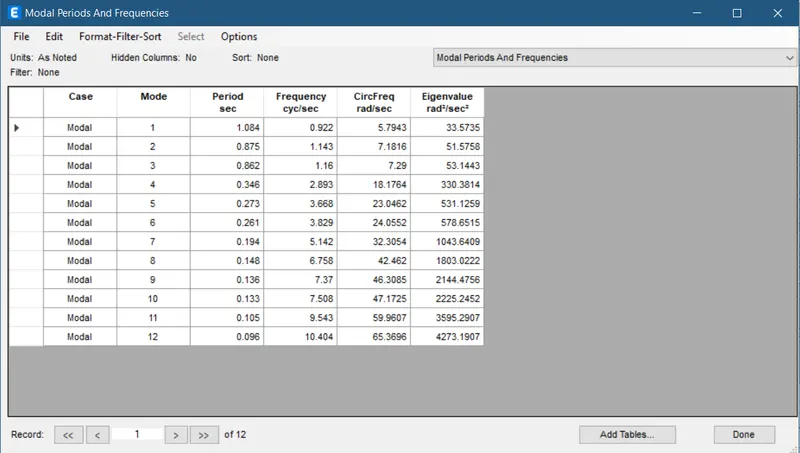
Modal Response of building D
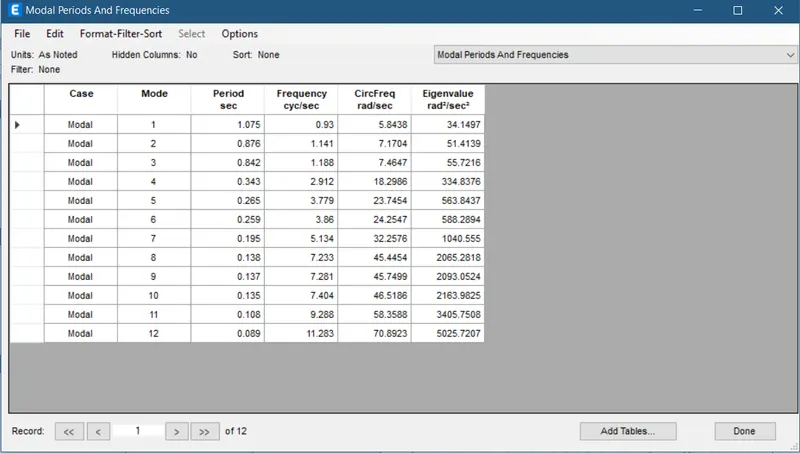
Modal Response of building E
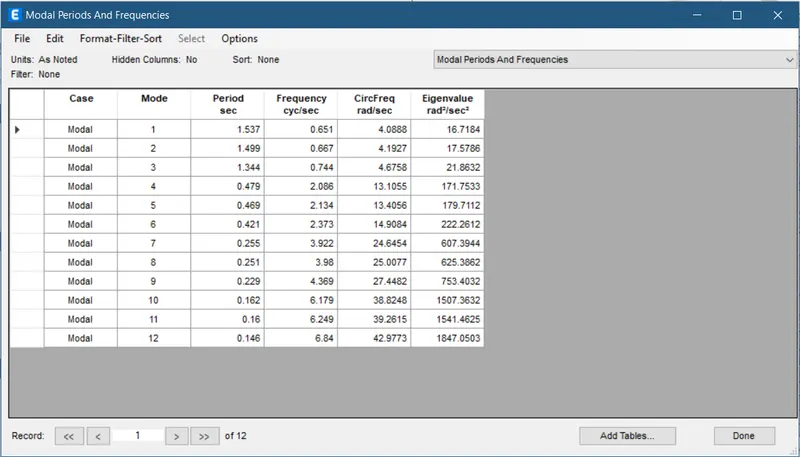
Modal Response of building F
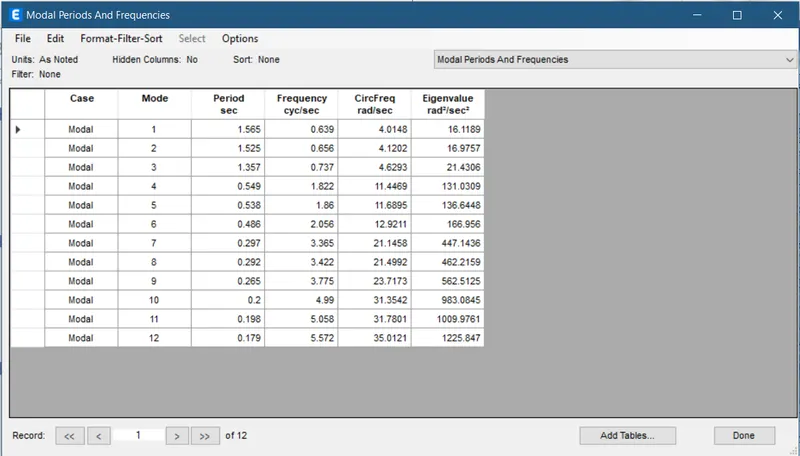
Modal Response of building G
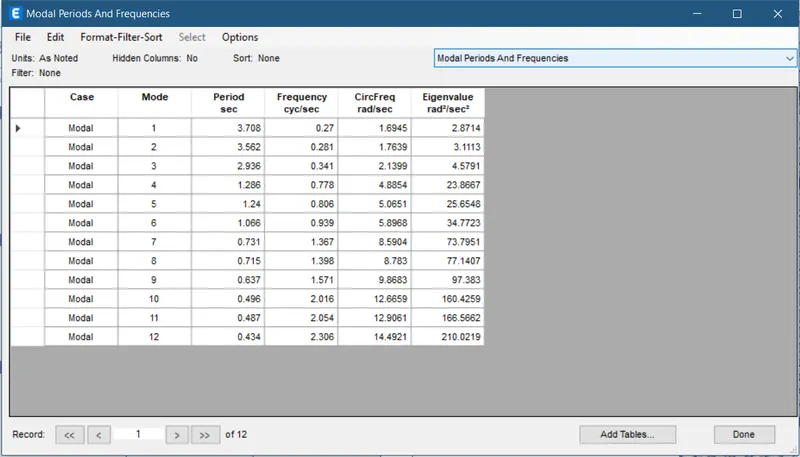
Modal Response of building H
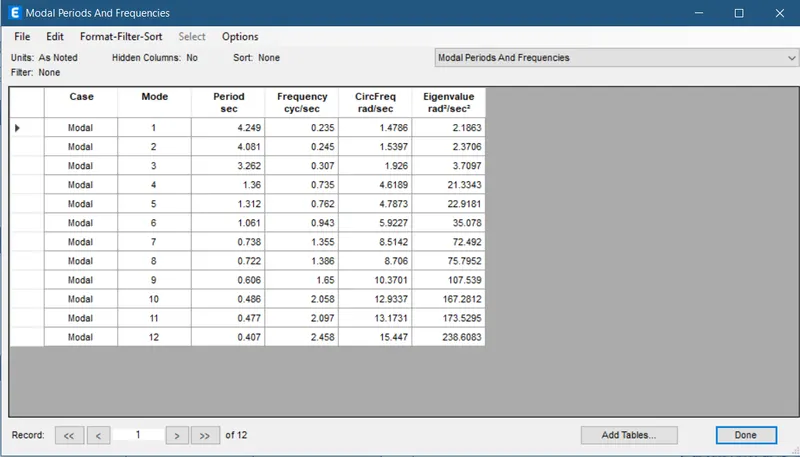
Modal Response of building J
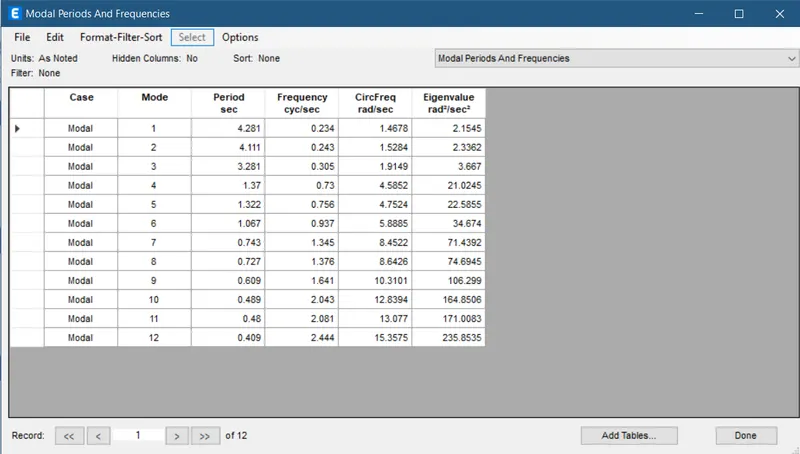
Modal Response of building K
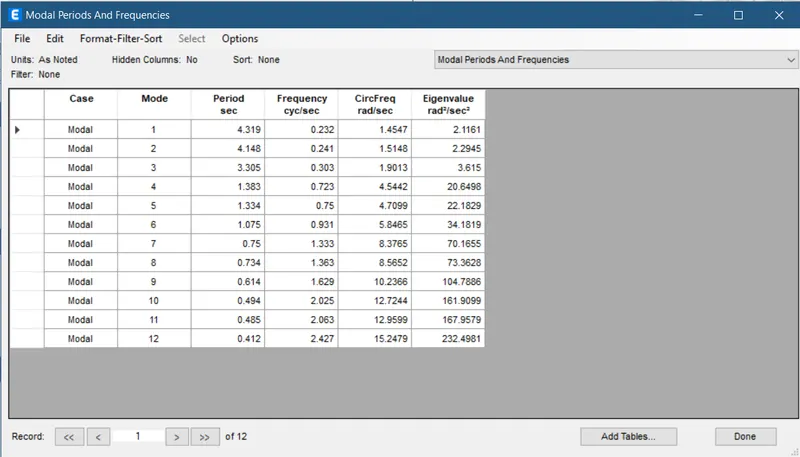
Factors influencing the natural period of the building
1) Effect of Stiffness on T(Naturral period): Compare fundamental natural periods of buildings E & F as well as G & H. Why is there a marginal or significant difference in the fundamental natural periods
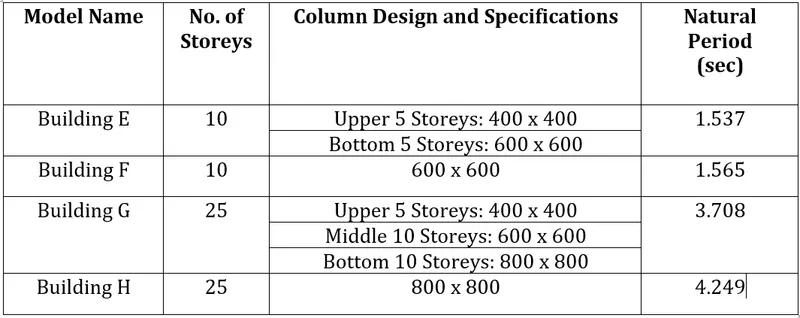
Conclusion: For buildings E and F, varying column design doesn't make a big difference as there are only five stories. However, we can see that for buildings G and H, the consistent column size throughout the structure causes a more natural period. Therefore, it can be concluded that providing larger columns at the base and then reducing the size on top floors helps control the natural period 'T' for tall buildings.
2) Effect of mass on T: Compare fundamental natural periods of buildings H, J and K. Have the buildings become more flexible or stiff due to change in mass
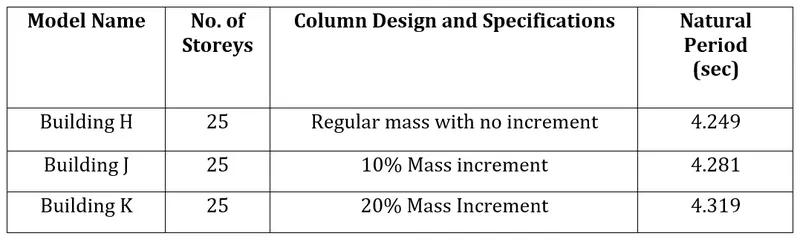
Conclusion: As seen from the table, the natural period for the tall buildings is directly proportional to the imposed mass of the building.
3)Effect of Building Height on T: How do the fundamental natural periods of Buildings A, B, F, and H change with a change in building height
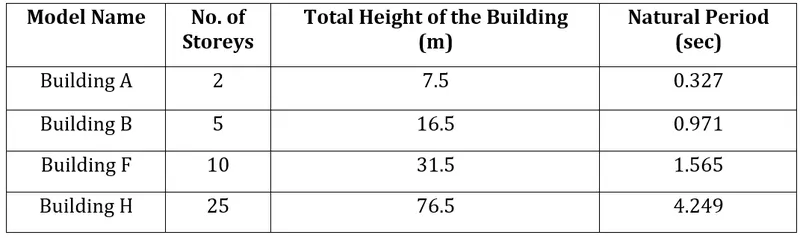
Conclusion: As seen in the above table, the natural period 'T' is also directly proportional to the building height.
4)Effect of Column Orientation on T: How do the fundamental natural periods of Buildings B, C, and D change with a change in column orientation
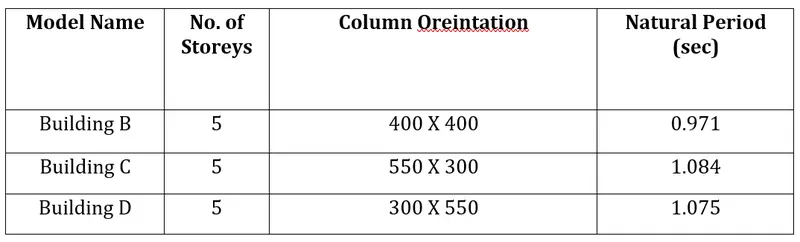
Conclusion: As seen in the above table, the column oreintation has not much effect on the natural period 'T'.
Factors Influencing the Mode Shape of Oscillations
1) Effect of Flexural Stiffness of Structural Elements on mode shapes: Compare fundamental mode shape of Building H in two situations when the flexural stiffness of beams relative to that of adjoining columns is very small versus when it is large.

Conclusion: It is pretty obvious that if you decrease the flexural stiffness of beams, the overall flexural strength of the beam is also going to reduce, and consequently, the fundamental natural period will shoot up.
2)Effect of Axial Stiffness of Vertical Members on mode shapes: Compare the fundamental mode shape of Building J in two situations when the axial cross-sectional area of columns is very small versus when it is large.
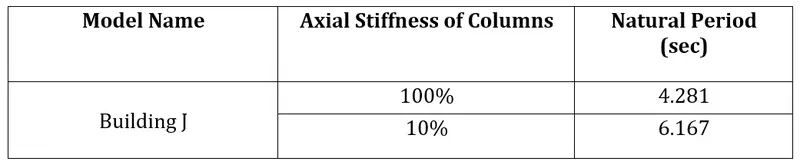
Conclusion: As the axial stiffness of columns decreases, the fundamental natural period of the building increases regardless of its structural geometry.
3)Effect of Degree of Fixity at column bases on mode shape: Compare the fundamental mode shape of Building B in two situations when the base of columns is pinned versus when it is fixed.
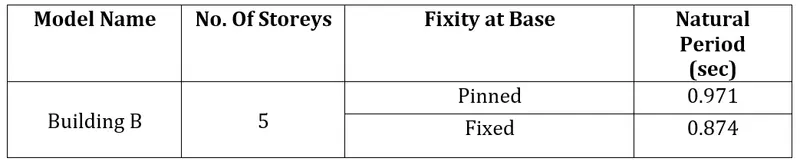
Conclusion: It is evident that pinned support offers fewer restraints compared to the fixed one which leads to more movement and thus increased natural period. As a result, it can be concluded that the fixed support will give you better control over the fundamental natural period of buildings.