Project 1
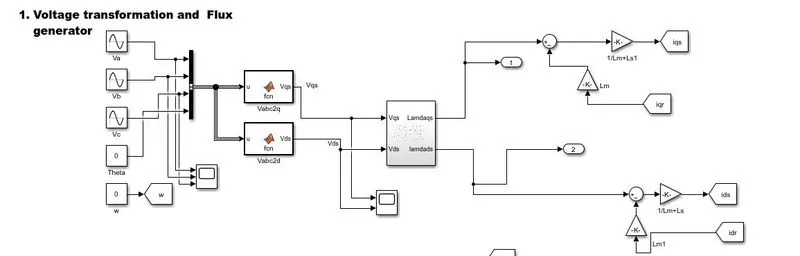
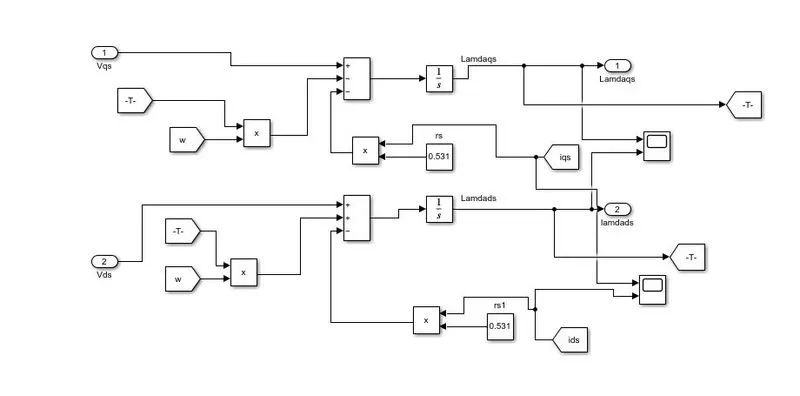
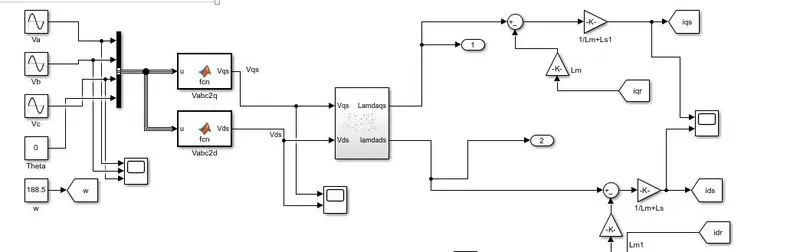
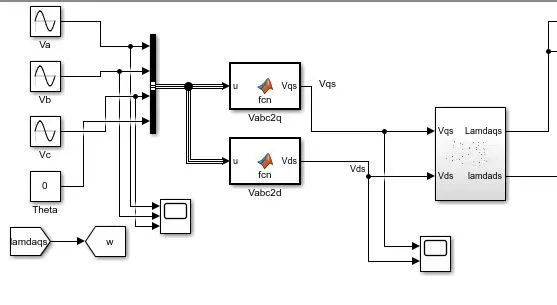
Vdq to lambda conversion:
From the above inputvoltage images we could see that the motor is powered by a 230V 3-phase suply with 60Hz.
Sator resistance is set to 0.531ohms
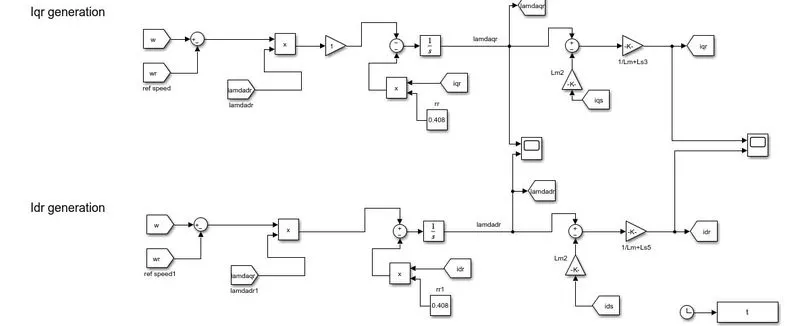
Rotor resistance is set to 0.0408ohms
Stator and Rotor inductance is set to 2.52mH
mutual inductance is also set as 84.7mH
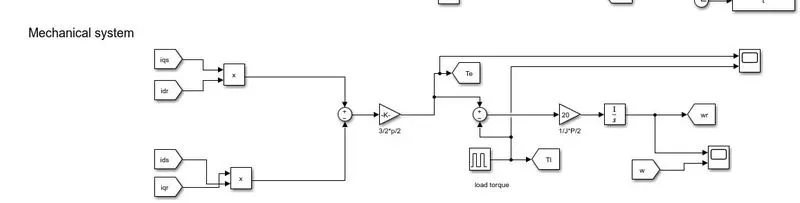
Moment of inertia is given as 0.1kgm^2 which is 1Nm^2
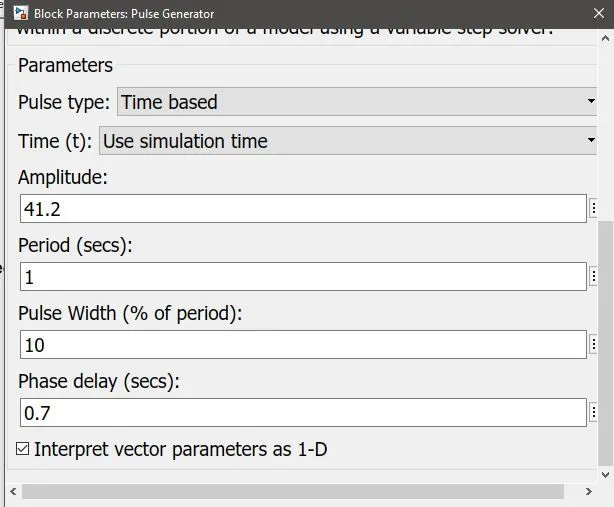
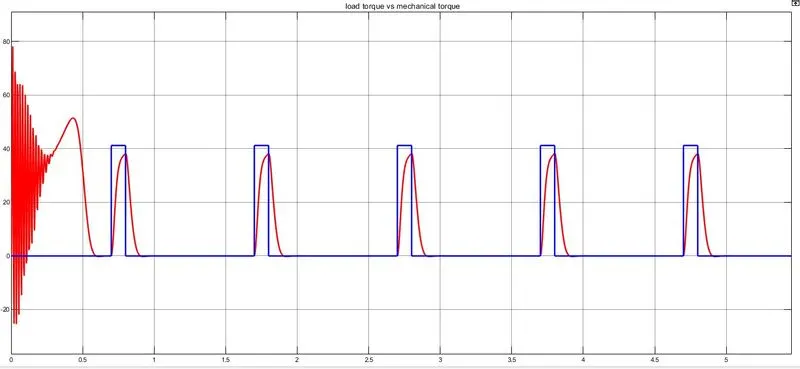
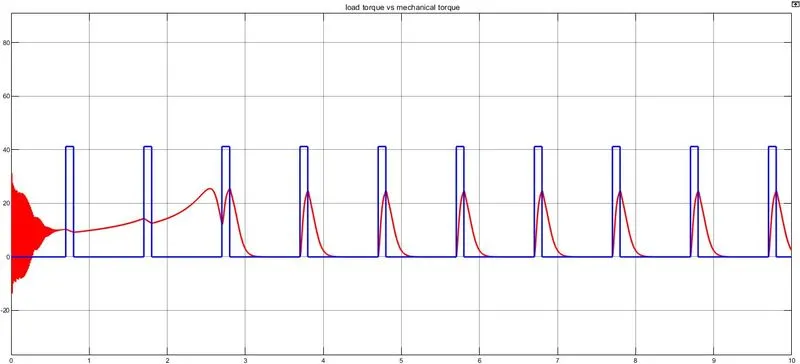
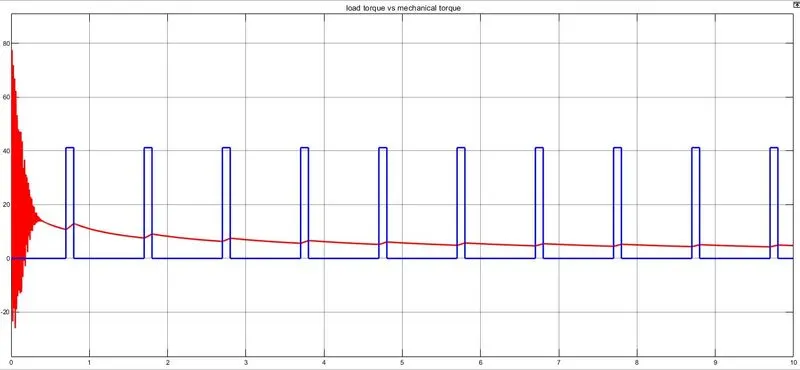
The motor torgue is 50Nm hence aplying a load torgue of 0.83 times motor torgue makes it 41Nm.
case 1:
Simulate the start-up behaviour of the induction motor represented in the stationary d-q reference frame
for this condition both theta and wr is zero
reults:
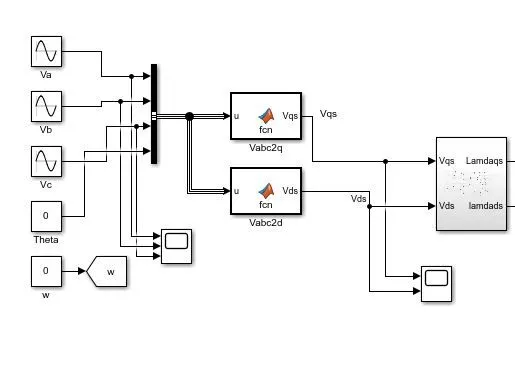
Vqs:
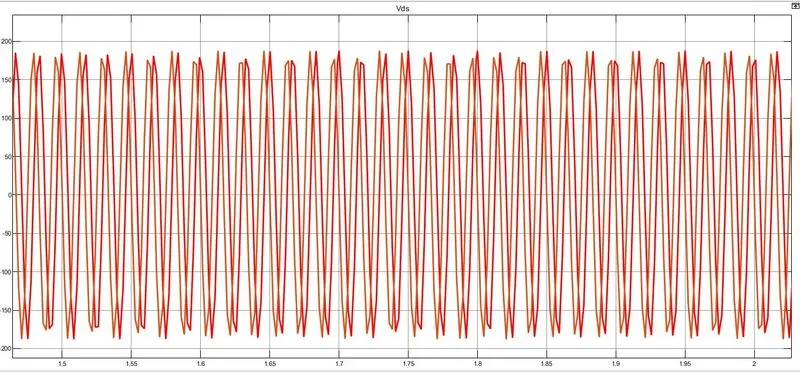
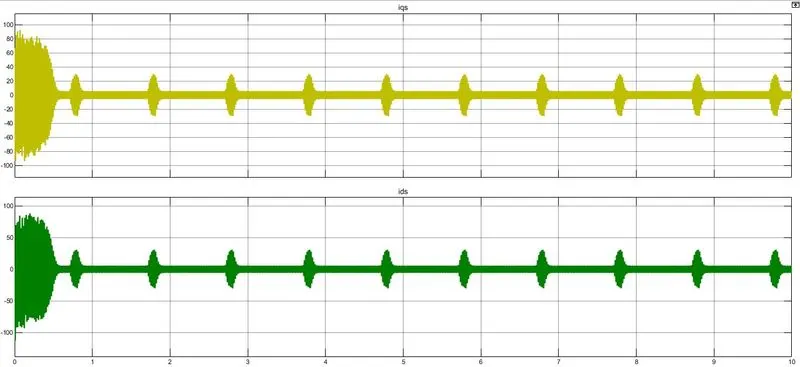
Iqs and Ids:
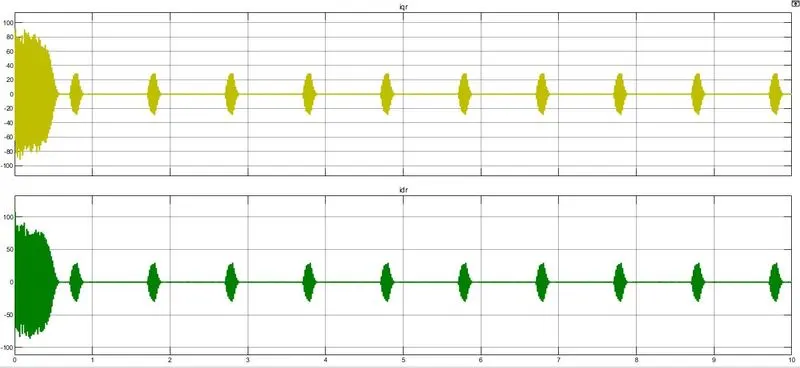
Iqr and Idr;
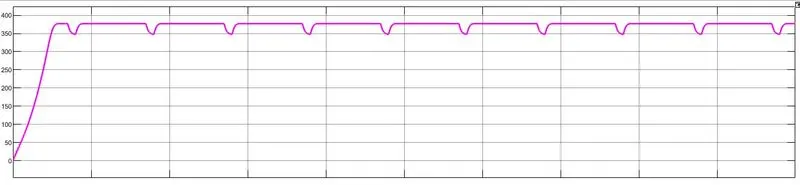
rotor speed:
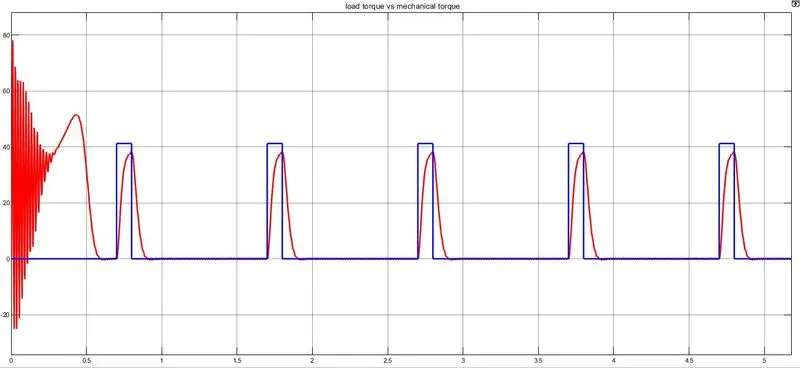
te and tl:
case 2:
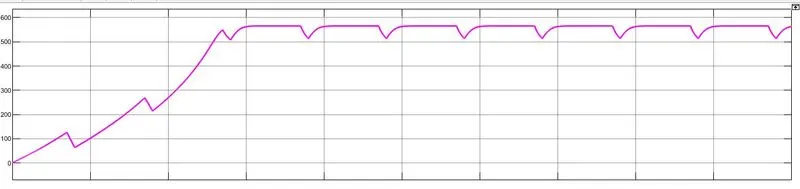
In this case the speed of rotor is same as synchronous speed:
Ns=120*f/P=120*60/4=1800rpm=188.5rad/sec
speed:
Te and TL:
Iqr and Idr:
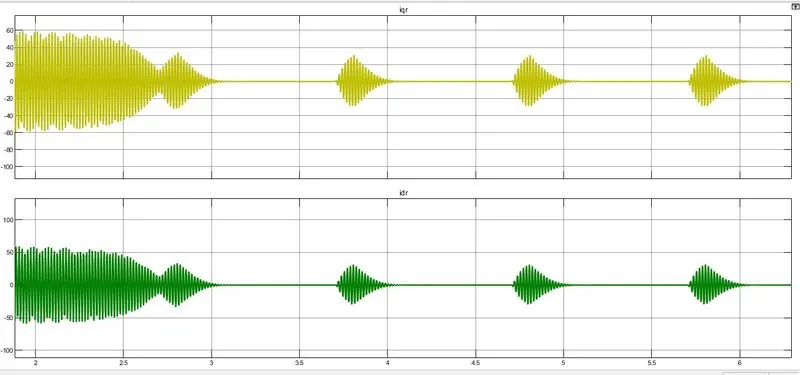
Ids and Iqs:
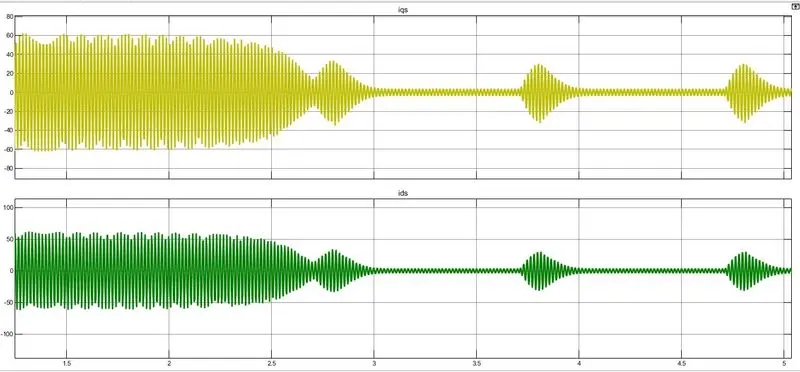
Vqs and Vds:
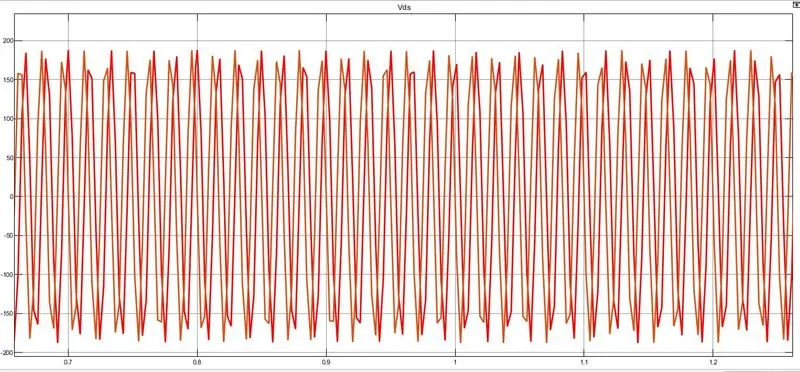
case3:
The rotor rotates with the same starting speed
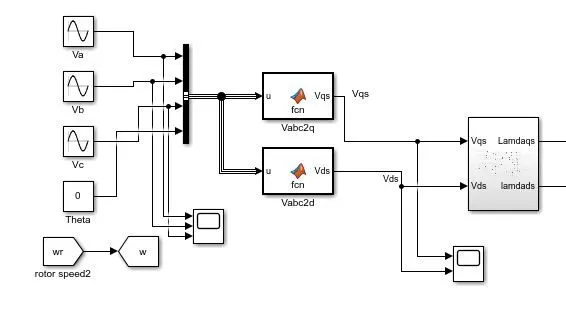
Vqs and Vds:
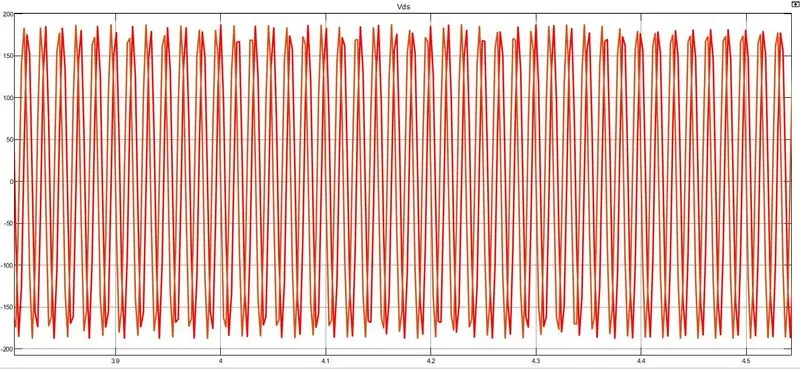
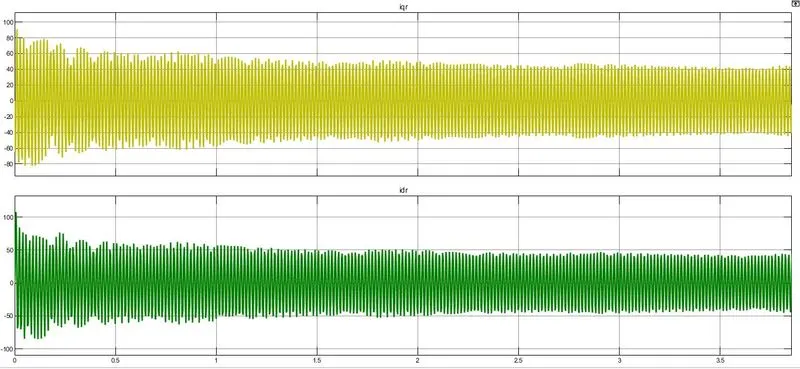
Iqr and Idr:
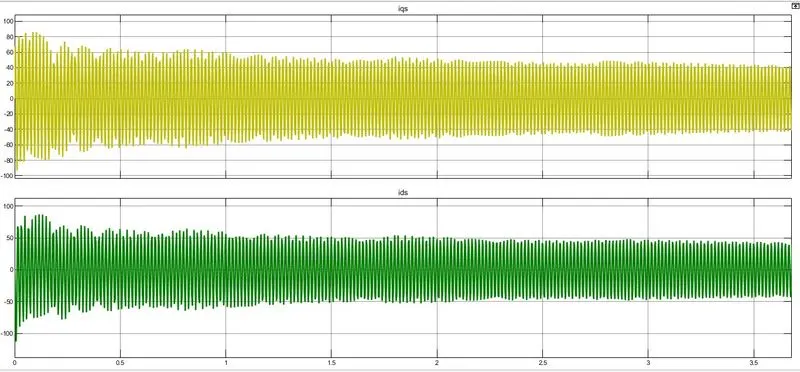
Iqs and Ids:
Te and Tl:
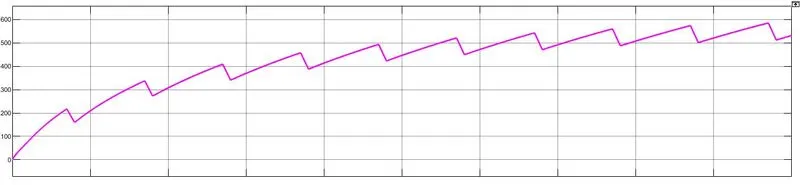
speed:
case 4:Simulate the start-up behaviour of the induction motor represented in the rotor flux reference frame.
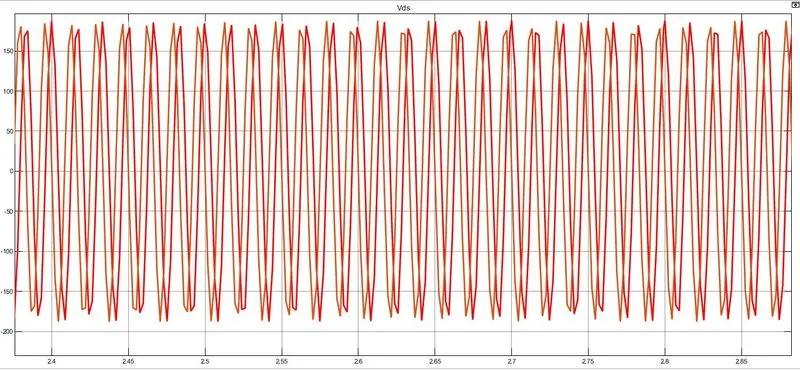
Vqs and Vds:
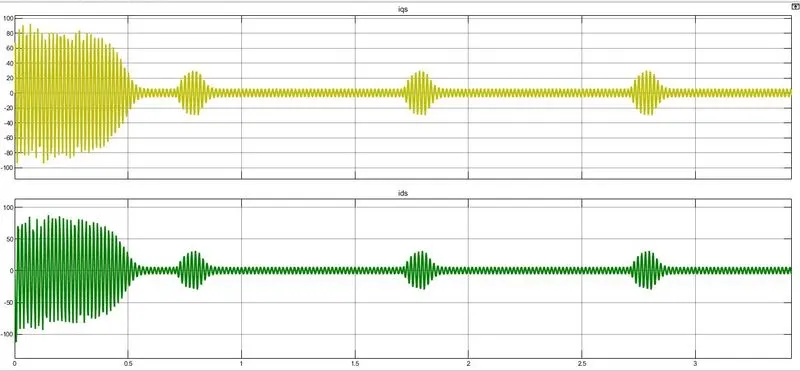
Iqs and ids:
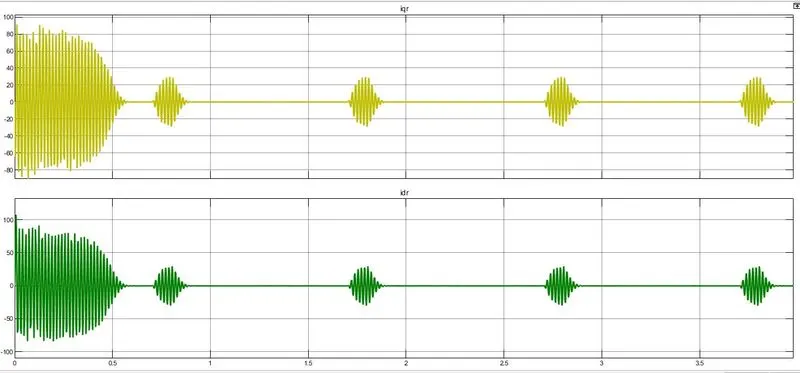
Iqr and idr:
speed:
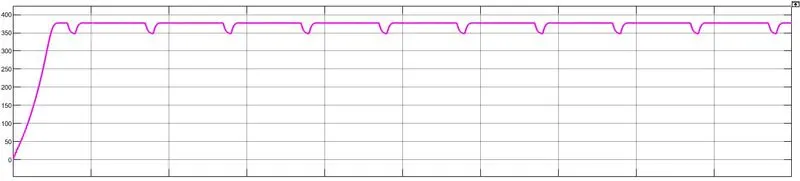
Te and Tl: