Preparing Schedule & Cost Estimation for a building using REVIT
1. Use the shortcut keys in Revit discussed in class to complete the following tasks and list them below
a. Using 3D model create a section box
b. To create similar doors and windows in a floor plan layout
c. To reduce the thickness of lines visible in plan views
d. To apply override settings to a floor in the model section view
e. To increase the range of visibility in a plan view
f. To select the previously selected items
g. To add annotations to the model views
h. To bring the model elements in line
i. To rotate the model elements
j. To move an object to another location
k. To copy a model element
l. To mirror an element about an axis
m. To create an array of model elements
Solution:- Shortcut used in Revit are as given below:-
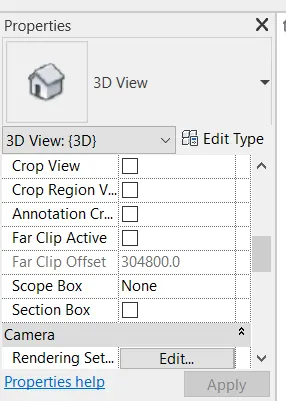
a) Section box- BX
- Open REVIT 2022 software
- Go to properties > Section box
- Check the section box
- Click apply
b) Create Similar- CS
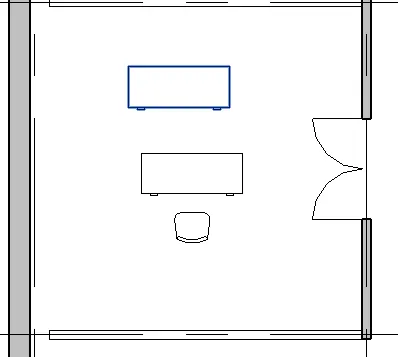
- Select the particular object that has to be created
- Go to plan view
- Press CS for drawing the similar object
c) Thin lines (TL)
- Improve the visual settings of the model
- Lines thickness will automatically reduce
- Zoom to view the wall
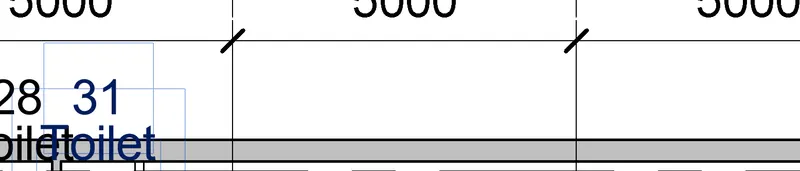
- Press TL. Automatically lines thickness will going to change

d) Visibility Graphics (VG)
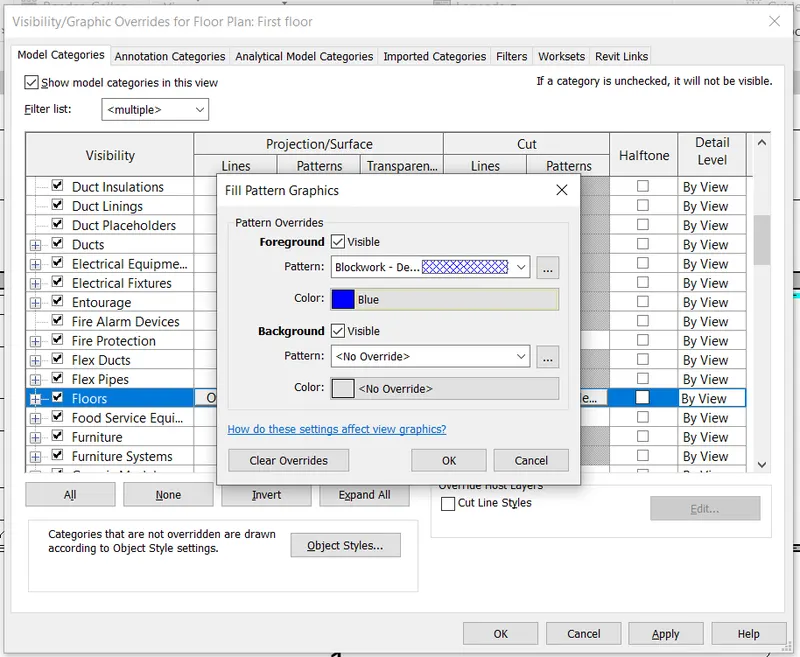
- Change the properties of the object
- Press VG
- Click on floor override
- Click on background along with colour and pattern
- Automatiaclly floor pattern will going to be displayed on to the screen
e) View range (VR);-
- View range is a set of horizontal planes that control object visibility and display in the view.
- Enter VR
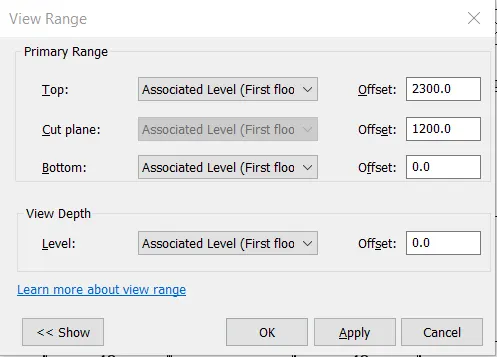
- Change the top and bottom primary range to unlimited
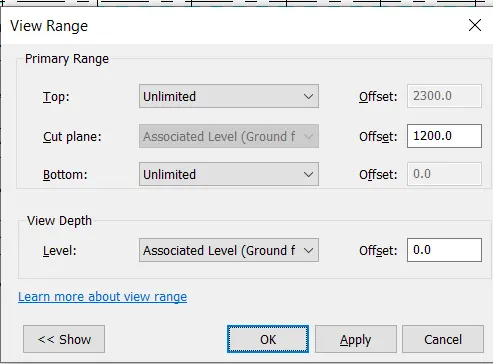
- Click apply > OK
- The view range will automatically increase
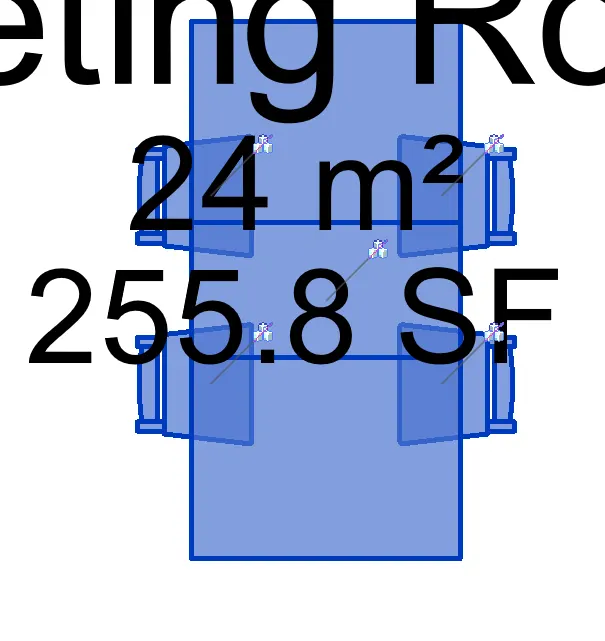
f) Reselect (Ctrl +<):-
- Restore the previous selected one
- Press Ctrl +< to reselect the previous one
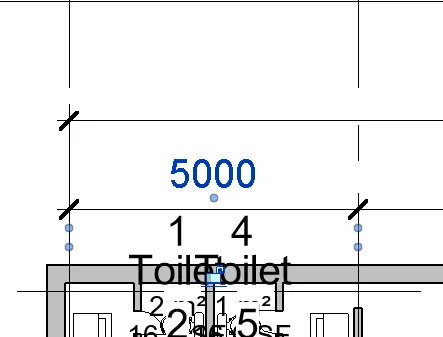
g)Dimensions (DI):-
- Shortcut keys for annotation
- Enter DI
- Select the linear from grid to grid
- Press Escape
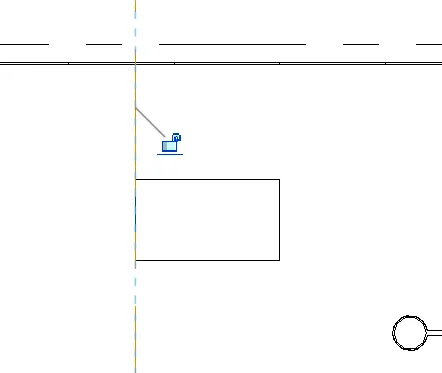
h) Align (AL):-
- Align the edge of an object with another one
- Draw a small rectangular floor
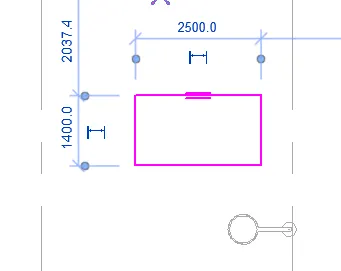
- Press AL
- Select the edge of the floor and align it with the grid line
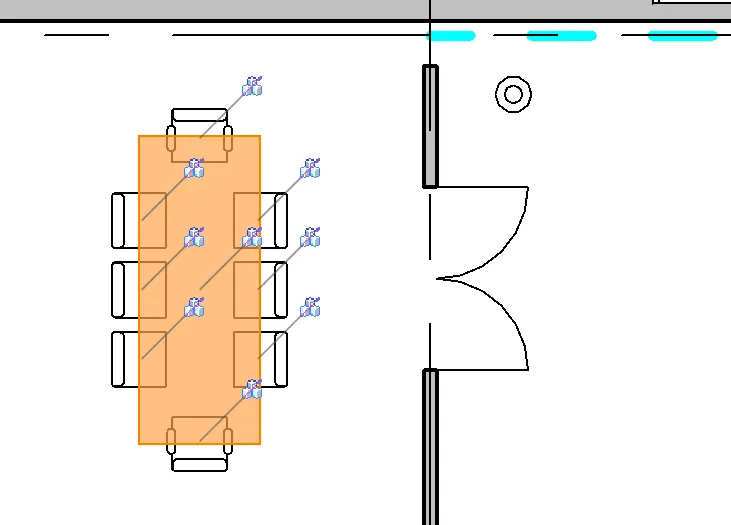
i) Rotate (RO):-
- Rotating the particular object
- Select the object to be rotated
- Press RO
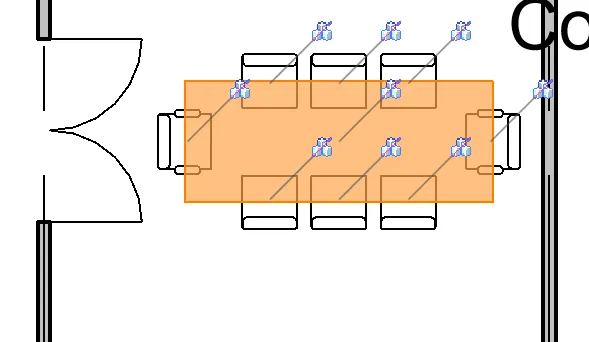
- Rotate the object with a specific degree
j) MOVE (MV):-
- Select the object to be moved
- Enter the MV command
- Move the object to the desired location
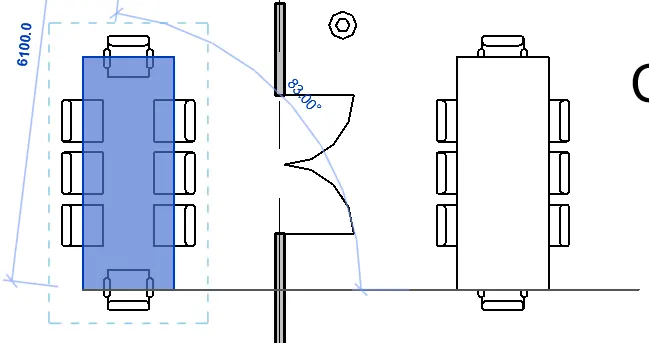
k) COPY (CO):-
- Select the object to be moved
- Enter the CO command
- Copy the object to the desired location
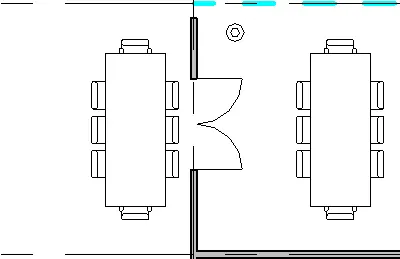
l) Mirror (MI)
- Select the particular object to be mirrored
- Enter MI command
- Select the particular axis of the object
- Mirror the particular object
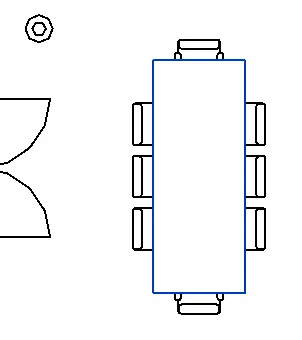
m) Array (AR):-
- Created an array of object
- Enter AR command
- Enter the number of objects to be arrayed
2. Using Revit and the project used from week 6 to 8 prepare a schedule for the following
a. Walls
b. Doors
c. Windows
d. Material – Concrete/Wood
AIM:- To prepare the schedule for walls, doors, windows and materials-concrete/wood using REVIT 2022 with the project created from wek 6 to 8.
INTRODUCTION:- The procedure to prepare a schedule for walls, doors, windows and materials-concrete/wood using REVIT 2022 is going to be explained in details with step by step procedure.
PROCEDURE:-
a) Walls
- Open REVIT 2022 software
- Select and open the previous model created in week 6 to week 8
- Go to view > Schedule/Quantities
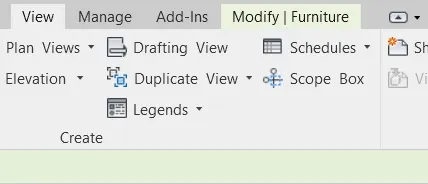
- In the dialog box select walls and click OK
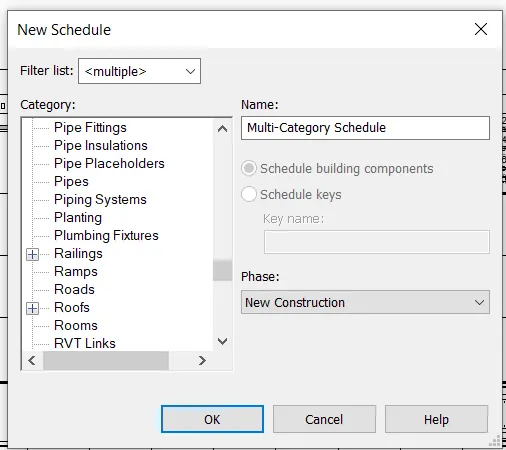
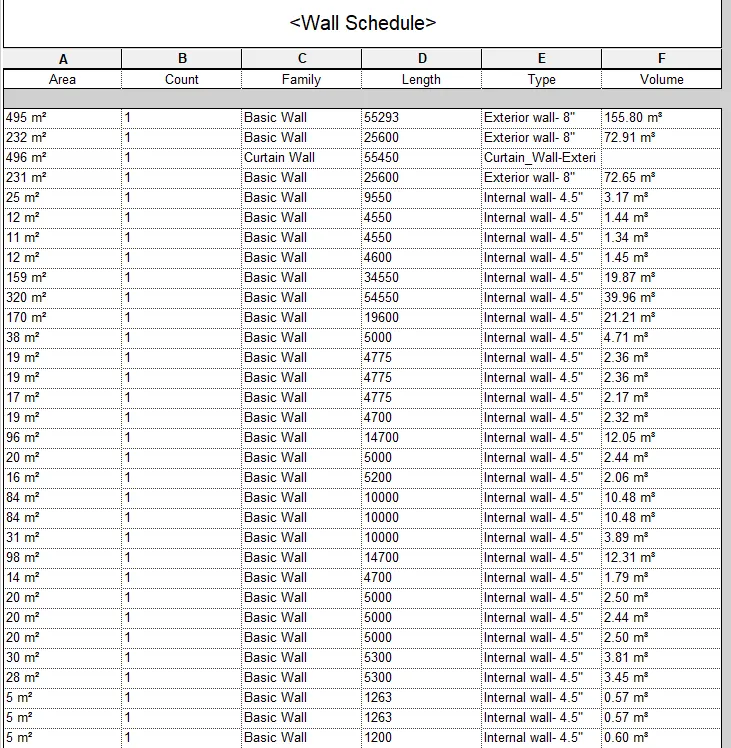
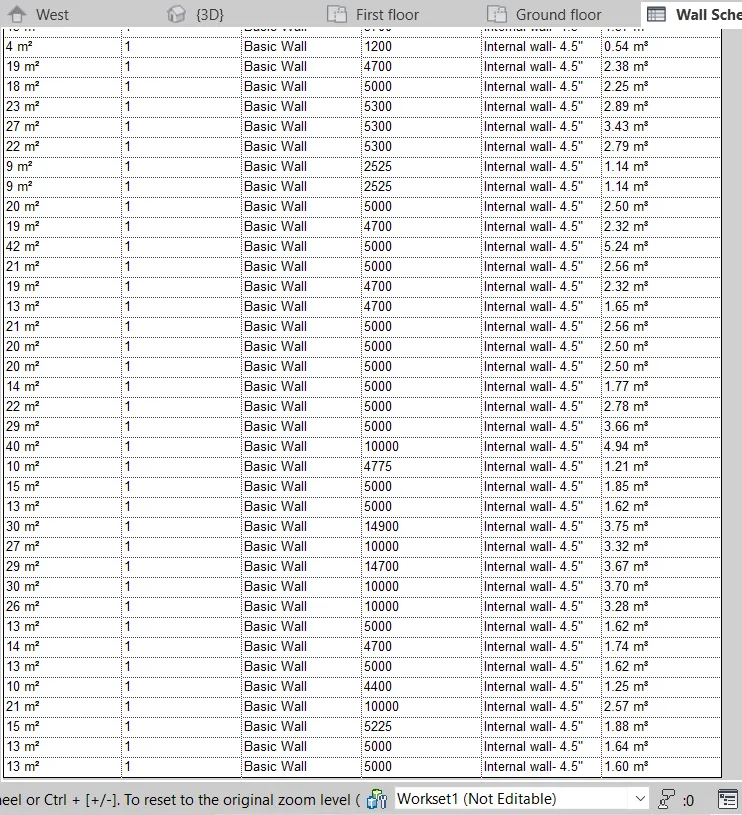
- Select and add parameters i.e. area, count, family, length , type and volume to be added into the list
- The output results of wall will going to be displayed to the REVIT 2022
b) Doors
- Go to view > Schedule/Quantities
- In the dialog box select doors and click OK
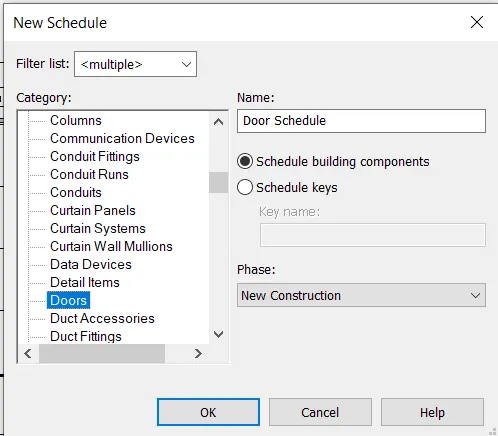
- Select and add parameters i.e. count, family, height, type and width to be added into the list
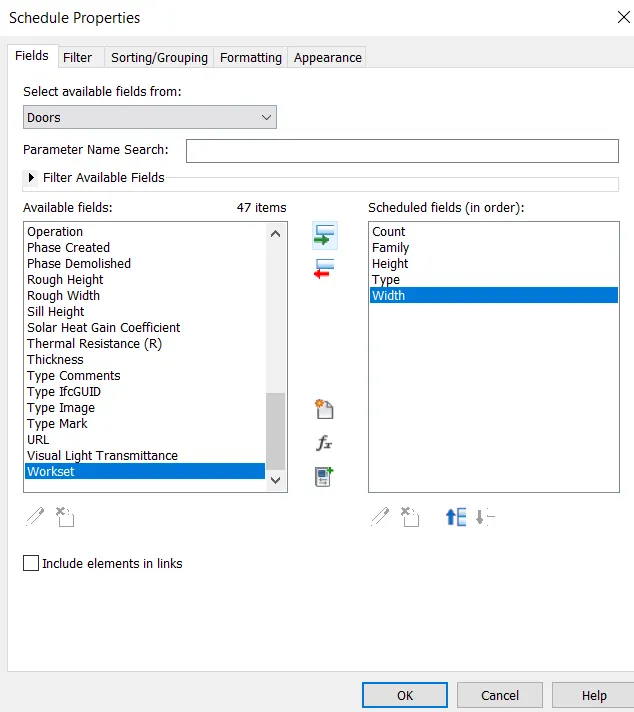
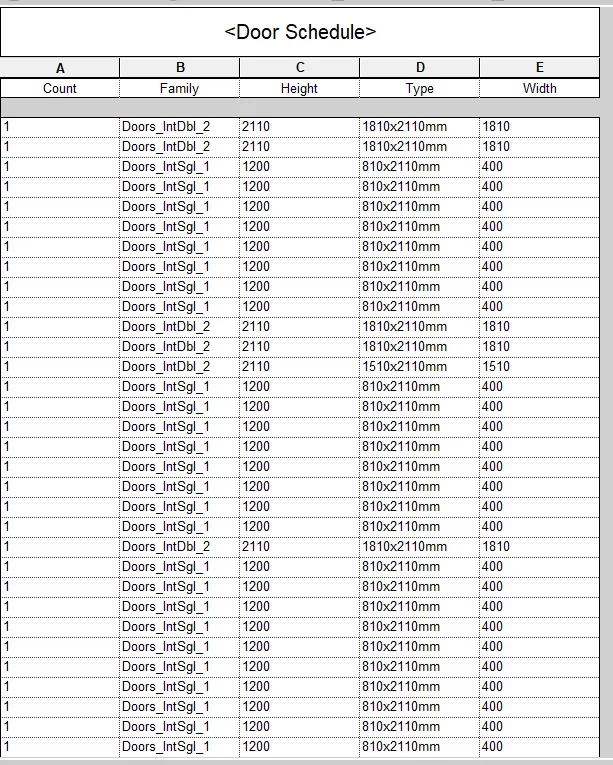
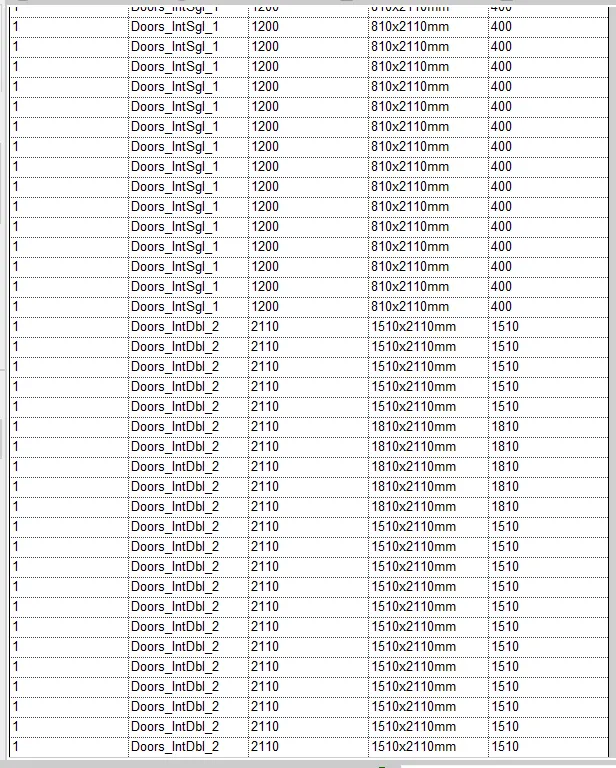
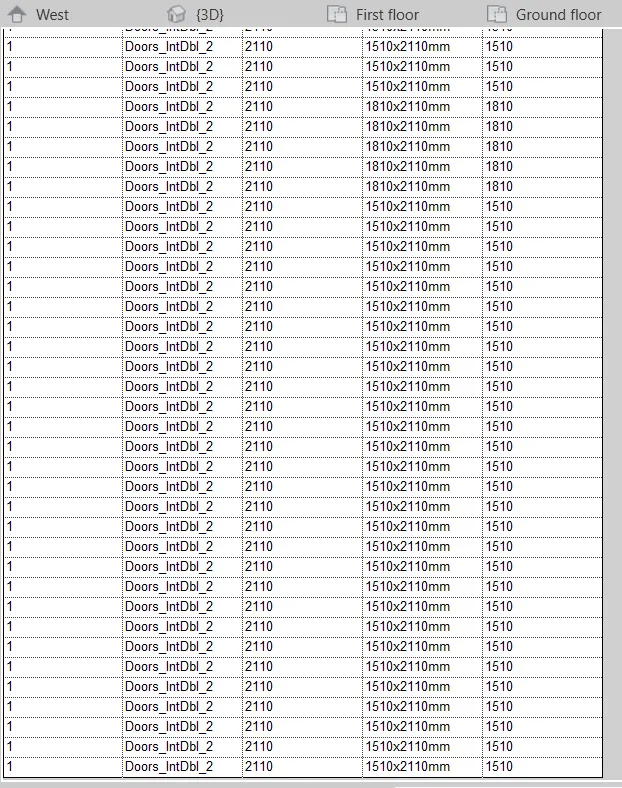
- The output results of doors will going to be displayed to the REVIT 2022
c) Windows
- Go to view > Schedule/Quantities
- In the dialog box select windows and click OK
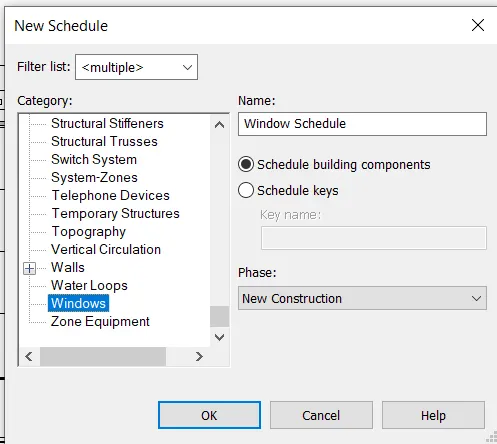
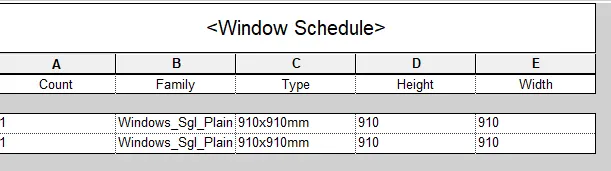
- Select and add parameters i.e. count, family, height, type and width to be added into the list
- The output results of window will going to be displayed to the REVIT 2022
d) Materials-Concrete/Wood
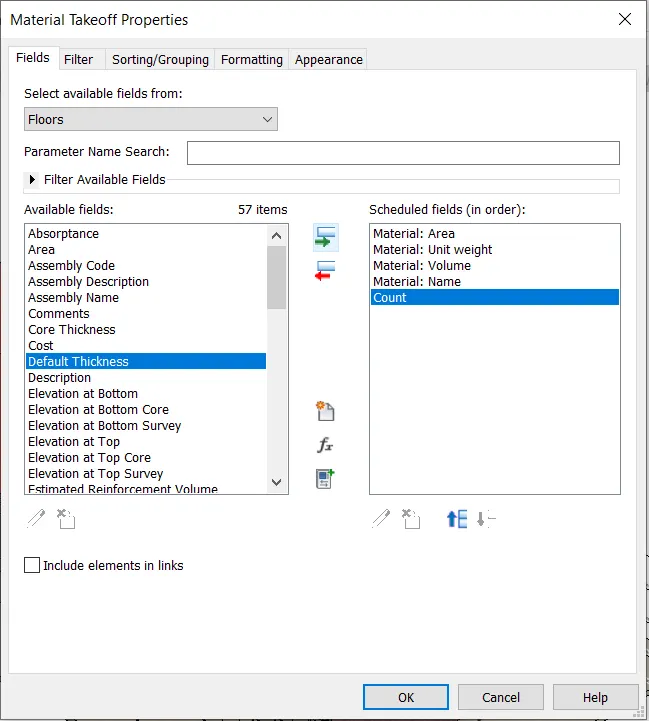
- Go to view> Schedule > Material take off
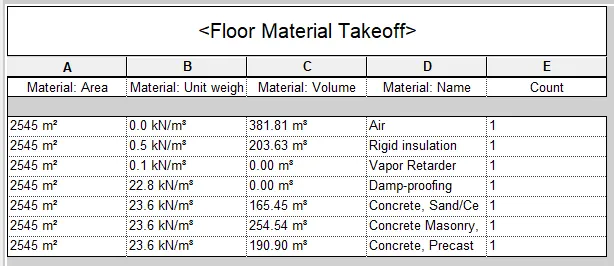
- Select and add parameters i.e. area, unit weight, volume, name and count to be added into the list
- The output results of floor: materials will going to be displayed to the REVIT 2022
RESULTS:- The procedure to preparing a schedule for walls, doors, windows and materials take off has been successfully explained in detail
3. Using Revit Calculate area and volume of each room in the model with appropriate room tags applied to each room. Prepare a schedule report for area and volume of each room.
AIM:- To calculate area and volume of each room in the model with appropriate room tags toeach room and also to prepare a schedule report with the use of REVIT 2022
INTRODUCTION:- The procedure to calculate area and volume of each room in the model along with preparing a schedule report using REVIT 2022 is going to be explained in details with step by step procedure.
PROCEDURE:-
- Open REVIT 2022 software
- Select and open the previous model created in week 6 to week 8
- Go to view> schedule/quantities
- In the dialog box select rooms and click OK
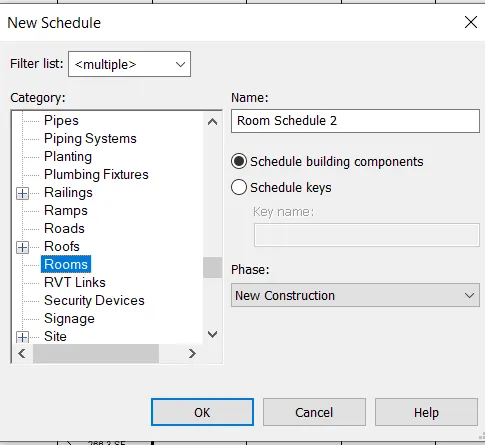
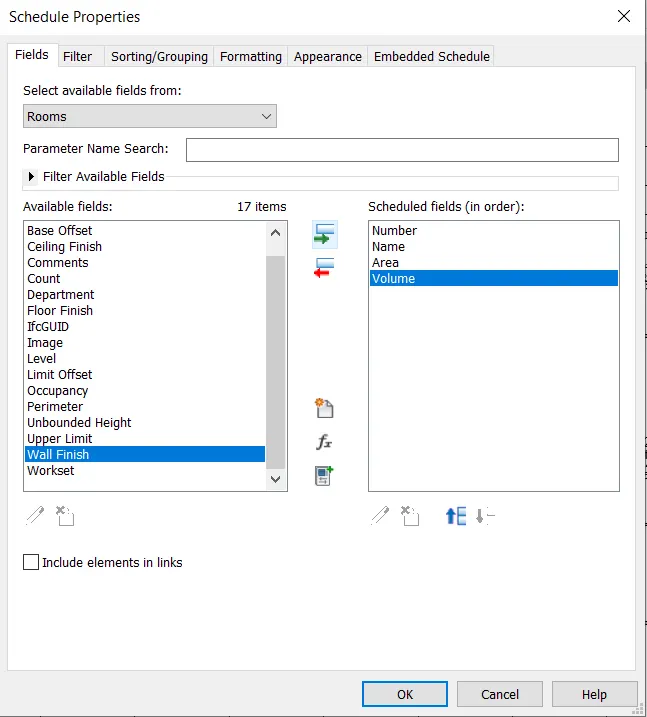
- Select and add parameters i.e. number, name, area and volume to be added into the list
- The output results of rooms will going to be displayed to the REVIT 2022
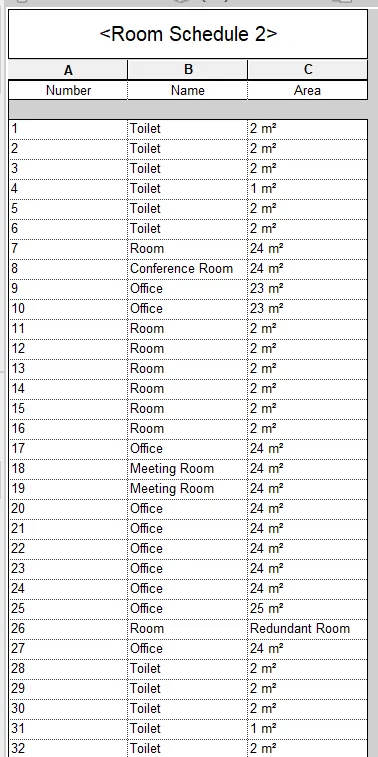
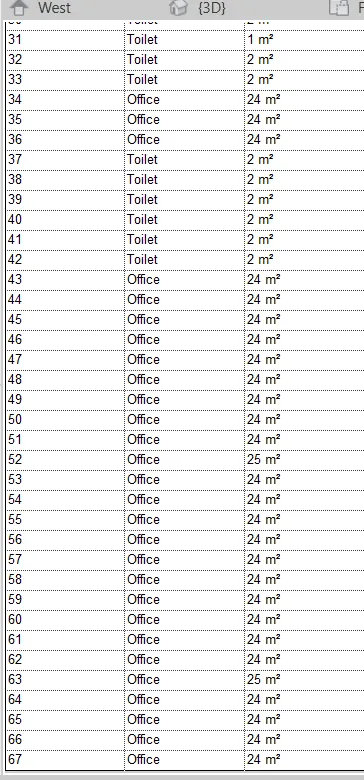
RESULTS:- The procedure to preparing a schedule for rooms has been successfully explained in detail with the use of REVIT 2022
4. Using the same schedule using the unit cost rate for materials available in the internet, prepare total cost of materials used in the project
a. Total Cost of Materials
b. Individual Material Take off
AIM:- To prepare a schedule of using unit cost rate for materials and individual materials take off with the use of REVIT 2022
INTRODUCTION:- The procedure to prepare a schedule of using unit cost rate for materials and individual materials take off with the use of REVIT 2022 is going to be explained in details with step by step procedure.
PROCEDURE:-
- Open REVIT 2022 software
- Select and open the previous model created in week 6 to week 8
- Select a wall elemenT
- Go to properties> Edit type
- Enter cost for the element
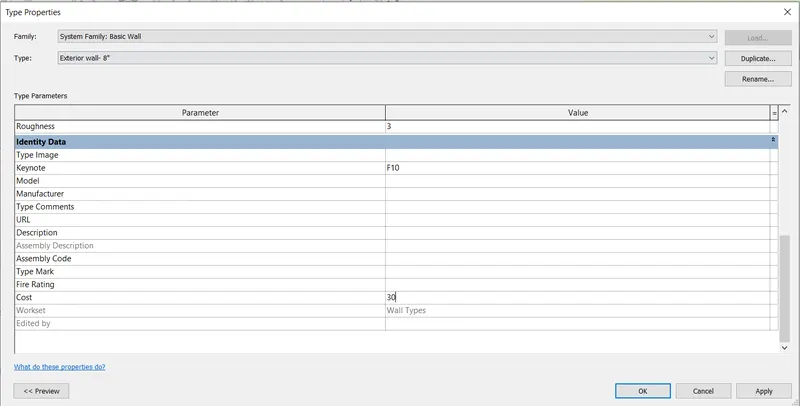
- Select and add parameters to be listed on the schedule
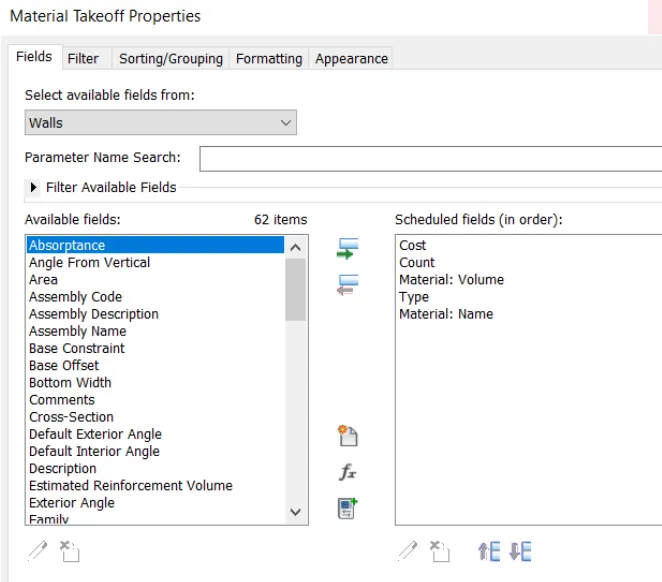
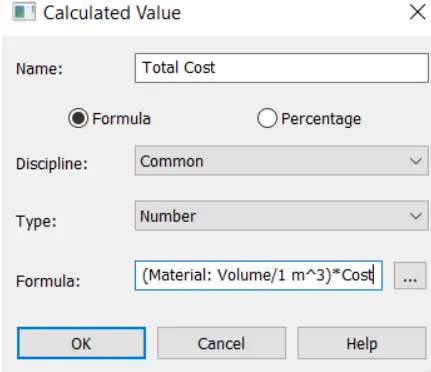
- Calculate the total cost of materials by using appropriate formula
- The output results of wall will going to be displayed to the REVIT 2022
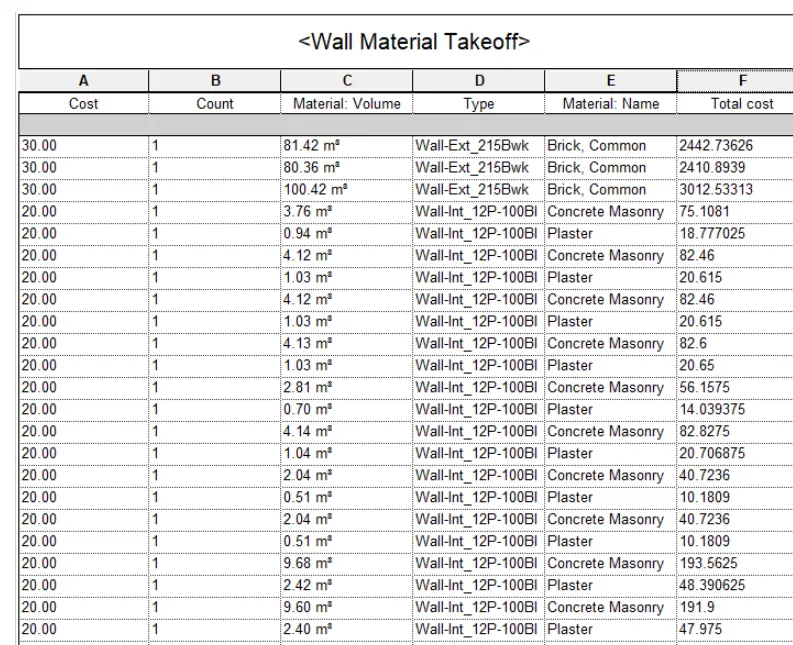
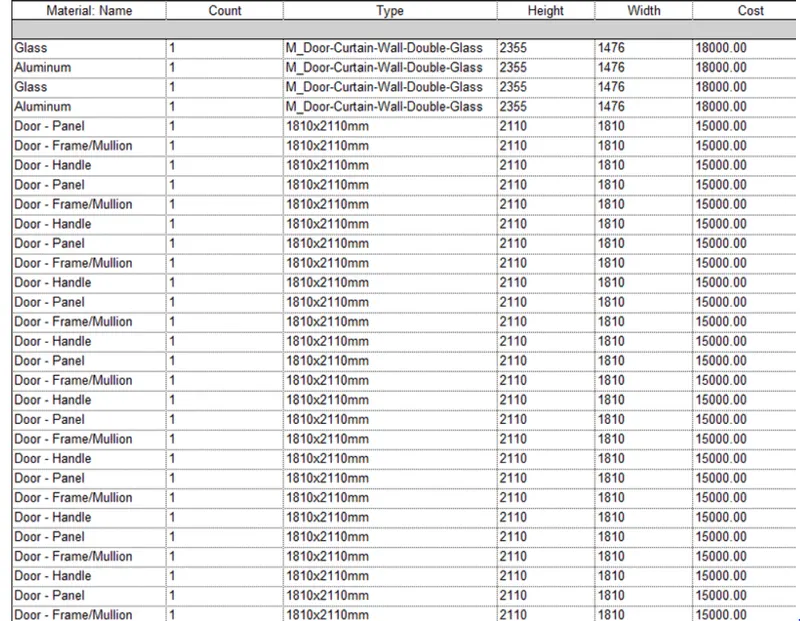
RESULTS:- The procedure to preparing a schedule for unit cost of materials along with individual material take off has been successfully explained in detail with the use of REVIT 2022
5. Using the concept of Visual Programming discussed in class, list a flowchart for the following scenario
a. How to decide framings for a structure using Dynamo ?
b. If there is no water coming from the pipes
c. If request for money from client has been declined for the project Using the concept of Visual Programming discussed in class, list a flowchart for the following scenario
AIM:- To draw a floorchart using the concept of visual programming
INTRODUCTION:- The flowchart using the concept of visual programming is going to be explained in details with step by step procedure.
PROCEDURE:-
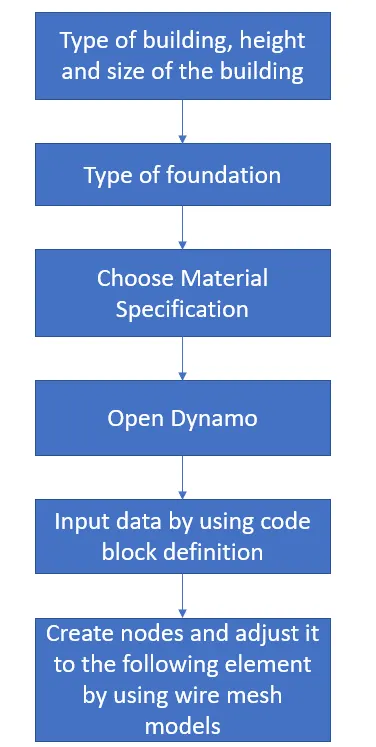
a) How to decide framings for a structure using dynamo?
Flowchart to decide framing for a structure using dynamo are as given below:-
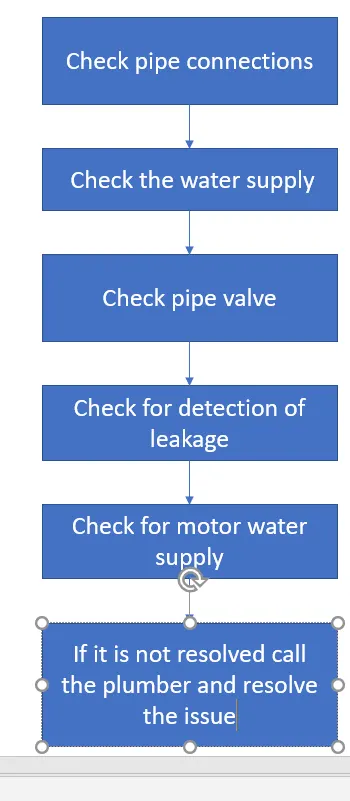
b) If there is no water coming from the pipes
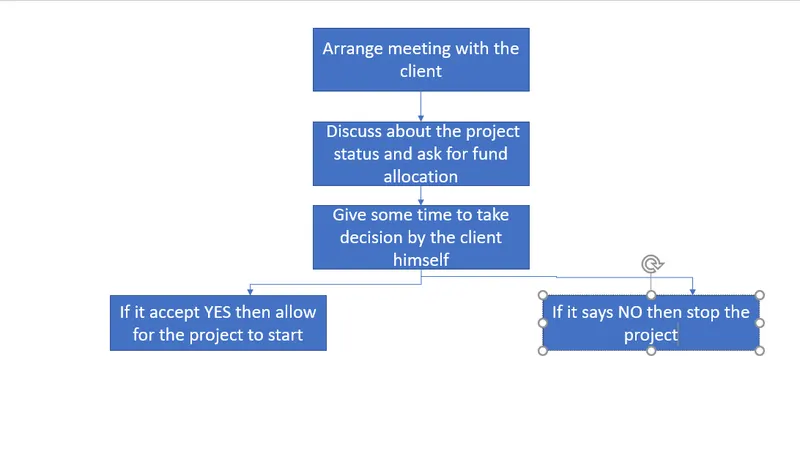
c) If request for money from client has been declined for the project Using the concept of Visual Programming
RESULT:- Flowchart has been properly explained using the concept of visual programming.
6. List the parameters associated with each model element
a. Wall
b. Floor
c. Door
d. Window
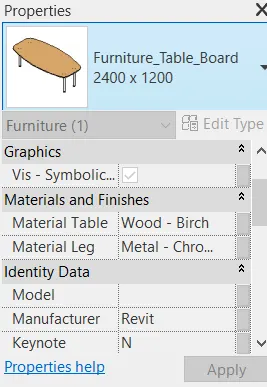
e. Table
f. Building
Solution:-
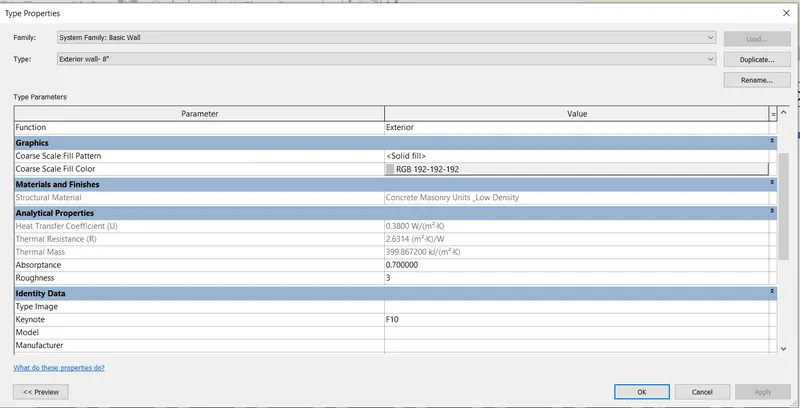
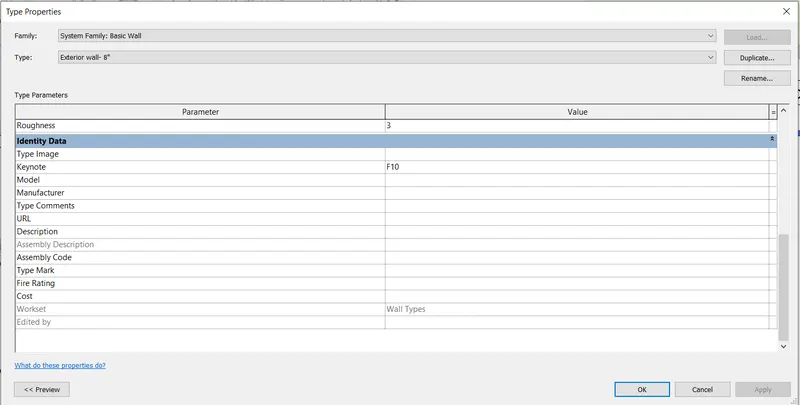
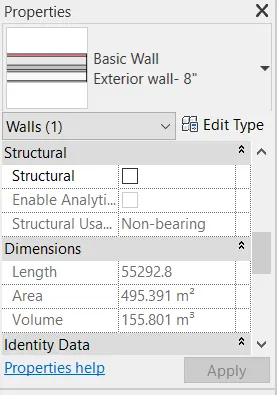
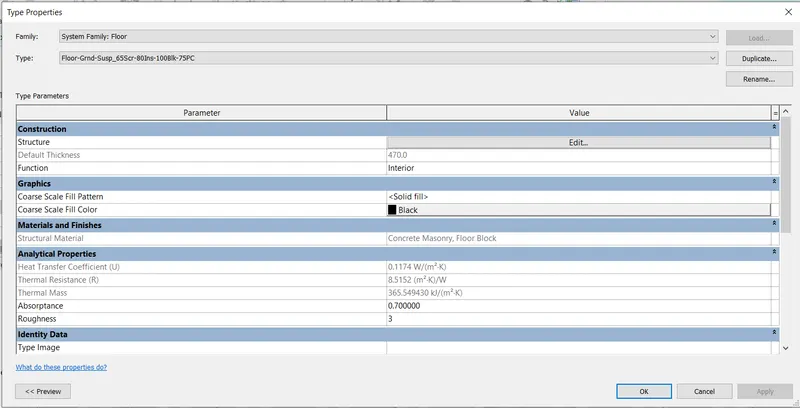
Some of the parameters associated with each element are as given below:-
a) Wall:-
- Family
- Type
- Structural material
- Length
- Area
- Volume
- Thickness
- Cost
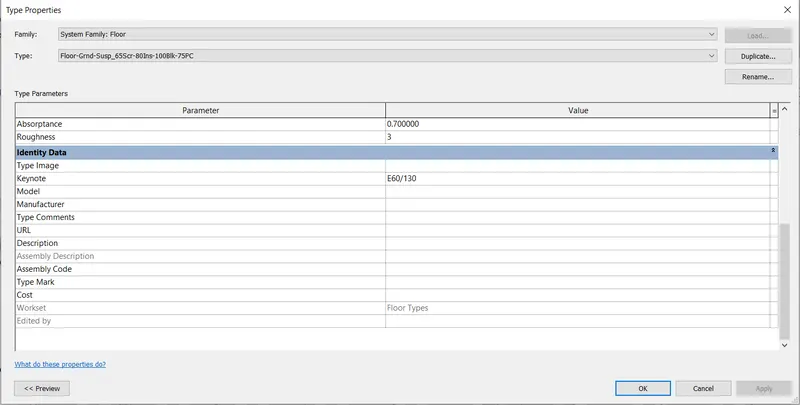
b) Floor
- Family
- Type
- Structural material
- Length
- Area
- Volume
- Thickness
- Cost
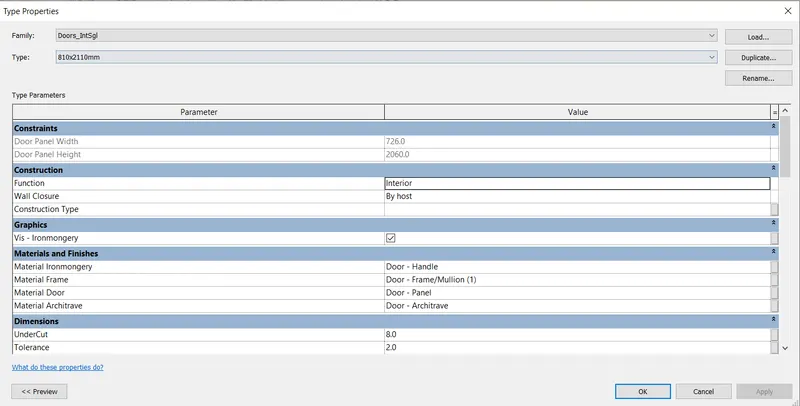
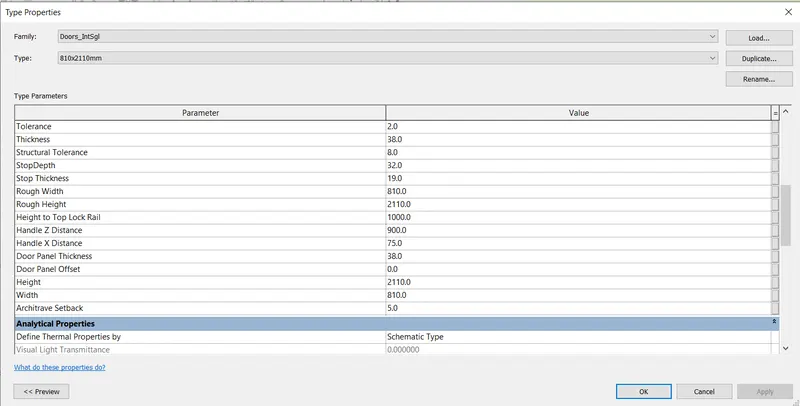
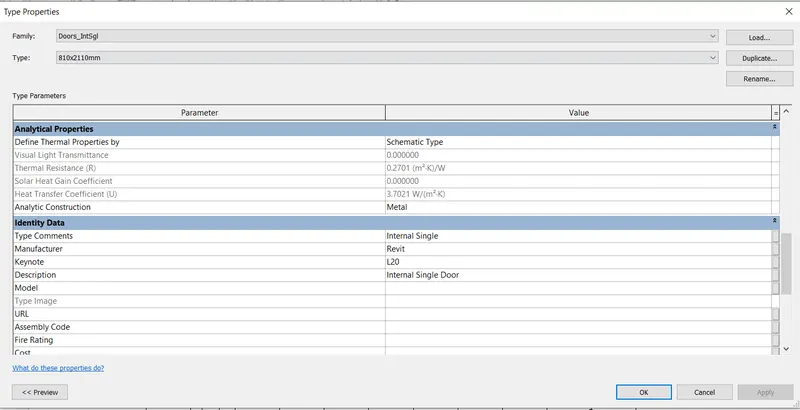
c) Doors
- Family
- Type
- Structural material
- Height
- Width
- Volume
- Thickness
- Cost
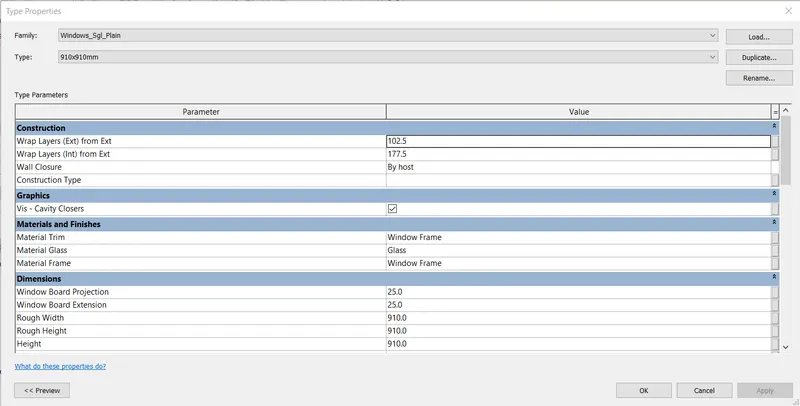
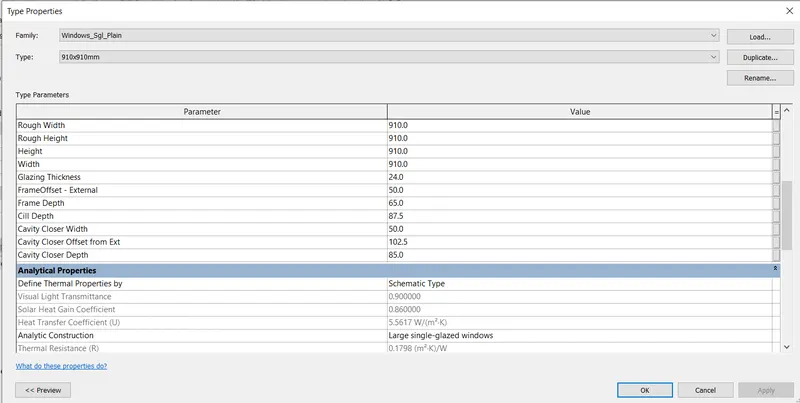
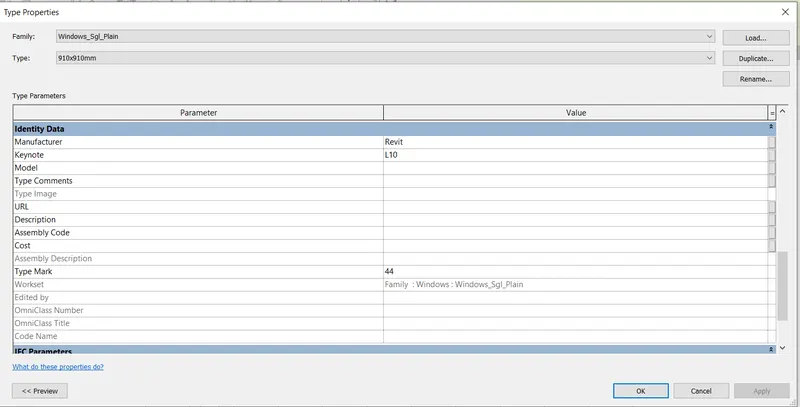
d) Windows:-
- Family
- Type
- Structural material
- Height
- Width
- Volume
- Thickness
- Cost
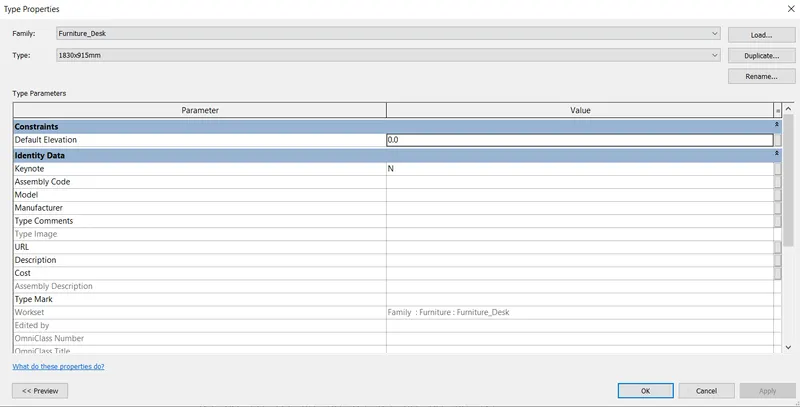
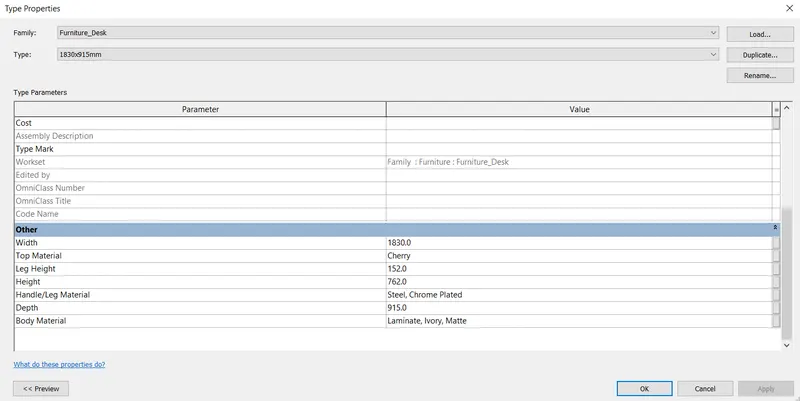
e) Table
- Family
- Type
- Structural material
- Height
- Width
- Volume
- Thickness
- Cost
f) Buildings
- Type of building
- Dimensions of the plan area
- Height of the building
- Location
- Coordinates
- Material Specification
- Loads on buildings
- Types of loads
- IS codes
- Structural Elements
- Architectural elements
- Cost
- Labour
- Sustainability
- Environmental assessment
- Time constraint
- Budget allocation