Power Converters
1. a.) Why doesn't the MATLAB PID auto tuner work for a power converter? Show step wise process for a buck-boost converter circuit.
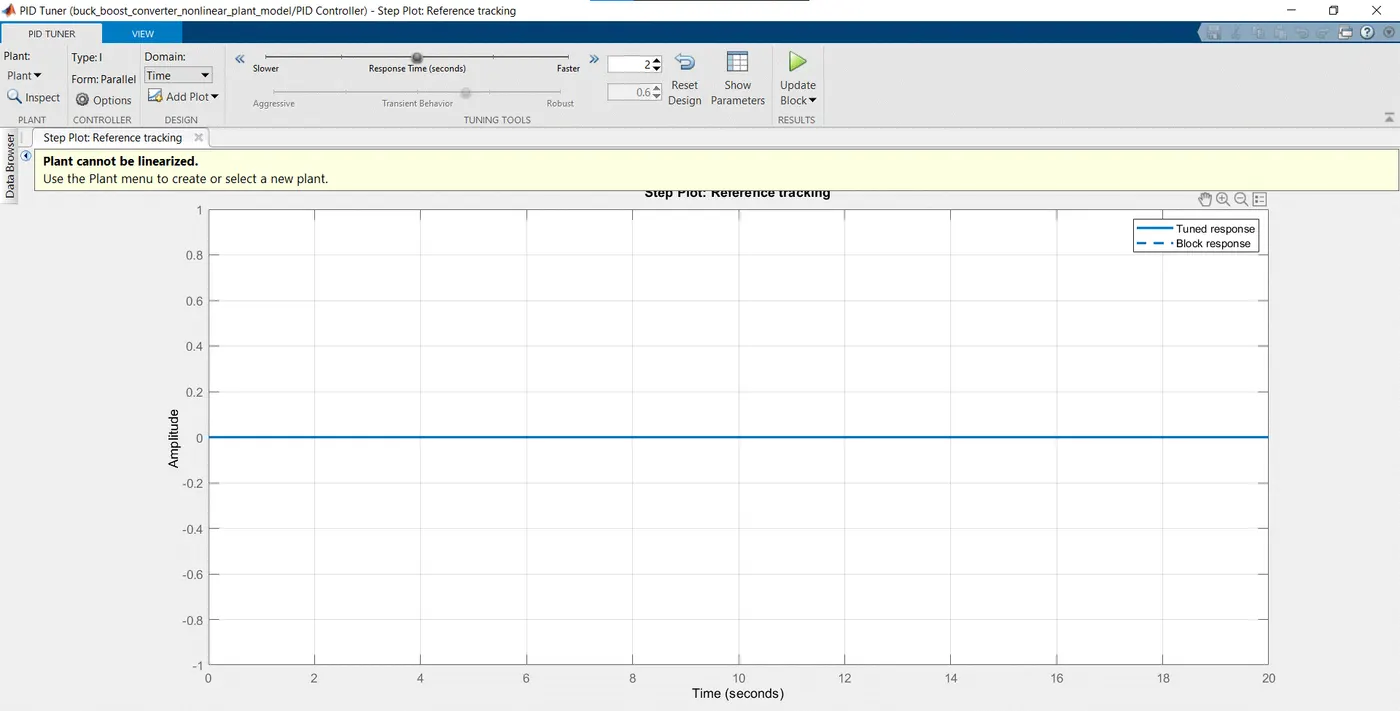
PID autotuner needs a linear model to design a PID controller. To get this linear model, when we press the "tune" button, it automatically linearizes a Simulink model using the 'exact linearization' method. This method results in zero linearization when a model has discontinuities such as MOSFET blocks and PWM logic, which is the case in the case of power converters such as a buck-boost converter.
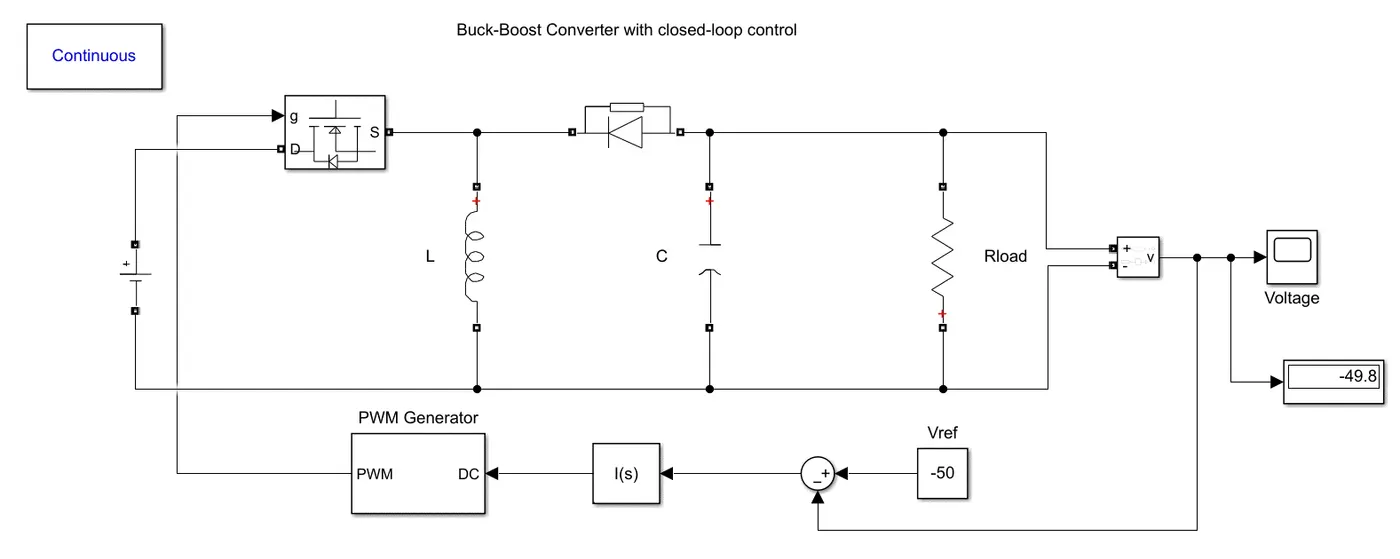
- A buck-boost converter is modelled with the objective to track a certain voltage. A robust model would be able to step up and step down voltage as per the requirement using a PID controller.
- In this case, only an integral block 'I' is used instead of a 'PID' controller as the only objective here is to track the reference voltage. An Integral controller is the part of the PID that is responsible for reducing steady state error so that the system can meet its desired output voltage.
Step 1: Attempt to autotune using the "Tune" button
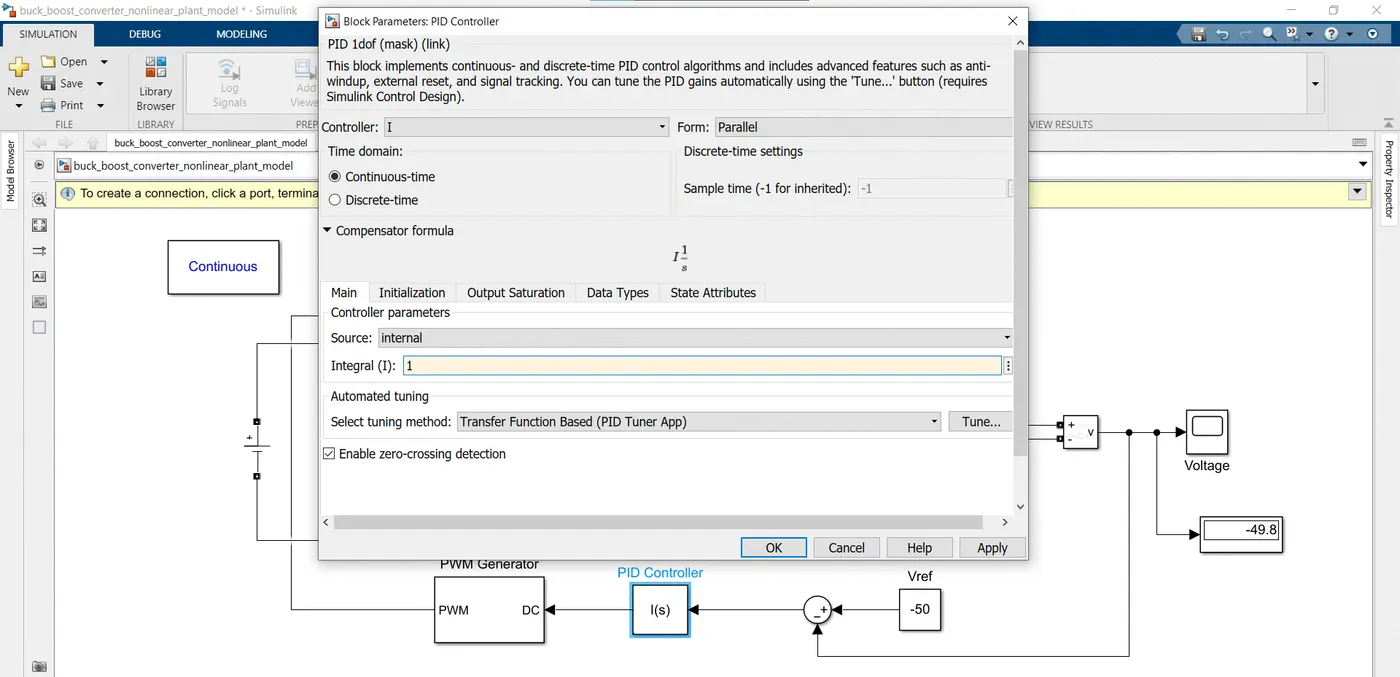
- Autotuning would work in a linearized model, but in reality, no model is actually linear. MOSFETs and PWMs are always present in a circuit, which make the model non-linearizable.
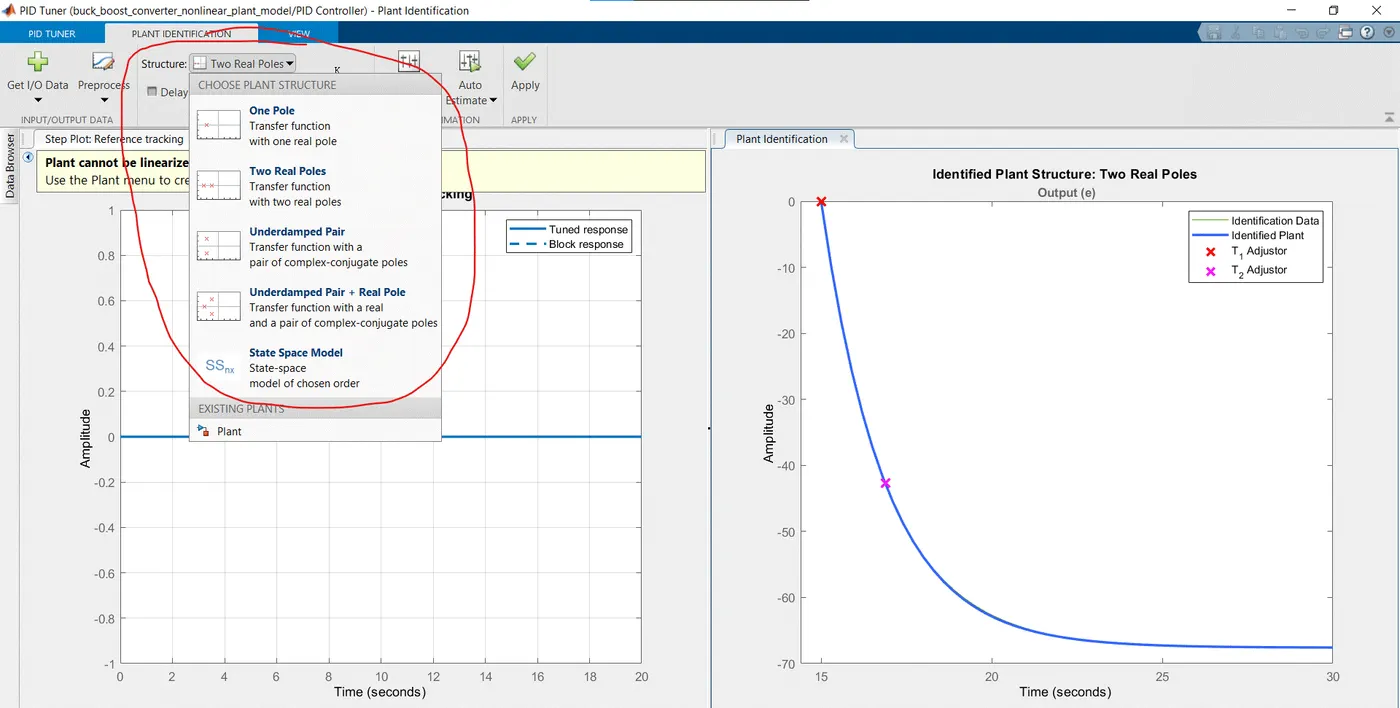
Step 2: Plant cannot be linearized; alternate method needed. Using input and output data, a transfer function is estimated.
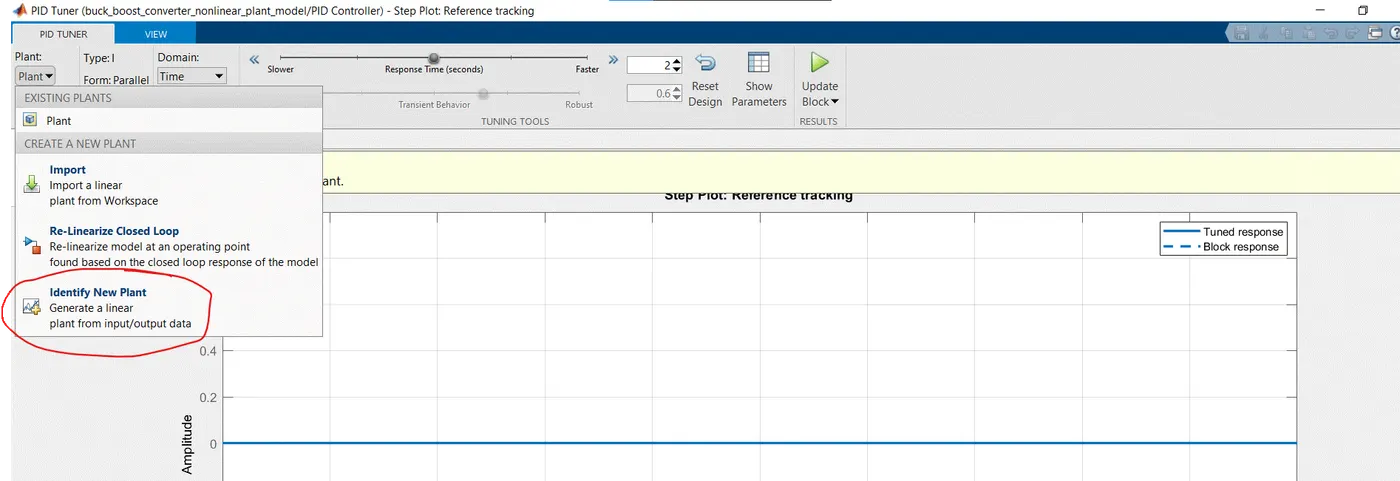
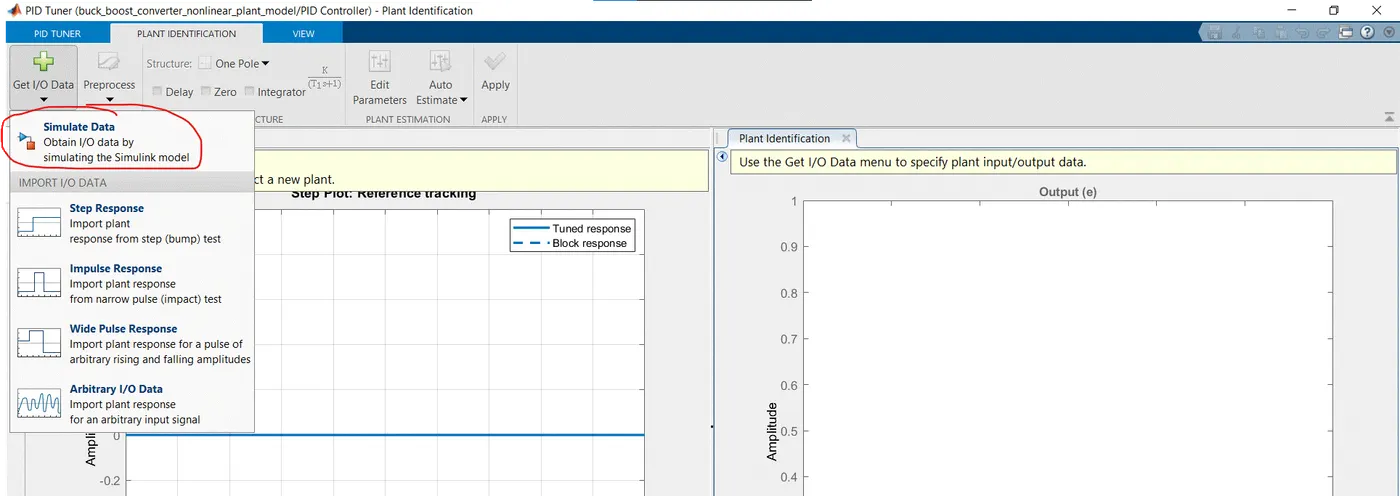
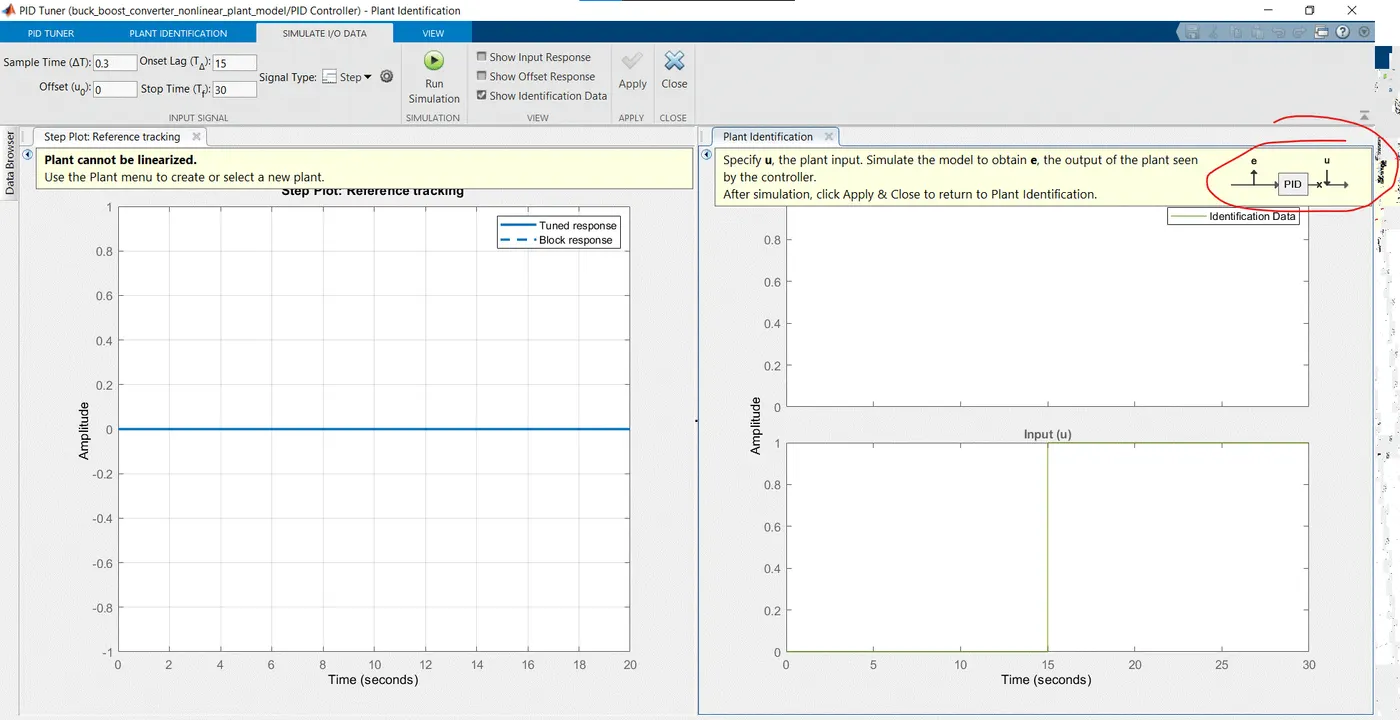
- The PID/Integral controller is removed temporarily in order to estimate a transfer function using the imulated data
Step 3: Apply simulation results and test structure of TF for accuracy and verification
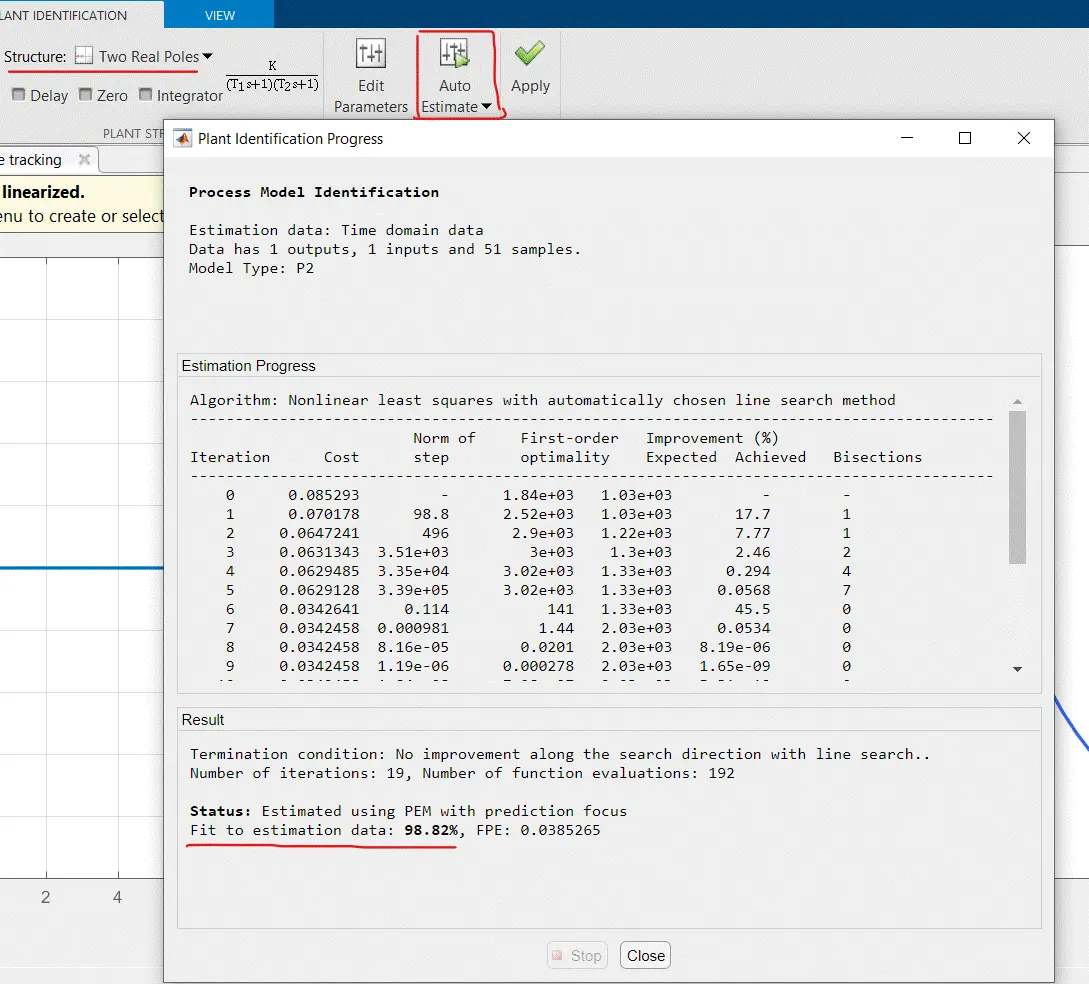
- A fit estimation of 98.82% is excellent, so these results can be applied.
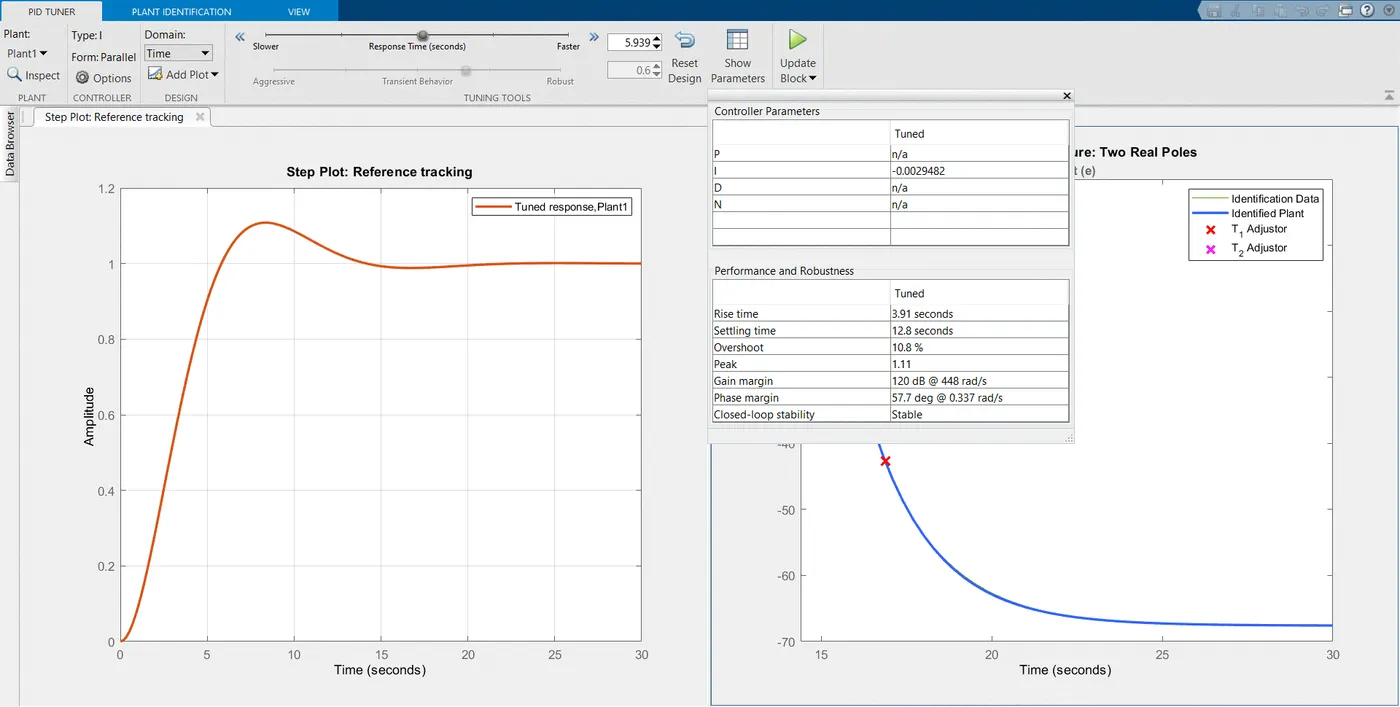
Step 4: Apply results and adjust response time and transient behaviour (not available in this case) according to performance requirements. Click "Update Block" to tune the PID/Integral controller
DC Voltage Source is 30V. Testing to step it up to 50V (boost) and step it down to 15V (buck):
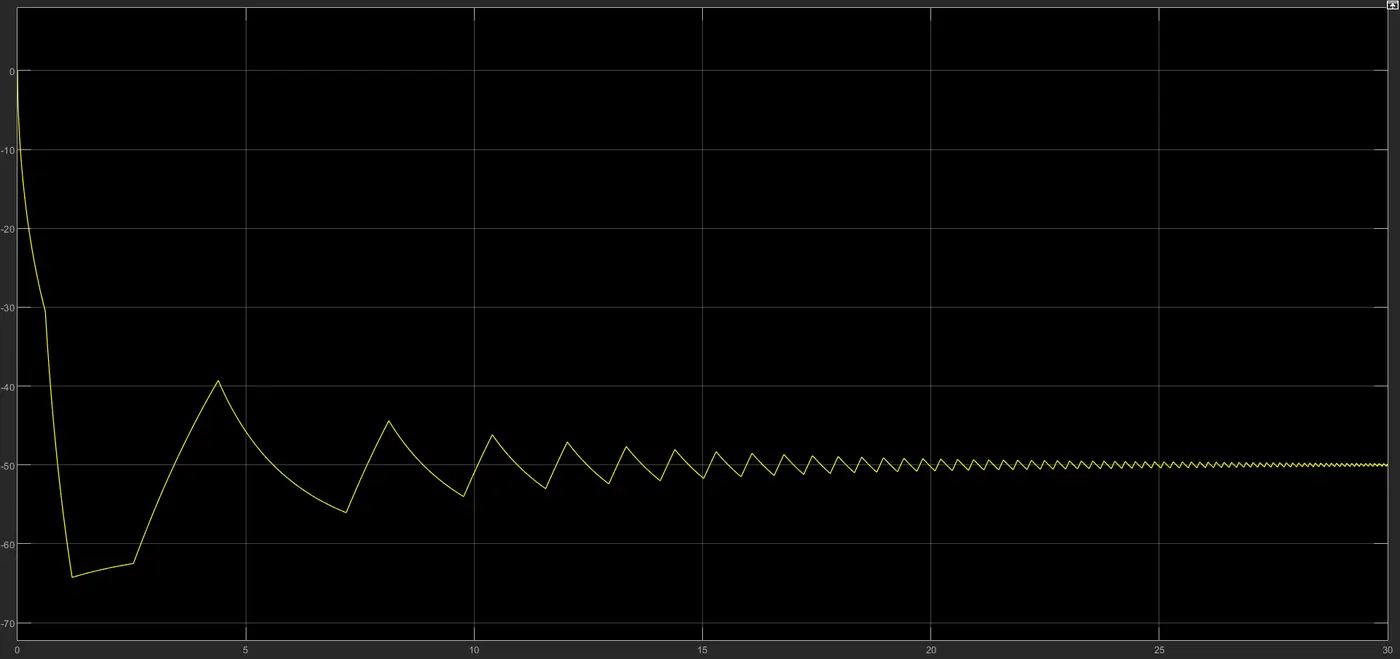
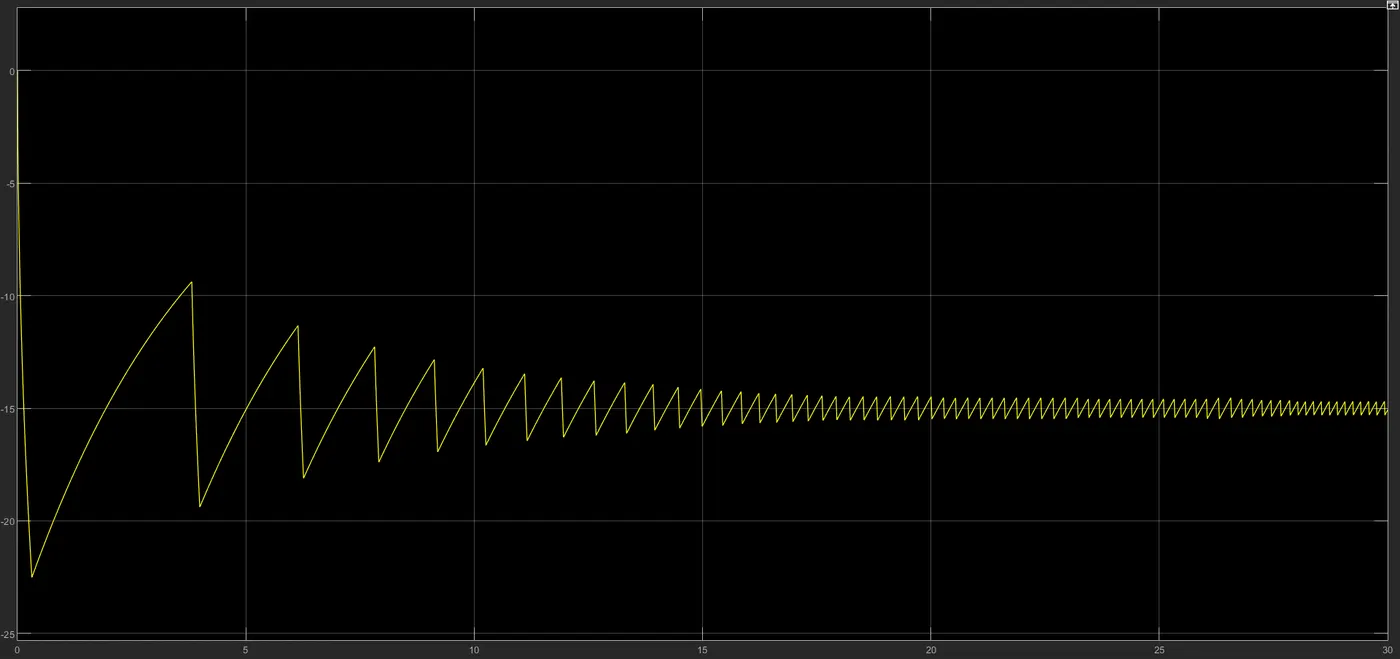
- Successfully tracking the reference voltage given and functioning well as a robust buck-boost closed loop control system
- Can be optimized further by improving response time.
b.) Explain the importance of ADC and DAC blocks in closed loop control of power converters.
Why Analog to Digital Converter (ADC)?
In the real world, every real quantity such as voice, temperature, weight etc exists in the analog state and it cannot be processed by any digital device such as a computer or a cell phone.

Working principle:

Sample and hold:
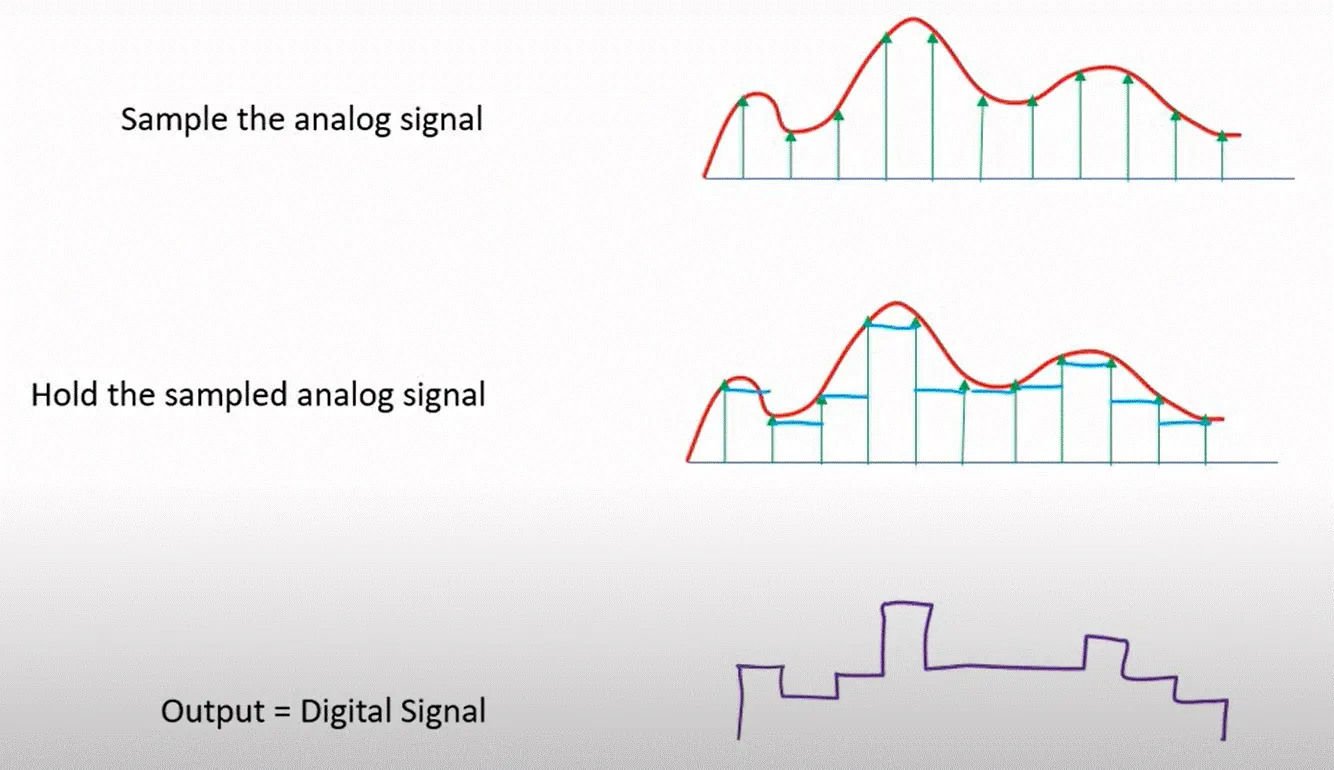
- The sample block function is to sample the input analog signal at a specific time interval. The samples are taken in continuous amplitude & possess real value but they are discrete with respect to time.
- The second block used in ADC is the ‘Hold’ block. It has no function. It only holds the sample amplitude until the next sample is taken. The hold value remains unchanged till the next sample
- The on hold continuous amplitude value in hold block goes through ‘quantize’ block & becomes discrete in amplitude
- The encoder block converts the digital signal into binary form i.e. into bits. Digital devices operate on binary signals so it is necessary to convert the digital signal into the binary form using the Encoder
Why Digital to Analog Converter (DAC)?
Computers can only understand a data signal in digital domain in order to process and/or finetune it. DAC converts these bits into an analog voltage or current. The processing speed of a digital computer is very fast & can compute or process any data in a matter of micro seconds. It conserves time & helps in processing complex data according to our needs.

Working principle:
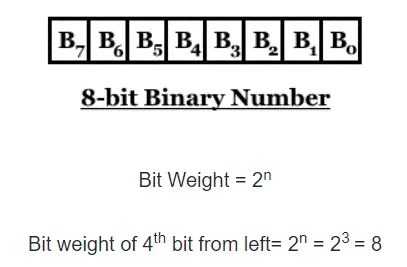
Example: 10011
10011 = `1*2^4+0*2^3+0*2^2+1*2^1+1*2^0` = 19
This is how the DAC works by adding the weights of all corresponding bits with its value to generate the analog value at its output.
Applications of ADC and DAC:
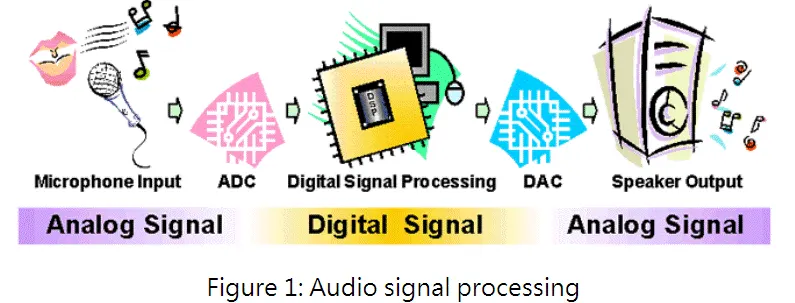
- ADC converts the analog signal collected by audio input equipment, such as a microphone, into a digital signal that can be processed by computer. The computer may add sound effect such as echo and adjust the tempo and pitch of the music. DAC converts the processed digital signal back into the analog signal that is used by audio output equipment such as a speaker.
- Motor control: motor is embedded with a microcontroller. The microcontroller generates a digital signal to vary the speed of the motor which is converted into an analog signal using a DAC
- Cell phones operate on the digital voice signal. Originally the voice is in analog form, which is converted through ADC before feeding to the cell phone transmitter
- Medical Imaging like x-ray & MRI also uses ADC to convert images into Digital form before modification. They are then modified for better understanding
- Music from the cassette is also converted into the digital form such as CDs and thumb drives using ADC converters
- Air conditioner contains temperature sensors for maintaining the room temperature. This temperature is converted into digital form using ADC so that onboard controller can read & adjust the cooling effect
2. a.) What are the three basic boolean operators for the logic gates in digital electronics?
AND, OR, NOT
b.) Form the truth table for all the above boolean operations. Realize the operations in simulink using suitable logic gates from the library browser.
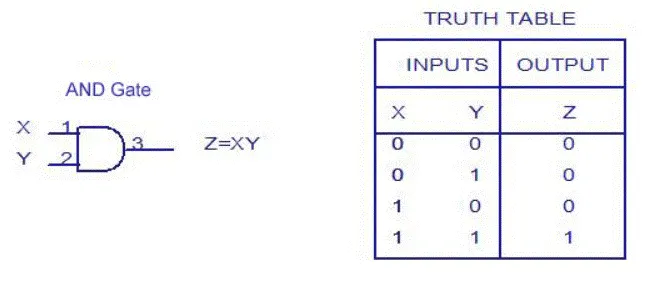
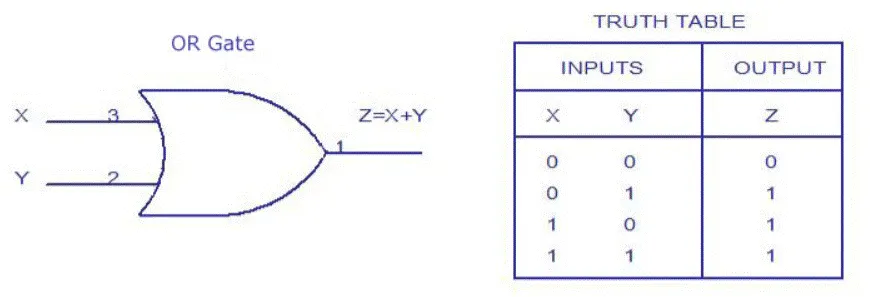
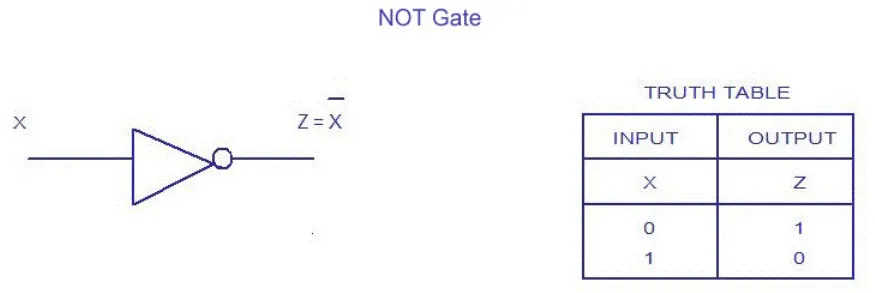
c.) Draw the circuit and truth table to implement the following logic in simulink.
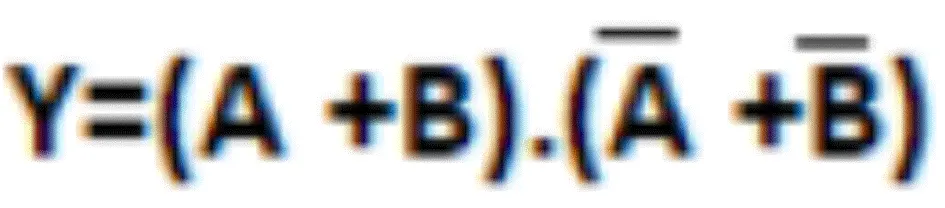
Y = AA' + AB' + BA' + BB'
Y = AA' + AB' + BA' + BB'
Y = AB' + BA'
Truth table:
| A | B | AB' | BA' | Output |
| 0 | 0 | 0 | 0 | 0 |
| 0 | 1 | 0 | 1 | 1 |
| 1 | 0 | 1 | 0 | 1 |
| 1 | 1 | 0 | 0 | 0 |
A = 0, B = 0: A = 0, B =1:
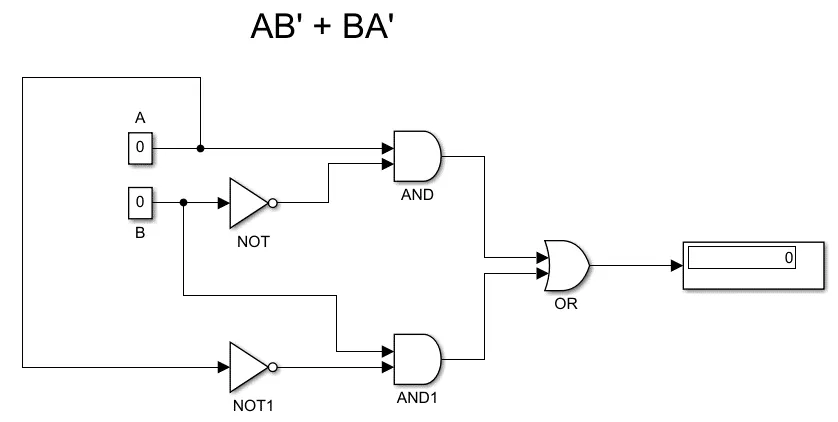
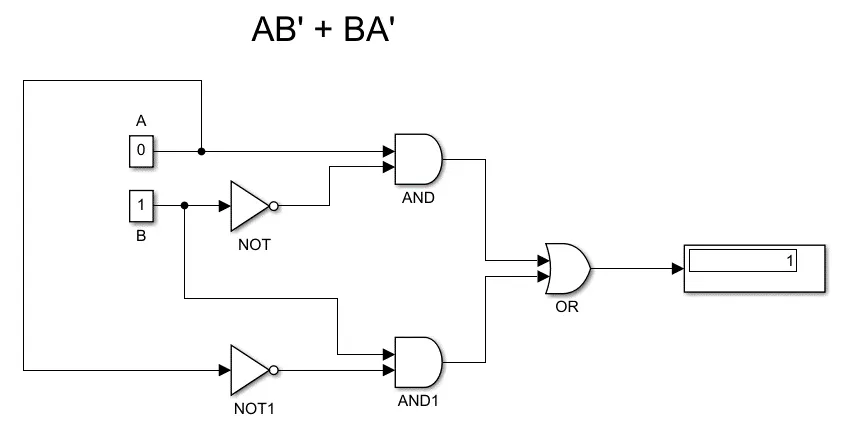
A = 1, B = 0: A = 1, B =1:
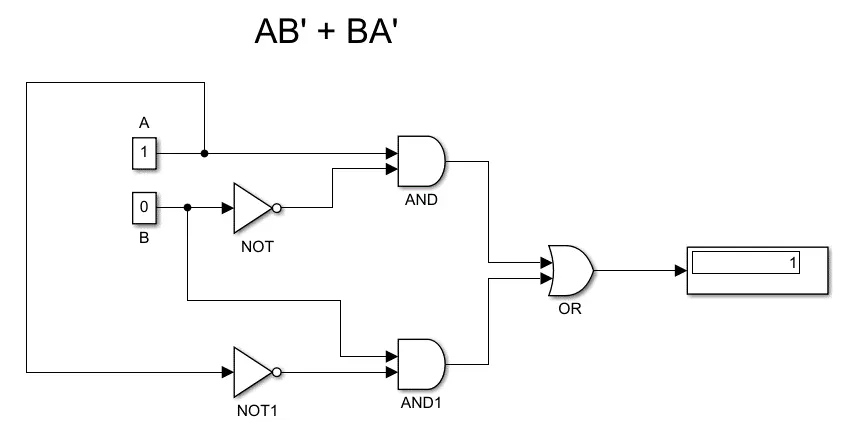
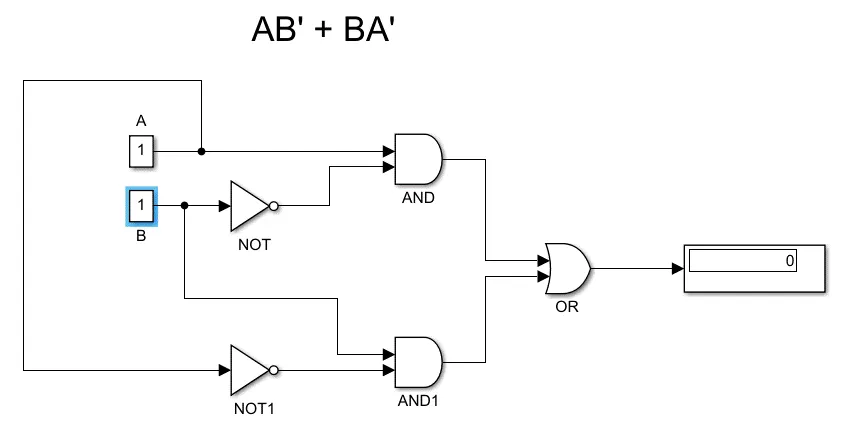
3. Carry out the following binary operations. Verify the results in MATLAB.
a.) 11111 and 10101(AND operation)
b.) 111 and 000(OR operation)
c.) 1010111 and 0101100 (AND operation)
d.) 101110(NOT operation)
clear all; close all; clc
a = [1 1 1 1 1];
b = [1 0 1 0 1];
ansa = bitand(a,b)

c = [1 1 1];
d = [0 0 0];
ansb = bitor(c,d)

e = [1 0 1 0 1 1 1];
f = [0 1 0 1 1 0 0];
ansc = bitand(e,f)

g = [1 0 1 1 1 0];
ansd = not(g)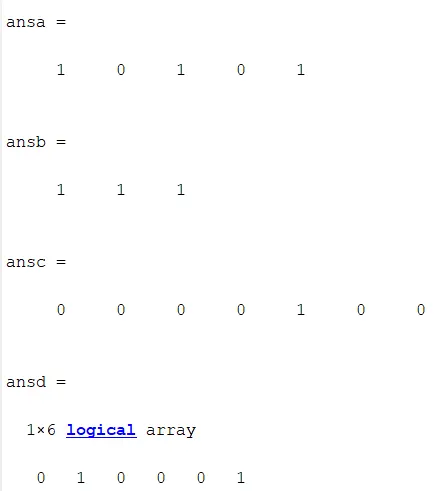
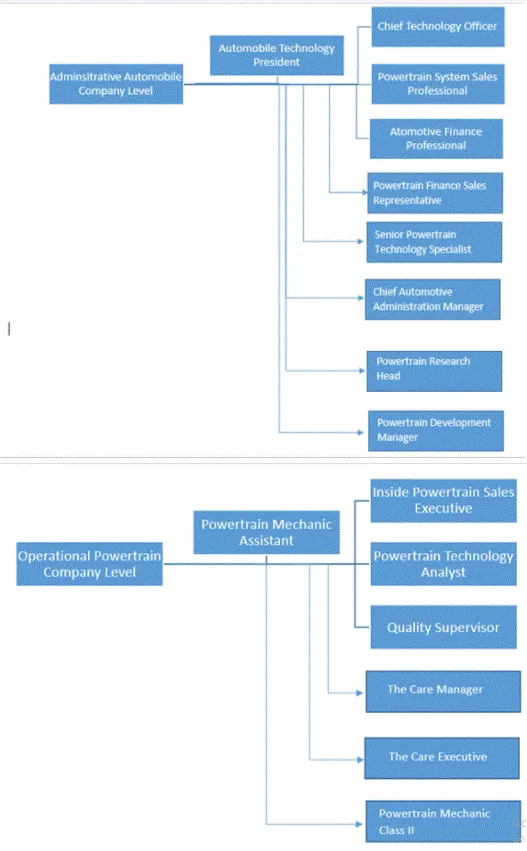
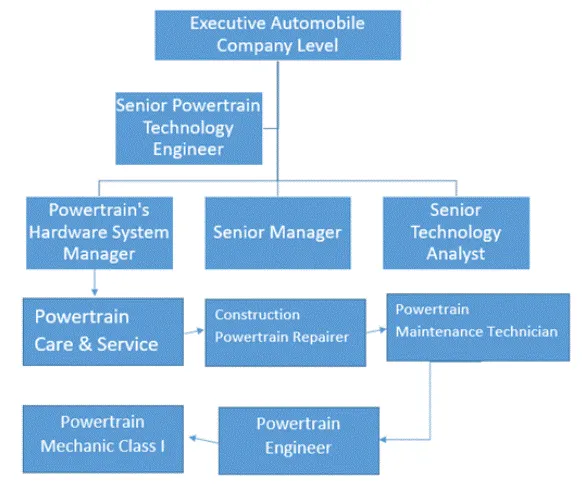
4. Prepare an organizational chart of people working at electric powertrain manufacturing companies.