Hood design-Week 2
AIM-
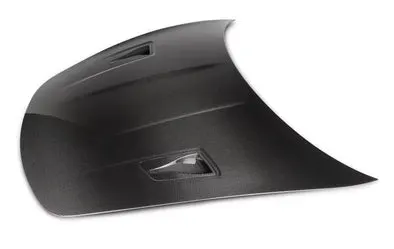
Design Hood Outer Panel, Inner Panel and reinforcements with the given outer hood skin and by following the Master Section with the Design parameters.
Introduction
The hood or bonnet is the hinged cover over the engine of motor vehicles. Hoods can open to allow access to the engine compartment (or trunk on rear-engine and some mid-engine vehicles) for maintenance and repair. In design perspective hood should meet some specific conditions like pedestrian safety, hood head zone for the lock striker, force distribution when subjected to frontal collision (occupant safety), manufacturability etc.
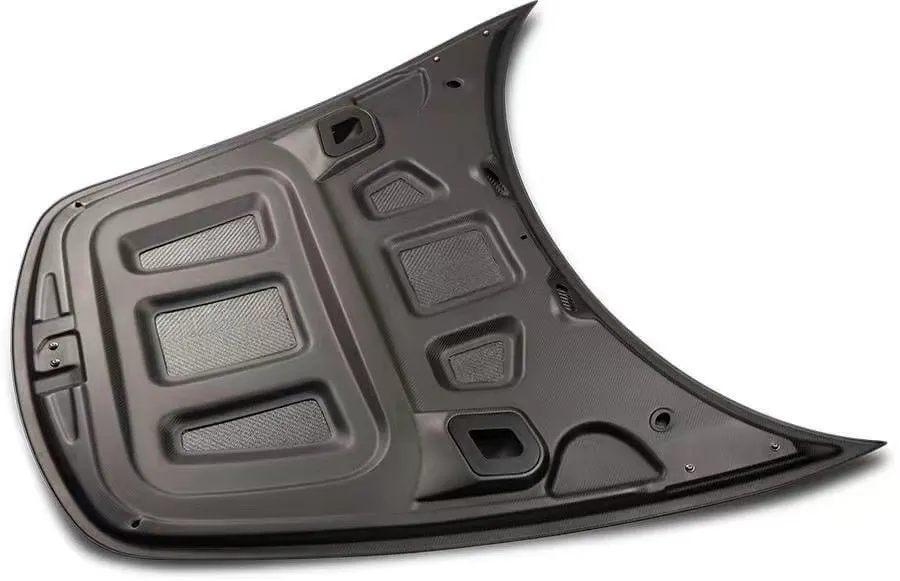
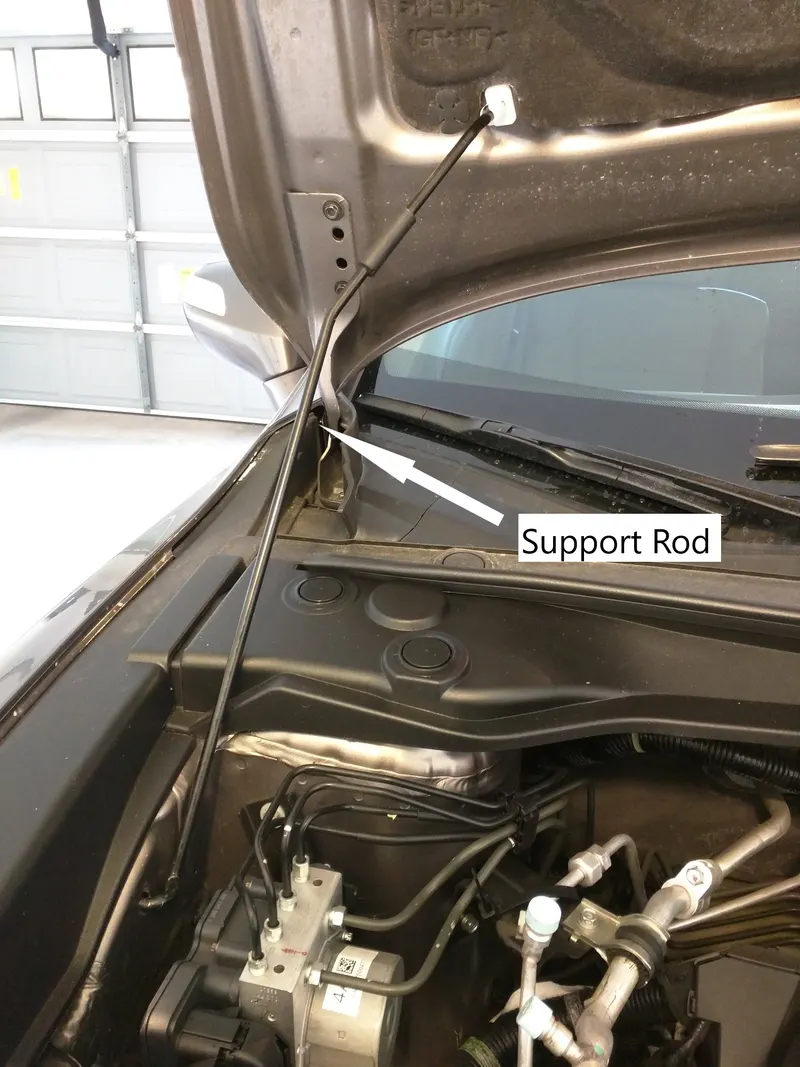
A typical hood assembly consist of hood outer panel, inner panel, latch and striker, hinge, hood stay. Hood stay is an apparatus for supporting the engine hood of a moto vehicle in its open position. The purpose of opening the engine hood is for inspecting engine room, replenishing cooling water and engine oil, changing parts and making repairs etc. Common types of hood stays are Support Rod and Gas Stay. Support rods are manually operated and they are cost effective and simple to design whereas gas stays require no man power but they are costly. Hood are typically made out of the same material as the rest of the bodywork. This may include steel and aluminium. Deep drawing, hemming, blanking and piercing are the common sheet metal operations that are used in manufacturing hoods in automotive industries.
Design Consideration:-
opening angle of the hood.
This criterion average height of the humans in the region of consideration. For example, the average height of a human being in India is 5.8 feet whereas in European countries the average height of a human being is 6 feet. Hence the opening angle of the hood greatly depends on the height of the human which can be controlled by the support rod or gas stay.
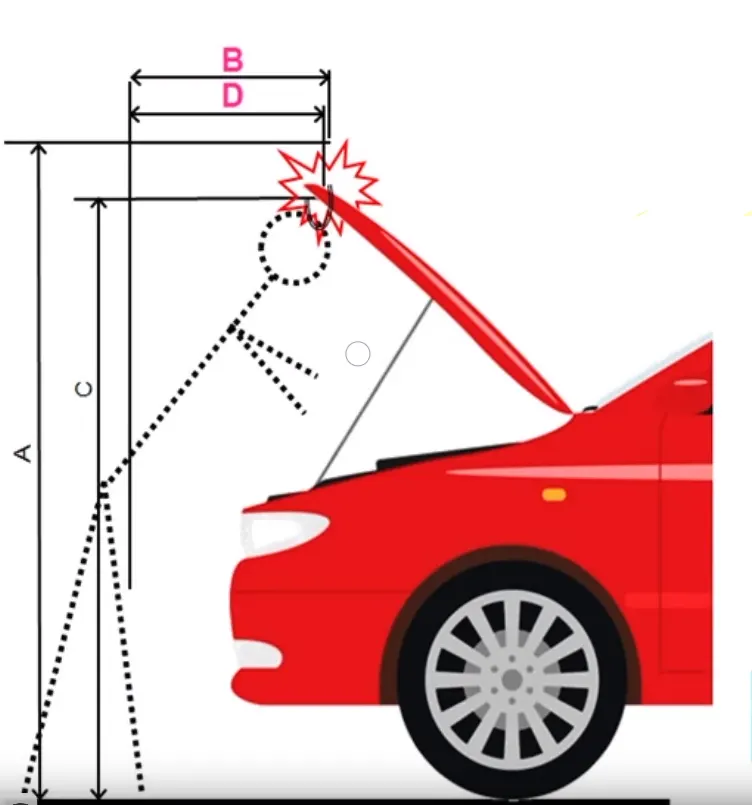
The opening angle is considered important criteria because when the opening angle is less there is a chance of head injury to the human.
By varying the length of the support rod the opening angle can be varied.
Gas Stay is a mini version of the bicycle pump in which the compressed nitrogen is stored in the pump with oil and tightly sealed so that the gas can't escape. The gas allows to store energy which produced by the force acting on the piston and oil damps the movement of the piston and also lubricates it. When force is acted upon the piston, it compresses the gas, and energy is stored and when force is stopped acting on the piston, the stored energy is released moving the piston to its free state position.
Consideration of Noise Vibration Harshness (NVH): Noise, vibration, and harshness (NVH), also known as noise and vibration (N&V), is the study and modification of the noise and vibration characteristics of vehicles, particularly cars and trucks. While noise and vibration can be readily measured, harshness is a subjective quality, and is measured either via "jury" evaluations, or with analytical tools that can provide results reflecting human subjective impressions.
Design specifications for the automotive hood component
Master section data was already provided by the support instructors of the course.
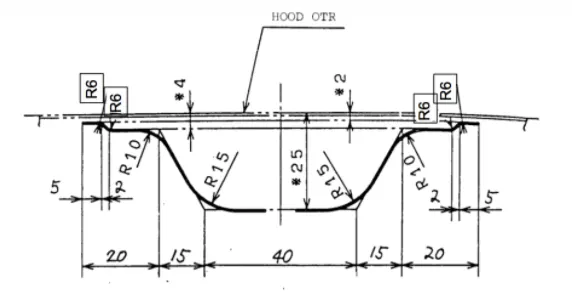
Hood Thickness Information
- Outer Panel Thickness = 0.75mm
- Inner Panel Thickness = 0.75mm
- Reinforcement Thickness = 1.5mm
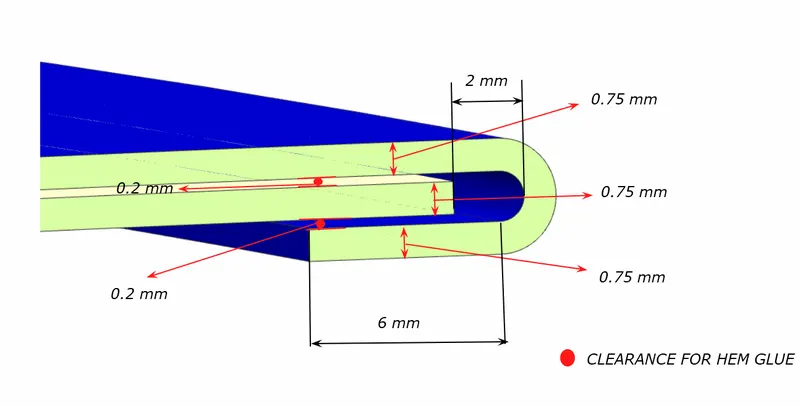
Hemming data
Relief rear section:
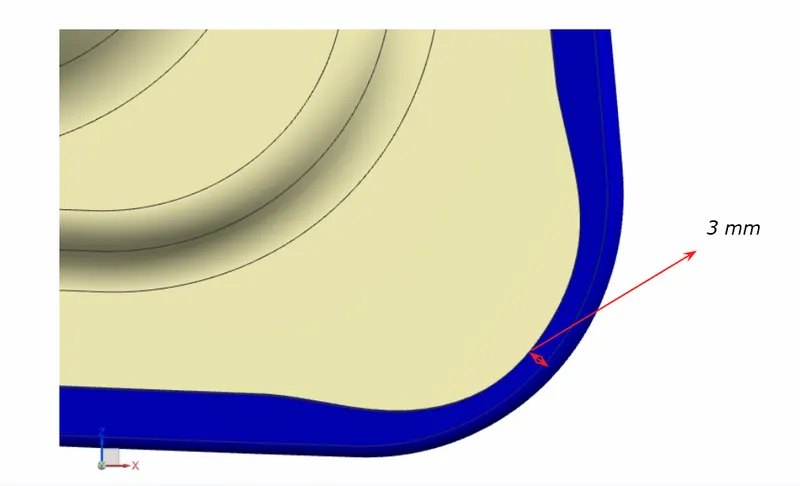
Front relief:
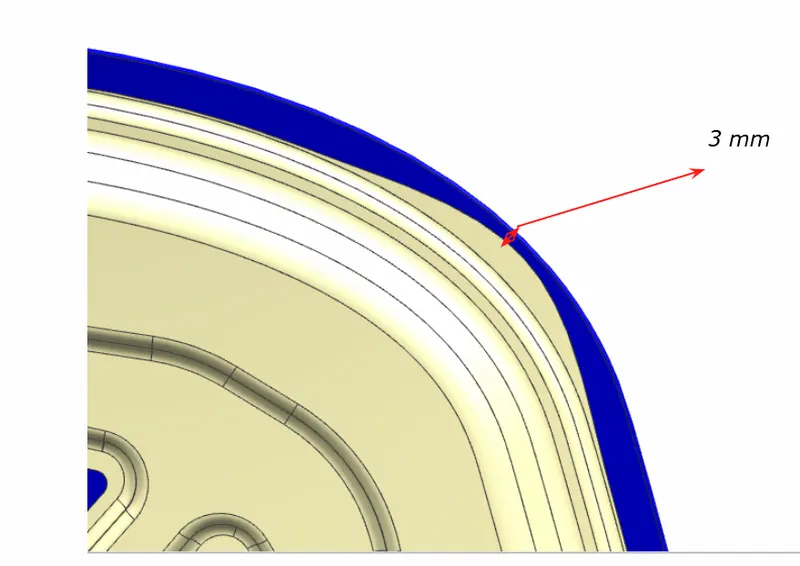
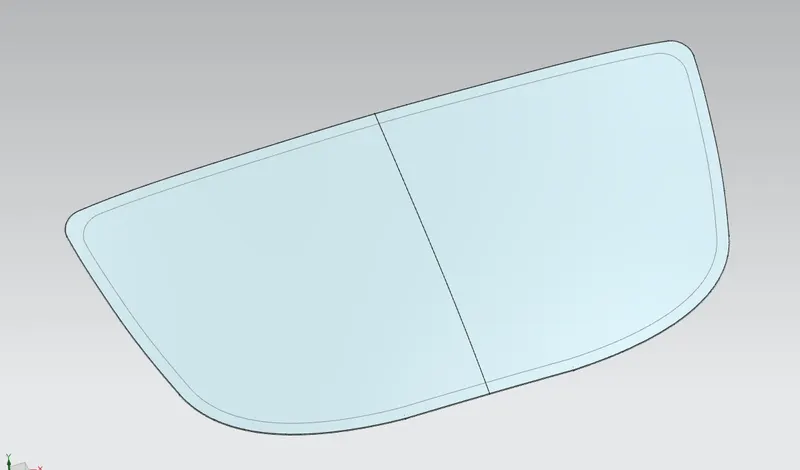
class a surface of outer panel:
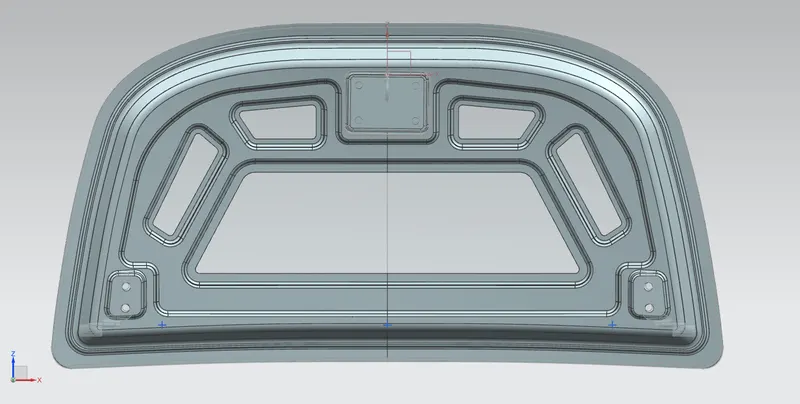
Hood inner panel
Inner panel is the part that gives strength and rigidity to the outer panel. The master section represents the initial emboss shape and size. Then we provide the emboss for the latch and hinge elements after fixing the location.
Position of hindge and striker:
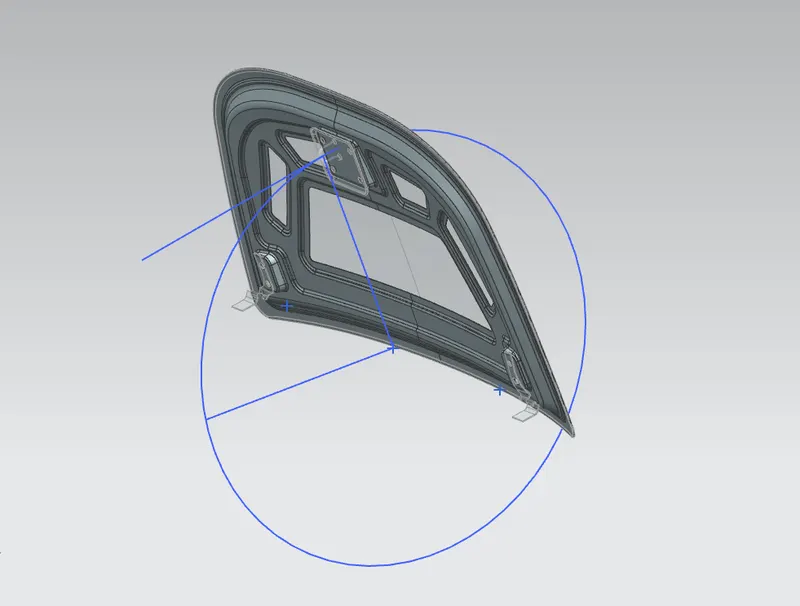
For the proper opening and closing of the hood, the striker should be perpendicular to the trajectory of the hood. For this, hinge is assembled at its position. Once it is placed, hinge axis is drawn. Using the hinge axis as the center we draw a big circle to the position the latch in such a way that it is perpendicular to the hood trajectory.
Latch And Hindge Reinforcement:
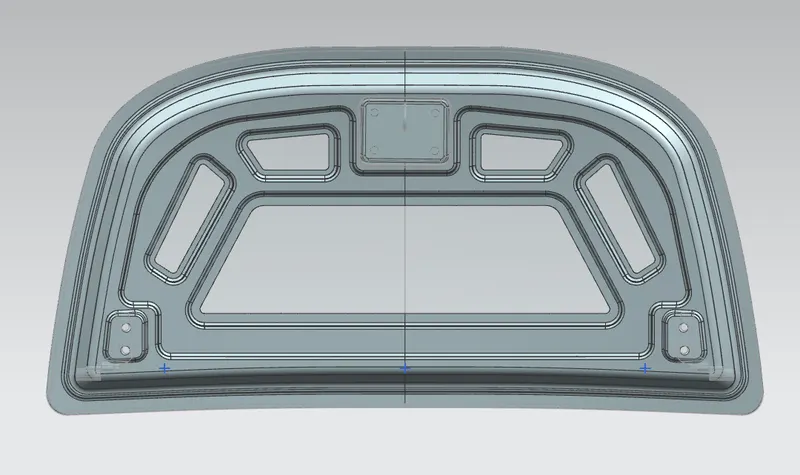
To furthermore reduce the impact to the occupants inside the car, additional latch and hinge reinforcement to the hood. When latch and striker are placed, there is drop in strength at that position thus reinforcement is required. Also stiffness pads are placed to reduce NVH. Hinge and latch reinforcement thickness is kept at 1.5 mm but it may vary
Hemming:
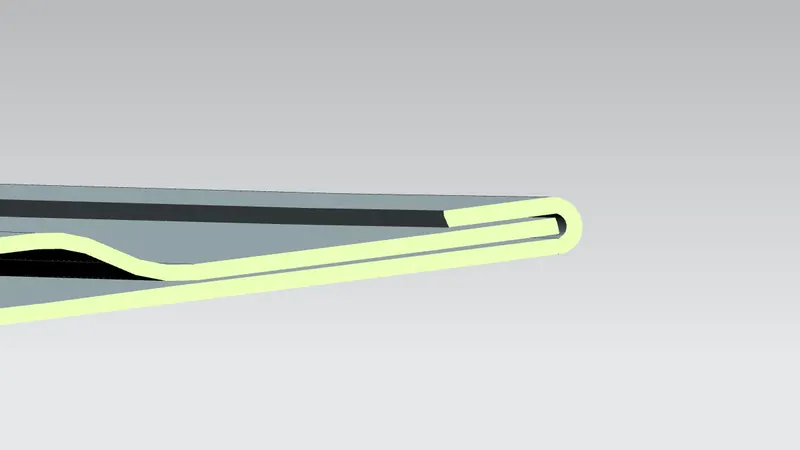
Hemming is the process in which the edge is rolled flush to itself, while a seam joins the edges of two materials. Normally hemming operations are used to connect parts together, to improve the appearance of a part and to reinforce part edges. In hood design, hemming is used in assembly as a secondary operation after deep drawing, trimming and flanging operations to join two sheet metal parts (outer and inner) together. Dimensions of hemming are given below.
Relief data:
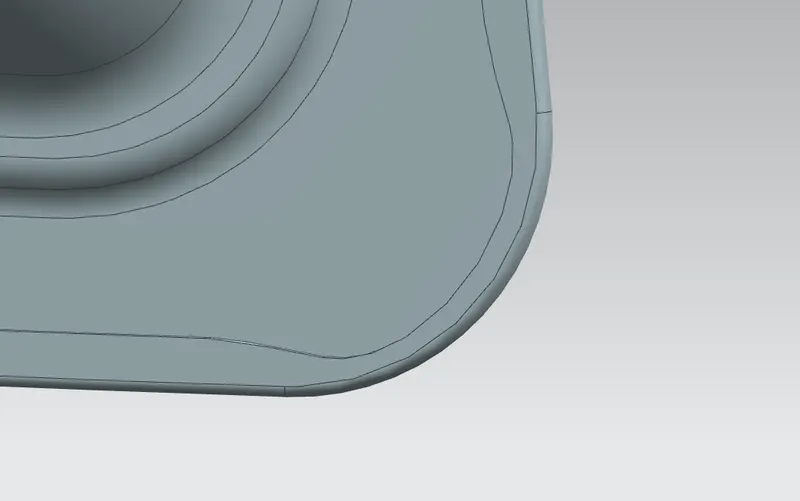
Relief is provided onto the part or component in order to remove any stresses developed in a particular area i.e sharp corners that takes place during the hemming process is carried out. Thus corners are rounded or chamfered.
Draft analysis:
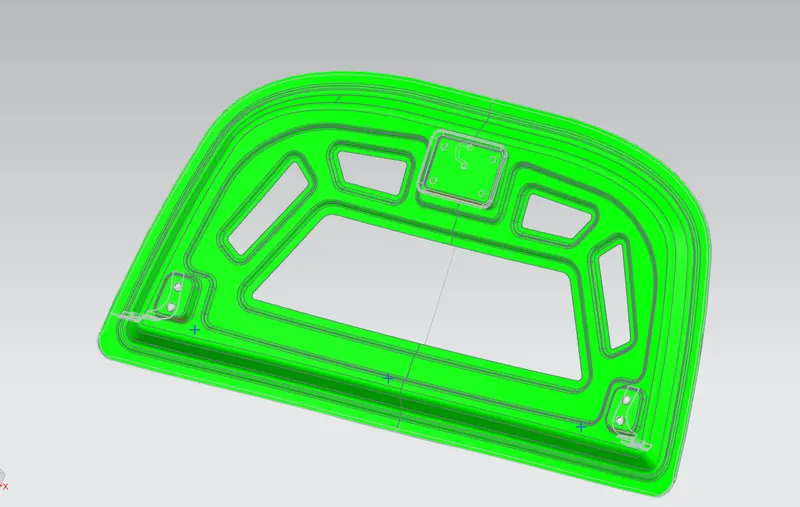
the designwas ready, the complete hood was analyzed for feausibility. Using the Draft Analysiscommand, it could be seen that the designed part can be manufactured without any difficulties.
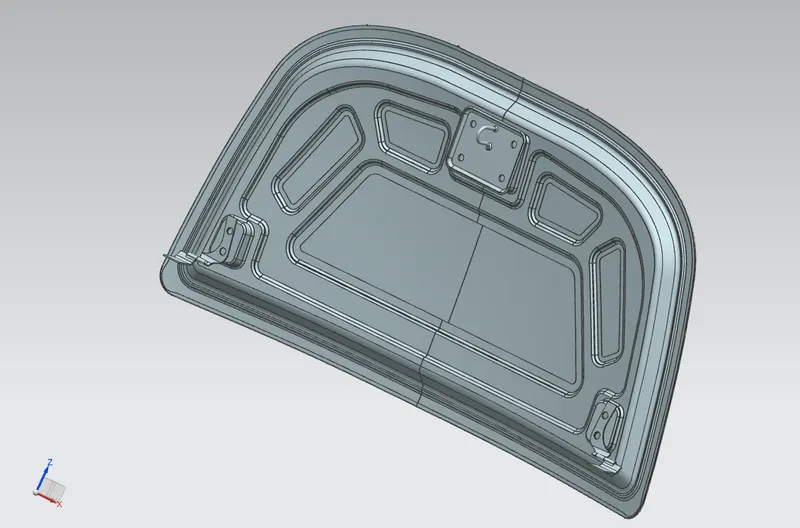
Final Hood assembly:
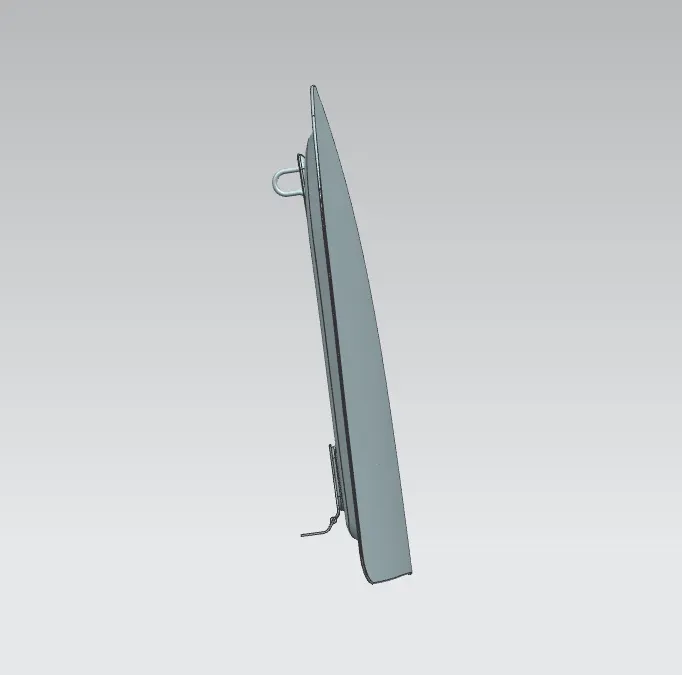
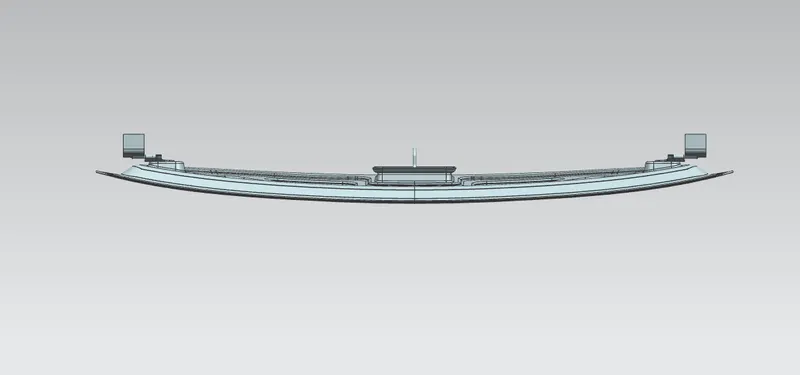
conclusion:
The designing of hood is succesfully completed as per the given inputs and design standards and also done the draft analysis on the parts to check feausability. Also the design was executed under the EuroNCAP safety standards and hence satisfies hood safety both for occupants and the pedestrians.