Hood design-Week 2
AIM
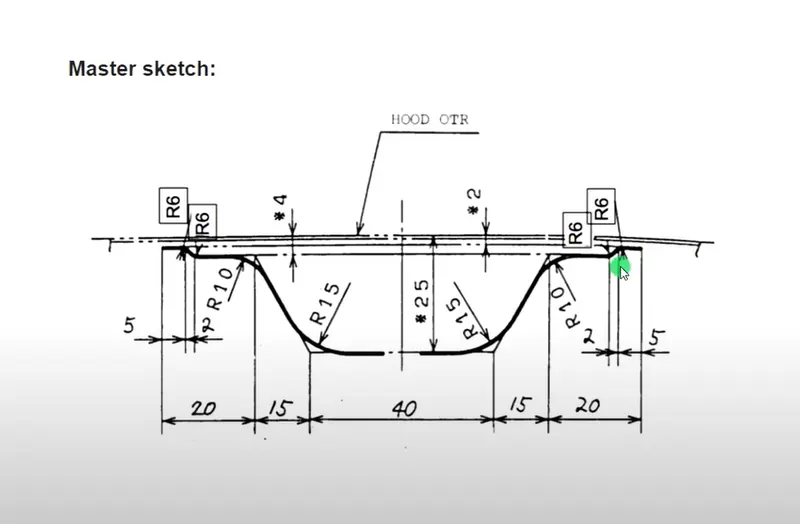
To design Hood Outer Panel, Inner Panel and the necessary reinforcements from the given Master Section mentioned with the Design parameters explained.
THEORY
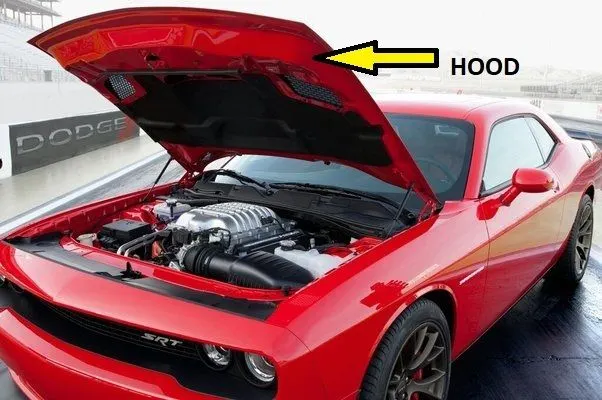
HOOD
The hood (American English) or Bonnet (British English) is the hinged cover that rest over the engine of motor vehicles. Hoods can open to allow access to the engine compartment. Its purpose is to provide access to the engine for repair and maintenance. Car hoods are typically constructed from steel and sometimes from aluminum. Hoods are designed to reduce air resistance as the air flows around the car. Apart from this,bonnets are also designed to meet several other requirements.They serve a great deal of purpose in protecting the passengers inside the car & the pedestrians in the event of an accident. It also acts as the cover for the engine.
Hoods are usually made from the same material as the rest of the body. This can be steel, aluminum, fiberglass, or carbon fiber. However, some aftermarket companies produce fiberglass or carbon fiber steel hood replacements to make the vehicle lighter. The hood release system is common on most vehicles and typically consists of an inner hood latch/lock handle, a hood release cable, and a hood lock assembly. The hood lock handle is usually located under the steering wheel, next to the driver’s seat, or in the door frame.
HEMMING
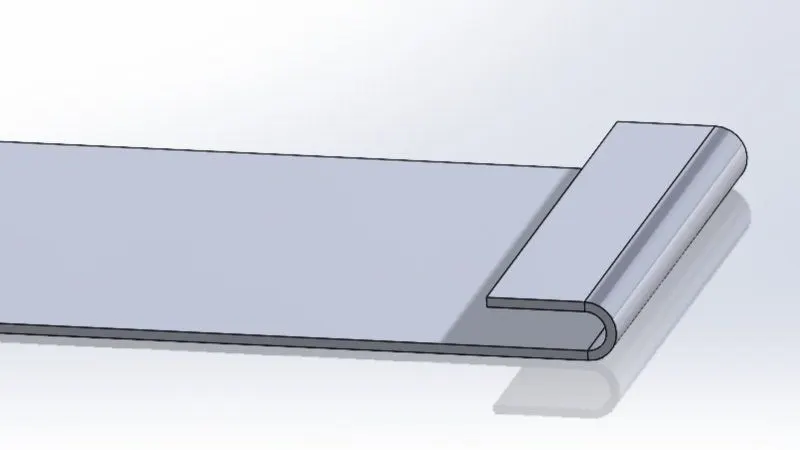
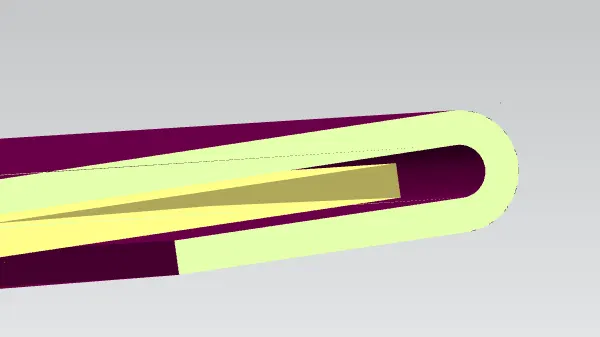
Hemming is a forming operation in which the edges of the sheet are folded or folded over another part in order to achieve a tight fit. Normally hemming operations are used to connect parts together, to improve the appearance of a part and to reinforce part edges.
In car part production, hemming is used in assembly as a secondary operation after deep drawing, trimming and flanging operations to join two sheet metal parts (outer and inner) together. Typical parts for this type of assembly are hoods, doors, trunk lids and fenders.
The accuracy of the hemming operation is very important since it affects the appearance of the surface and surface quality. Material deformations, which occur during the hemming process, can lead to dimensional variations and other defects in parts. Typical hemming defects are splits or wrinkles in the flange, material overlaps in the corner areas or material roll-in. This is why it is important to use simulation tools in order to, on the one hand, better understand the hemming process and, on the other hand, significantly reduce the number of “trial and error” loops during production.
TYPES OF HEMMING OPERATIONS
There are various types of hemming operations:
- Conventional Die Hemming: Conventional die hemming is suitable for mass production. In die hemming, the flange is folded over the entire length with a hemming tool. Normally the actual hemming is a result of a forming operation in which the flange is formed with a hemming tool after the drawing and trimming operations have been completed. The formed flange is then hemmed in several process steps. These steps include, for example, the pre-hemming and final hemming depending on the respective opening angle of the flange. Production plants for conventional die hemming are very expensive, but the cycle times are very low.
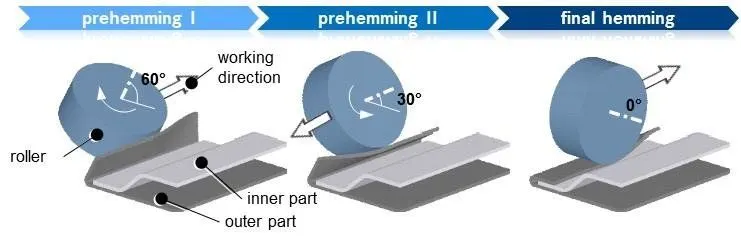
- Roll Hemming: Roll hemming is carried out incrementally with a hemming roller. An industrial robot guides the hemming roller and forms the flange. Roll hemming operation can also be divided into several pre-hemming and final hemming process steps. Roll hemming is very flexible to use and tool costs are significantly lower as compared to those of conventional die hemming. However, the cycle times are much higher since the hemming is realized using a hemming roller which follows a defined path.
TYPES OF HEMS
Four most common types of sheet metal hems are:
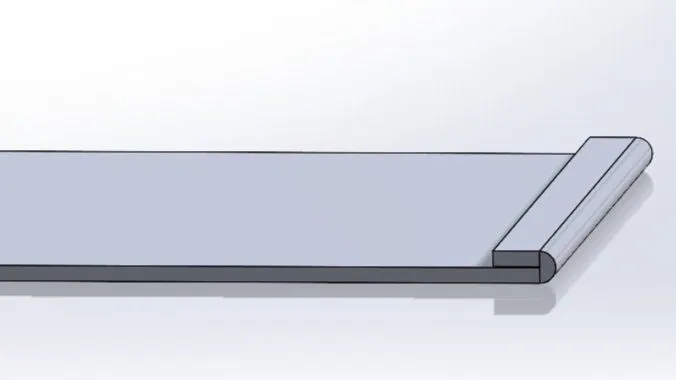
- Closed Hems: Also known as a crushed hem, a closed hem is completely flush. Closed hems are the most popular type of hem because they are so easy to make. The sheet metal is simply flattened onto itself. There are, however, some material limitations. This type of hem works best with material thicknesses of .040”-.125”. The flat length of the hem must also be a minimum of 4x the material thickness so that it doesn’t break.
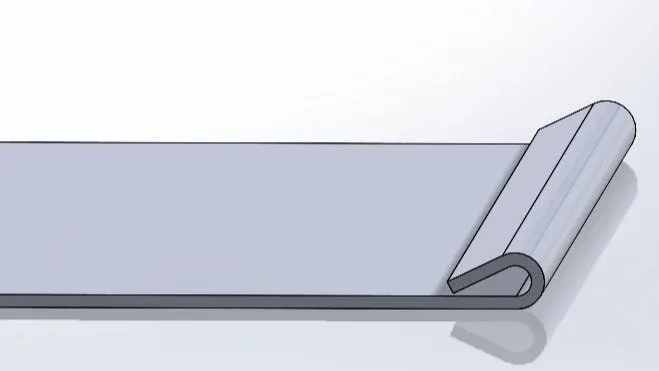
- Teardrop Hem: A tear drop hem is a flange that has been bent more than 180 degrees. Teardrop hems are for materials that lack the flexibility required of closed hems. This type of hem is perfect for aluminum and other fragile metals.
- Open Hem: An open hem features a soft, curved outer edge and an air pocket in its bend. It’s ideal for handles and other applications that come into contact with people. Like a closed hem, an open hem works best with material thicknesses of .040”-.125” and a flat length that’s a minimum of 4x the material thickness. Open hems are shaped by forming sheet metal to 145 degrees, then inserting a shim and flattening the material onto itself with the shim in place. Common gap sizes are 060”, .090”, .125”, .187”, and .250”.
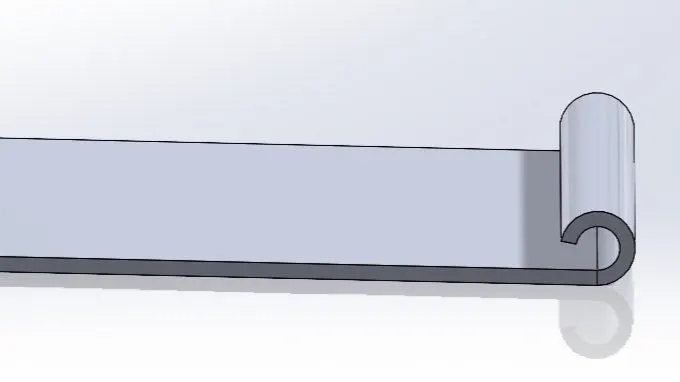
- Rolled Hem: The purpose of a rolled hem is to eliminate raw sheet metal edges from a part. This type of hem is common for door and figure edges. Rolled hems provide a nice clean look and a safe-to-handle part.
DEEP DRAWING
Deep drawing is one of the most widely used processes in sheet metal forming. Deep drawing is the process of converting blank of sheet metal into a cylindrical containers with a flat or hemispherical base. It is combination of metal forming process & sheet metal process. If the ratio of height to diameter of the product is greater than 0.5 then this drawing operation is known as deep drawing. Apart from its use in many other sectors, it is applied in the automotive industry for the manufacturing of car body parts.
Deep drawing processes are divided into three types:
- Deep drawing with tools
- Deep drawing with active means
- Deep drawing with active energy
In the automotive industry, deep drawing is usually carried out using rigid tools.
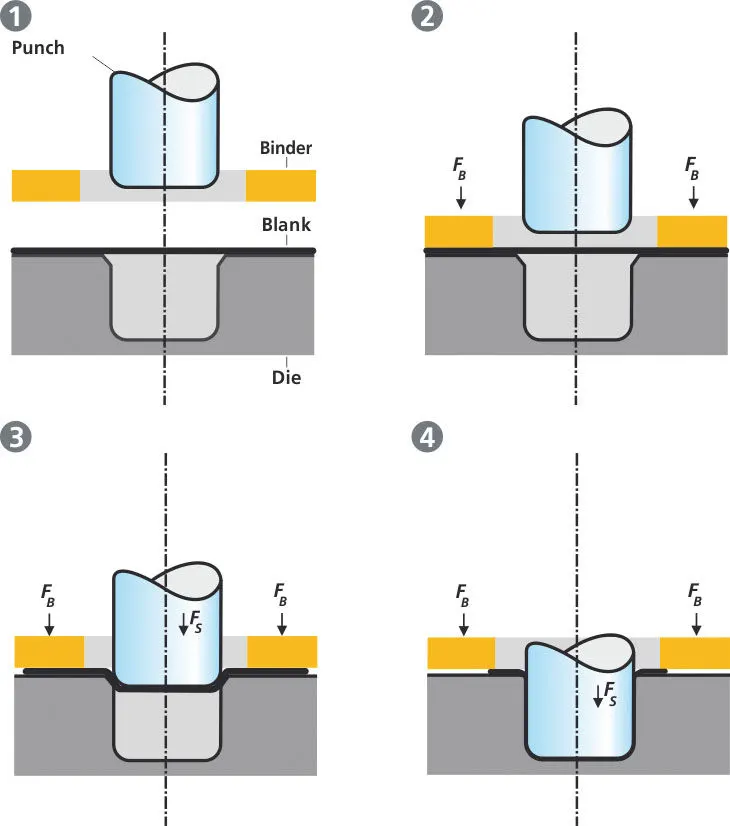
The components of deep drawing process are as follows :-
Blank: It is work-piece on which drawing operation is done. It is a blank / Piece of sheet metal which is placed onto the die hole. After application of drawing force, the material of blank form and take shape of punch.
Punch: Punch is used to apply drawing force on blank material. The shape of product depends upon shape of punch. The punch pushes the blank material into the die cavity.
Die: It is generally made of cast iron or tool steel. The blank bend over the circular shape of die. The clearance between the die and punch should be enough to allow drawing and to avoid shearing failure in material. The corners of the die should have fillets to avoid shearing.
Binder: Binders/Blank holders are used to hold the blank surface onto the die surface. The blanking force should be optimum. If it is greater than optimum limit then it will results in shearing at die corners. If it is lower than optimum limit then it will results in wrinkling defect at flange surface of product.
The figure illustrates the deep drawing process. The rigid tools consist of a punch, die and binder. In deep drawing, the plate holder closes after the metal sheet blank has been inserted. Next the sheet is clamped between the die and the binder. This process slows down the flow of the sheet while it is being drawn and thereby prevents wrinkles from forming under the binder. The punch stretches the sheet over the die radius and forms it in the die. The amount of punch force necessary for forming is thereby continually increased up to the lower dead center of the punch. Whereas in pure deep drawing there is no reduction of sheet metal thickness, forming is achieved in stretch forming purely as a result of a decrease in sheet metal thickness. Stretch forming is extensively used for the forming of only slightly curved parts with low depth of draw (e.g. roofs, doors). When drawing complex car body parts in practice, there is usually a combination of stretch and deep drawing involved. It is necessary that the sheet metal is stretched as well as possible without reaching the material’s limits
EMBOSSING
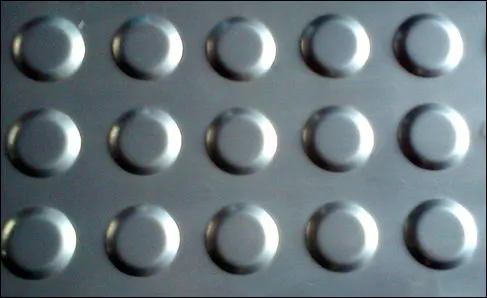
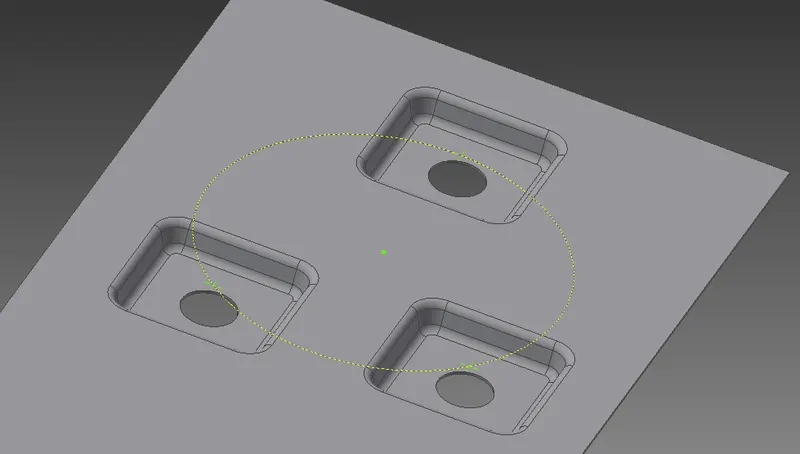
Sheet metal embossing is a stamping process for producing raised or sunken designs or relief in sheet metal. This process can be made by means of matched male and female roller dies, or by passing sheet or a strip of metal between rolls of the desired pattern. Sheet metal embossing is generally used to create logos, lettering, small depressions, etc. It is also used to create desired non-slip surfaces as well as other geometric features on the sheet metal. In sheet metal embossing, the deformation of the metal takes place because of stretching of the metal (or tensile force acting on the metal), due to which the sheet metal is subjected to excessive thinning and fracturing. Thus the depth to which the material is depressed depends upon the thickness of the sheet as well as stretchability of the material. Embossing is generally used to make dimples on sheet metal to increase their rigidity as well as it is also used for decorative purposes on panels in houses or other places.
Characterestics Of Embossing
- Embossing has an ability to form (change the shape) of ductile metals.
- Embossing operations can be used for high production purposes too.
- The embossing operation has the ability to maintain the same metal thickness before and after the embossing operation.+
- It has the capability to produce longer lengths of embossed sheets.
Factors Effeting During Embossing
- Pressure: Pressure applied to the sheet metal should be controlled during embossing.
- Heat: Heat level should be maintained consistently during the embossing to get the perfect impressions.
- Die depth: The depth of the die should be adjusted such that the extreme thinning or failure of sheet metal does not occur.
DESIGN CONSIDERATION
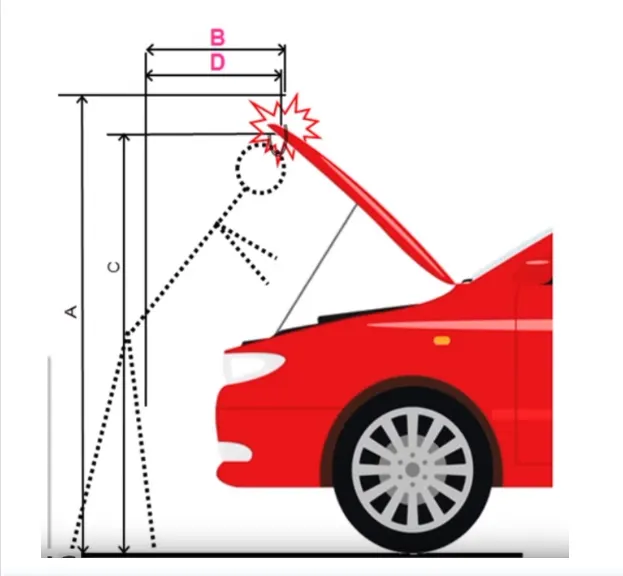
- Head Clearence Zone: Important criteria while designing a hood is its opening angle i.e how much the hood is opened. It depends on country standards and the average person height. For example average human height in india is 5.5" but in USA and Europe it is 6'. So the hood opening angle will be more in USA & Europe than India.
- Hood Stay: This defines how to stay the hood whether by using support rod or by using Gas Stay and how to mount hood stay whether on hood or on engine compartment.
- NVH (Noise, Vibration, and Harshness): NVH means Noise, Vibration, Harshness. While designing hood NVH must be considered. NVH is a term used to describe car noise, vibration and harshness that result in varying degrees of dissatisfaction.
- Passenger Safety: Whenever a frontal crash occurs in the car, the first part affected will be the hood. So must be designed in such a way that it should not come from the body of the vehicle and must absorb the energy as far as possible ad divert the force towards the side panel of the car so that the amount of force which is sent to the cabin is lesser since the force lesser the passenger will experience less amount of force so that passenger safety is ensured.
- Pedestrian Safety: It defines how much a car is safer for pedestrian. Pedestrian safety is very much important while designing a hood. Hood is designed based on Wrap Around Distance and Head impact Zone.
If the side reference line fall more outside i.e on the fender WAD distance will be more so the impact zone will be lesser.
If the side reference line fall on the hood, WAD distance will be less so the impact zone will be more
.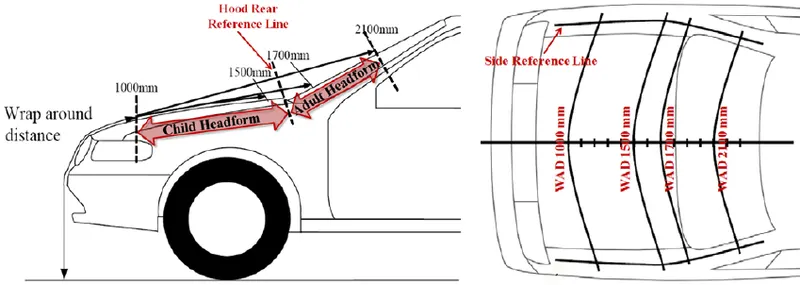
Child Head Impact Zone: 1000 WAD to 1500 WAD
Adult Head Impact Zone: 1500 WAD to 2100 WAD
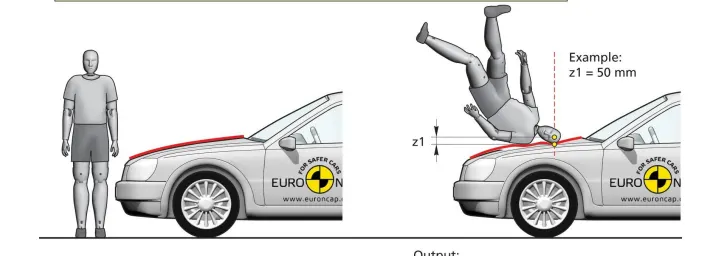
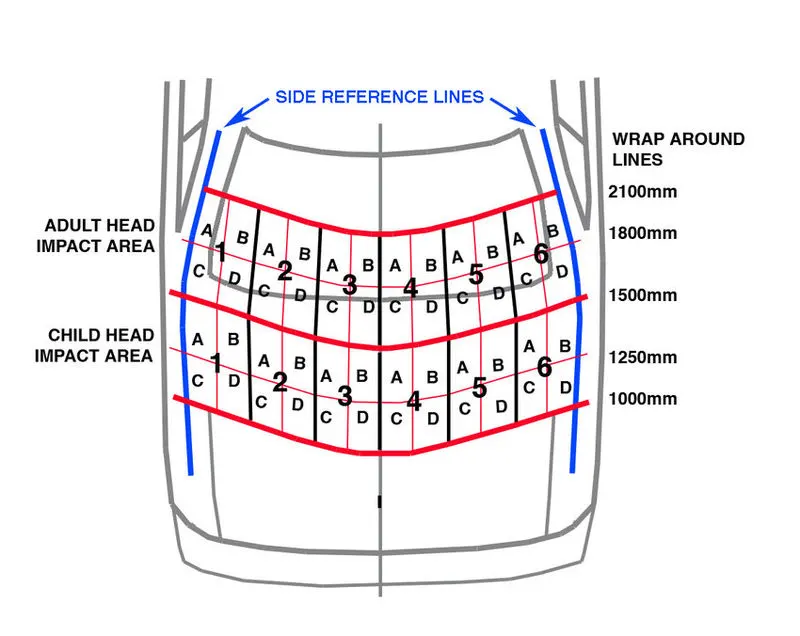
The major reason for the casuality of the pedestrian in accident is due to head injury from the hard impact of head against stiffer hood or ground. The area at head impact zone zone of hood is made softer to reduce the force during accident.
Hood Thickness Information
- Outer Panel Thickness = 0.75mm
- Inner Panel Thickness = 0.75mm
- Reinforcement Thickness = 1.5mm
Master Section
Software Used
Siemens NX 12
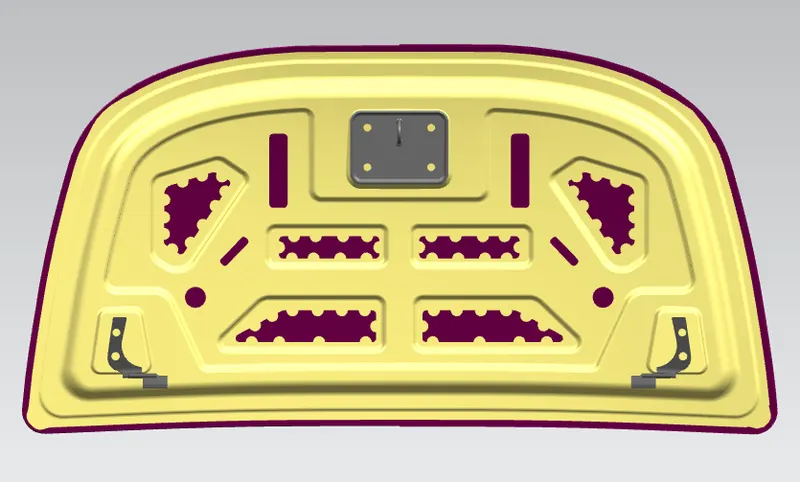
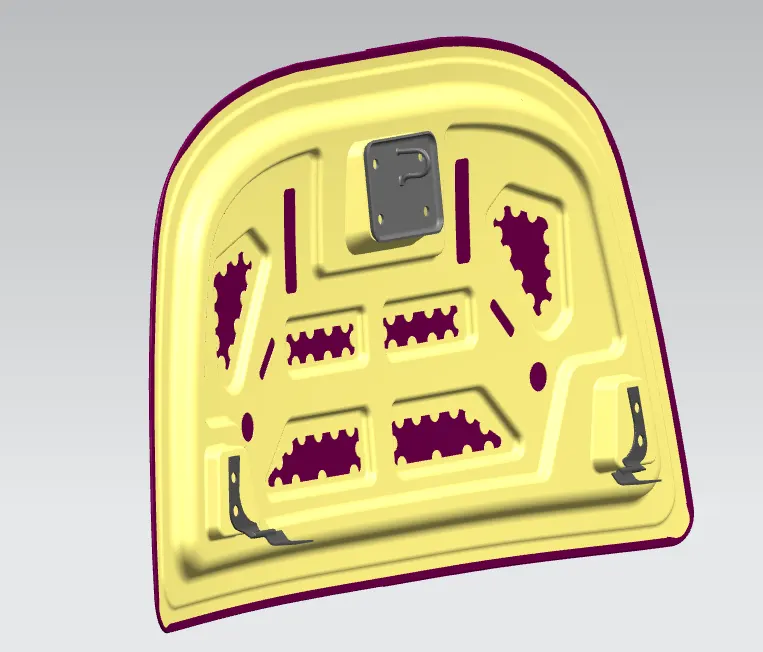
Final Hood Assembly
Latch Trajectory
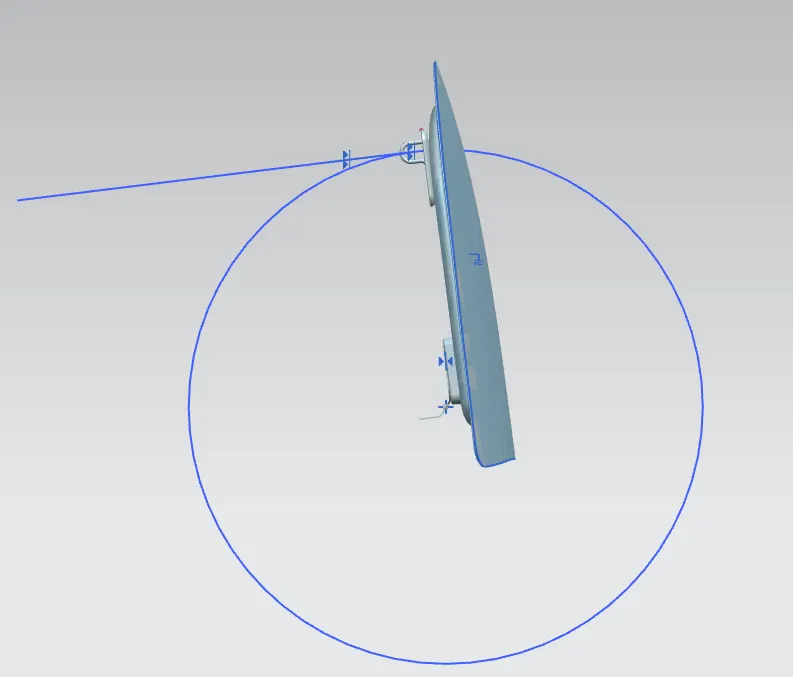
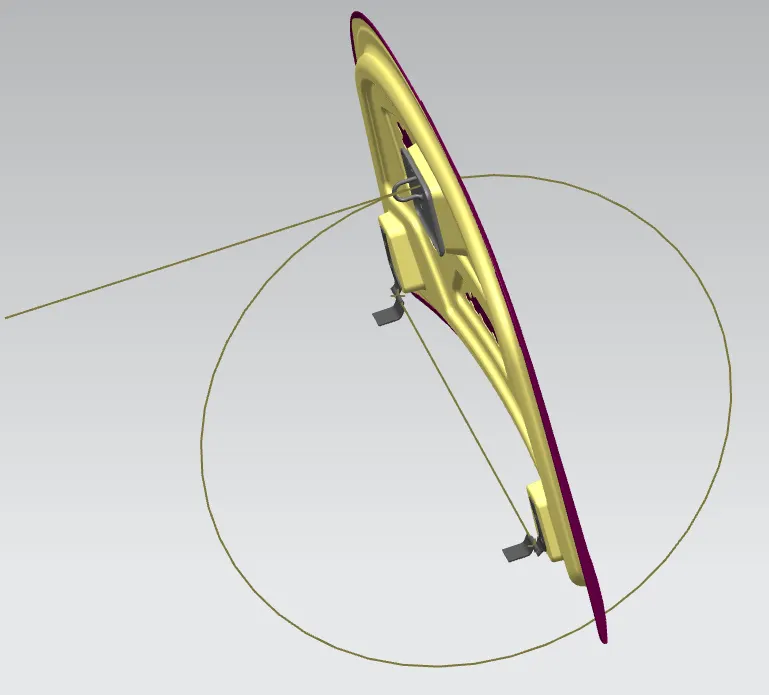
Latch trajectory is given by the circle drawn from the hinge axis point. Hinge axis point is the centre point of the hinge axis. First, we can fix either the latch or the hinge. If we have fixed the hinge position then we should plot the Trajectory circle for the latch. For proper mating condition the striker axis through the tip of the striker should be tangential to the latch trajectory.
If the striker is exactly perpendicular to the trajectory then the hinge position is correct or else we have to move the point on hinge axis inside or outside. If it is not perpendicular then latch at the engine compartment and striker will not mesh each other and hood will not close properly.
Hood Outer Panel
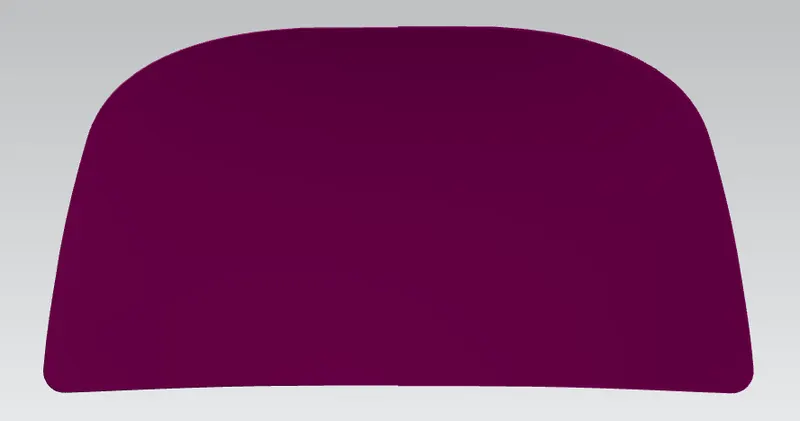
Outer panel is the outer cover of the hood. This is the area we can see from outside. Outer panel functions as the metal cover and give the aesthetics to the vehicle. The shape, position and size of the hood should satisfy the safety norms.
Hood Inner Panel
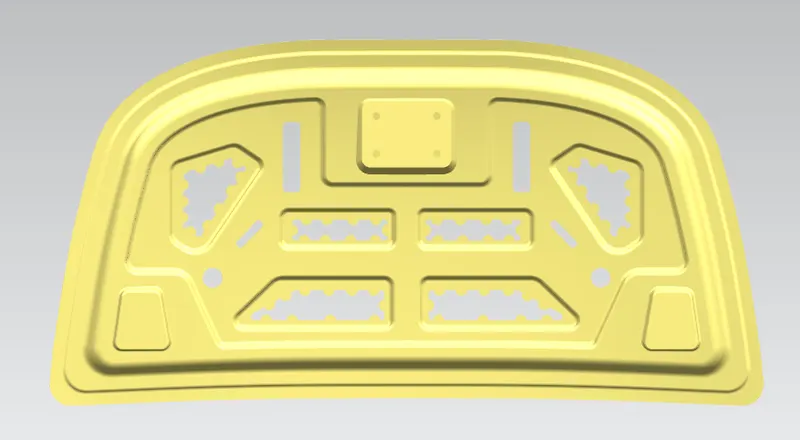
Inner Panel provides strength to the hood. Hinge , Striker are assembled on the inner panel. Embosses are created on the inner panel to divert the force outside and there by reduce the impact during collision.
Latch & Striker
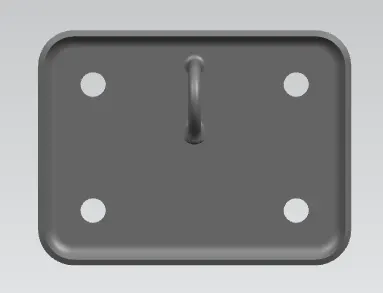
Hood latch or hood lock is attached to front part of the vehicle and engages with the striker attached to the hood inner panel to maintain or release the closed state of hood.
The Hood striker is attached to the Hood inner panel and engages the hood latch to keep the hood closed.
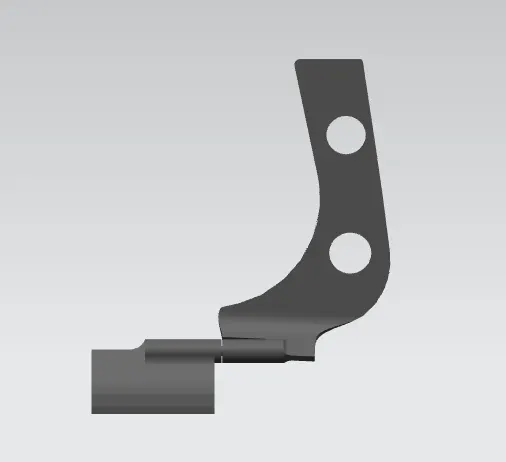
Hinge Assembly
The Hood hinge is attached to the hood and the body so that it act as a rotory shaft when the hood is opened and closed and supports the hood so that it does not come off the internal or external impact.
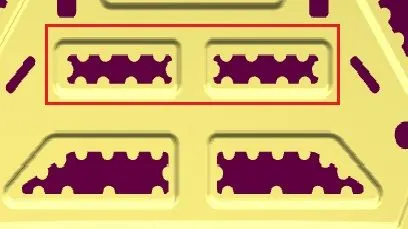
Embosses
When collision occurs, force goes upwards and can affect the passenger sitting inside. We need to divert this force to outside as soon as possible. By creating embosses we can divert forces. Also by creating embosses and material removal we can make the panel softer. So when a pedestrian hits on the softer area the impact will be also less.
Embosses are also created to give more strength to the sheet metal.
Mastic Sealant Data
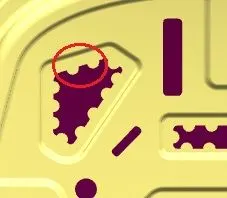
We cannot join the inner panel and outer panel by welding or riveting as it will make spots or marks on outer panel which will affect the aesthetics. So in order to join these two panels we use mastic sealants. Mastic sealants are hard rubber like material which is applied in between inner and outer panel at specified spots and when it get into hot bath, it will get hardened and join the two panel . The area of influence of each mastic sealants is 80mm diameter. Usage of mastic sealants results in reduction of NVH.
Hemming
Hemming is a forming operation in which the edges of the sheet are folded or folded over another part in order to achieve a tight fit. Normally hemming operations are used to connect parts together, to improve the appearance of a part and to reinforce part edges.
Corner Reliefs
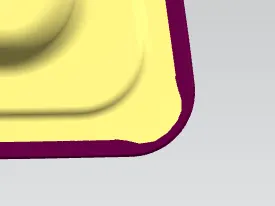
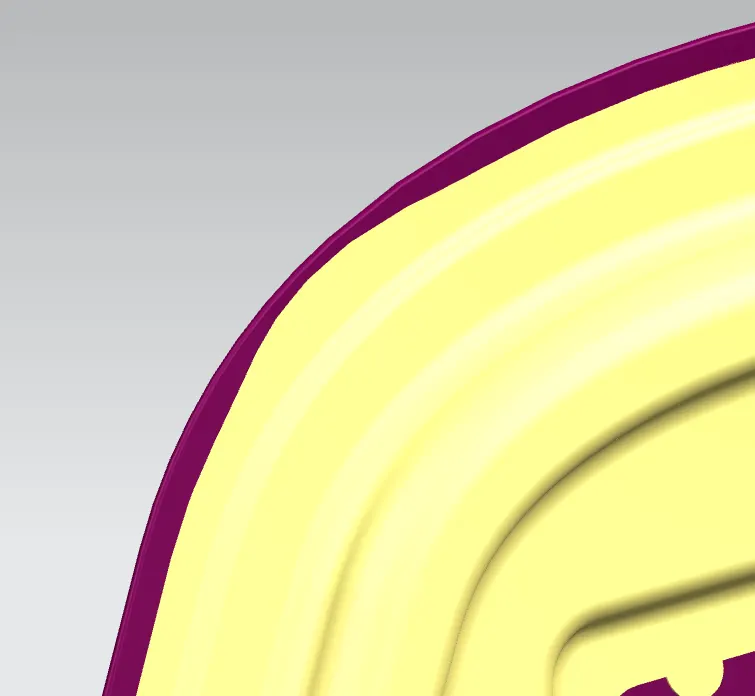
During Hemming operations when the rollers roll on the sheet metal there is a tendency for the sheet metal to vibrate. If the force applied by the roller bring back the sheet to original position then it will not be a problem but at corners the situation is different and can even change the design of outer panel. These areas are considered as red zones. So to avoid these red zones we give reliefs so that there will not be complete roll over.
CONCLUSION
Hood Outer Panel, Inner Panel and the necessary reinforcements from the given Master Section mentioned with the Design parameters has been designed.
REFERENCE
https://www.approvedsheetmetal.com/blog/what-type-of-hem-does-your-custom-sheet-metal-part-need