Hood design-Week 2
Hood Design:
The Hood or bonet is the highed cover over the engine of motor vechiles. Hoods can open to allow access to the engine compartment, or truck for maintenance and repair.
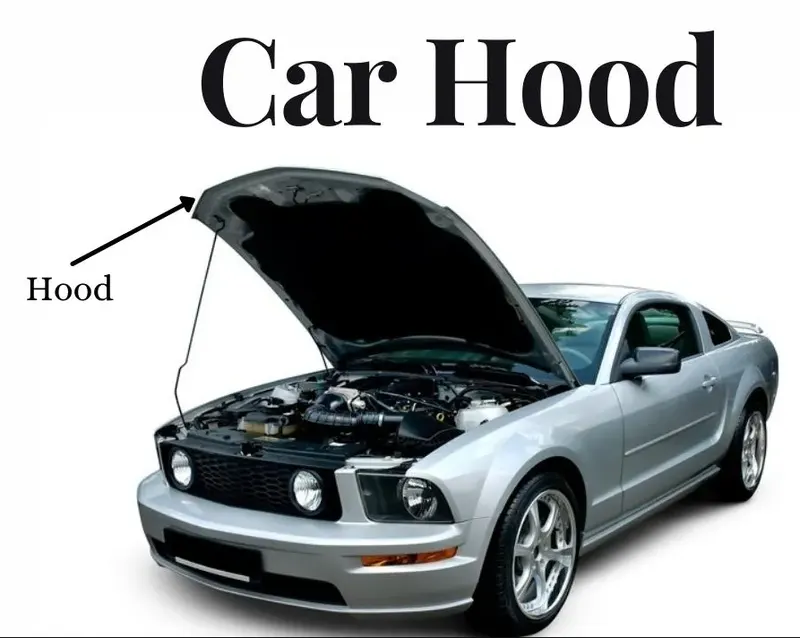
Types of Hood:
1. Inline Hood
2. Wraparound Hood.
Factors to consider to design a hood.
1. Heat Zone criteria
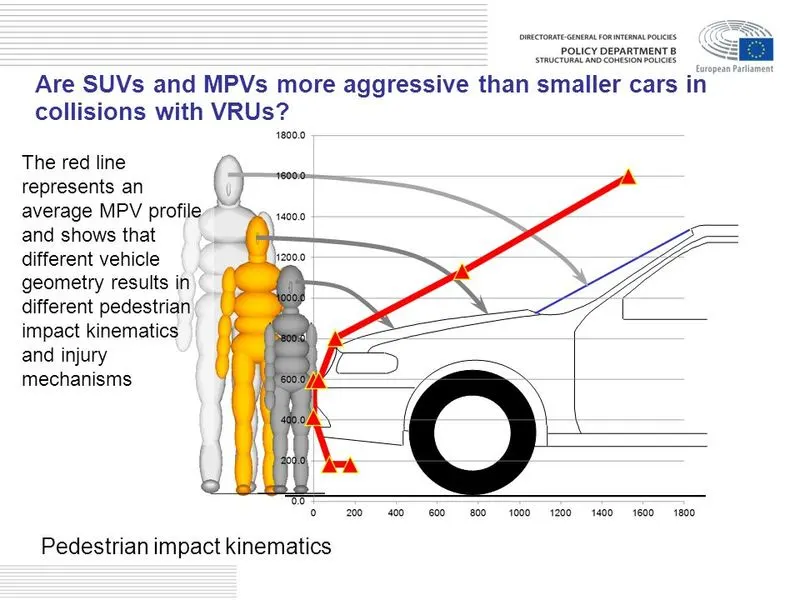
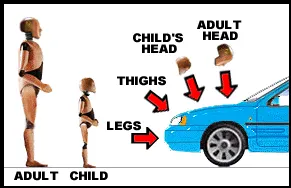
2. Pedisterian safety
3. open and closing of Hood
4. NVH criteria
5. Spot welds & riverting to be replaced by hemming, glueing, mastics
Pedisterian
Components Required to design a Hood:
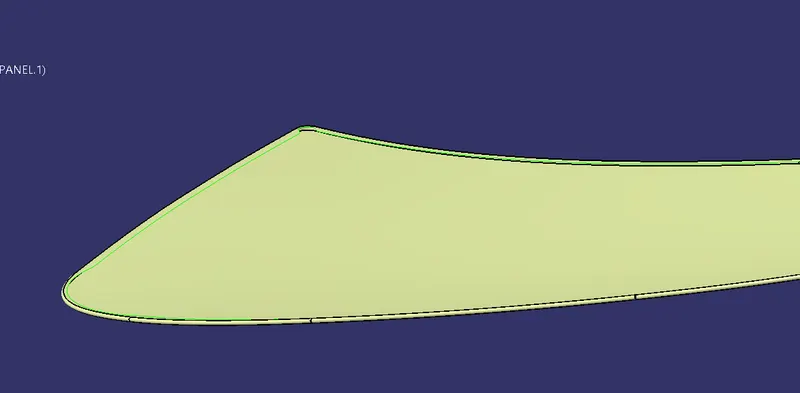
1. Design Outer Panel with the hem.
2. Develope the inner panel.
3. Develope all the Necessary Reinforcements.
4. Mirror and position the hinge & Striker.
5. Provide Mastic Data.
6. Provide the required Emboss definition,
7. Develope a detailed Report for the Mastic Position and Embosses you have placed.
How to Design a Hood is explained below:
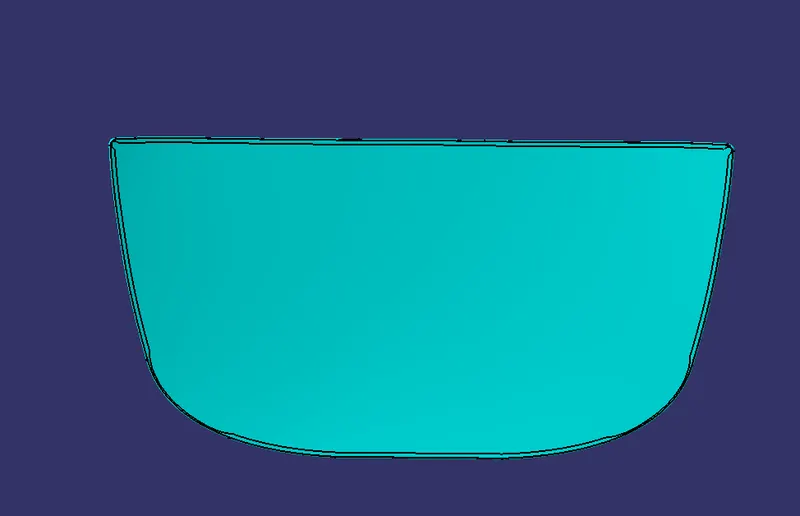
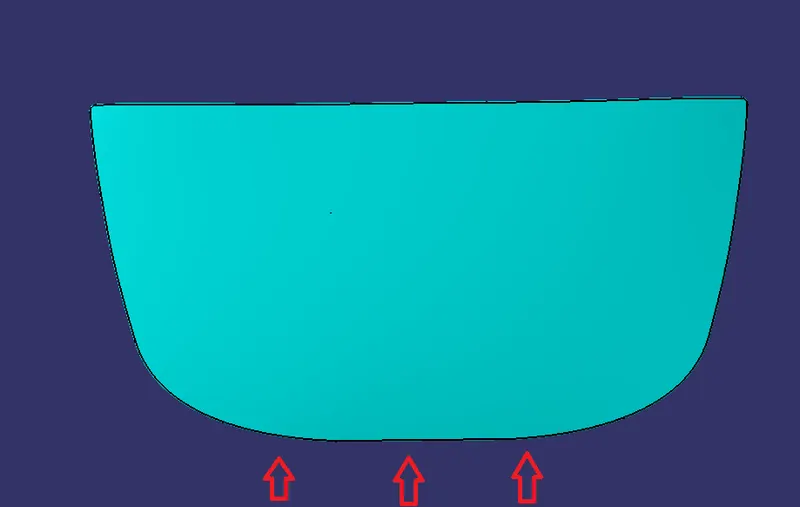
1, Hood Outer Panel
The outer panel is a metal cover that which is the aesthetic part of the hood.
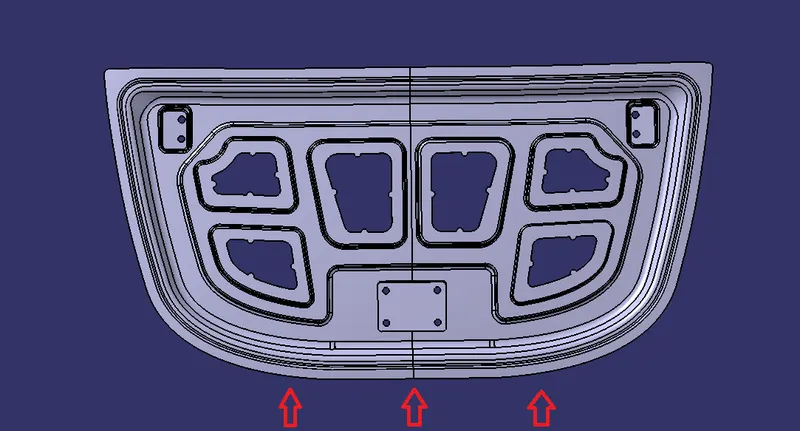
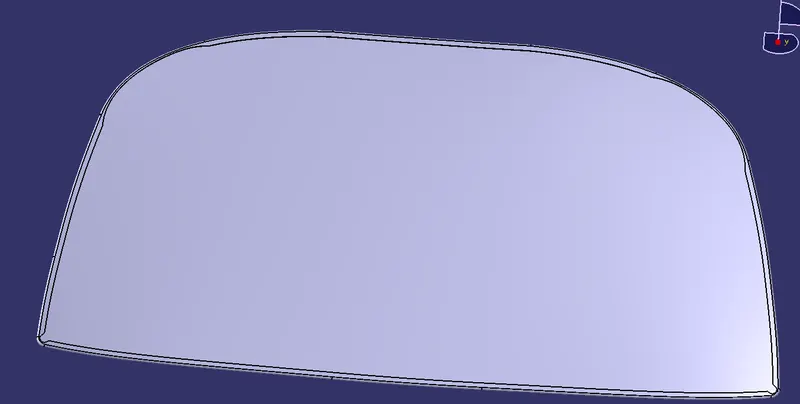
2. Hood Inner Panel:
The inner panel provides strength to the outer panel of the hood.
Steps in Creation of Inner panel.
Inputs Provided:
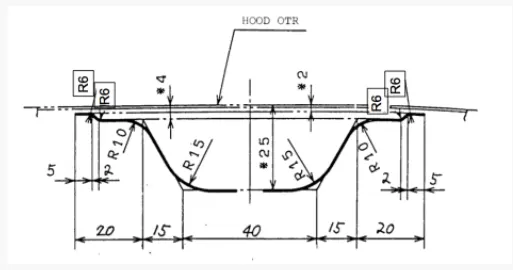
Hood Thickness Information
- Outer Panel Thickness = 0.75mm
- Inner Panel Thickness = 0.75mm
- Reinforcement Thickness = 1.5mm
Image of Inner Panel>
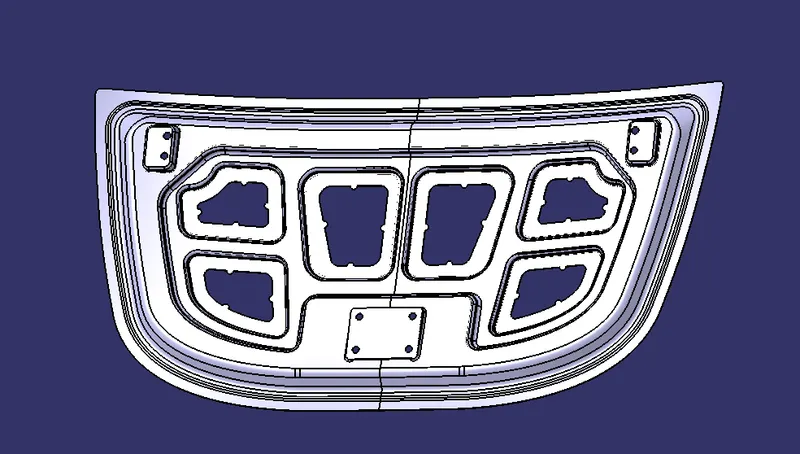
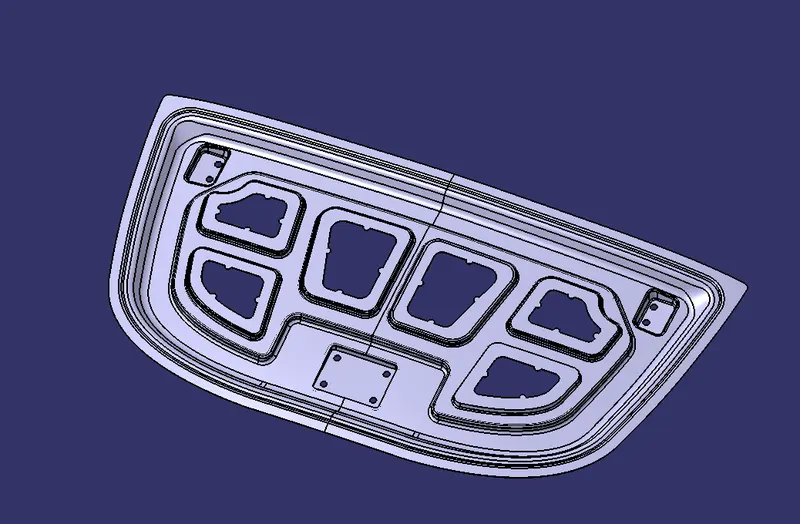
Deep Draw:
The deep drawing process is a forming process which occurs under a combination of tensile and compressive conditions. A flat sheet metal blank is formed into a hollowbody open on one side or a hollow body is formed into a hallowbody with a smaller cross-section.
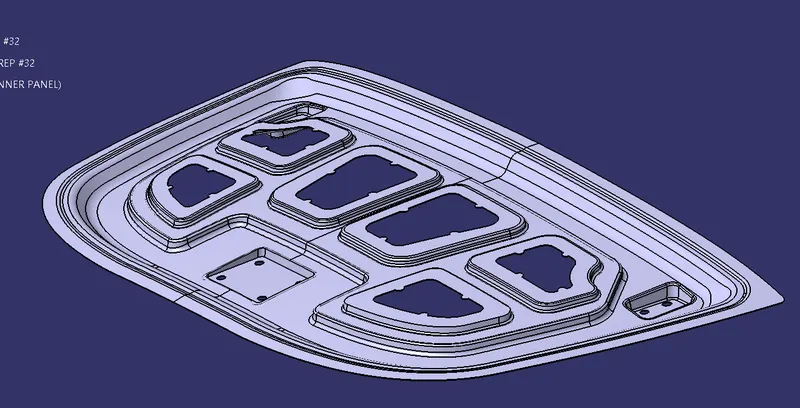
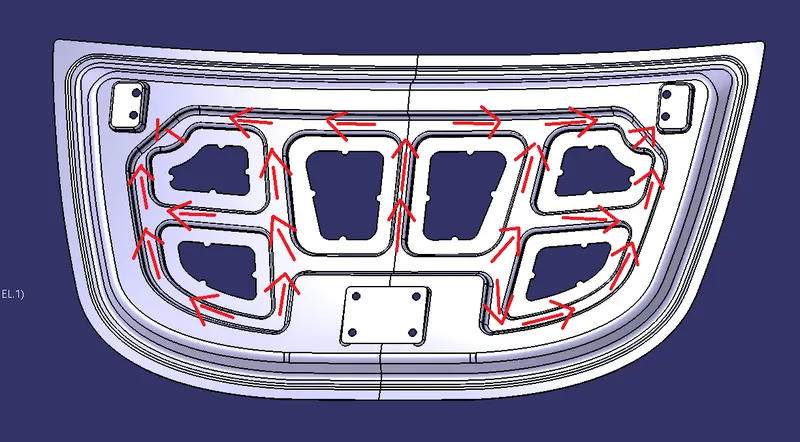
The Design for inner panel is created when a crash occurs the impact flow should travel to the edges.
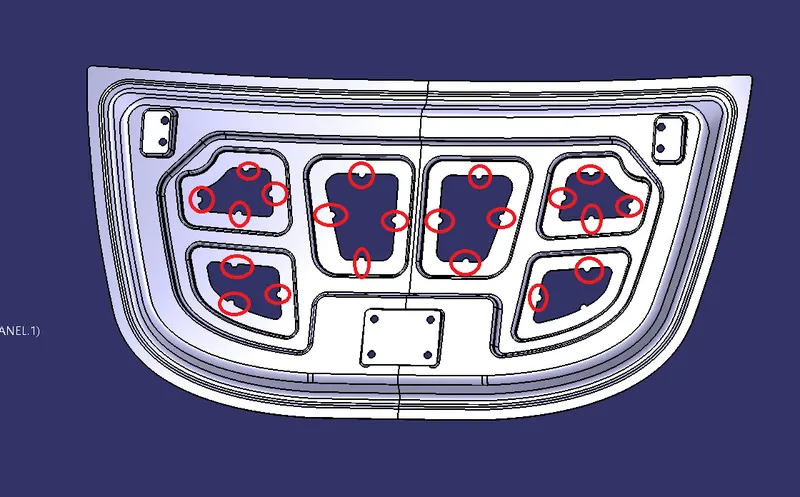
Mastric For Inner Panel:
3, Hinges
The Hinges helps in opening and closing pf part in doors.
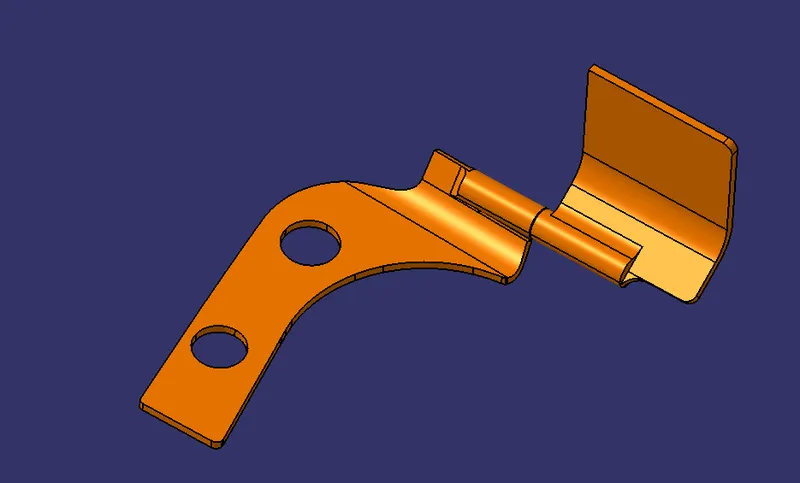
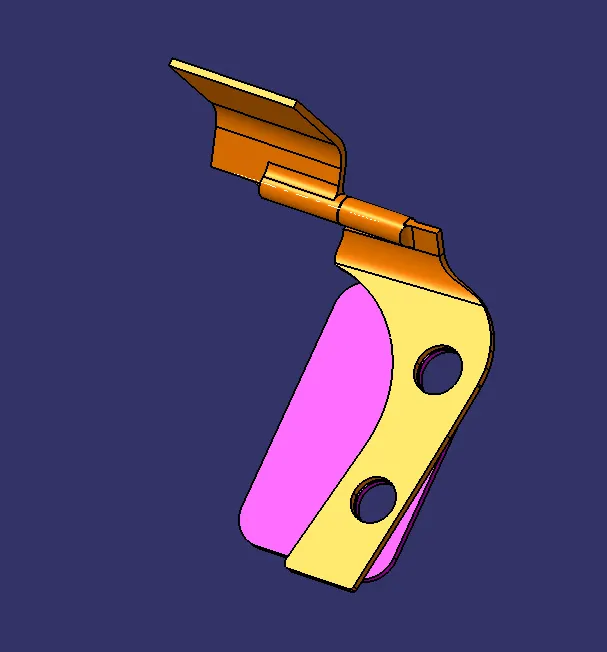
Hinge Reinforcement:
5, Striker:
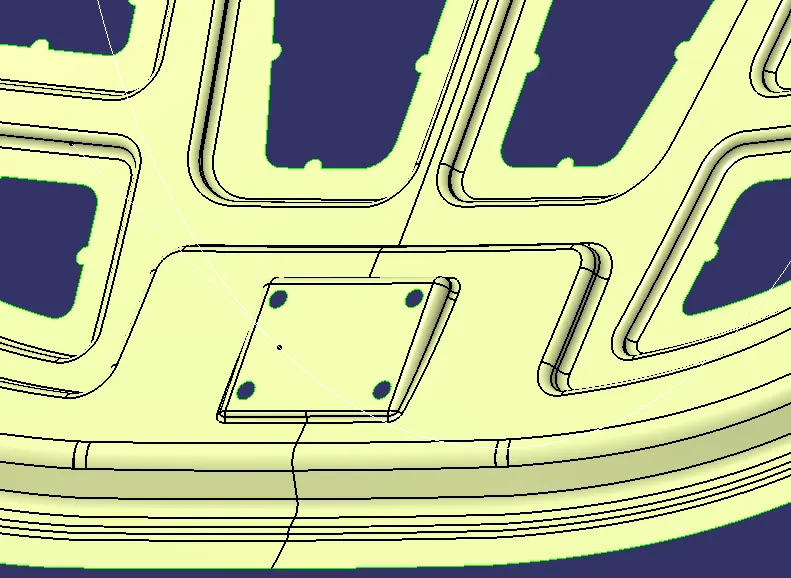
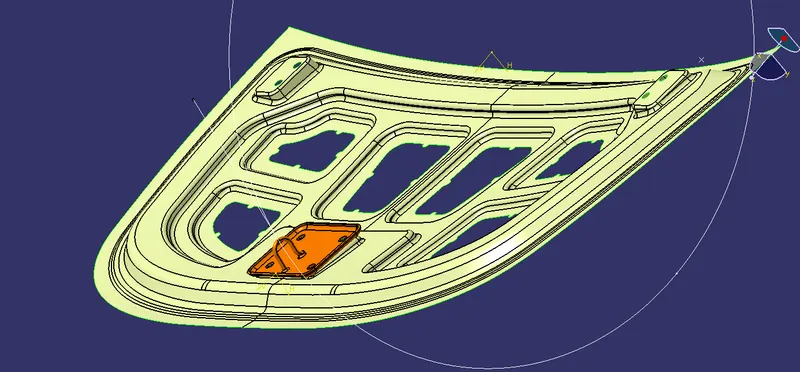
The Striker helps in closing the hood with the car.
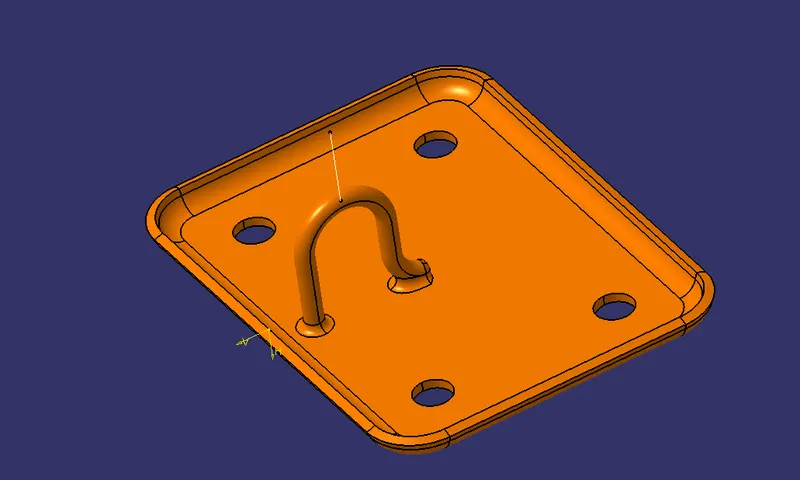
Trajectory motion of striker is drawn with the mid point of Hinge should be perpendicular to the striker.
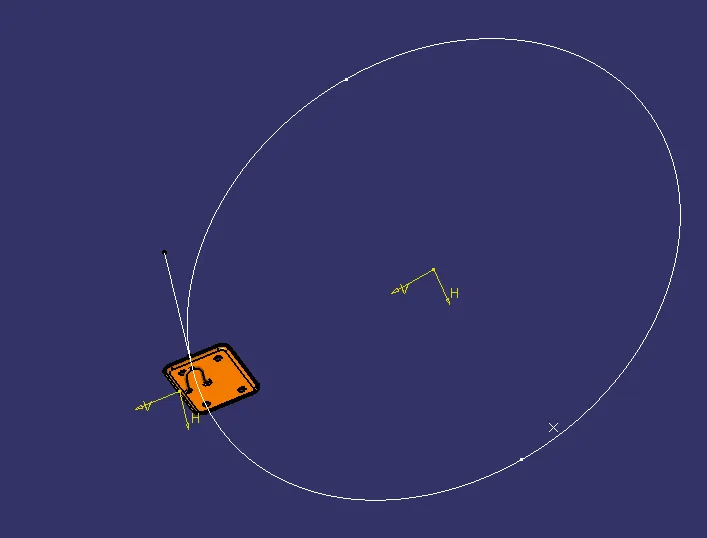
6, Striker Emboss
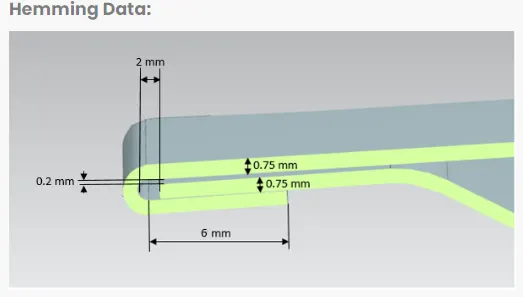
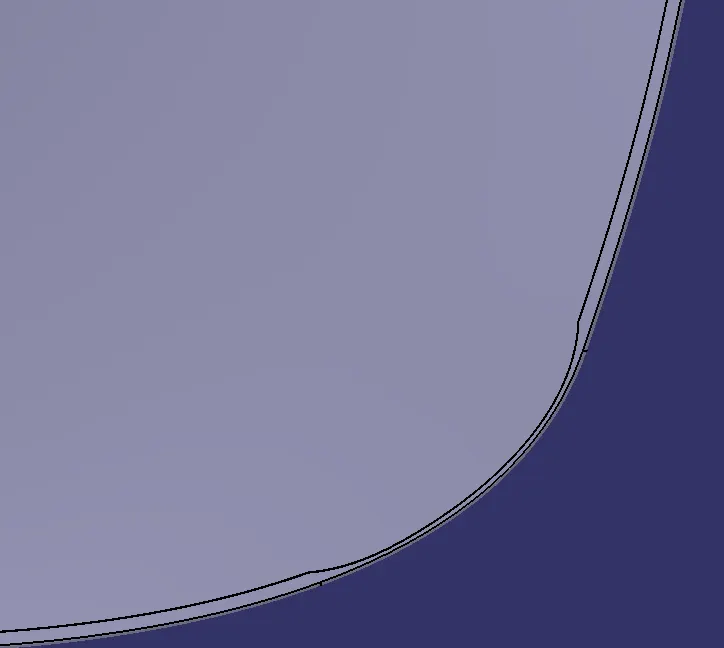
7, Hemming of Outer panel:
Hemming is done to hold the outer panel and inner panel.
hemming is a forming operation in which the edges of the sheet are folded or folded over another part in order to achieve a tight fit. Normally hemming operations are used to connect parts together, to improve the appearance of a part and to reinforcement part edges.
In car part production, hemming is used in assembly as a secondary operation after deep drawing. trimming and flanging operations to join two sheet metal parts(outer and inner) together. Typical parts for this type of assembly are hoods , doors, truck lids and fenders.
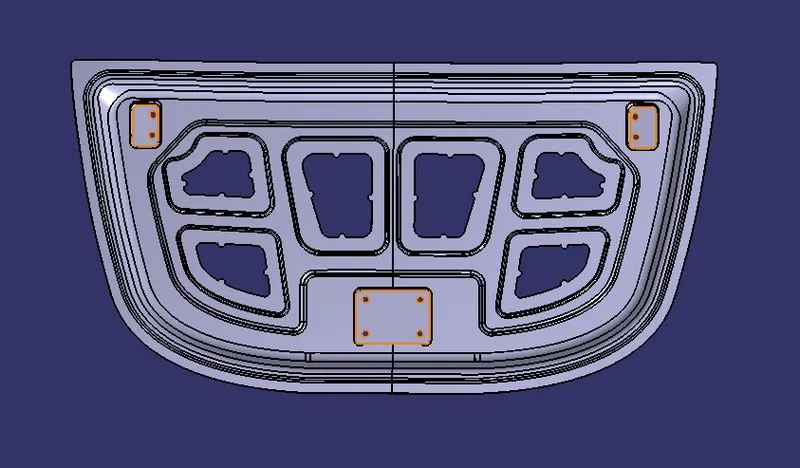
Reinforcement Given hinges and striker:
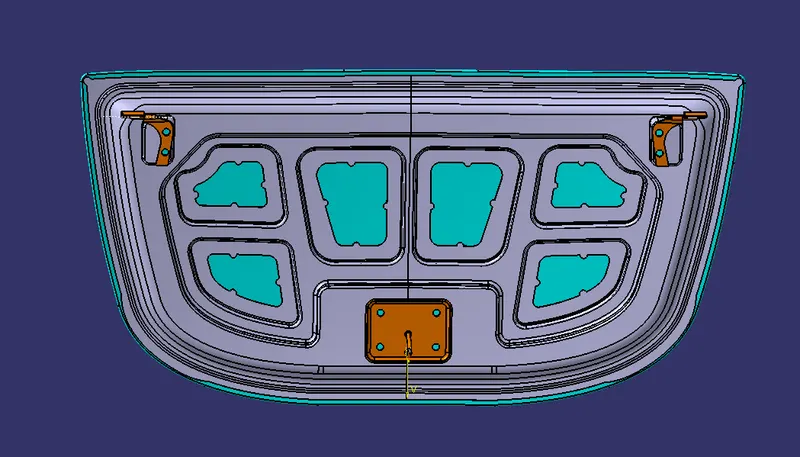
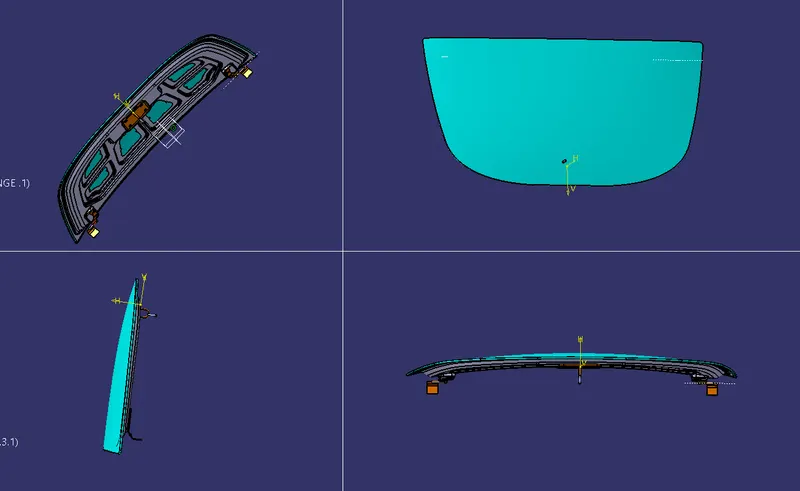
Full View:
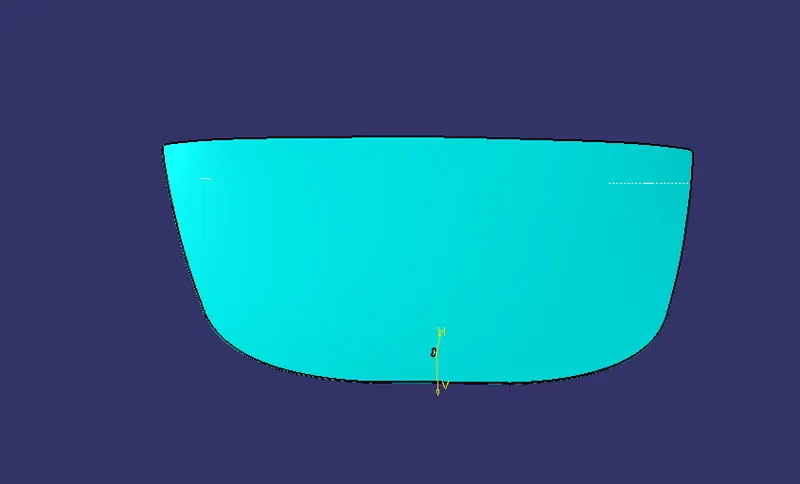
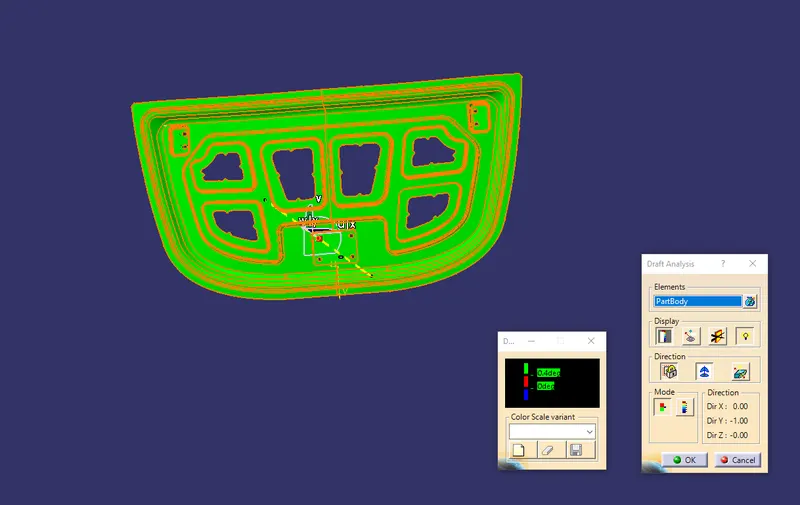
Draft Analysis;
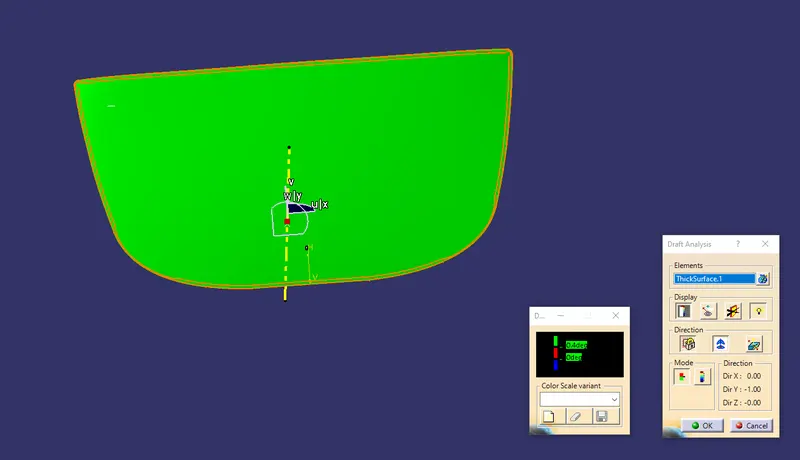
Conclusion;
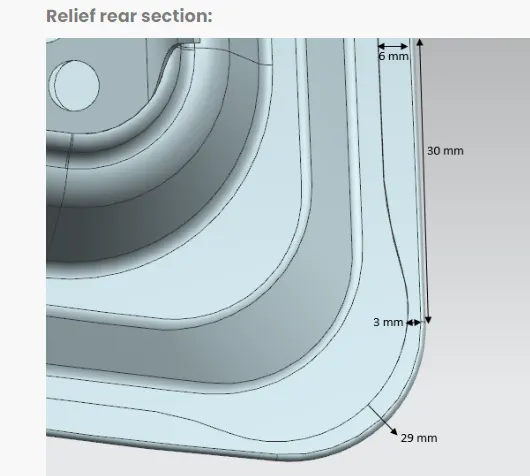
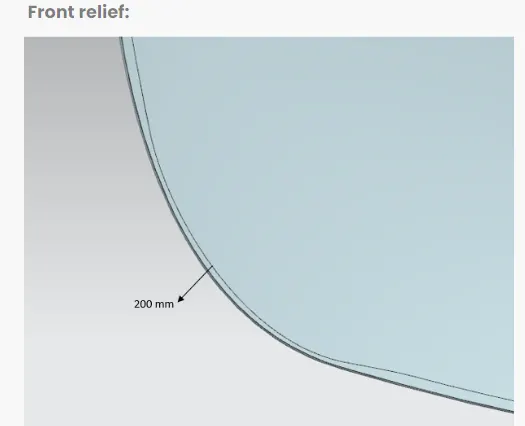
In this project of hood design, we have created the outer inner panel of hood with hinges, latches, Hemming and relief edges. The design critiria has been followed for the hood creation and it has to be checked for analysis and an approval manufacturing of the hood is done.