Hood design-Week 2
Title- Hood Design
Objective-
Design a hood with the given input data to satisfy the engineering, manufacturing and functional requirements
What is hood-
Hood is basically one type of door which is used to close the engine compartment. Hood basically consists of two main parts: inner panel and outer panel where inner panel gives strength to the outer sheet and outer sheet is just a sheet with curves for aesthetic purpose.
Basic components of Hood-
Outer Panel
Inner Panel
Hinges
Stricker(Locking Mechanism)
Stay Rod or Gas stay
Mastic Seal
Reinforcement
Details of every components
Outer Panel-
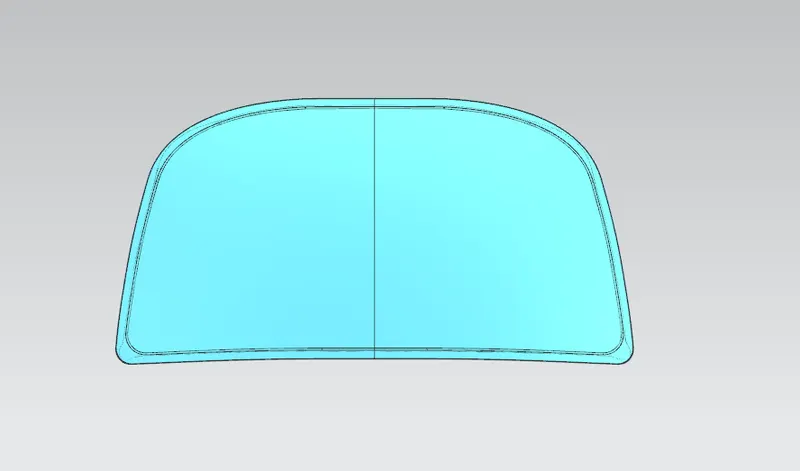
As discussed earlier, the outer panel is a sheet which is for aesthetic purposes. Generally we get this surface to design the remaining parts of the hood. Generally the main shape of the outer panel comes from the basic sketch of the car. As a BIW designer we get the Class A surface as an input. This Class A surface consists of all the aesthetic shapes and boundaries of the hood i.e. maximum size of hood. While designing hood we need to make sure we are not disturbing the outer shape of the hood. As a BIW designer we need to give strength to the outer surface without disturbing its shape.
Manufacturing process for outer panel
First step is blanking in this process the main sheet is cut into peticular shape and size then stamping process is used. Stamping process used to give basic shape to the sheet by pressing sheet metal in to the die where die is having the same size and shape of the outer panel.
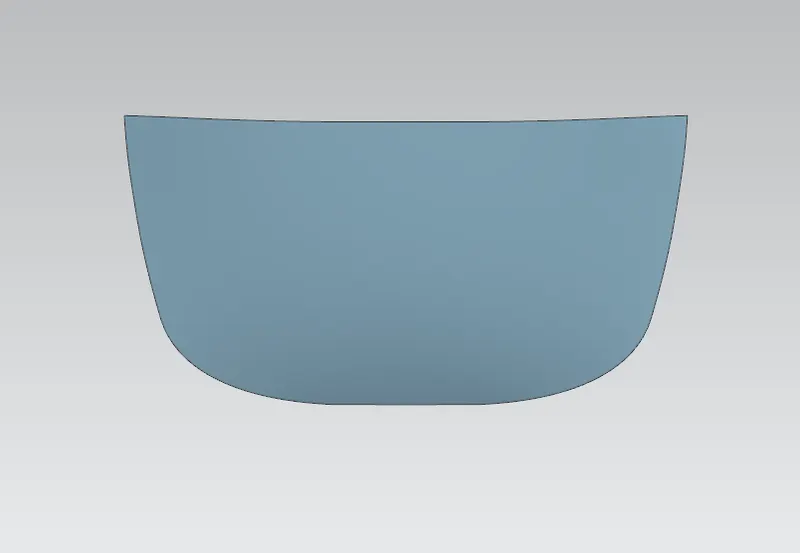
Class A surface of outer panel
Inner Panel-
This is the main structure of the hood which gives strength to the outer surface. While designing the inner panel the main thing we need to make sure is uniformity and symmetry. The main input to design the inner panel is the Class A surface of the outer panel. We need to take all the references from that class A surface. Inner panel consists of various types of embossed to get strength. It also has various cutouts for mounting and holding purposes like cutouts for support rod or gas stay etc.
Manufacturing process for outer panel
The manufacturing process is quite similar to the outer panel. First step is blanking in this process the main sheet is cut into peticular shape and size then stamping process is used. Stamping process used to give basic shape to the sheet by pressing sheet metal into the die. With addition to that various cutouts are there in the inner panel.
Hinges-
Hinges are the standard parts used in the hood assembly; the main purpose of hinges is to give opening and closing to the hood. The one side of the hinge is mounted on the engine compartment and the other side is mounted on the hood. The axis of 2 hinges must be the same; this is the important criteria we need to consider while mounting the hinges. Based on the hinge position we need to do embosses to the inner panel of the hood.
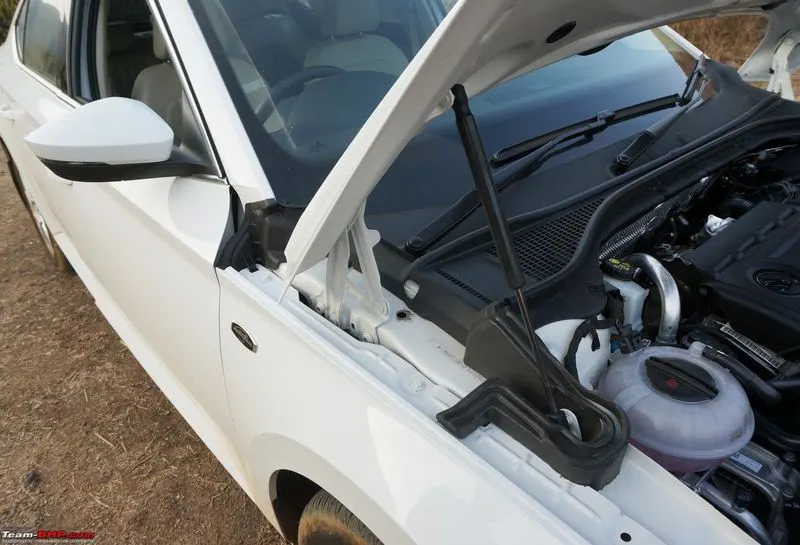
Stricker(Locking Mechanism)-
In simple language stricker is the one part of the locking mechanism which helps to lock the hood to the engine bay. a stricker is also the standard part which mounts on the inner panel of the hood and the other part of the locking mechanism is mounted on the engine bay. Like hinges we need to give curtain height and angle to the stricker by providing embosses to the inner panel. The main criteria to mount the stricker on the inner panel is that the axis of the stricker must be tangent to the rotational curvature of the inner panel.
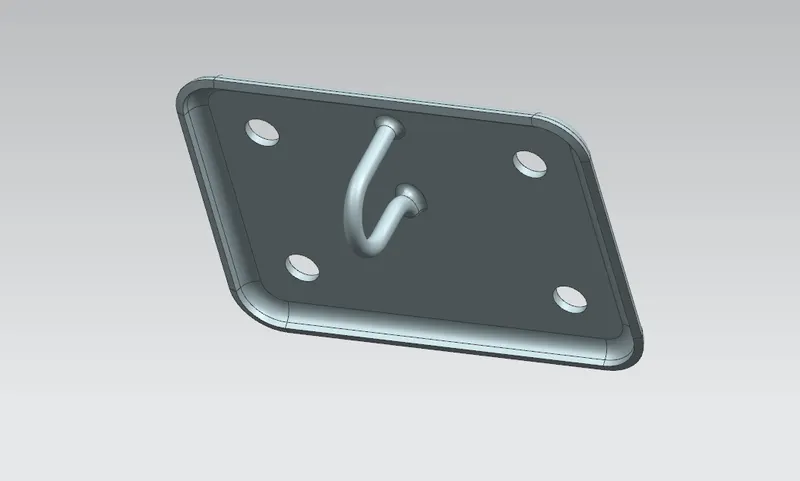
Stay Rod or Gas stay-
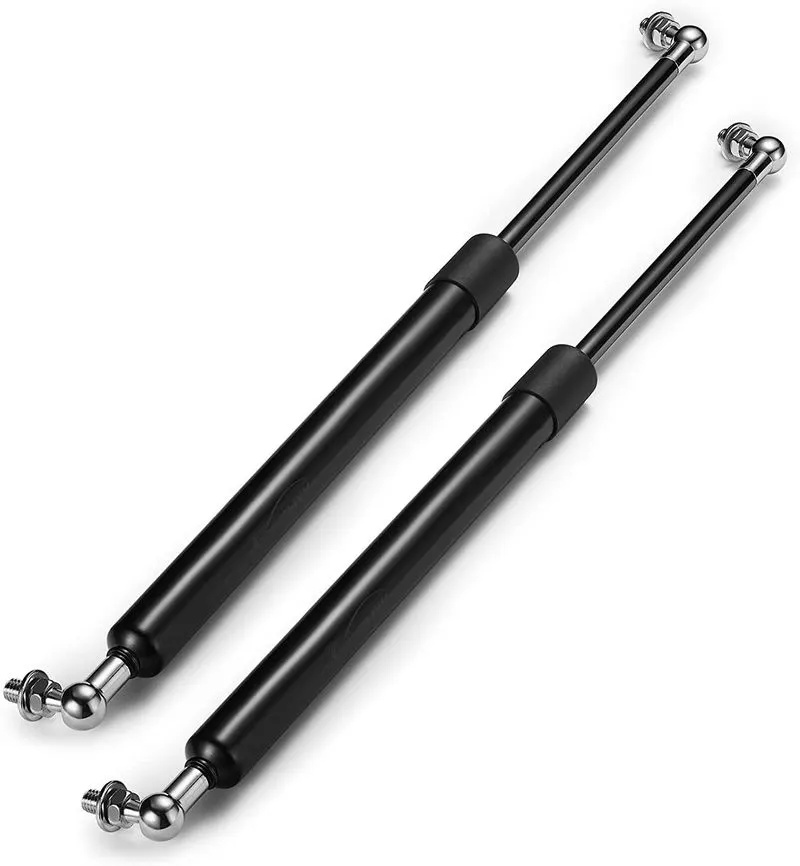
The basic application of a stay rod or gas stay is to hold the hood in open position. Stay rod is the rod with a slightly bended in shape to get good strength and can Provide support to the hood when it is in an open position. The bend should not be more than 35mm. Similar to the stay rod gas stay is used. The main advantage of using gas stay is that you don't need to apply effort to open the hood. Gas stay is generally used where the weight of the hood is more to reduce efforts we use gas stay instead of stay rod. While positioning the stay rod we need to make sure it is opposite to the battery of the car so it is easy to put and remove the battery without any obstacle.
Stay Rod
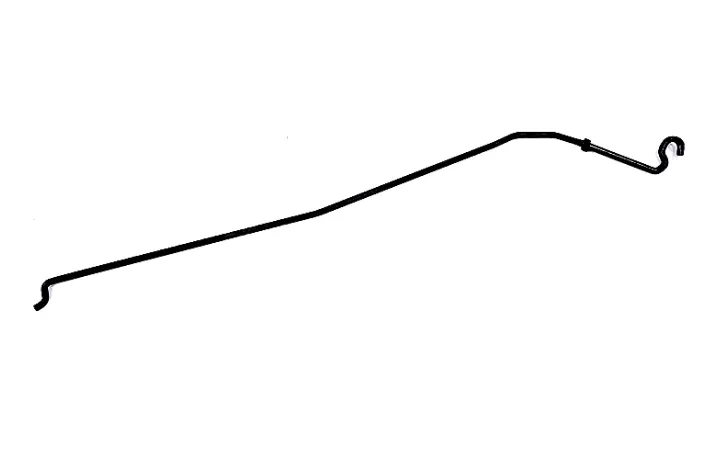
Gas Stay
Mastic Seal-
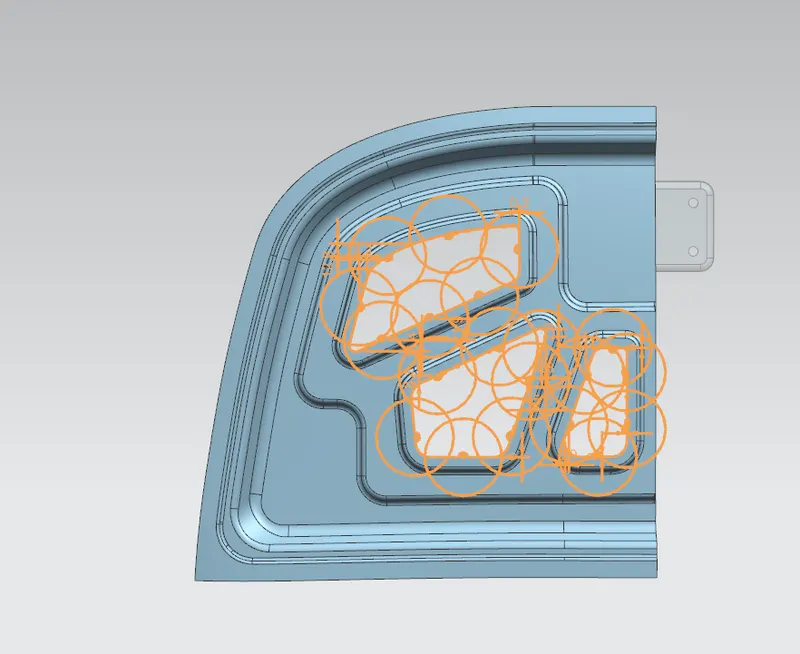
Mastic seal is basically the Glue used between the outer panel and inner panel. We can apply a mastic seal where we need to provide stiffness. Mastic seals help with noise and vibration cancellation. The mastic seal gives stiffness in 80mm diameter. We have to make sure we apply mastic seal in such a way all the area covered of the inner panel to give better results.
Reinforcement -
This is added material to provide stiffness in specific areas like under hinges and stricker etc. these are the simple strips which are added to the inner panel.
Design consideration for hood
Hood opening angle
The angle at which hood is opening should be sufficient that it should not strike the person who is checking the engine. the opening angle varies rigion to region it is basically depends on the average height of the person.
Force Distribution
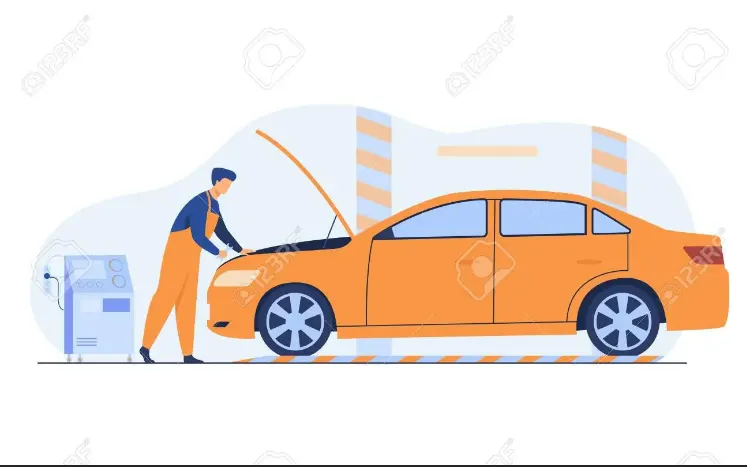
While designing the hood we need to consider that after impact like front impact to the hood the force should be distributed toward the hinges and not toward the person who is sitting in the vehicle. We need to design an emboss in such a way that is to transfer a load to the hinges and absorb the load.
Placement of stay rod or gas stay
As discussed earlier the placement of stay rod should not comes between the battery removal and refit. also need to consider the height od the rod is depends on the angle at which the hood need to open
Placement of Mastic Seal
The mastic seal gives stiffness in 80mm diameter. We have to make sure we apply mastic seal in such a way all the area covered of the inner panel to give better results.
Pedestrian safety-
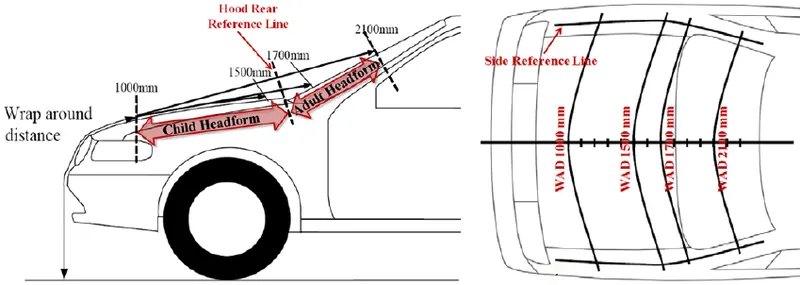
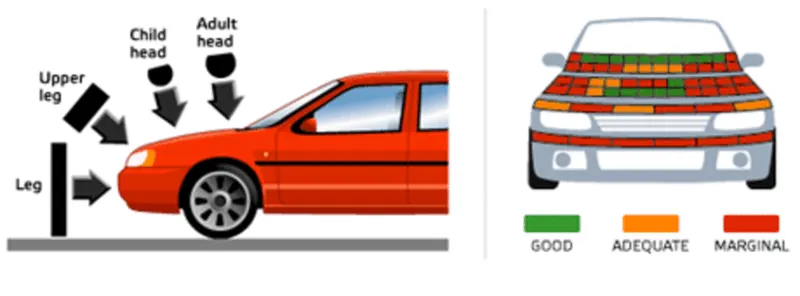
In pedestrian-car accidents, head injuries are a common cause of death. The acceleration of the head's center of gravity (henceforth, head center) resulting from a head hit is used to determine the HIC (Head Injury Criterion) value, which is a measure of the mortality risk of a head injury. The pedestrian's head does not strike the hood in a normal to the hood's surface direction.
During the majority of pedestrian-vehicle collisions, the pedestrian's entire body wraps around the car's front form. This has an effect on the vehicle's head impact. Meanwhile, the windscreen is a significant impact point that has undergone NCAP testing. Car contact speed, vehicle type, rigidity and shape, nature of the front (such as bumper height, bonnet height and length, windscreen frame), pedestrian age and body height, and standing posture of the pedestrian relative to the vehicle front all influence the degree of injuries. One of the most essential parameters for assessing pedestrian protection is the Wrap Around Distance WAD.
Input Data
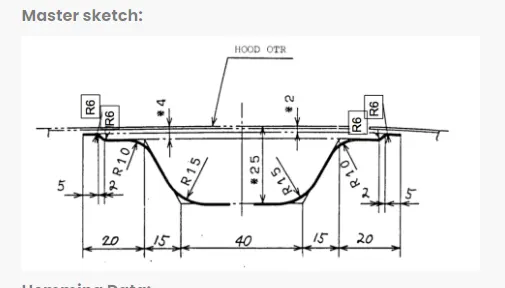
Master Section
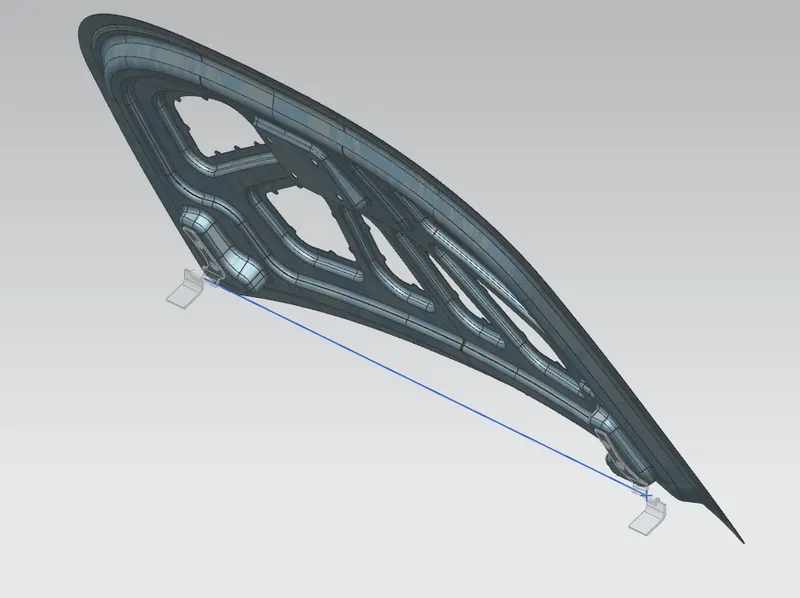
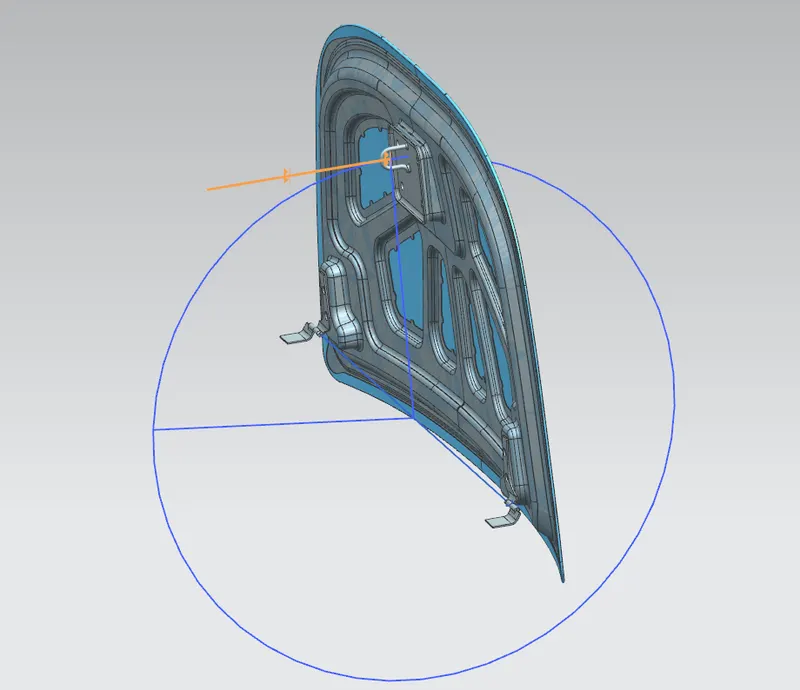
How to Draw latch trajectory
Latch trajectory is used to place the stricker in such a way that hood will lock properly
Step1- Draw the axis of the hinges
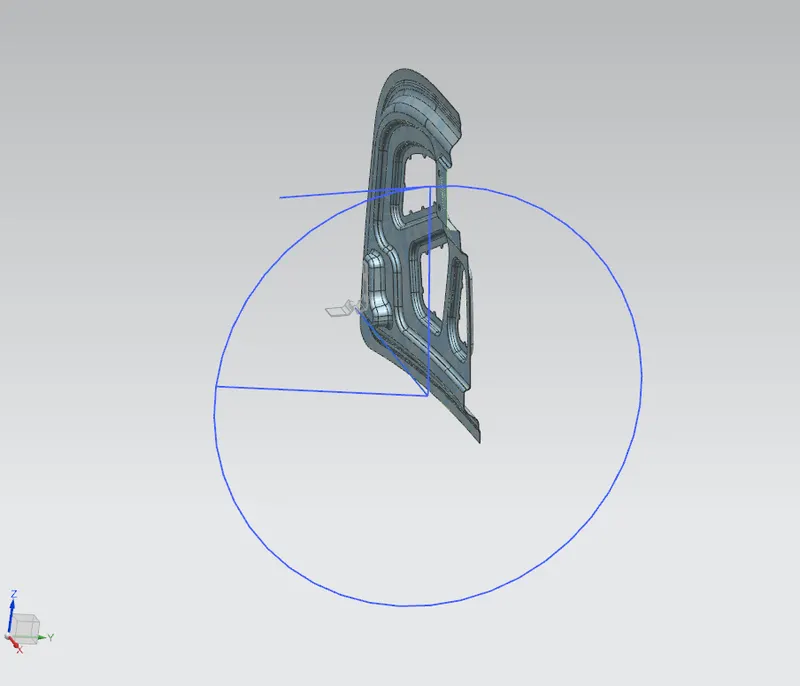
Step2 - draw a circle with the hinge axis as a center and draw the tangent line to the circle
Step 3- draw a centerline of a stricker U clamp
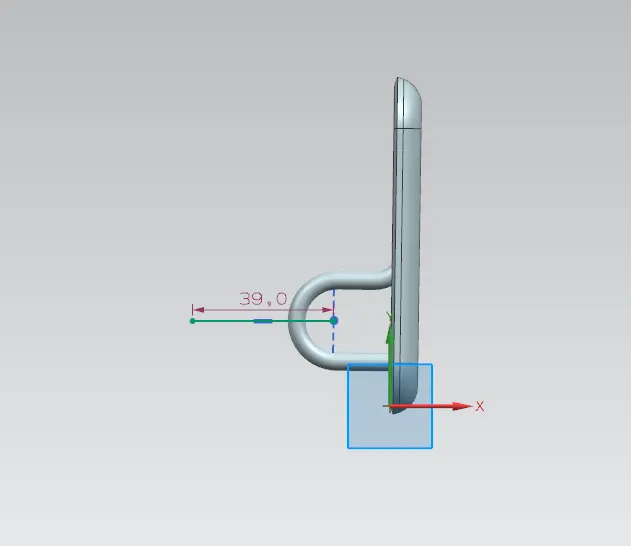
Step 4- constraint hinge axis to the X axis and also constraints to the tangent line of the circle and Center line of a U clamp
What is Emboss-
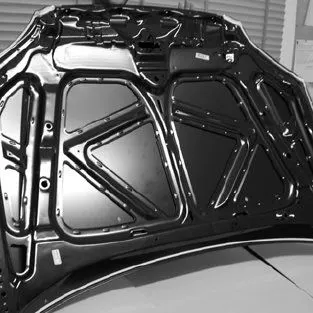
Sheet metal embossing is a stamping technique that creates raised or sunken images in sheet metal. This procedure can be accomplished using matched male and female roller dies, or by sliding a sheet or a strip of metal between the desired pattern's rolls. The geometry is based on the master section that was developed previously. We will supply local embossed to strengthen the component when we complete the basic design stages. The master portion will be used to reinforce the component. When a force strikes the hood from the front, the force travels upward. As seen in the illustration below, the component is designed to redirect force away from the passengers and into the hinges
Deep drawing
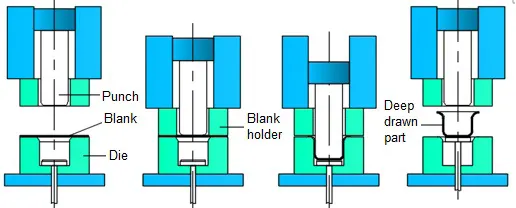
Deep drawing is a sheet metal forming technique in which a sheet metal blank is mechanically pulled radially into a forming die. As a result, it's a shape transition with material retention. When the depth of the drawn part exceeds its diameter, the procedure is called "deep" drawing. This is accomplished by using a sequence of dies to redraw the part. Due to the material retention property, the flange region (sheet metal in the die shoulder area) experiences radial drawing stress and tangential compressive stress. Flange wrinkles are caused by compressive stresses (hoop stresses) A blank holder, whose purpose is to permit controlled material flow, can help prevent wrinkles.
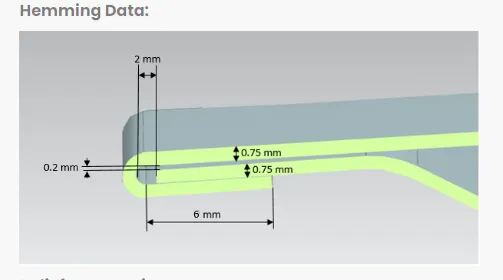
Hemming
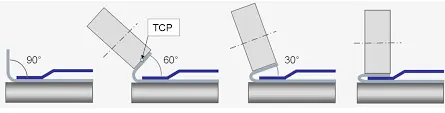
Hemming is a shaping process in which the sheet's edges are folded or folded over another section to create a snug fit. Hemming procedures are commonly used to join parts, improve the look of a part, and reinforce part edges.
Hemming is a secondary technique used in automotive part assembly after deep drawing, trimming, and flanging operations to unite two sheet metal sections (outer and inner). Hoods, doors, trunk lids, and fenders are common parts for this type of assembly.
Roller hemming-
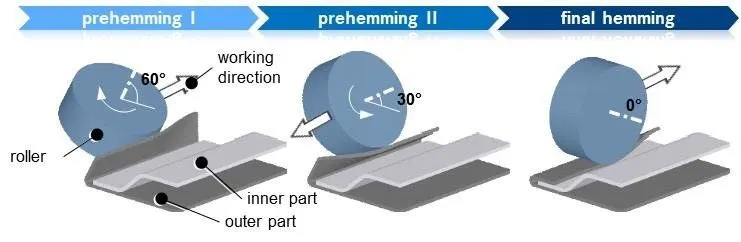
Conventional hemming

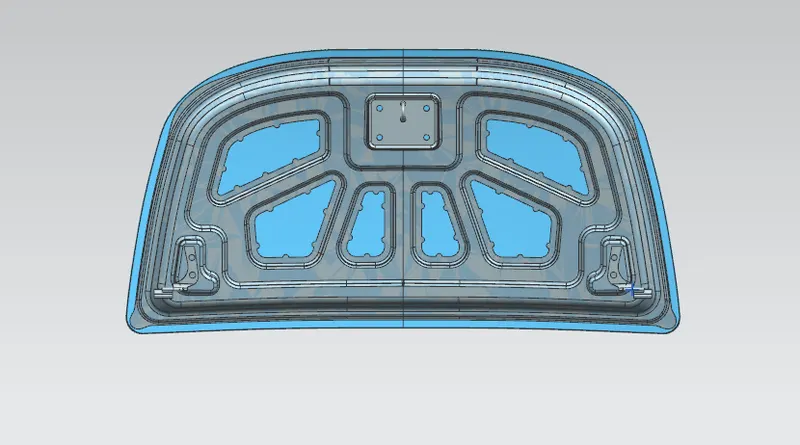
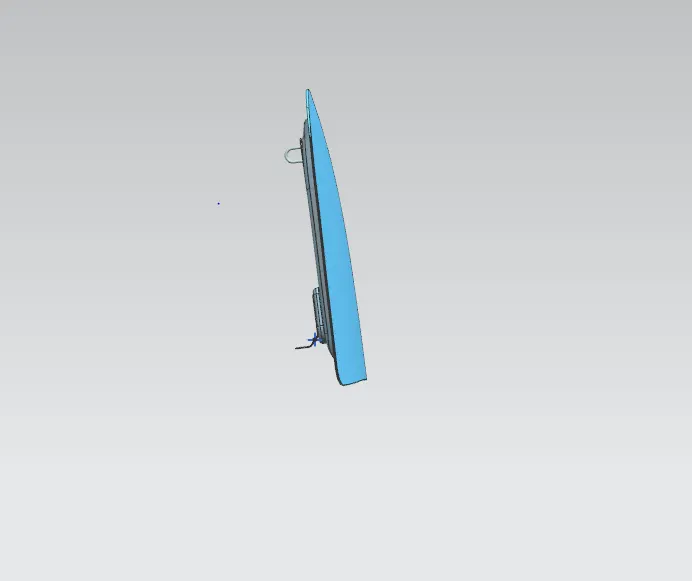
Hood Design Result
Front view
Side view
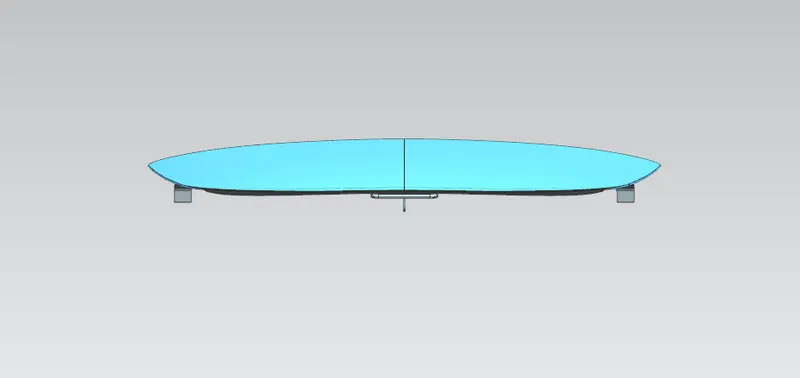
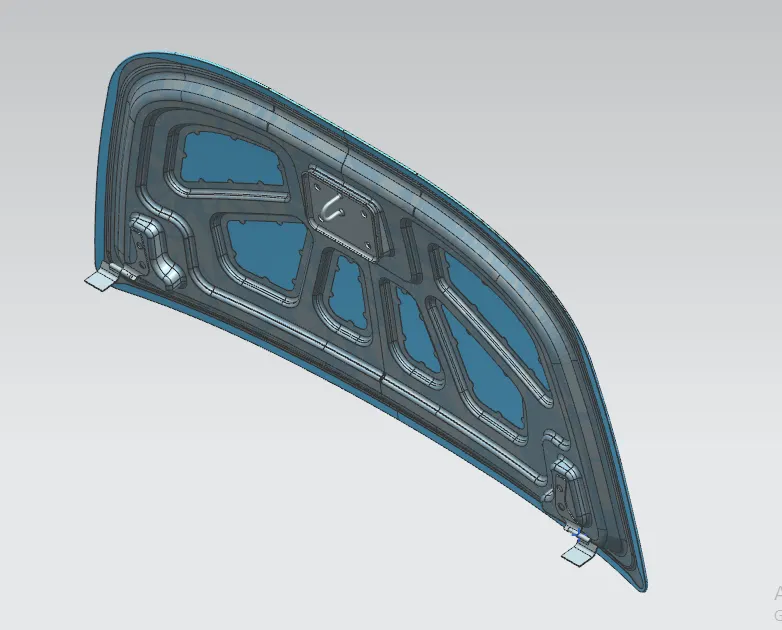
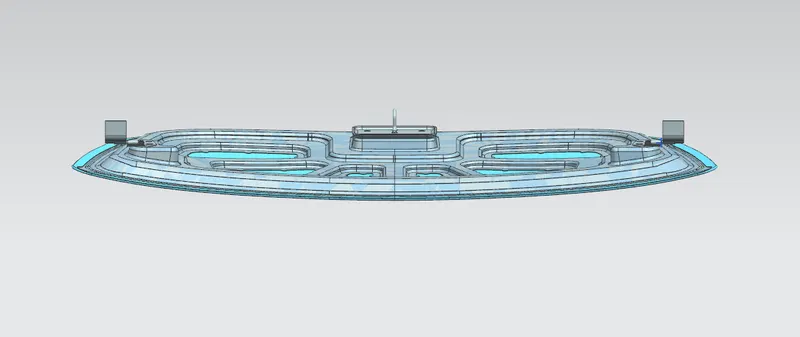
Conclusion- In this project we learned about different engineering parameters we need to consider while designing the hood, learned about different NX cad tools used to create hood cad model. we also learned about safety parameters we need to consider while designing the hood