Hood design-Week 2
AIM : To design a Hood with hinge assembly and striker, by considering the design aspects and pedestrian safety through the given CLASS A Surface following the Master Sections as per the OEM Standards.
1.HOOD
The Hood is the opening body panel that covers the engine compartment. It is also considered as another type of Door in a vehicle as it consists of both the outer and the inner panel .The inner panel provides strength while the outer panel acts as the styling surface in the vehicle.
It is one among the critical components of a vehicle due to the Pedestrian safety and frontal crash requirements.
It should be strengthened enough, to dissipate the forces acting during the frontal crash, outside of the vehicle body rather than sending it to the drivers cabin.
1.1 Types of Hood
|
Inlaid Hood |
Wrap around Hood |
|
In this the end point of the side reference line lies on the fender , resulting in a gap between the car body and the hood. These are more vulnerable to pedestrian safety leading , and hence a higher crash rating may not be achieved. |
These are the types of hood which are wrapped around the car body where the endpoint of the side reference line lies on the hood itself. These are the common type of hoods used now , which are less vulnerable to pedestrian safety, which may achieve higher crash ratings. |
1.2 Types of Hood Stay
- Support Rod
- Gas Stay
1.Support Rod
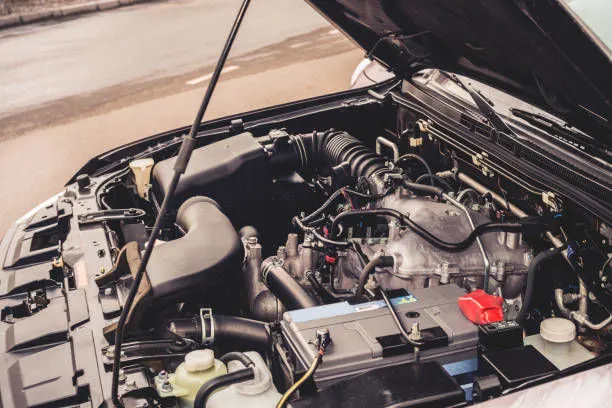
The opening of the Hood is controlled manually with the help of a support rod which has predefined length. Sometimes the support rod is mounted on the engine compartment or sometimes on the hood with the help of grommets, in such a way it should not collide with the engine compartment resulting in the rattling noise and its mounting should be on the opposite side of the battery position to avoid interruption during the assembly of the battery.
Some bends/curvatures must be given at appropriate positions on the support rod to avoid Wobbling.
2.Gas Stay
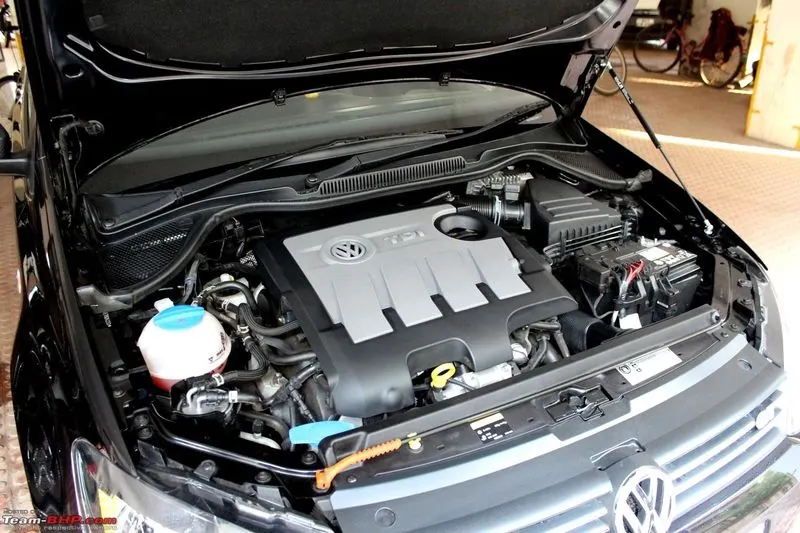
The opening of the hood is controlled with the help of gas stay which does not require much of the man power, only an initial effort is given and it will automatically open the hood to its last position.
As these are expensive, they are usually used when the weight of the hood is too high as it is difficult for the humans to lift upwards.
The gas stay is fixed with the help of a ball stud with additional brackets which will act as a reinforcements for increasing the strength.
1.3 Components of Hood
- Outer Panel.
- Inner Panel.
- Hinges.
- Mastic sealant.
- Latch.
Outer Panel
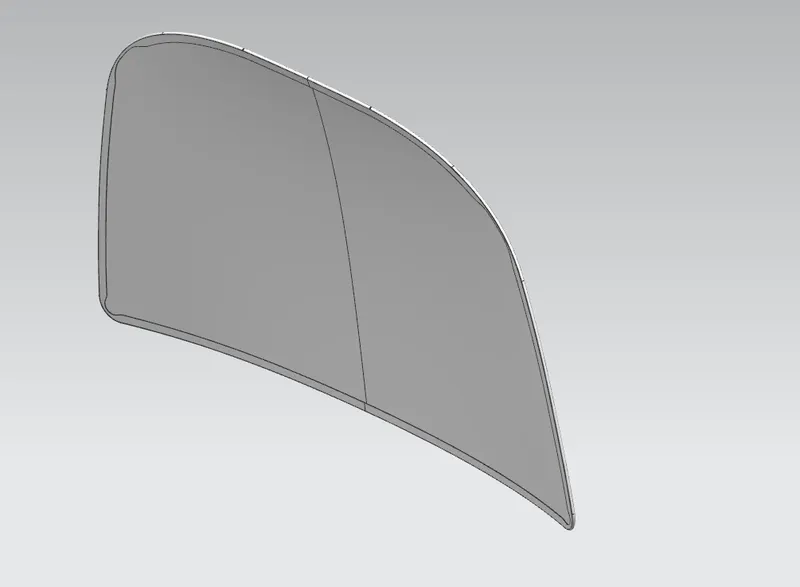
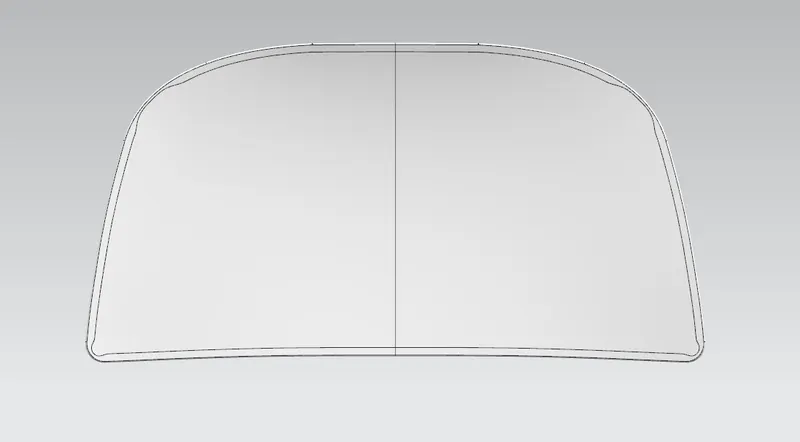
This behaves as the styling Component/Surface of a Hood, which improves the aesthetics of the car. It is designed as per the Pedestrians safety and frontal crash regulations.It has thickness of 0.75mm.
Inner Panel
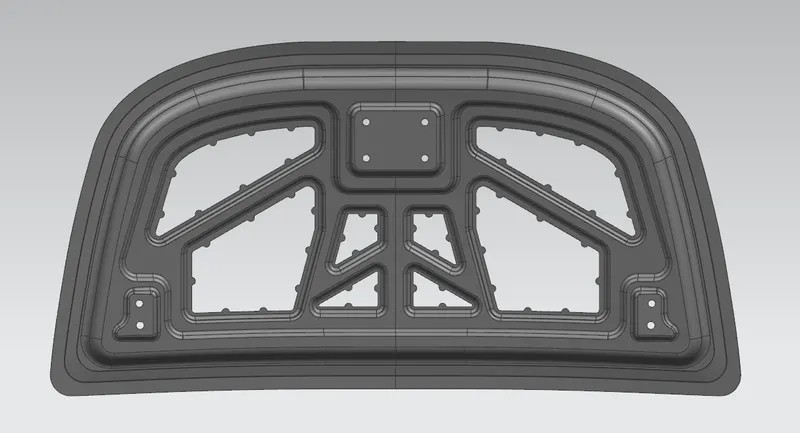
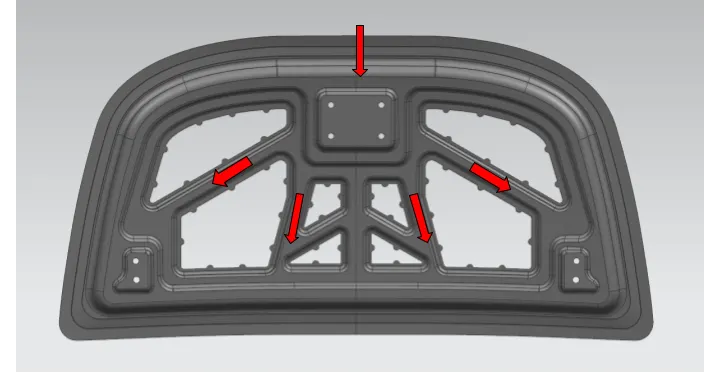
This acts as a support for the outer panel, by providing strength and rigidity.The mountings for the hinges and latch are mounted on the inner panel by providing the proper reinforcements, which improves the strength locally. Embossed structures are incorporated on the inner panel along the Y direction as per the Pedestrians safety and frontal crash regulations, to dissipate the energy/impact forces during the frontal collision outwards the drivers cabin. These again have the same thickness as the outer panel.
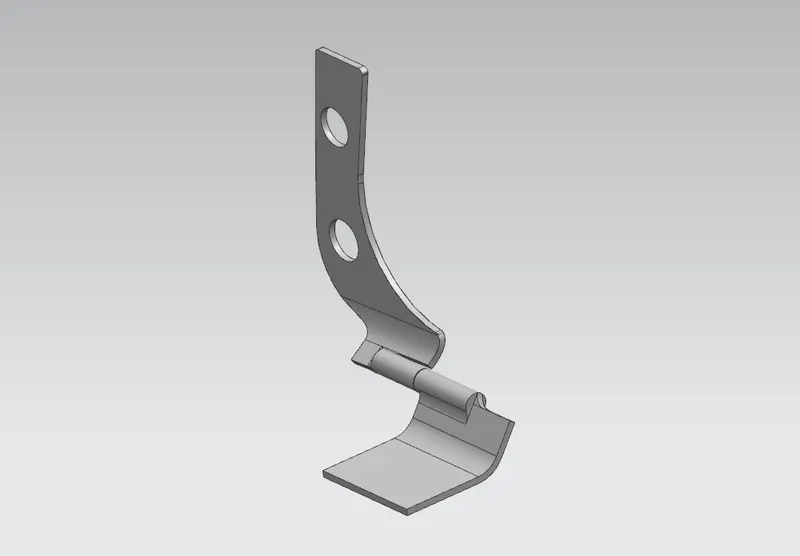
Hinges
These are the components which enable the opening and closing of the Hood. These are mounted on the engine compartment on additional reinforcements which improves the strength locally.The Hood opens and closes along the axis of the Hinges.
Mastic sealant
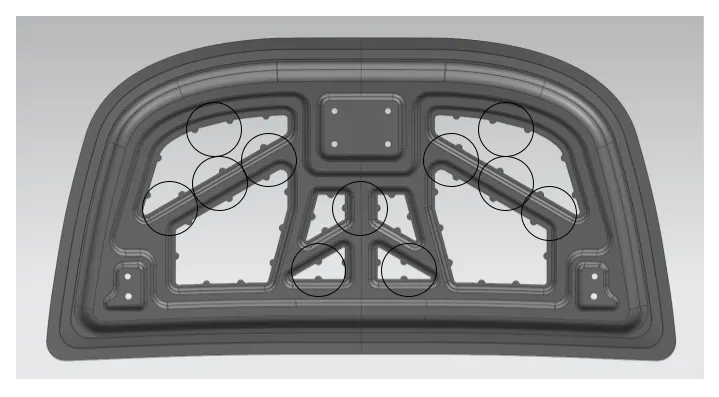
These are the hard rubber like structures which serve the purpose of sealing or joining of both the panels.It should be placed in such a way that it should cover most of the Hood regions. This also helps to reduce NVH(Noise, Vibration and Harness) on the engine compartment. With a height of 4-5 mm and diameter of 80mm, they have the tendency to locally improve the strength at every 80mm diameter.
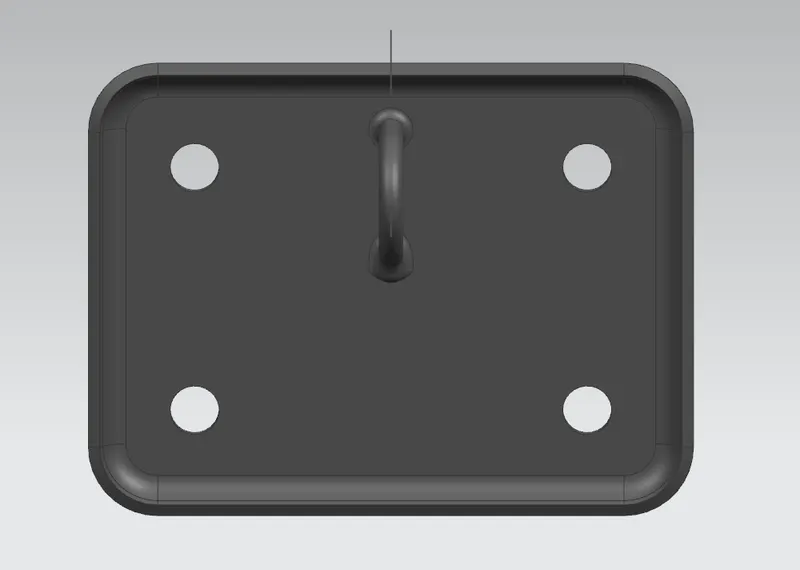
Latch
They are used for the locking purpose of the hood with the engine compartment.There are two latches , one partially opens the hood which is actuated by the switch present below the driver's seat, and the another opens the hood through releasing the lock manually.
Latch Trajectory
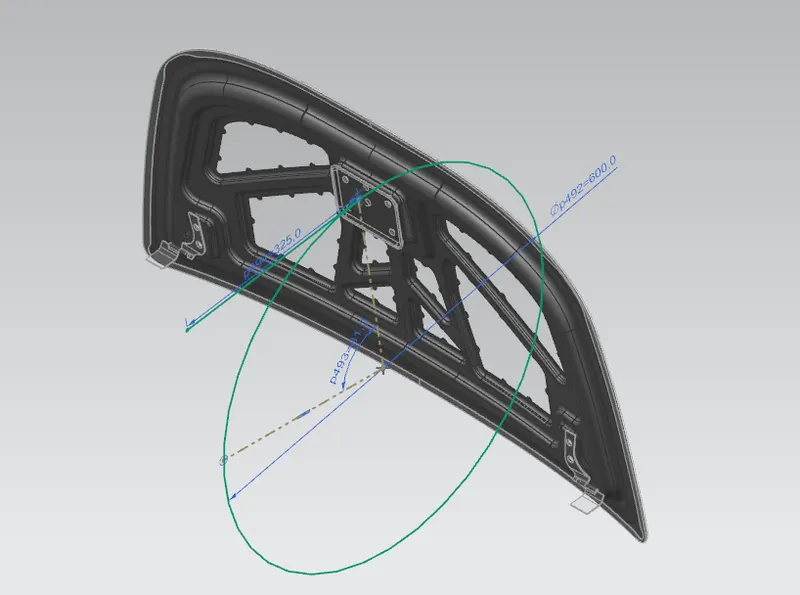
For the striker to be accurately positioned for correct and easy opening/closing of the hood , it should follow the trajectory of motion which forms by drawing a circle along the hinge axis. A line tangent to the circle is drawn through which the striker can be moved forward/backwards along the circle.For the up/down motion of the striker is controlled by the diameter of the circle.
1.4 Design Regulation/Considerations
Head Clearance Zone
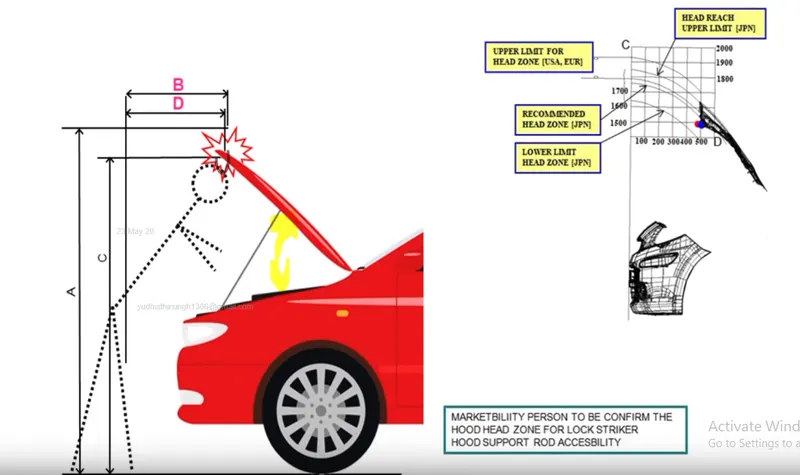
It is based on the region/country for which the vehicle is being designed.The First thing to consider while designing the hood is its opening angle, which differs from region - region based on the average human height in that particular region.In India the average height of the human is 5.5 ft while in Japan its 6 ft.
Wrap Around Distance
When a car crashes on the pedestrian , the human body wraps around the front shape of the car and the head impacts on the bonnet or the windscreen. The distance on which the head impacts on the car from the ground is called the wrap around Distance.
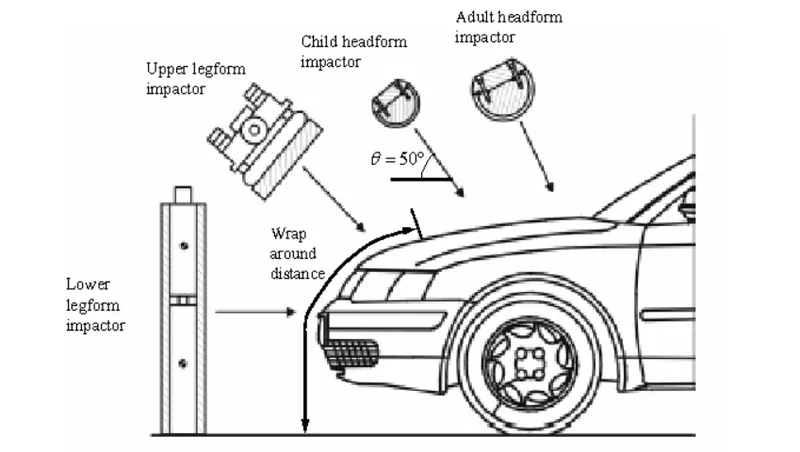
Head Injury Criteria
The severity of head injury caused by the frontal crash also depends on the movement of the pedestrian along with speed of the vehicle. In addition to these parameters, wrap around distance plays a major role too.
The child head impact zone is between 1000 to 1700 mm and the adult head impact zone ranges between 1700 to 2100 mm WAD.
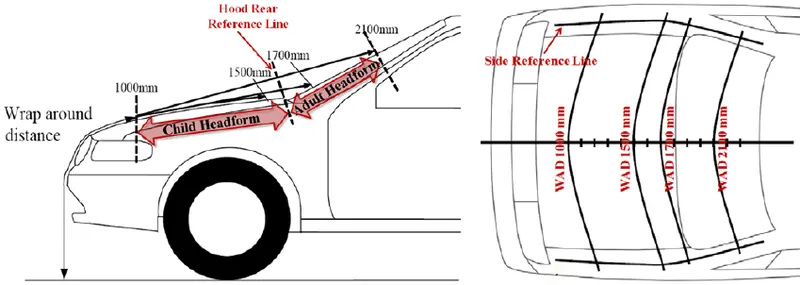
1.5 Design of Hood IN NX CAD
Requirements
- The design should not have any negative draft angle.
- It should not have any sharp corners.
- It should be easily manufacturable.
Input Data Given:
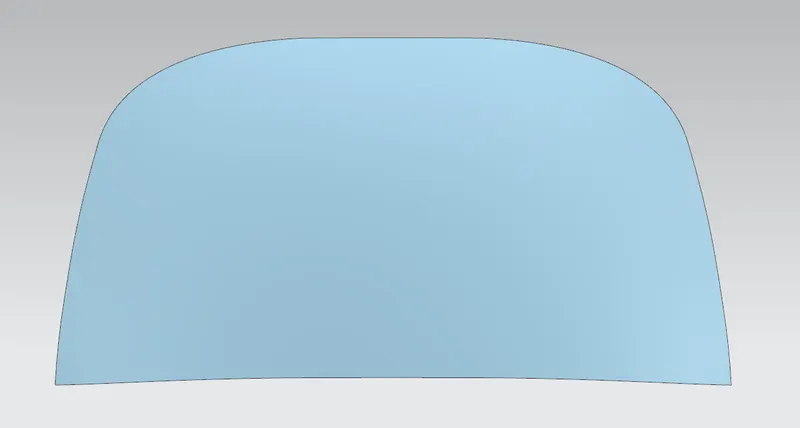
Styling Surface Of Outer Panel
Hood Thickness Information
- Outer Panel Thickness = 0.75mm
- Inner Panel Thickness = 0.75mm
- Reinforcement Thickness = 1.5mm
Master Sections
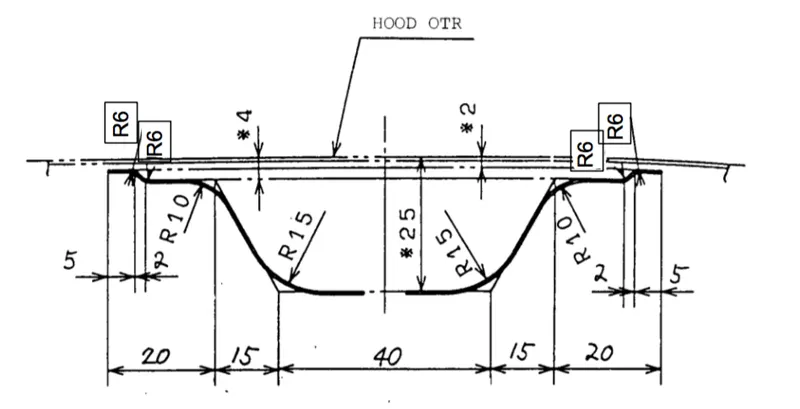
Outer Panel with Hemming Relief
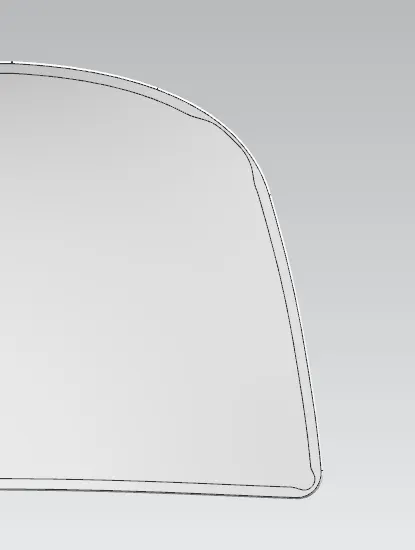
Hemming Relief
Inner Panel
Force distribution
Mastic Sealant
Hood Assembly
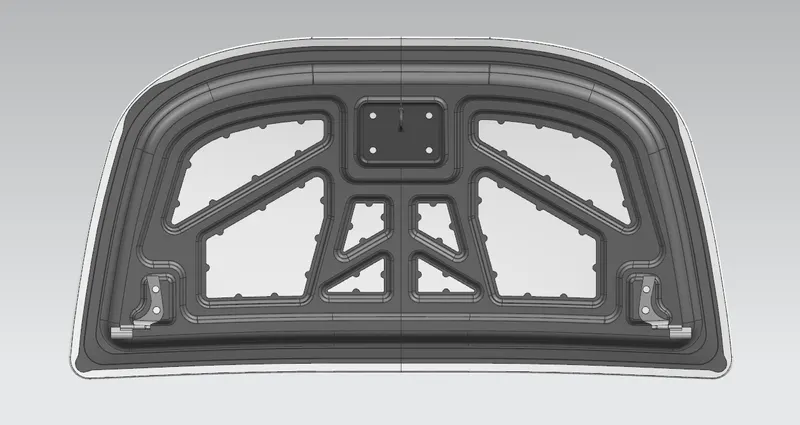
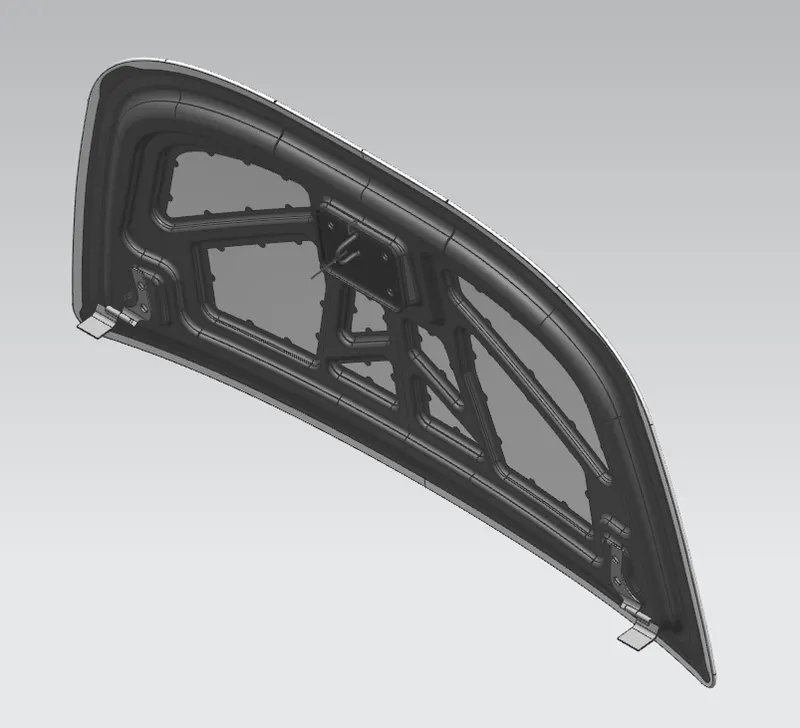
1.6 Draft Analysis
All the sheet metal components should have a minimum of 7 Deg Draft.
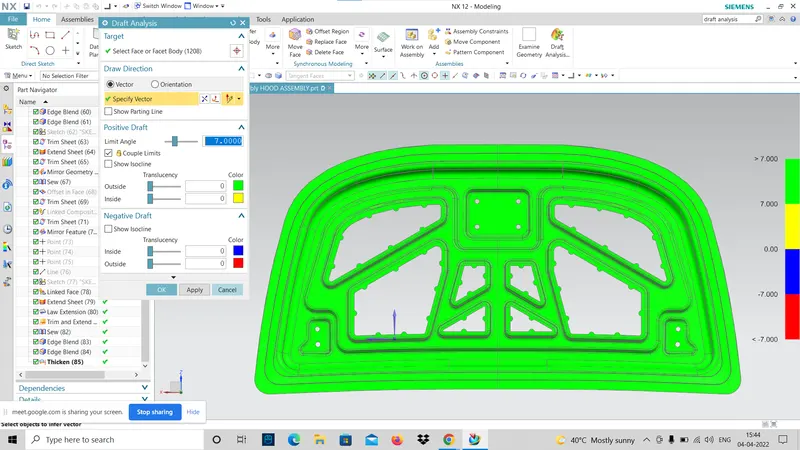
The regions in green have more than 7 deg drafts.
1.7 Manufacturing Processes
- Deep Drawing
- Hemming
- Punching
- Shearing
- Piercing
Deep Drawing
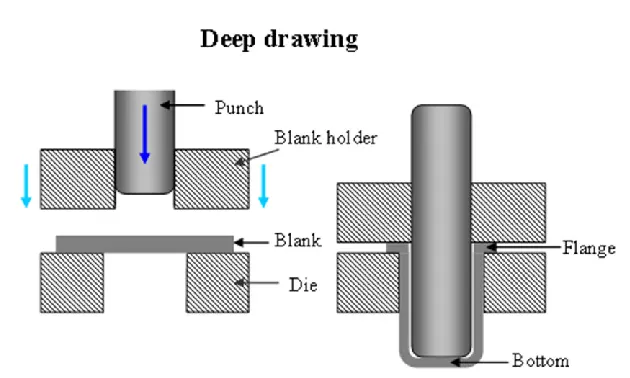
Deep drawing is a sheet metal forming process in which a sheet metal blank is radially drawn into a forming die by the mechanical action of a punch. It is thus a shape transformation process with material retention. The process is considered "deep" drawing when the depth of the drawn part exceeds its diameter. This is achieved by redrawing the part through a series of dies.
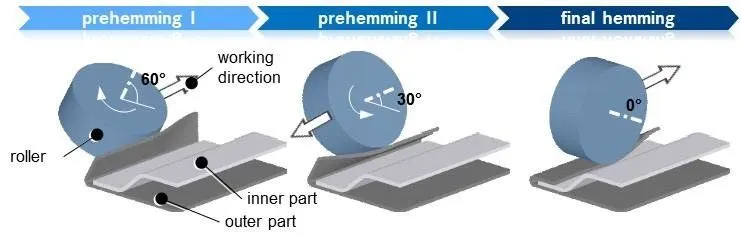
Hemming
Hemming is a technology used in the automotive industry to join inner and outer closure panels together (hoods, doors, tailgates, etc.). It is the process of bending/folding the flange of the outer panel over the inner one. The accuracy of the operation significantly affects the appearance of the car’s outer surfaces and is therefore a critical factor in the final quality of a finished vehicle.
Punching
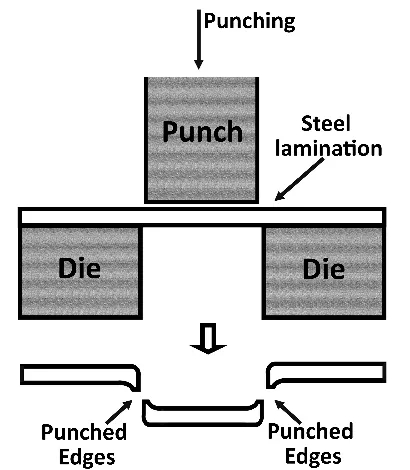
Punching is a forming process that uses a punch press to force a tool, called a punch, through the workpiece to create a hole via shearing. Punching is applicable to a wide variety of materials that come in sheet form, including sheet metal, paper, vulcanized fiber and some forms of plastic sheet. The punch often passes through the work into a die. A scrap slug from the hole is deposited into the die in the process. Depending on the material being punched this slug may be recycled and reused or discarded.
Shearing
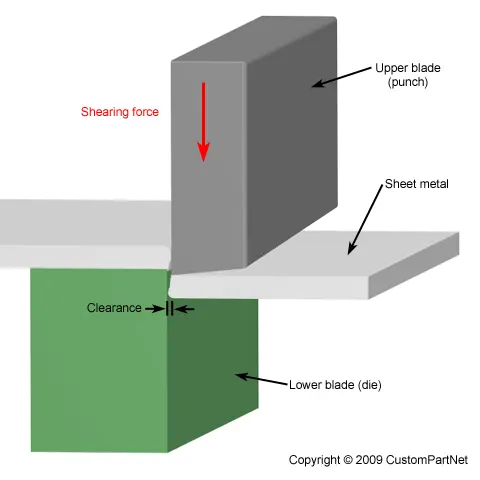
Shearing, also known as die cutting, is a process that cuts stock without the formation of chips or the use of burning or melting. Strictly speaking, if the cutting blades are straight the process is called shearing; if the cutting blades are curved then they are shearing-type operations. The most commonly sheared materials are in the form of sheet metal or plates.
Piercing
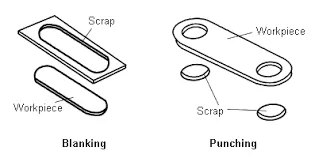
Blanking and piercing are shearing processes in which a punch and die are used to produce parts from coil or sheet stock. Blanking produces the outside features of the component, while piercing produces internal holes or shapes. The web is created after multiple components have been produced and is considered scrap material. The "slugs" produced by piercing internal features are also considered scrap. The terms "piercing" and "punching" can be used interchangeably.
Conclusion
The hood is designed following the master sections given and the design considerations/regulations for pedestrian safety and frontal crash as per the OEM Standards.