Hood design-Week 2
HOOD DESIGN USING NX CAD
OBJECTIVE:
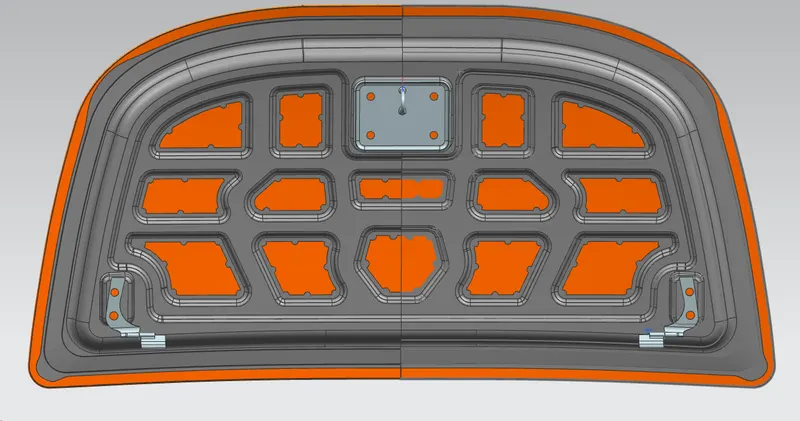
Design Hood outer panel, Inner panel and reinforement with a given Outer Hood Skin and design parameters.
INTRODUCTION
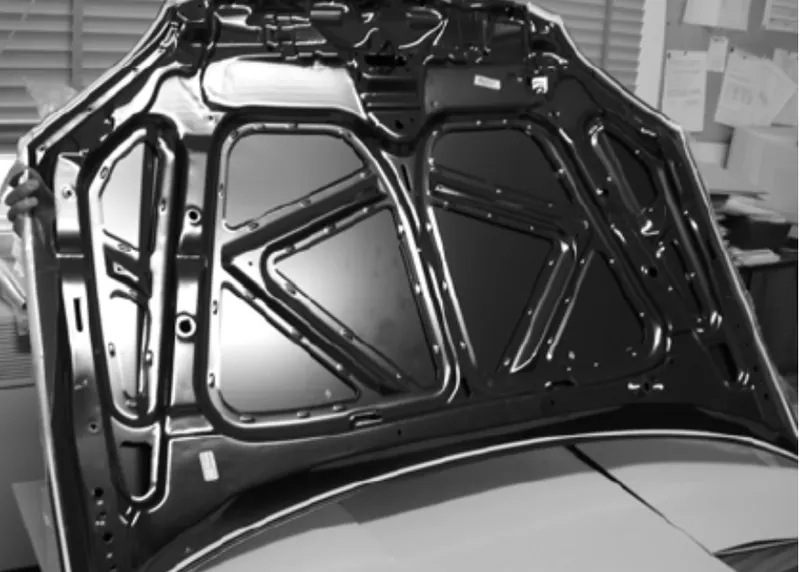
Bonnet is an important component of the front portion of the car which is used for many purposes. Bonet is used to decorate front portion of the car and to add luxurious look .it is made aerodynamic in shape to reduce air air effect.
Bonnet is made aerodynamic in shape to reduce air effect. Bonnet generally used to cover car engine, radiator and many other pa rts, therefore bonnet must be designed in such a way that all the maintenance parts should be easily accessible and it gives minimum hindrance to aerodynamic flow.
Hoods are typically made of the same material as the rest of the bodywork. This may include Steel, Aluminium, Fiberglass or carbon fiber to make the vehicle lighter.
A typically hood Assembly consist of hood outer panel, inner panel, latch and striker, Hinge, Hood Stay. Hood stay is an apparatus for supporting the engine hood of moto vehicle in its open position. The purpose opening the engine hood stays are support Rod and Gas Stay. Support rods are manually operated and they are cost effective and simple to design where as gas stays require noman power but they are costly. Hood are typically made out of the same materials as the rest of the bodywork. This may include stel and aluminium. Deep drawing,Hemming, Blanking and piercing are the common sheet metal operations that are used in manufacturing hoods in automotive industries.
DESIGN PARAMETERS:
- Outer Panel Thickness = 0.75mm
- Inner Panel Thickness = 0.75mm
- Reinforcement Thickness = 1.5mm
Pedestrain Rating:
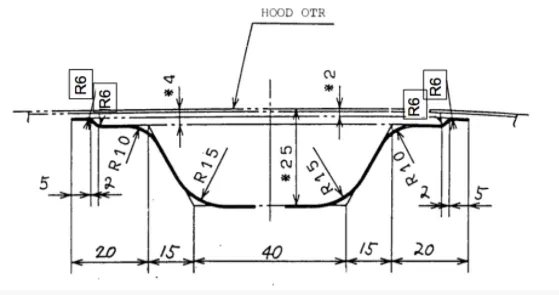
The safety norms are not only aimed at protecting vehicle occupants but also the pedestrians. In line with this all the car models will conform to pedestrian safety norms. This includes installing sensors at the front of the vehicle to detect an impact.
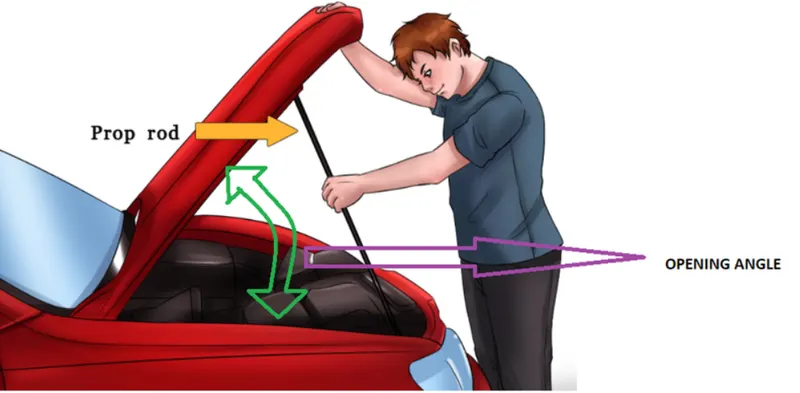
Opening Angle Of The Bonnet
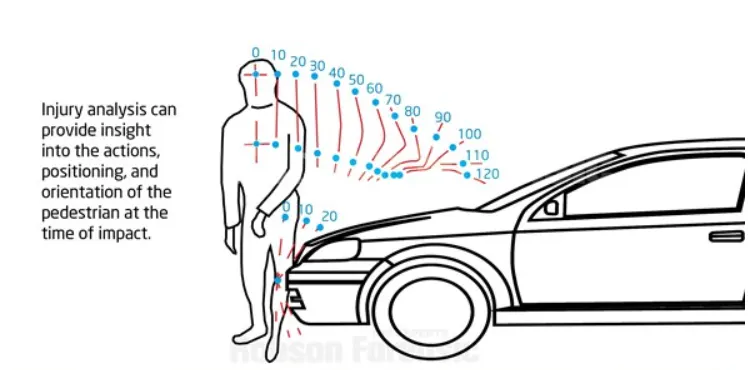
Opening angle of the Bonnet Mainly depends on the Average height of the human being. It goes different from country to country.
Pedestrain Safety NCAP standars.
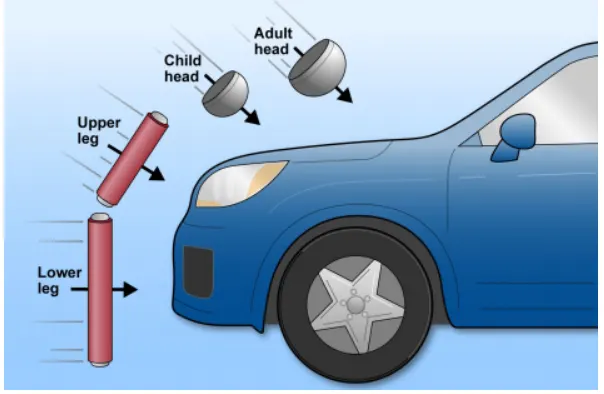
Every car model that comes on to the European market is put through a series of rigorous tests by independent body Euro NCAP. Based on the results of these tests, the car's given a safety rating – five stars being the best possible score and zero the worst.
1.Head impact
To estimate the potential risk of head injury in the event of a vehicle striking an adult or a child, a series of impact tests is carried out at 40 km/h using an adult or child head form impactor. Impact sites are then assessed and the protection offered is rated as good, adequate, marginal, weak or poor.
2.Upper leg impact
The shape of the hood or bonnet leading edge can play a critical role in the outcome of a vehicle impact with a pedestrian and contribute to injuries to the pelvis and femur. a series of impact tests is carried out at 40 km/h using an adult upper leg form impactor
3.lower leg impact
To estimate the potential risk of leg injuries in the event of a vehicle striking an adult, a series of impact tests is carried out at 40 km/h using an adult leg form impactor. Impact sites are then assessed and the protection offered is rated as good, adequate, marginal, weak or poor. The procedure promotes energy absorbing structures and a more forgiving geometry that mitigates injuries to the leg.
NVH FACTOR:
In combination with motor vehicles, NVH is an important criterion for driving comfort. This includes the sum of all audible and perceptible vibrations that affect this comfort.The lower the noise and vibration level of a vehicle, the higher its driving comfort is rated.
WRAP AROUND DISTANCE:
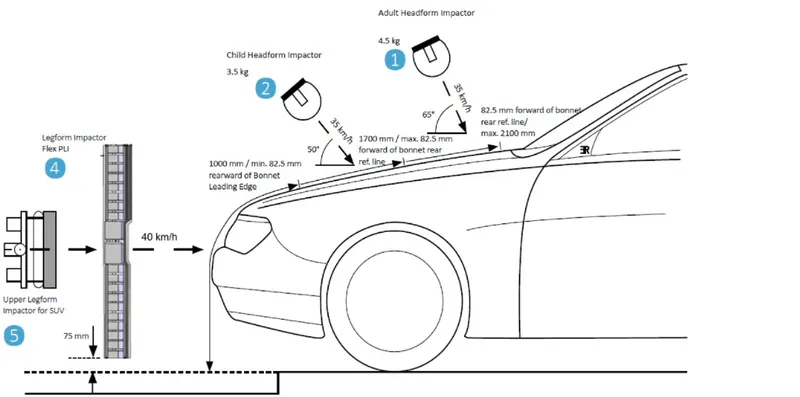
When a car crashes on a pedestrain the whole body wraps around the front shape of the car. and the head impact on the windscreen the distance on which the head impacts the car from the ground is calle (WAD)
Childs head impact zone:1000mm to 1700mm(3.5kg)
Adult head impact zone:1700mm to 2100mm(4.5kg)
Components
1.HOOD OUTER PANEL
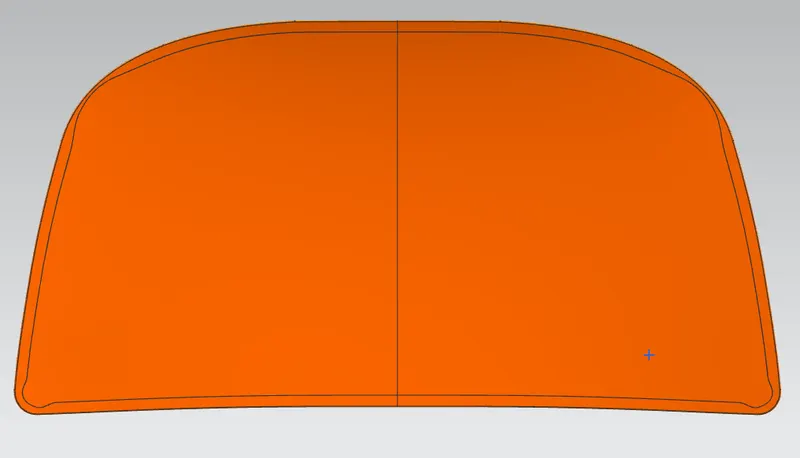
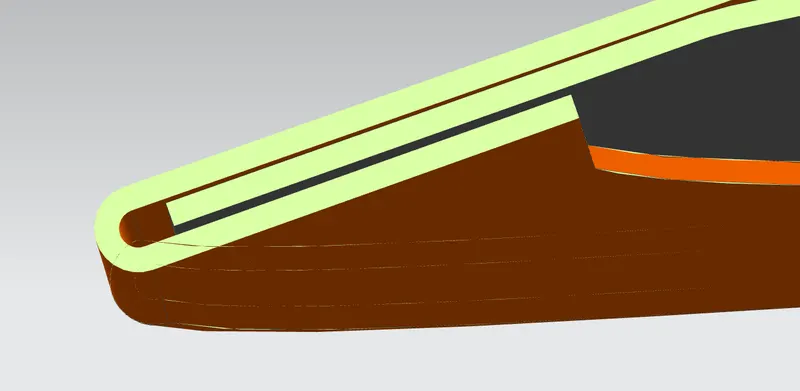
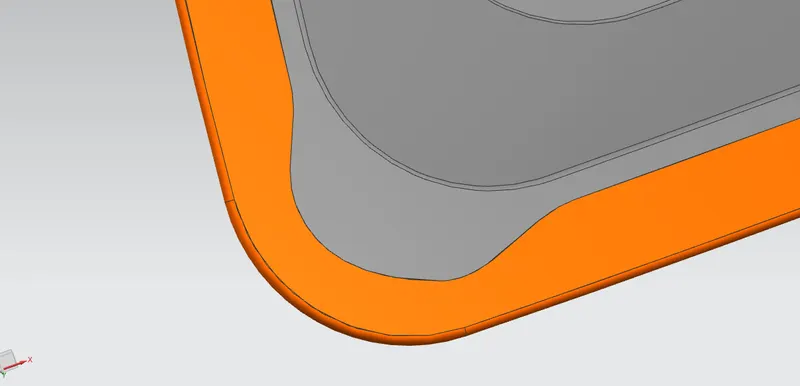
Outer panel are the aesthetic elements of a car. It is providing by the Styling engineering team who provides the skin for the Outer panel. While designing the Hood we should focus on the pedestrain safety. The outer panel is attached to the inner panel by hemming. So it is necessary to provide required hemming flange and reliefs for the hemming operation. we also provide the sponge and mastic sealants between outer and inner panel to reduce the NVH issues.
2.HOOD INNER PANEL
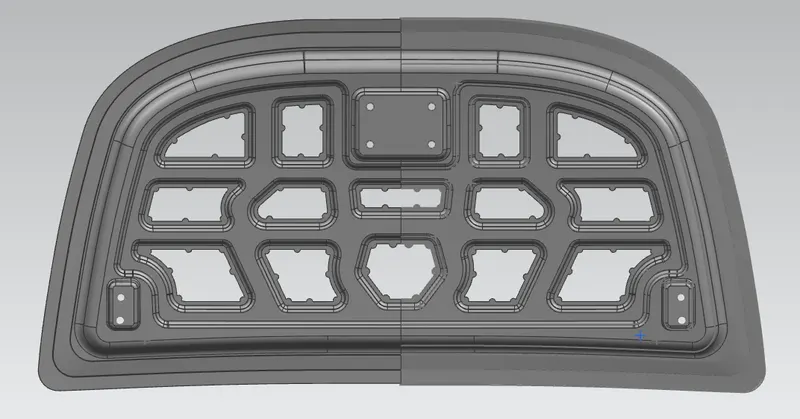
Inner panel is the part the gives Strenght and rigidity to outer panel. the master section represents the initial emboss shape and size. Then we should provide the emboss for latch and hinge elements after fixing the location.
3.REINFORCEMENT:
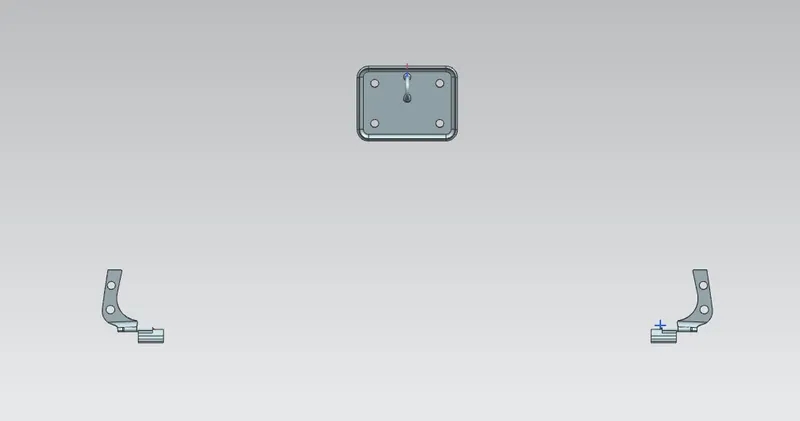
It is adding of extra material to design to strenghtening the component. These are mainly depend on the given design.Here we should provide this as base of latch and hinge.
4.LATCH TRAJECTORY:
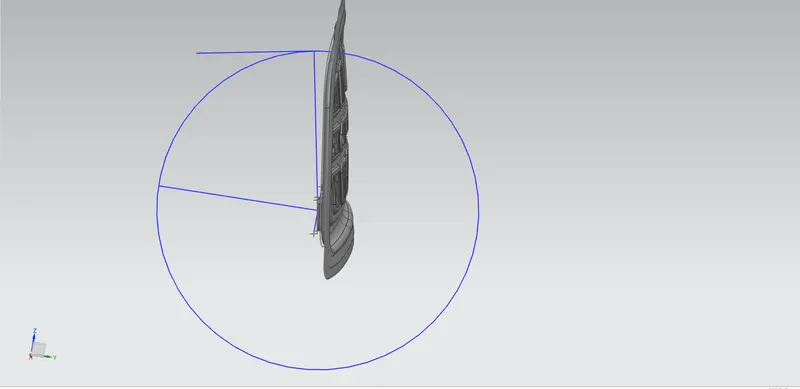
Normal of striker that should be in tangent relation with trajectory of hood then only it would lock properly
Latch trajectory is given by the circle drawn from the hinge axis point is the center point of the hinge axis. first, we can fix either the latch or the hinge. if we have fixed the hinge position then we should plot the trajectory circle for the latch. for proper mating condition the striker axis through the tip of the striker should be tangent to the latch trajectory.
5.EMBOSS
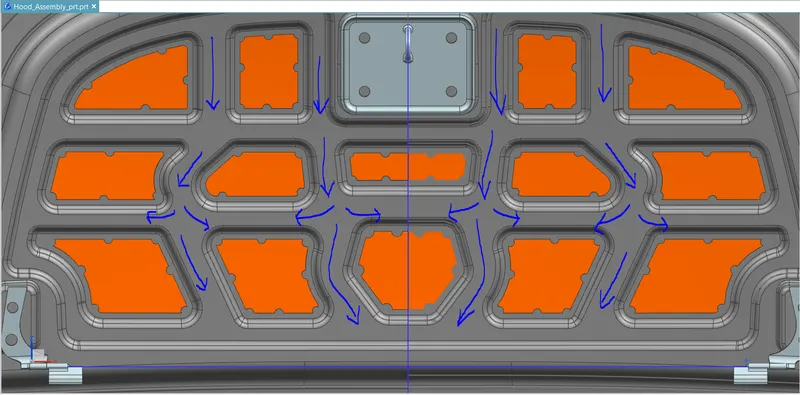
When the force is acting on the center of the hood. The force should be spread like a wave instead of a single direction. it will drastically reduce the impact on the passengers.
by adding emboss we can achieve this force distribution image.
6.MASTIC DATA:
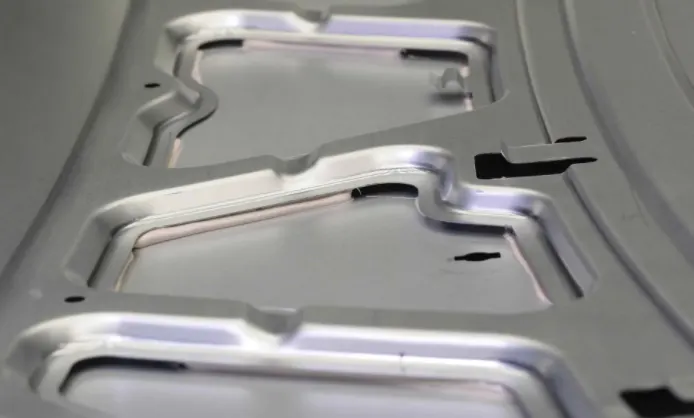
Mastic seals are used as bond between the inner and outer panels. it is also used to improve the stiffness of the area it plays a vital which is reducing the NVH. Here we can not use any techniques like welding. riveting etc because they leave marks on the outer panel which is spoil its aesthetic appearance. so mastic sealants are used to stick the inner surfaces of outer panel and inner panel. These are like rubber characteristic materials so that these are impact on NVH factors.
7.DEEP DRAWING:
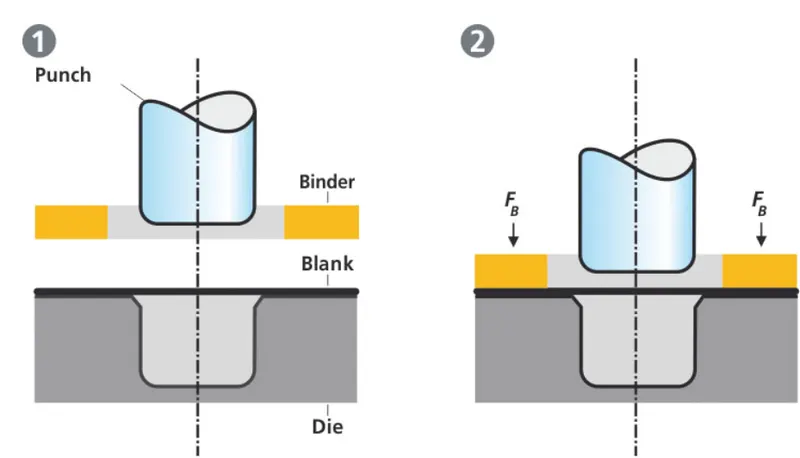
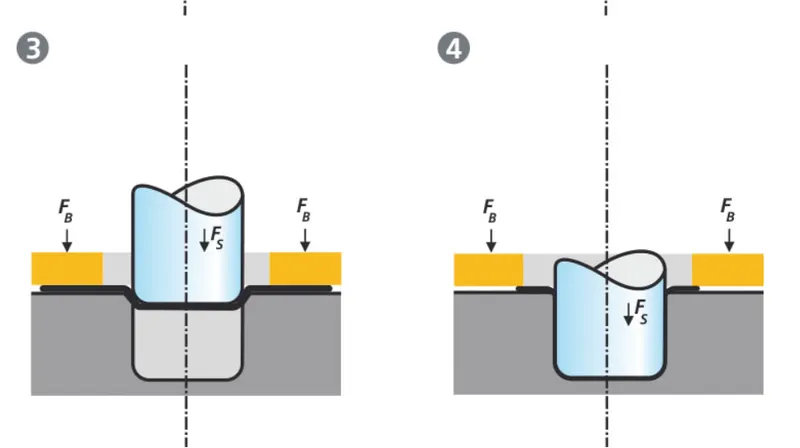
Deep drawing process is a forming process which occurs under a combination of tensile and compressive conditions. A flat sheet metal blank is formed into a hollow body open.
Deep drawing is one of the most widely used processes in sheet metal forming. Apart from its use in many other sections. it is applied in the automotive industry for the manufacturing of car body parts. The deep drawing process is a forming process which occurs under a combination of tensile and compressive conditions.
Sheet metal blank is radially drawn into a forming die by the mechanical action of a punch, it is thus shape transformation process with material retention. The process is considered deep drawing when the depth of the drawn part exceeds its diameter. This is achieved by redrawing the part through a series of dies.
8.HEMMING
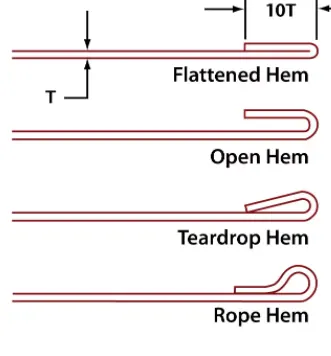
Hemming is a sheet metal forming process in which sheets are joined by bending it to 180°. Automotive body panels and automotive parts such as deck-lids, trunk-lids, doors, hoods and tailgates are formed by hemming process. In this process, usually a sheet is bent with the help of inner sheet in three different stage. A hem in sewing is a garment finishing method, where the edge of a piece of cloth is folded and sewn to prevent unravelling of the fabric and to adjust the length of the piece in garments, such as at the end of the sleeve or the bottom of the garment.
DRAFT ANALYSIS:
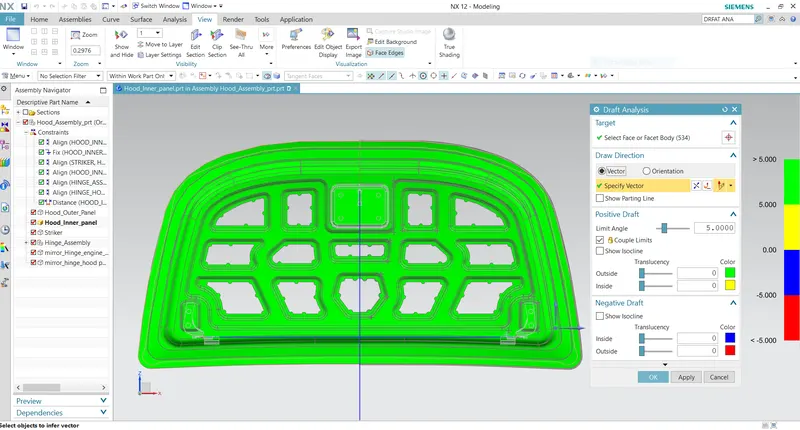
Draft analysis is a method of checking the draft angle on various faces of a part with a particular direction.Draft analysis lets you check parts and/or molds, to make sure they will seperate. Hopefully avoiding "locking" the part in the mold.
FINAL ASEEMBLY:
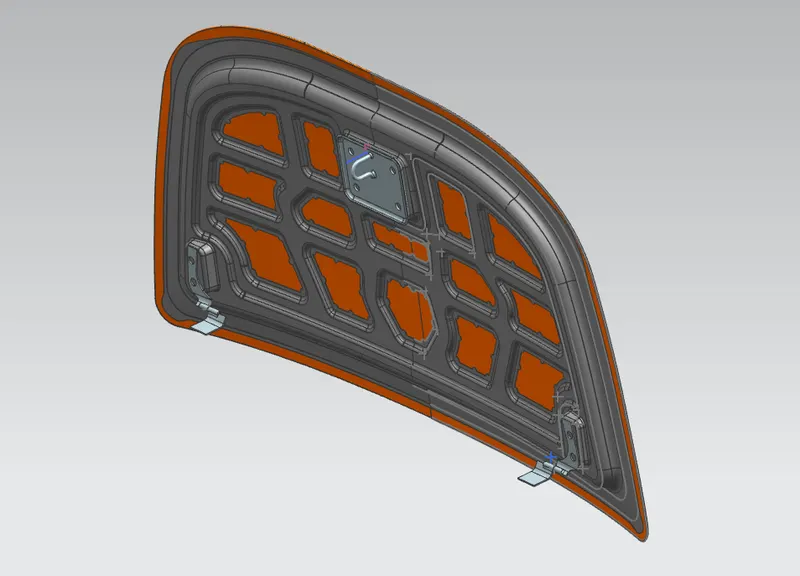
Isometric view:
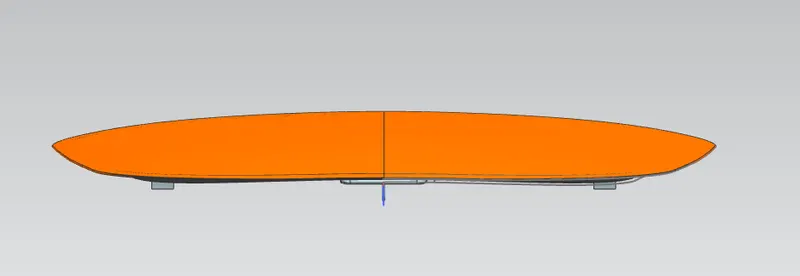
Top view:
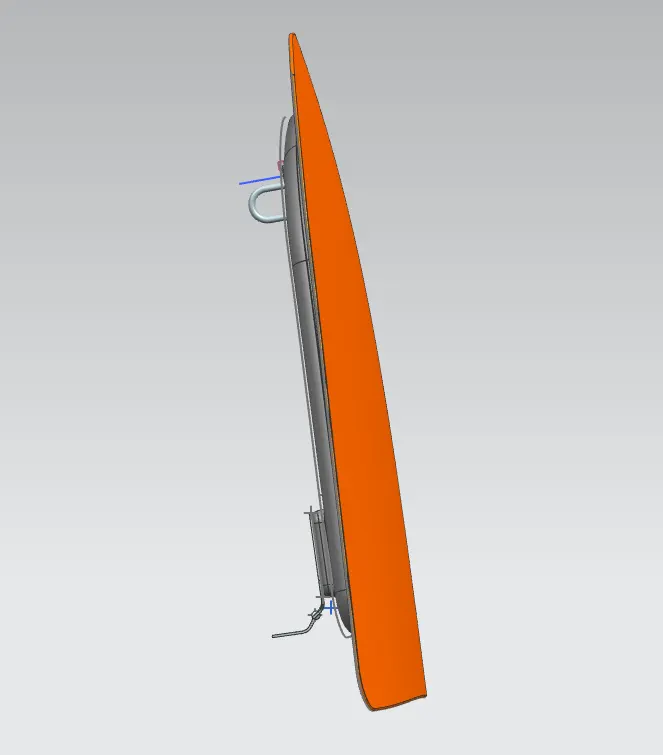
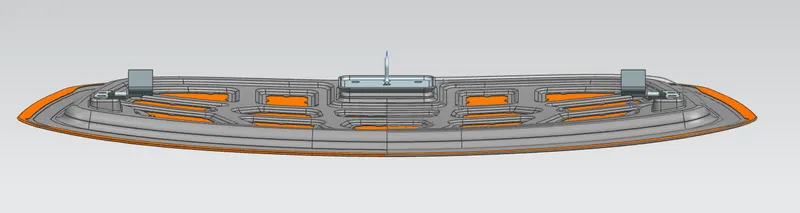
Side View:
Bottom View:
CONCLUSION:
The complete assembly of the hood outer and hood inner panel was designed as per requirement.
The latch and the hinges were also placed at appropriate position by following a latch trajectory strategy.