Hood design-Week 2
AIM:- Design the Hood outer panel, inner panel, and the necessary reinforcements by following the Master section mentioned with the design parameter explained in the videos. Submit an assembly of the Hood inner panel, outer panel, latch, hinge, and reinforcements.
INTRODUCTION:-
A car hood is the metal part that covers the engine of an automobile. The car hood is a hinged cover over the engine of the car that allows access to the engine compartment for maintenance or repair of the car. The car's hood consists of an inner panel and an outer panel. The inner panel provides strength, while the outer panel is just a metal cover for an aesthetic look. The client is applied between the inner panel and outer panel so that the water tightness is achieved for the hood. The underside of the hood is often covered with sound-absorbing material. Some high-performance cars have hood scoops that channel outside air directly to the air filter, which gives improved performance and efficiency. on a passenger car, a hood is held down by a sticker. Hood is typically made out of sheet or aluminum, although aftermarket manufacturers may manufacture hoods out of fiberglass, carbon fiber.
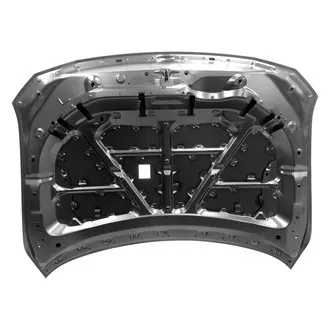
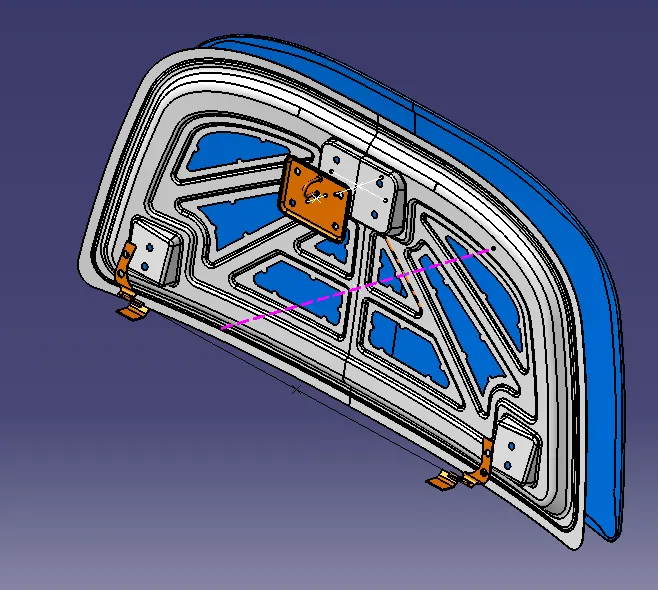
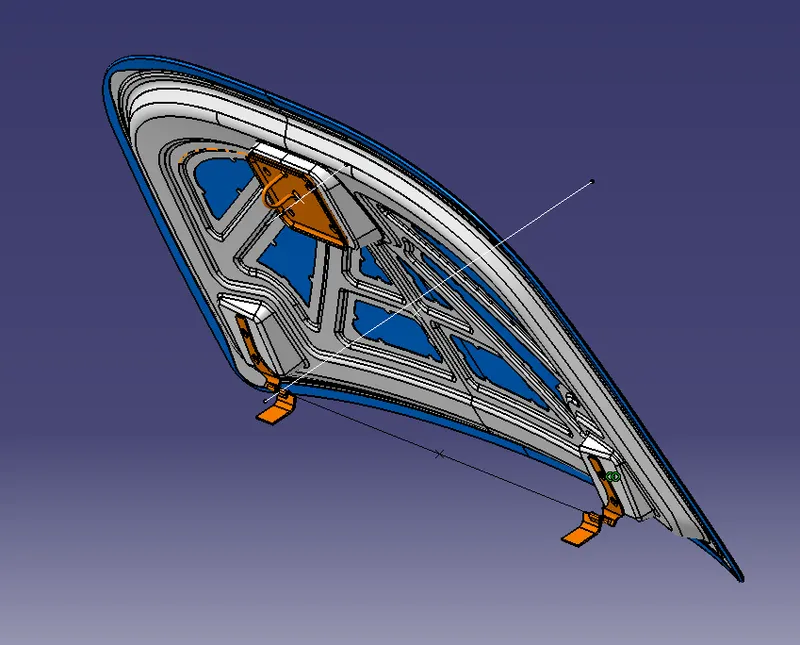
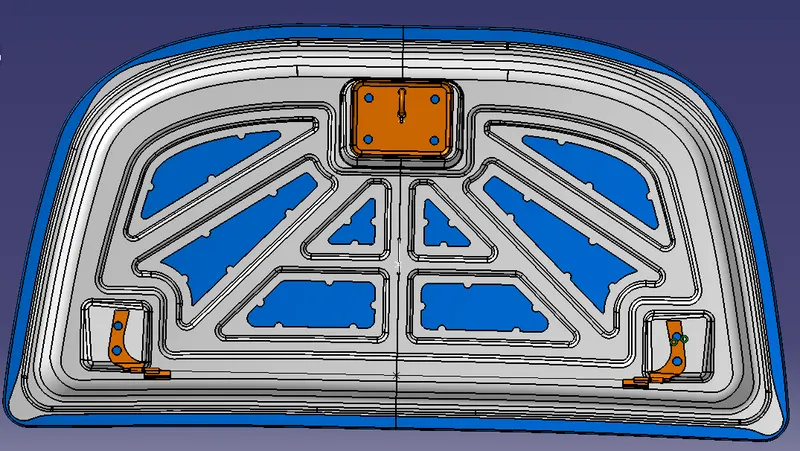
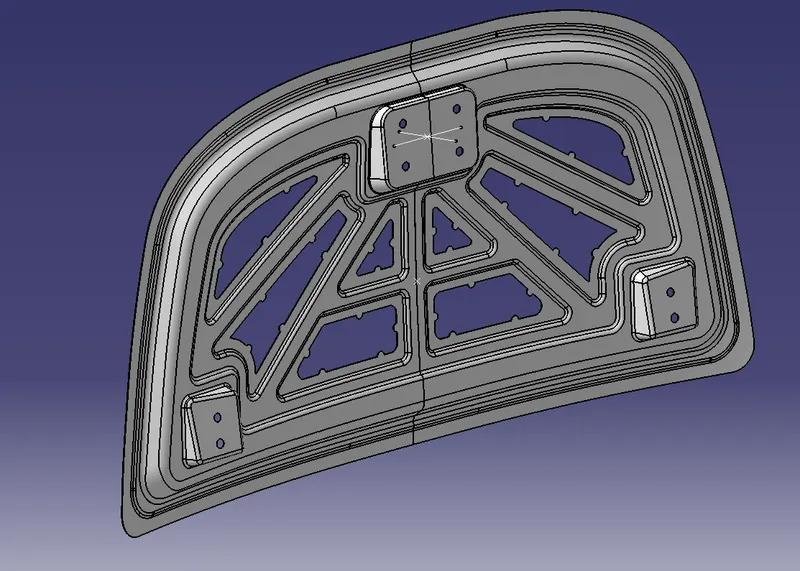
Hood Inner panel
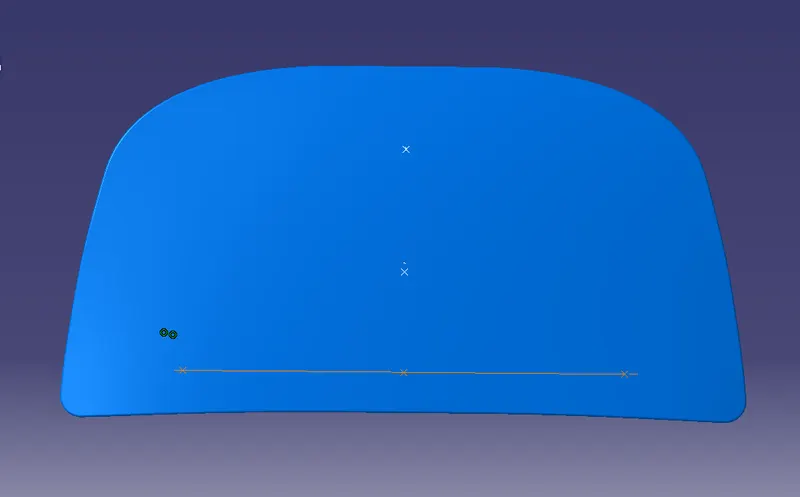
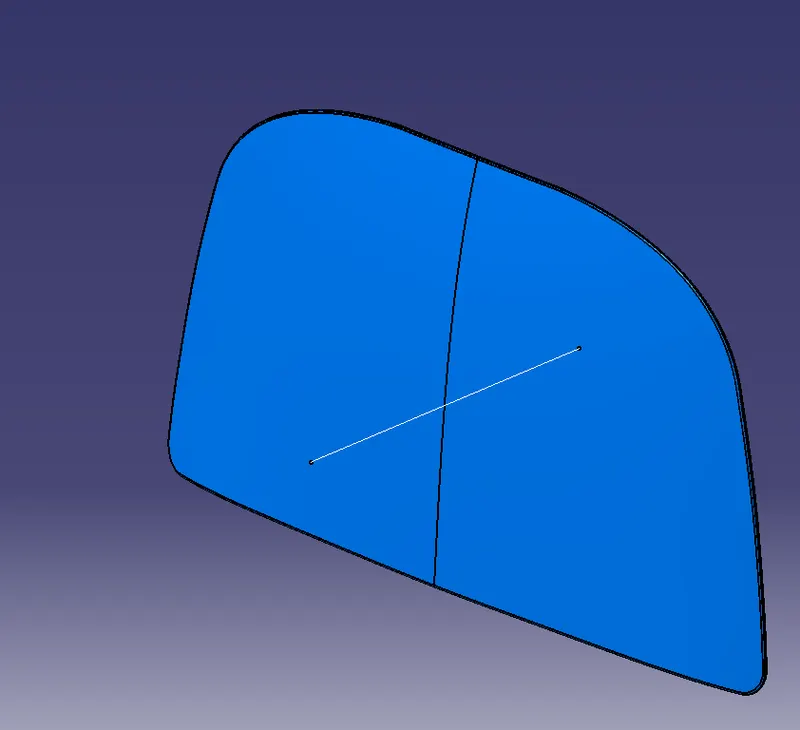
Hood outer panel
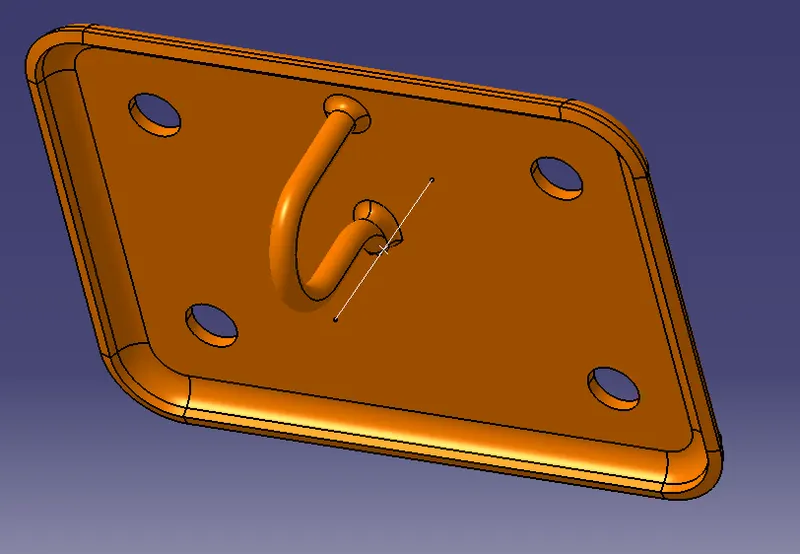
Stricker
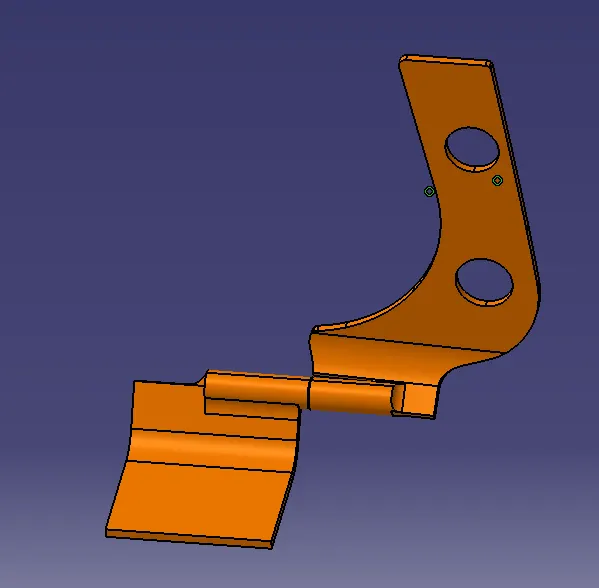
Hinge assembly
Design rules for Hood:-
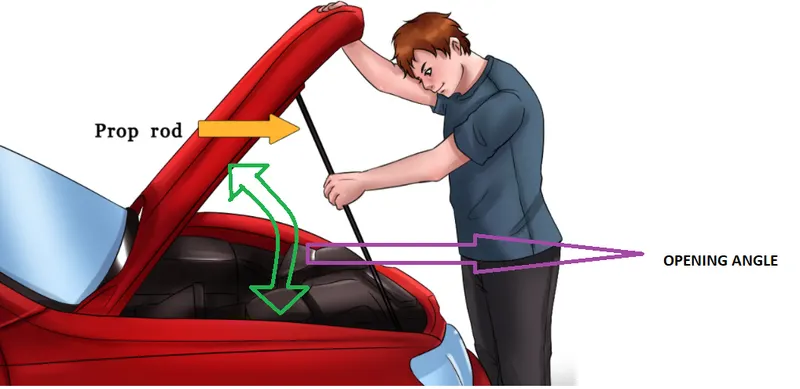
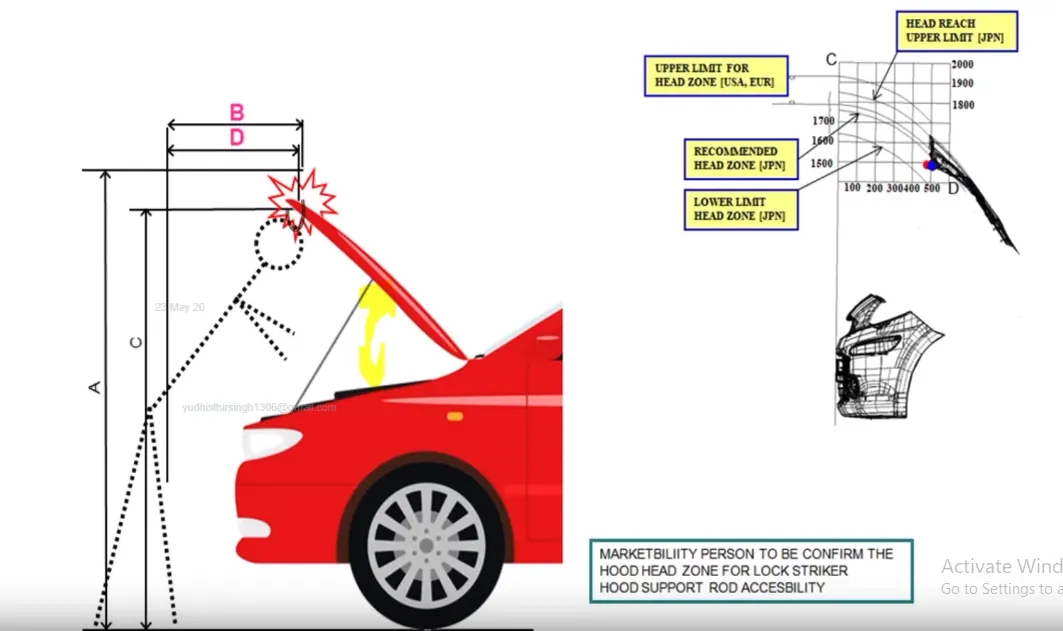
Opening angle for the hood
The design parameter for design is the opening angle of the hood. This angle is being controlled by rod or gas stay. The length of the rod controls the opening angle of the hood. The support rod is placed on the engine compartment. The length of gas stay depends on the average human height of the country where the car is manufactured so that the hood.
Distribution of force in case of collision
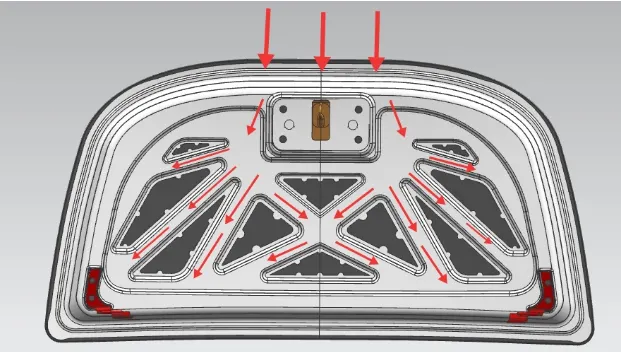
The inner panel is designed in such a way that in the case of collision, the impact force must go outward direction so that the impact on driver and passenger must reduce.
The trajectory of the striker
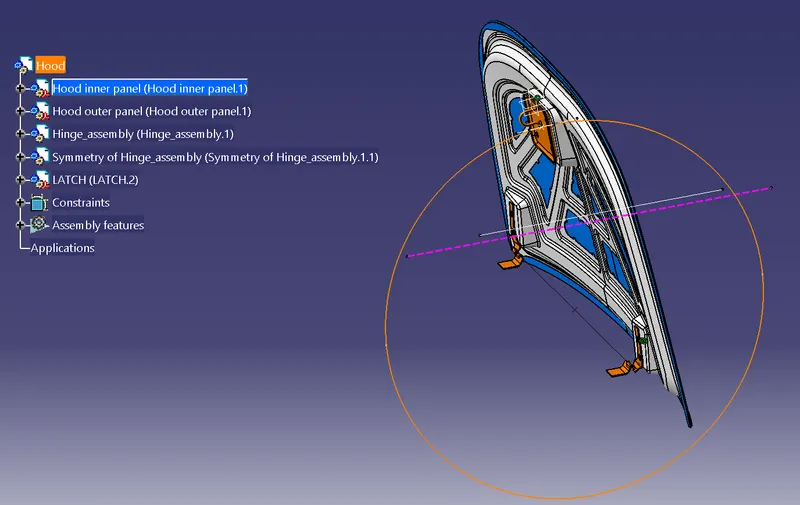
The striker must follow the circle path whose center is present on the axis joining both the hinges and also stricker must be always perpendicular to the line joining the stricker and the axis joining the hinge.
CONSTRUCTION OF HOOD:-
Given data to design hood:-
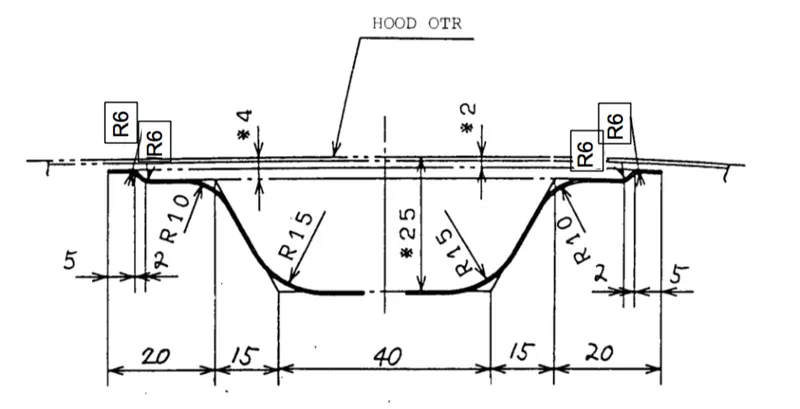
Master section of the hood outer panel
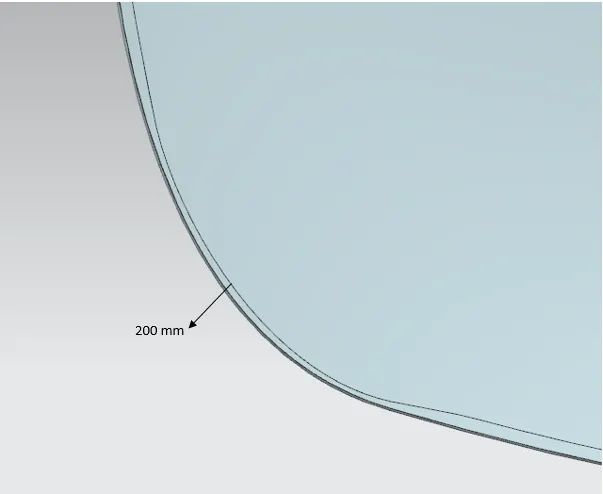
Hemming flange front relief
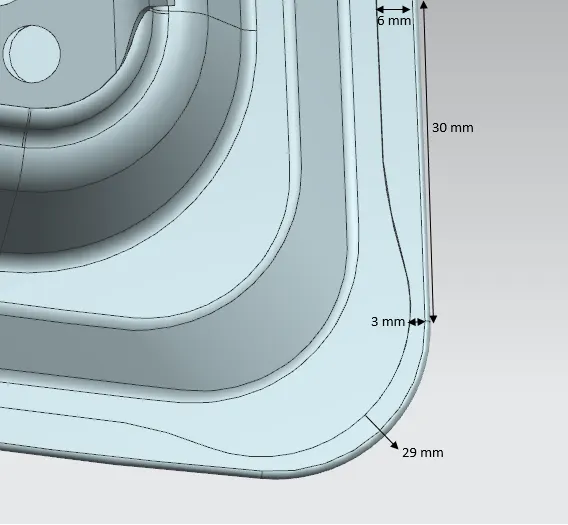
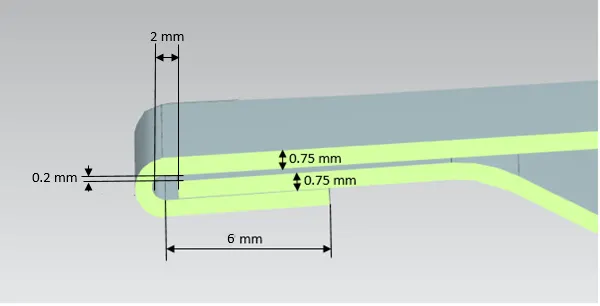
Hemming
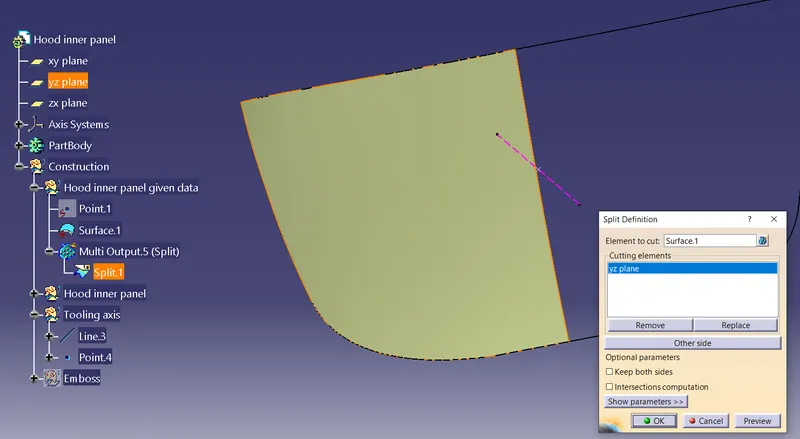
Construction of Inner panel:-
- First, split the surface in a YZ plane.
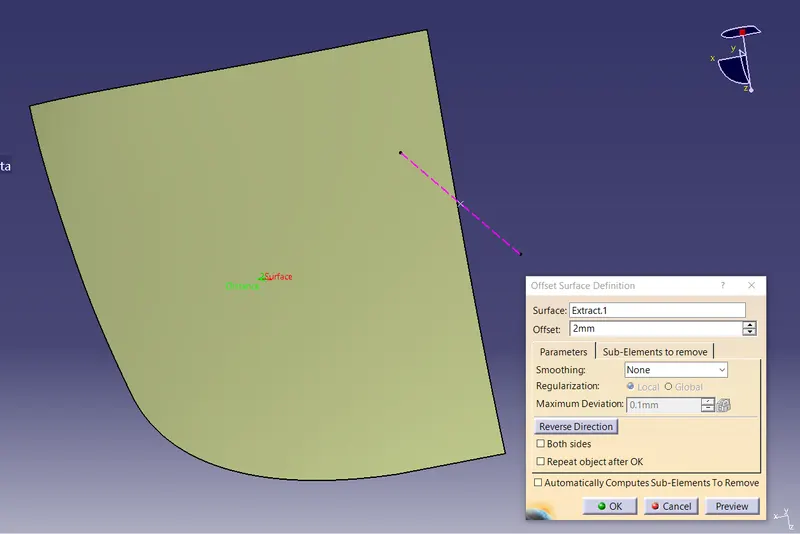
- Then offset the surface by 2mm.
- Then create a boundary and make a parallel curve of 20mm. Then split the surface.
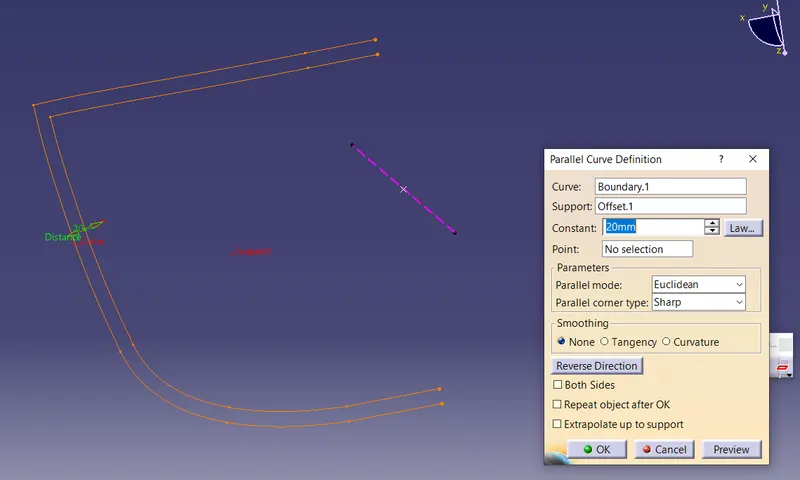
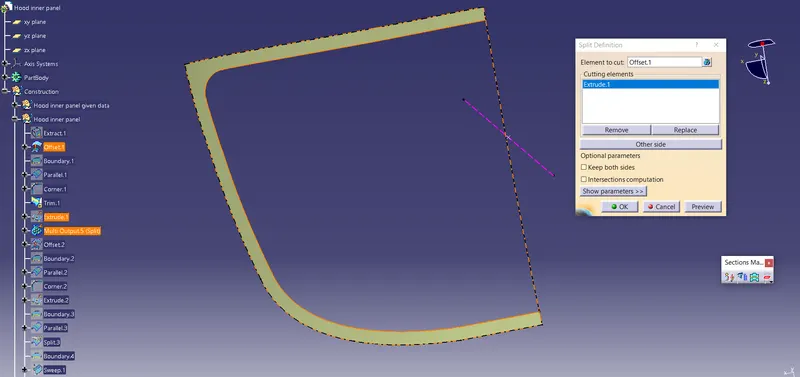
- Then do the same for the second surface and then split the surface.
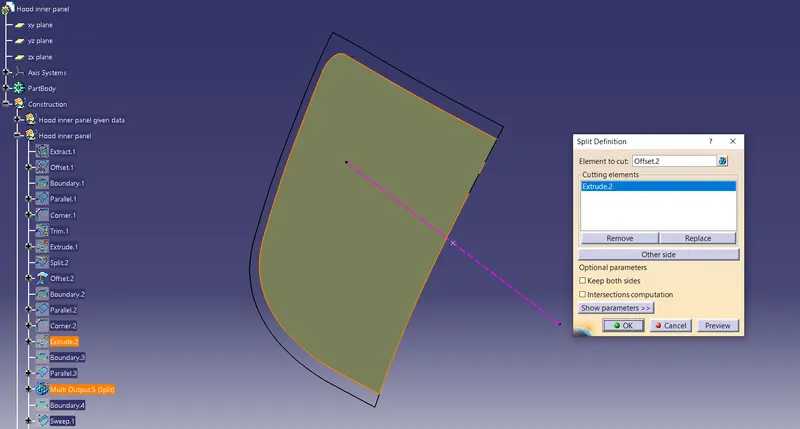
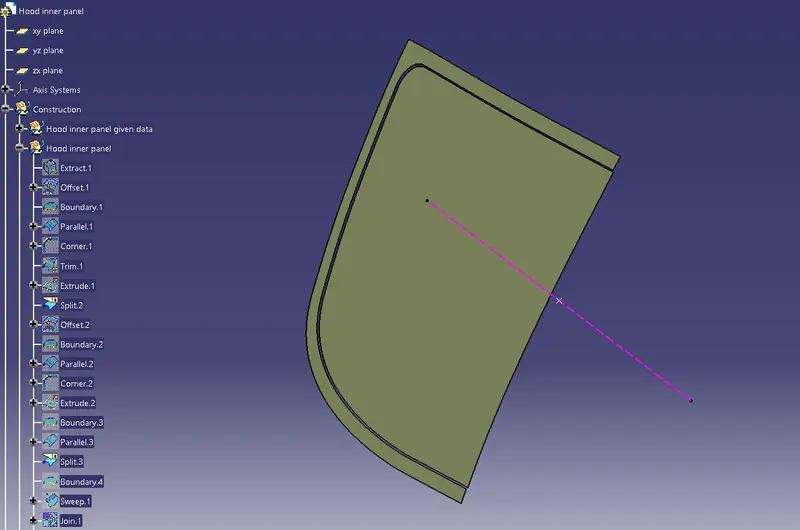
- Then create the sweep between both the surface.
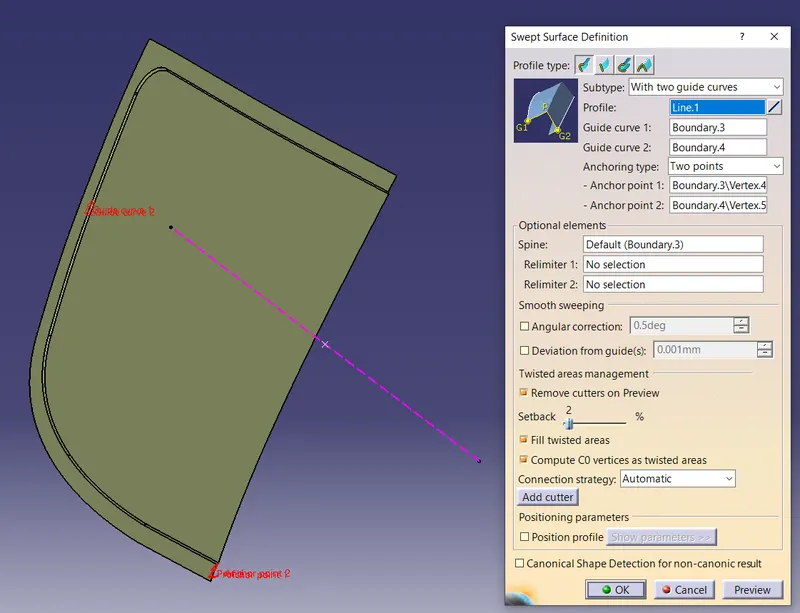
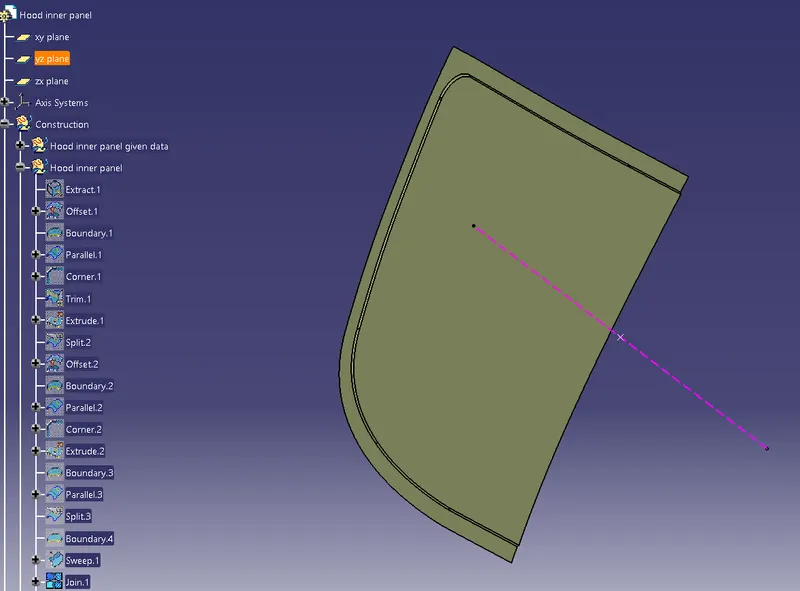
- Finally, join the surface and assign the fillet value.
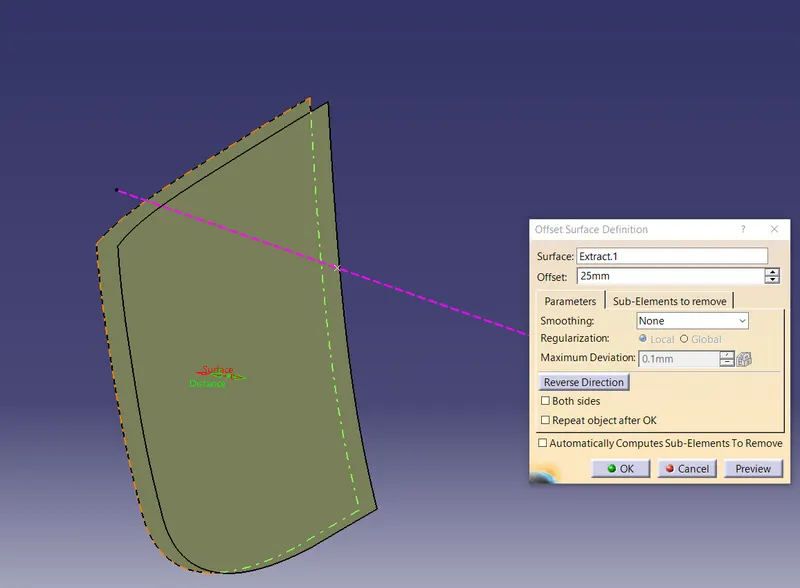
- Now offset the surface by 25 mm and create a parallel curve to split the surface.
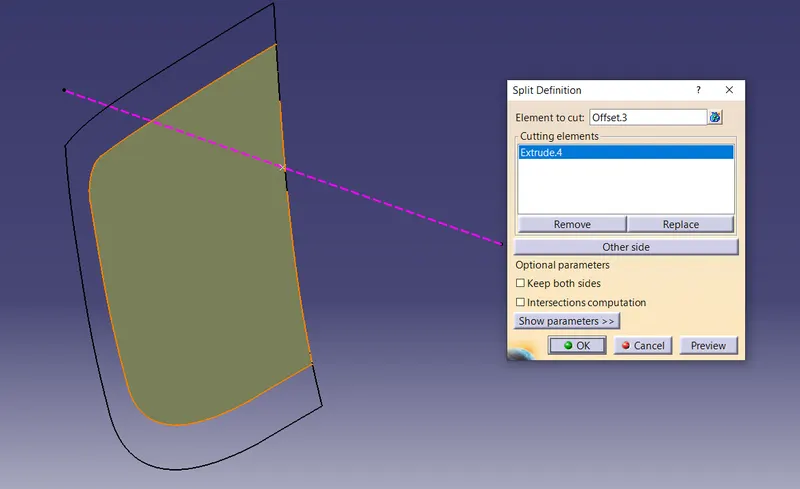
- Then create the multisection between the surface and join the surface together.
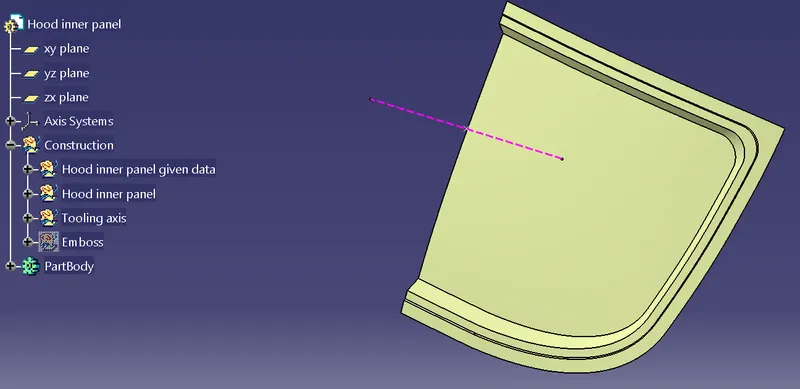
- Finally, assign the fillet value to the surface.
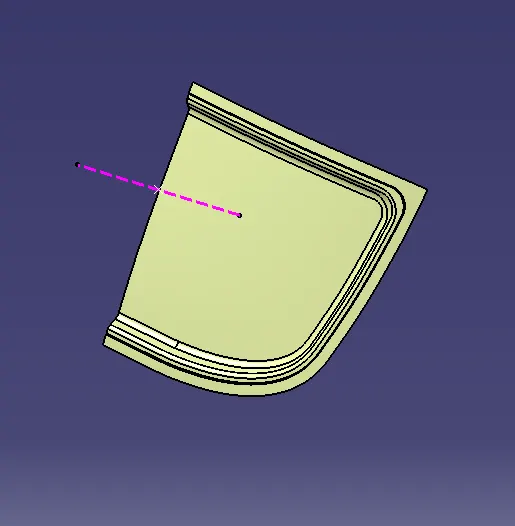
- Now create the sketch of the emboss and then sweep the sketch.
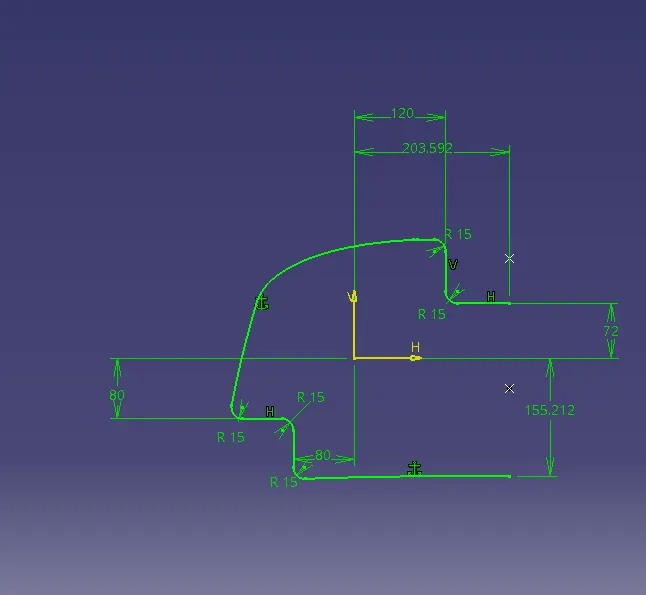
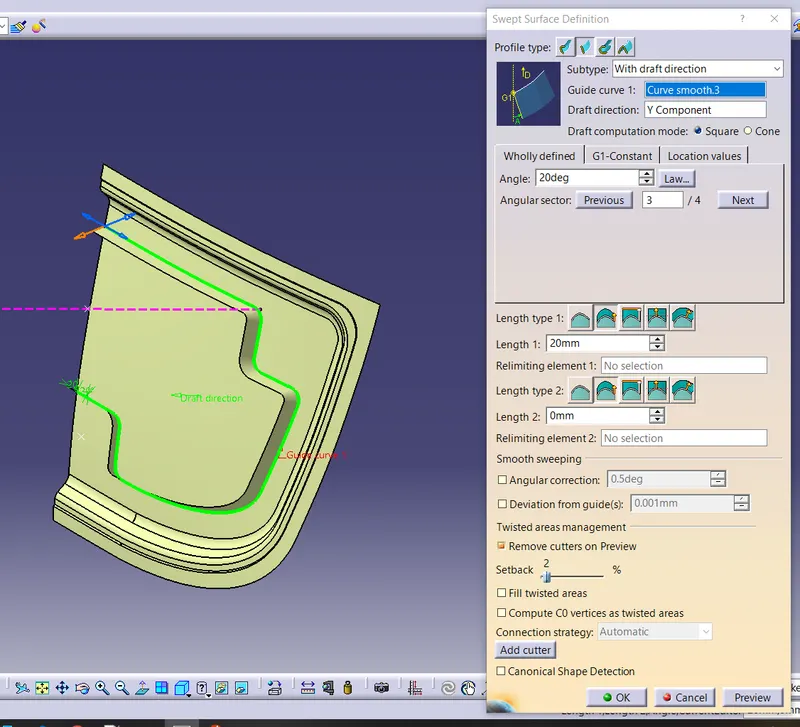
- The next step is to offset the lower surface and trim the emboss with the surface.
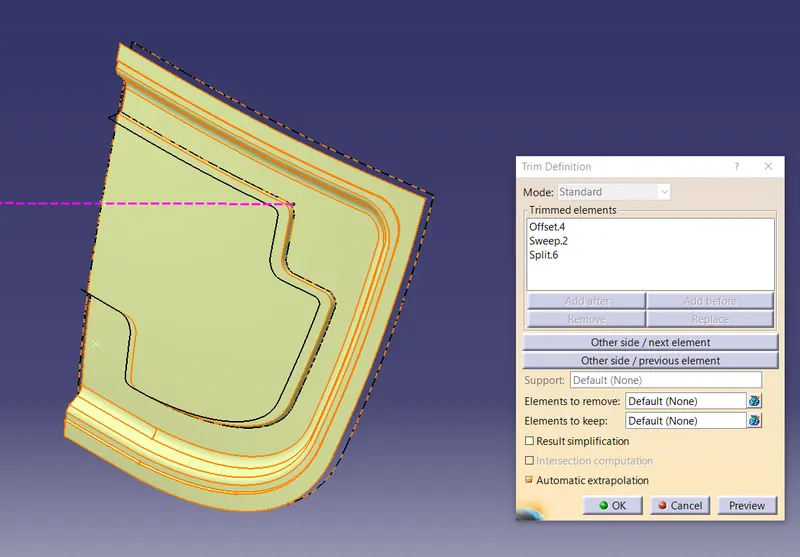
Then sketch the emboss surface and sweep the sketch.
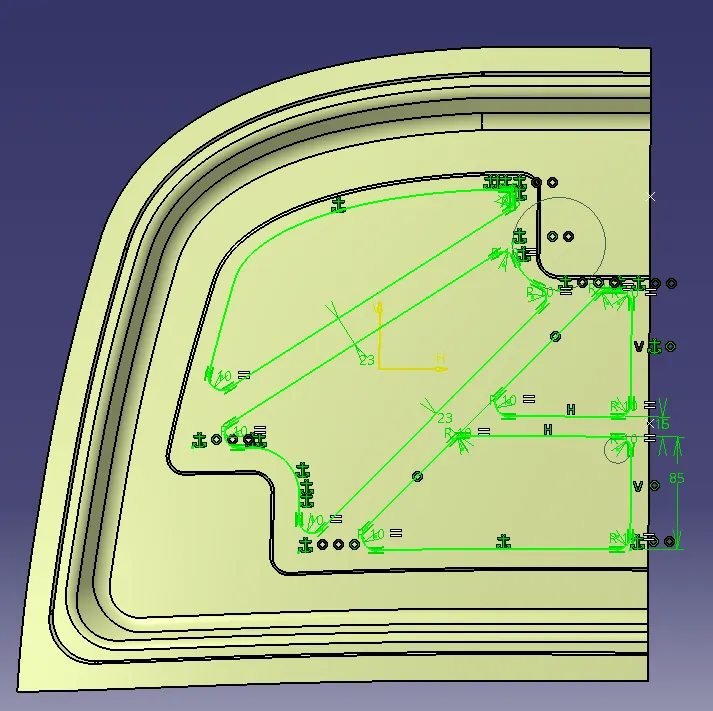
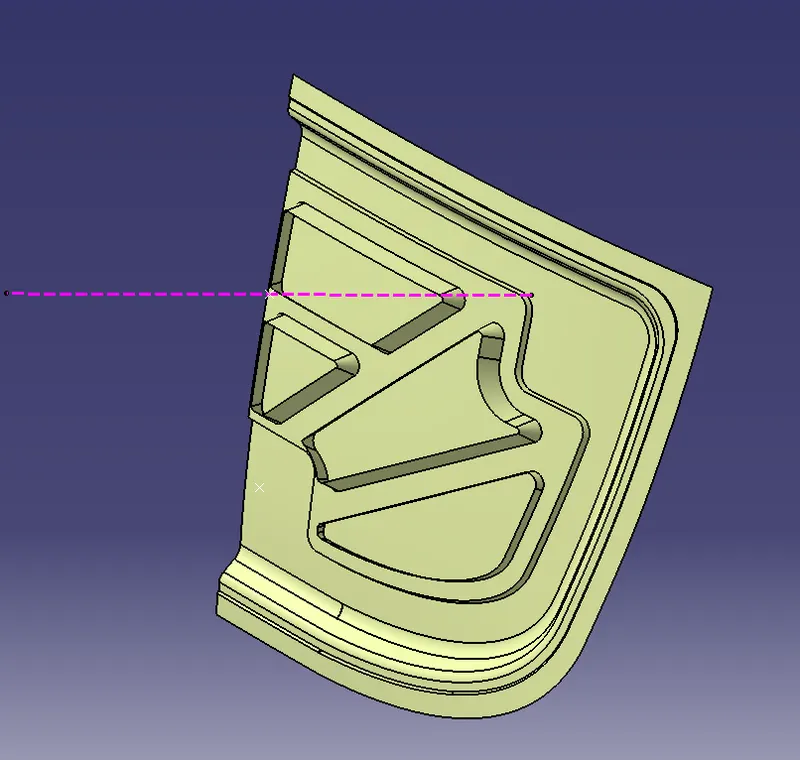
- Finally, trim the surface with embossing.
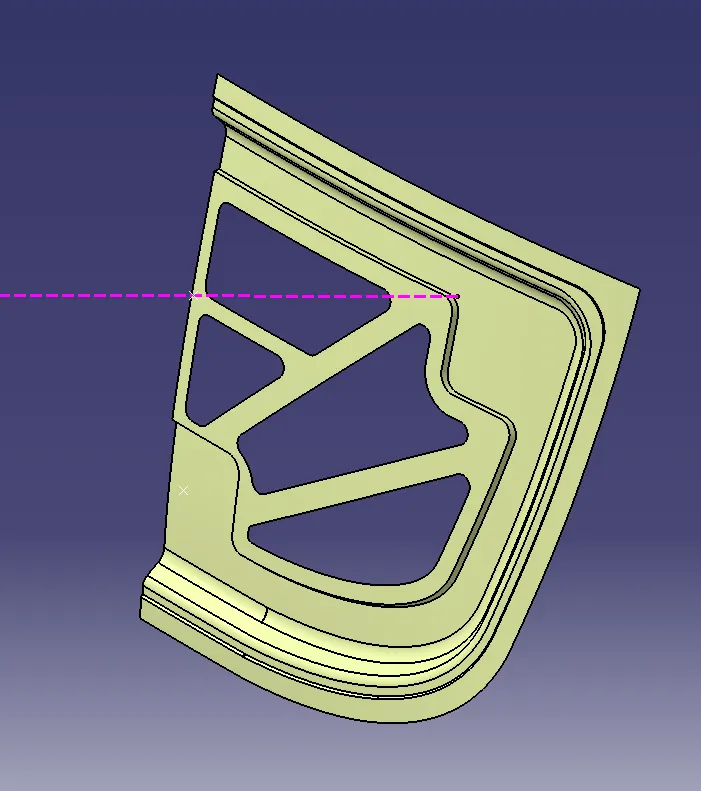
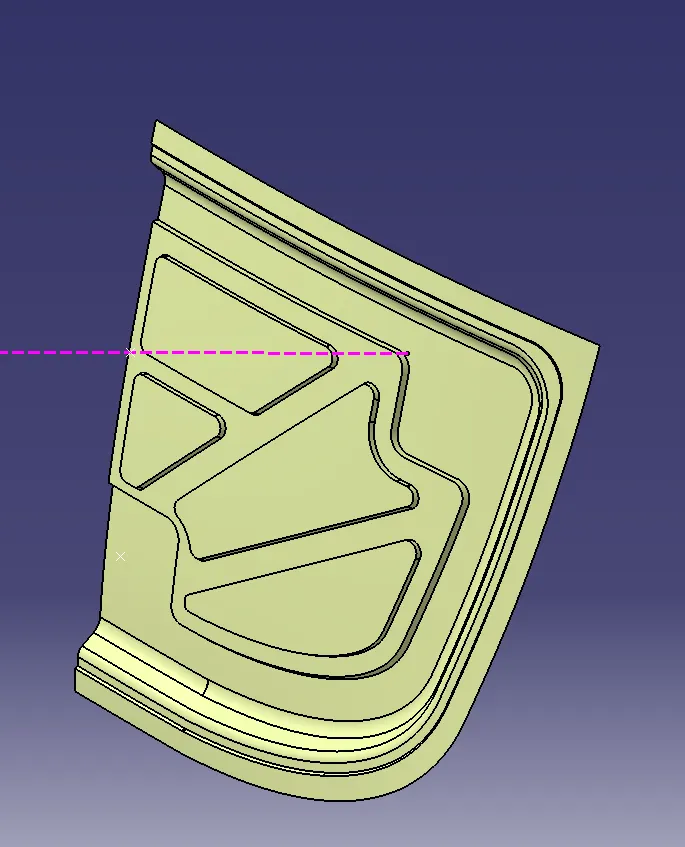
- Then assign the fillet value to the embossing.
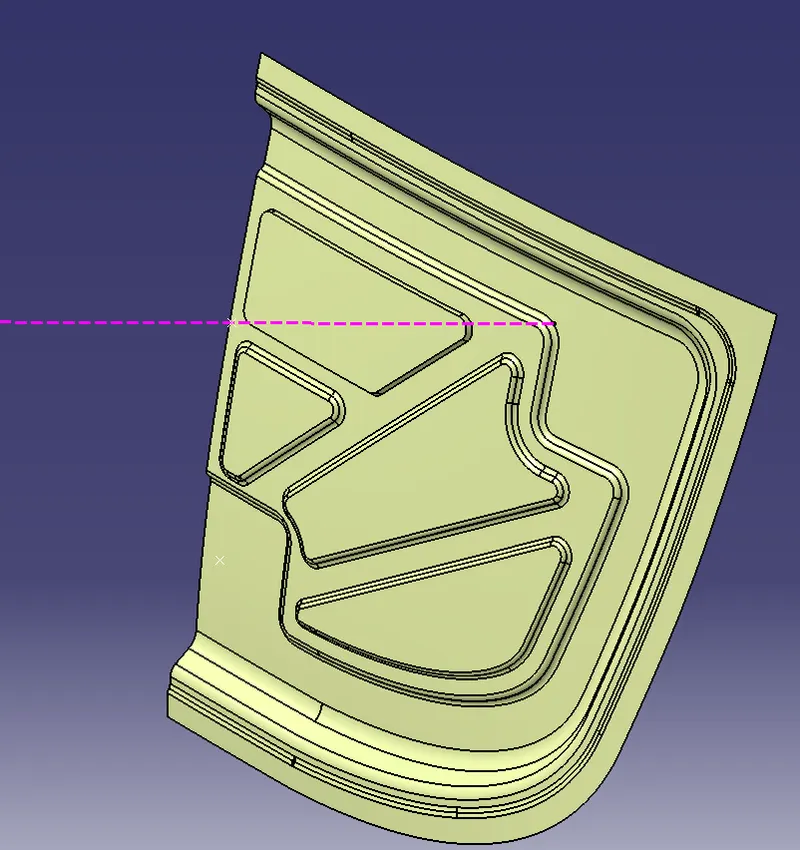
- Now create the sketch for the mastic point and split the surface with the sketch.
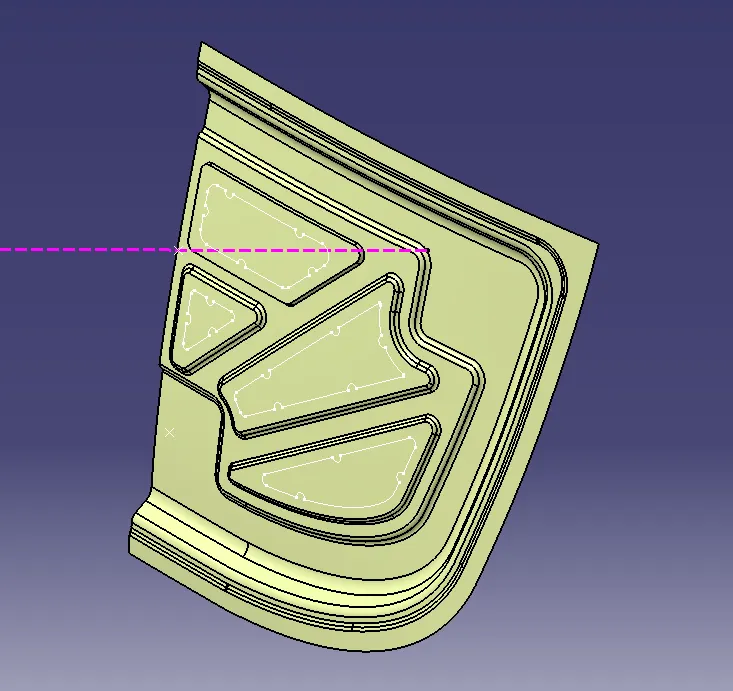
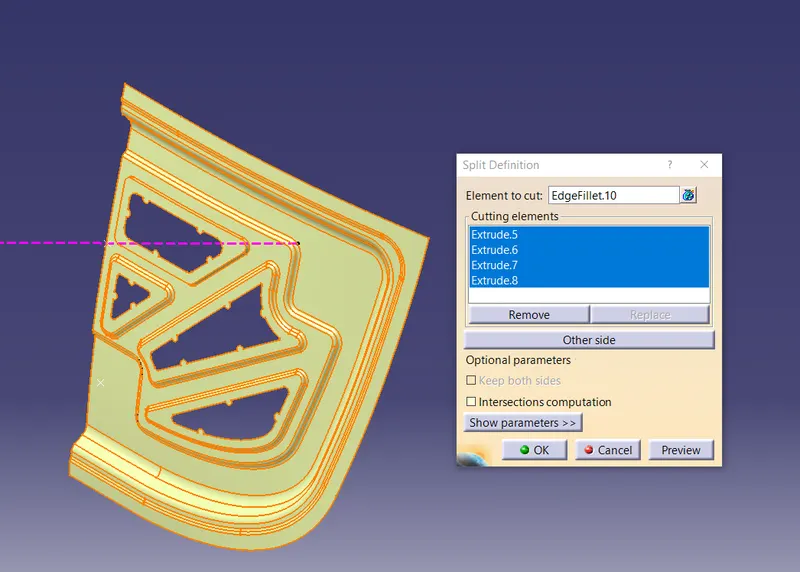
- Then assign the fillet value to the embossing.
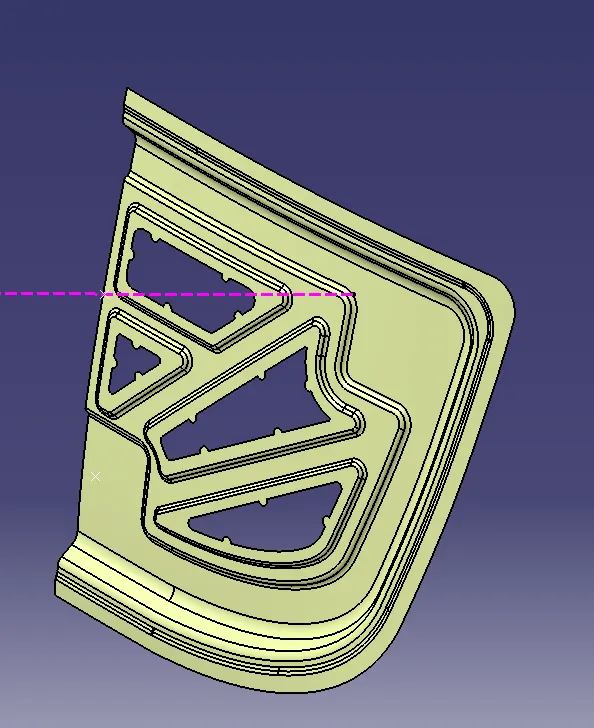
- Same way create the hinge emboss and striker emboss.
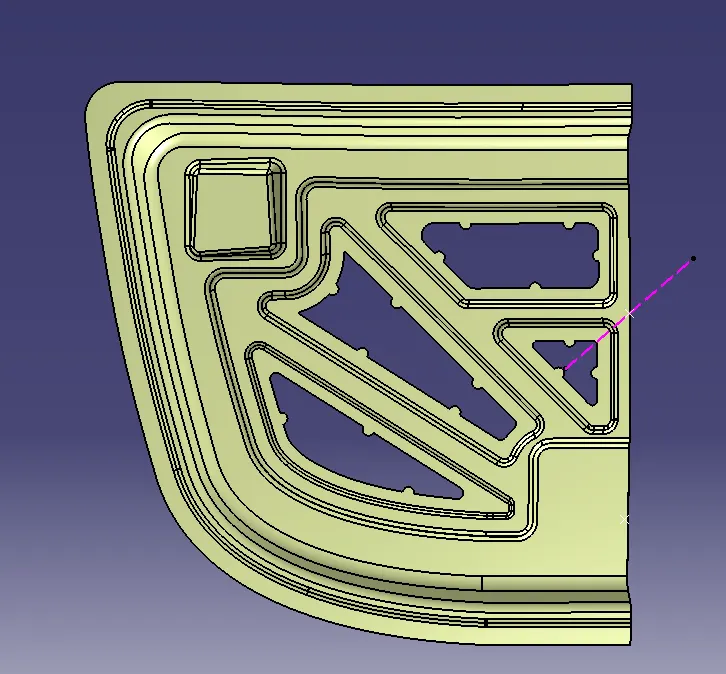
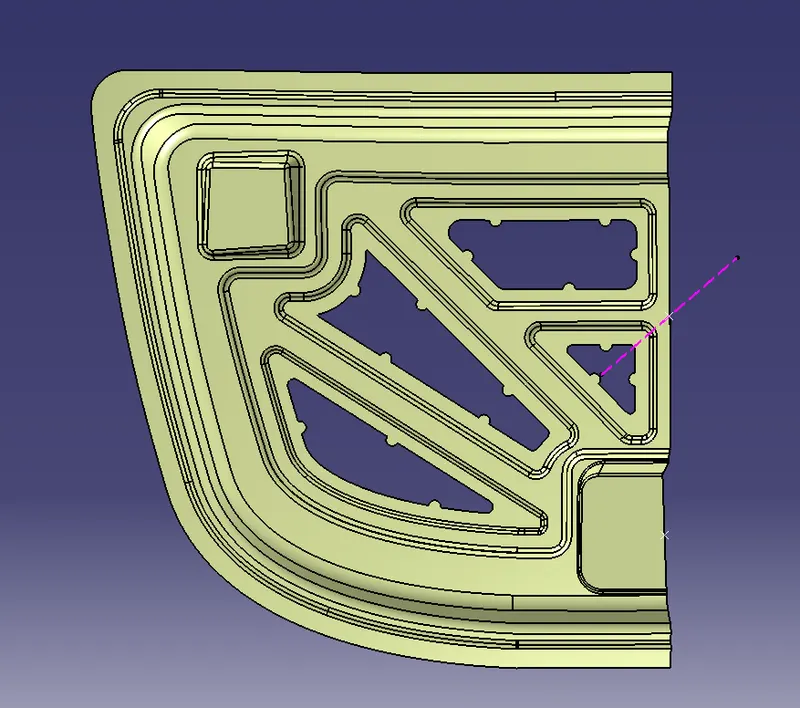
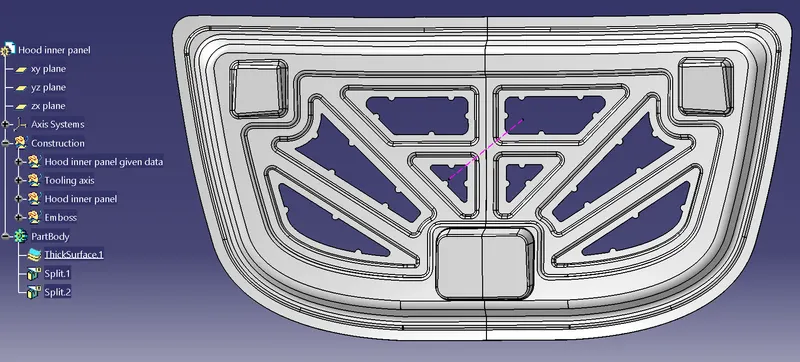
- Then symmetry the surface and join the surface.
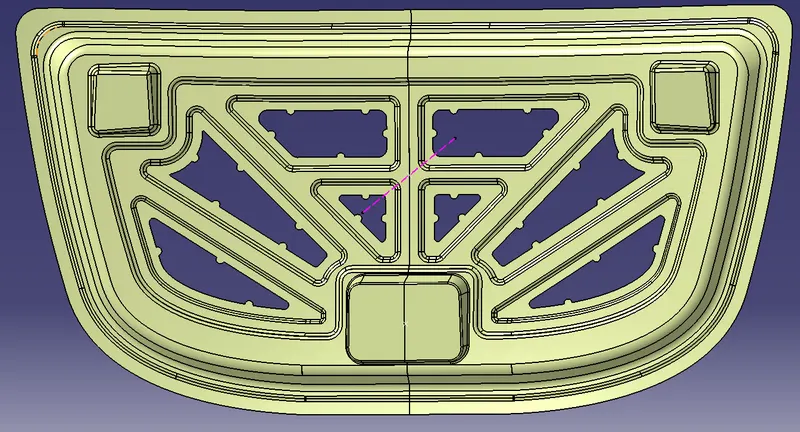
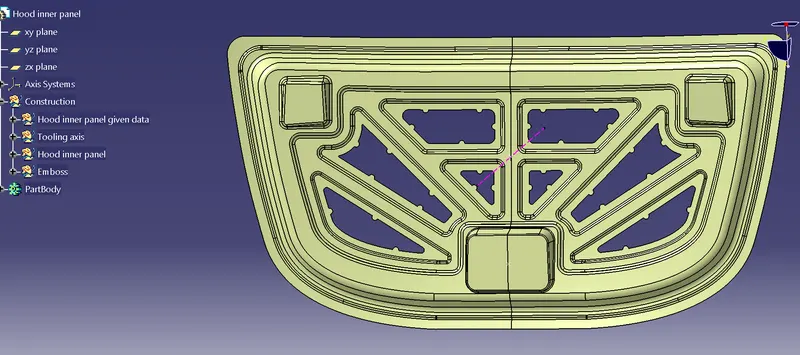
- Now thicken the surface by 0.75mm.
Construction of outer panel:-
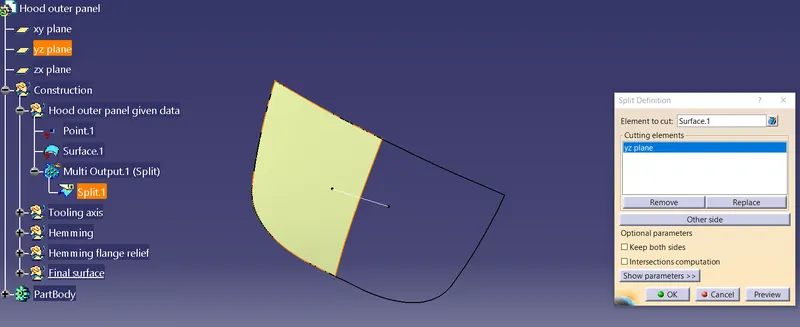
- First, split the surface in a YZ plane.
- Now create the hemming flange.
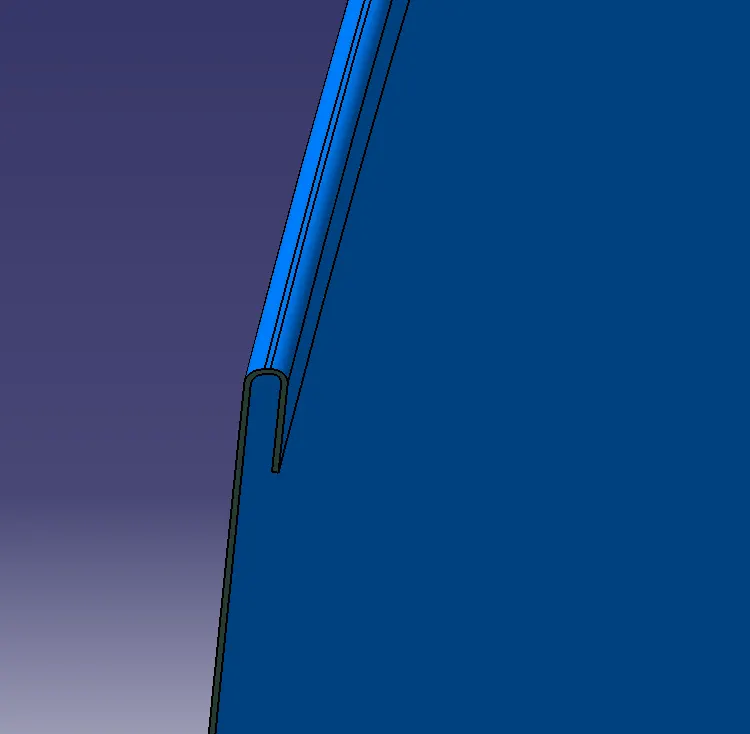
- First, offset the surface at a distance of 3.45mm.
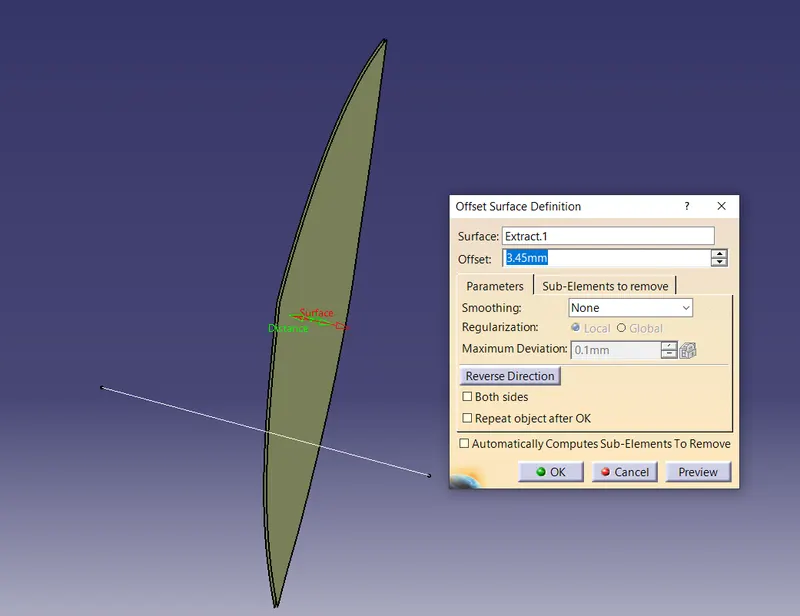
- Then create the sweep surface from the main surface.
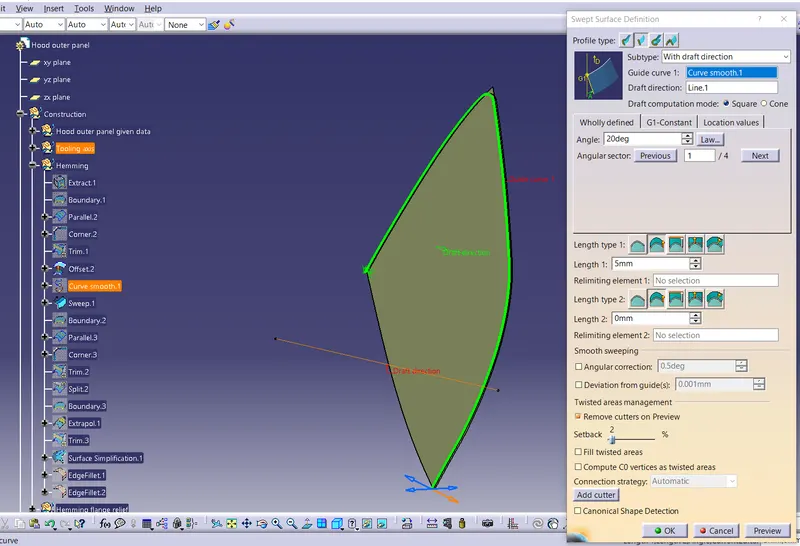
- Then create the parallel curve in the offset surface and split the offset surface.
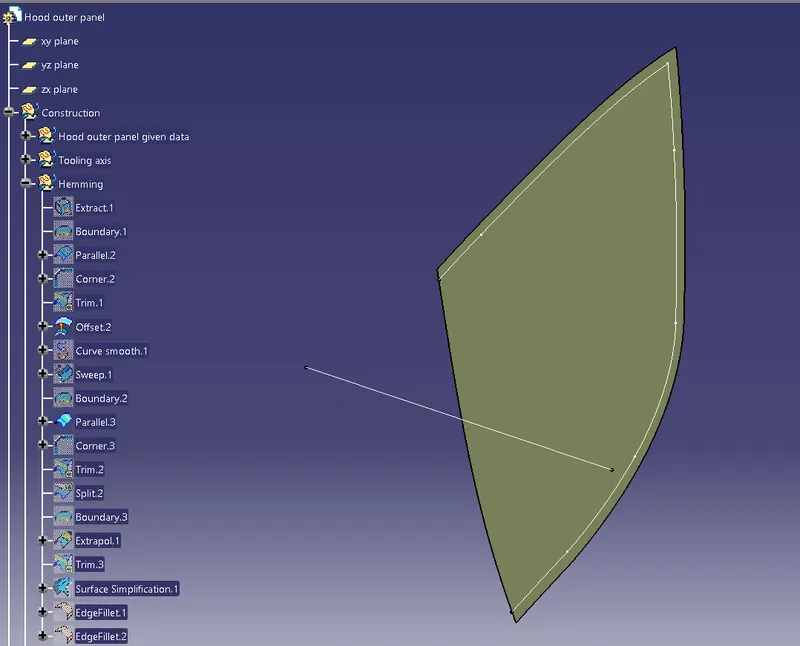
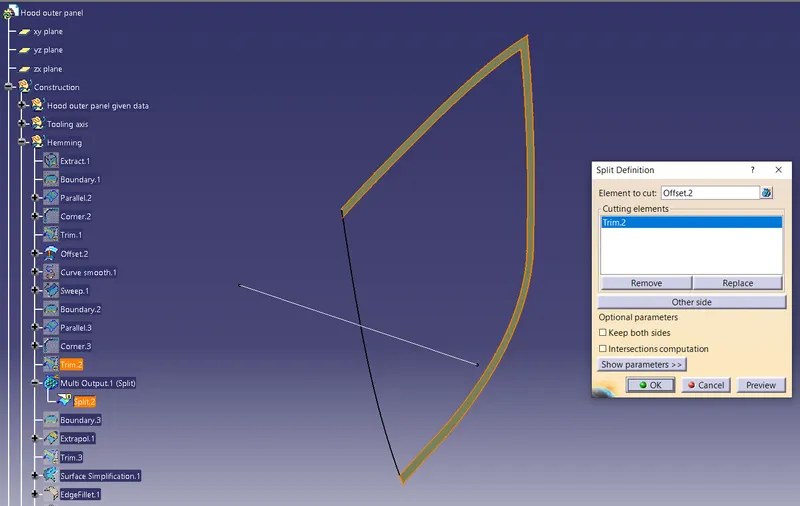
- Finally, trim the surface, main surface, and sweep the surface together.
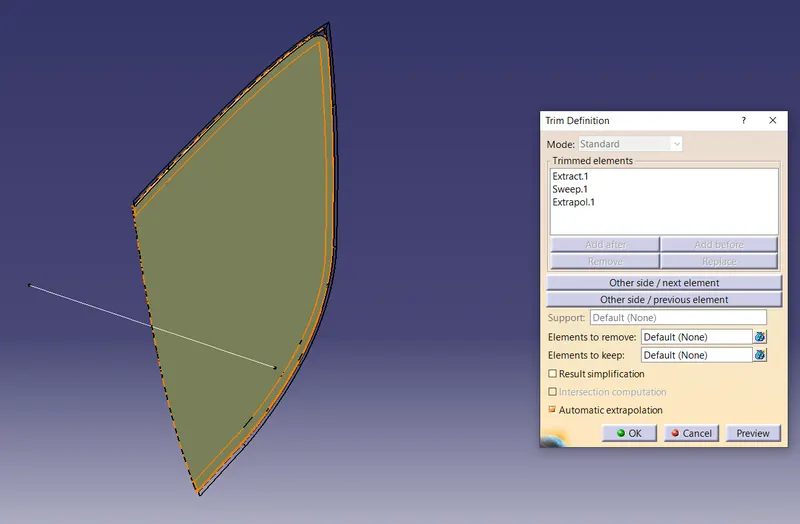
- Then give the fillet value to the hemming flange.
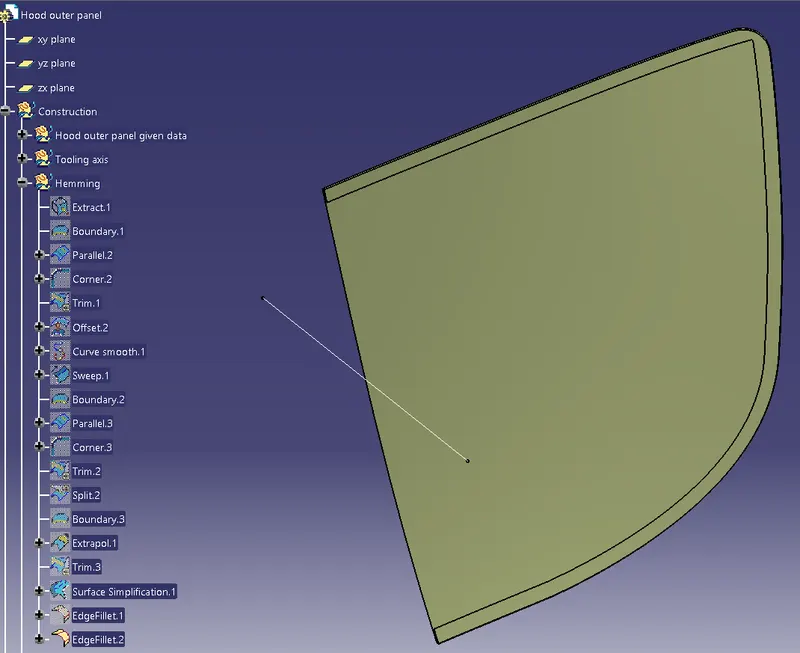
- Now create the hemming flange relive sketch and split the sketch with the surface.
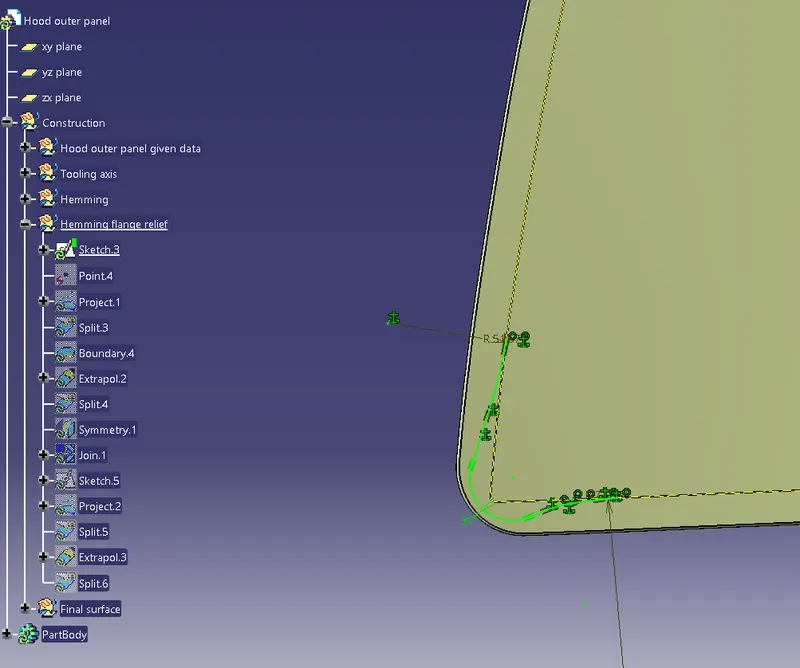
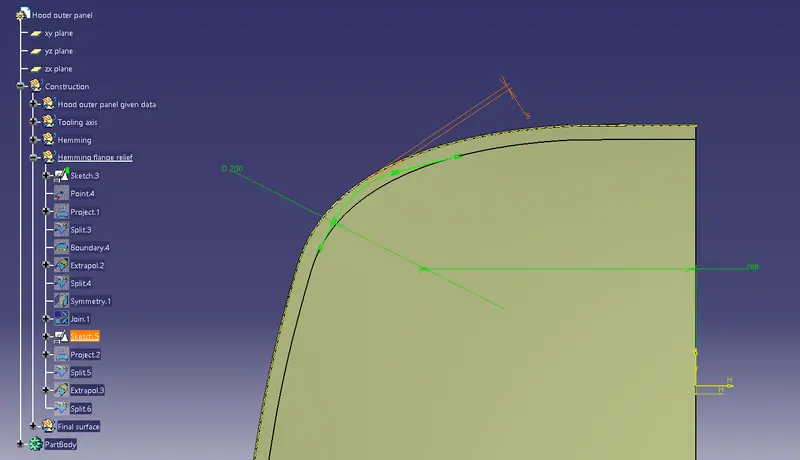
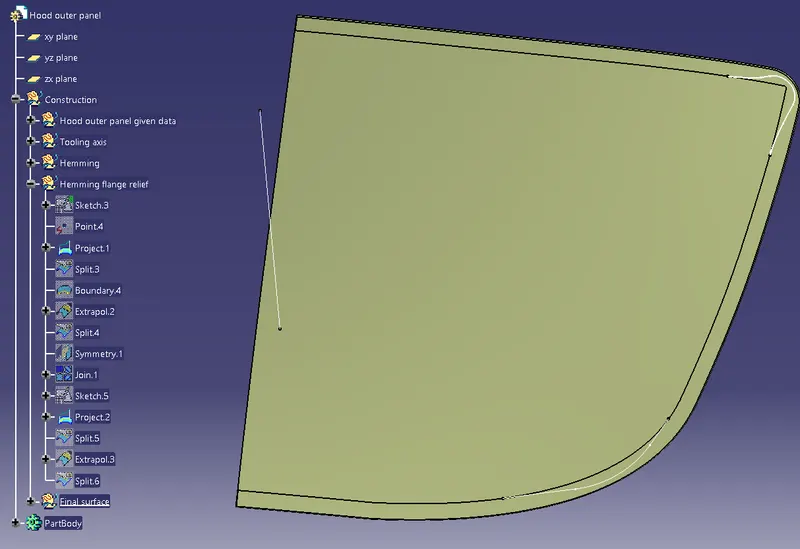
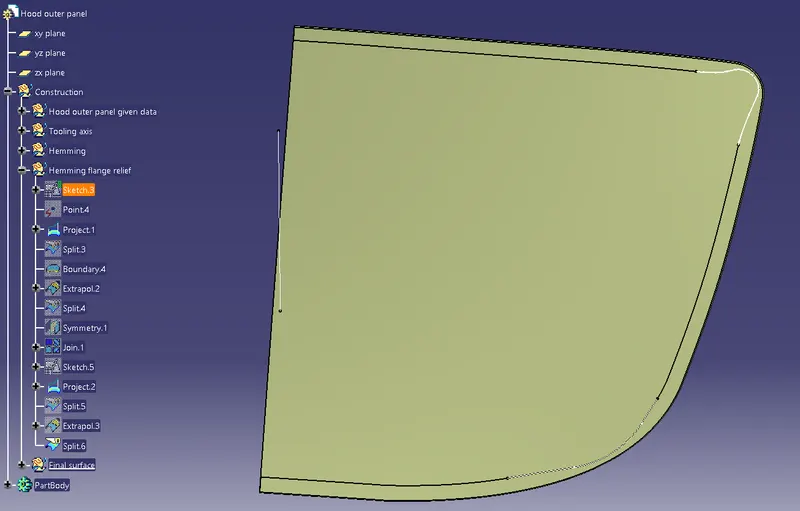
- Then symmetry the surface and join both the surface together.
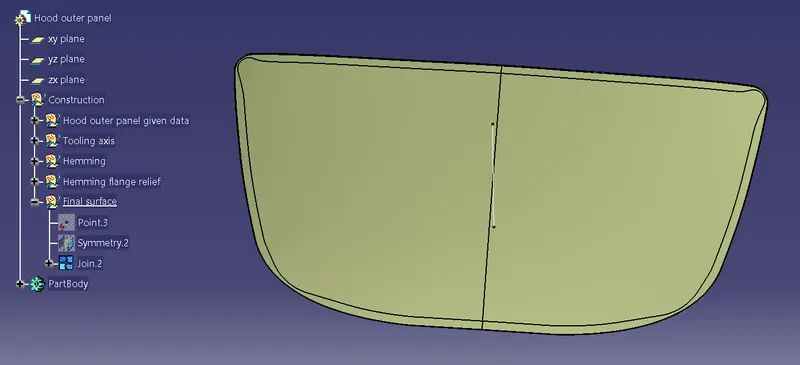
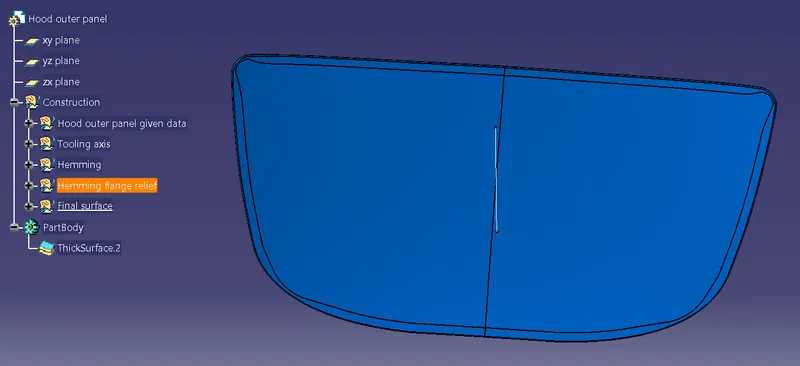
- Now thicken the surface at 0.75mm.
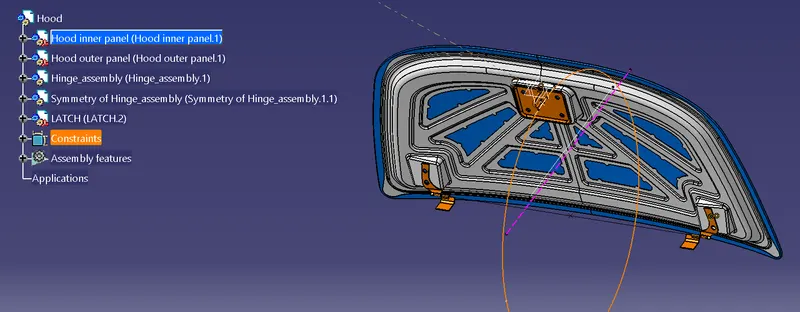
Assembly of hinge and striker to the hood.
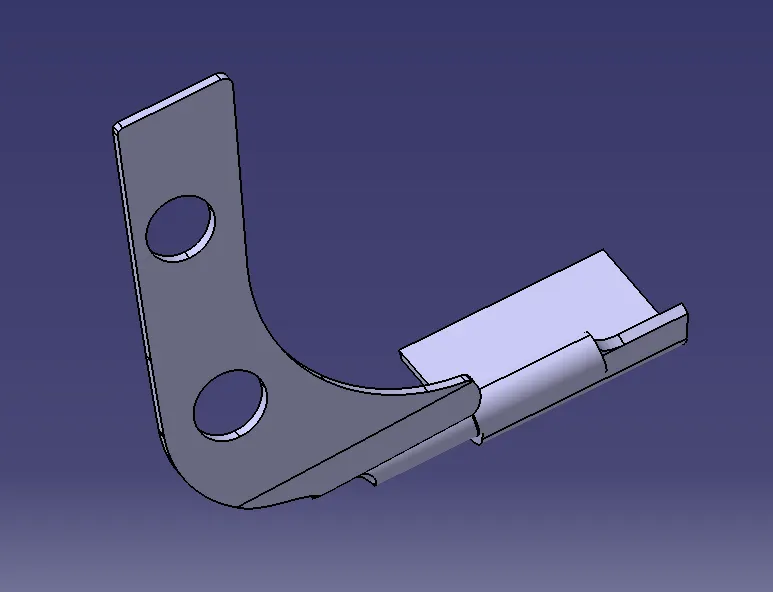
Hinge assembly
A hinge is a component that fixes the hood to the engine compartment of the car. The striker must be fixed perpendicular to the hinge axis so that the hood opens and close properly.
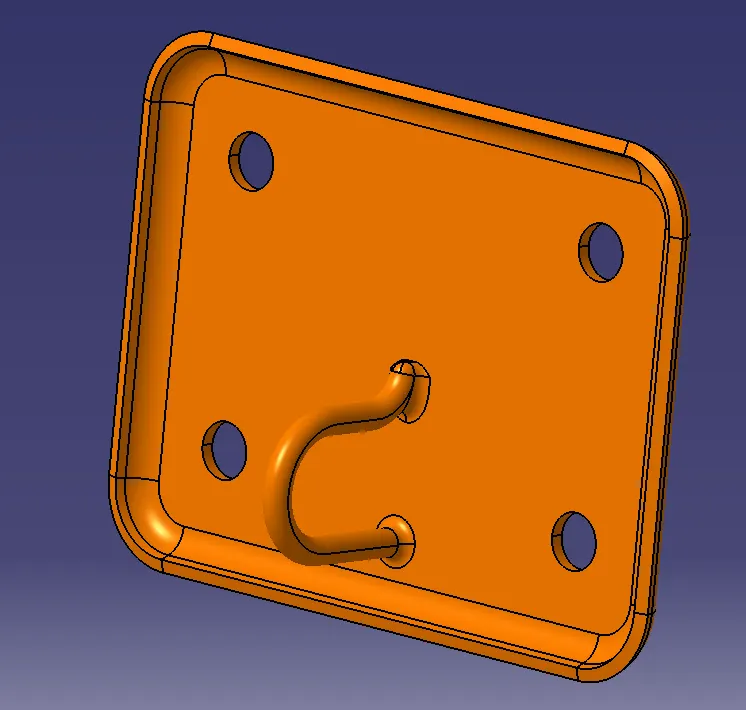
Striker assembly
Stricker is used to locking the hood with the car.
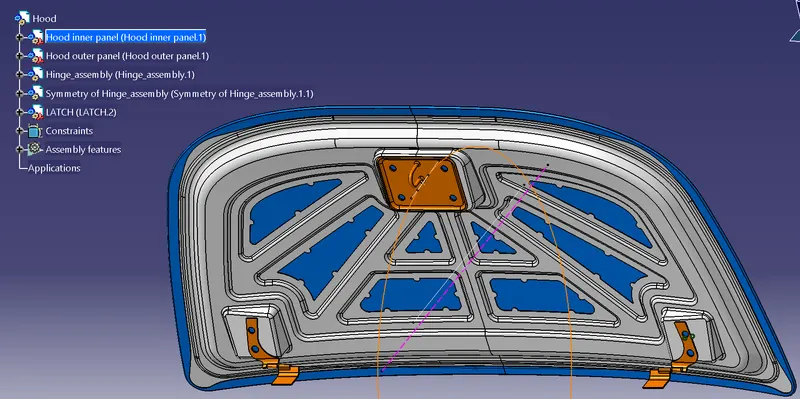
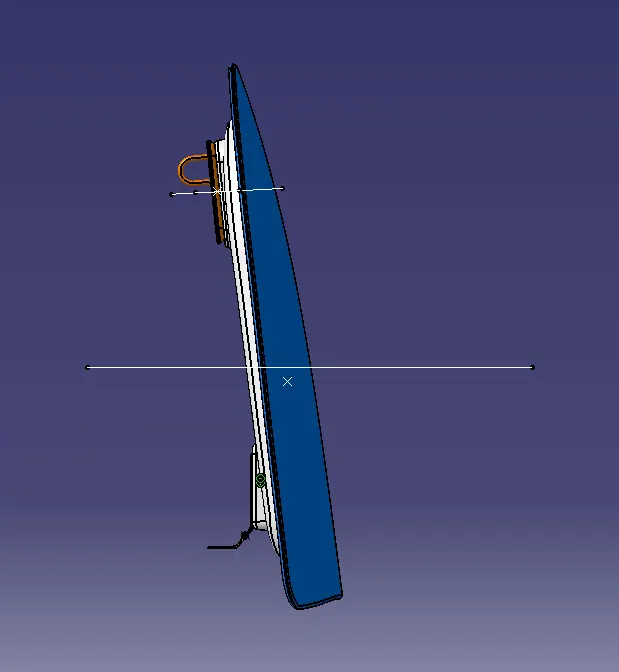
Different views of the Hood are shown below.