Hood design-Week 2
Designing Of Automotive Hood–
What is a hood?
A car hood also referred to as a bonnet in some other countries is the hinged cover that rests over the engine of a front-engine vehicle. Its purpose is to provide access to the engine for repair and maintenance. Hoods sometimes also contain a hood scoop, wiper jets, power bulge, and/or hood ornament.
This is designed from an aesthetic appeal, aerodynamically and from a safety perspective. The bonnet is designed in order to reduce air resistance as it drives.
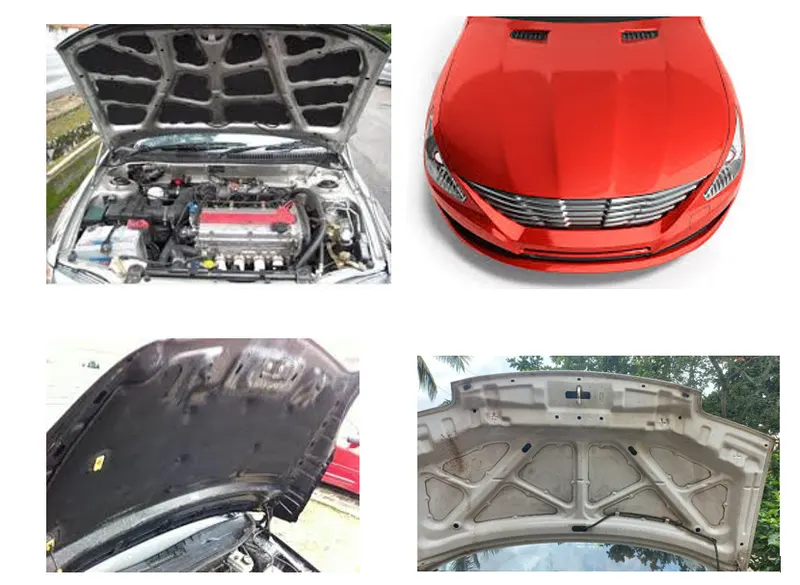
Examples of some car Hood
Study of pedestrian safety-
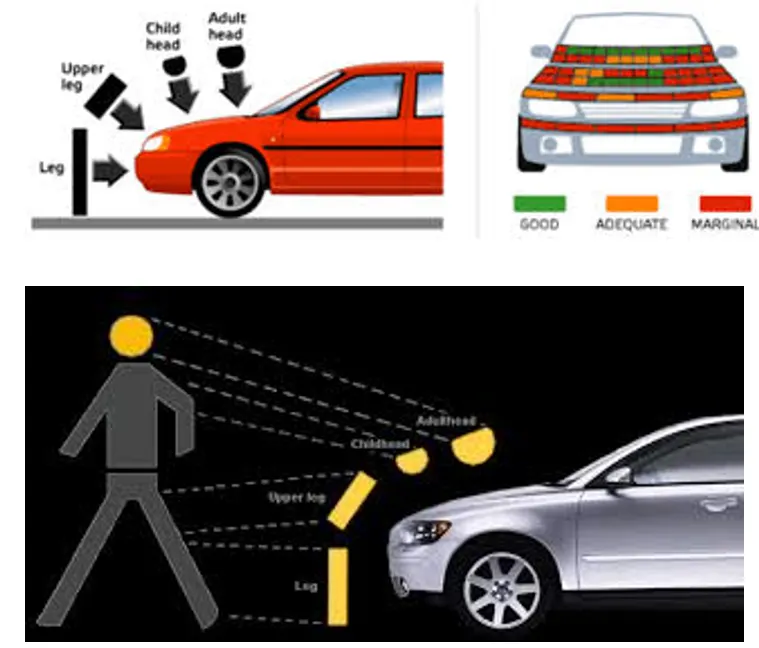
Many pedestrian crashes involve a forward-moving car In such a crash, a standing or walking pedestrian is struck and accelerated to the speed of the car and then continues forward as the car brakes to a halt. The pedestrian is impacted twice, first by the car and then by the ground, but most of the fatal injuries occur due to interaction with the car. Vehicle designers usually focus on understanding the car-pedestrian interaction, which is characterized by the following sequence of events: the vehicle bumper first contacts the lower limbs of the pedestrian, the leading edge of the hood hits the upper thigh or pelvis, and the head and upper torso are struck by the top surface of the hood and/or windshield.
Improving head protection we need to improve the under-bonnet clearances, locating softer components at the top of the engine and avoiding localised stiffness of the bonnet in favour of a more distributed structure.
Manufacturing methods and processes involved-
- Deep drawing is used for the manufacturing of the inner panel.
- The material used is aluminium, as it is soft and lightweight, can absorb crash energy.
- No sharp corners inside the panel
- No negative draft
- Provide appropriate corner relief on the area of curvature
- Outer Panel Thickness=0.75mm
- Inner Panel Thickness=0.75mm
- Reinforcement Thickness=1.5mm.
Designing of Inner panel-
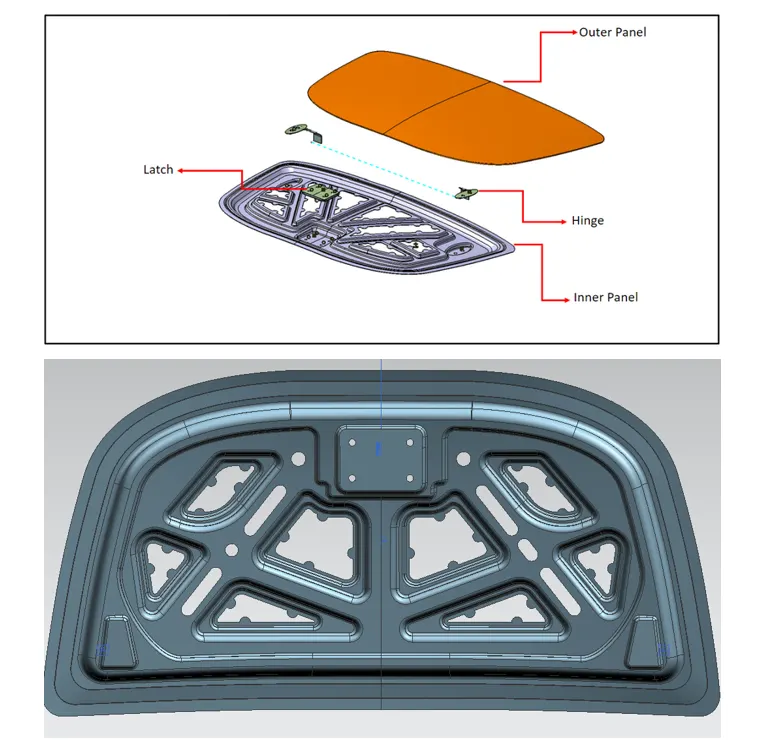
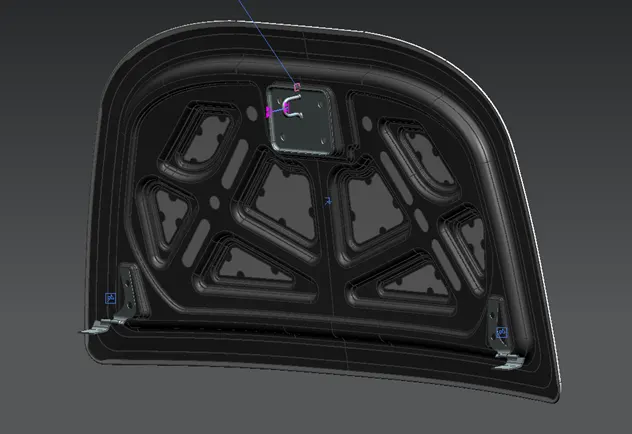
In this assignment, the Outer panel, Hinges, striker assembly are already provided in the IGS file. With respect to these parts I have designed the inner panel and assembles it.
For the inner panel, the data was given in this master section below!!
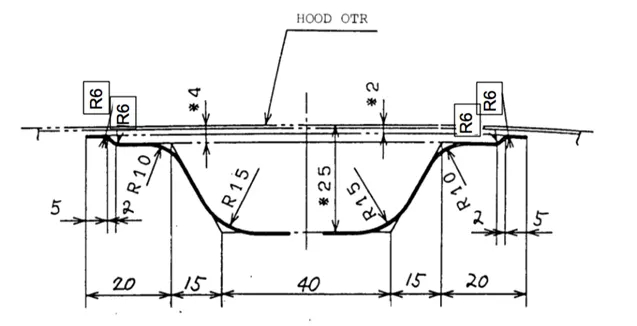
By using the master section given before, The flanges and bends and embosses are created while designing the panel.
Embossing is a metal forming process for producing raised or sunken designs or relief in sheet material by means of matched male and female roller dies, theoretically with no change in metal thickness, or by passing sheet or a strip of metal between rolls of the desired pattern. This is important because embossing improves the strength of the sheet. The cut-outs in the sheet are made to reduce the weight.
Embosses are designed with respect to the drafting angles and are given enough drafting angles.
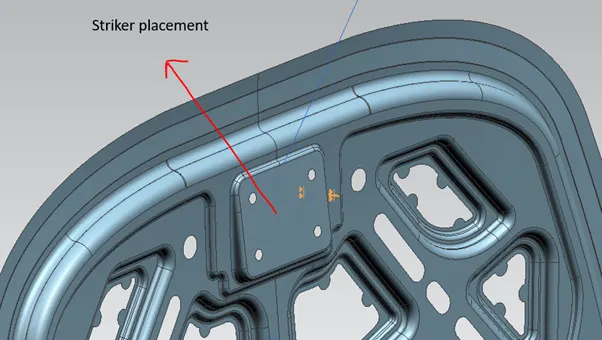
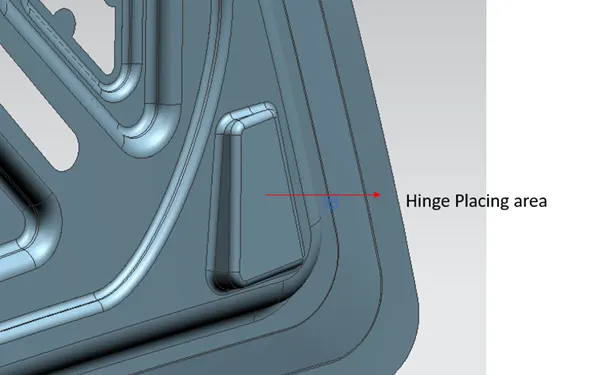
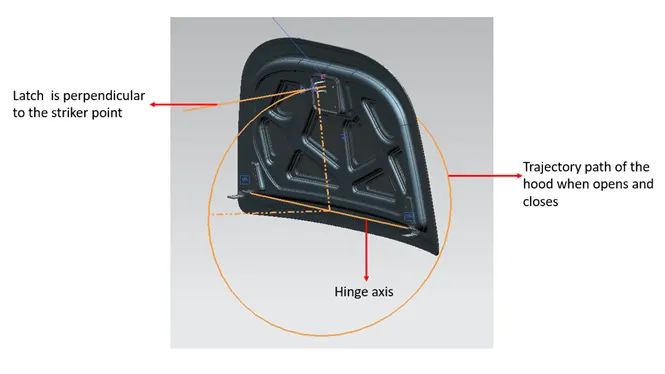
Reinforcements like striker and hinge are assembled to the inner panel. An emboss is also made to accommodate those 2 reinforcements.
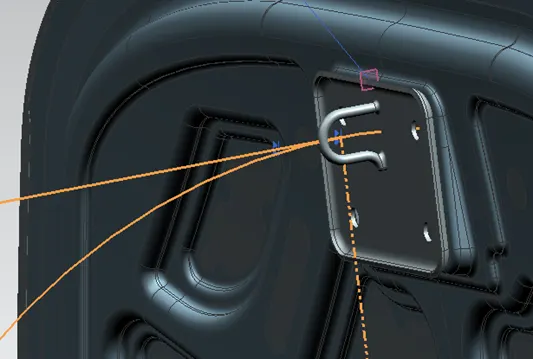
Joining Inner panel and outer panel using Mastic sealants-
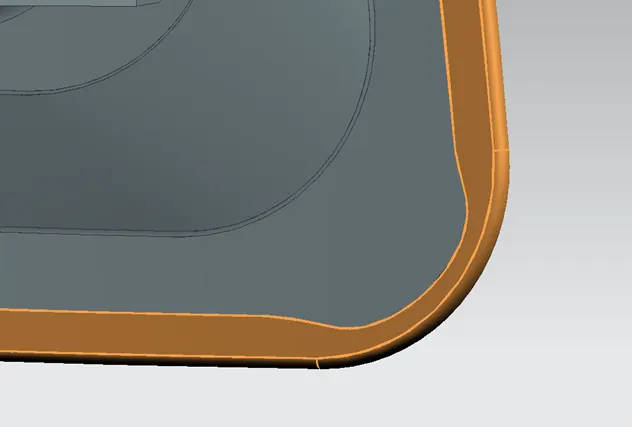
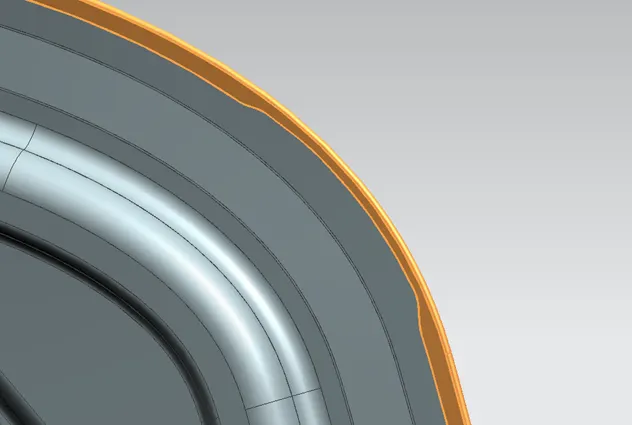
The outer panel and the inner panel is fitted by a hem flange. But in the mid-region of the hood, we cannot join the 2 panels by screwing and riveting or spot welding, if we do that then there will be no aesthetic look to the hood, so these mastic sealants are used to join and adhere to the inner and outer panel. The mastic is a liquid rubbery material that expands and becomes hard when heated.
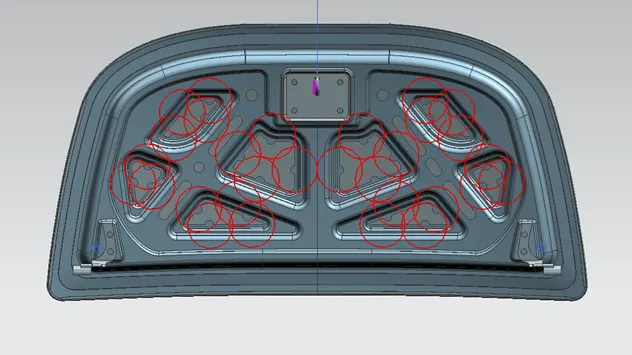
Hemming Joint-
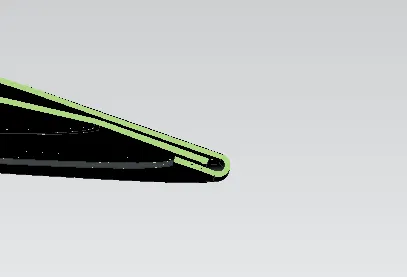
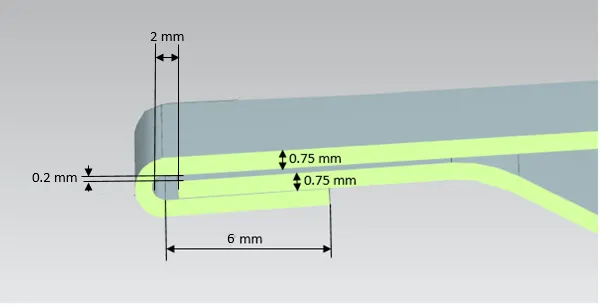
Hemming is a forming operation in which the edges of the sheet are folded or folded over another part in order to achieve a tight fit. Normally hemming operations are used to connect parts together, to improve the appearance of a part and to reinforce part edges.
Corner reliefs at the front and rear corners-
Sheet metals are subjected to bending and etc, which alters the shape. This results in stresses and deformation, to reduce the stresses while operations the presence of reliefs reduces the stress and avoids sheet tear or ununiform bending/ appearance.
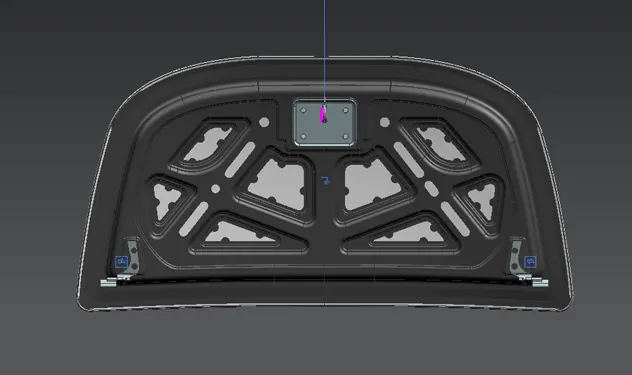
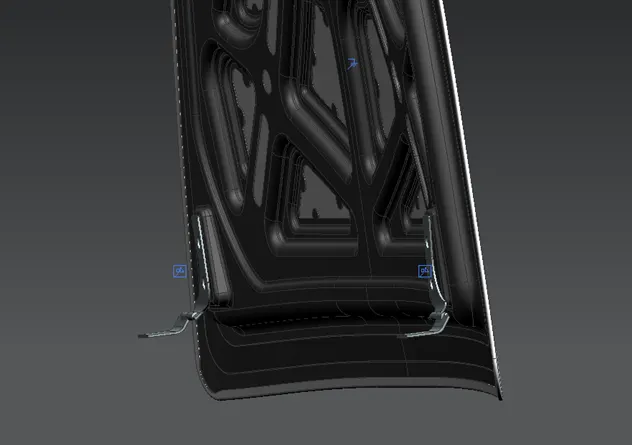
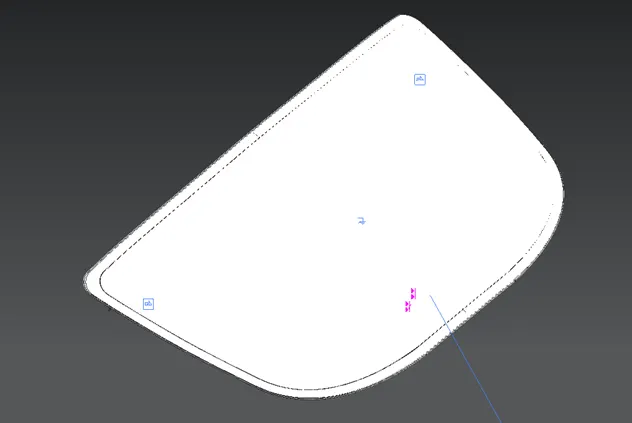
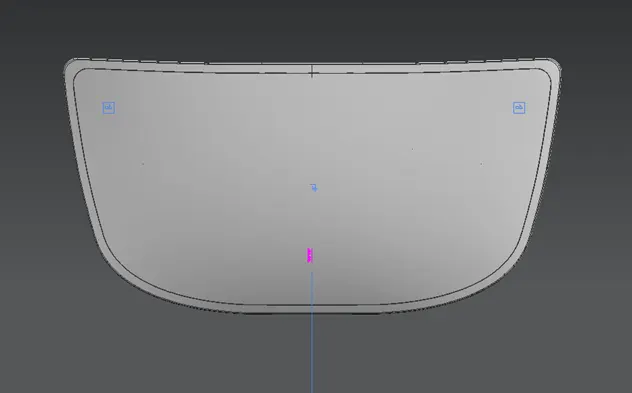
Different views of the model –
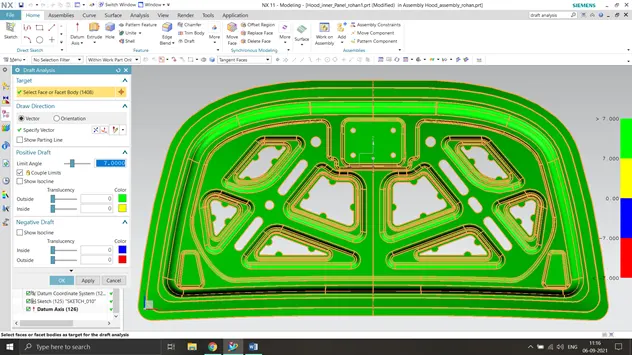
Draft analysis-
The Draft Analysis command enables you to detect if the part you drafted will be easily removed. This type of analysis is performed based on colour ranges identifying zones on the analyzed element where the deviation from the draft direction at any point, corresponds to specified values.