Hood design-Week 2
DESIGN OF HOOD INNER AND OUTER PANEL:-
Aim:- TO design hood outer pannel and inner panel , position the striker and hinge and providing emboss and mastic points.
Objective:-
here we are going to design and understand the concept of front mounted engine hood according to the standards. the hood is the hinged over to cover the engined motor vehical that allowes access to the engine compartmen , or trunk for the maintainance and repaired.
MATERIALS:-
hood are typicalyy made of saame material as the rest pf bodywork. this may include steel , alumanium ,fibreglass, or carbon fibre .
however ,some aftermarket companies produce replacement for steel hood in fibreglass or carbon fibre to make the vehival lighter.
Design considerations :-
1- outer panel thickness =0.75 mm
2-inner panel thickness =0.75 mm
3-reinforcement thickness =1.50 mm
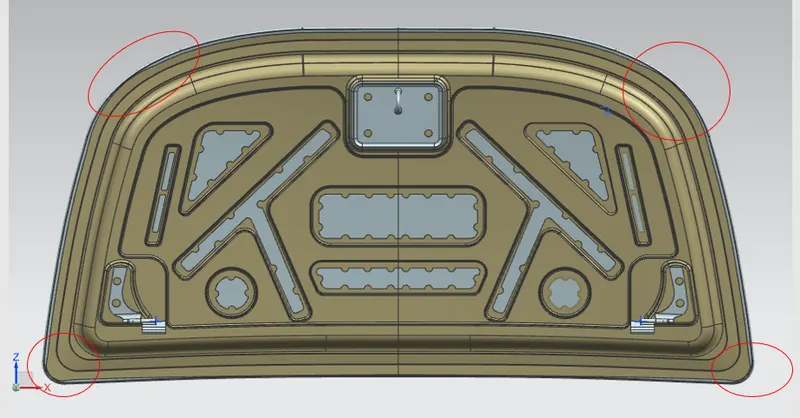
4-providing relief a corner to reduce stress concentration
FUNCTIONAL AND SAFETY REQUREMENT:-
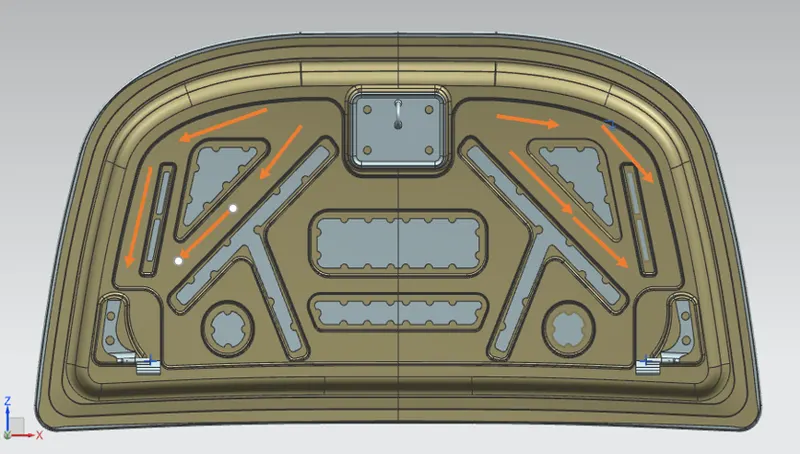
1- the important criteria to be considered is during frontal collision , the hood should br design in such way that the crash force is dissipated evenly in the outward direction toward thr hinge, so that passenger safety is ensured
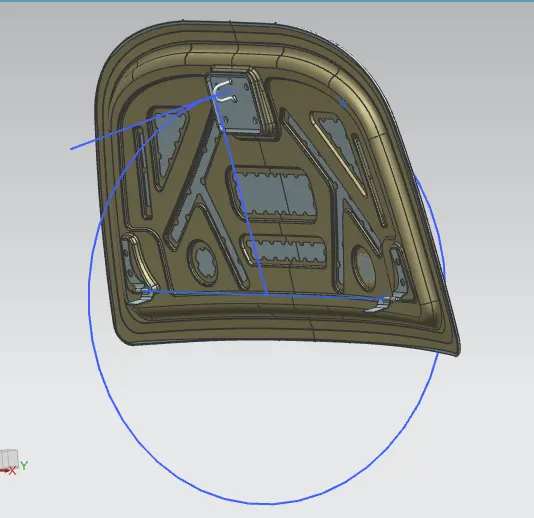
2- the functional aspect of the hood is the hod openning angle , to do that we tentatively place the hinges and draw an axis which is passes through the hinge points. then we take the centre points 9optained from the tow higne points )
and draw a circle which passes through the latch centre. the circle draw should be locally perpendicular to the latch to ensure proper closing of hood.
Procedure:-
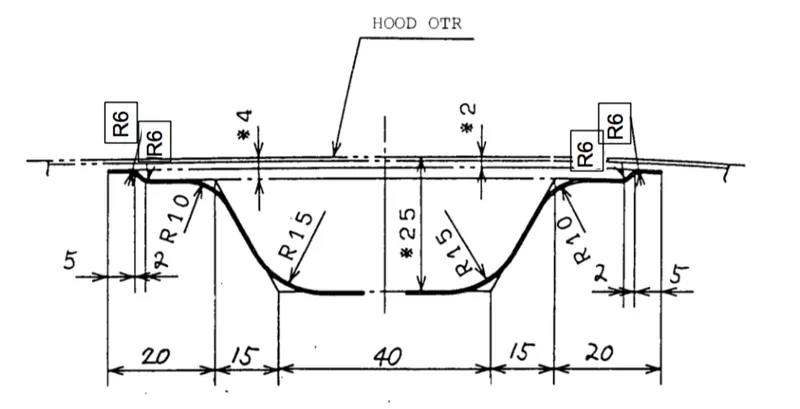
1-creating the hood inner panel using the master section as shown below.
2- creating the emboss so as to dissipate the crash force toward the hinge
image
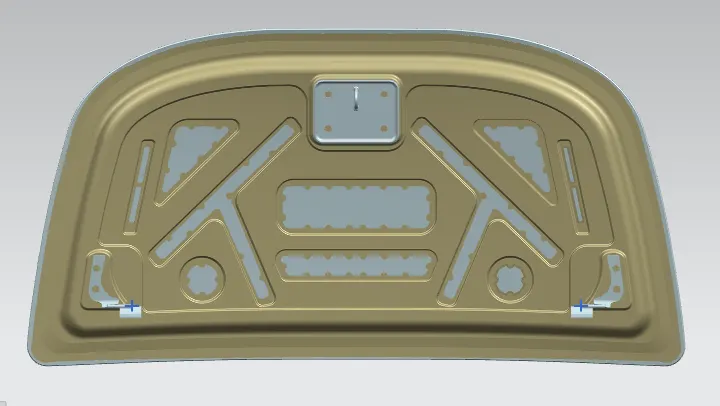
3-Placing the hige and striker by providing appropriate embosses.
image
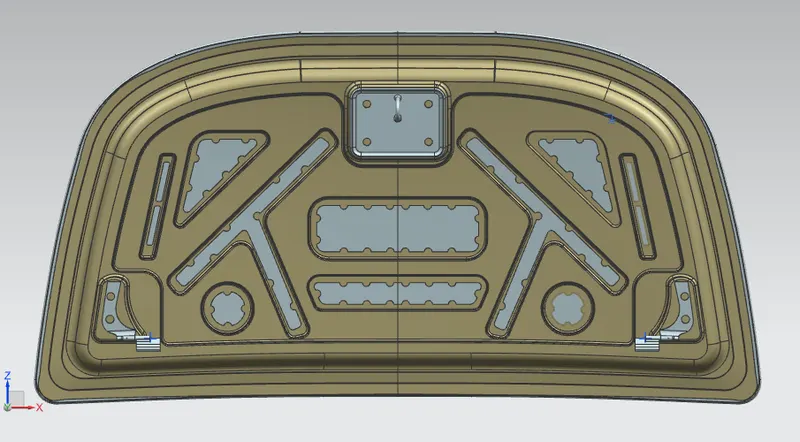
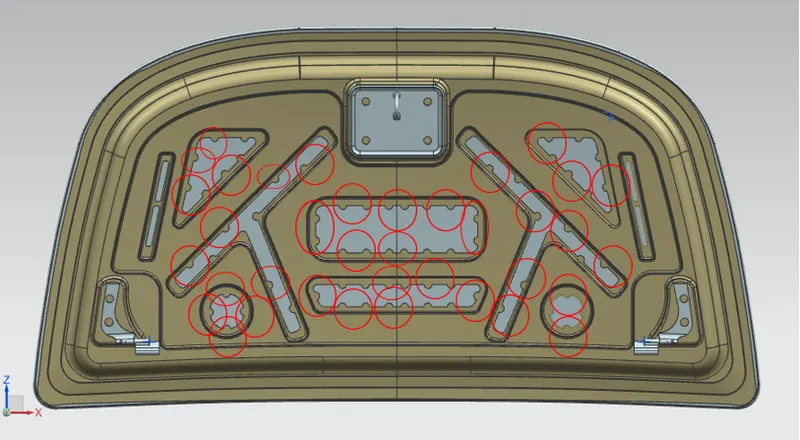
4-providing mastic points for appling mastic which are rubber like material ,which when heated spread evenly and help in reducing noise ,vibation and harshness.the mastic have influence area of 80 mm diameter .the influence area shown below.
image
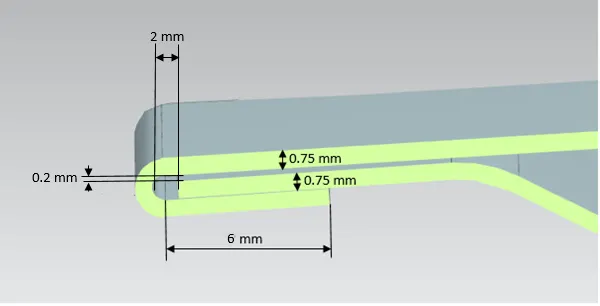
5-Development of hood outer flange by hemming and maintainning the gap as per master section.
HEMMING:-
Hemming is the process of joinning inner and outer panel together. A set of rollers roll the sheet with inner panel 3-4 times to get the desired result .
The gap is then filled with sealants to make joint waterproof.
6-Providding reliefs at corners to reduce stress concentration.
HOOD COMPONENT:-
LATCH:-
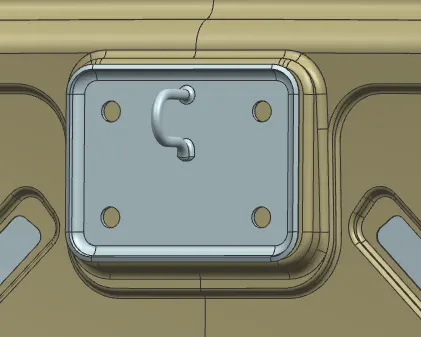
A hood latch is a very simple component .its basically the fastener that keeps youer hood closed shut . this ltach ensure that youer hood is securly connected to youer vehical and that it doesn't pop open unexpectedly.
HINGE:-
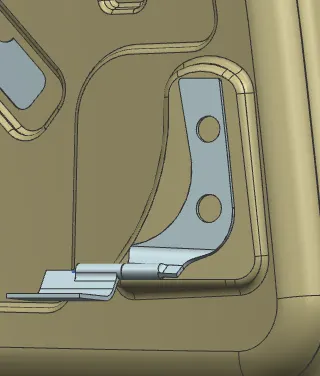
hinge is a component that fixes the hood to the fender of the car . the latch must be fixed perpedicular to the hinged axis so that hood opens or closed properly.
DRAFT ANALYSIS:-
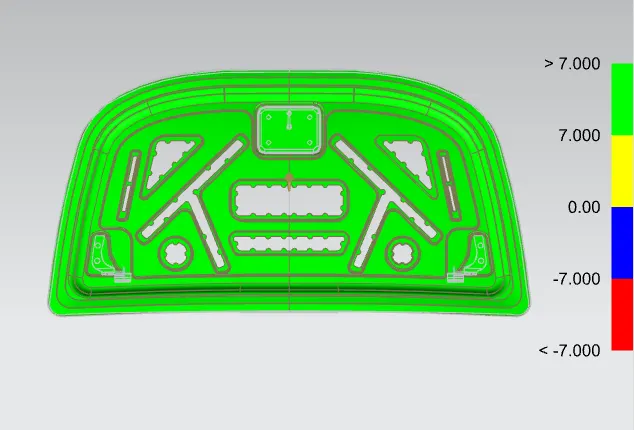
7 degree of draft analysis is made to rhe inner pannel tp find any negative draft. this process is done because we need to develop and submit a positive design to manufacturers. we can see that there is no negative draft by the inner pannel , hence the design is positive and redy to manufactre.
ASSEMBLY HOOD DESIGN:-
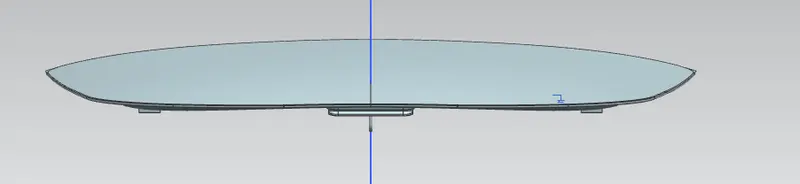
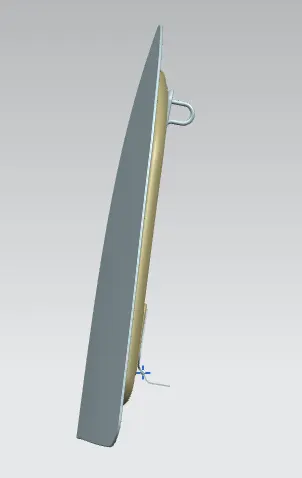
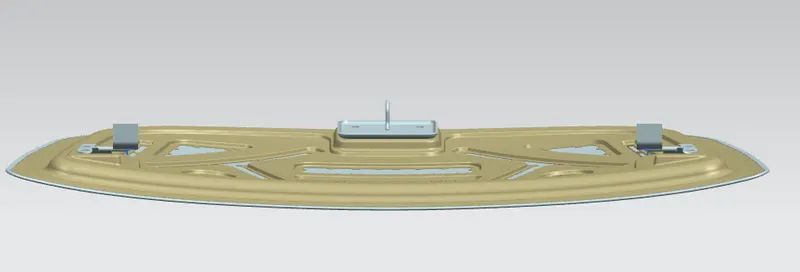
CONCLUSION:-
There , we have designed a hood that fall under the rules and regulations of the manufacture's standard.