Hood design-Week 2
In this Challenge we are going to learn about the Hood Design.
First we know about the Hood and its working. The Hood is a component that is used to cover the Engine Area and also designed with Aerodynamics to move the Car with high speed to penetrate the Air. It also designed for the safety of Passenger and the Pedestrain.
The safety for the Pedestrain is the design of the Hood Inner Panel with a Hollow space in center where the Pedestrain Head get hit during Accident. Due to the Hollow space in the Inner Panel, the Outer Hood Panel will act as a soft material during the accident and cause less damage to the Pedestrain.
For the Passenger the Emboss which is created in the Inner Panel distribute the Tension to the Outer part of the Hood and reduce the damage which will happen in the Passenger Cabin during the Accident. The Reinforcement were added in some areas of the Hood Inner Panel to increase the Strength and the Safety.
In this Challenge the Assembly of Hood Inner and Outer Panel, Striker Mount, Hinge is Assembled and Added to the Final Hood Design.
Hood Inner Panel:
This is the Panel were all the Research and Design takes place to Safe Guard the safety of the Passengers and the Pedestrain. In this Inner Panel the Emboss, Reinforcements were added to increase the Safety and Strength and to reduce the Accident damage to the Passenger and the Pedestrain.
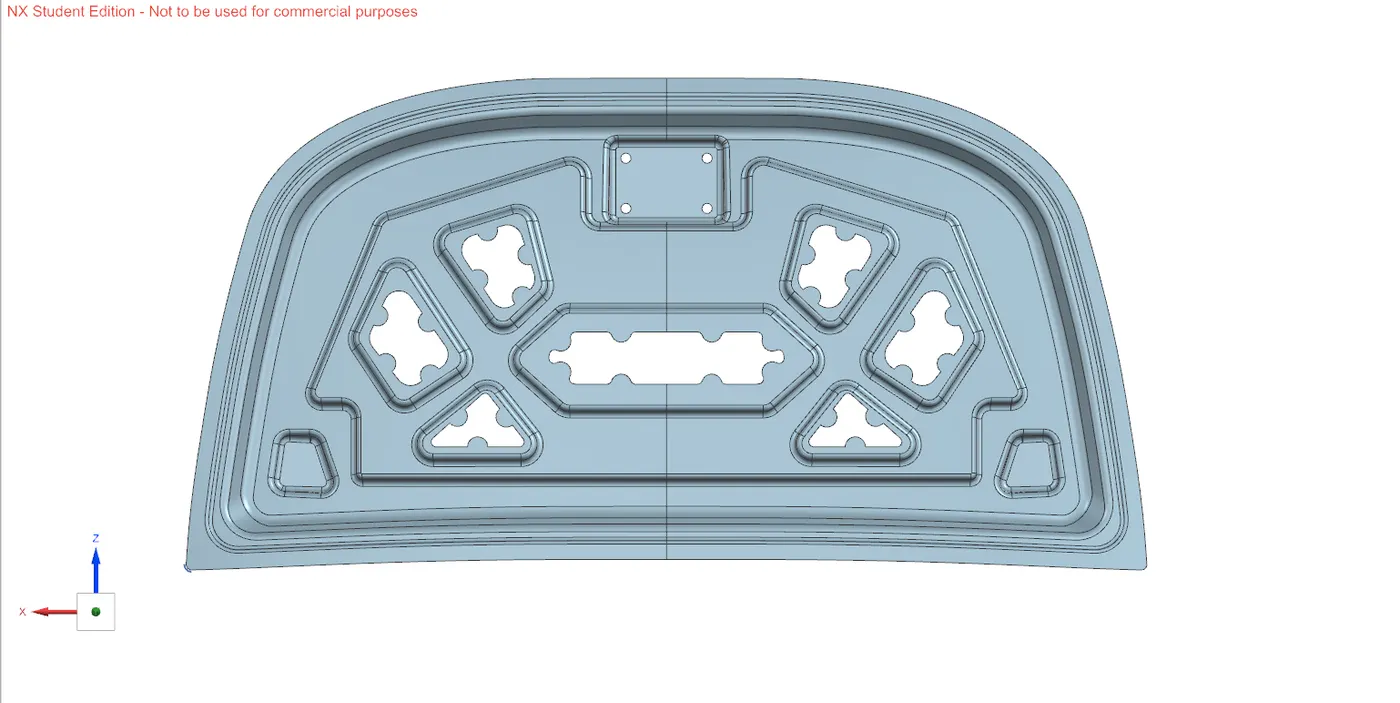
Fig 1. Hood Inner Panel
Hood Outer Panel:
The Hood Outer Panel is the top layer of the Inner Panel were the Pedestrain get hit during Accident. This Outer Panel covers the Inner Panel as well as the Engine. This Panel is designed with Aerodynamic and with a good look in design to impress the Customer.
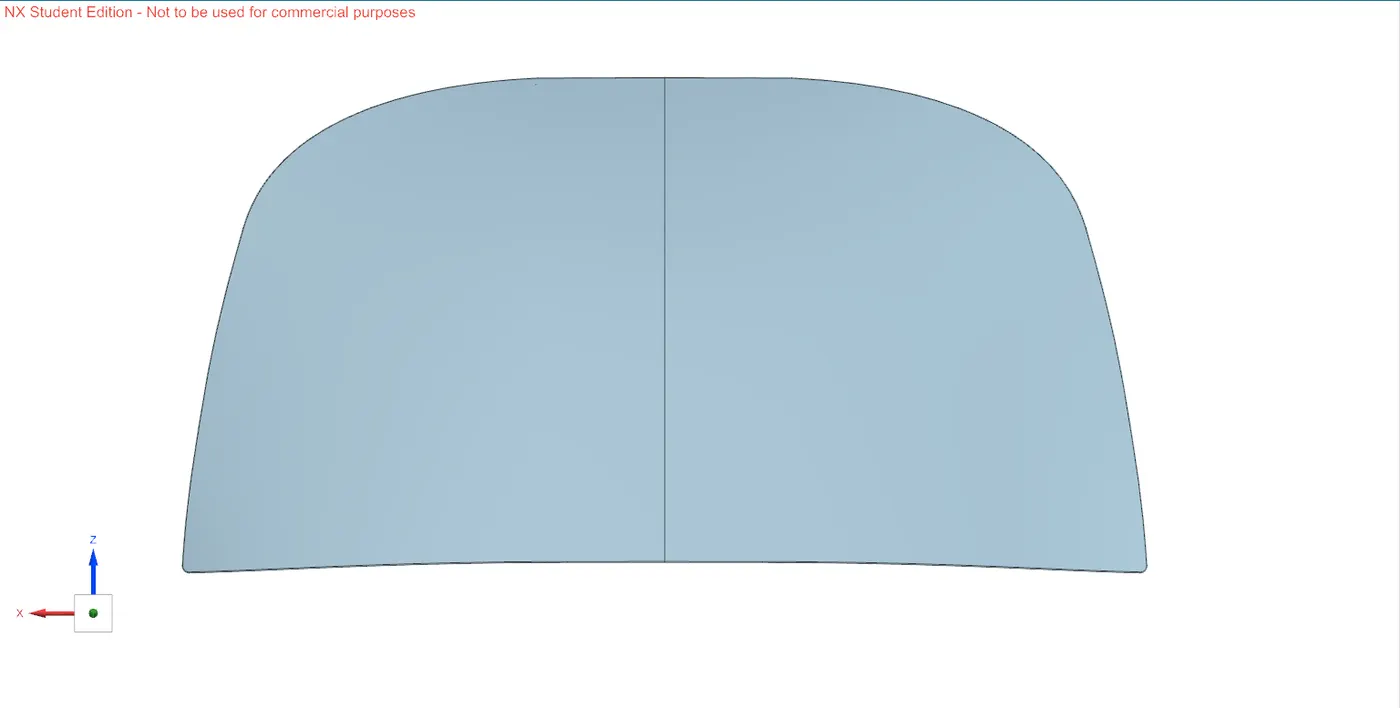
Fig 2. Hood Outer Panel
Hinge Assembly:
Hinge is a part which fix the Hood in the Fender of the Car and helps to open and close the Hood to check the Engine or any other thing.
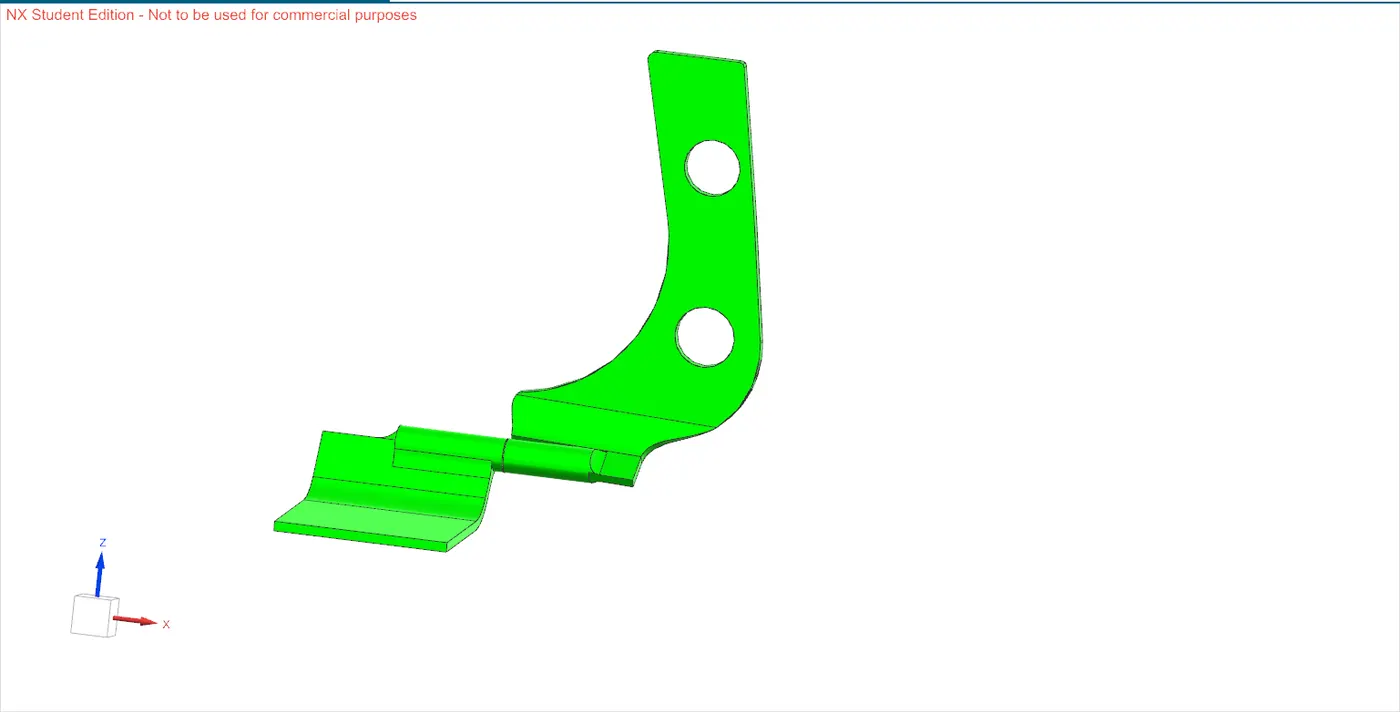
Fig 3. Hinge Assembly
Striker:
This striker part is fixed in the front area of the Hood and it helps the Hood Panel to get Locked with the Fender area.
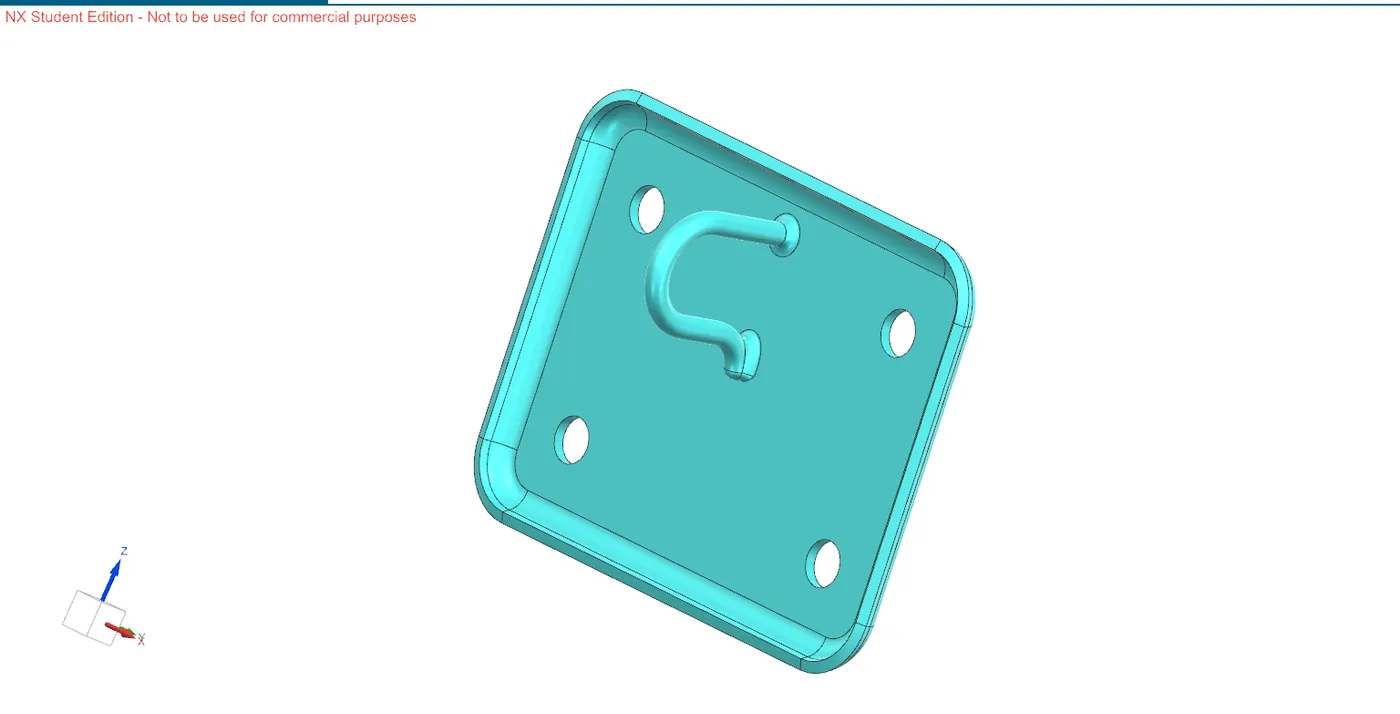
Fig 4. Striker Part
The Process involved in Hood Design are
Embossing:
Embossing is a Stambing process which is done in a high temperature. In this process the Plane Sheet Metal will be pressed with the required cavity part.
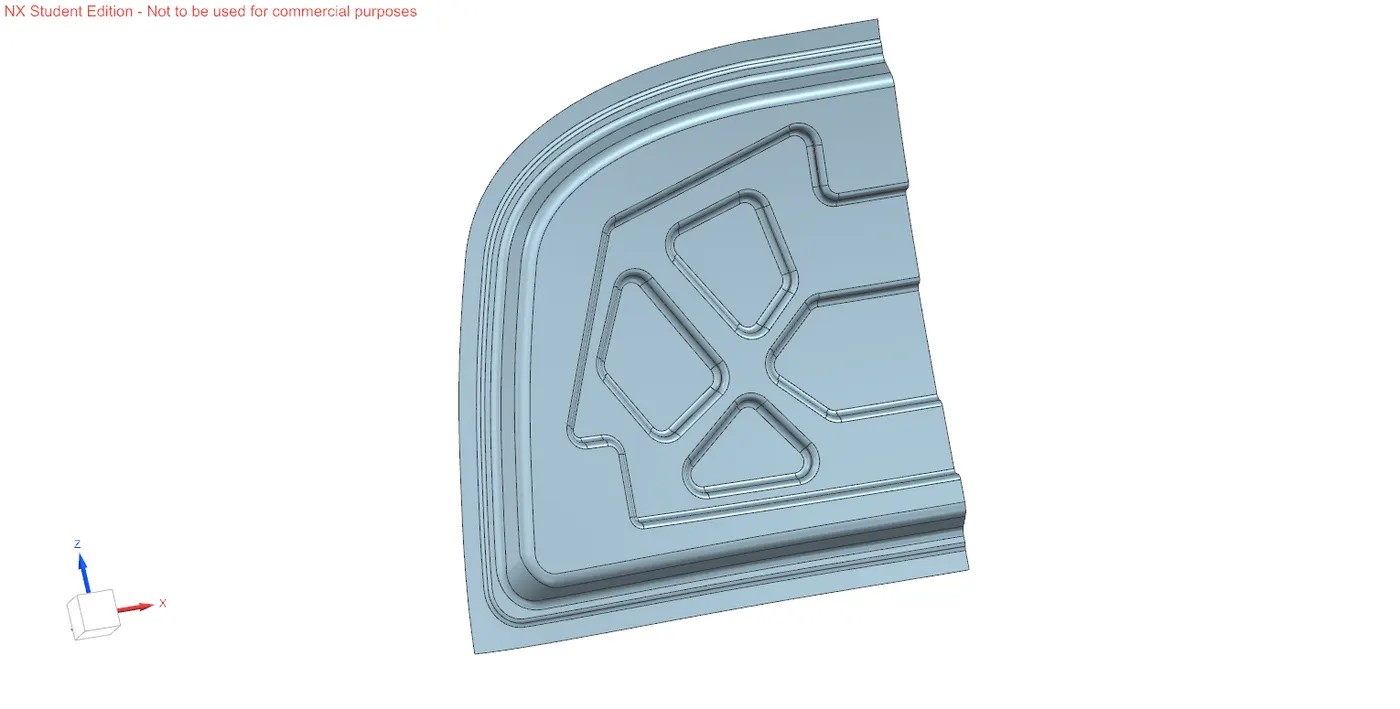
Fig 5. Emboss is created in Hood Inner Panel
Deep Drawing:
Deep Drawing is a Sheet Metal Forming process in which a Sheet Metal Blank is Radially drawn into a forming die by the Mechanical action of a Punch.
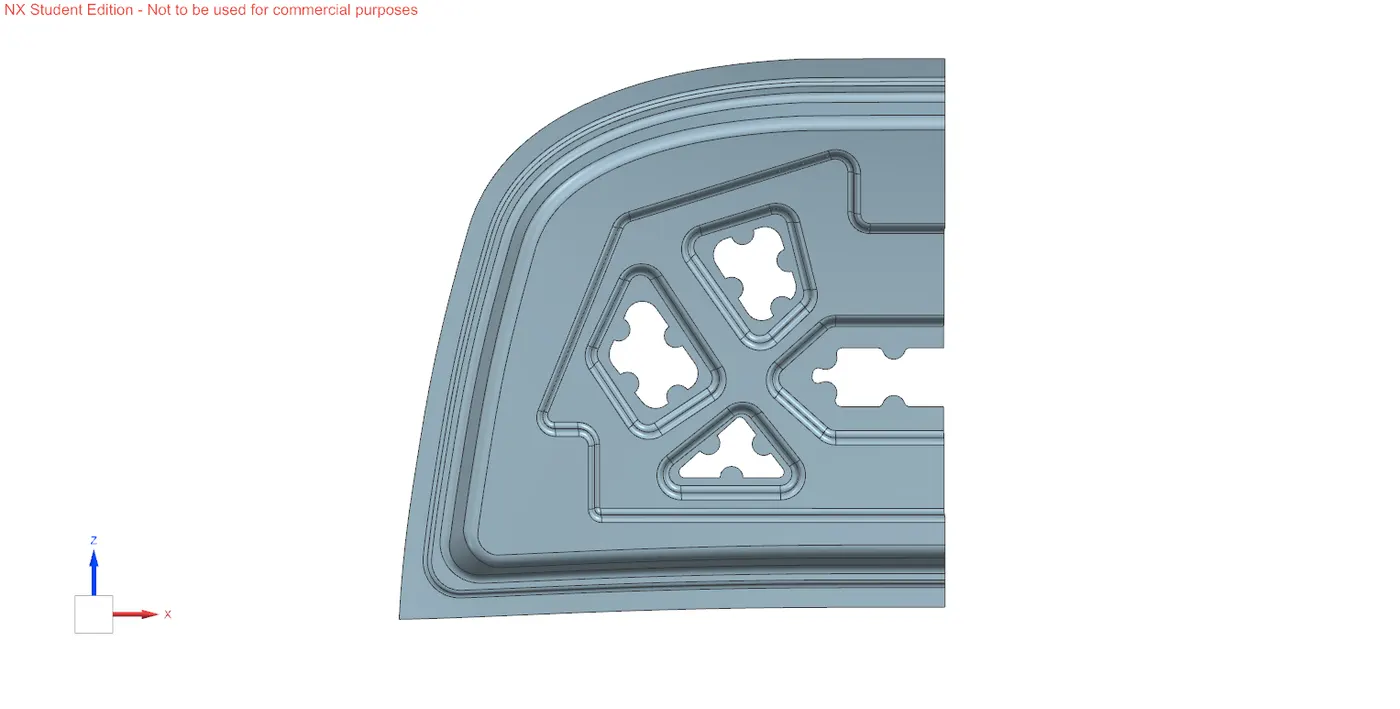
Fig 6. Cutouts in Emboss
Latch Trajectory:
The Latch Trajectory is a path in which the Striker follow when the Hood is Open or Close while turning on the Hinge Axis. The Latch Trajectory is taken as a Circle with the Hinge Axis as a center of the circle.
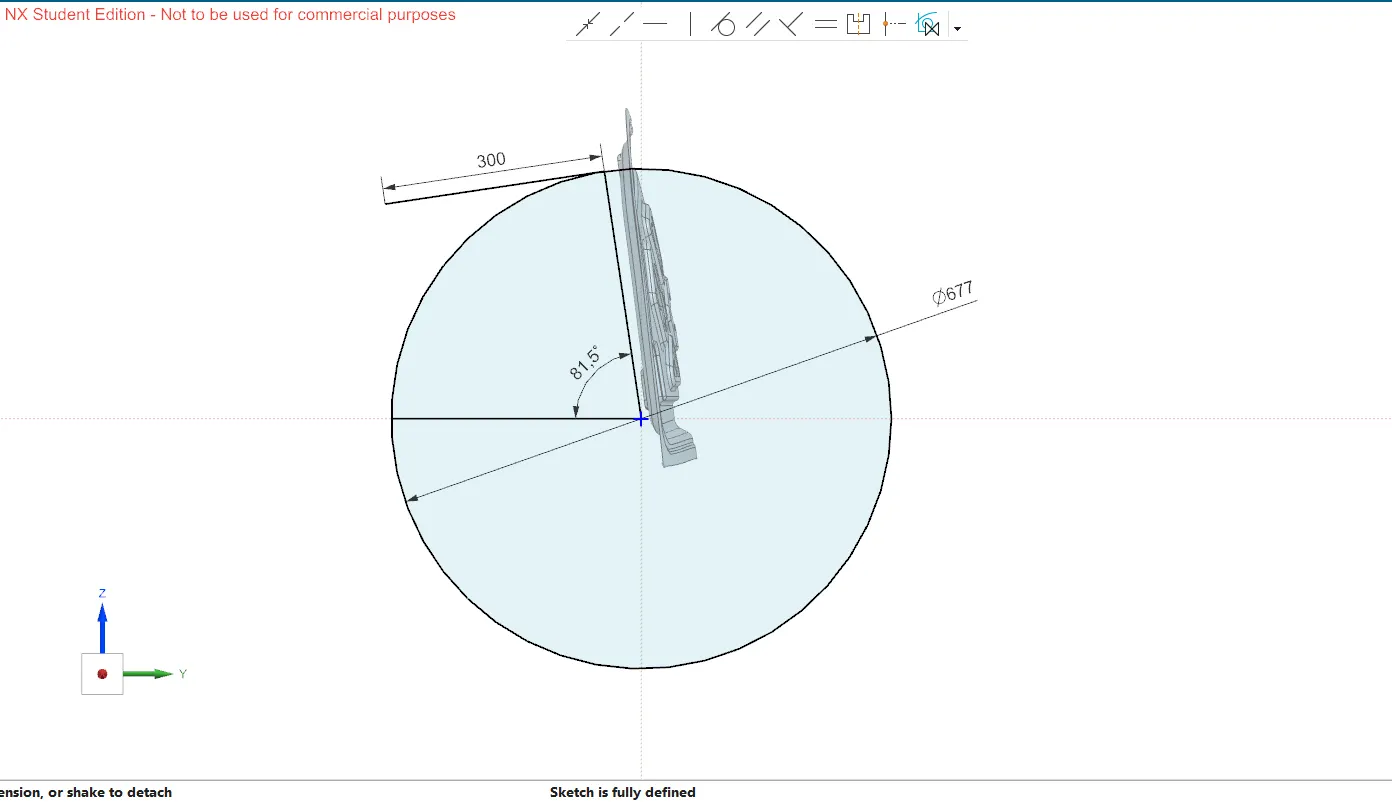
Fig 7. Latch Trajectory
Hemming:
Hemming is a process in which the Edges of the Sheet Metal are folded to 180deg to achieve a good fit. Hemming operation is used to connect the Parts together, to improve the appearance of the Part with improved Reinforcement.
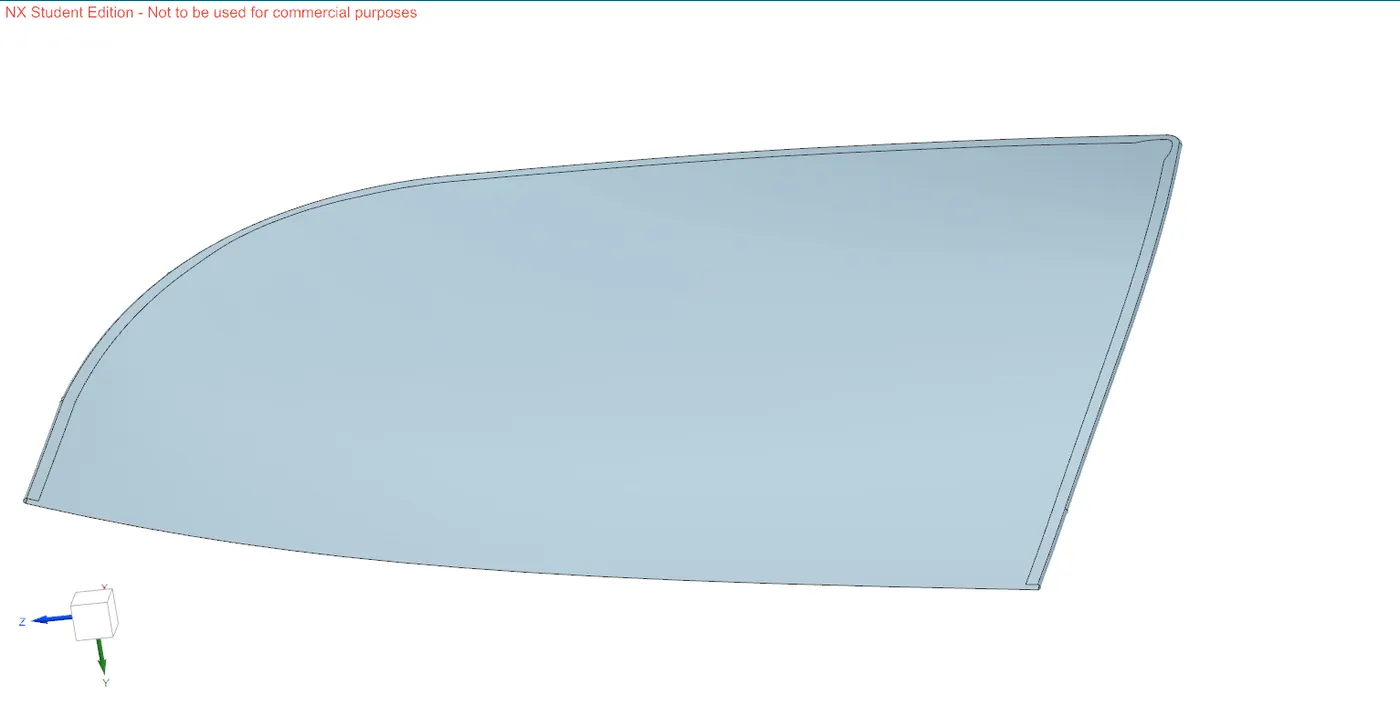
Fig 8. Hemming and Blends are done in the Hood Outer Panel
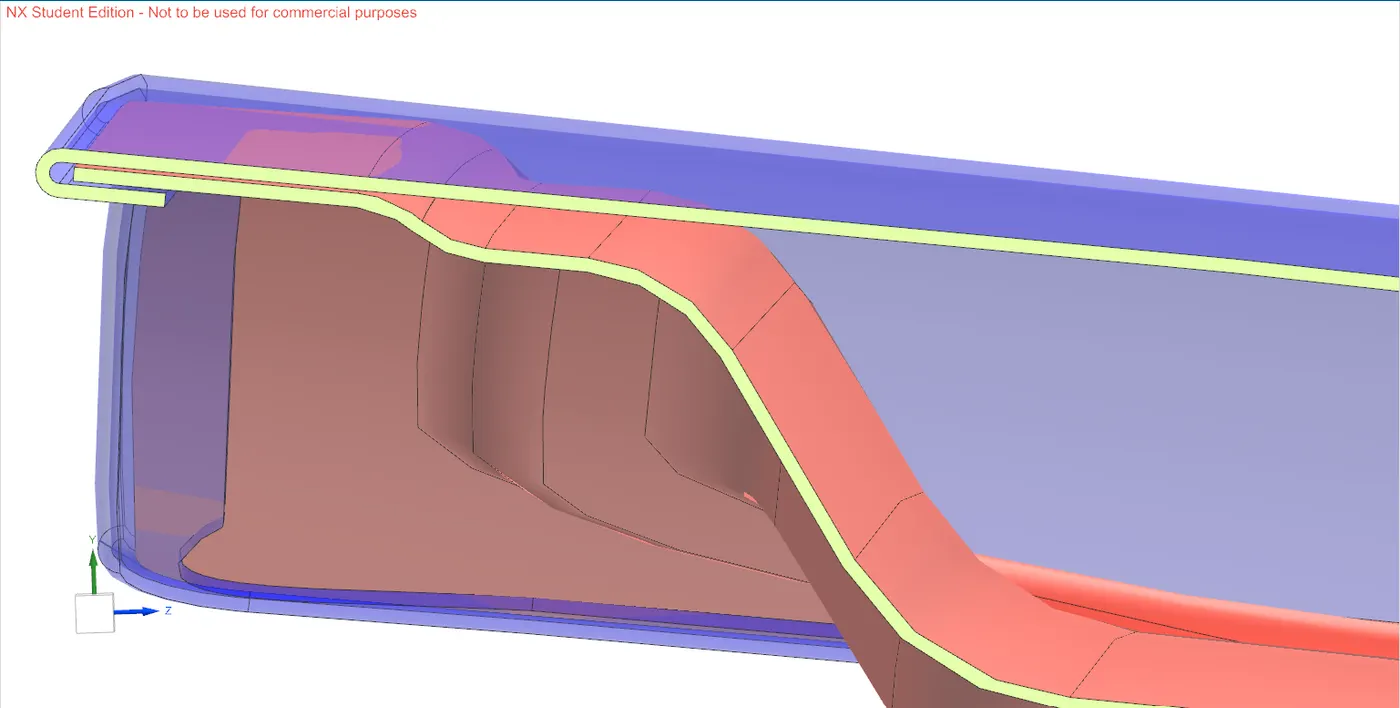
Fig 9. Hemming Process Final Output
Final Output
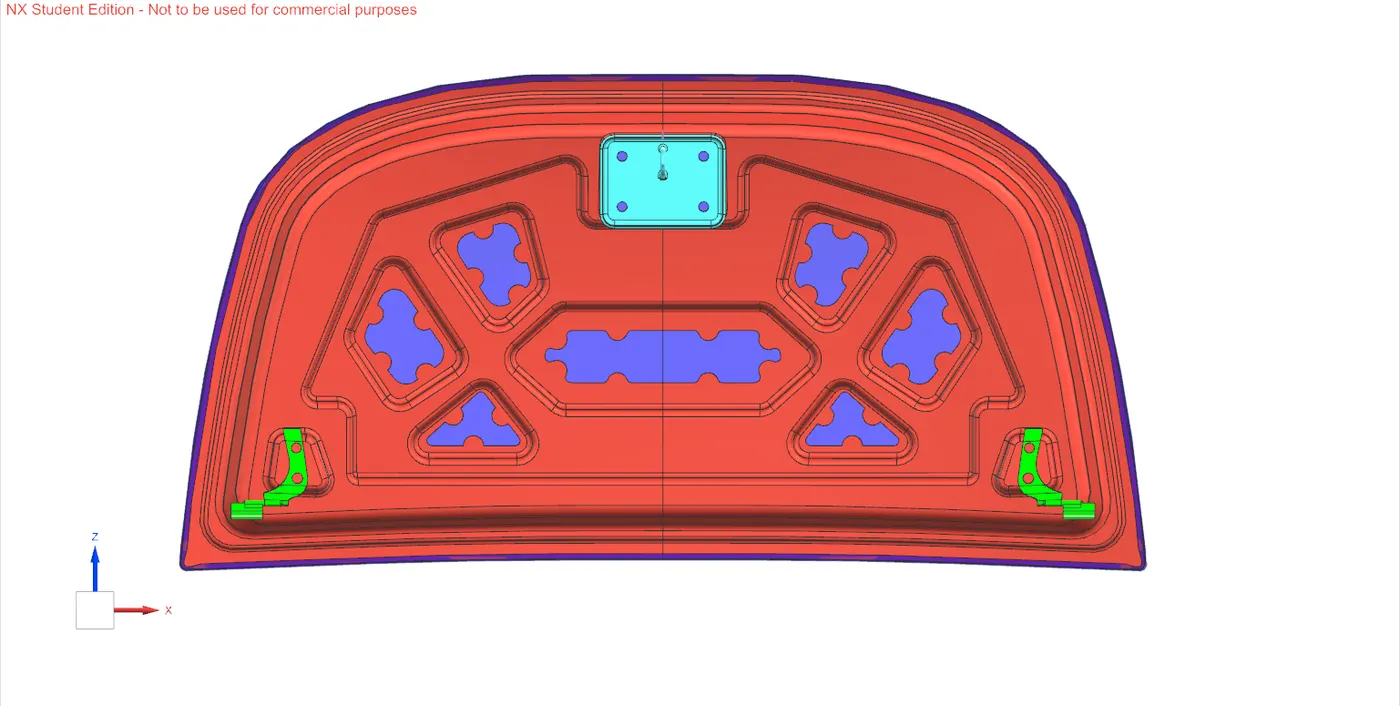
Fig 10. All the parts are Assembled in the Hood Inner Panel
The Hood Inner and Outer Panel are Thicken with 0.75mm.