Hood design-Week 2
HOOD DESIGN
Objective:
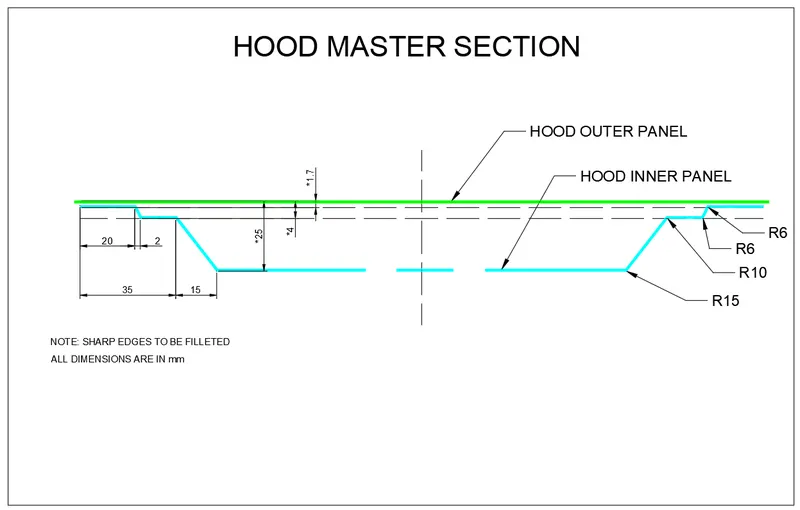
Design Hood Outer Panel, Inner Panel and the necessary reinforcements by following the Master Section mentioned with the Design parameters.
Introduction:
The hood or bonnet is the hinged cover over the engine of motor vehicles. Hoods can open to allow access to the engine compartment, or trunk on rear-engine and some mid-engine vehicles for maintenance and repair.
Hood Thickness Information:
Outer Panel Thickness = 0.75mm
Inner Panel Thickness = 0.75mm
Reinforcement Thickness = 1.5mm
Hood:
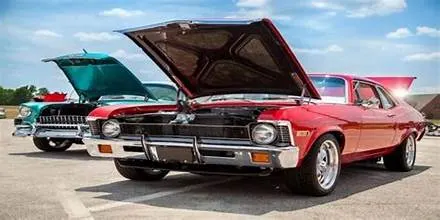
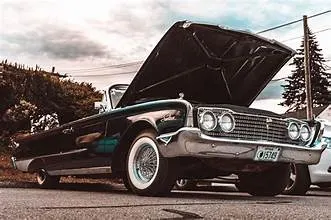
A Hood in a car, also known as a bonnet in some countries, is the metal cover that sits on top of the engine compartment. Its primary function is to protect the engine from external debris such as rocks, dirt, and insects, while also providing easy access for maintenance and repairs. The hood is typically opened by pulling a lever inside the car, which unlatches the hood and allows it to be propped open with a support rod. Additionally, many hoods are designed with aerodynamics in mind, helping to reduce drag and improve fuel efficiency.
Car hoods are typically constructed from steel and sometimes from aluminum. Aftermarket car hoods may be constructed from various other materials, including carbon fiber, fiberglass, or dry carbon. A concealed latch is typically used to lock the hood in place while driving. A release for the mechanism can be accessed from the dash below the steering wheel. On race cars and vehicles with an aftermarket hood, exposed pins may be used to secure the hood. Hoods sometimes contain a hood scoop or a power bulge to allow for greater engine capcity and airflow to increase the cars performance output.
Hoods are usually made from the same material as the rest of the body. This can be steel, aluminum, fiberglass, or carbon fiber. However, some aftermarket companies produce fiberglass or carbon fiber steel hood replacements to make the vehicle lighter.The hood release system is common on most vehicles and typically consists of an inner hood latch/lock handle, a hood release cable, and a hood lock assembly. The hood lock handle is usually located under the steering wheel, next to the driver’s seat, or in the door frame.
Parts Protected By The Hood:
The hood protects several important parts of the car, including:
- Engine: The hood protects the engine from outside elements and prevents it from being damaged.
- Battery: The car battery is located under the hood and is also protected by it.
- Air Filter: The air filter, which is essential for proper engine operation, is located under the hood and is protected from dirt and debris.
- Brake fluid reservoir: The hood also protects the brake fluid reservoir, which is vital to the car's braking system.
Hood Outer Panel:
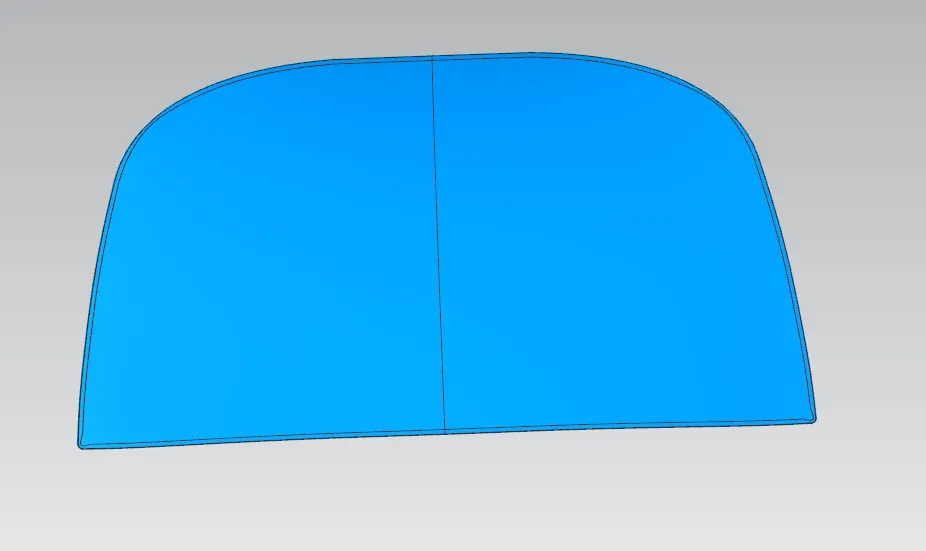
The outer panel of the hood is given to us as skin data, i used that skin data to create the hood outer and inner panel. The outer panel has the aesthetic look to it but on its own is very weak and not capable of handling force during impact. this part is provided with a good surface finish, painted with corrosion-resistant paint to prevent the inner parts from corrosion.
Pedestrian safety:
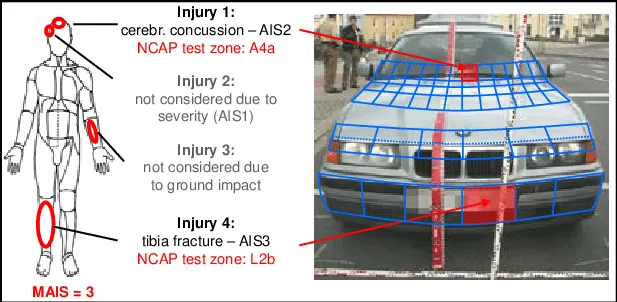
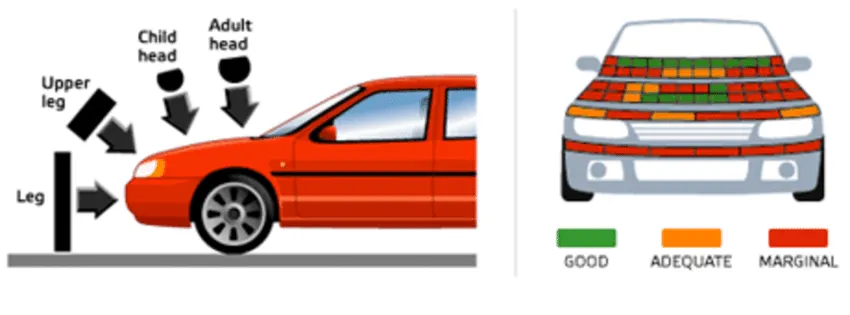
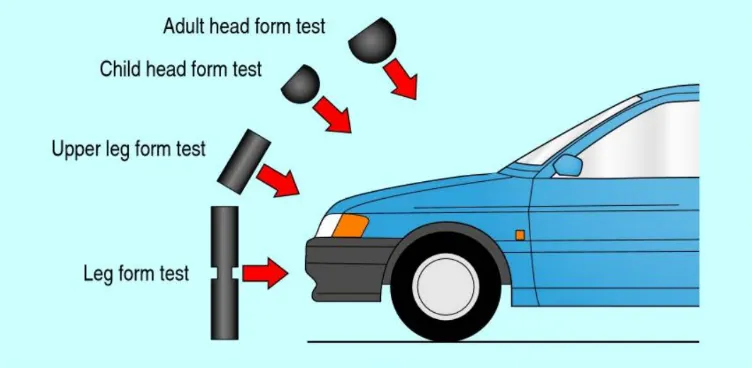
The European New Car Assessment Programme (Euro NCAP) is a European car safety performance assessment program that has developed test specifications & rating systems for assessing pedestrian injuries during impacts with the front of vehicles such tests include a series of tests using impacts designed to bio-mimic a collision at speed of 50 km/h.Padestrian safety is something which refers to the study area of hood where where different body parts of pedestrians are going to hit. whenever we design a hood it is necessary to consider the safety of pedestrians as when your car hits the pedestrian during a crash. we should also take into account the average height of adults and children while designing our hood. So, whenever a new car is been launched, all these safety parameters are checked by taking a crash test.
Ratings:
Euro NCAP's ratings consist of percentage scores for Adult Occupant, Child Occupant, Vulnerable Road Users and Safety Assist and are delivered in the overall rating of stars, 5 being the best and 0 being the worst.
5 star safety: Overall excellent performance in crash protection and well equipped with comprehensive and robust crash avoidance technology
4 star safety: Overall good performance in crash protection and all round; additional crash avoidance technology may be present
3 star safety: At least average occupant protection but not always equipped with the latest crash avoidance features
2 star safety: Nominal crash protection but lacking crash avoidance technology
1 star safety: Marginal crash protection and little in the way of crash avoidance technology
0 star safety: Meeting type-approval standards so can legally be sold but lacking critical modern safety technology
Manufacturing Process:
Deep Drawing:
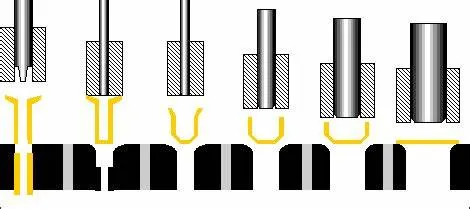
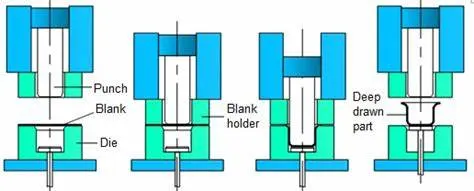
Deep drawing is a sheet metal forming process in which a sheet metal blank is radially drawn into a forming die by the mechanical action of a punch. It is thus a shape transformation process with material retention. The process is considered "deep" drawing when the depth of the drawn part exceeds its diameter. This is achieved by redrawing the part through a series of dies.
Hemming:
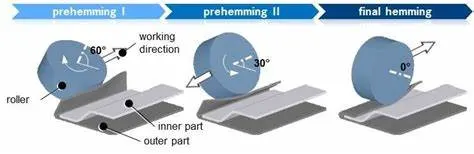
Hemming and seaming are two similar metalworking processes in which a sheet metal edge is rolled over onto itself. Hemming is the process in which the edge is rolled flush to itself, while a seam joins the edges of two materials.Hems are commonly used to reinforce an edge, hide burrs and rough edges, and improve appearance.
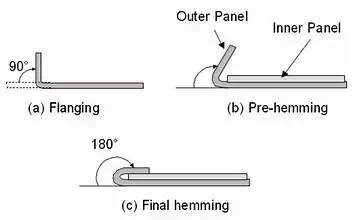
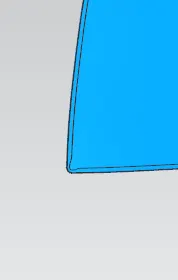
Relief is given at the tight corners to provide hemming to the outer hood panel.
Hood Inner Panel:
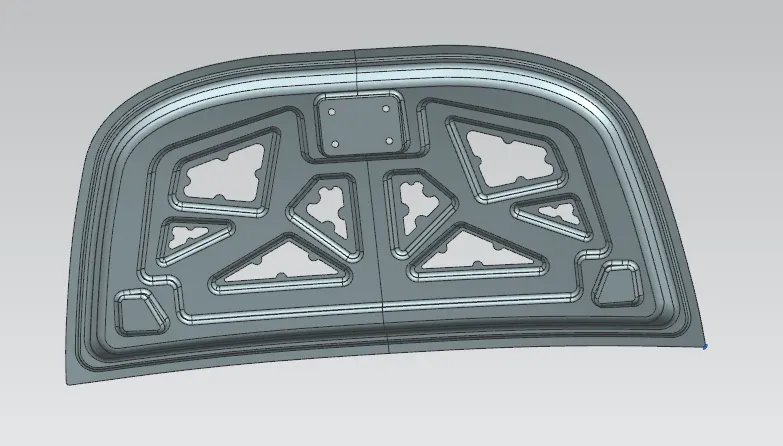
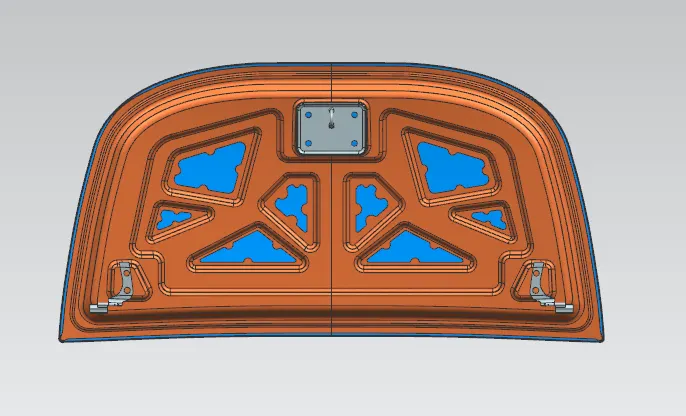
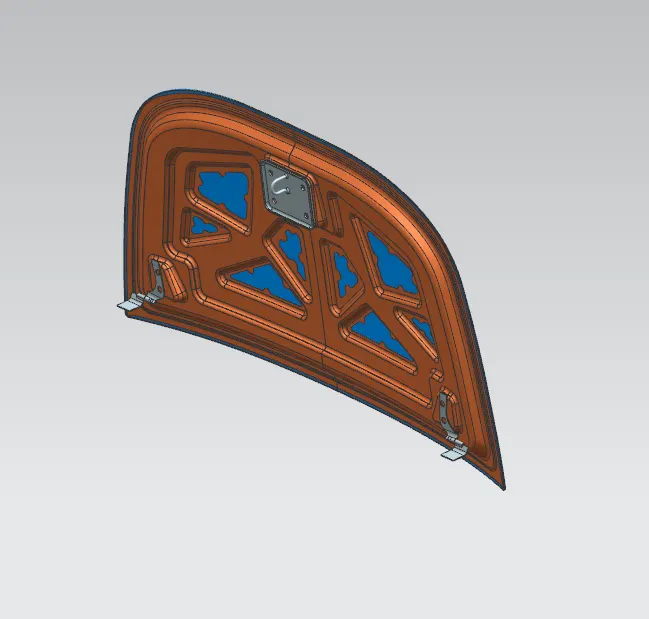
The inner panel of the hood is not visible to the customer but this is the engineering feature of the outer panel. it is the part on which hinges, striker are to be fixed to make our hood fully functional it also consists of embossed sections for proper force distribution and mastic sealant points are also located on this part with reinforcement for hinge & striker.
Import the given surface, trim the surface based on the datum plane to create the working surface.
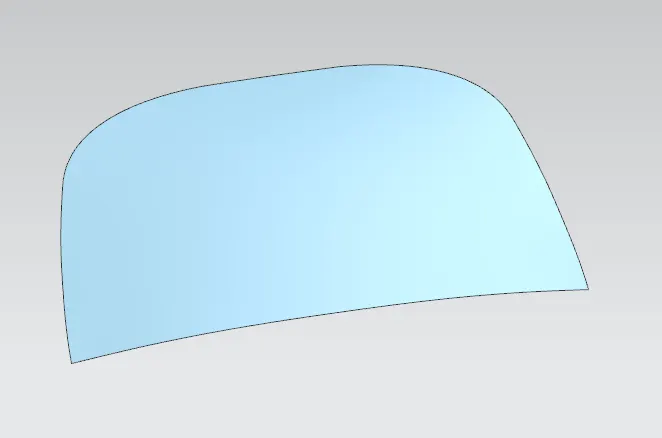
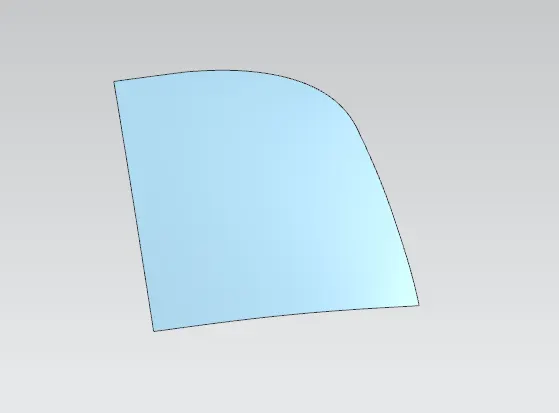
Provide the tooling axis to the working surface.
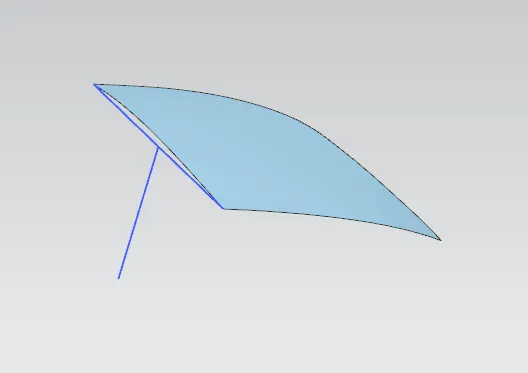
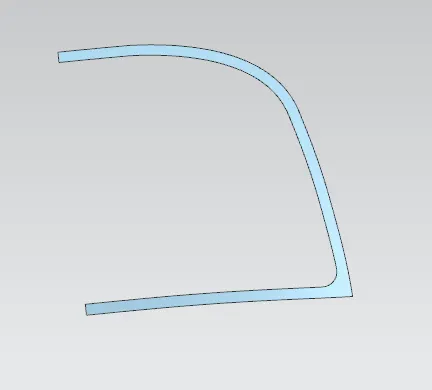
Offset the surface based on the given dimensions and provide an offset curve in face to them to create flange 1 and certainly create flange 2.
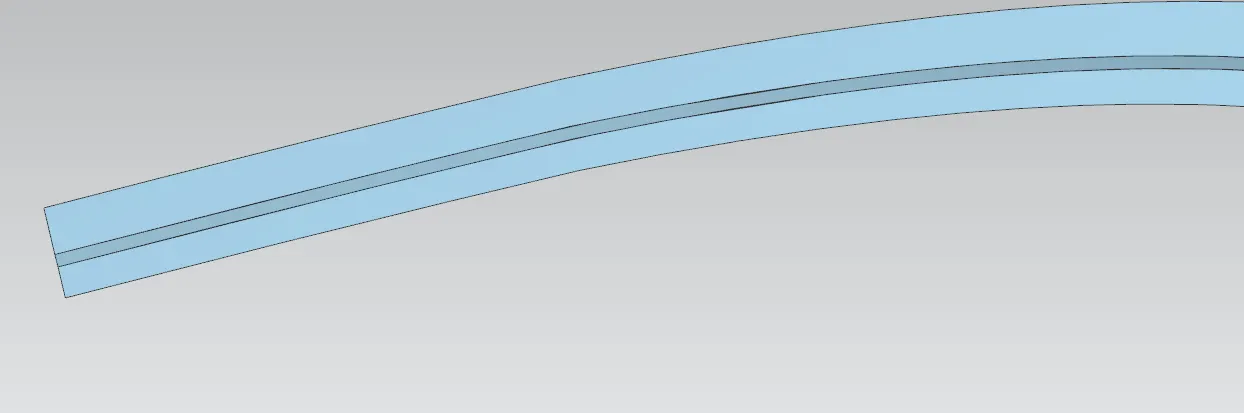
Emboss:
Embossing punching is an important technique in the automated production of car parts. This is done with embossing punching frames driven by servo motors and controlled by robots. A laser system with a sensor harness measures the car body and its machining plane so that the embossing depth can be determined with maximum accuracy.
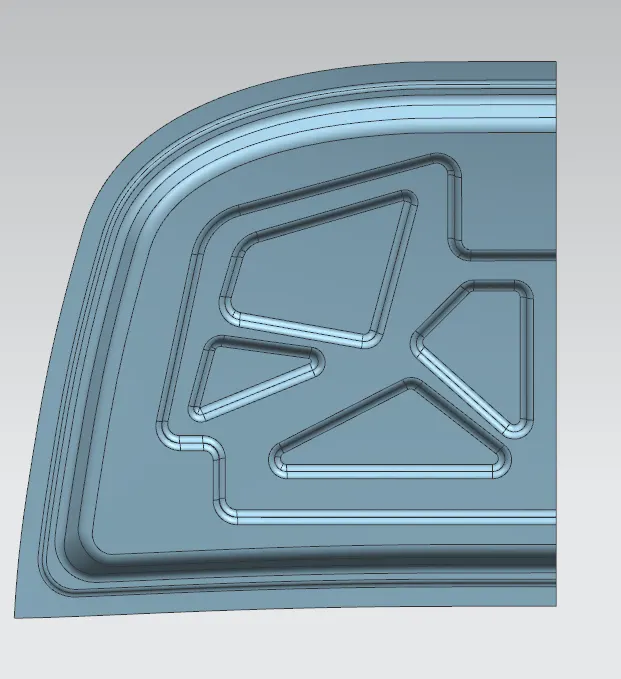
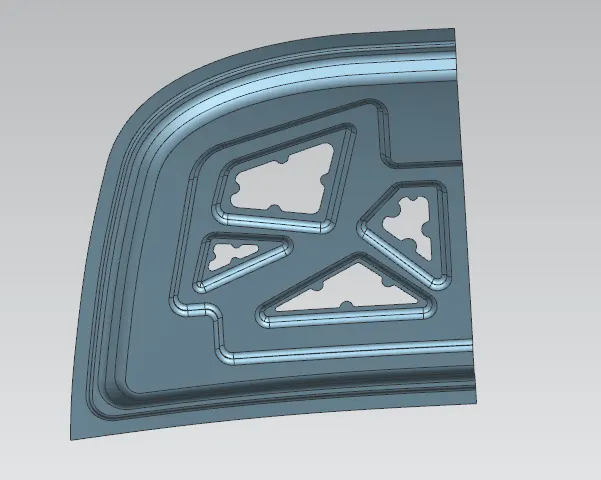
We have to provide cutouts to prevent the pedestrian from getting more impact.
Mirror the above surface and sew them together.
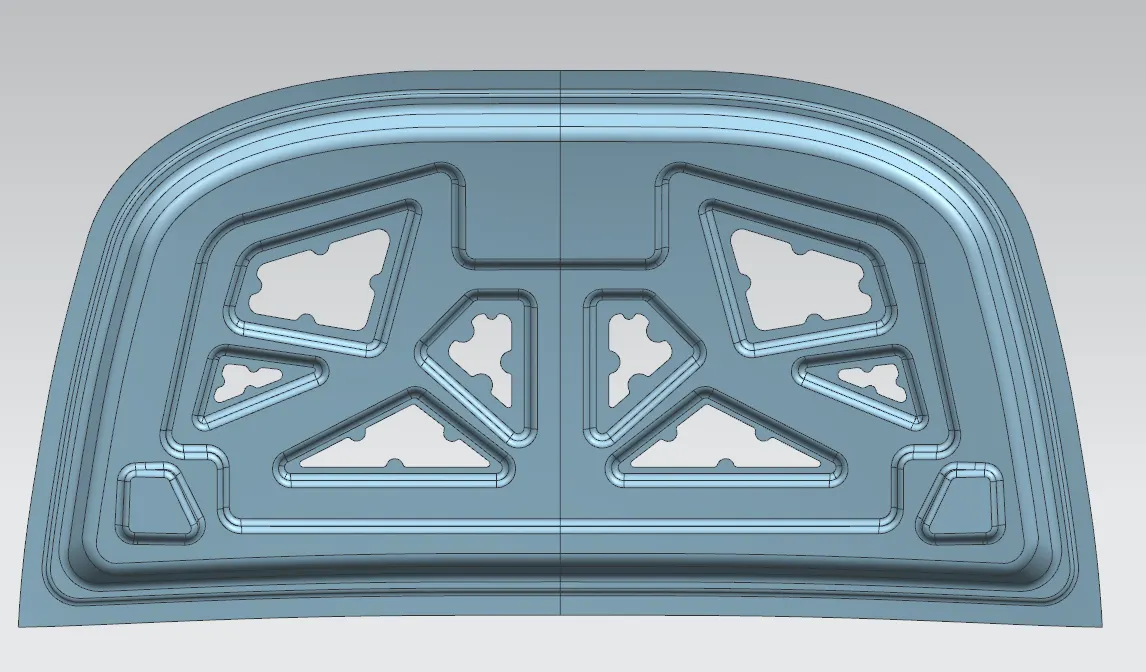
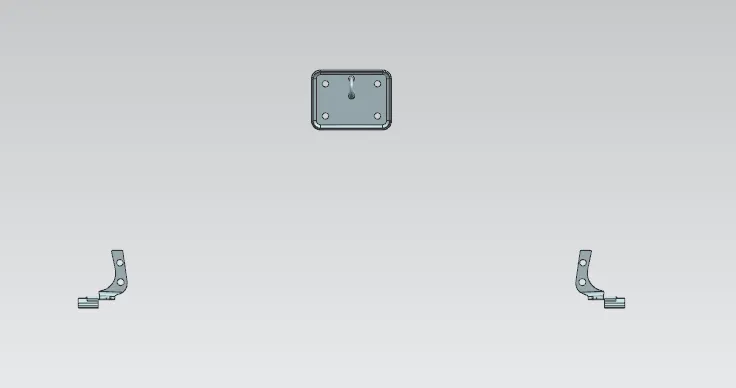
Striker has been provided to us. Draw a sketch to locate the striker on the inner panel.
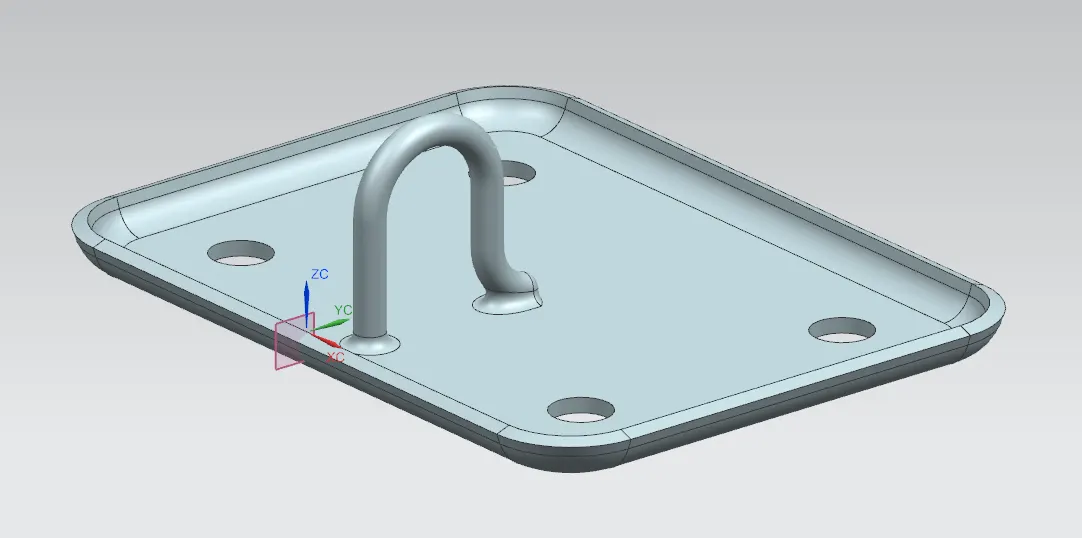
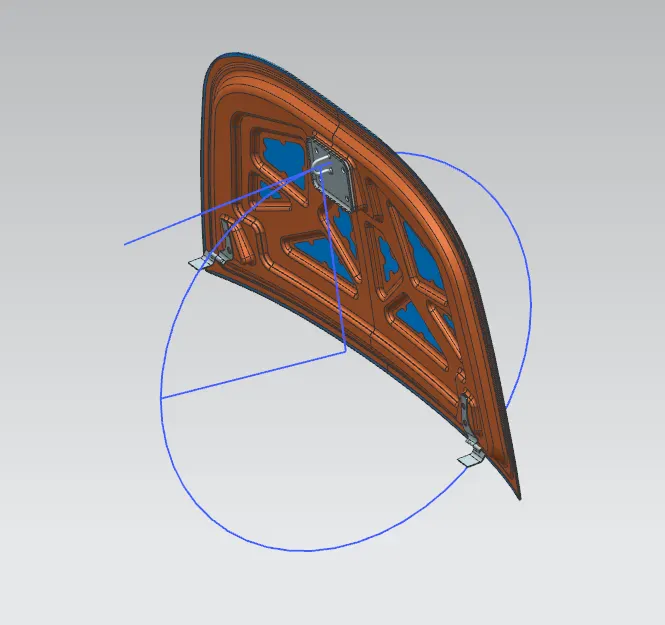
Provide the latch trajectry for the striker to perfectly locate the striker with the latch.
Conclusion:
Therefore the design of Hood Outer Panel, Inner Panel and the necessary reinforcements was completed by following the Master Section mentioned with the Design parameters .