Hood design-Week 2
AIM :
To design the hood of a car with the given input Outer panel and its dimensions.
What is the meaning of car hood?
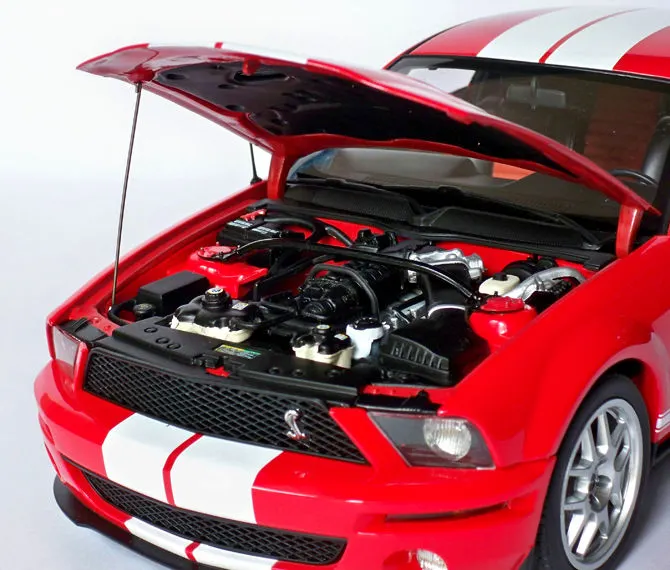
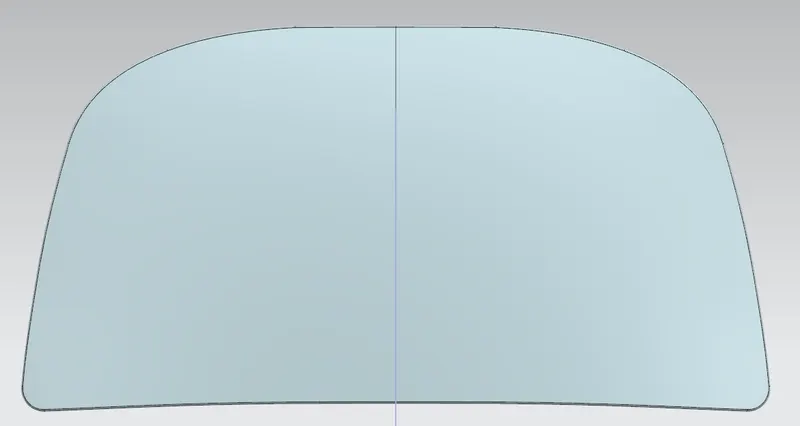
a. Outer Panel: The visible outer shell of the hood, usually made of sheet metal or composite materials, provides the aesthetic appearance of the vehicle.
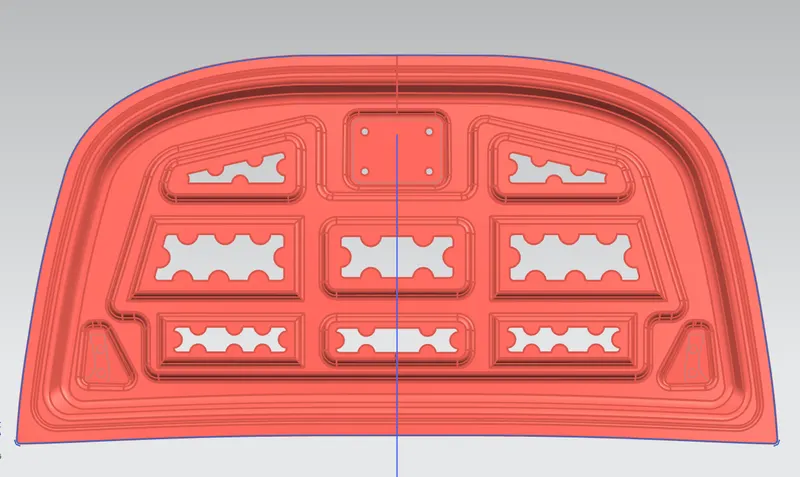
b. Inner Panel: Positioned beneath the outer panel, the inner panel adds structural strength to the hood and may incorporate reinforcement ribs and brackets for latch and hinge attachment.
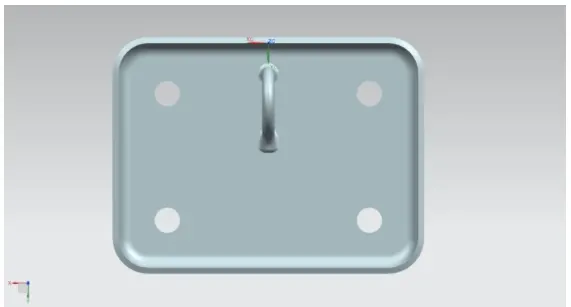
c. Latch Mechanism: The latch mechanism is responsible for securely fastening the hood to the vehicle's body, preventing it from opening unexpectedly while driving.
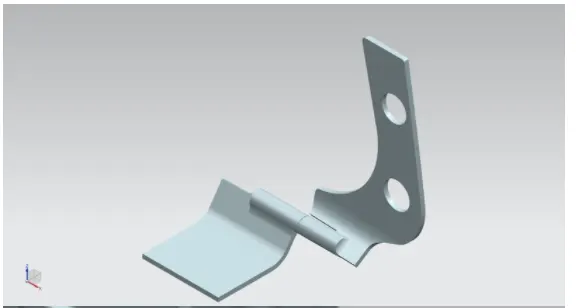
d. Hinges: Hinges allow the hood to pivot upwards when opened and provide support for the hood when closed.
e. Mastic: Mastic is a specialized adhesive or sealing material used to prevent water and dust infiltration into the engine compartment.
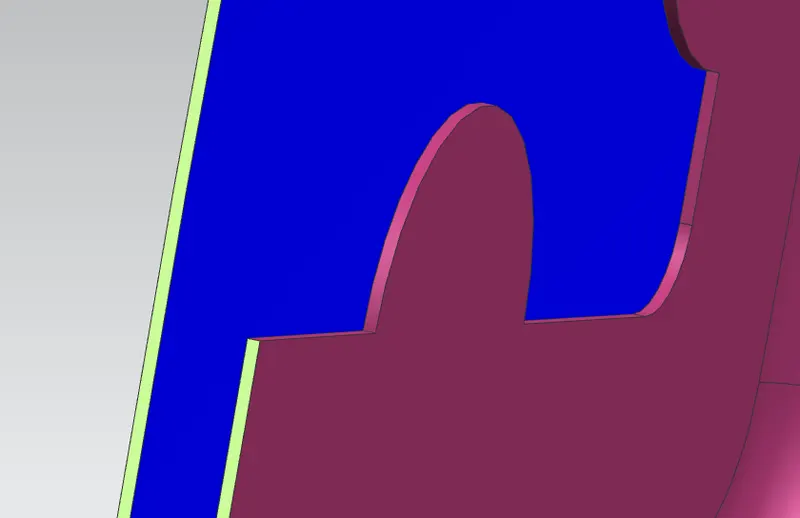
f. Embosses: Embosses are small raised sections on the inner panel designed to improve rigidity without adding excessive weight to the hood.
Latch Trajectory
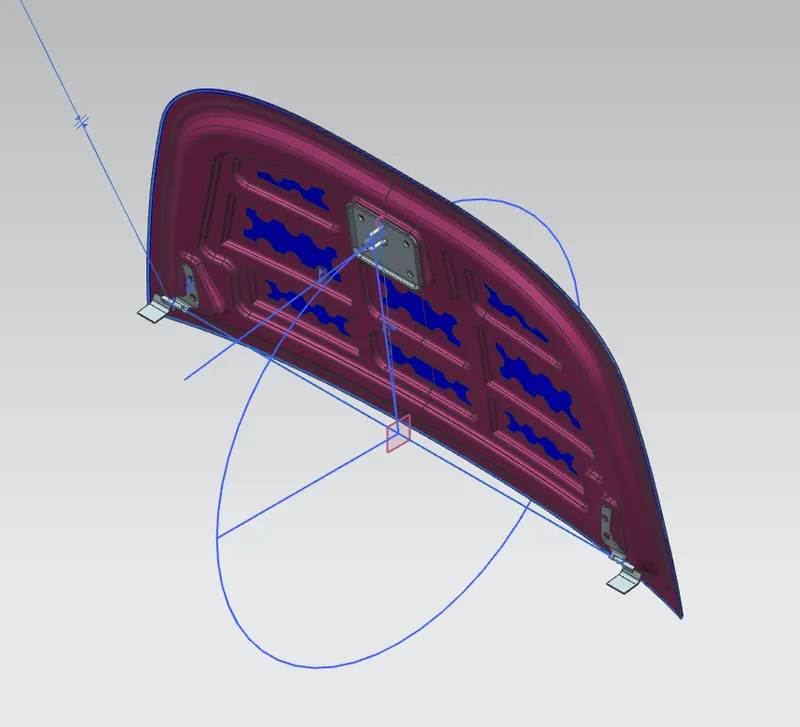
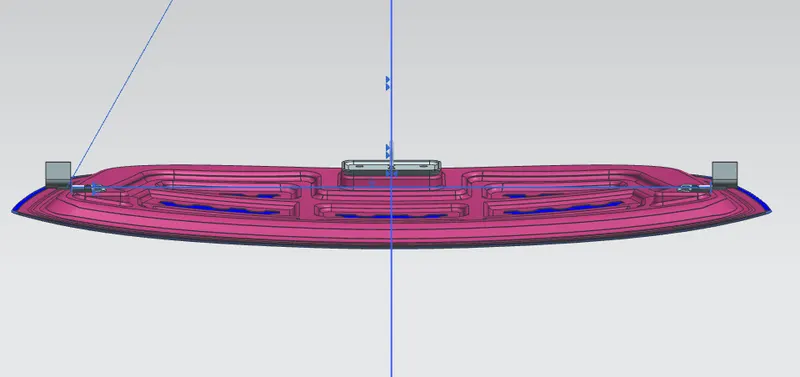
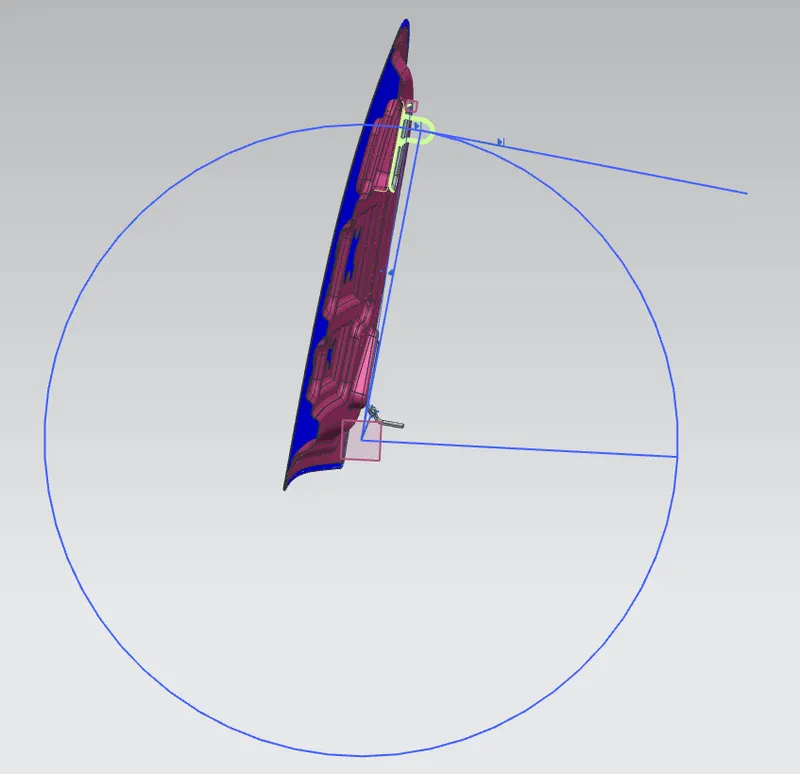
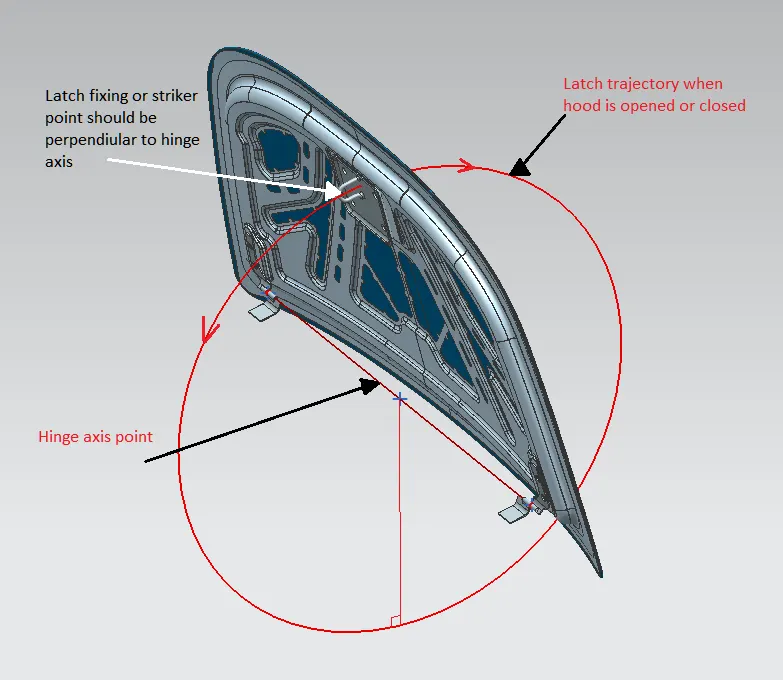
The latch trajectory(below image) refers to the path followed by the hood when it is opened and closed. The trajectory is carefully designed to provide sufficient clearance for the hood to open without contacting other vehicle components or causing damage. Engineers use CAD (Computer-Aided Design) simulations to optimize the latch trajectory, considering factors like hinge placement, latch mechanism design, and vehicle body dimensions.
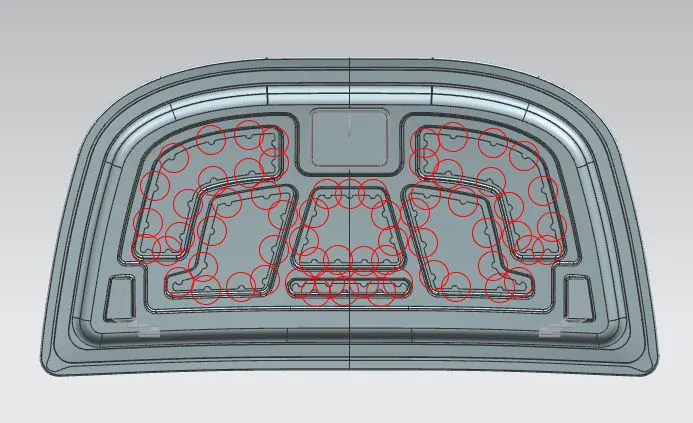
Mastic Data:
Mastic plays a critical role in the hood design to ensure water-tightness, noise reduction, and overall sealing. Mastic data includes information on the type of mastic used, its location, thickness, and adhesion properties. Testing is conducted to validate the mastic's performance under various environmental conditions and vibrations.
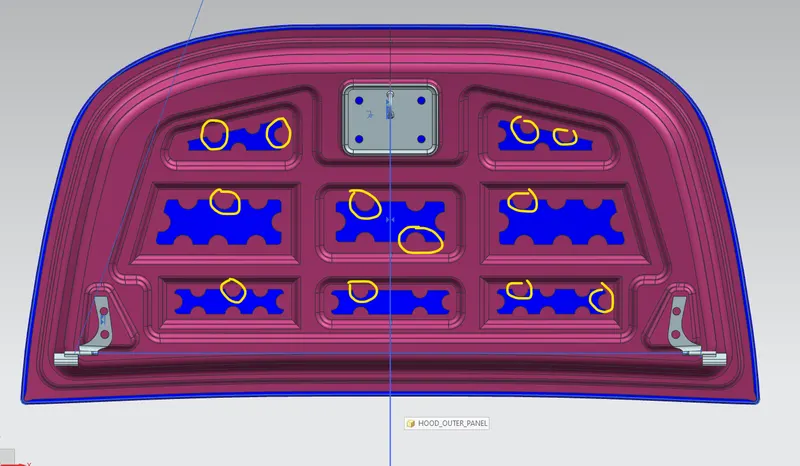
Emboss Definitions:
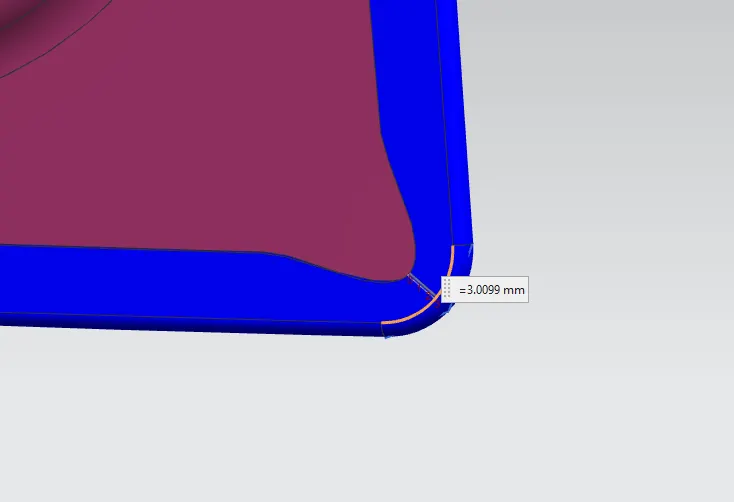
Embosses are strategically placed on the inner panel to enhance the hood's structural integrity. The emboss definitions include the precise dimensions, location, and shape of the embosses. Finite Element Analysis (FEA) is often employed to optimize the emboss design for maximum strength and weight reduction.
Manufacturing Process:
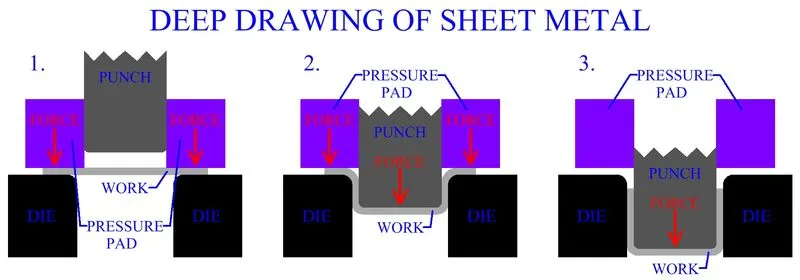
The manufacturing process for hoods involves several stages, including deep-drawing and hemming:
a. Deep-Drawing:
The outer and inner panels are formed using deep-drawing techniques. A large sheet of metal is clamped and drawn into a die using a punch to achieve the desired shape. The process ensures the required curvature and contours of the hood.
b. Hemming:
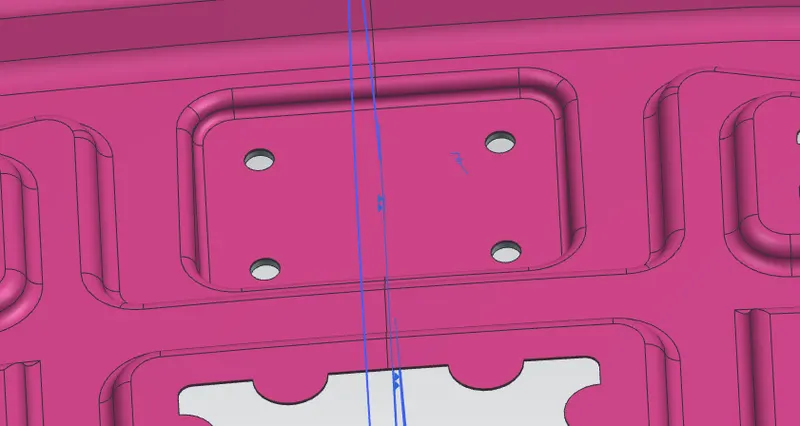
Hemming is used to create a smooth and safe edge along the perimeter of the hood. The edge of the outer panel is folded over the inner panel and then joined using specialized welding or bonding techniques.
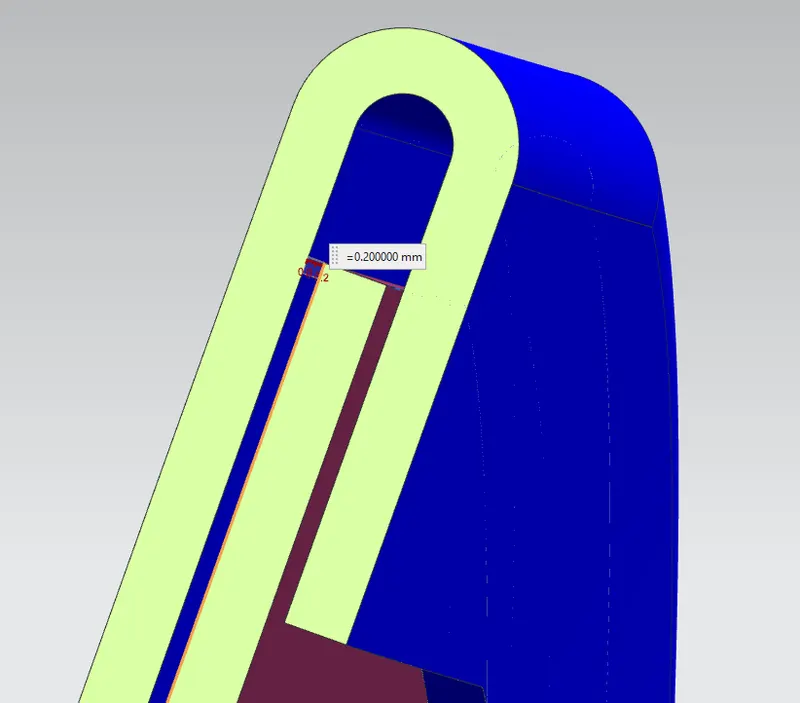
Parameters in the Design: Various parameters are considered during the hood design:
a. Material Selection: The choice of materials impacts the hood's weight, strength, and manufacturing feasibility. Common materials include steel, aluminum, and composite materials.
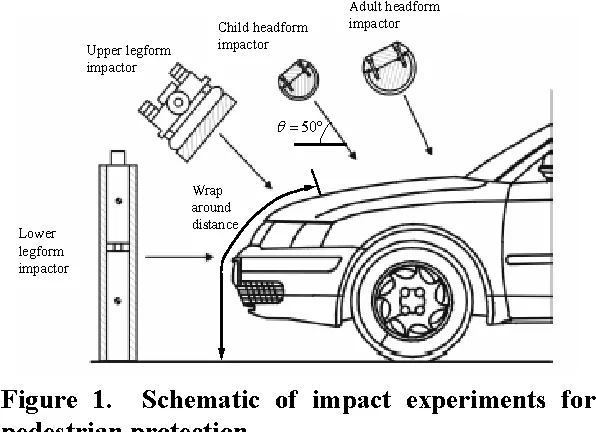
b. Safety Standards: The hood design must comply with safety standards, including pedestrian protection regulations, to minimize injury in the event of an impact.
c. Aerodynamics: Hood design affects vehicle aerodynamics, influencing fuel efficiency and stability. Engineers optimize the hood shape to reduce air resistance.
d. Durability and Corrosion Resistance: Hoods should withstand environmental conditions and resist corrosion over the vehicle's lifespan.
e. Cost-effectiveness: Designers aim to create a balance between functionality, aesthetics, and manufacturing costs.
Conclusion: The hood design is a crucial aspect of vehicle development, binding various components, latch trajectory, mastic data, emboss definitions, and manufacturing processes. Through accurate engineering and testing, hoods are designed to meet safety, performance, and aesthetic standards while enhancing overall vehicle functionality.
Final hood design: