Hood design-Week 2
INTRODUCTION:
PEDESTRIAN SAFETY : Safety is the most important criteria in automobile designs which concentrates on both pedestrian and occupant safety. The pedestrians are the most vulnerable road users and are at high risk of traffic accidents.
The major reason for the fatality of the pedestrian in traffic accident is due to the head injury resulting from the hard impact of the head against the stiffer hood or the ground. This leads to the necessity of new inner hood panel which is less stiffer and pedestrian friendly.
The fatality of a head injury is based on the head injury criterion (HIC) value. This HIC value is calculated on the basis of the resultant acceleration of the head’s centre of gravity (hereafter called the head centre) during head impacts.
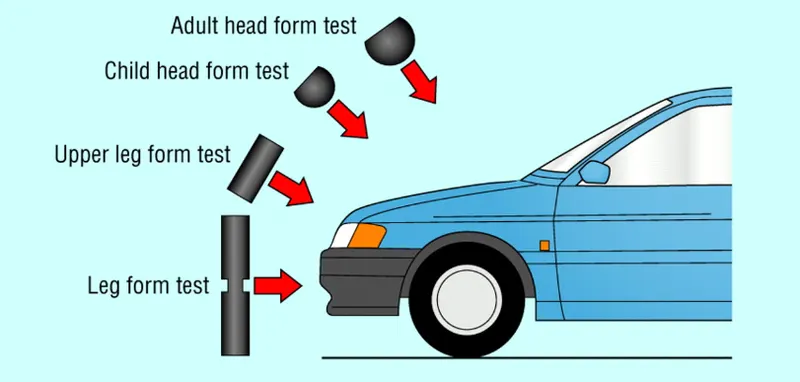
The pedestrian safety system needs to meet several test criteria. (Euro-NCAP, 2011) The tests are designed to evaluate impact to the pedestrian’s different body parts. As seen in Figure , adults as well as children have to be taken into consideration. European Union has set a demand that by 2015, all pedestrian involved in an accident with a car moving 40kph or less must survive.
The hood is the outer cover of an engine in a car and is and it becomes crucial as it directly impacts the safety standards and NVH(Noise vibration and harshness) and also the drag of the car and so it is to be effectively designed and in this report we are going to see about the various approaches towards the perfect design and also the various rules predefined for the particular aspect and also we are going to see about the assembly rules for proper positioning of the hing and striker in a hood and also following the master section in the design
Parts of hood
- Outer panel
- Inner panel
- Striker and Striker reinforcement
- Hinge assembly and Hinge reinforcement
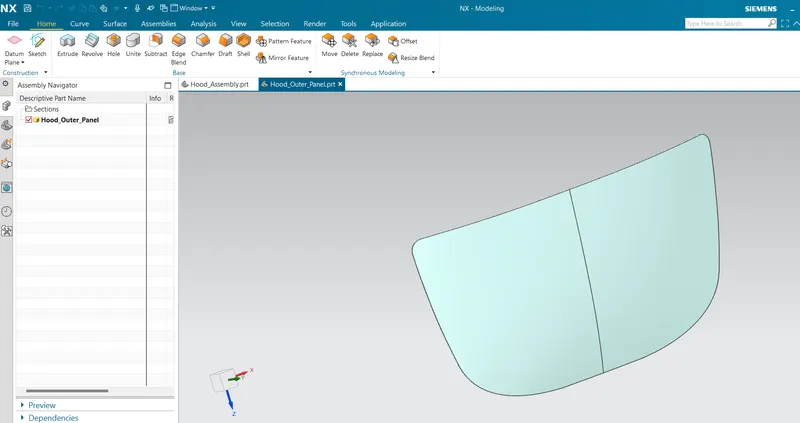
- Outer panel
This is the outer aesthetic structure visible to the customer and so it need to be appealing and the appearance cannot be compromised and only the drag and size of the outer panel is considered and the styling engineer does it
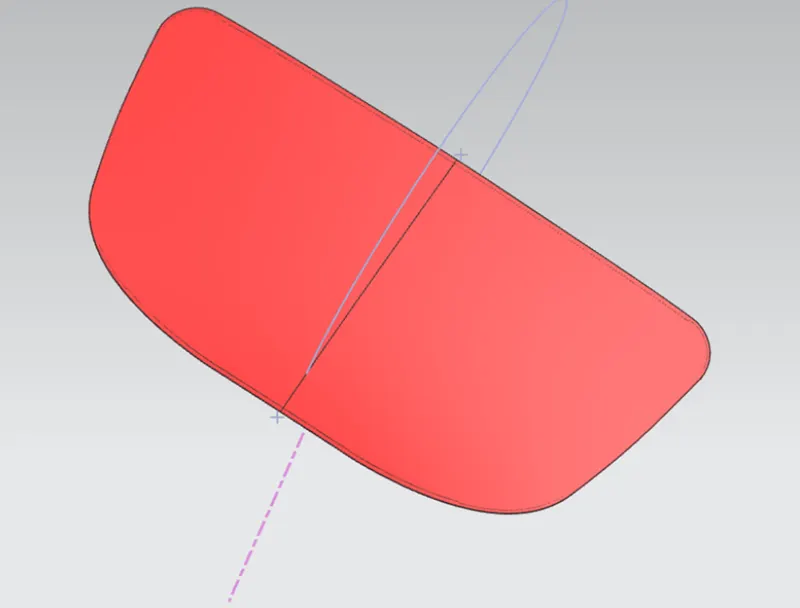
- Inner panel
This is reinforcement for the outer panel and this design is crucial in dissipating the force and also a major role in safety standards of the car
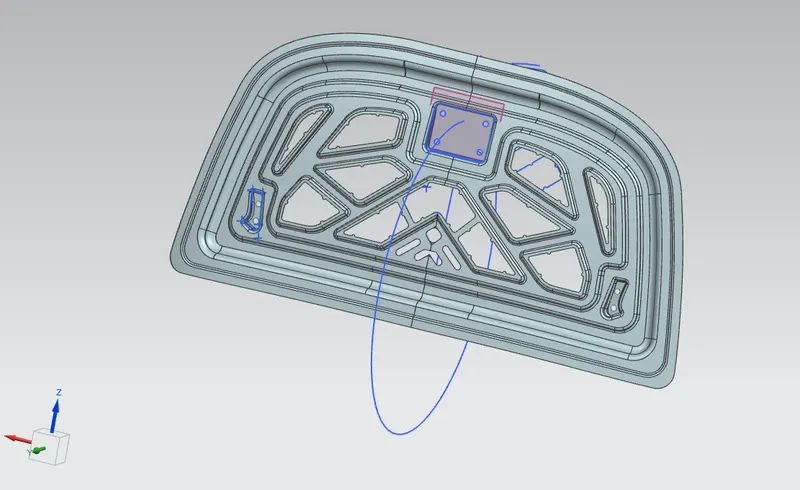
- striker and striker reinforcement
This is the part which seals the hood with the engine compartment and this is basically a lock for the hood and reinforcement is added to provide additional strength
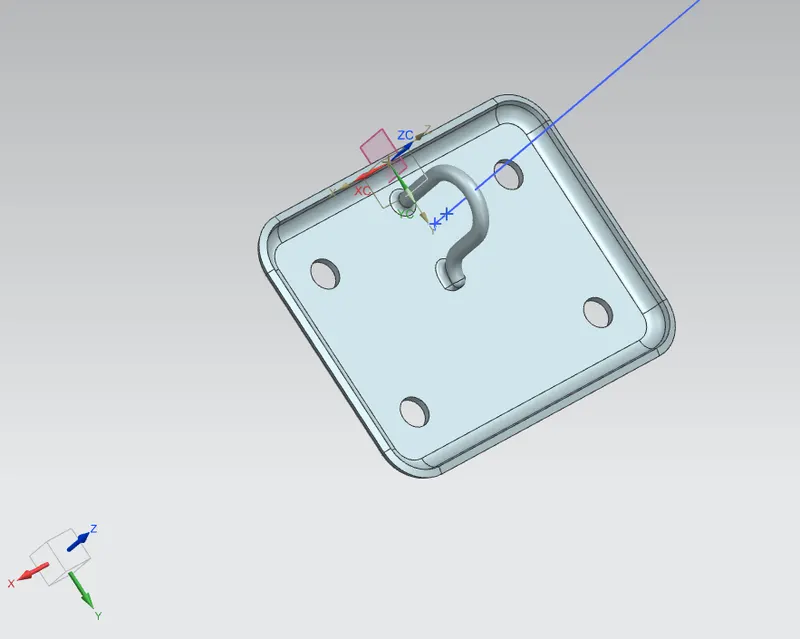
- Hing and hinge reinforcement
This enables the rotation motion of the hood about a axis and also has reinforcement for the same purpose
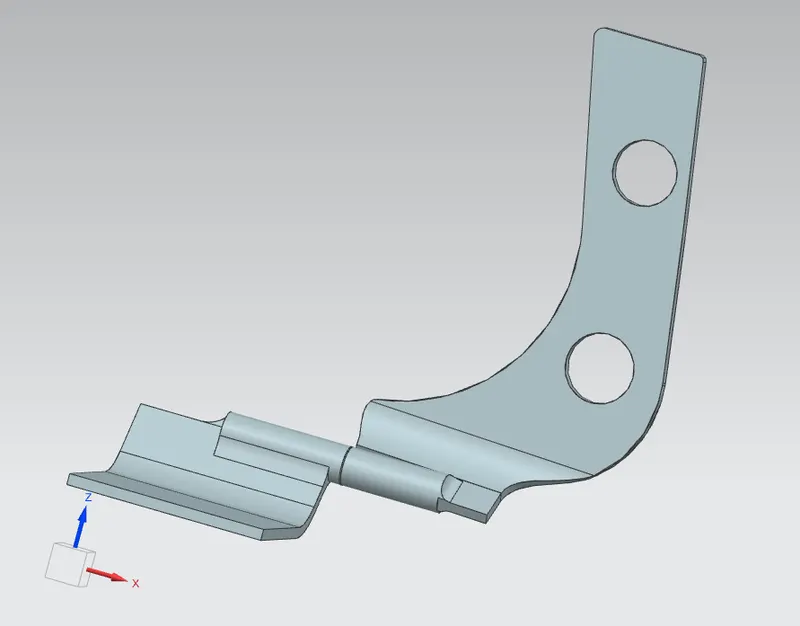
The various approaches to be followed to get the desired hood is given below
- Manufacturing approach
- NCAP approach
- NVH approach
- Ergonomic and serviceability approach
The manufacturing approach
The important criterion for manufacturing sheet metal is taken and design is made in accordance to the criteria and the various rules for the criteria is given below
- The draft for the sheet metal should be minimum of 7deg
- The between adjacent edges should be between 6-8mm
- The fillet radius value should be minimum of 3mm + thickness of the sheet
- All edges should be smooth
NCAP approach
The NCAP approach is nothing the but the safety enhancement feature for the pedestrian as well as the passengers in the car the important criteria for this is
- The embossed should be created to dissipate the force towards the hinge and to complete hood
- Embossed also should create the soft areas for pedestrian safety
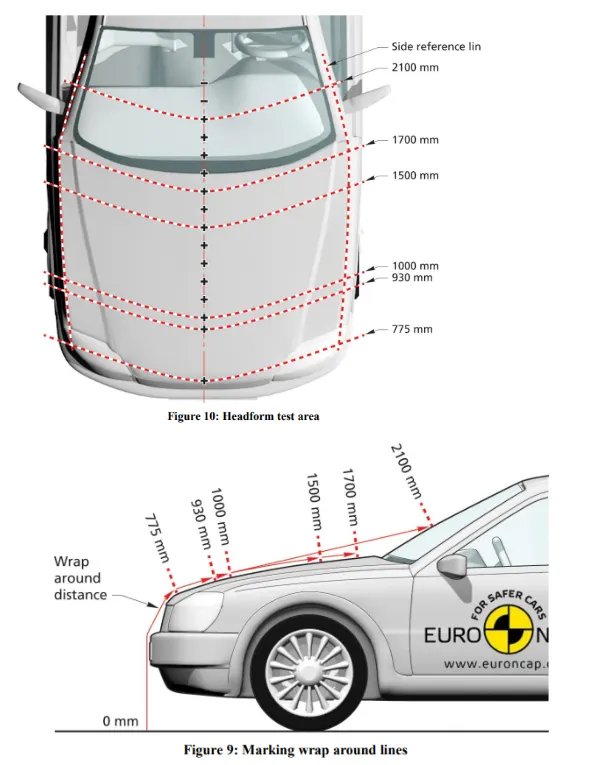
- The design should be made to reduce the head impact zone based on the side line criteria
- There should be a offset of 90mm from the engine impact zones for the inner panel
NCAP – NEW CAR ASSESMENT PROGRAM. this is done to analyse the car for various accident and give rating to the car based on the Impact intensity to the humans both the passenger and the pedestrians
Side line and impact zones
- The side line the first point of contact of a line drawn 45 deg from the floor and there are two types of hoods based on the side line they are
1.Inlaid hood
- Wrap around hood.
in the first model the side line is in the hood itself and in the second model the side line is in the rim of the car
- The impact zine is of three areas they are leg impact zone, pelvis region, adult head impact and child head impact zones
- The better the soft spots in the head impact zones the better will be the safety standards and rating from NCAP
- Adult head impact distance from front-1500mm
- Child head impact distance from front-2100mm
NVH approach
- There should be less vibrations from the hood for the passengers of the car
- Covering of all areas of the hood from vibrations
- Providing cost effective mechanism in reducing vibration
Ergonomic and serviceability approach
- The design should be easy to use or is comfortable for the humans to use
- Proper height of hood opening depending on the region
- Proper finger gap for the region
- Then the position of the hinge and striker without affecting the other components position or their service requirements and proper positioning of support rod
the design process
the design approach followed here Is top-down approach i.e., the assembly is first created and the various parts are created with parametric modelling
- First the given input class A surface by styling engineer is imported and made as a base
- Then the class a Is fixed in the assembly then it is copies to the inner and outer panel parts using the wave geometry linker in the assembly work bench
The design process of various parts and the validation base on approach individually is given below
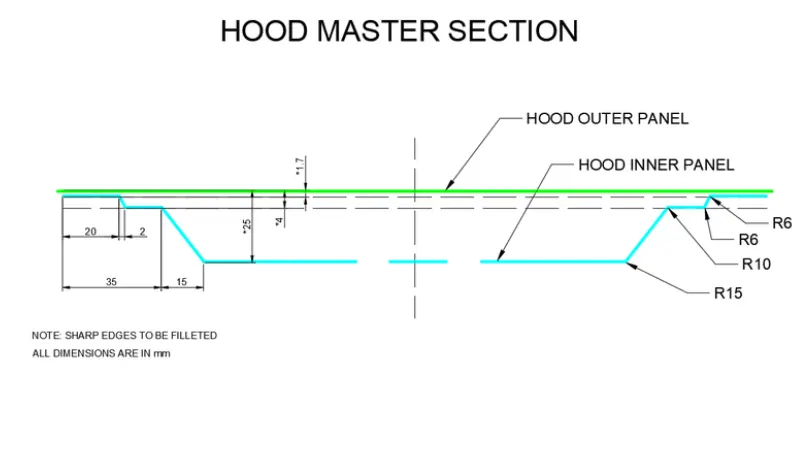
Hood Thickness Information
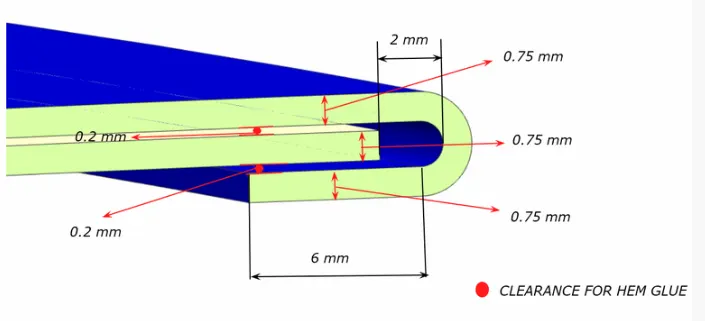
- Outer Panel Thickness = 0.75mm
- Inner Panel Thickness = 0.75mm
- Reinforcement Thickness = 1.5mm
Hemming data
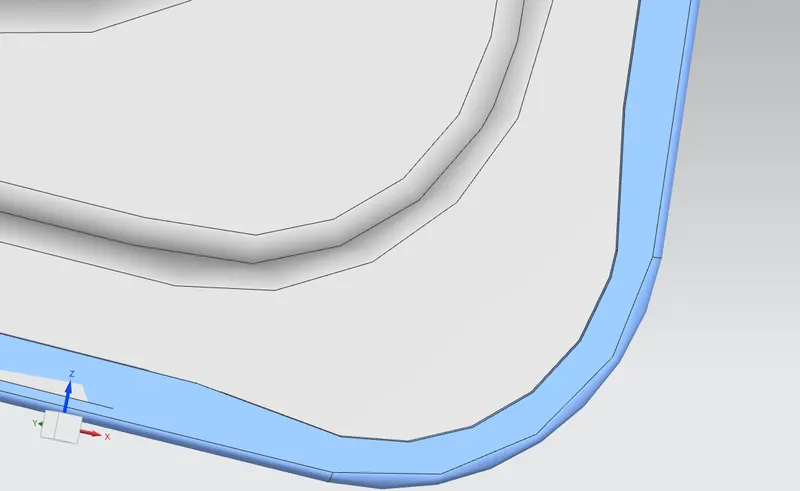
Front relief
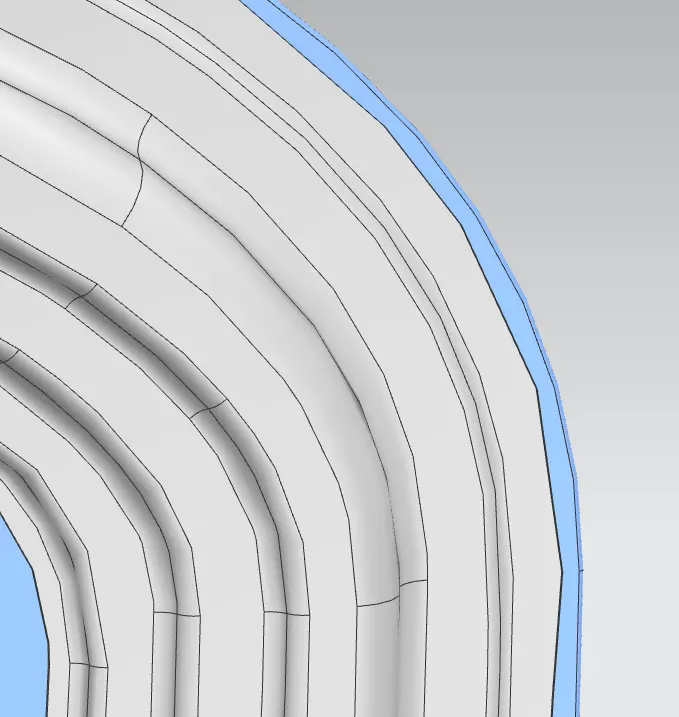
Relief rear section
Draft analysis:
the designwas ready, the complete hood was analyzed for feausibility. Using the Draft Analysiscommand, it could be seen that the designed part can be manufactured without any difficulties.
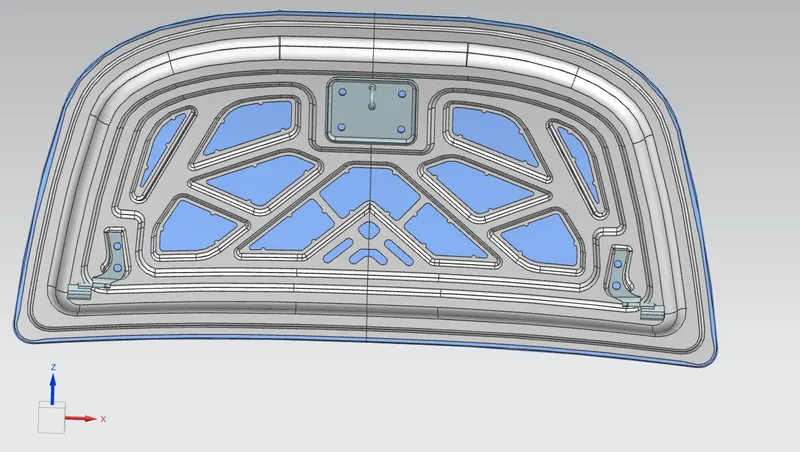
hood assembly:
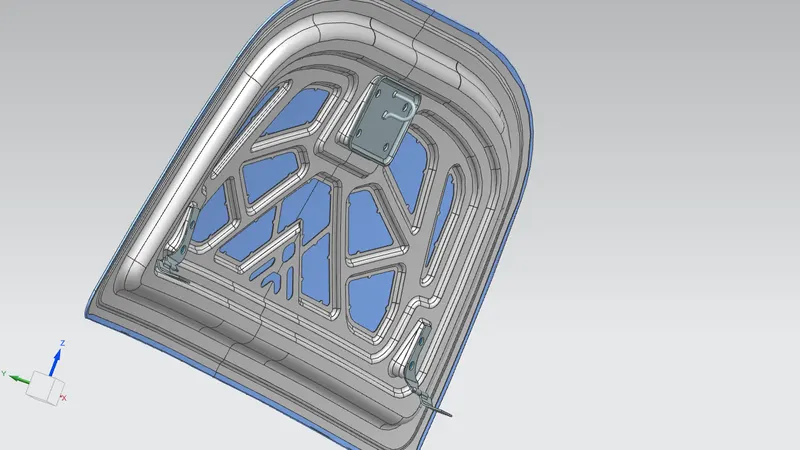
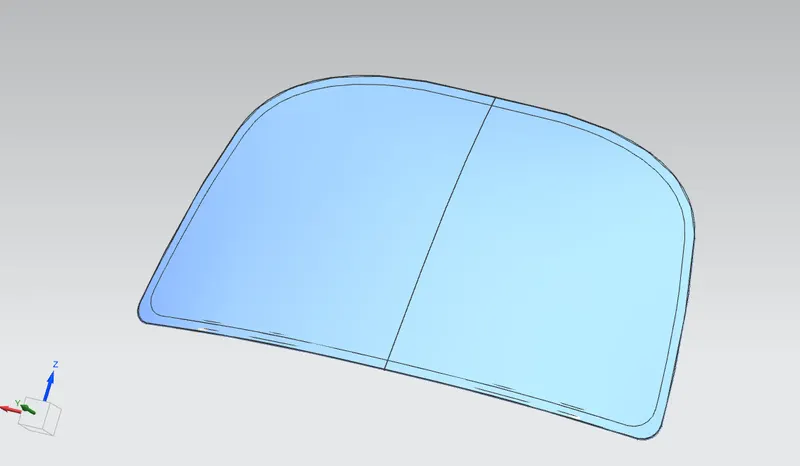
CONCLUSION:
- In this project I have learnt to design the model & assembly of car hood panel & the basic surface commands on NX cad model software.
- I have also learnt about the pedestrian safety requirements used in car, so that driver is left with no harm during frontal collision.
- Along with this, I have also learnt about the manufacturing process used in the car hood panel i.e. hemming & deep drawing process.
The designing of hood is succesfully completed as per the given inputs and design standards and also done the draft analysis on the parts to check feausability. Also the design was executed under the EuroNCAP safety standards and hence satisfies hood safety both for occupants and the pedestrians.