Hood design-Week 2
A Report on Hood design using Catia
Hood
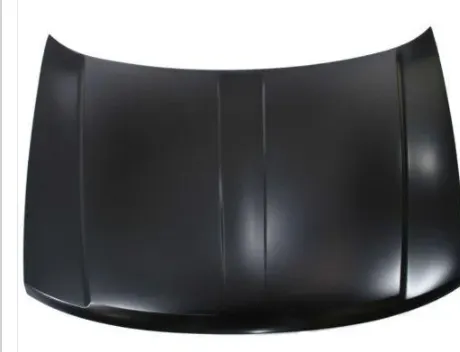
Hood which is also known as bonnet is the part of automotive body which covers radiator and engine compartment.Whenever there is an issue with the raidiator hood is opened to check the engine or radiator problem.
Hood components
1.Outer panel
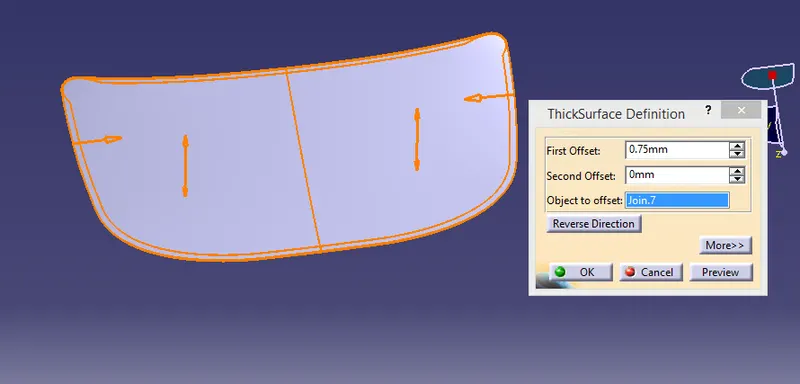
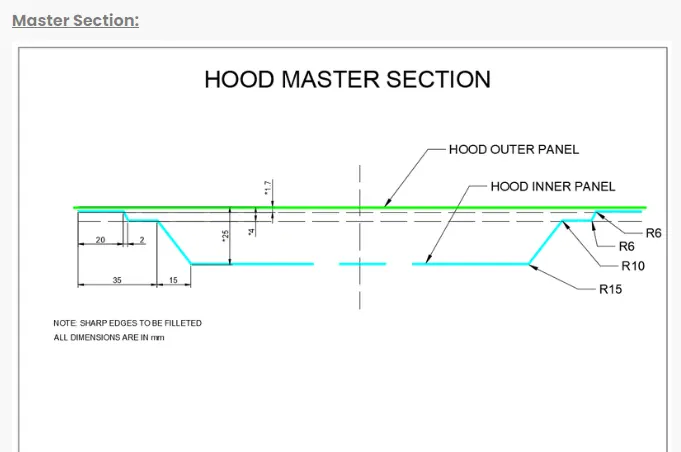
The outer panel is aerodynamic in shape and is designed by styling team.While designing the pedestrian safety conditions are kept in mind by the styling team.The standard thickness of the outer panel is 0.75mm.It is important that no joining operation are used on outer panel which affects its surface.As outer panel is the aesthetic part of the hood.Thats why hemming is used to join outer panel with the inner panel.The opening hieght of the outer panel is kept in mind while designing so the passenger doesnt get injured while opening it.The outer panel is designed as per pedestrian safety conditions and speed requirements of the car.
2.Inner panel
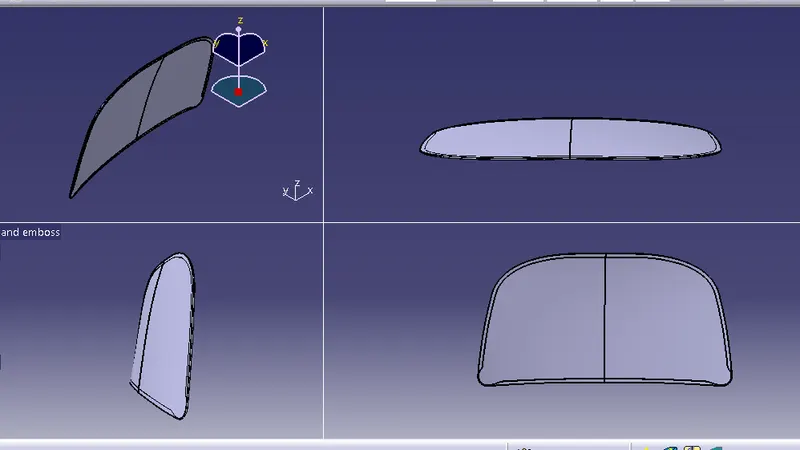
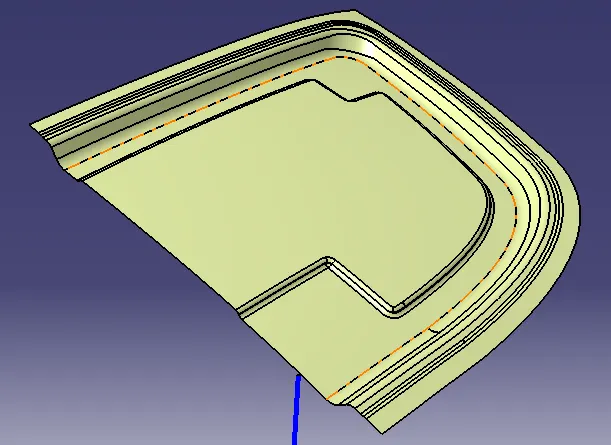
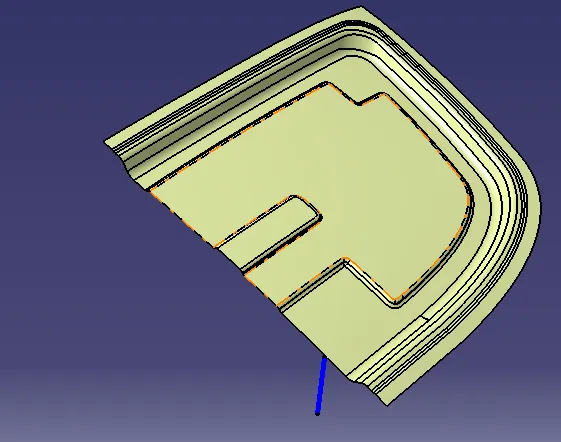
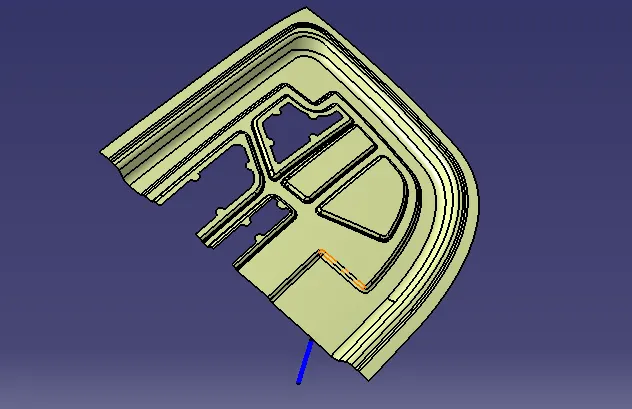
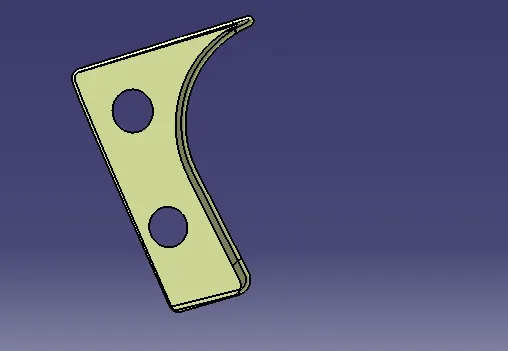
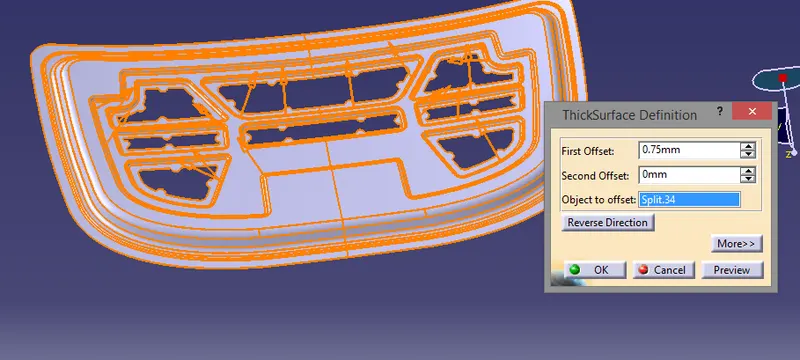
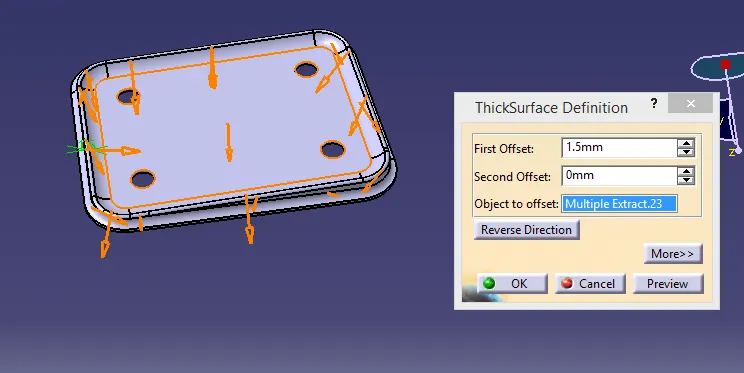
Inner panel adds strength by increasing thickness of the hood and it also reduces stress of the hood by damping in downward direction through emboss.It is a very important part as it holds both of the hinge assembly and latch and striker assembly.Standard thikness of inner panel is 0.75 mm.The reinforcements have 1.5mm thikness though.Inner panel is designed by new product design team.Inner pannel also has the mastic points .
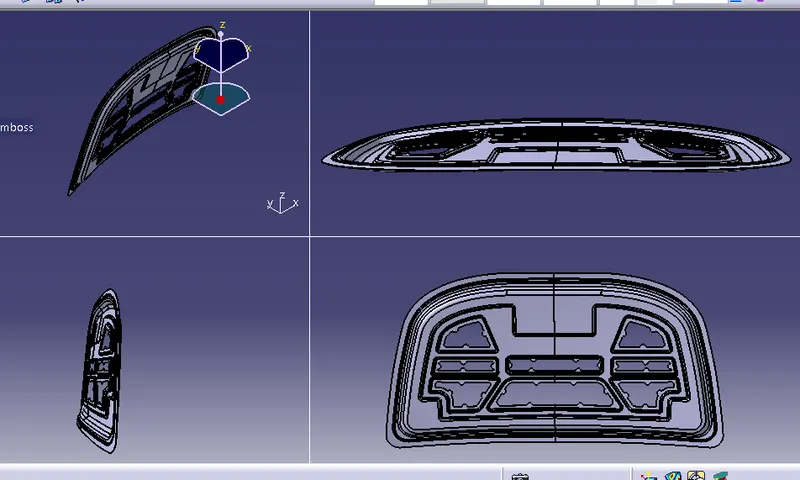
3.Hinge assembly
Hinge assembly holds the hood with the rest of car body which is above engine compartment.It also plays an important role in providing opening and closing movement to the hood.The hinge assembly decides the position of latch and stricker mechanism,since the center of the hinge axis is the center of latch trajectory.
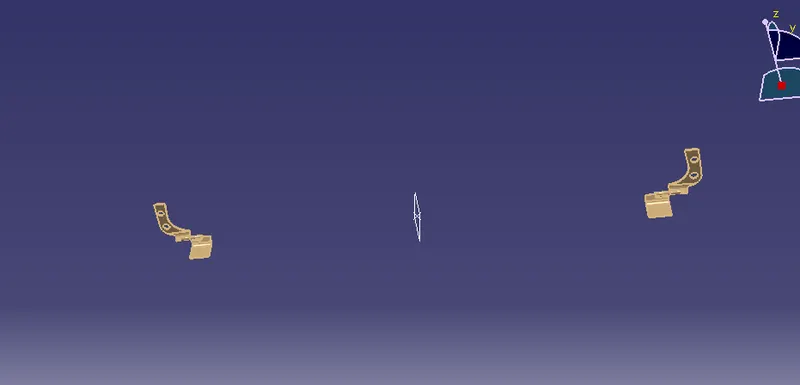
4.Latch and striker mehanism
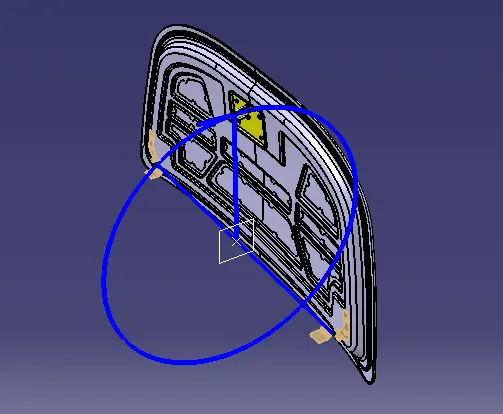
Latch and striker position in inner panel is very important when it comes to safety .Since improper position of latch and striker mechanism may cause head injury.The striker axis should be perpendiular to the latch trajectory
Latch trajectory
Latch trajectory decides the position of striker.Latch trajectory is actually a circle .The center of the latch trajectory is same as hinge axis.The radius of latch trajectory is obtained by drawing a line from center and intersecting it with stricker axis.The striker axis and latch trajectory should be perpendicular .
Mastic data
Mastics are used to stick the inner pannel with the outer panel as welding operations cant be used.Welding can affect the aesthetics of outer panel.Mastics also have insulation properties,so they also damp the vibrations from outer panel .Mastics are applied at least one on the inside edges of the emboss.
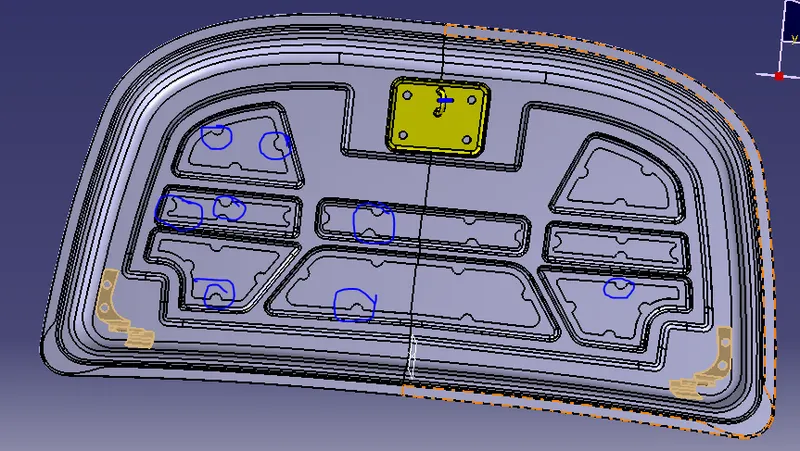
Emboss definitions
Since material is removed from inner panel in order to reduce weight,damp forces in downward direction and providing mastic points,the strength of hood gets decreased .Hence embosses are used to add strength to the hood.
Manufaturing processes
1.Deep drawing
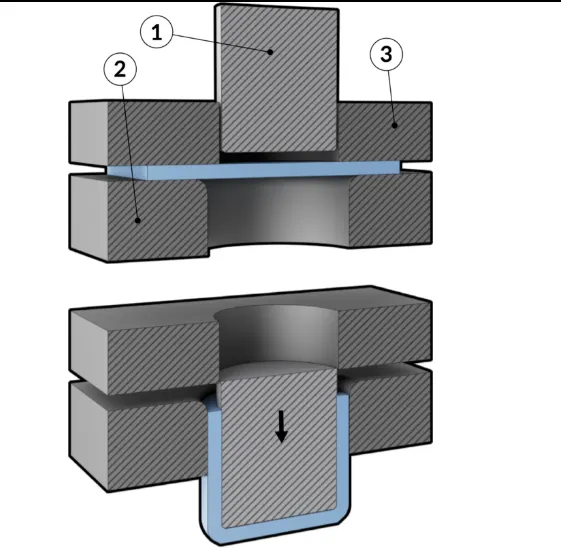
In deep drawing the raw material is a metal blank and the tool is a punch.In this operation mechanical force is applied using punch on the metal blank to push it against a die.The mechanical force causes the metal blank to deform and take the shape of cavity .The operation is called deep drawing because the depth of the finished product greater than its diameter .
2.Hemming
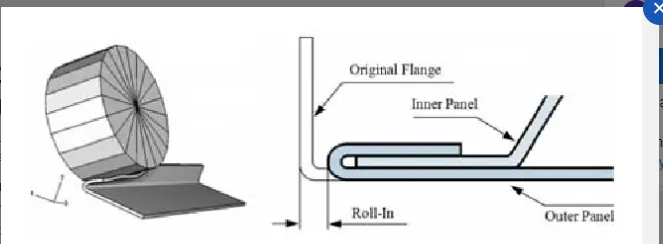
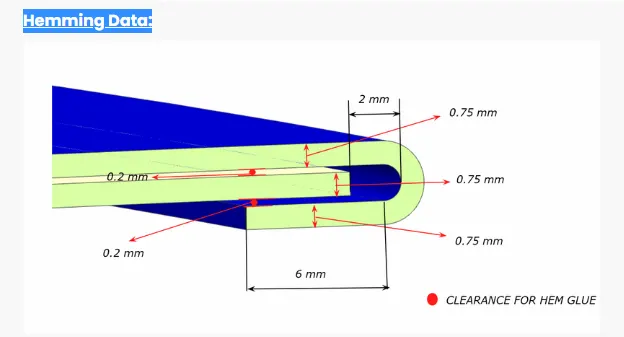
Hemming is an operation in which force is applied on sheet metal using multiple rolls .The force is applied gradually and the force applied by every roll is different .The force applied by the rolls causes the edges of the sheet metal to be thinner and their surface area increases.The extended part on the edges of the sheet metal are then bended in inside downward direction .Hemming is a joining operation .
Parameters followed in Hood design
Hood Thickness Information
- Outer Panel Thickness = 0.75mm
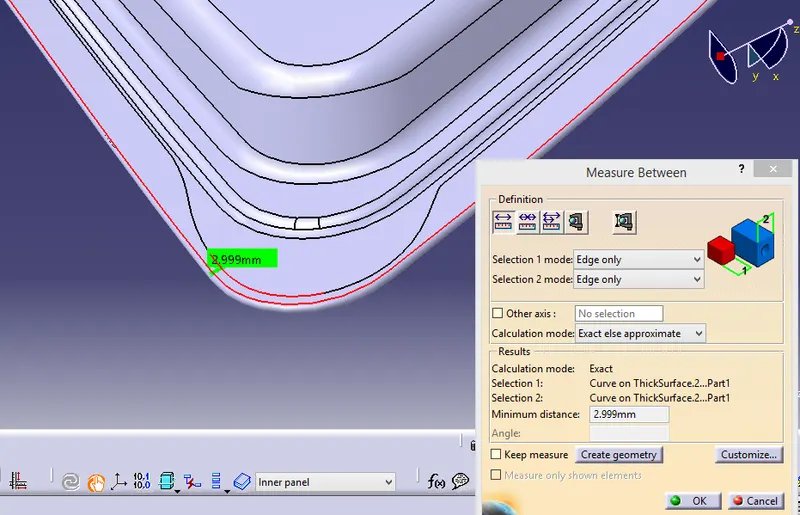
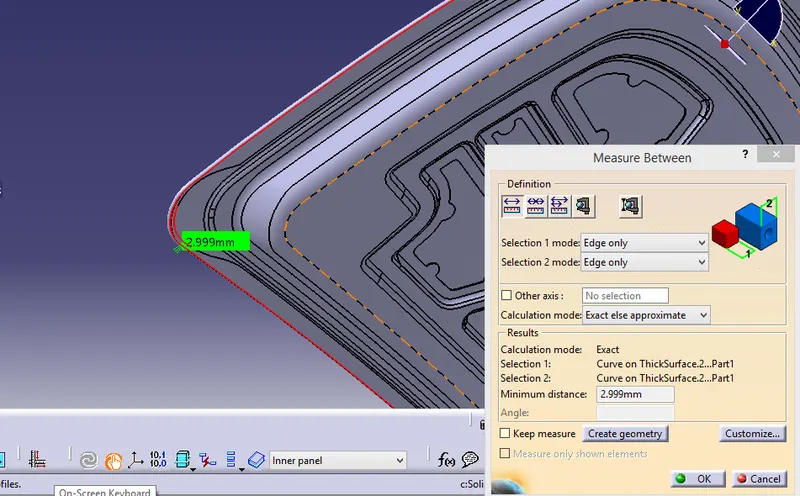
- Inner Panel Thickness = 0.75mm
- Reinforcement Thickness = 1.5mm
Reliefs