Hood design-Week 2
Aim:
To design the Hood Outer Panel, Inner Panel and the necessary reinforcements with given skin data, Hinge and Striker.
About Hood:
From online:
On front-engined cars, the hood may be hinged at either the front or the rear edge, or in earlier models it may be split into two sections, one each side, each hinged along the centre line. A further variant combines the bonnet and wheelarches into one section and allows the entire front bodywork to tilt forwards around a pivot near the front of the vehicle .
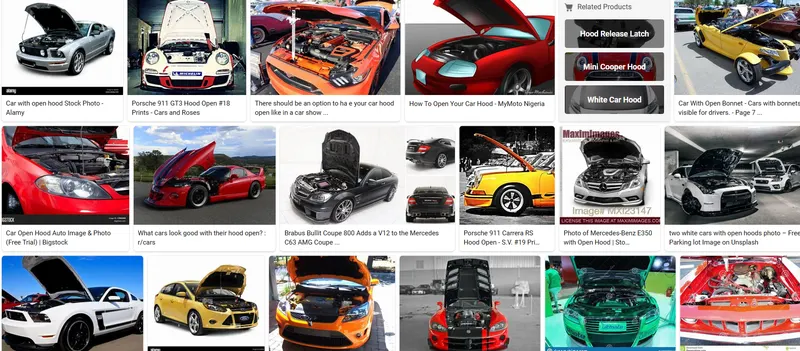
Hoods are typically made out of the same material as the rest of the body work. This may include steel, aluminum, fiberglass or carbon fiber. However, some aftermarket companies produce replacements for steel hoods in fiberglass or carbon fiber to make the vehicle lighter
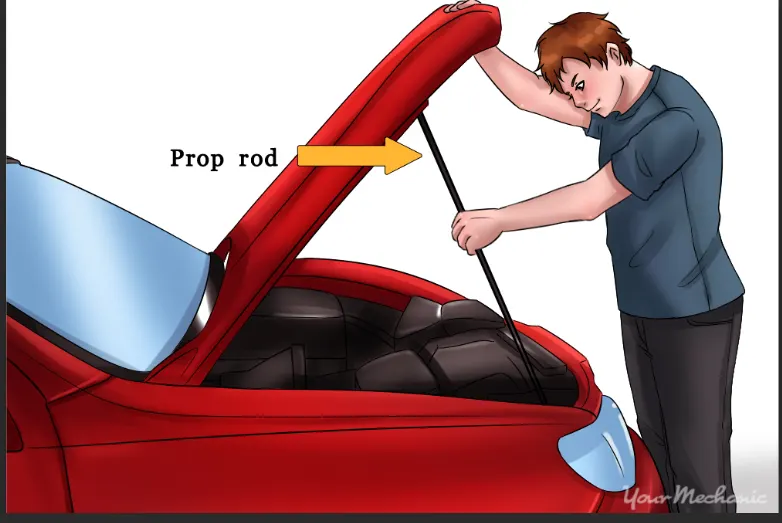
supporting rod:
To withstand and hold the hood we need to
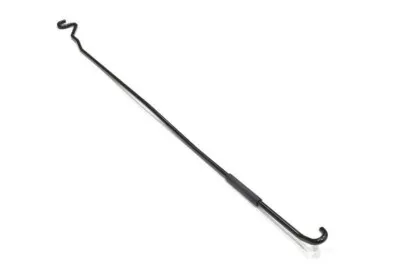
Supporting rod should be bend to resist the buckling.
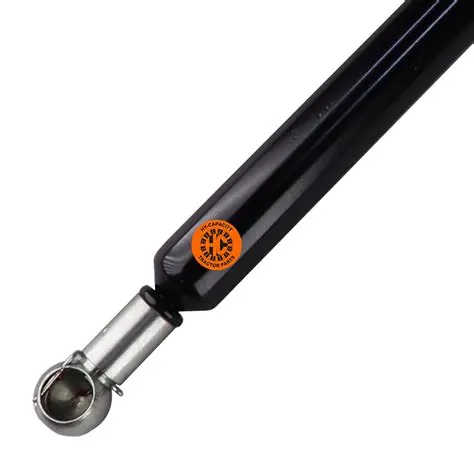
gas struts for hood:
Pedestrian safety:
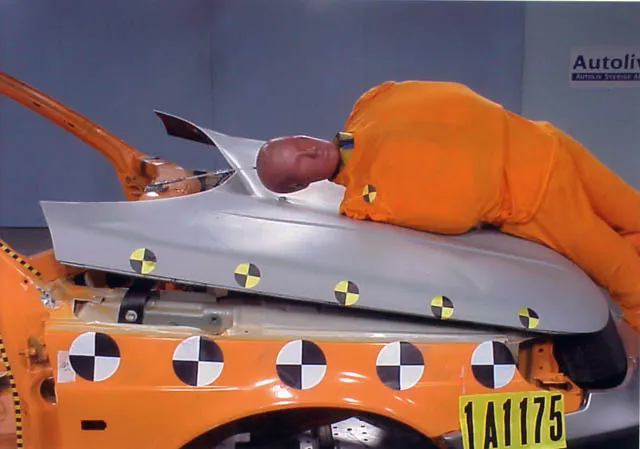
In Japan and Europe, regulations have come into effect that place a limit on the severity of pedestrian head injury when struck by a motor vehicle. This is leading to more advanced hood designs, as evidenced by multicone hood inner panel designs as found on the Mazda Rx8 and other vehicles. Other changes are being made to use the hood as an active structure and push its surface several centimeters away from the hard motor components during a pedestrian crash. This may be achieved by mechanical (spring force) or pyrotechnic devices.
Noise, vibration, and harshness (NVH), also known as noise and vibration (N&V), is the study and modification of the Noise and vibration characteristics of vehicles, particularly cars and trucks. While noise and vibration can be readily measured, harshness is a subjective quality, and is measured either via jury evaluations, or with analytical tools that can provide results reflecting human subjective impressions. The latter tools belong to the field psychoacoustics.
Interior NVH deals with noise and vibration experienced by the occupants of the cabin, while exterior NVH is largely concerned with the noise radiated by the vehicle, and includes drive-by noise testing.
Started designing:
Its quite technical understanding about the hood before designing
I have started designing after watched some example designing hood video, I got some idea to create my own design.
- I download the hood outer surface, hinge and latch from challenge page.
- I have started created the product in the name of hood design
- I arrange the specification tree by adding the existing file option in assembly workbench and I add the above three files hood outer, hinge and latch.
- I started working with outer file as per the design need.
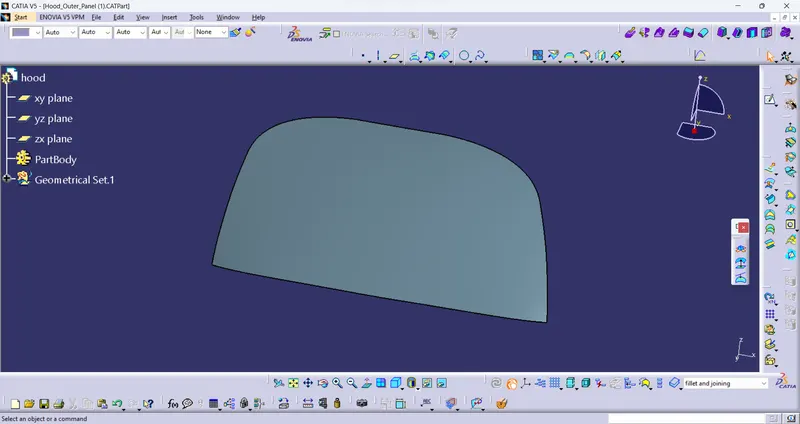
To make the work simplify and reduce the complexity we split the hood and work with half of the hood
To consider the master section first we leave some gap for hemming and then offset the surface
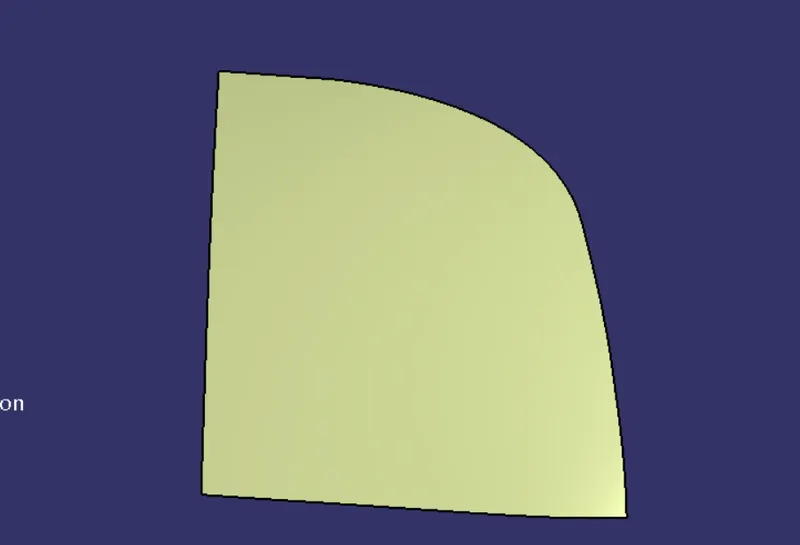
After offsetting the surface we design the primary embose as give in the master section.
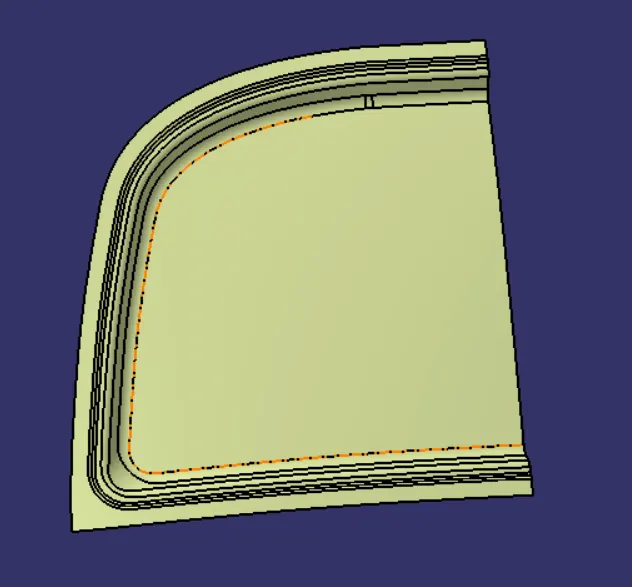
creating the embose for mastic points
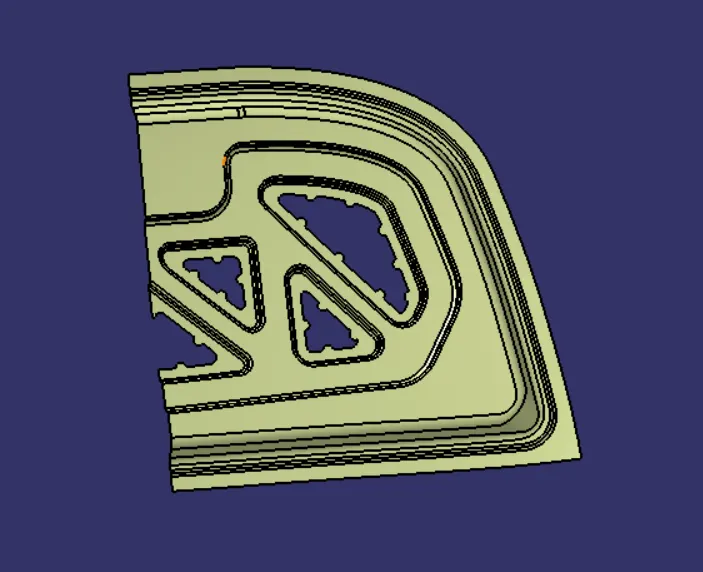
Now create the embose for hinge and striker that you downloaded.
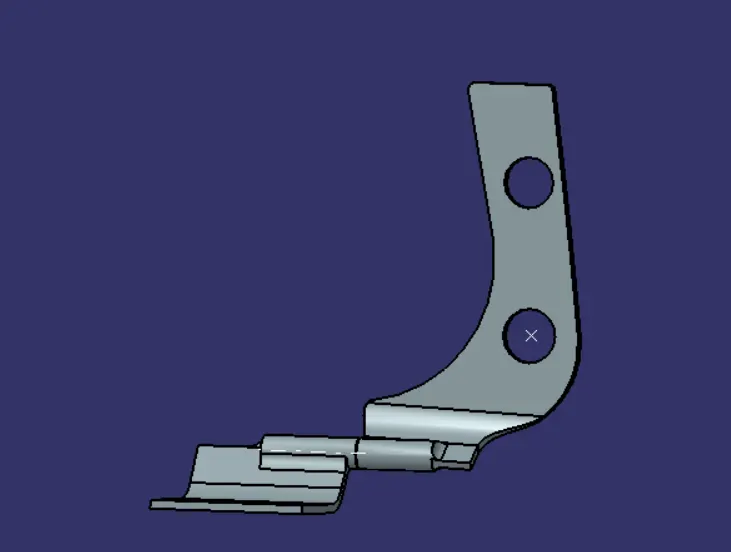
we should maintain the gap of primary embose and hinge embose atleat 5mm
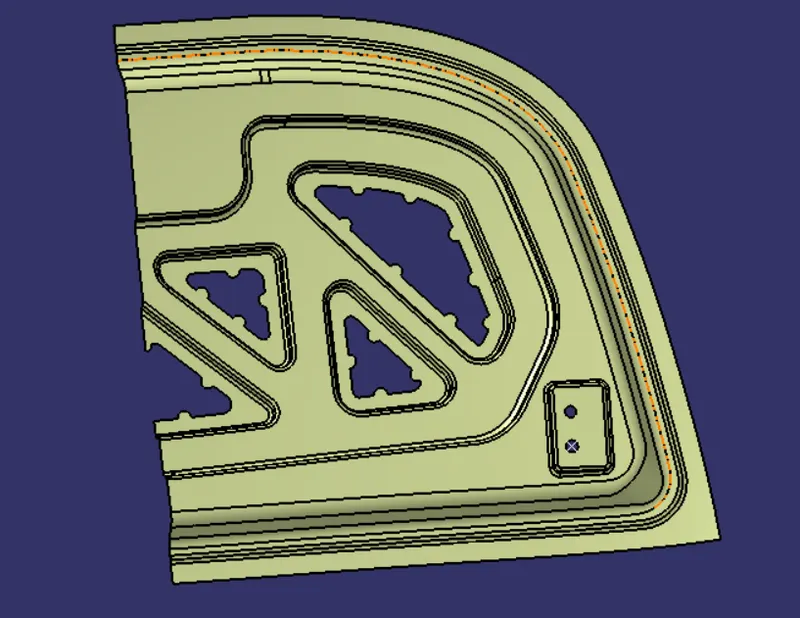
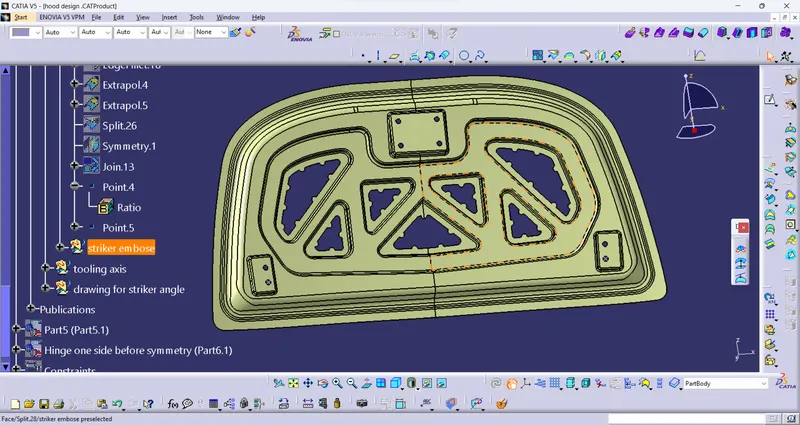
before we place the hinge we have to constraint the inner panel to fix the surface without changing its position.
To fix the hinge we should initially arrange the base (plan surface) as require by the hinge
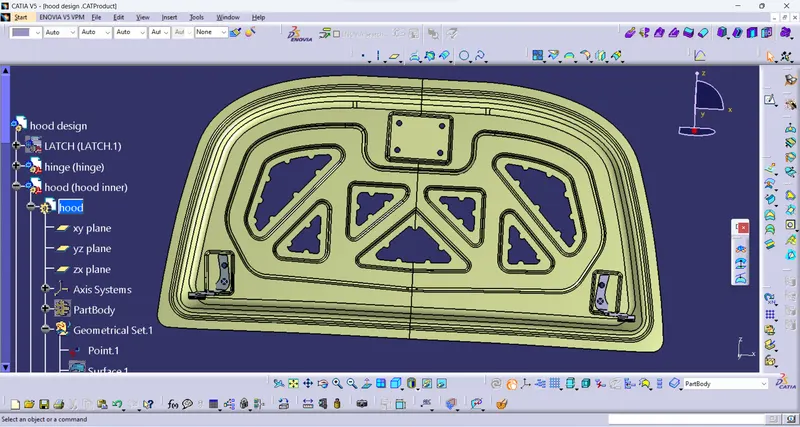
Same kinda process for the striker, but before stricker we have constraint the hinge position with hole point in the hinge.
then we should arrange the hinge with parallel axis for proper mechanism open and close
for that parallel axis we should constraint that axis with x-axis in the datum plane.
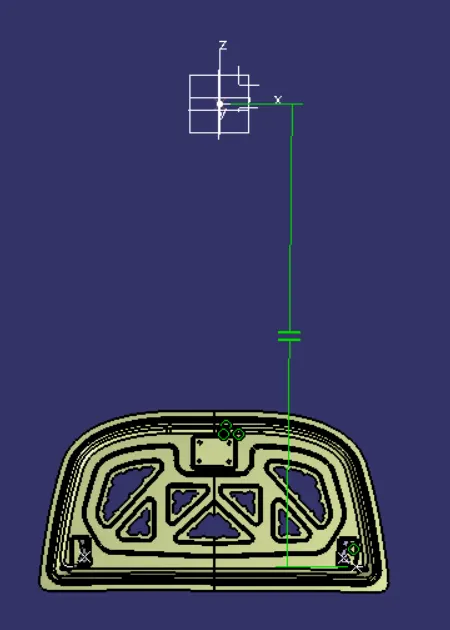
So to fix the stricker we should aware about trajectory of the hood and how it open and close angle
so first we take a point on the axis that hinge connected and with that point we create sketch about the trajectory
and draw the tangent where the stricker placed. and the tangent angle should be within the trajectory.
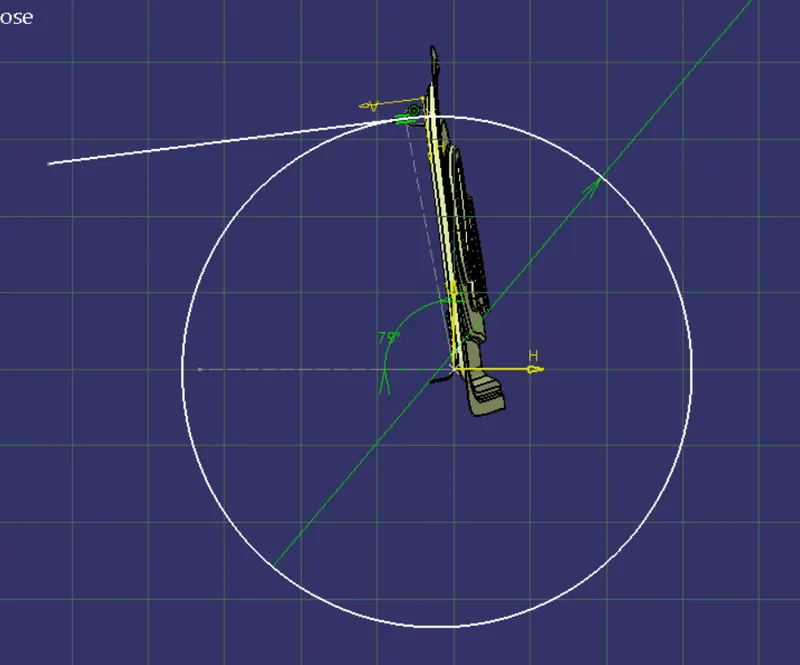
Now constraint the stricker with the tangent to coincide, and place it accordingly.
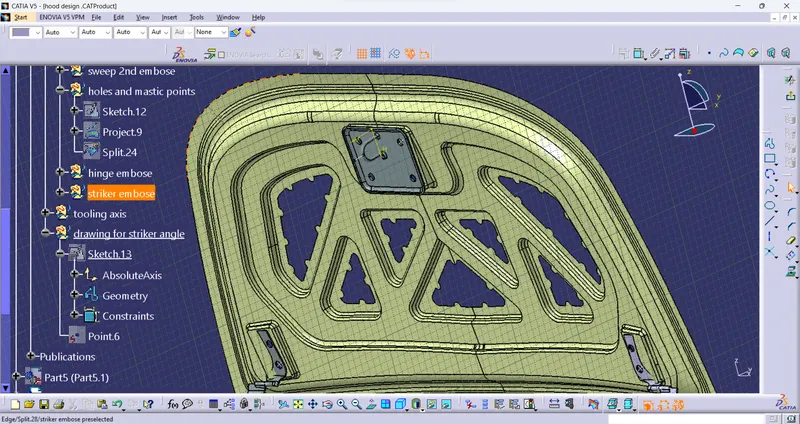
Now hemming process:
Hemming process is used maintain the aesthatic surface of the hood, we couldnt use the outter hood for welding or any bolt joints, so hemming process is used which we bend the outer surface metal and the manufacturing process is rolling over the sheet metal to fix with inner surface
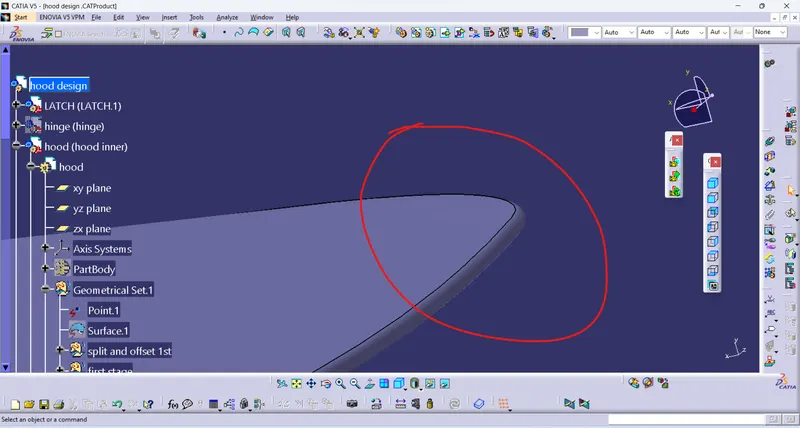
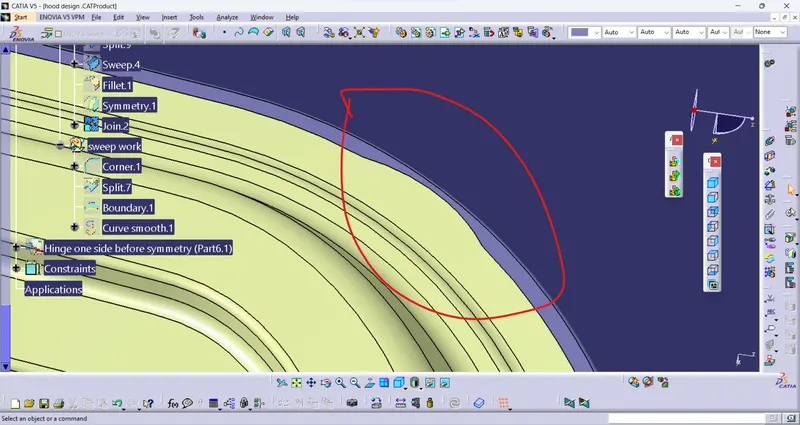
So with respect to master section we have give some stress relief portion.
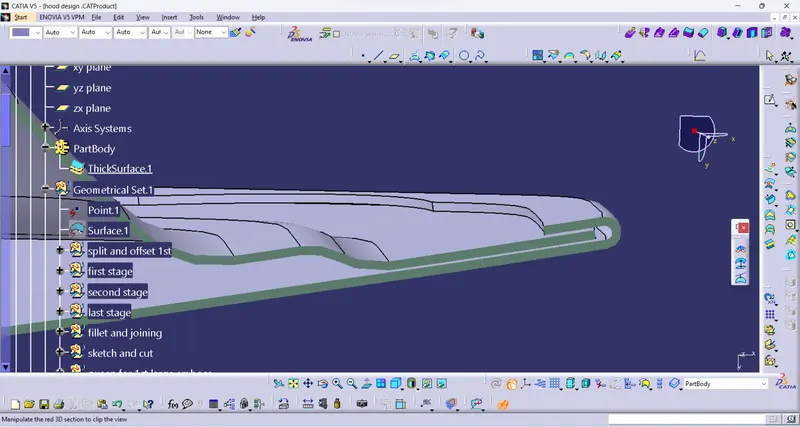
Finally thickning the surface.
conclusion:
The above steps and methods are how I done this challenge, It was very challenging comparing with other challenges.
And I learned lot of new ideas and methods about surface design and i have learned more technical things in design.
I got more touch with catia by this challenge.
And I would really greatful to technical team for helping me, and particullarly Shakthi Uma Devi help me to finish it properly and fastly