Hood design-Week 2
Hood design
The hood or bonnet is a hinged cover over the engine of motor vehicles that allows access to the engine compartment, or trunk for maintenance and repair. The inner panel provides strength while the outer panel functions as the metal cover. Hood comes from the Old English word hod which means a hood, a soft covering for the head. Interestingly, hood is used by British English speakers to refer to the waterproof cloth top covering the passenger-compartment of a car.
The hood is the covering in fornt of the engine of the vehicle.Its allow to access the engine compartment for ease or repair the vehicle
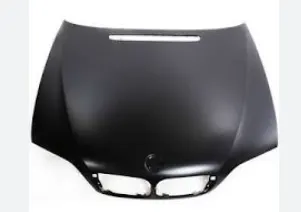
OUTER PANEL
Its is aesthetic part of the hood.on the others words outer skin of the hood. its gives stylish look of the car front portion.
INNER PANEL
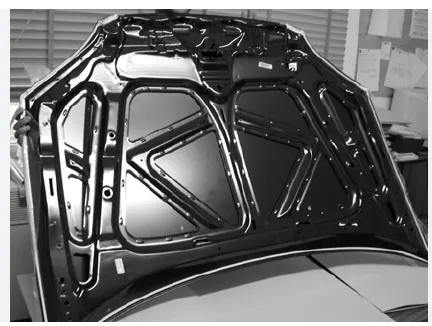
In the inner panel is provide strength and rigitidy to the hood and also used for reduction of NVH purpose.
Its directs force of the collision outwards instead of engine compotent
striker
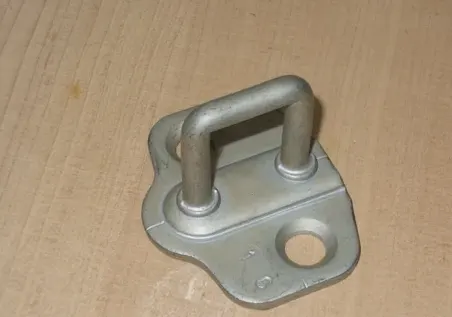
its is directs the hood opening and closing direction.
Hinge
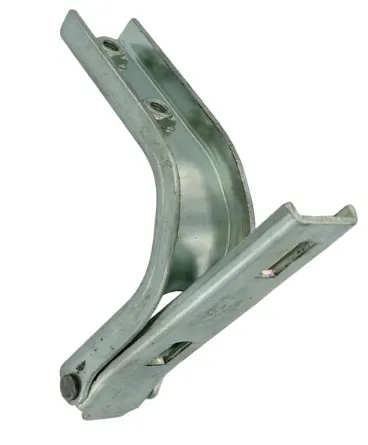
DESIGN CONSIDERATION
Head Clearance:
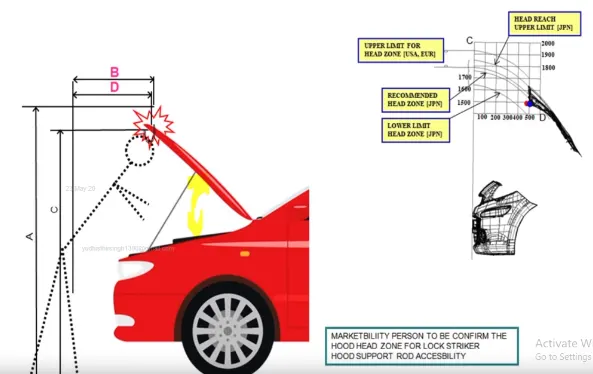
Head clearance is decided upon the zone or country. So same car if it is made for a different country will have different opening angles depending on the country or region.
The distance C and D shown in the image is represented as a graph in the upper right corner of the image. Choosing the right head zone position will decide upon the angle of the hood opening.
Product engineers will also get input from the marketing team for deciding the head zone.
AT OUR DESIGN
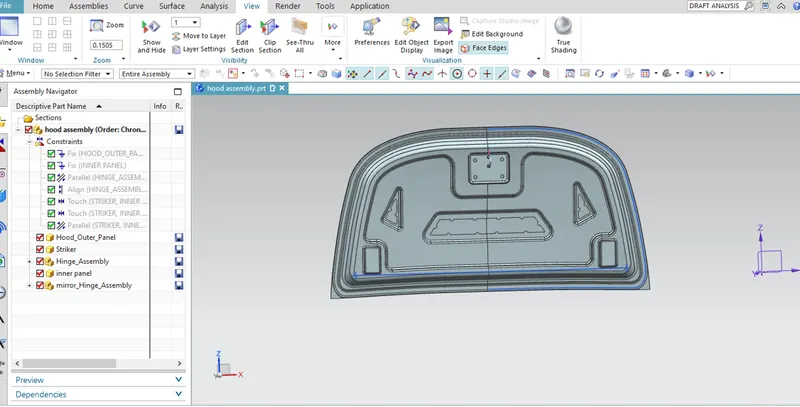
1.HOOD OUTER PANEL
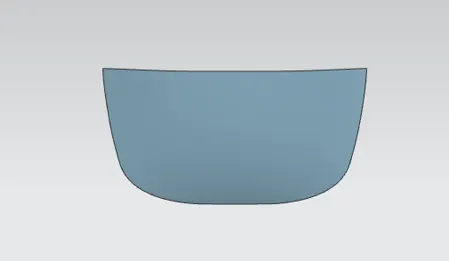
OUTER PANEL are the aesthetic element of a car . the styling team is provide the ouer panel very difficult one because of the engineers is consider various factors to design the outer panel. The design is give importance to pedestrain safety. the outer panel is attached to the inner panel because of the hemming process. We also consider the mastic sealents between the outer and inner panel . its leads to reduce the vibration.
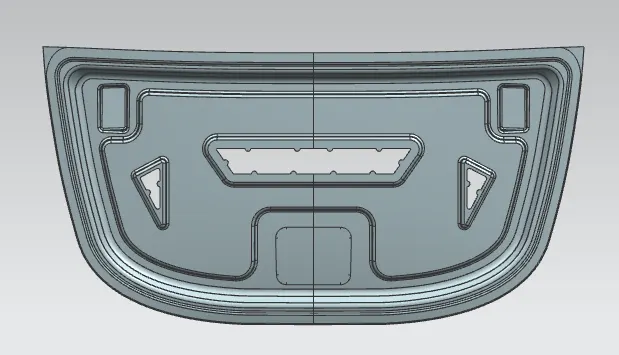
HOOD INNER PANEL
Inner panel is apart that gives strength and rigitidy to the outer panel . the master section gives intial emboss shape and size.That emboss is used to reduction of collision of accident impact to engine components.
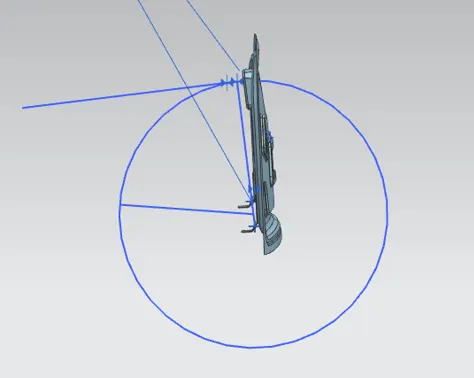
LATCH Trajectory
Latch trajectory is given by the circle drawn by the axis.hinge axis point is the centre point the hinge axis .that hinge axis is provide the surety of stirker is perfectly constrain the latch point or not.
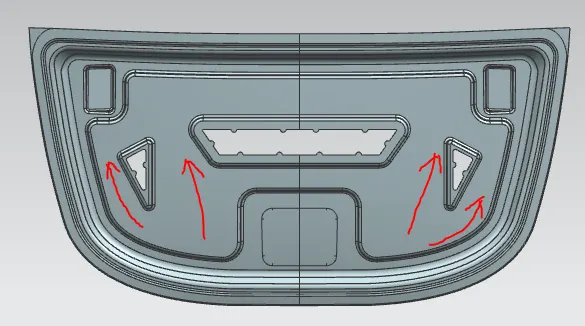
Emboos definition
through the inner panel various differnt types of emboss . All are used to provide stiffness of the inner panel through the emboss. the size and shapes of the emboss is declare the direction the force distribusion of collision of frontal crash of car. The force is should be always distributed away from the passengers.
Mastic data
hood is commonly possess large surface area and hemming can only be provide through its boundary .we cannot use other technique like welding, reviting etc because they leave marks and affect outer panel aesthetic design. so mastic sealant is used to joining the inner and outer panel. Mastic sealant is the elastic component that behave like the rubber. its is applied to mastic point of the inner panel and is sprad the region around the 80mm of the daimeter. so this technique is very useful indtead of ither technique.
Hemming
Hemming is a technology used in the automotive industry to join inner and outer closure panels together (hoods, doors, tailgates, etc.). It is the process of bending/folding the flange of the outer panel over the inner one. The accuracy of the operation significantly affects the appearance of the car’s outer surfaces and is, therefore, a critical factor in the final quality of a finished vehicle.
Final assembly