Fender Design - Wheel Arch Challenge
Aim
Calculate the Wheel Arch gap at required points and check whether the car passes the European standard.
Introduction
A fender is the part of a car, truck, motorcycle, or other vehicles that frames or covers a wheel well. Its main purpose is to prevent debris, rocks, mud, liquids, sand, and other road debris from getting thrown in the air while the tires rotate.
Sticky materials, such as mud, may adhere to the smooth outer tire surface, while smooth loose objects, such as stones, can become temporarily embedded in the tread grooves as the tire rolls over the ground. These materials can be ejected from the surface of the tire at high velocity as the tire imparts kinetic energy to the attached objects. For a vehicle moving forward, the top of the tire is rotating upward and forward, and can throw objects into the air at other vehicles or pedestrians in front of the vehicle.
There are three standerds of regulation for determining the design of fender wheel arch
1. European Regulation
2. Japan Regulation
3. US regulation
Here we are only analysing using the European regulation only
Europian Regulation
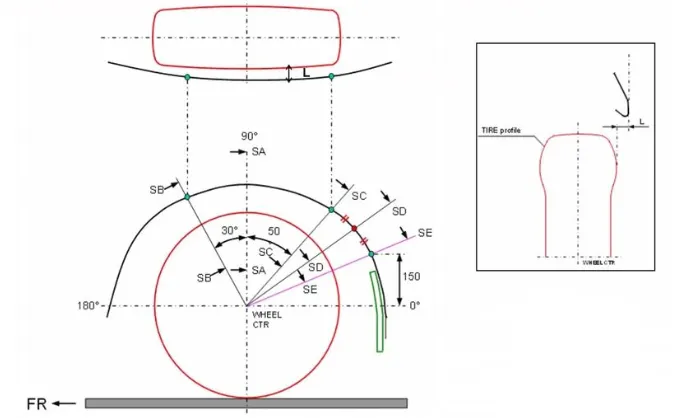
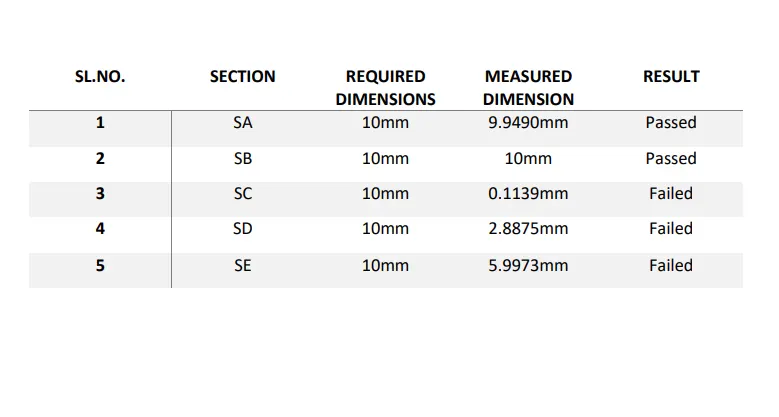
- Measure CL L at sections SA-SA SB-SB SC-SC SD-SD SE-SE and produce CL check chart to validate.
- At all five sections the CL L value should be greater than 10 mm to satisfy the European regulations.
- Wheel guard regmt: The value of 'a shall be more than 5 mm at a line 30* forward and 50* rearward from the central vertical axis of axis of wheel.
GIVEN DESIGN ANALYSIS
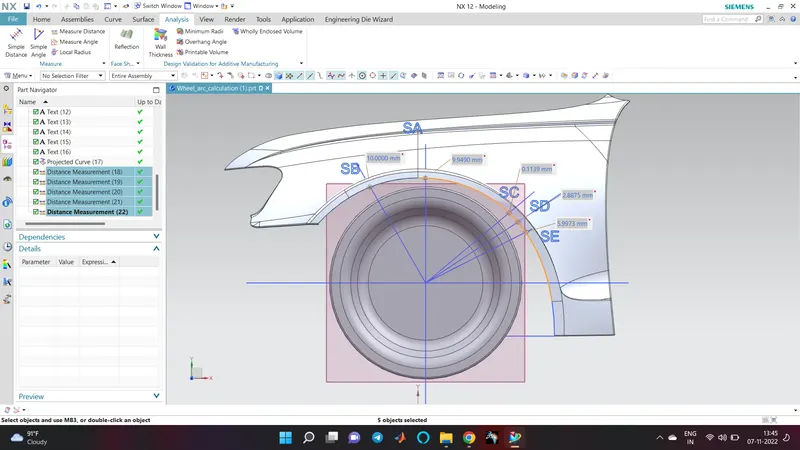
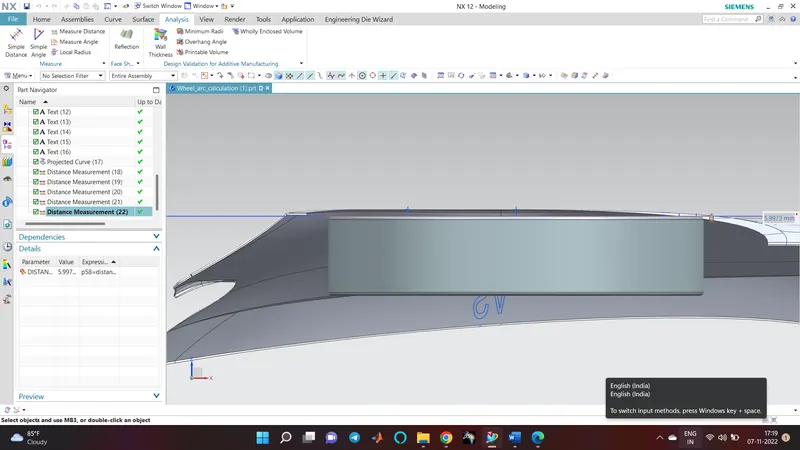
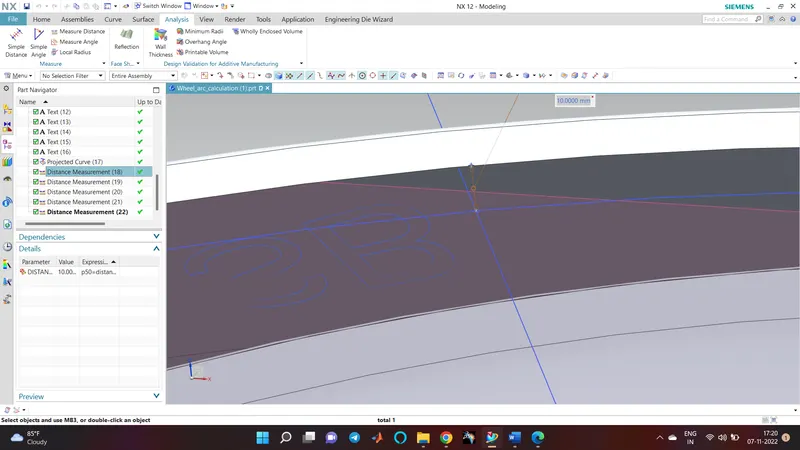
CONCLUSION/REMARK
- The styling team is required to modify the styling surface of the fender such that the clearance "L" at sections SC, SD and SE is equal to ar greater than 10 mm by increasing the curvature at those sections towards outside.