Fender Design using Siemens NX.
Aim: Designing a Front Fender from the given skin data and the Master Section provided with Drip Mounting, A-Pillar, Sill, Bumper and Baffle (splash) Mounts.
Objective:
- Designing the Front Fender by using the Master Section provided.
- Considering the design requirements for creating Drip Area, A-Pillar, Sill, Bumper and Baffle (Splash) mountings.
- Preparing a report with all the relevant images included for the mounting points created.
Theory:
Fender is the American English term for the part of an automobile, motorcycle or other vehicle body that frames a wheel well. Its primary purpose is to prevent sand, rocks, mud, liquids, and other roads spray from being thrown into the air by the rotating tire. The fender is typically rigid and can be damaged by contact with the road surface.
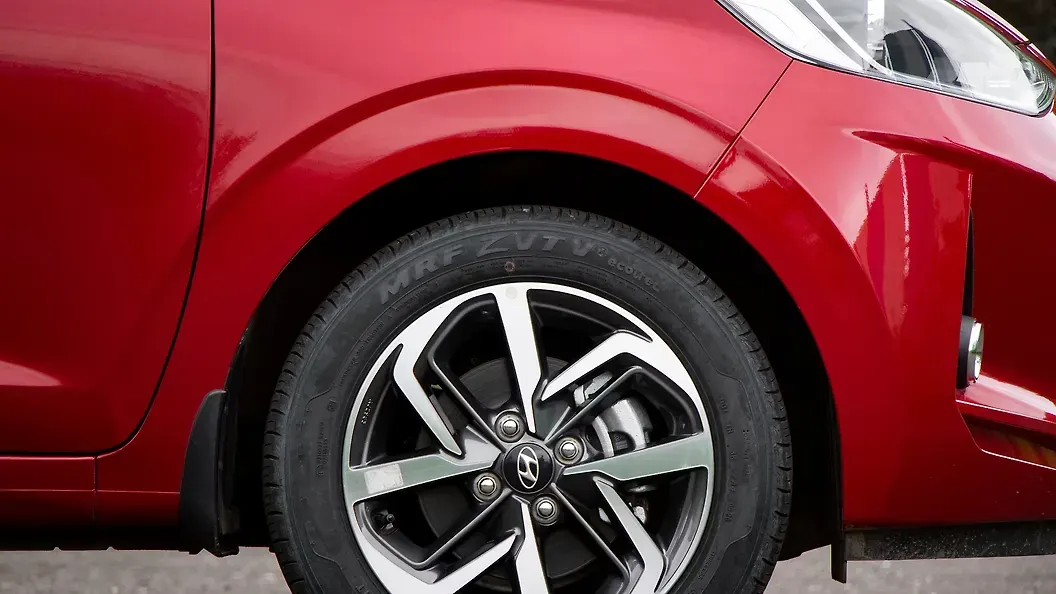
Sticky materials, such as mud, may adhere to the smooth outer tire surface, while smooth loose objects, such as stones, can become temporarily embedded in the tread grooves as the tire rolls over the ground. These materials can be ejected from the surface of the tire at high velocity as the tire imparts kinetic energy to the attached objects. For a vehicle moving forward, the top of the trie is rotating upward and forward and can throw objects into the air at other vehicles or pedestrians in front of the vehicle. The fender is a front outer side member of a car, which covers the wheel side. It has so many small features with ups and downs.
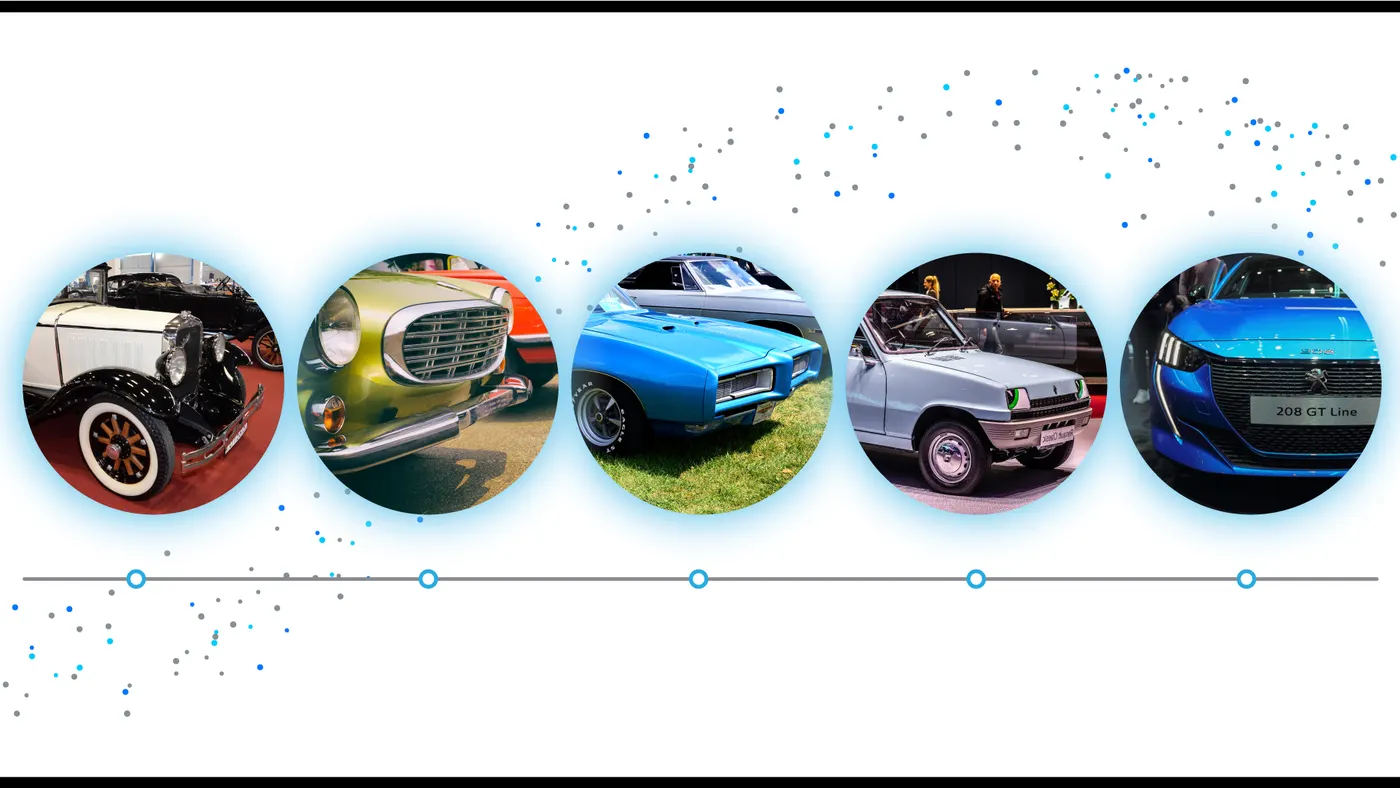
Although nowadays the fender/wing covering the wheel is very much part of the overall car body, in the early days of car design tools were more remote from that, and so as to stop all manner of grubby bits flicking up at high speed from heels into other road users (and over your own gleaming coachwork) there needed to be some kind of extra guard.
To the British designers of the day, these extra panels sticking out from the main body with sweeping, flowing curves - resembled the wings of birds, and so the name was given. Over the years the name has stuck to some extent, but with the wheels of modern cars becoming ever more integrated into the overall form of the car the idea of a 'wing' seems a bit vague, and so these are often now simply called 'arches' or 'panels' (or "bumpers' if they're at the points likely to make contact with other vehicles, like the front and back). Indeed the term 'wing' to a British youngster would usually conjure up images of a spoiler attached to the back of a car.
In the US these wheel-covers were given names which reflected their purpose rather than the way they looked, and so the piece of metal which guards the detritus against the road was called fending off the attack of the muddy roads. As time went on this function still applied, and therefore so did the name. In the states, a small incident that might be called a 'bump' by a Brit where the bumper makes contact with something, would often be called a 'fender bender.
Aside from keeping your vehicle clean, car fenders protect vital components from minor collisions. They also help define the car's overall style and design. They provide classy contours that give your car a classy, edgy look, especially when your vehicle is viewed from the side. They also help improve your car's aerodynamics, so your car is not only cleaner but also faster.
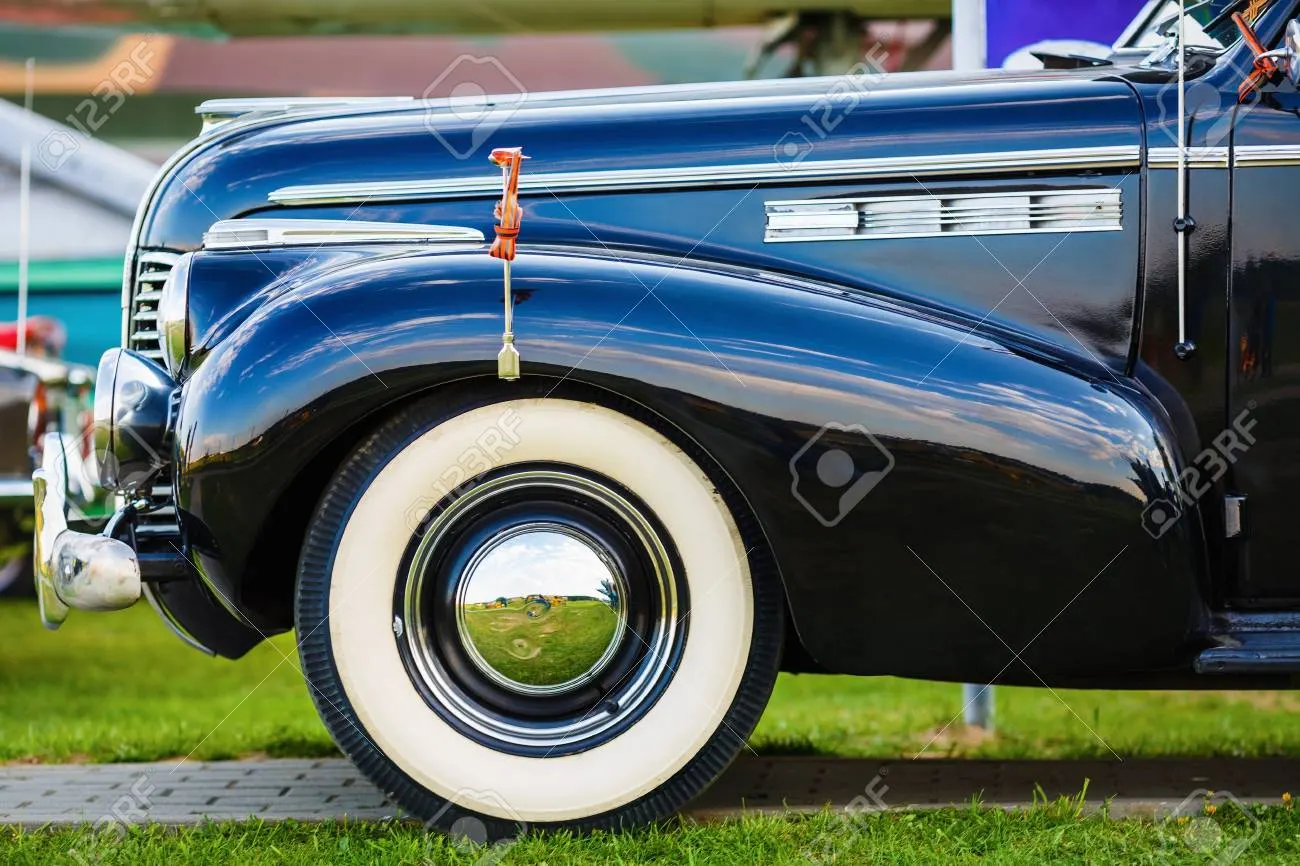
Curved steel was predominantly used in the fabrication of fender panels when they were first introduced in the late 1800s. Today, automakers use non-ferrous sheet metals and other materials to avoid corrosion damage caused by exposure to water and the elements. You can find modern car fenders made from steel, aluminium, thermoplastic, and fibreglass.
- Fenders based on location:
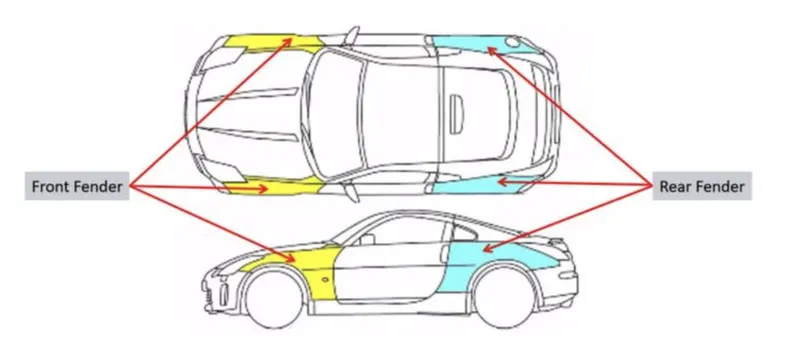
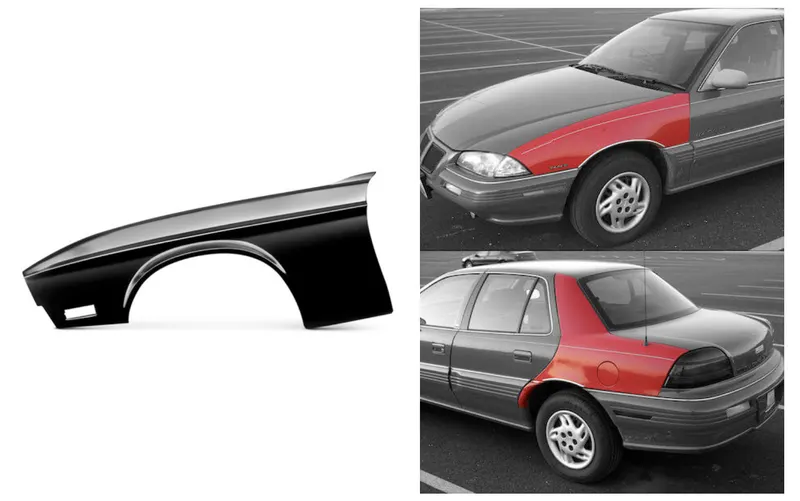
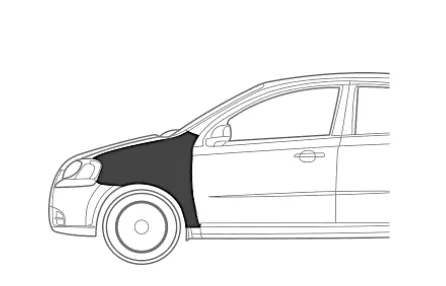
- Front Fenders or Front Quarter Panels: Front fender panels are located on the sides of each front wheel. These panels typically cover the sides of the headlights to the hinge of the driver and passenger doors on the A-pillar. A car's front fender runs vertically from the hood to the wheel well.
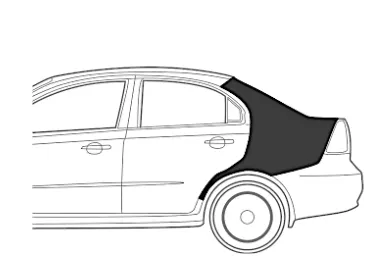
- Rear Fenders or Rear Quarter Panels: Rear fender panels are located on the sides of each rear wheel. They extended of the rear doors on towards the edge of the taillights. Rear fenders also usually feature a fuel hole with a gas cap. These features can be found on either the driver or passenger rear panels, depending on the year and model of the vehicle.
- Types of Fenders:
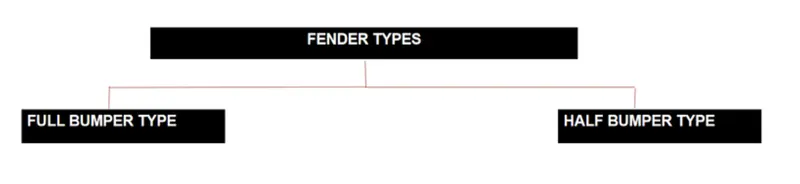
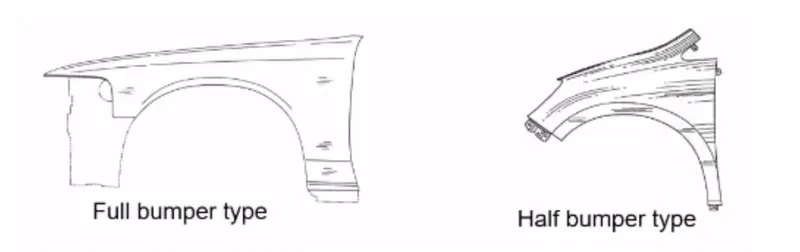
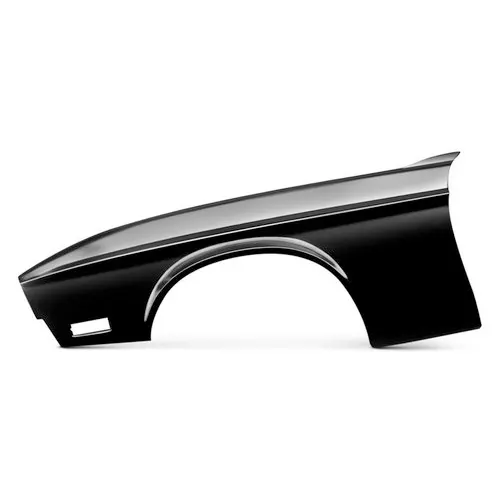
- Full Bumper Type: This type of bumper is not commonly used because this design is more Scrap producing one during manufacturing. The blank of steel or aluminium used to produce this type has more wastage. This type is not economically good to manufacture.
- Half Bumper Type: This type of fender is most commonly used. The cons of full bumper type are satisfied in this design, and the blank area of wastage while producing the part is drastically reduced by scrap management.
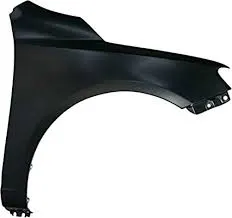
Either a single full bumper type or two half bumper type fenders can be produced from a single blank. Half bumper type is widely used because of less wastage of material, which in turn reflects the car's overall price.
- The Importance of Car Fenders:
- The fenders are an intricate sheet of metal covering the wheel well of your car.
- Fenders in a manner to provide resistance against wind and other roadside debris.
- When you travel on rough terrains your vehicles might get minor scratches and dents which look no better. Frequent road bumps can cause your car to paint to chip off which needs a paint job done.
- The car fender is located on either side of the front and rear wheels. The front car fenders begin where the front door hinges run and end just before the bumper. The rear car fenders begin where the back doors close and terminate before the back bumper shim harmful ers limharmful external elements harmful external elements are harmful.
- Fender flares are attached to ensure that both the body and engine have minimal contact with corrosive elements.
- The Fenders provide safety to the driver and the passengers at the time of accidents or collisions. They are manufactured in a way to provide bend during front and side collisions.
- The Fenders are designed to avoid wind resistance and make your car more aerodynamic.
- The Fender enhances the overall look of your cars. Fender flares are available in distinctive designs in the market. Mostly you find universal Fender flares, but you can get customized cars Fenders to fit your car wheels.
- Purpose of Fender:
- Cleanliness: Protect the car, occupants and passers-by from items, water, mud, snow, and ice, thrown off the tires as you drive.
- Safety: Protects pedestrians from the wheel, eg. it's better to be it by a laterally moving fender than a rolling tire, keeps loose, streaming items from being wrapped up in a rolling wheel.
- Aerodynamics: Smooths the car profile so you don't get a lot of drag off the uncovered wheels. Some fenders are enclosed on the side for this.
- General Appearance: Looks better with fender, gives a fand finished look, looks more streamlined.
- Assembly:
- Bottom-Up Assembly: The Bottom-Up Assembly is the most preferred approach for creating assembly models. In this type of assembly, the components are created in a part design workbench (As NX CAD part) file. Parts are conceived in assembly design workbench using product structure tools. After inserting each component. Constraints are applied to position them properly concerning the other components. This assembly is preferred for large assemblies, especially those having intricate individual components.
- Top-Down Assembly: In the Top-Down Assembly design approach, components are created inside the assembly design workbench. Therefore, there is no need to create separate part files of the components. This design approach is completely different from the bottom-up design approach. Hermakehave to create the product file first and take by one create all the components. Note that even then the parts are created in the product file, they are saved and opened individually one by one when they are needed. Here the construction and the assembly take place simultaneously.
- Mounting region of the Fender:
There are 5 mounting regions on the fender,
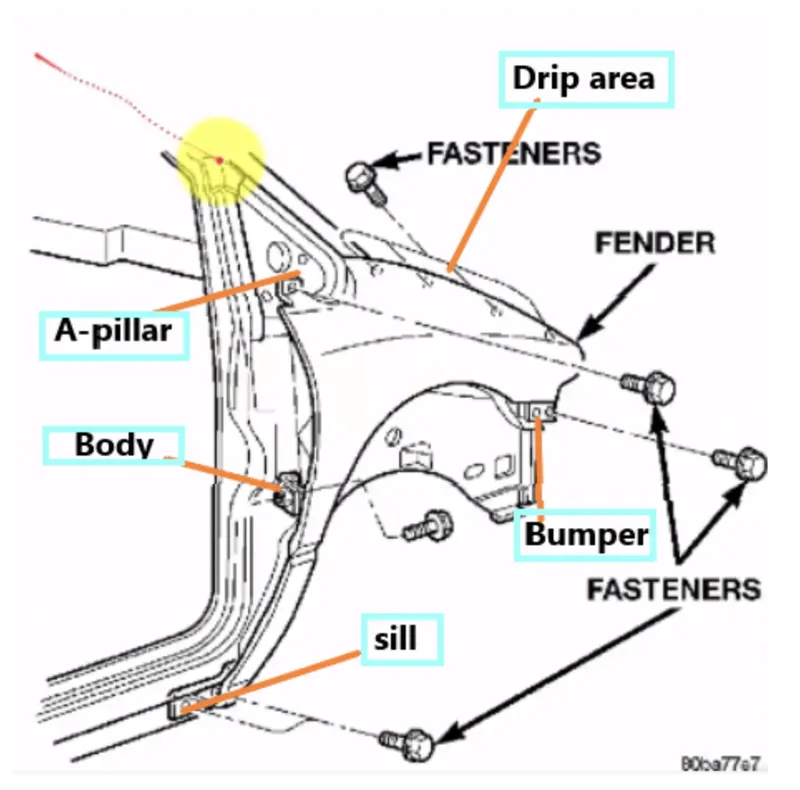
- A-Pillar Mounting.
- Body Mounting.
- Sill Mounting.
- Bumper Mounting.
- Drip Mounting.
A-Pillar Mounting: The A-pillar area mounting depends upon the A-pillar of the car. the mounting can also be provided with ribs to strengthen the part. this mounting is critical in design as it has to be mounted on A-pillar properly.
Body Mounting: Another mounting point is created for the body side on the fender. this mounting is created such that it can be mounted on the body of the car. it may consist of one or two bolting holes.
Sill Area: Sill area mounting is also an important mounting part .this mounting point is basically on the bottom of the fender. the mounting part should be created such that the fender is firmly attached to the sill.
Bumper Mounting: The mounting is done on the bumper, the bumper is the front part of a car which holds the headlights air vents and other things. The mounting is done with the help of the fasteners and weld nuts.
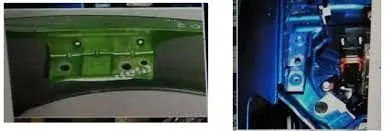
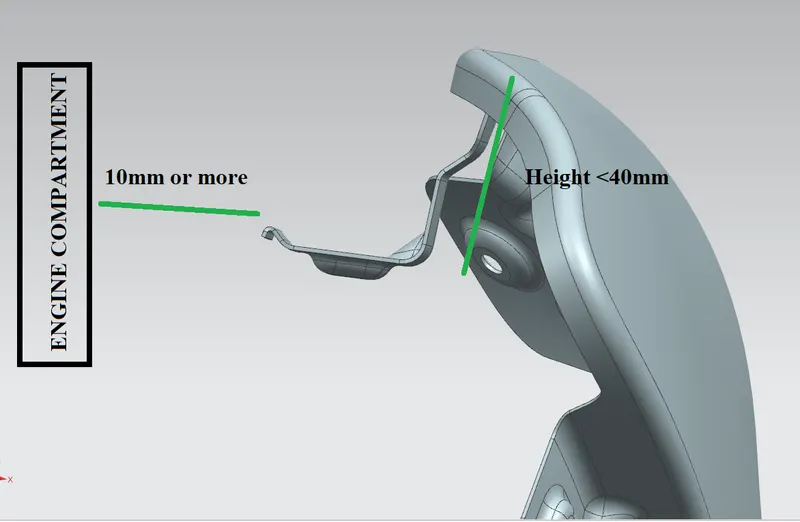
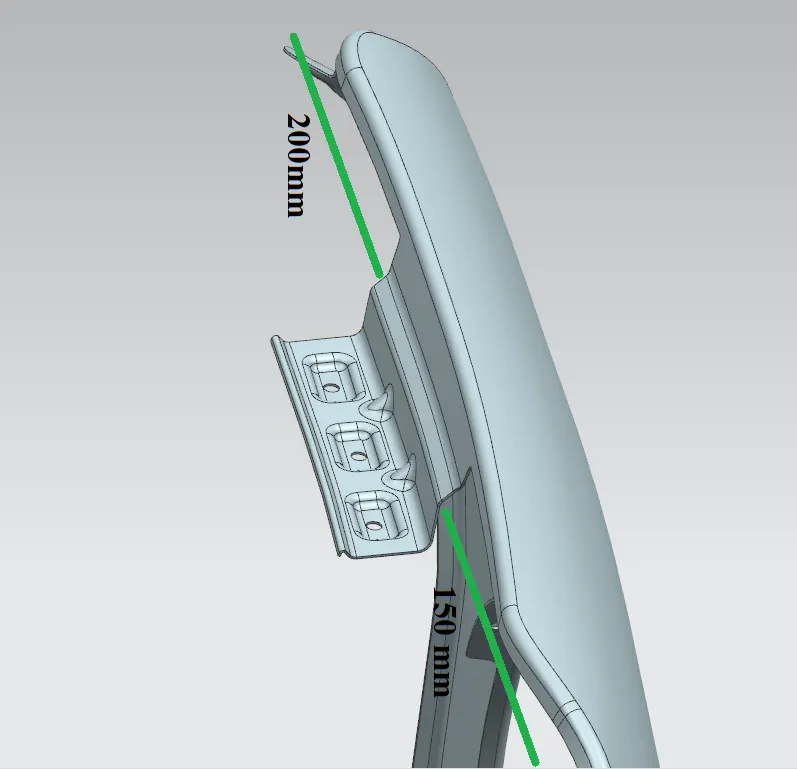
Drip Mounting: Drip area mounting is an important part of the fender. this mounting is attached to the engine compartment of the car. The fender drip area is mounted via weld nuts to the engine compartment. min of 150mm distance is kept from the front side and a distance of 300mm or less can be kept on the rear side. the total length of the drip area from the top of the fender should be less than 40mm, this is to avoid the springback during the manufacturing. the edge of the mounting should be at least 10mm away from any nearby component in the engine. a rigidity bead is provided at the end to increase the strength of the mounting.
- Manufacturing Process of Fender:
The manufacturing of the fender majorly involves these operations,
- Embossing.
- Bending.
- Cutting and Blanking.
Embossing: Embossing is a metal forming process for producing raised or sunken designs or relief in sheet material using matched male and female roller dies, theoretically with no change in metal thickness, or by passing a sheet or a strip of metal between rolls of the desired pattern.
Bending: Metal bending is a process by which metal can be deformed when applying force to the subject, which causes it to bend at an angle and form the anticipated shape, which often results in it being in a 'V or a'U' shape. This is done through the application of force on a workpiece. The force on the workpiece can be mechanical, pneumatic or hydraulic.
Cutting and Blanking:
Cutting processes are those in which a piece of sheet metal is separated by applying a great enough shearing force to cause the material to fail.
Blanking is a steel manufacturing process in which a flat, geometric shape is created by feeding a coil of sheet metal into a pThes process, the blank is punched out from the lar during this process metal sheet.
- Fender Wheel Arch:
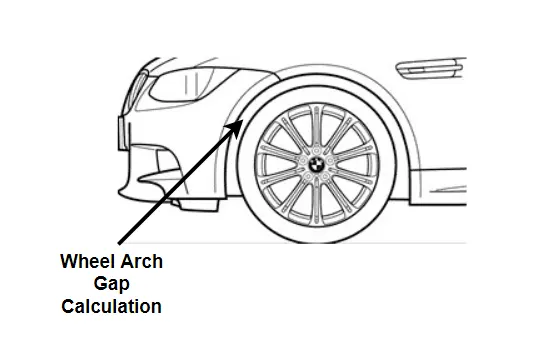
- Fender wheel arch is having some standard specifications, for example, if you see the car from the front, if you see the wheel outside the fender it does more chipping and it causes lots of damage to the pedestrians and also to the car.
- To maintain the pedestrian's safety, we have to position the tire wheel inside the fender.
- For the European requirement, the clearance between the wheel and the fender's outermost skin is 5mm.
- These requirements changes from country to country based on the road conditions.
Procedure:
- Drip Area:
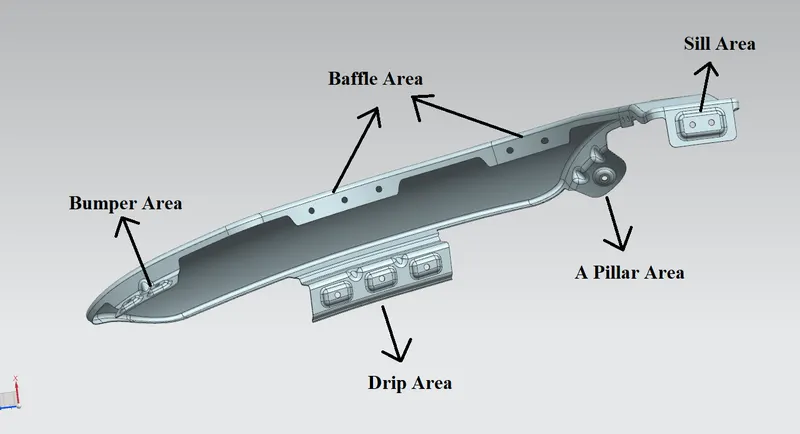
- The area at which the fender gets attached to the engine housing through fasteners. It is the major mounting for the fender.
- The height of drip area mounting should be less than 40mm so that it reduces the springback effect during manufacturing.
- The edge of the mounting part should be at least 10mm away from the nearby components in the engine.
- It should be distanced at least 150mm from the front side for the headlamp housing unit and 200m from the rear side for the cowl setup.
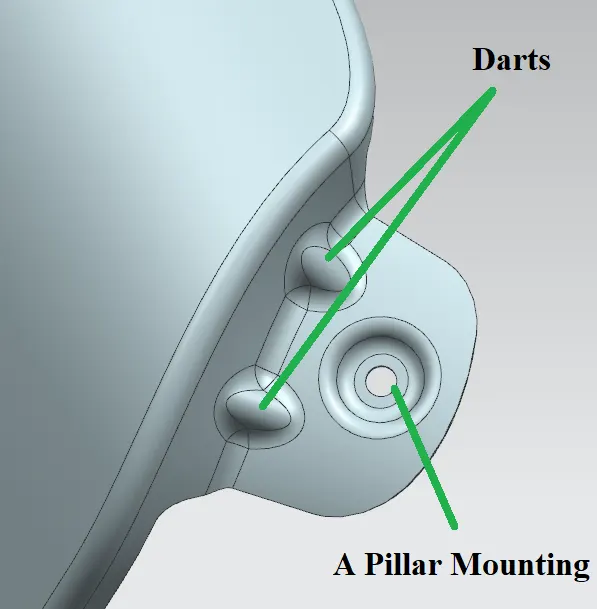
- Darts should be provided to increase the strength and to increase the rigidity of the mounting part.
- A-Pillar Area:
- This Mounting region is located near the cowl of the vehicle where the fender is fastened with the bottom edge of the windshield. This mounting is covered with the side rear-view mirror.
- Ribs are provided to increase the strength of the A-Pillar mounting point.
- Other factors for the mounting flange will depend upon the A-pillar design of the car.
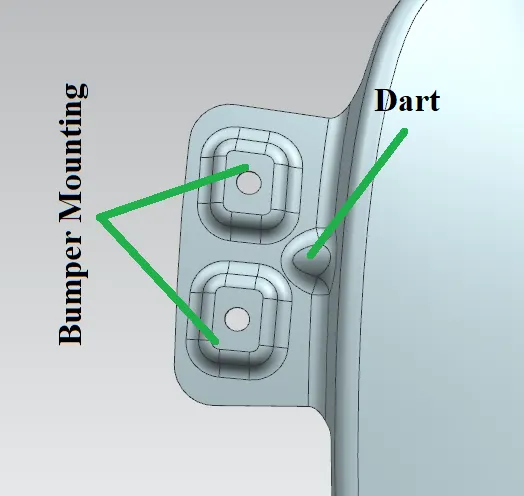
- Bumper Area:
- The bumper mounting region is located beneath the bumper. The fender gets attached before the installation of the bumper. After fixing the fender with fasteners the bumper will cover the bumper mounting.
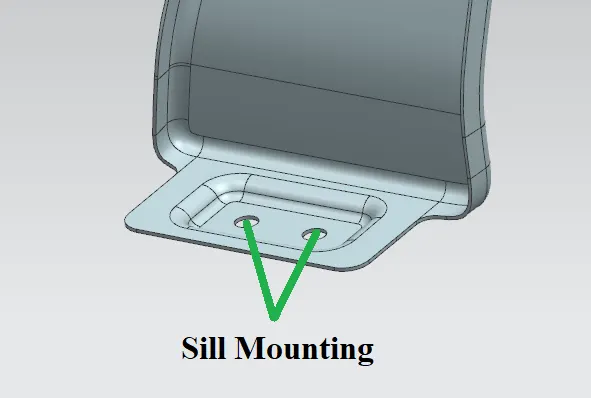
- Sill Area:
- The area at which the bottom of the fender gets connected to the floor near the bottom edge of the door. The Embossed sill mounting of the fender is attached with the fasteners.
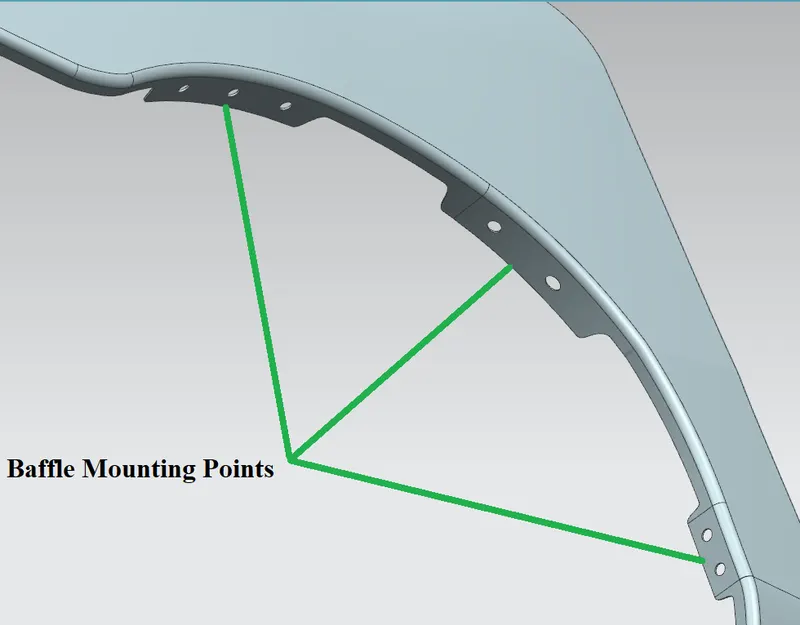
- Baffle Area:
- In this region, the baffle gets installed to the fender with the help of clips which holds the baffle with the fender along the wheel arch.
- For improvement of NVH in car, usually, a baffle is mounted on the fender of the car. it is mounted on the wheel arch area.
Result:
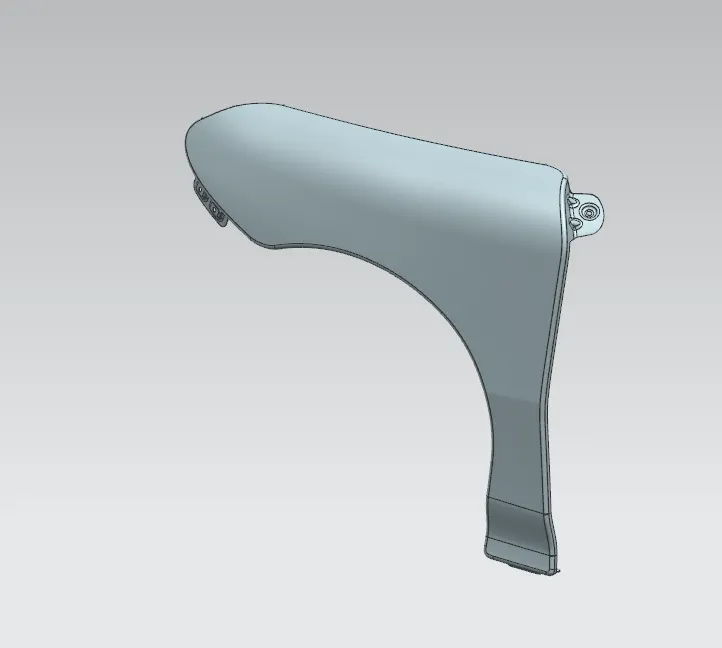
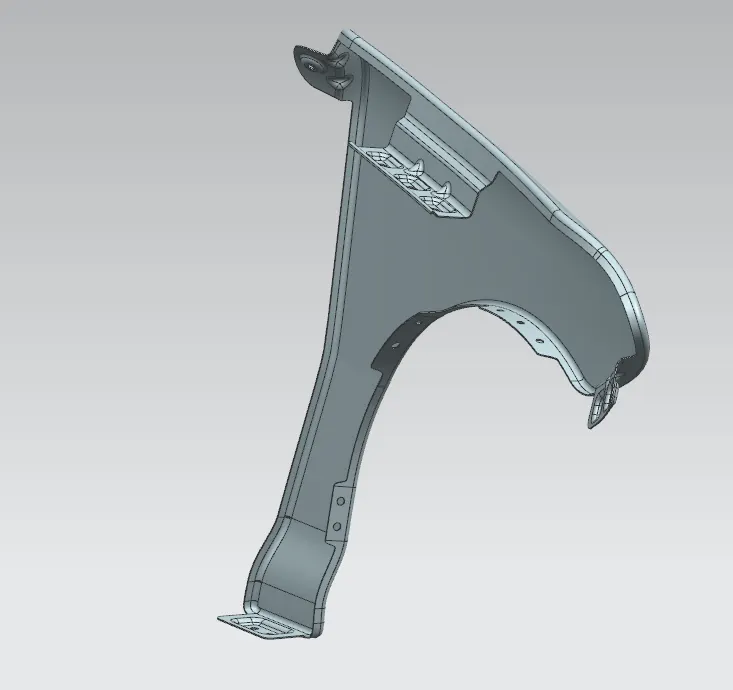
Working on Fender Skin data was done such as for the creation of all the above mounting points, considering all the design considerations required and following the master section. The below images show the mounting points created and the final look of the fender after the thickening operation.
Note:
- All the sketches should be fully constrained.
- Appropriate feature groups should be created for future works.
Conclusion:
We have developed a front fender with mounting points following the design parameters and master section.