Fender Design Challenge
Fender Design Using NX CAD
Aim/Objectives: To design the car Front fender using the Skin data of fender with master section received from styling team.
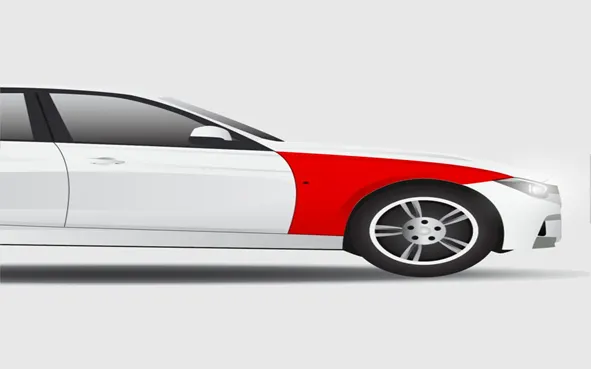
Introduction: Front Fender is one which is frames with wheel to prevent the mud; Sand & pebble etc… from being thrown away by rotating tire into air and it also provide the safety to the pedestrian
Types of Fender: There are mainly two type of fender used the name mention below
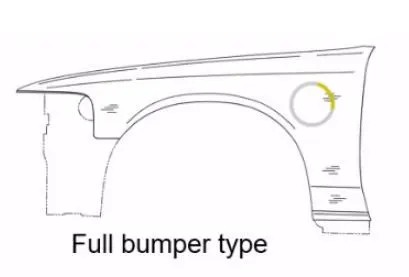
- Full Bumper Fender: These are the fender which covers the wheel of vehicle entirely. These fender were used earlier in the manufacturing process but the cost of Sheet metal was too high

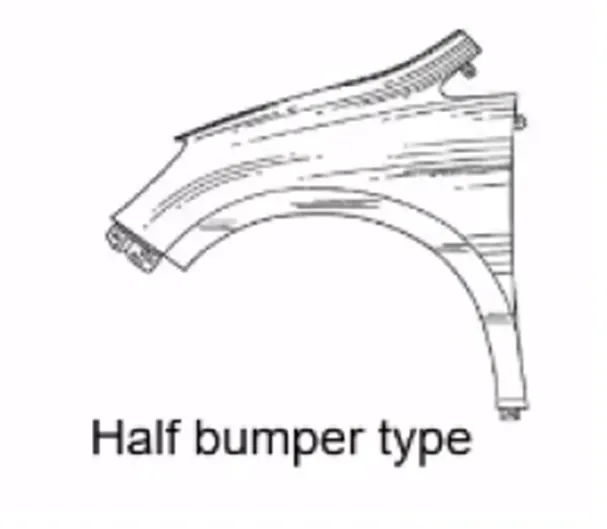
2. Half Bumper Fender: In this fender the manufacturing process is same as above but instead of making a one full fender here two half fender are made by reducing some weight & cost and some modification in design
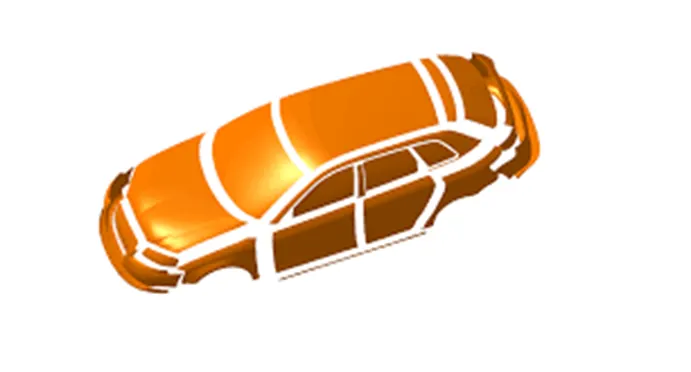
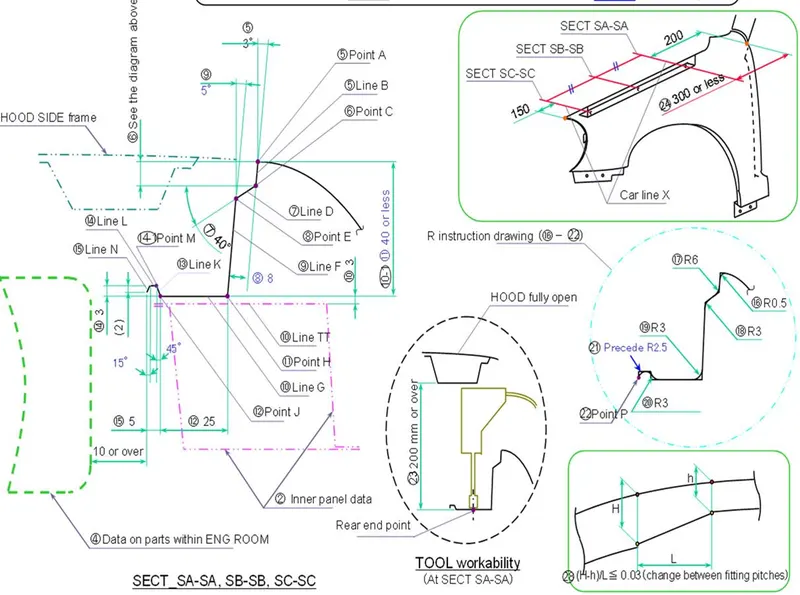
Master Section of Fender:
Design Parameter:
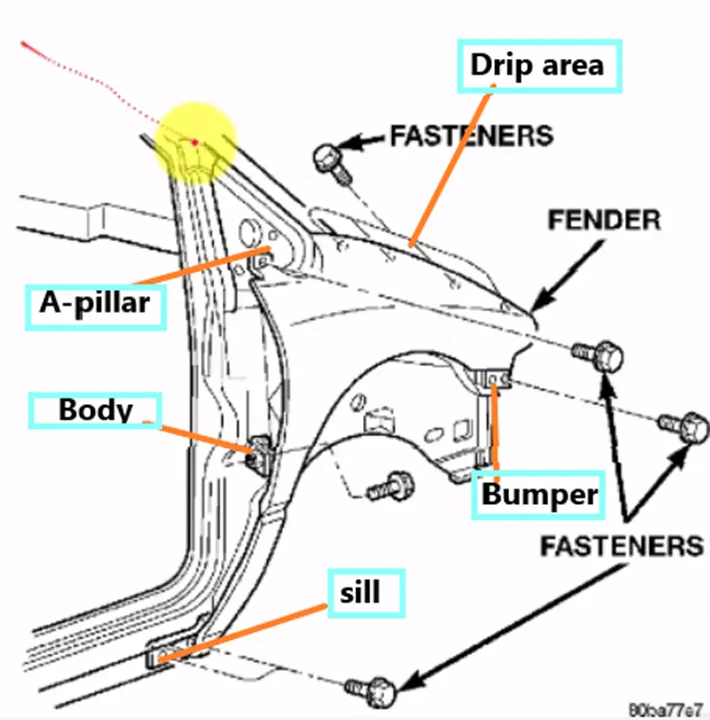
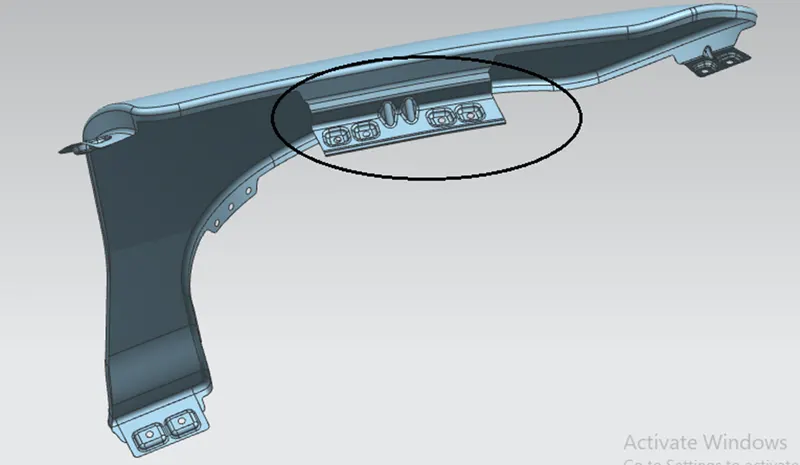
1) Drip Mounting Area: It is the important mounting area of the fender which is connected to the engine compartment the constraint provided 10 mm or above from the engine compartment. When we design the Drip area it is kept in mind that the drip area should be 150mm away from the headlamp area & 200mm away from the Cowl area for wiper mounting purpose.
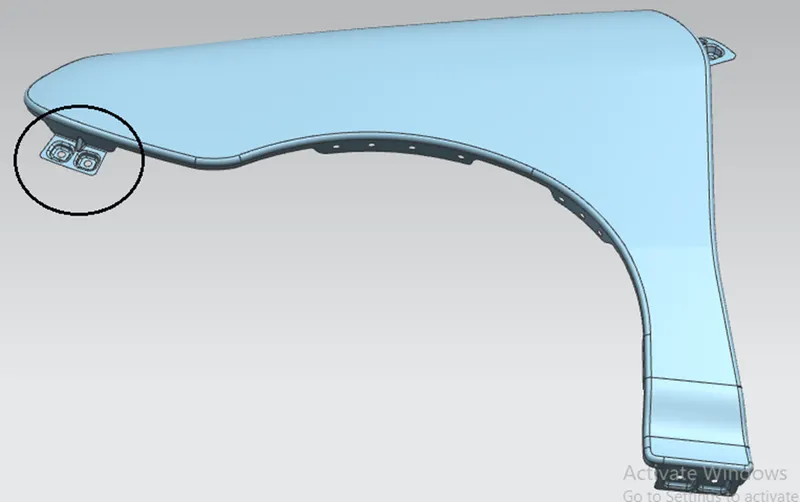
2) Bumper Mounting Area: As the name Refer that this area is provided towards the Bumper side and Made by Some Law Extension, Embossing & Trimming.
3) Sill Mounting Area: This area is provided by making a law extension from the edge and doing some embossing to the face.
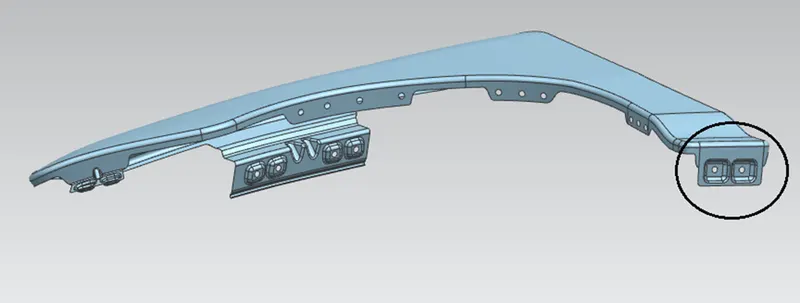
4) A Pillar Mounting: This area is provided towards the Side door and it is made by providing some Law Extension & Some embossing on the face
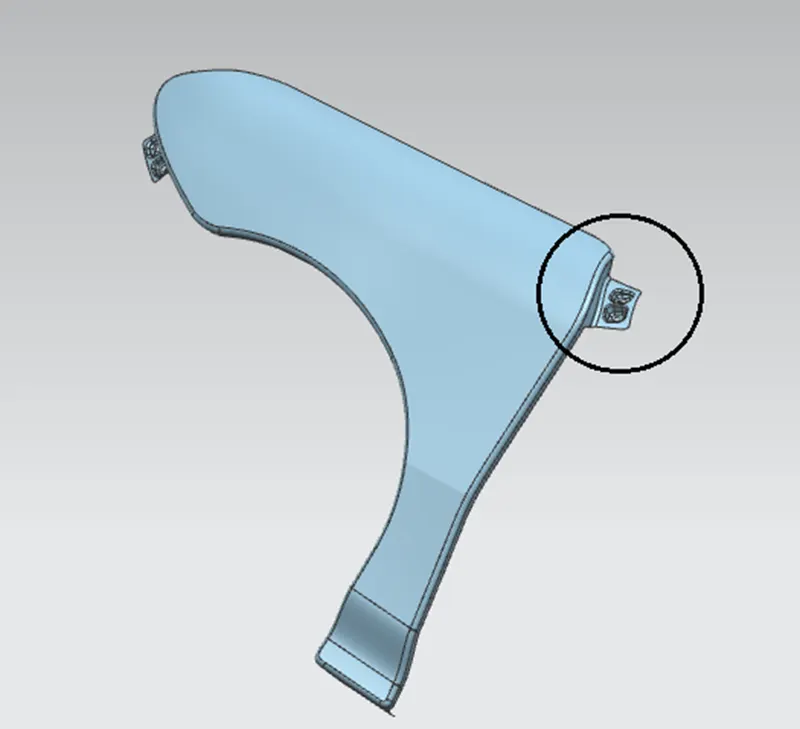
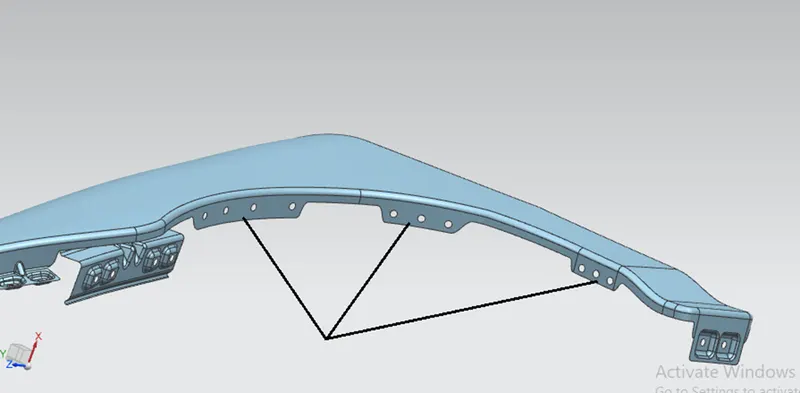
5) Baffle Mounting Area: In this Section Holes are created for mounting in to the car body & fitted with good Clearance
Manufacturing Process:
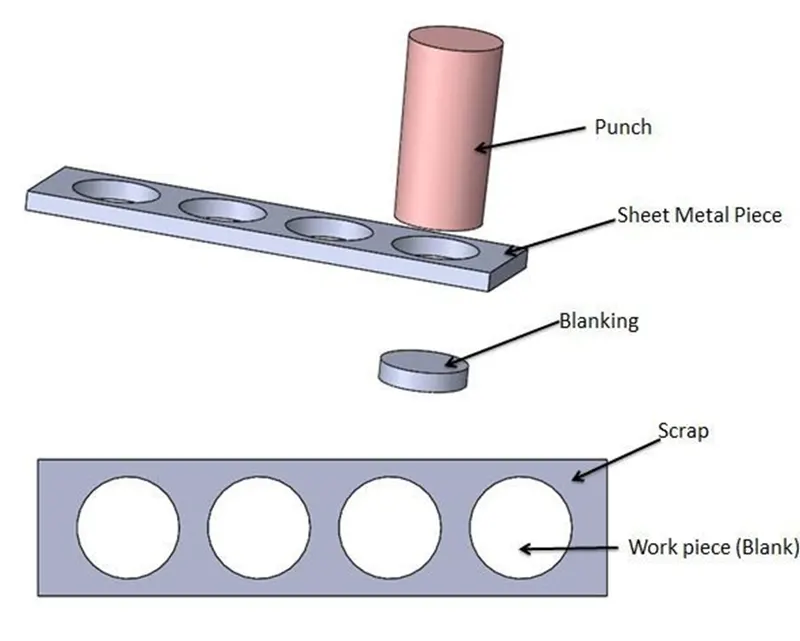
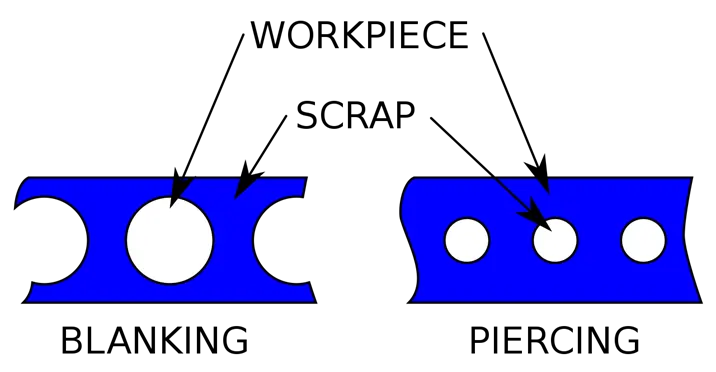
1) Blanking:
Blanking is a metal production process, during which a metal work piece is removed from the primary metal strip or sheet when it is punched.
2) Bending:
Bending can be defined simply as a forming operation in which the metal is deformed along a straight axis.
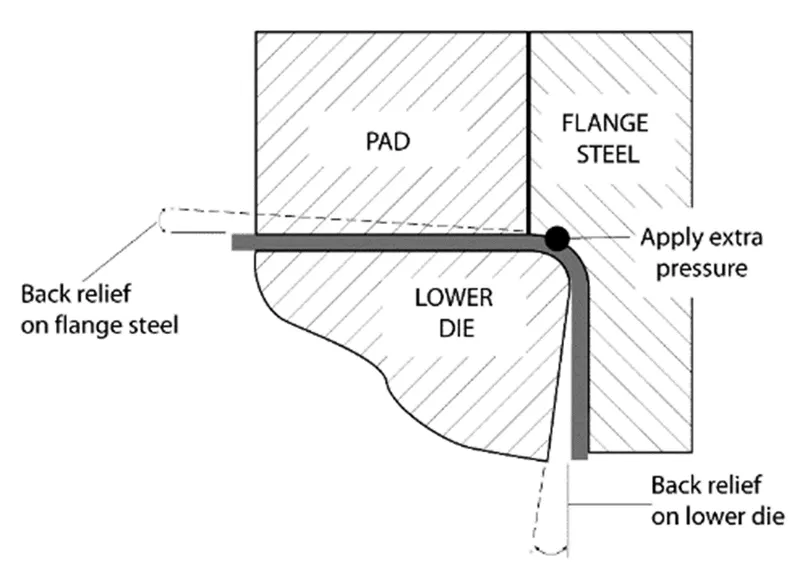
3) Trimming/Shearing:
Trimming is the removal of excess metal from a stamped part to allow the part to reach the finished stage or to prepare it for subsequent operation
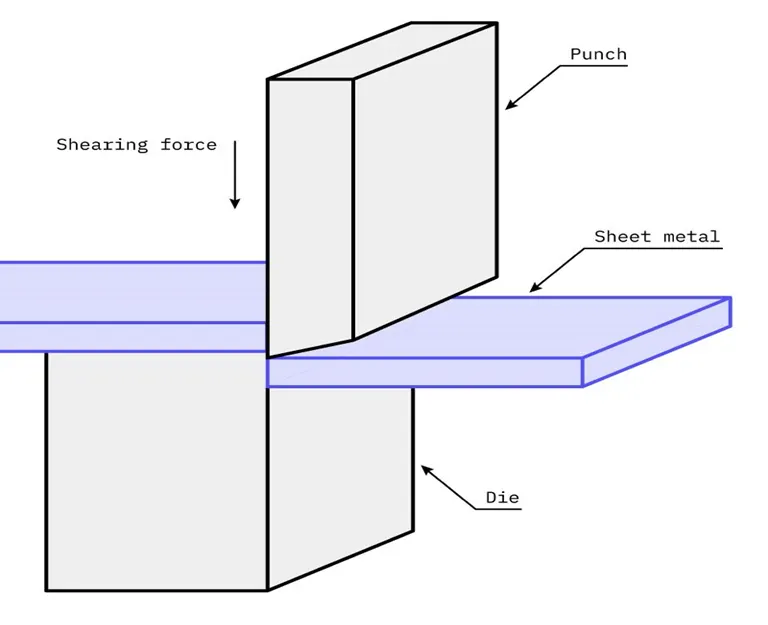
4) Piercing:
Piercing is the process of cutting small, cylindrical holes in the sheet metal whilst removing very little quantity of material
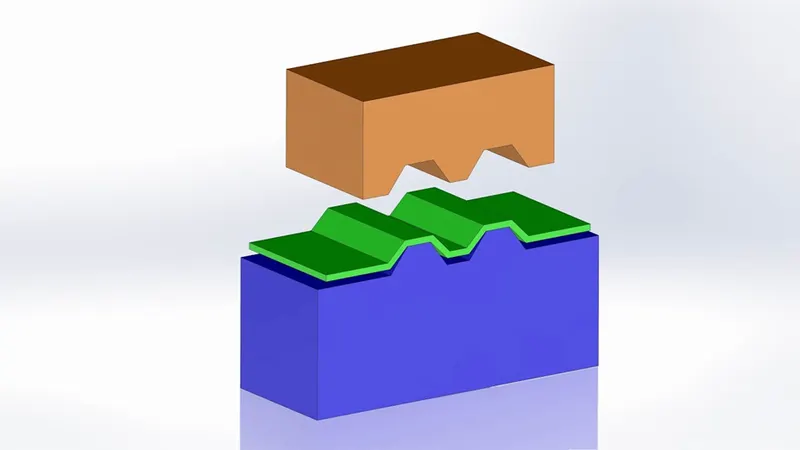
5) Embossing:
Sheet metal embossing is a stamping process for producing raised or sunken designs or relief in sheet metal. This process can be made by means of matched male and female roller dies, or by passing sheet or a strip of metal between rolls of the desired pattern.
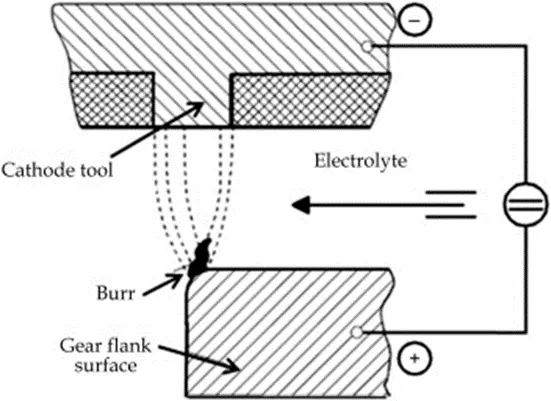
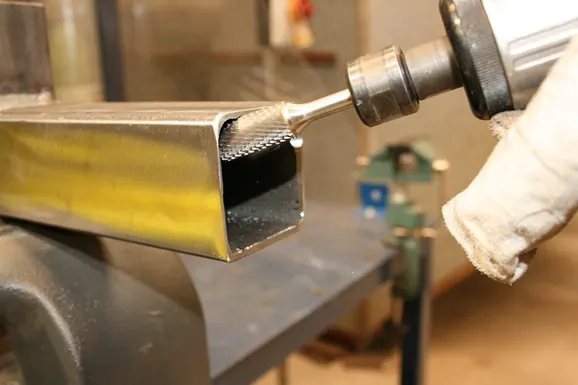
6) Deburring:
Deburring edges is essential in modern sheet metal processing in order to produce reliable and high quality parts. Deburring machines reliably remove any burrs left on the parts and help to ensure that the downstream processes function smoothly.
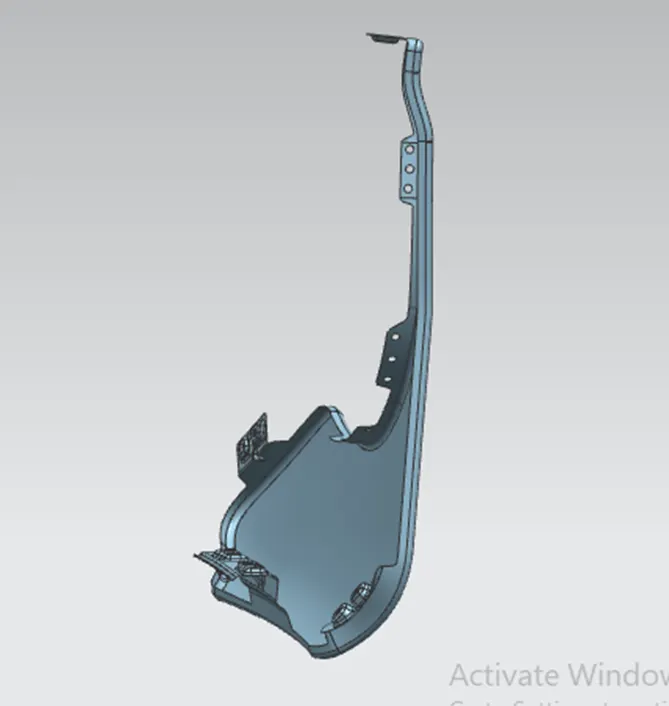
Different Views of Fender
- Isometric View
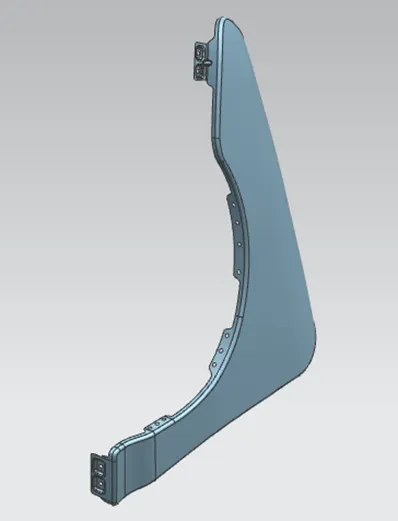
2. Left Side View
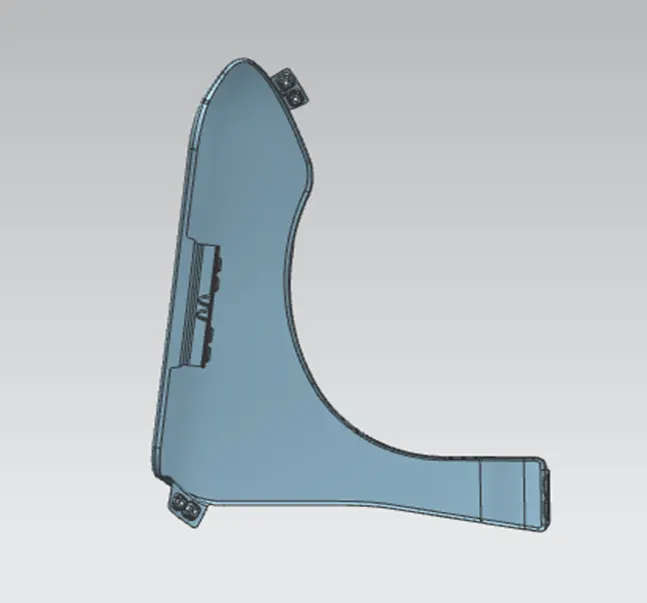
3. Top View
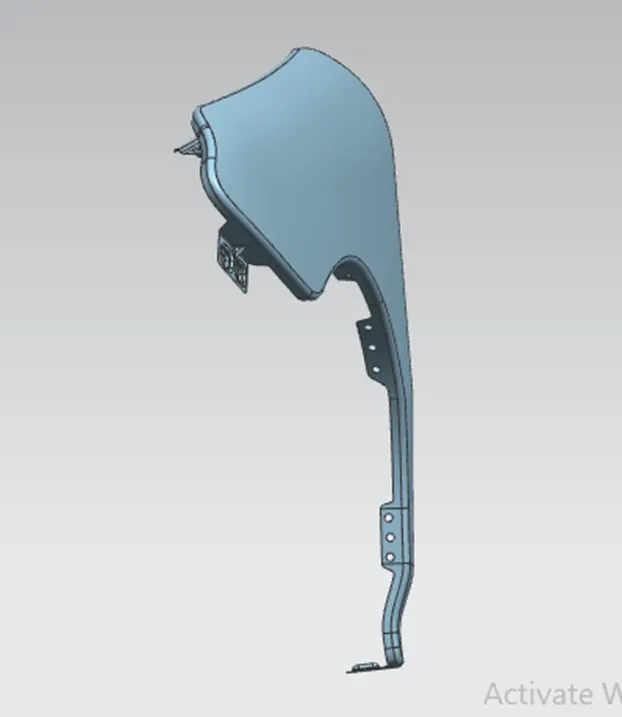
4. Bottom View:
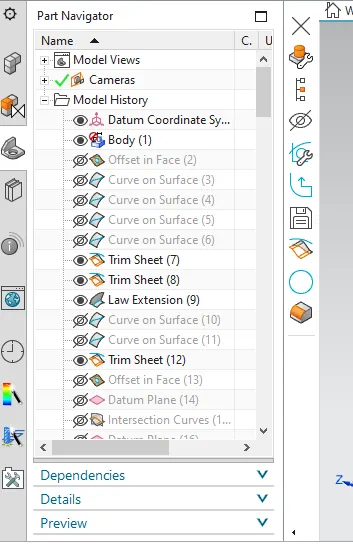
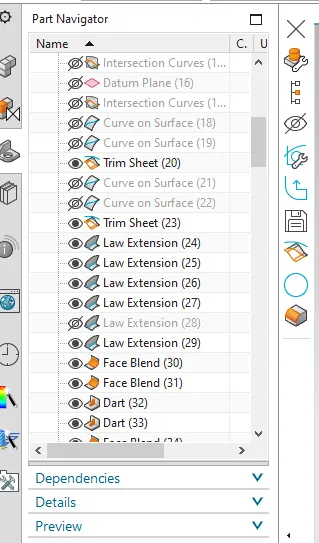
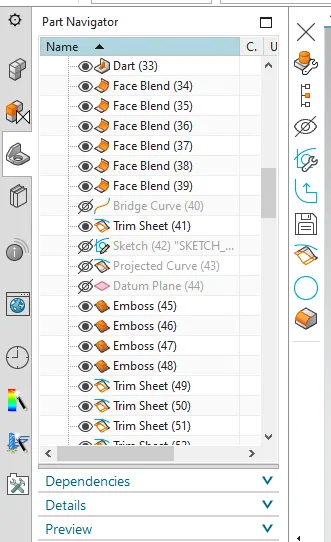
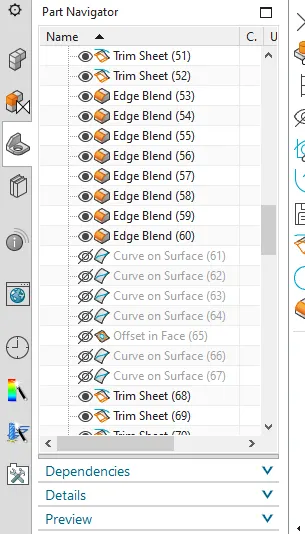
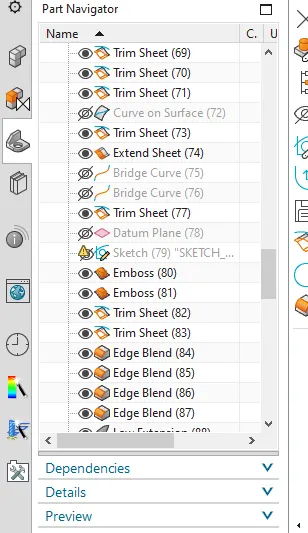
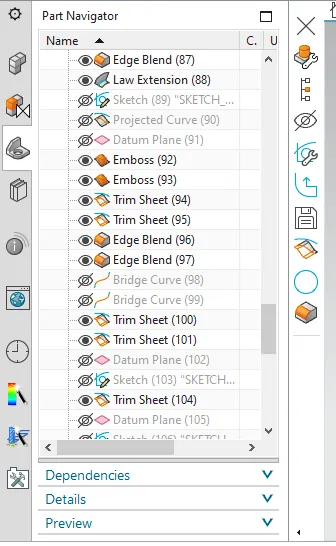
Feature Tree:
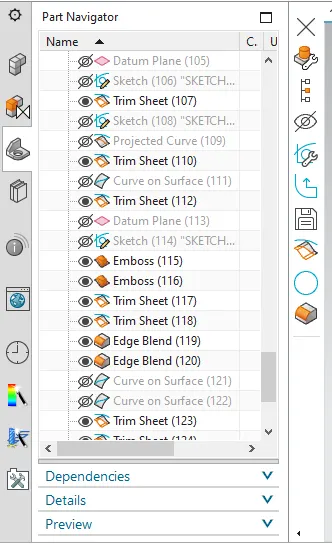
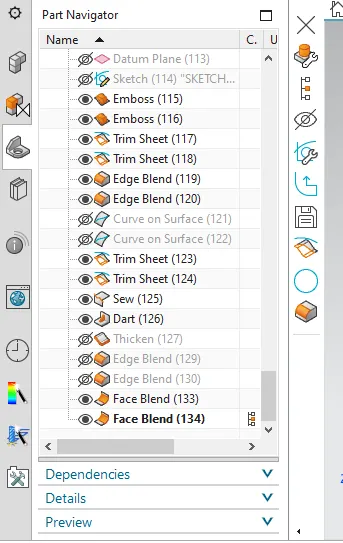
Conclusion: Thus by Receiving the skin Data and Master Section from the styling team I completely desing the Car Front Fender with providing some mounting area Like Drip Area, Bumper Area, Sill Area Baffle Area etc by using NX CAD.